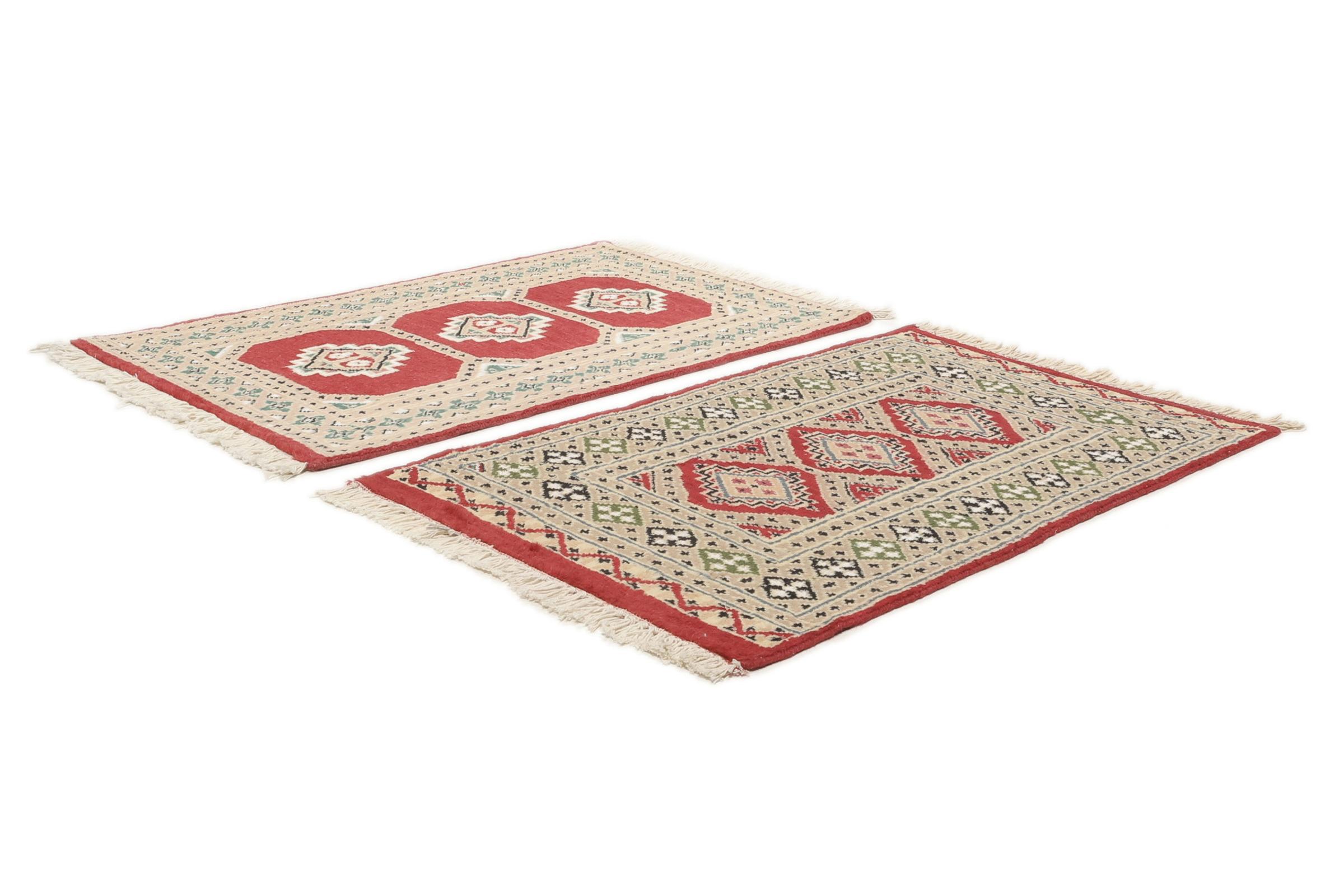
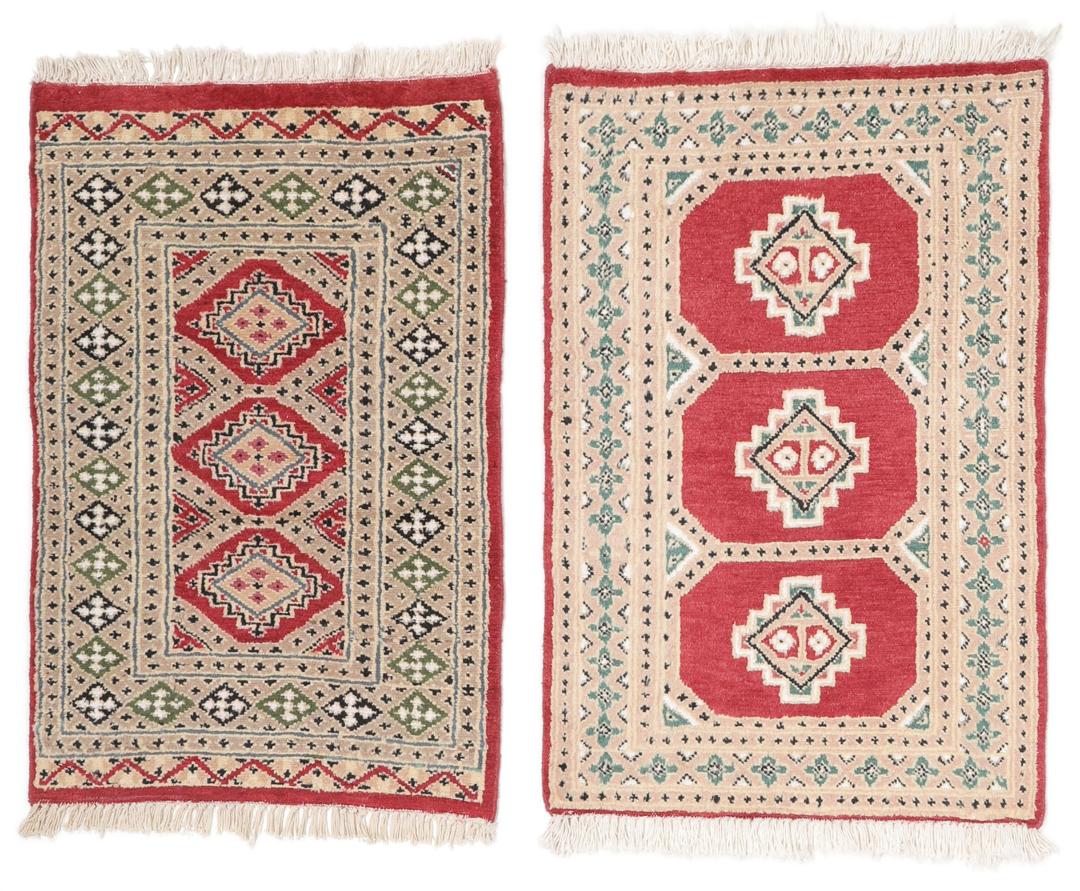
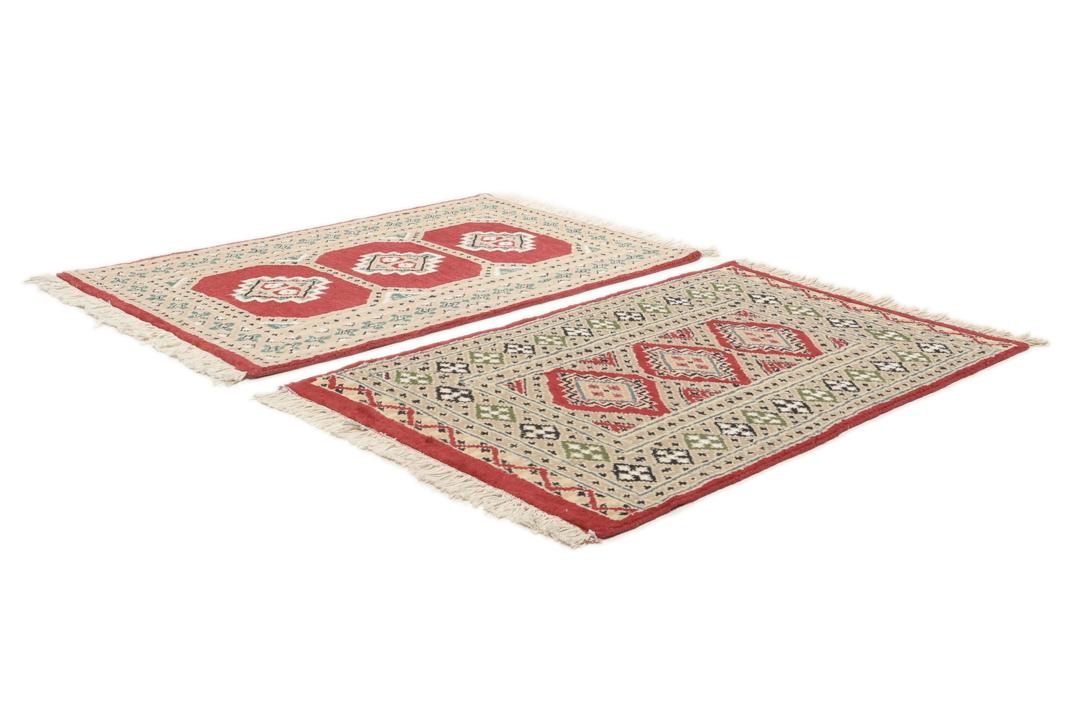
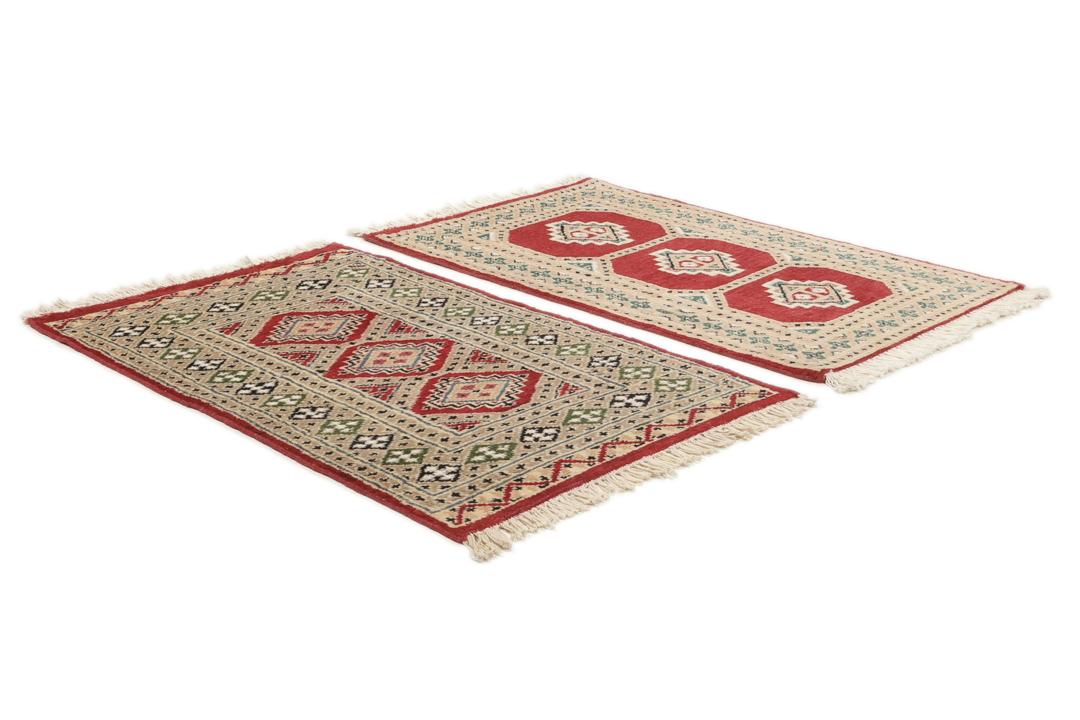
Bokhara rugs are deeply rooted in the traditions of the ancient Silk Road, taking their name from the historic city of Bukhara. While they have historical links to Central Asia, the finest contemporary examples, such as this one, are proudly produced in Pakistan. This evolution reflects a migration of weaving expertise that has kept these classic designs vibrant and relevant in modern times.
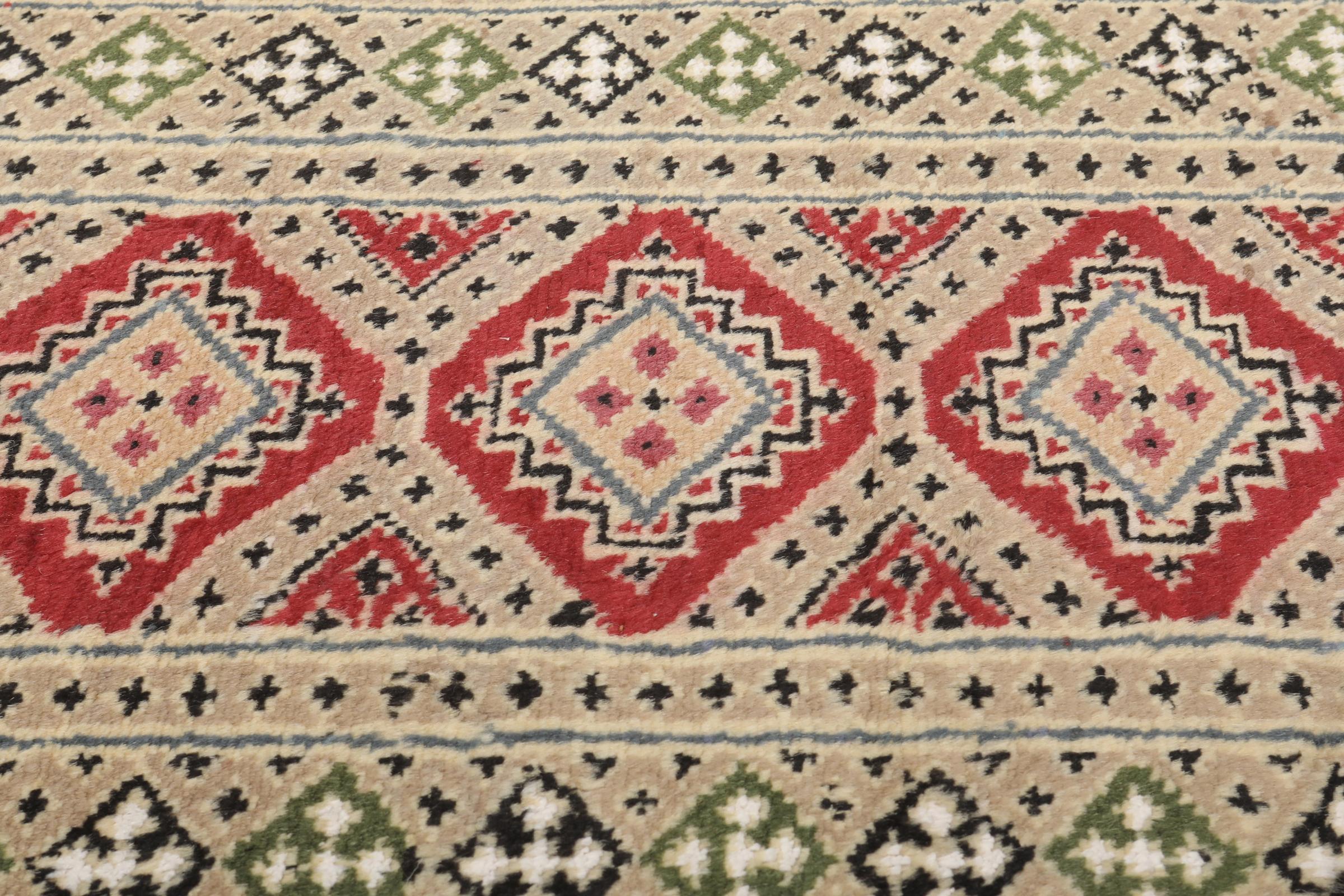
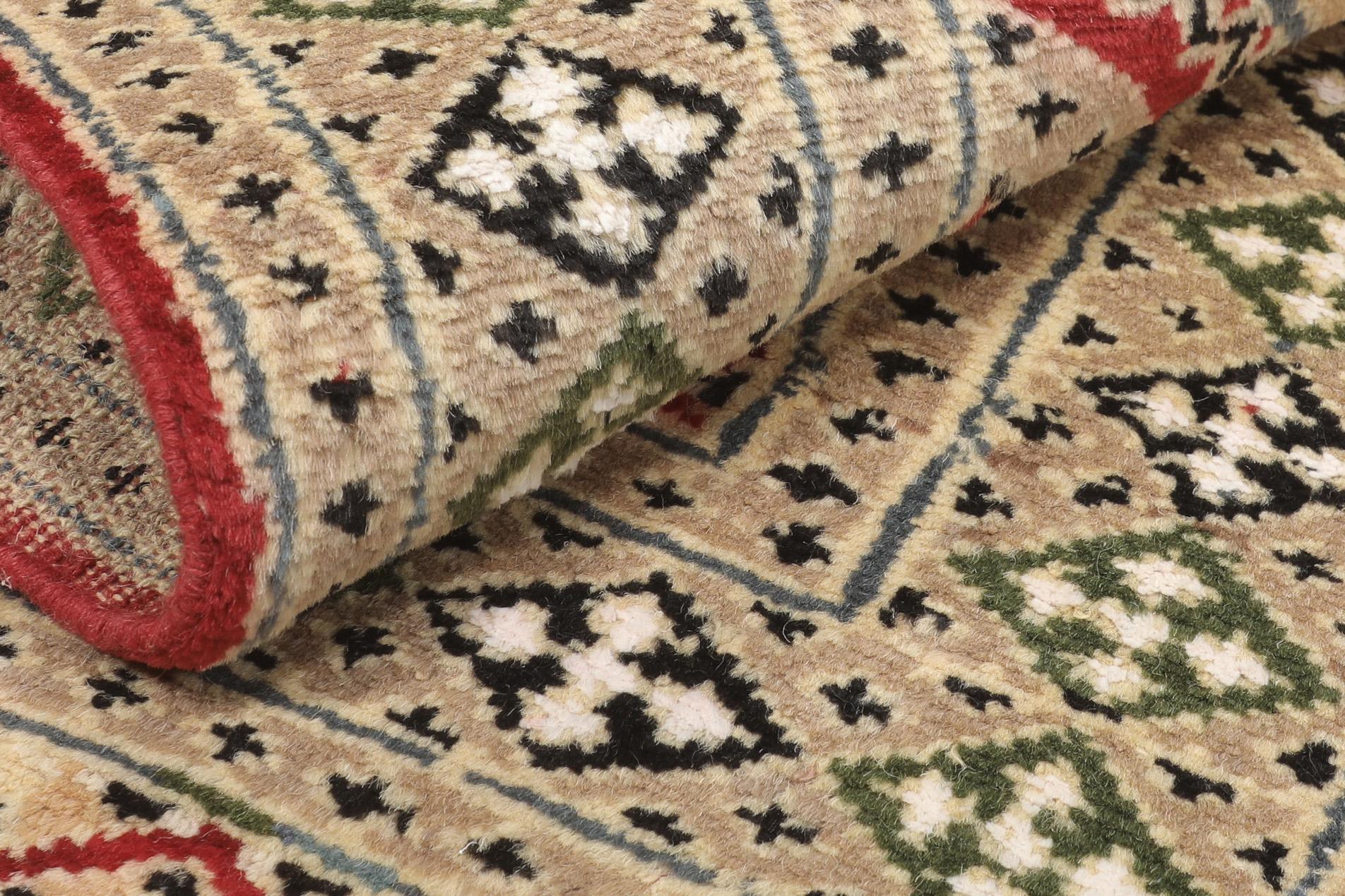
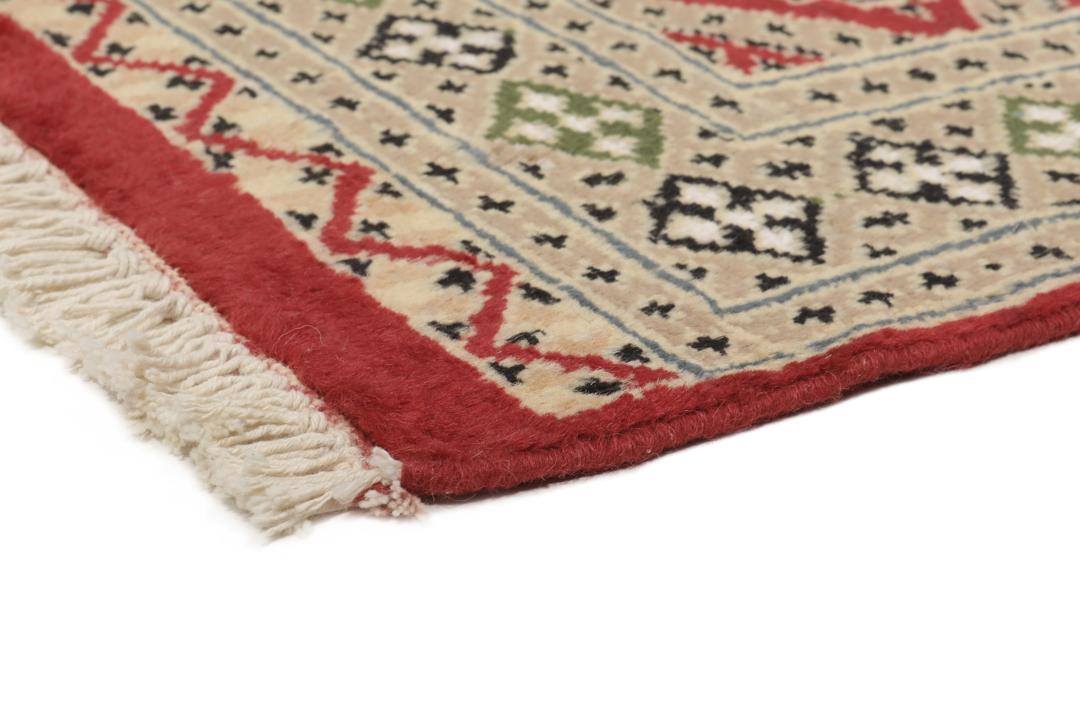
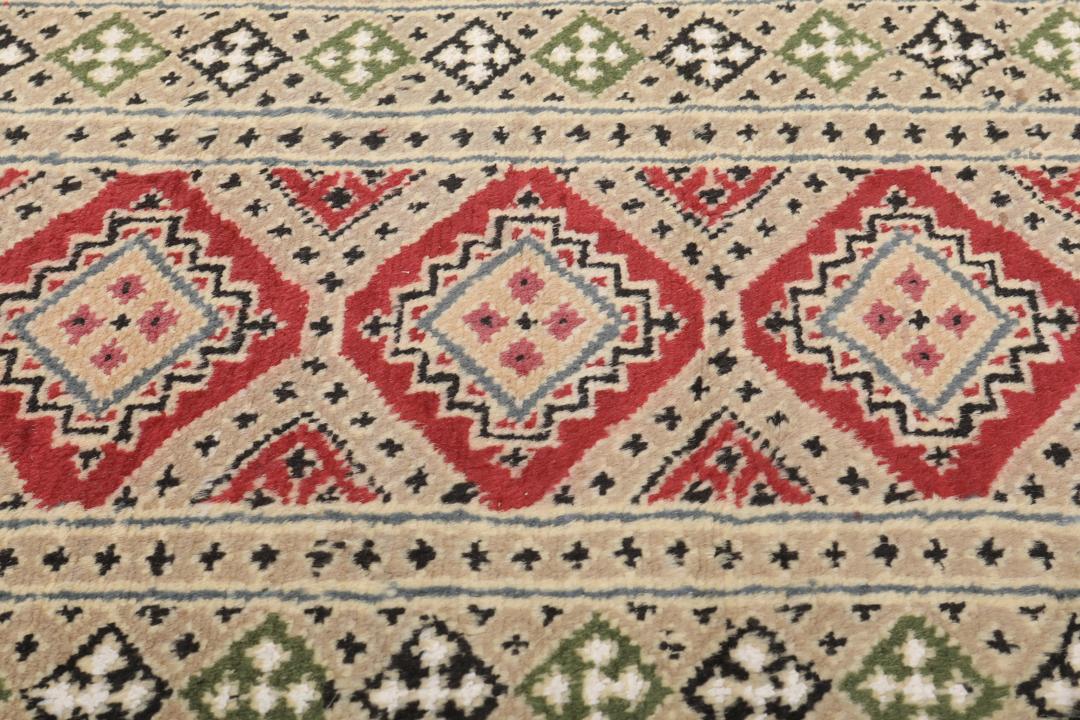
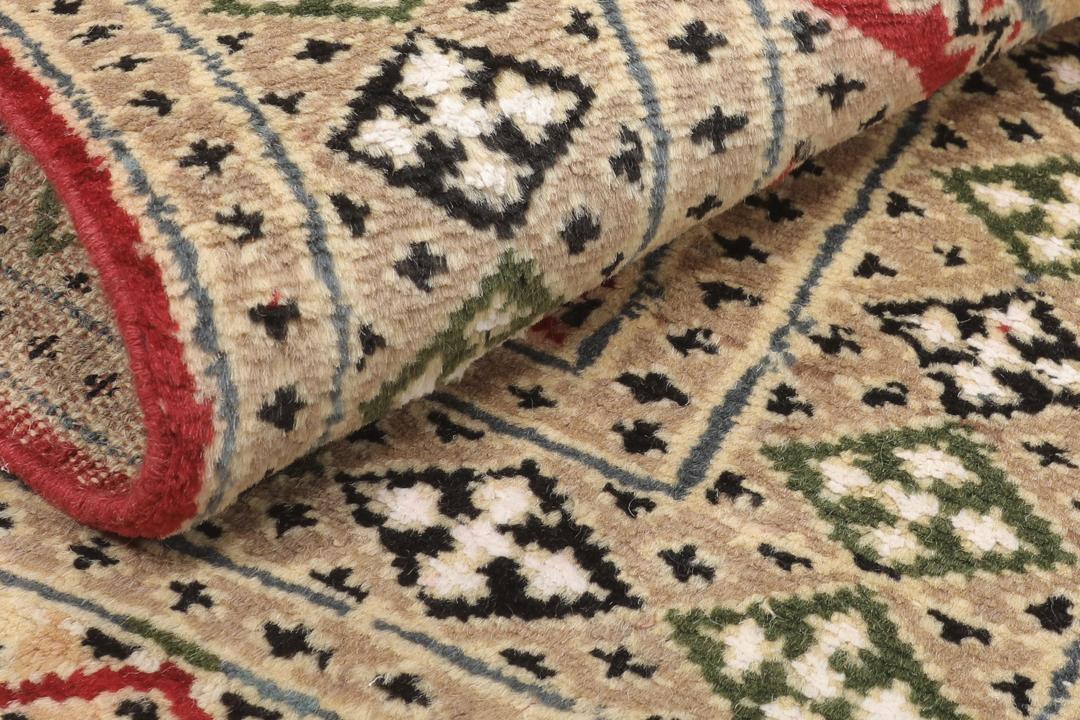
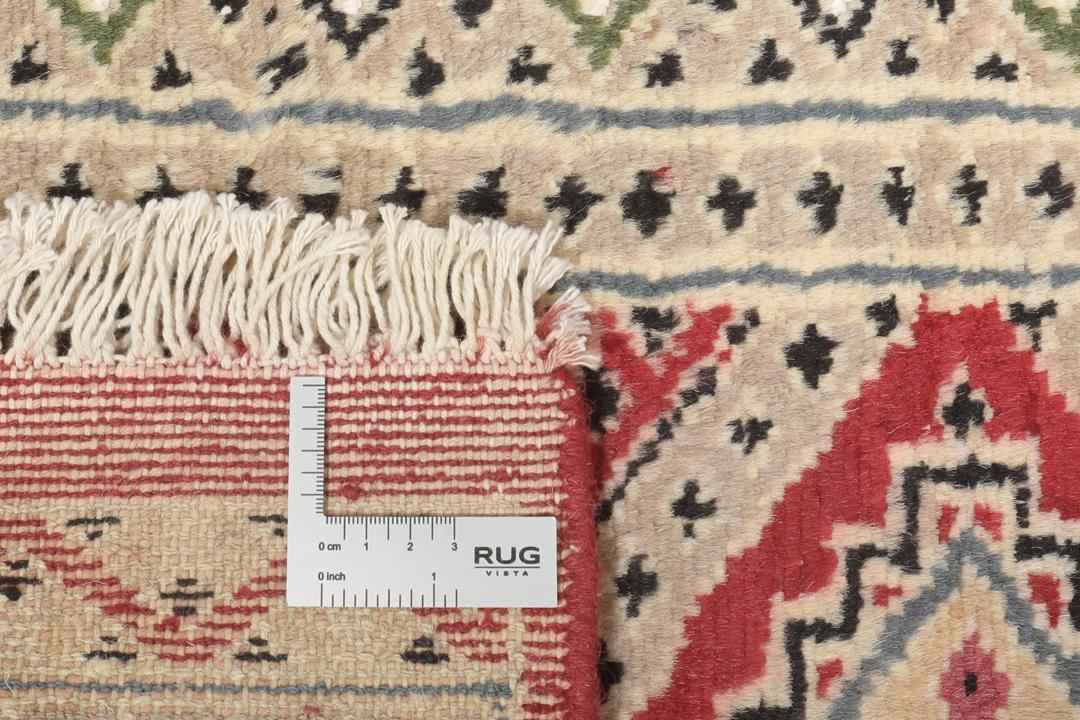
The term 2ply refers to the construction of the pile, where two strands of wool are twisted together before being knotted. This technique is essential for quality, as it creates a denser, more lustrous, and longer-lasting pile compared to single-ply alternatives. For the owner, this means a rug that is not only visually richer but also more resilient against wear, ensuring the design remains sharp and clear.
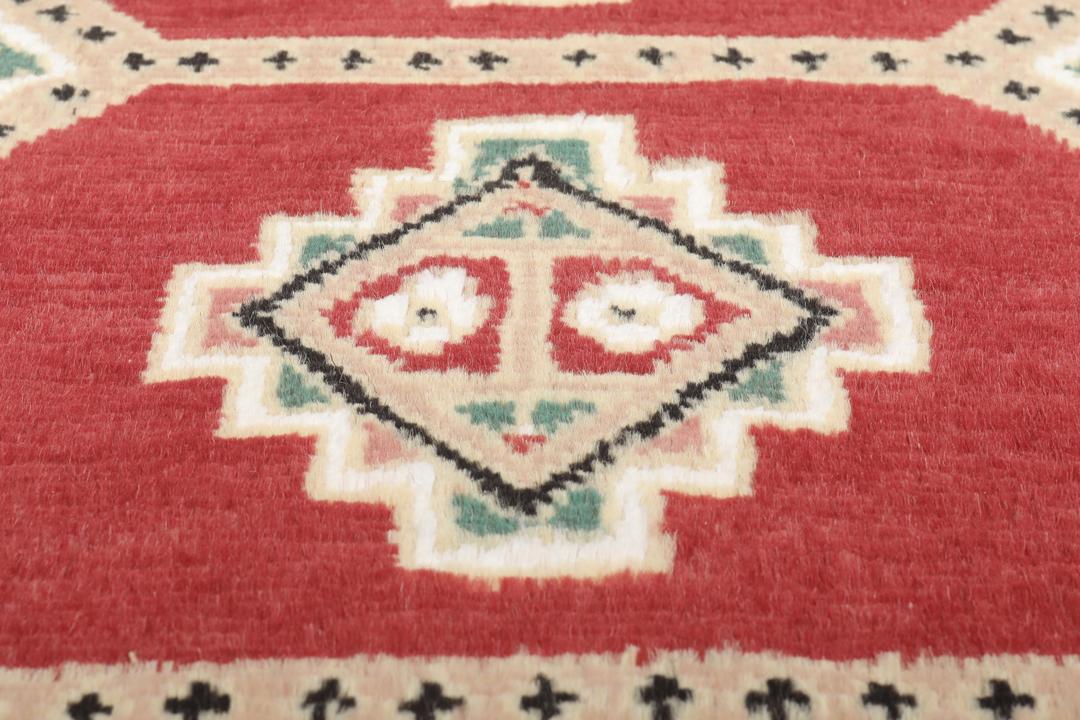
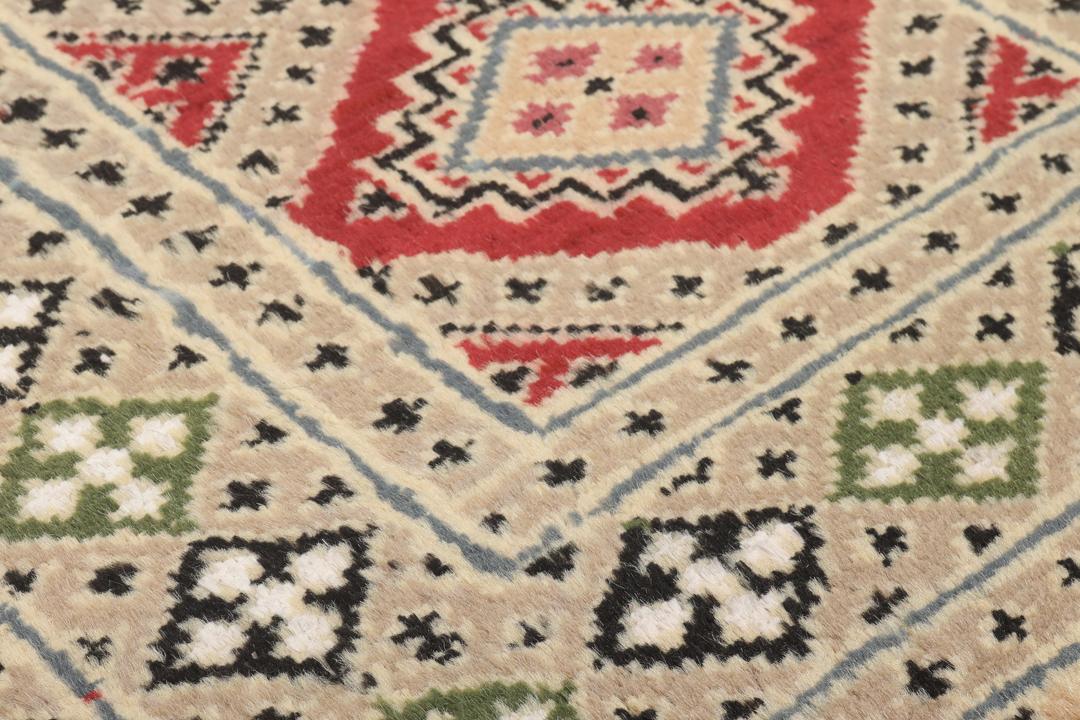
Signature design elements of the Bokhara style include the repeating gul motifs, which are often octagonal or elephant-foot shaped medallions arranged in precise rows. These are typically enclosed by elaborate, formal borders that frame the field. The use of traditional red tones is a hallmark of this tradition, symbolising warmth and prosperity, while the intricate geometric detailing showcases the maker's mastery of symmetry.
Owning a hand-knotted rug from this tradition is an investment in cultural heritage and human skill. These pieces are valued by collectors and homeowners alike for their ability to bring a sense of history and permanence to a space. By choosing this rug, you are supporting a craft that has been passed down through generations, ensuring that these beautiful, storied designs continue to be appreciated in homes across the world.