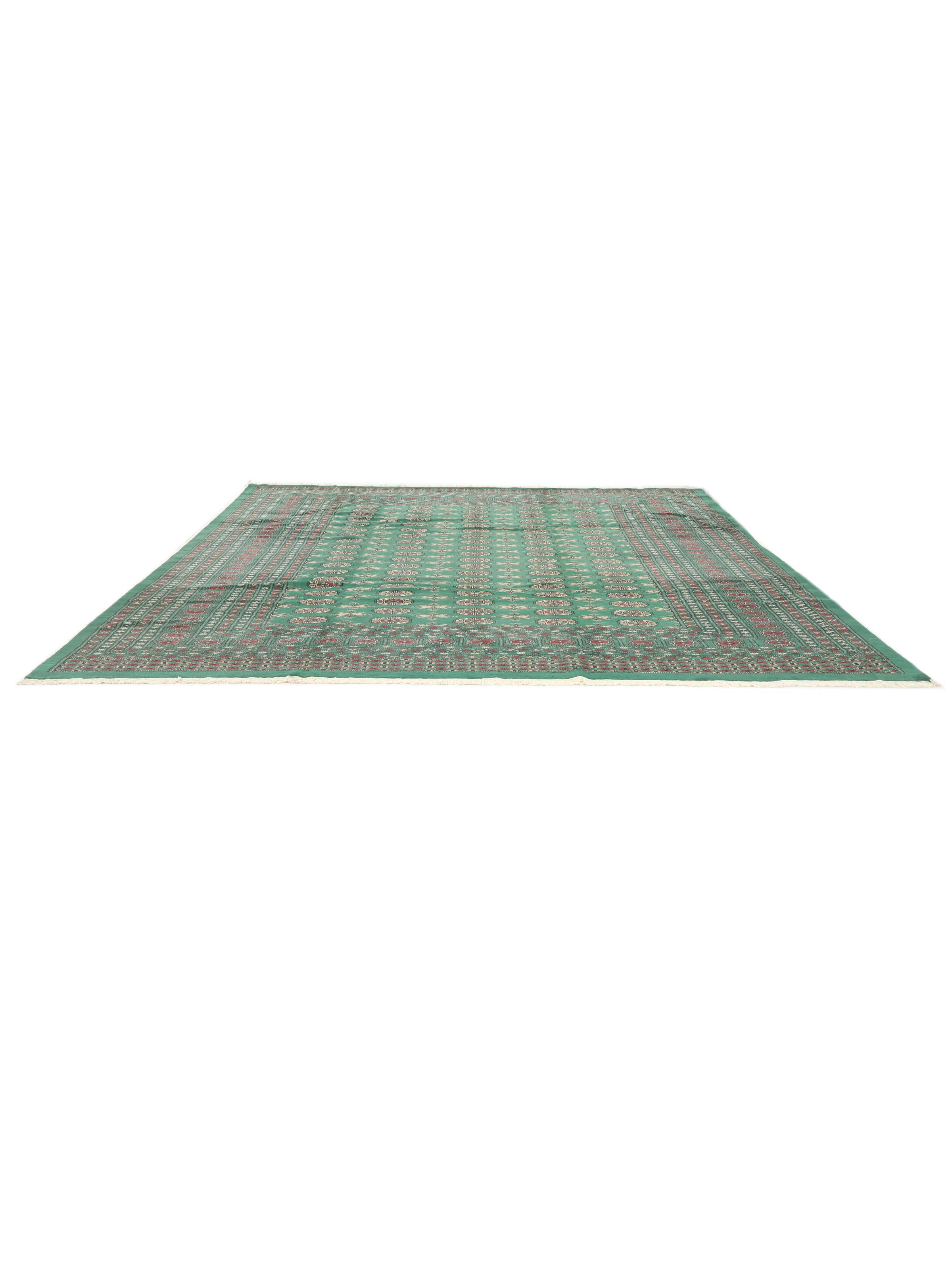
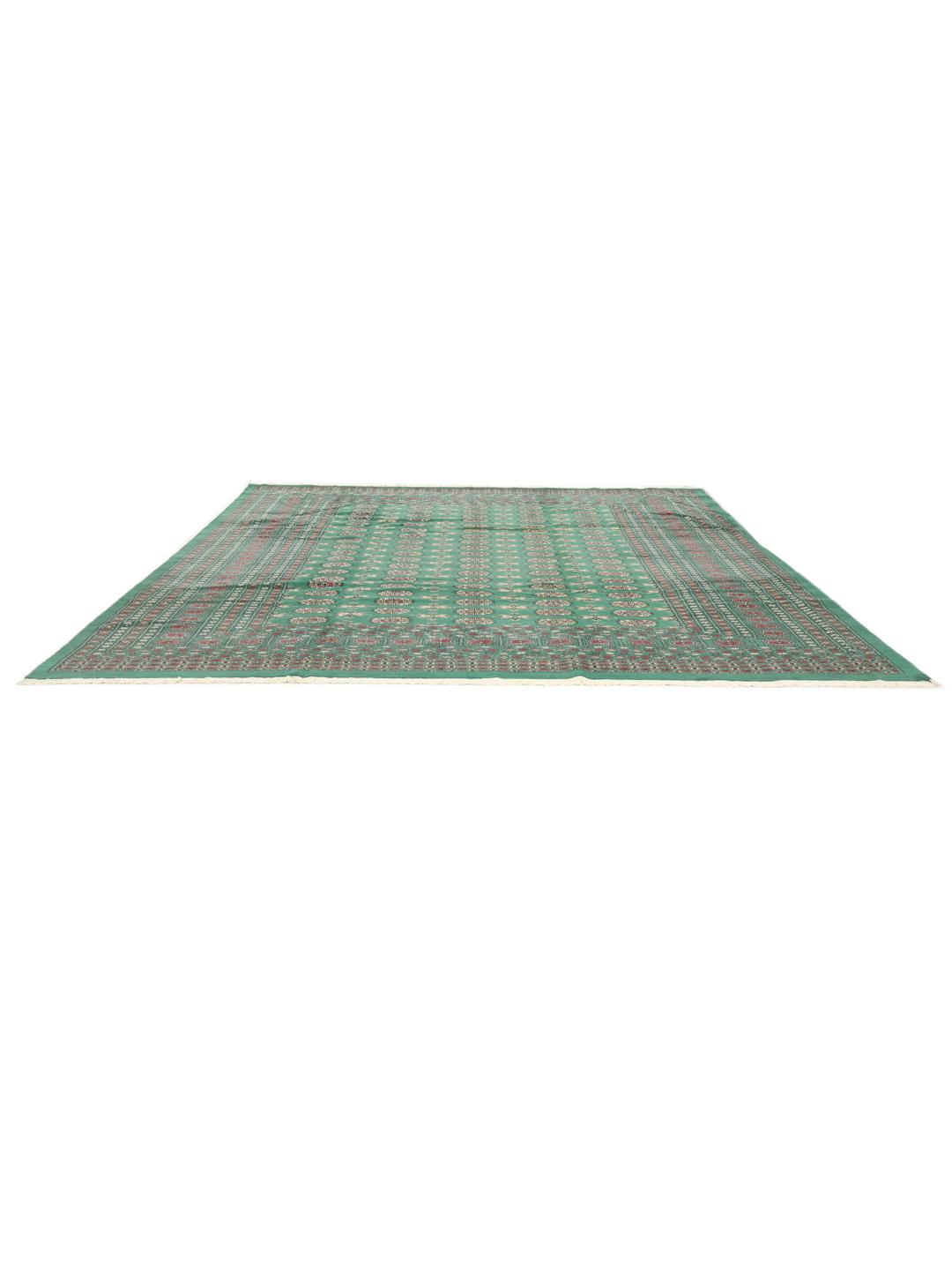
Bokhara rugs take their name from the ancient Silk Road city of Bukhara in Central Asia, a historical hub for trade and craftsmanship. While the designs have roots in the nomadic traditions of the region, the finest contemporary examples are woven in Pakistan, where the tradition has been preserved and refined over generations.
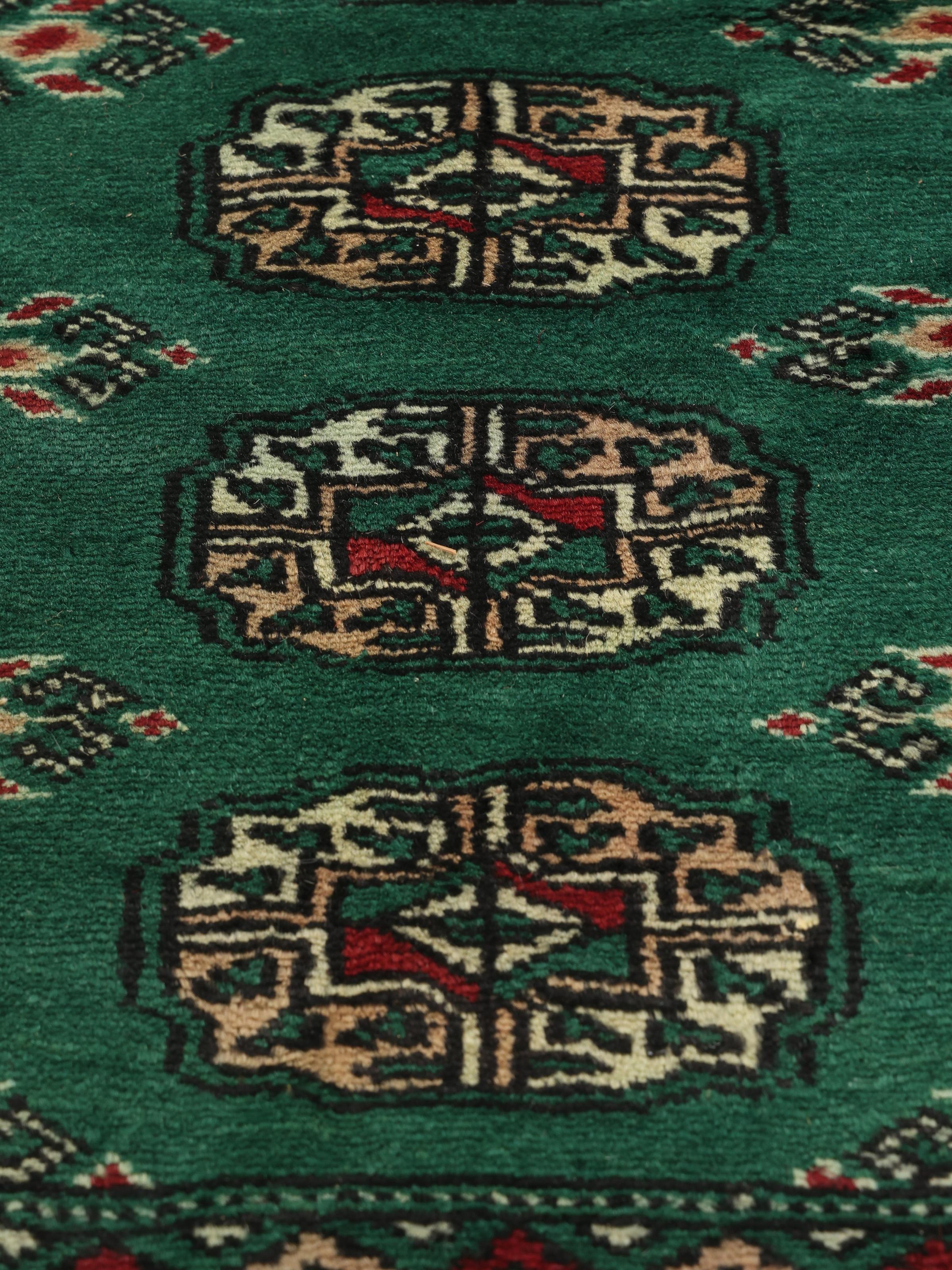
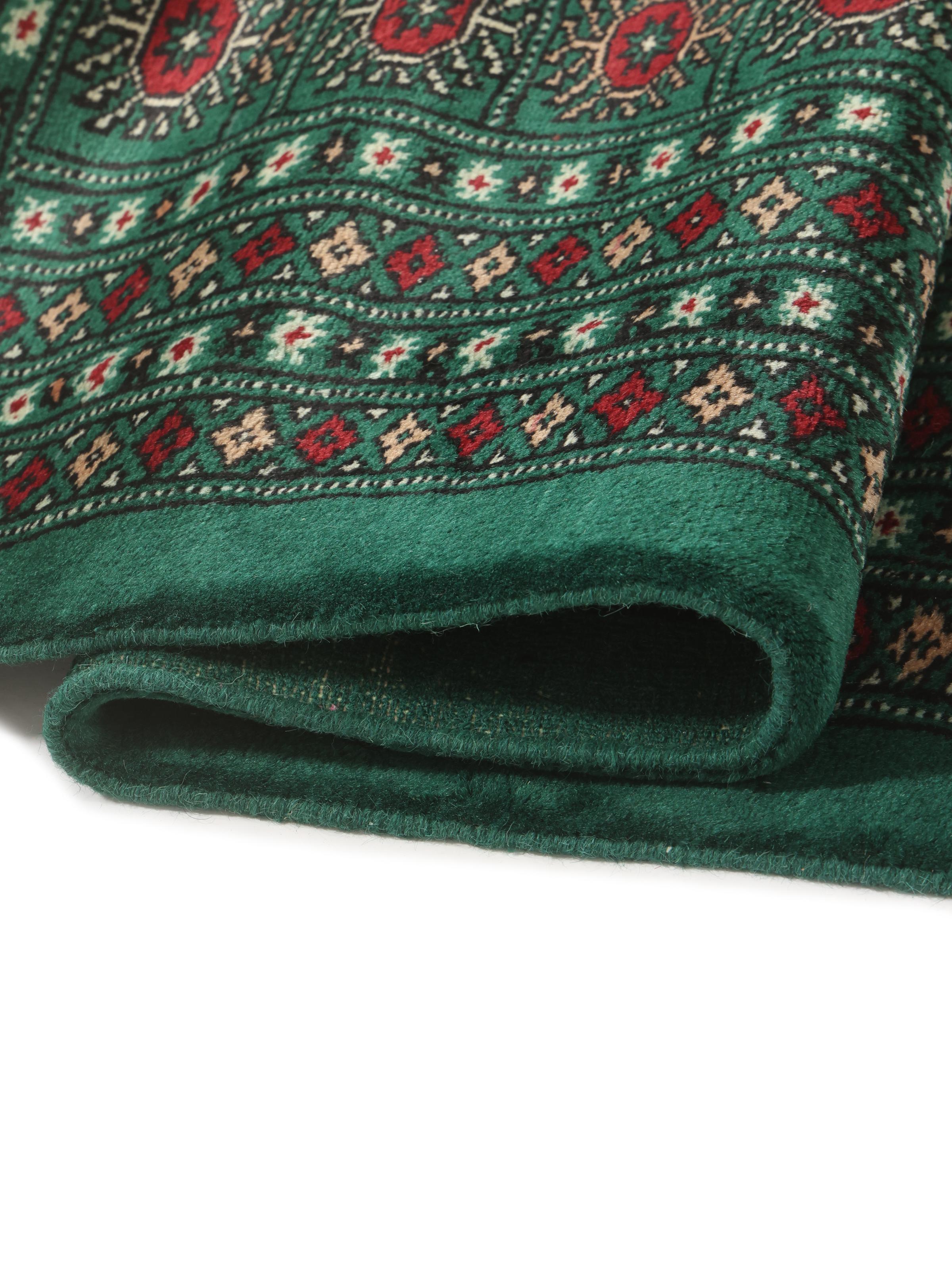
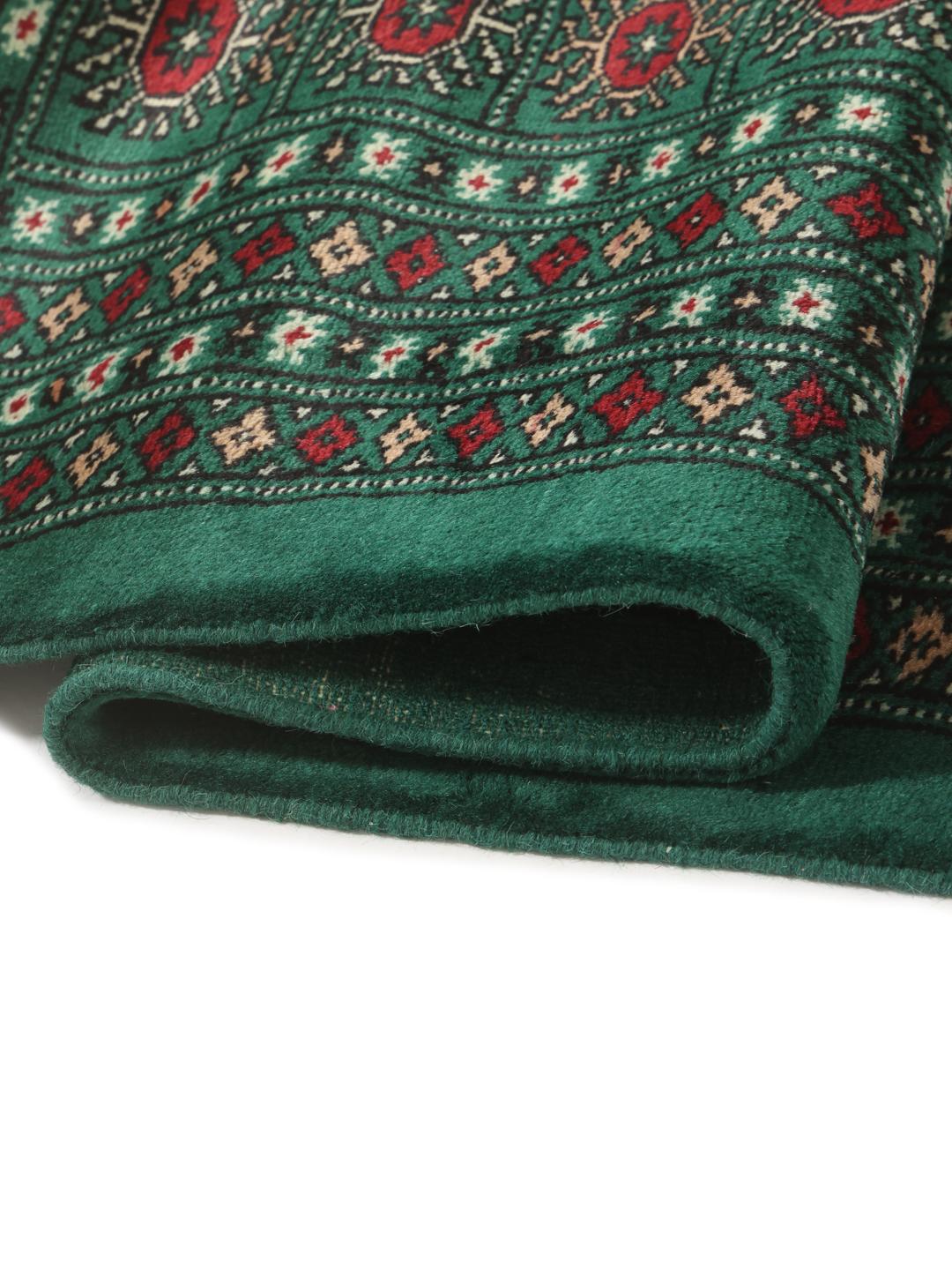
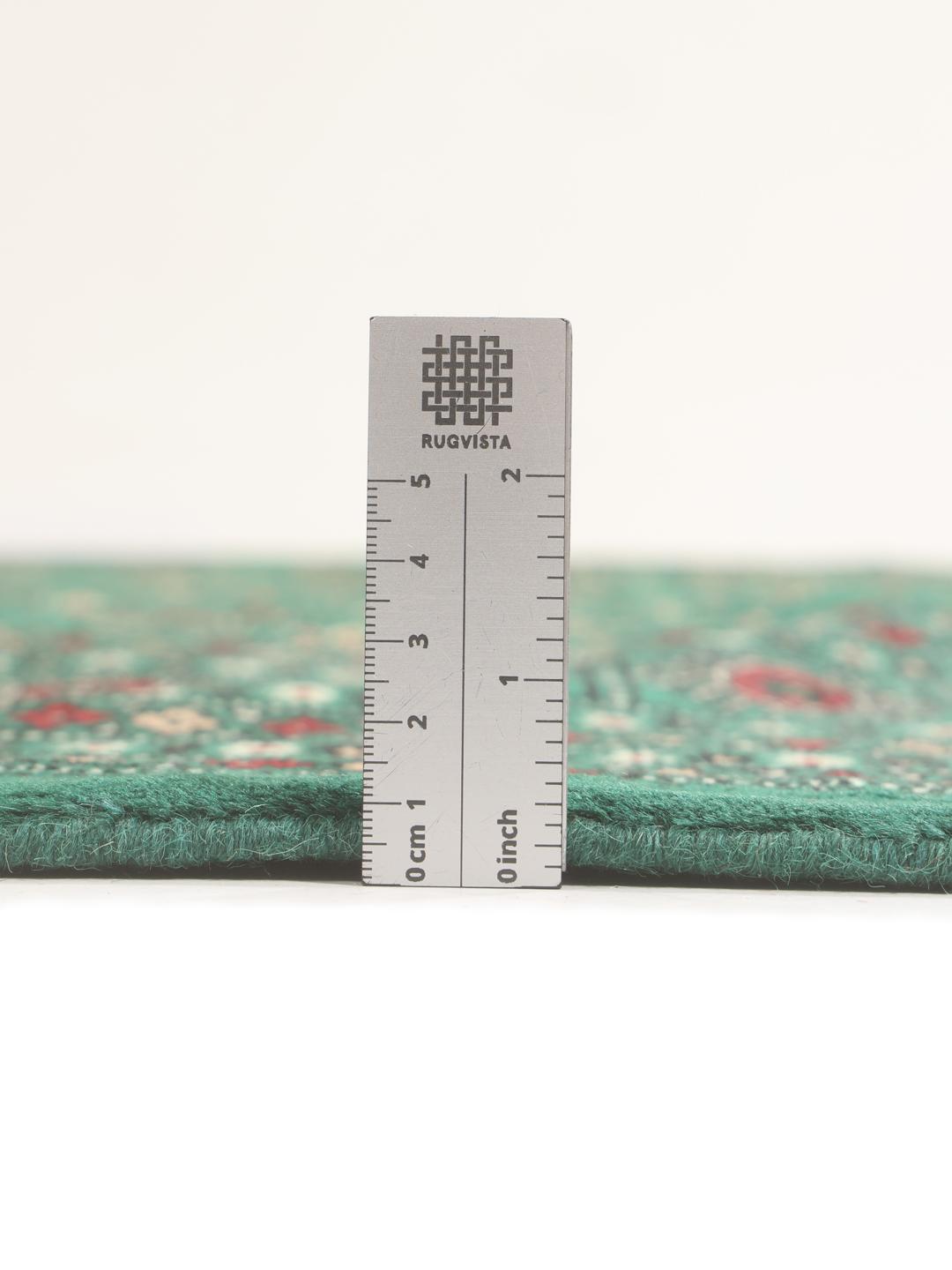
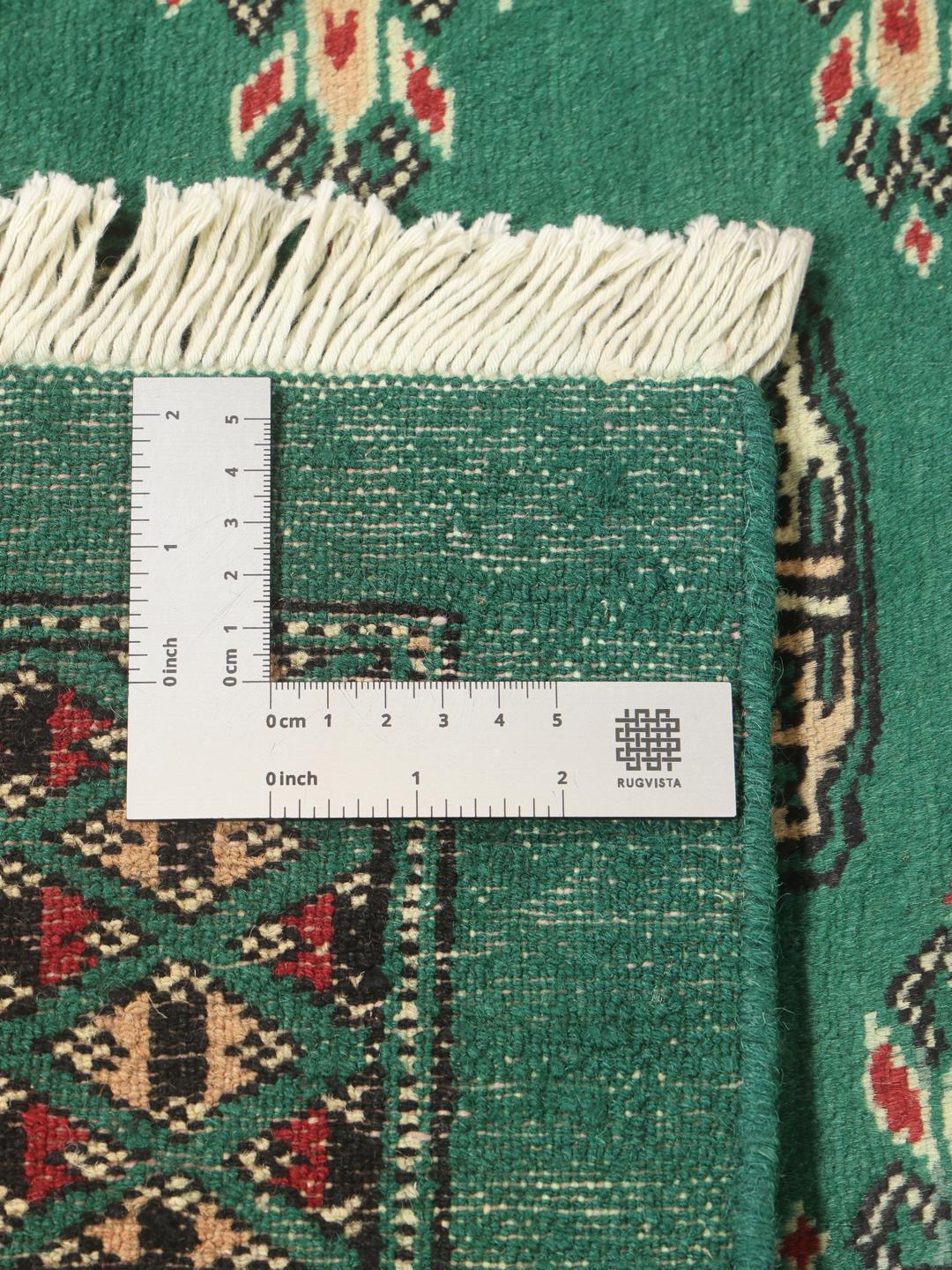
The term 2ply refers to the construction of the pile, where two strands of Wool are twisted together before being knotted. This technique is significant because it results in a denser, more lustrous, and longer-lasting pile compared to single-ply alternatives, ensuring the rug feels substantial and holds its appearance beautifully over time.
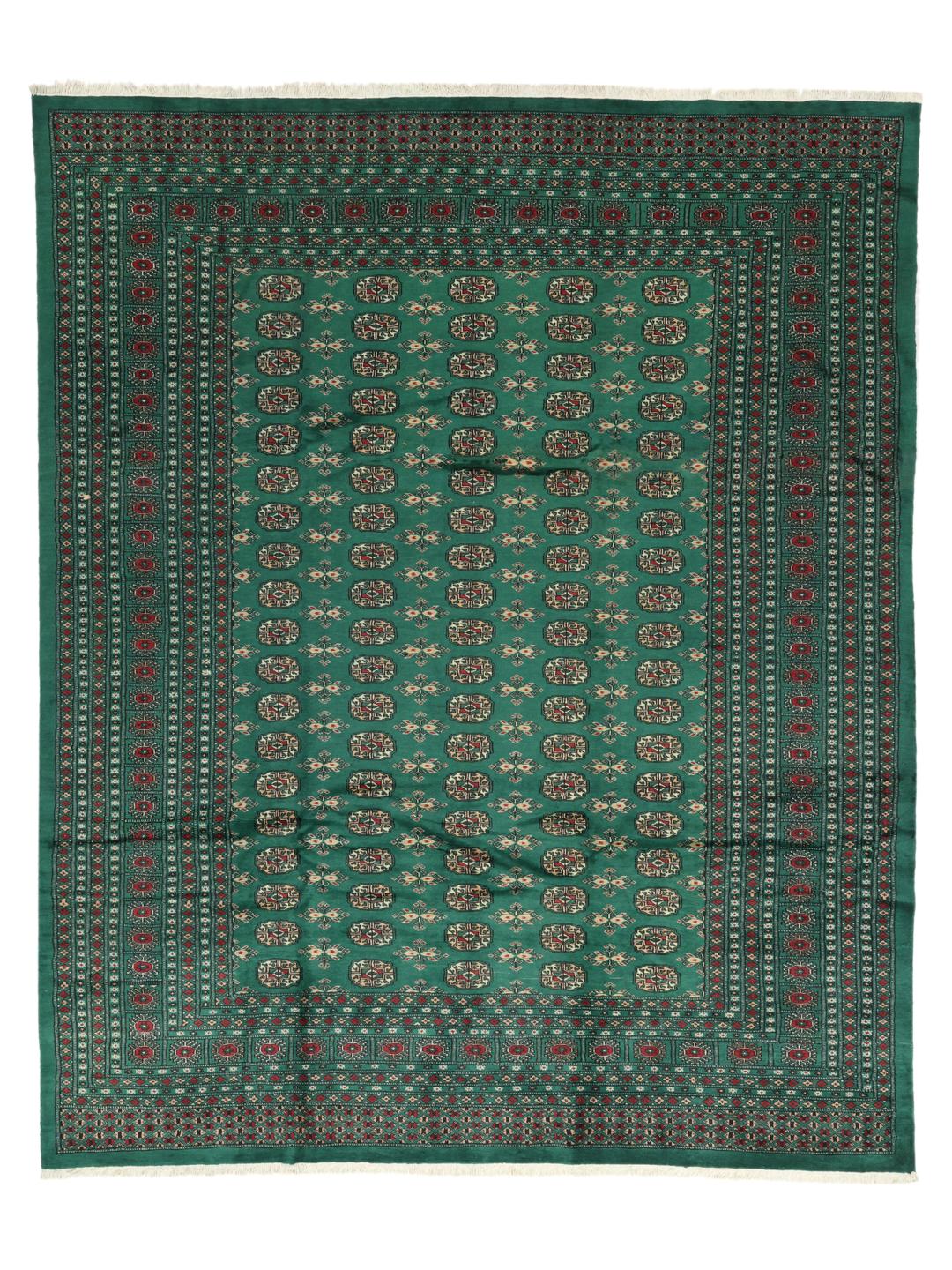
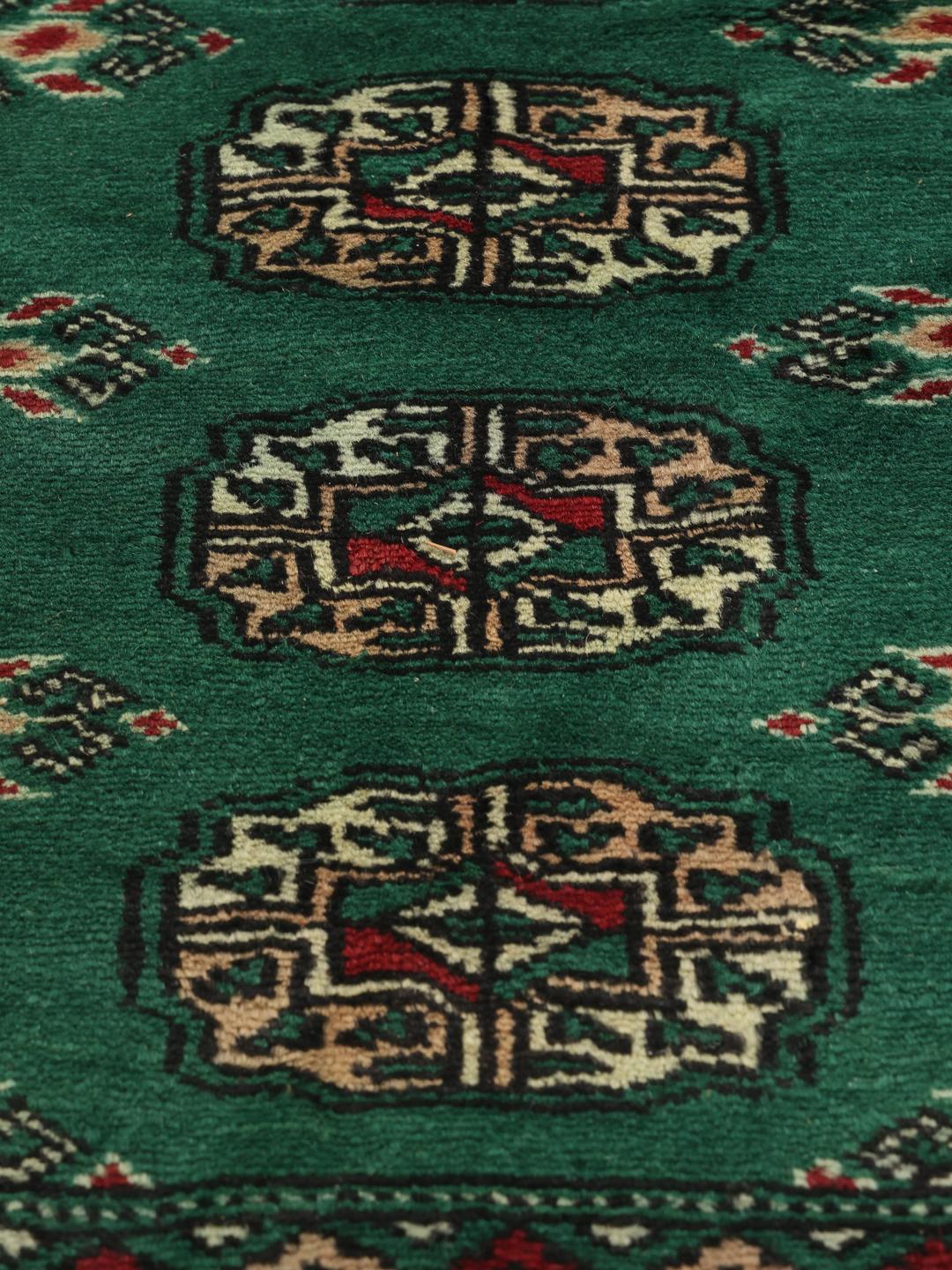
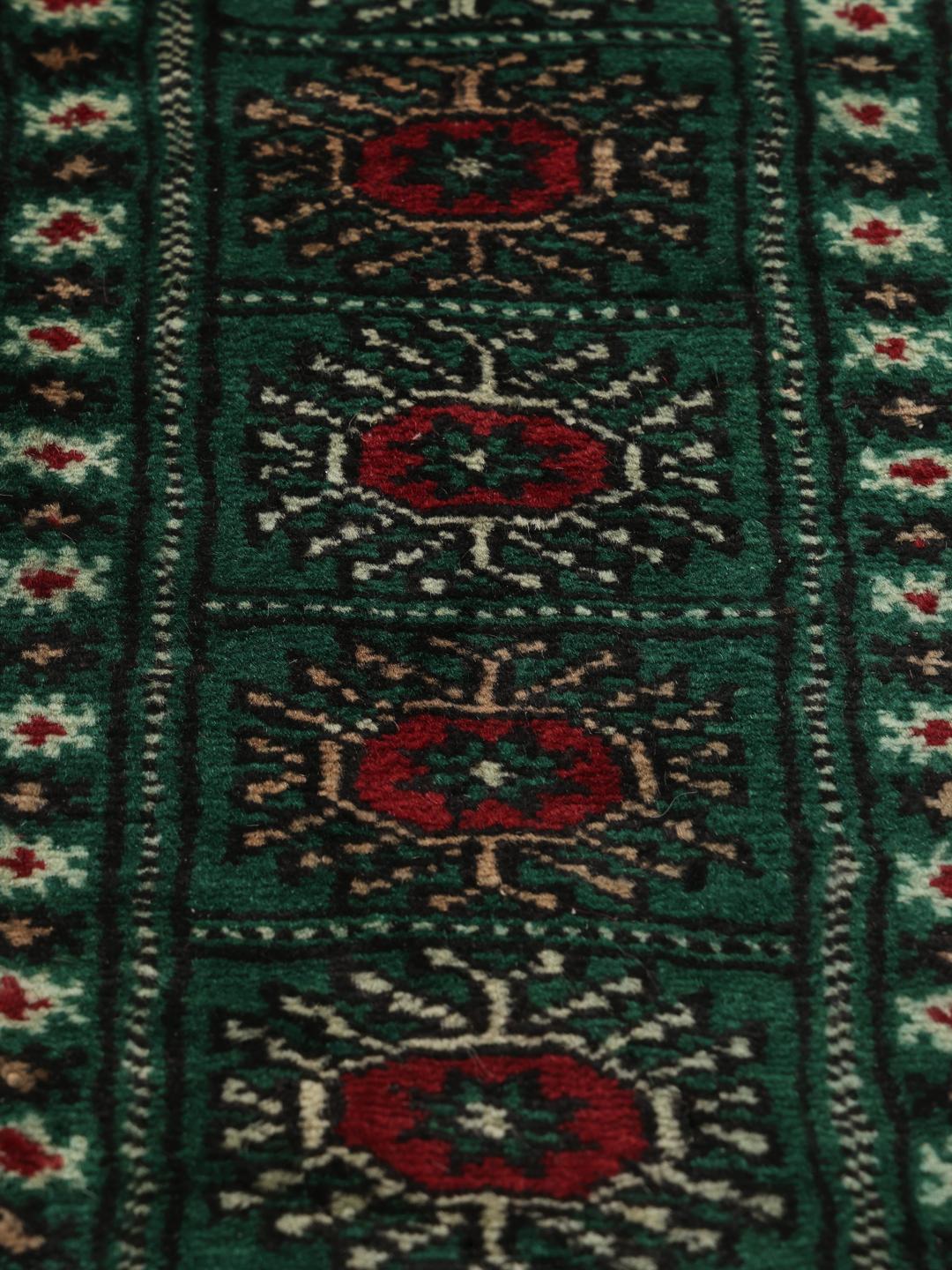
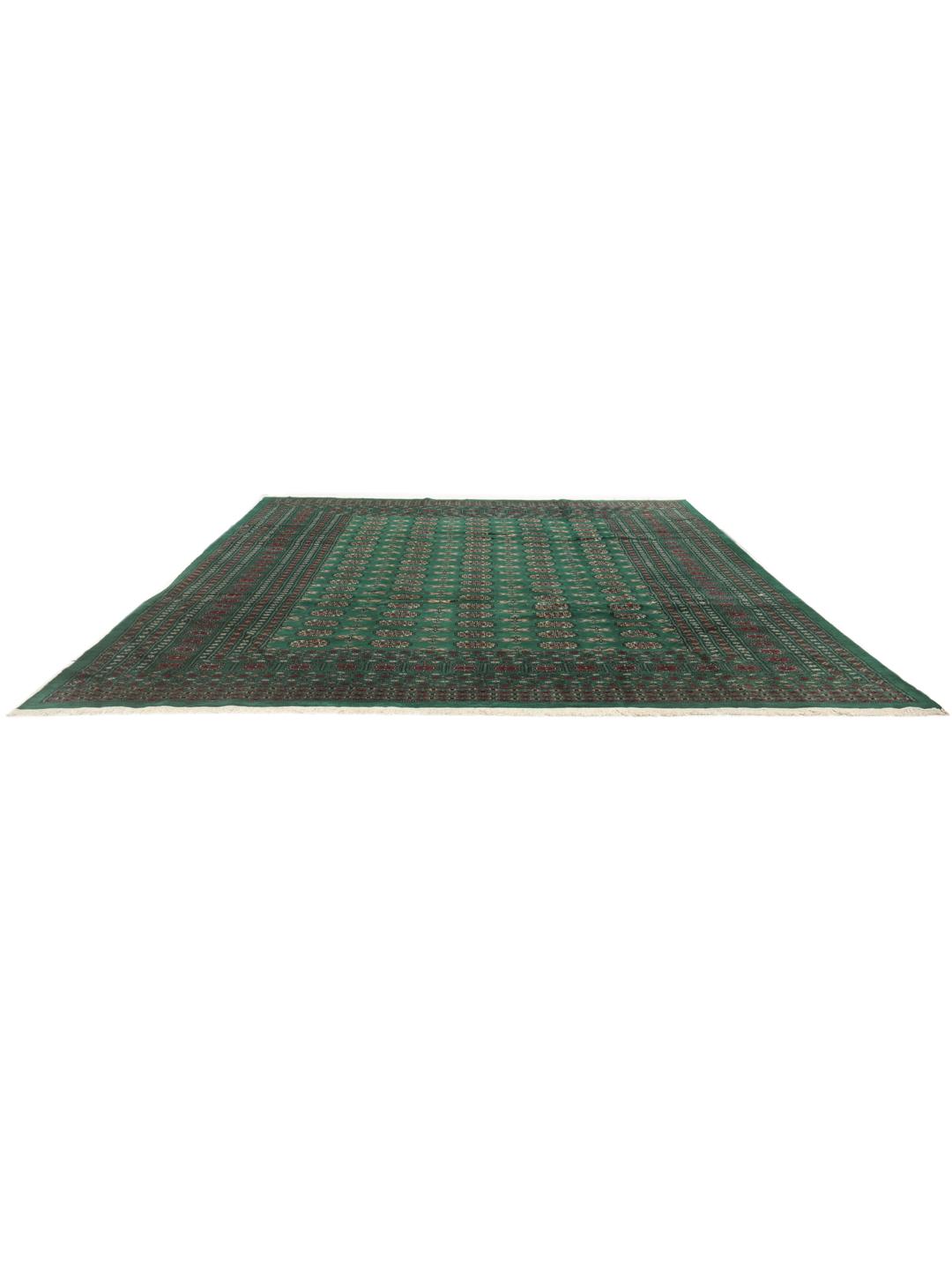
Signature design elements of the Bokhara tradition include the field filled with repeating gul motifs, which are often octagonal or elephant-foot shaped medallions arranged in orderly rows. These are typically enclosed by a formal, intricate border that frames the central design, creating a sense of balance and harmony that is instantly recognisable.
Rugs from this tradition are highly valued by collectors for their cultural weight and the skill required to produce them. Owning a piece like this is a connection to a long lineage of textile artistry, representing a commitment to quality and a preservation of craft that transforms a floor covering into a meaningful family heirloom.