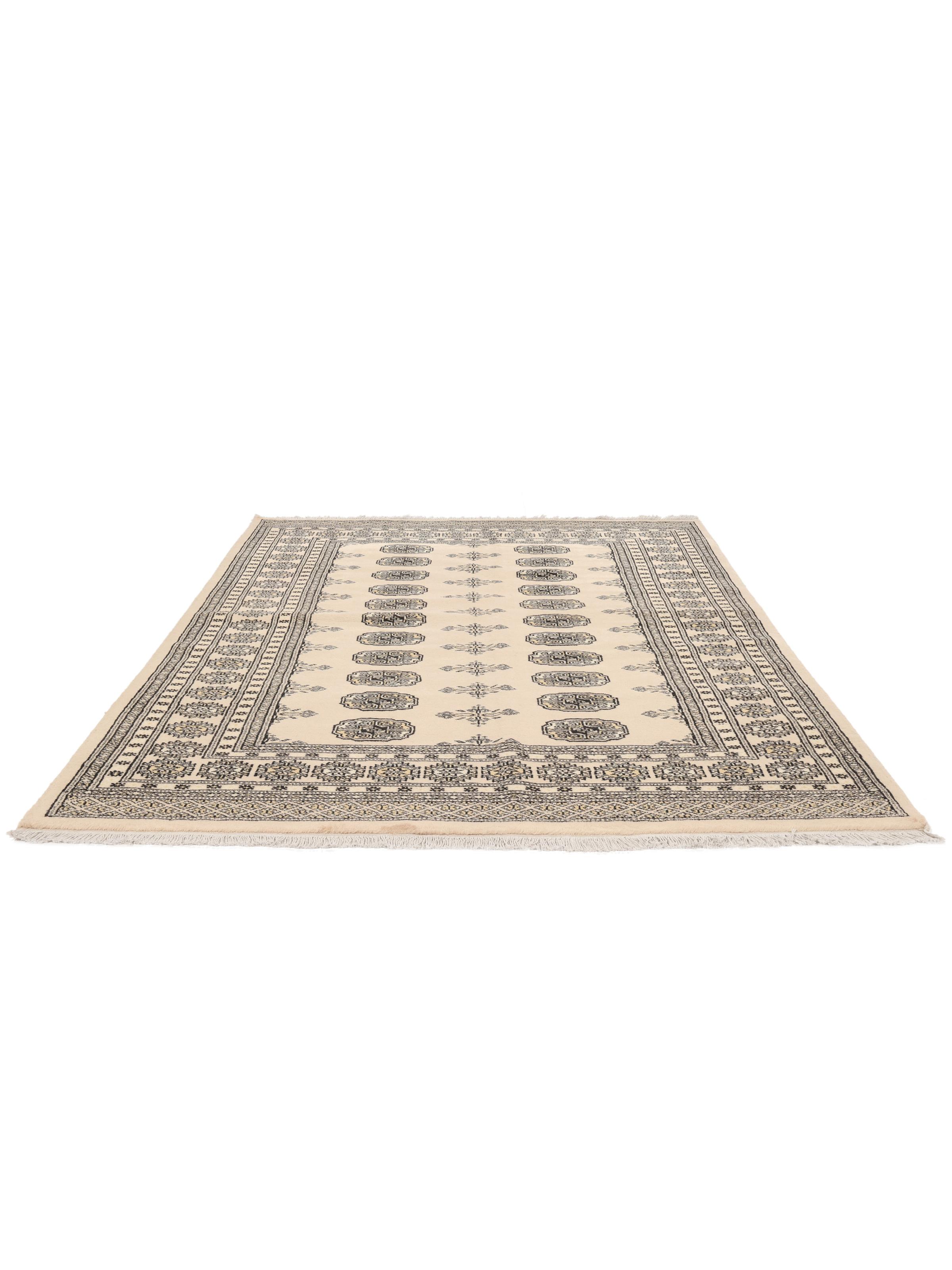
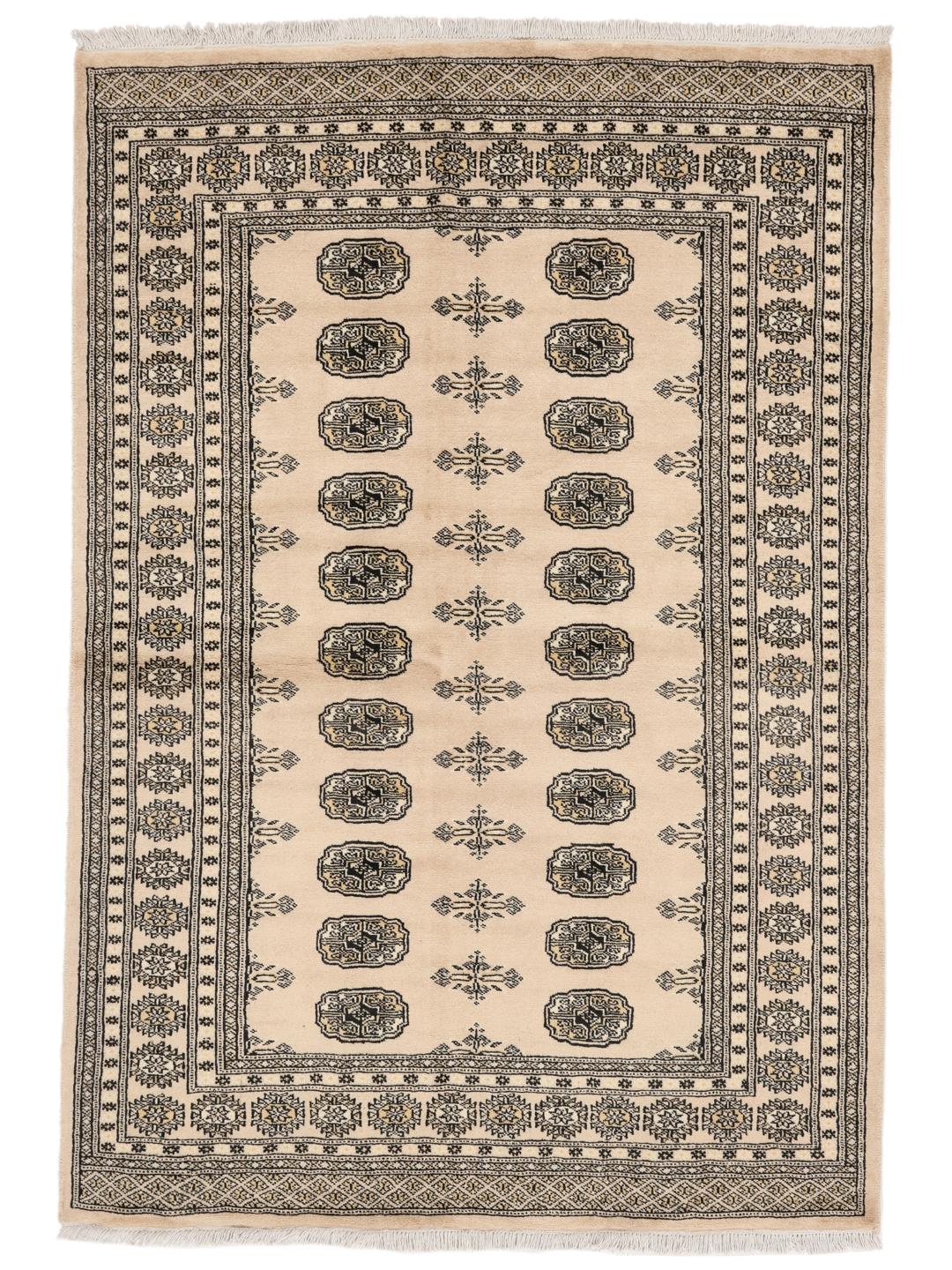
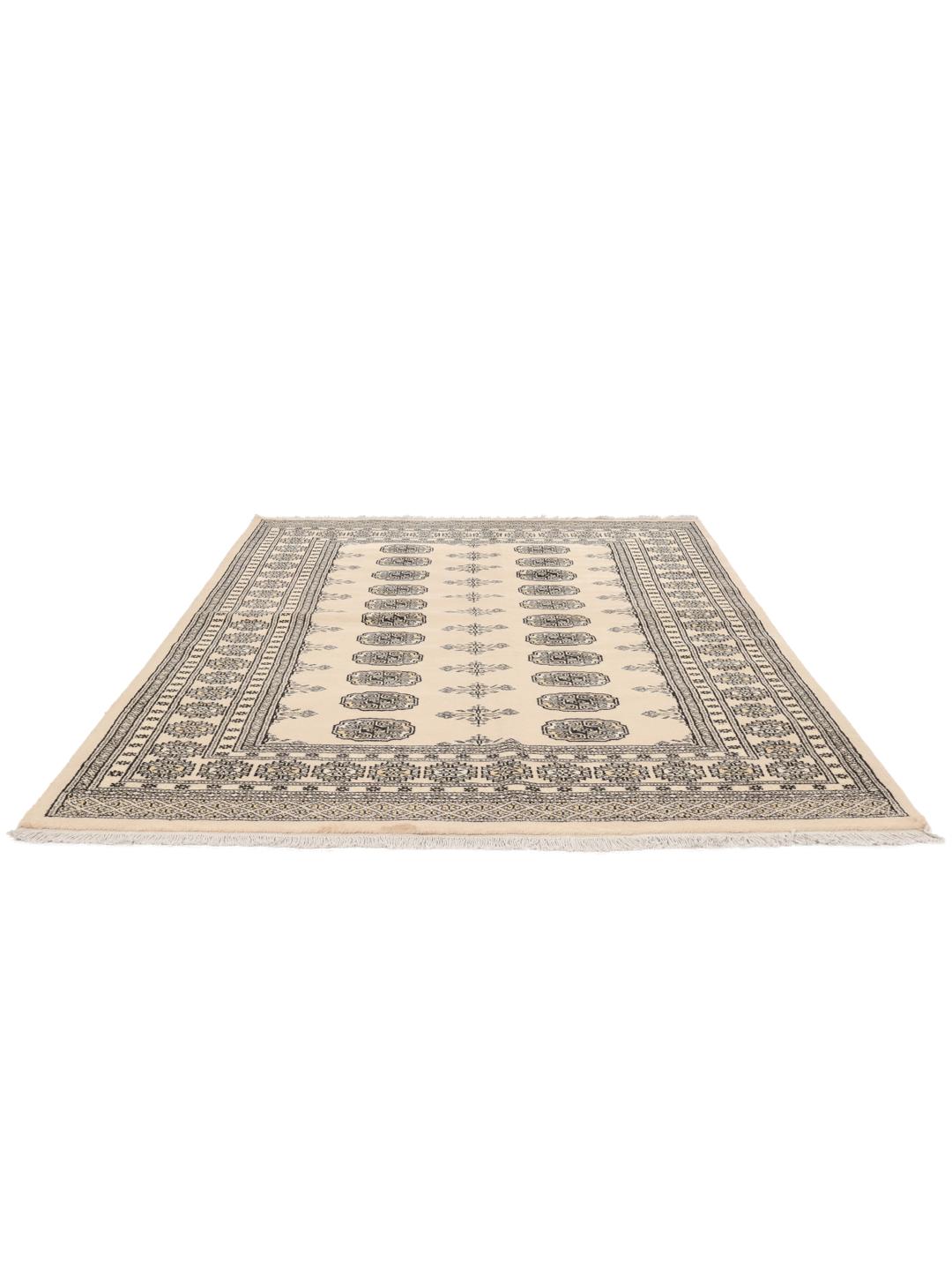
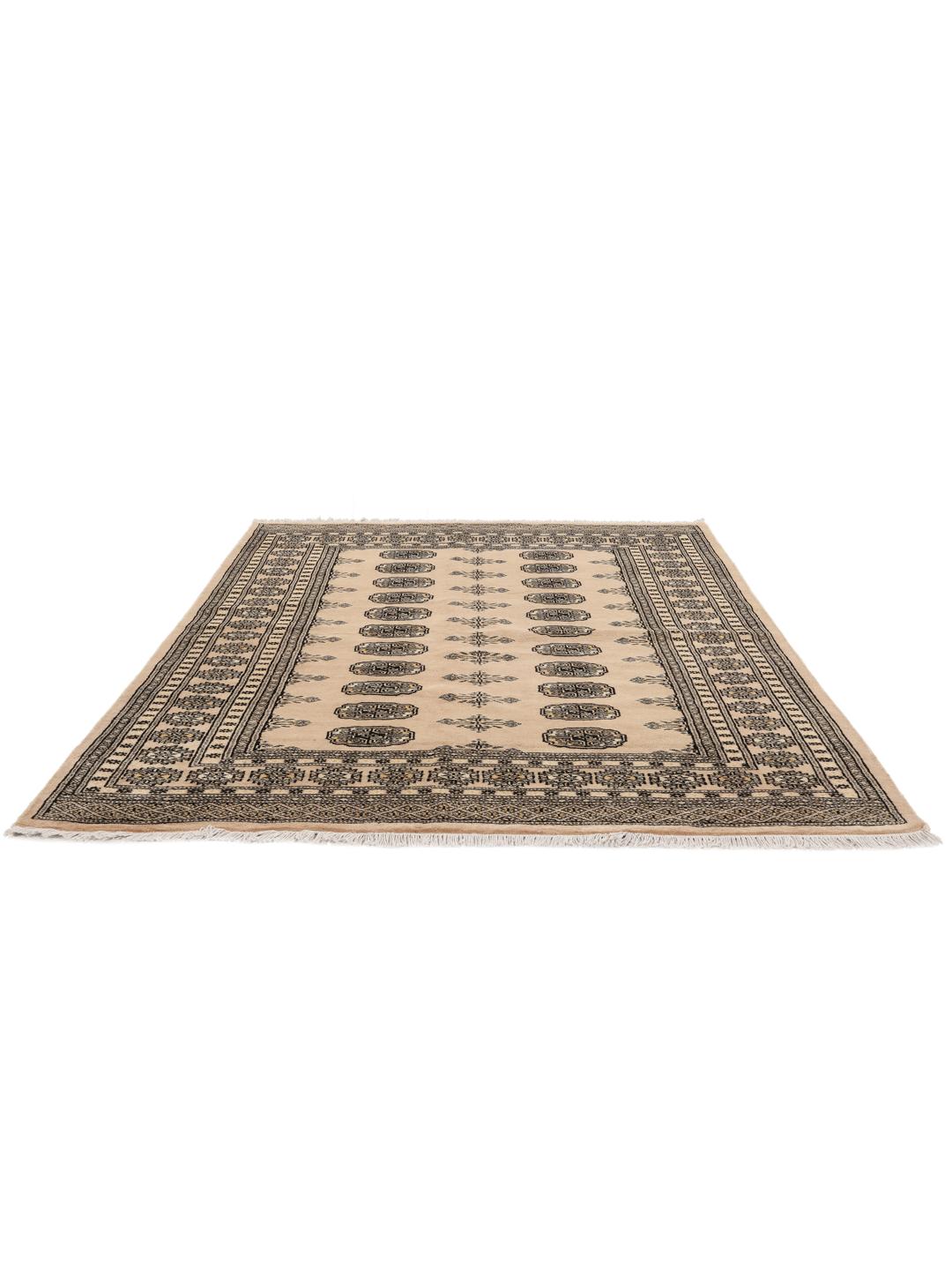
Bokhara rugs are renowned for their connection to the ancient Silk Road, taking their name from the historic city of Bukhara in Central Asia. While the tradition originated among nomadic tribes who created these patterns as expressions of their heritage, the finest examples today are primarily woven in Pakistan. This evolution has seen the refinement of traditional designs into the sophisticated, symmetrical pieces we recognise today.
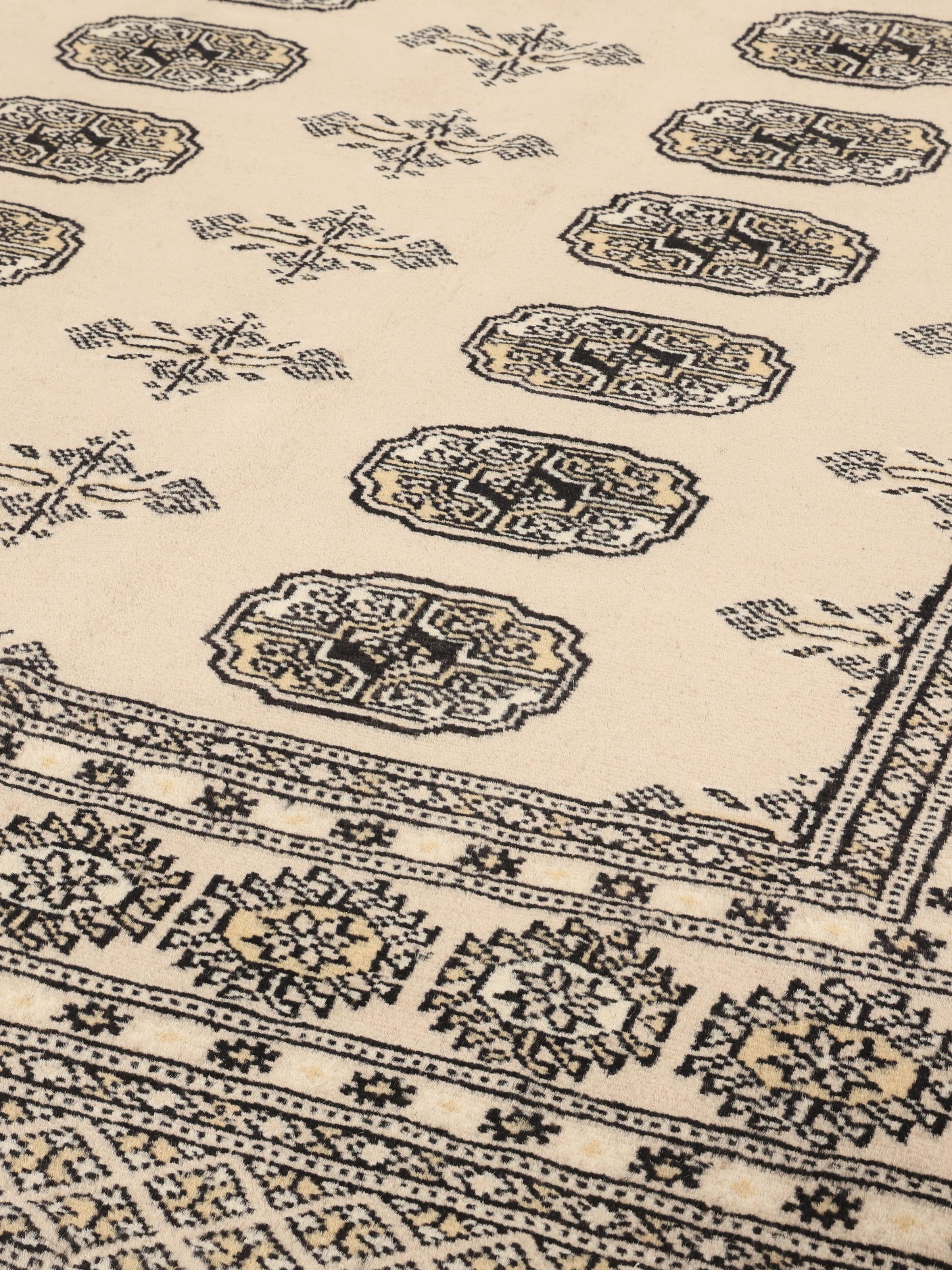
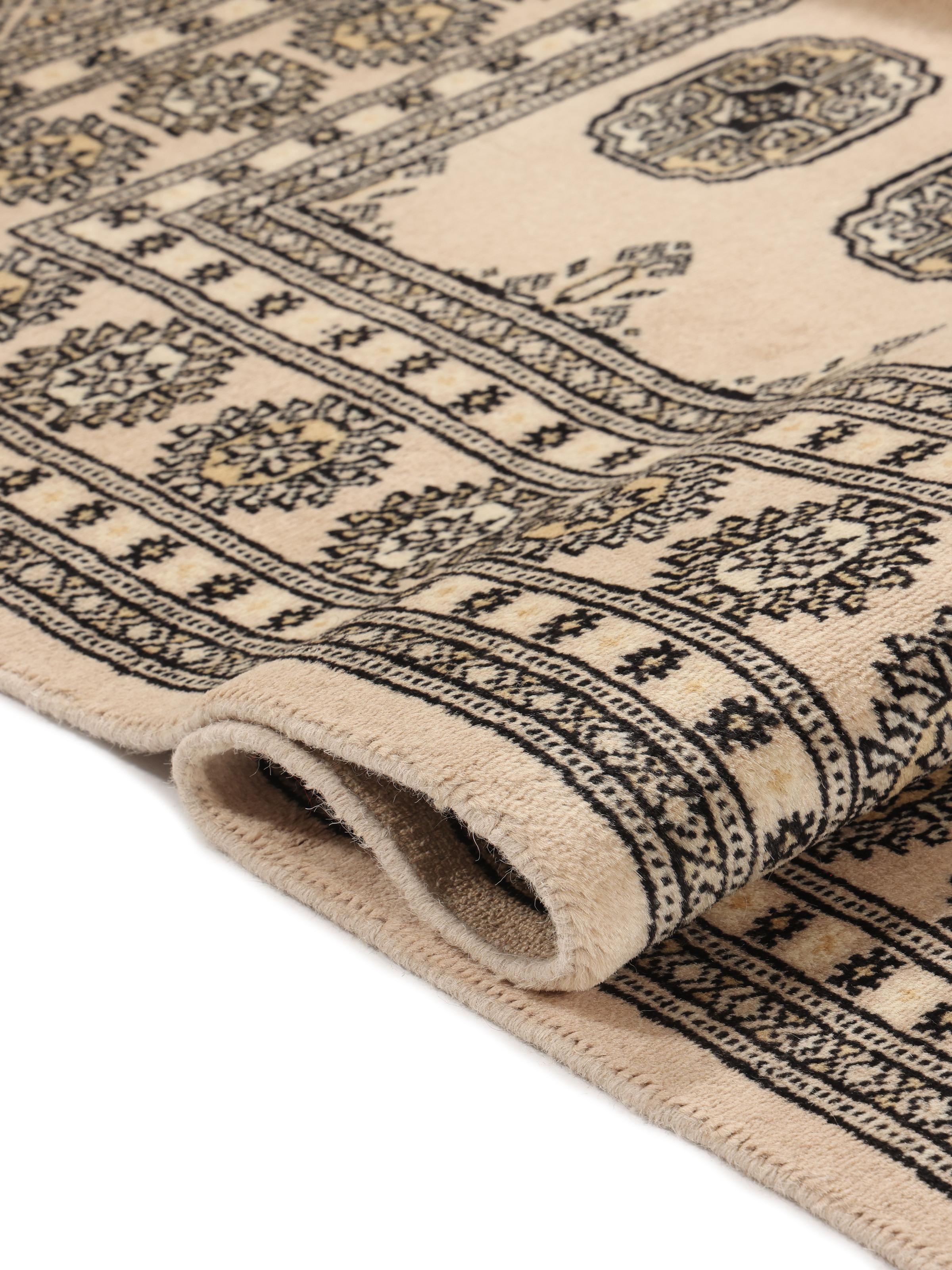
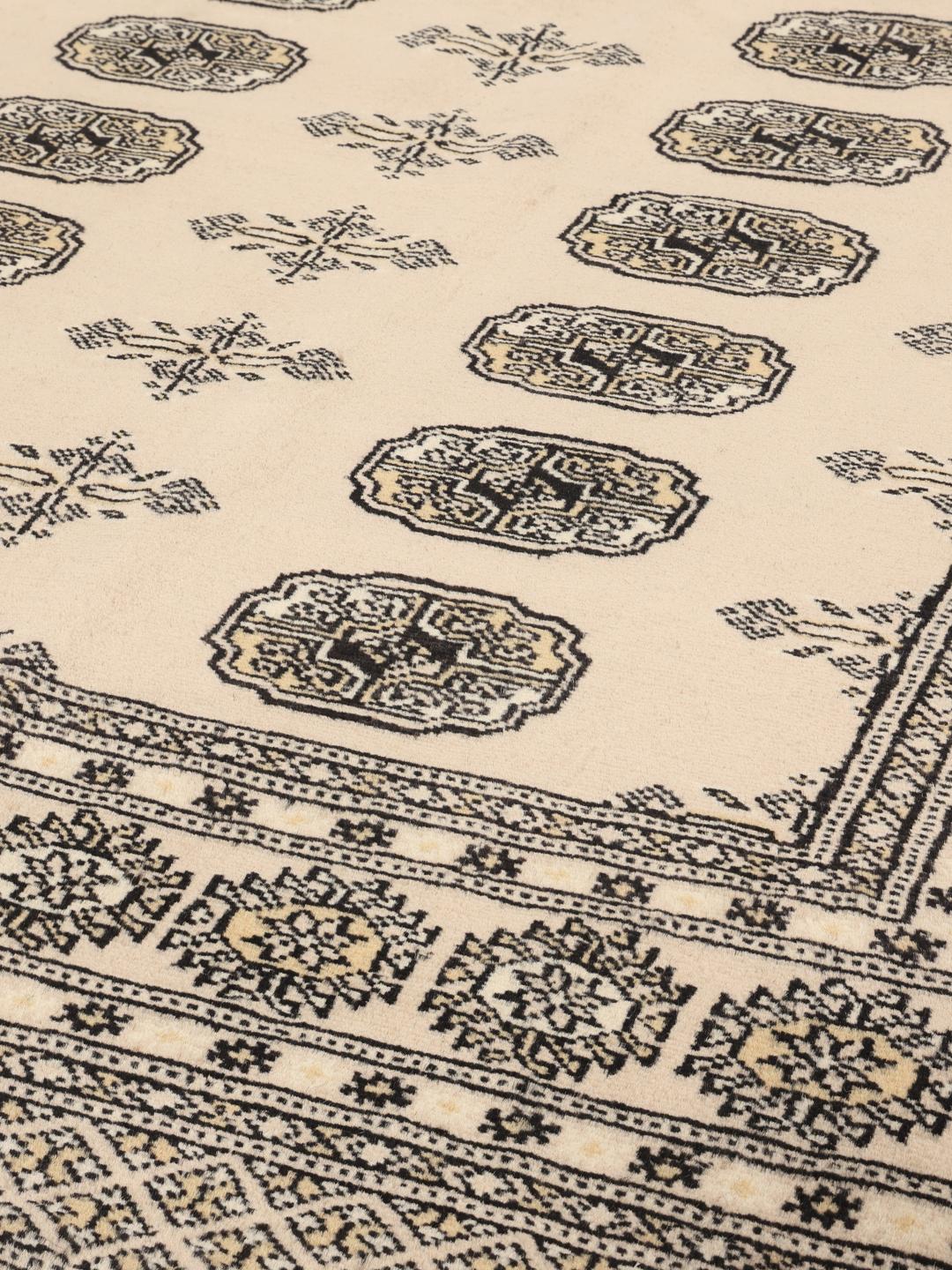
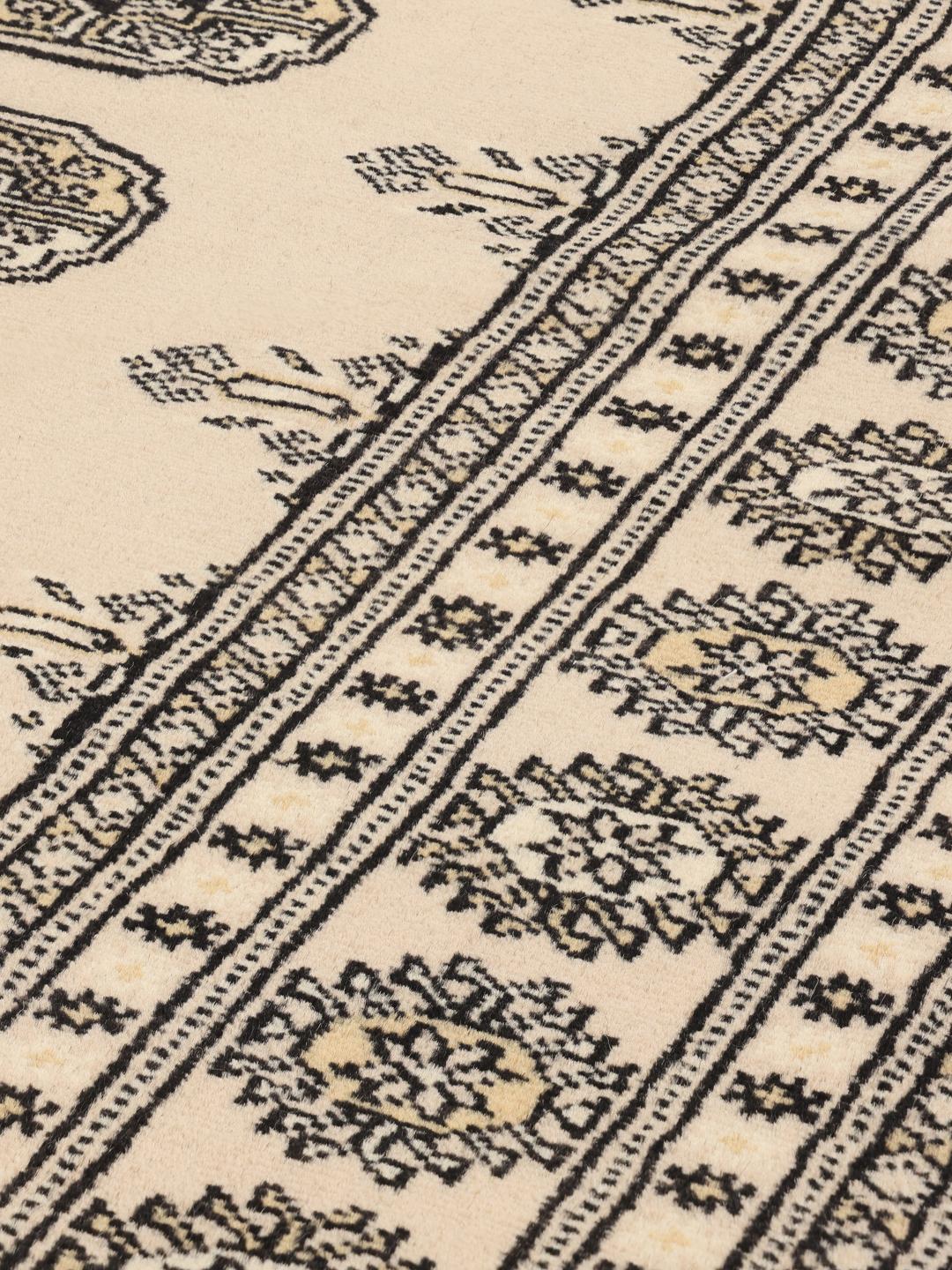
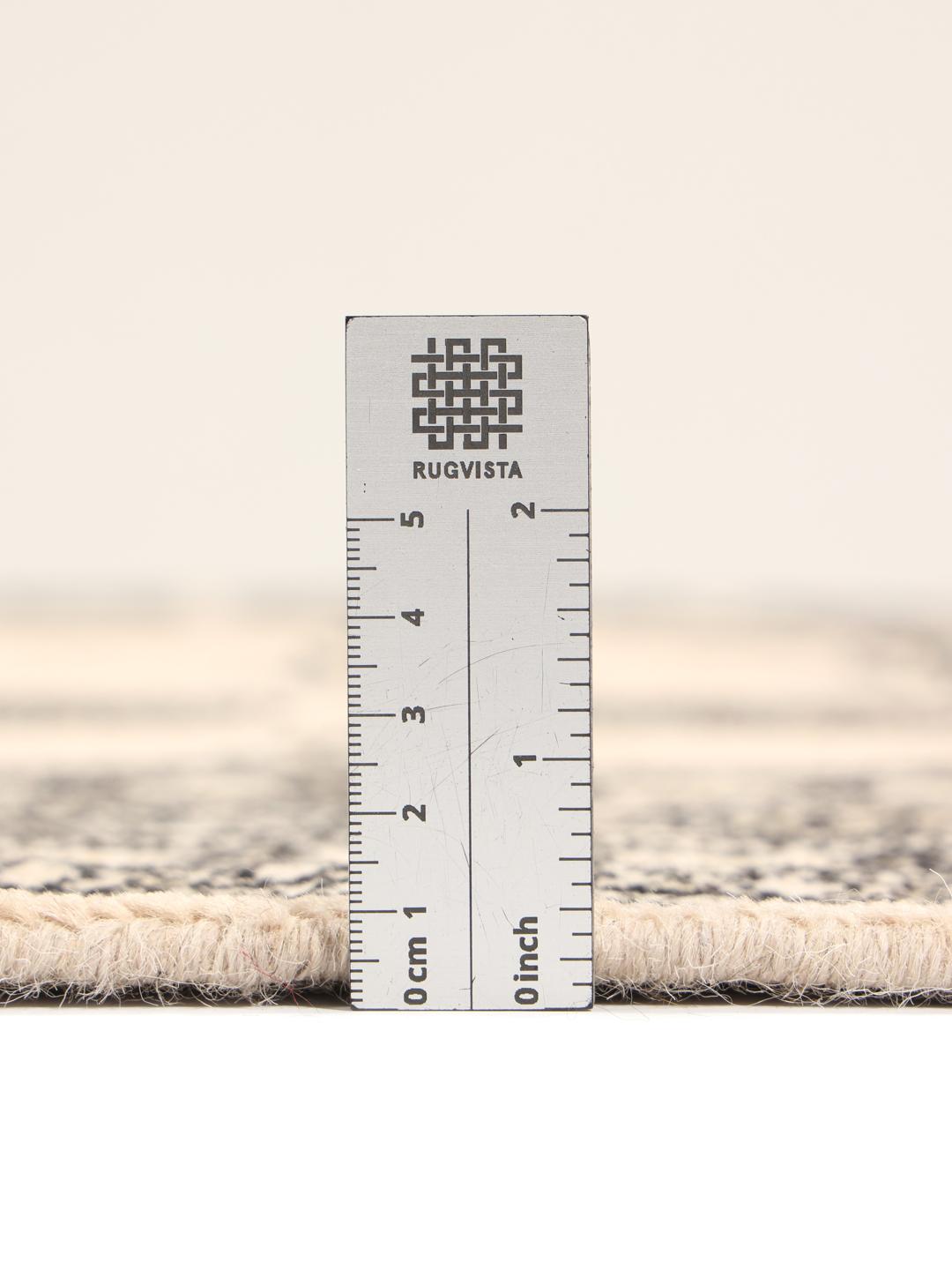
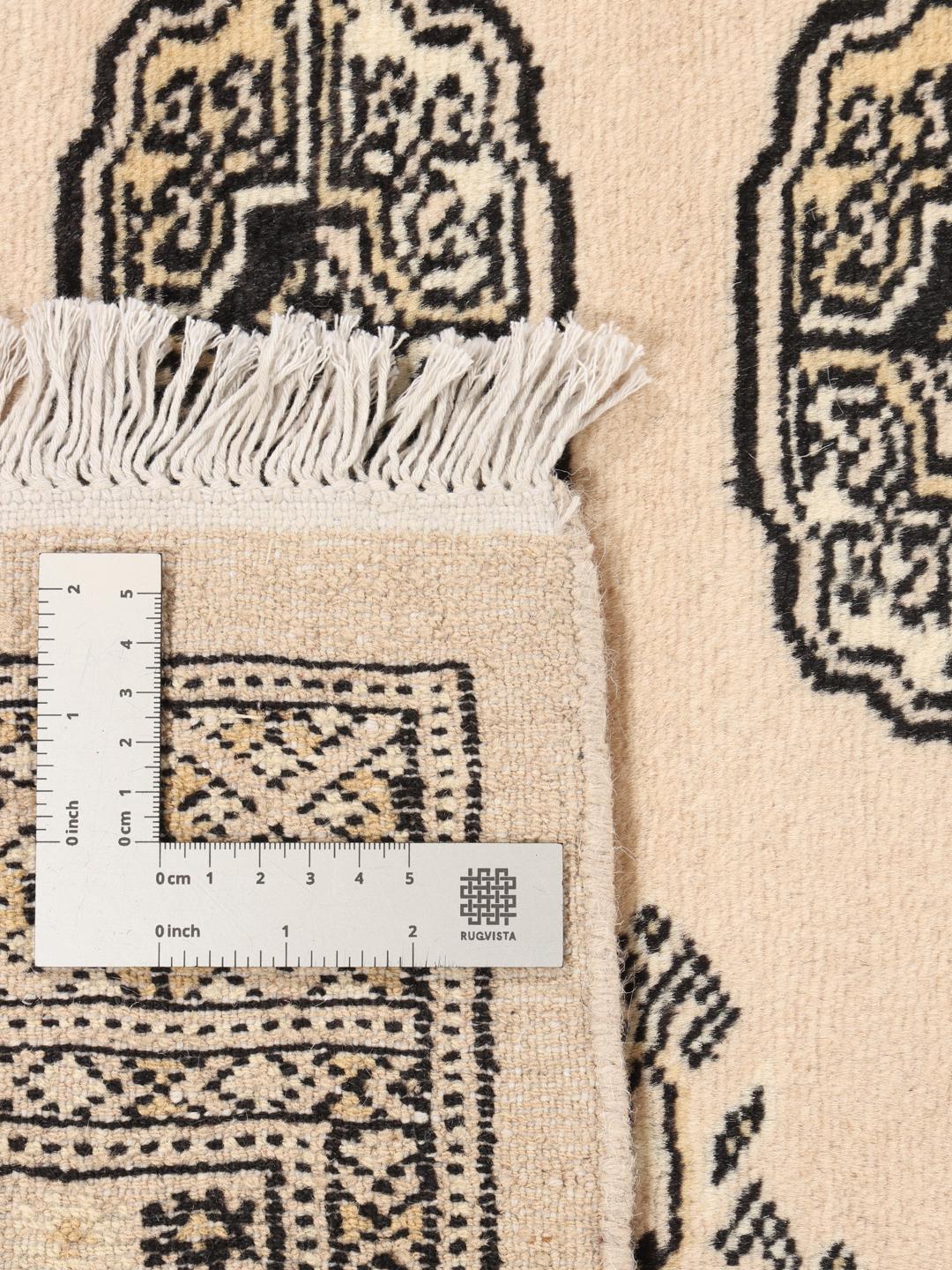
The 2ply designation is a hallmark of quality, indicating that the wool pile is created by twisting two strands together before knotting. This technique is significant because it results in a pile that is significantly more lustrous, dense, and durable than single-ply construction. It allows the rug to withstand years of use while retaining its soft, inviting texture and visual depth.
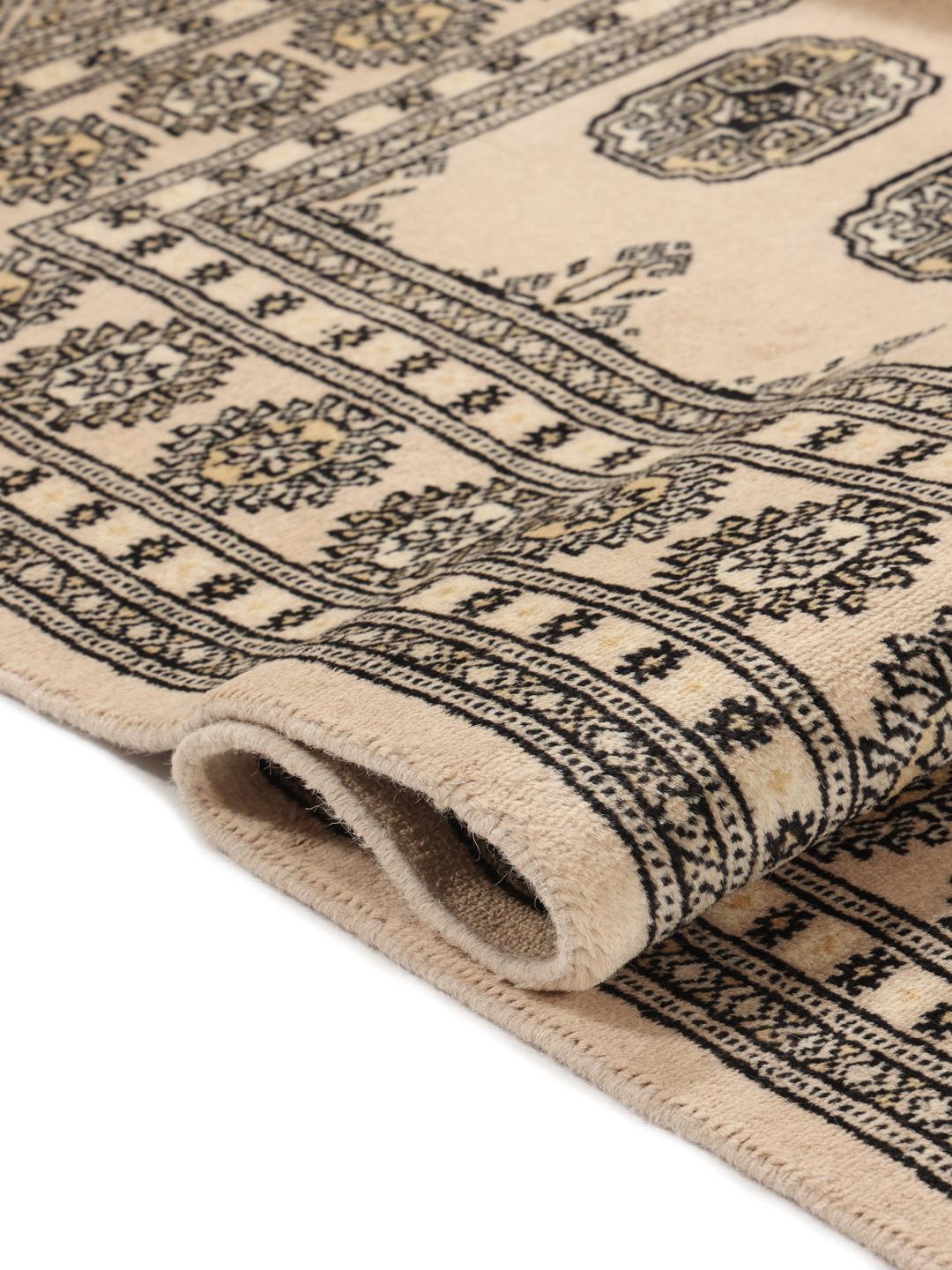
Visually, these rugs are defined by the repeating gul motif, which often appears as octagonal or elephant-foot shapes arranged in rows across the field. This rug showcases these traditional medallions, framed by intricate, structured borders that provide a sense of balance and order. Such patterns are deeply rooted in the textile history of the Middle East, serving as a visual language that has been passed down through generations.
Owning a hand-knotted rug from this tradition is an investment in cultural heritage and long-term artistry. Collectors value these pieces for their ability to bridge the gap between historical craft and contemporary living. By choosing this rug, you are preserving a legacy of skill and bringing a sense of history into your home that mass-produced items cannot replicate.