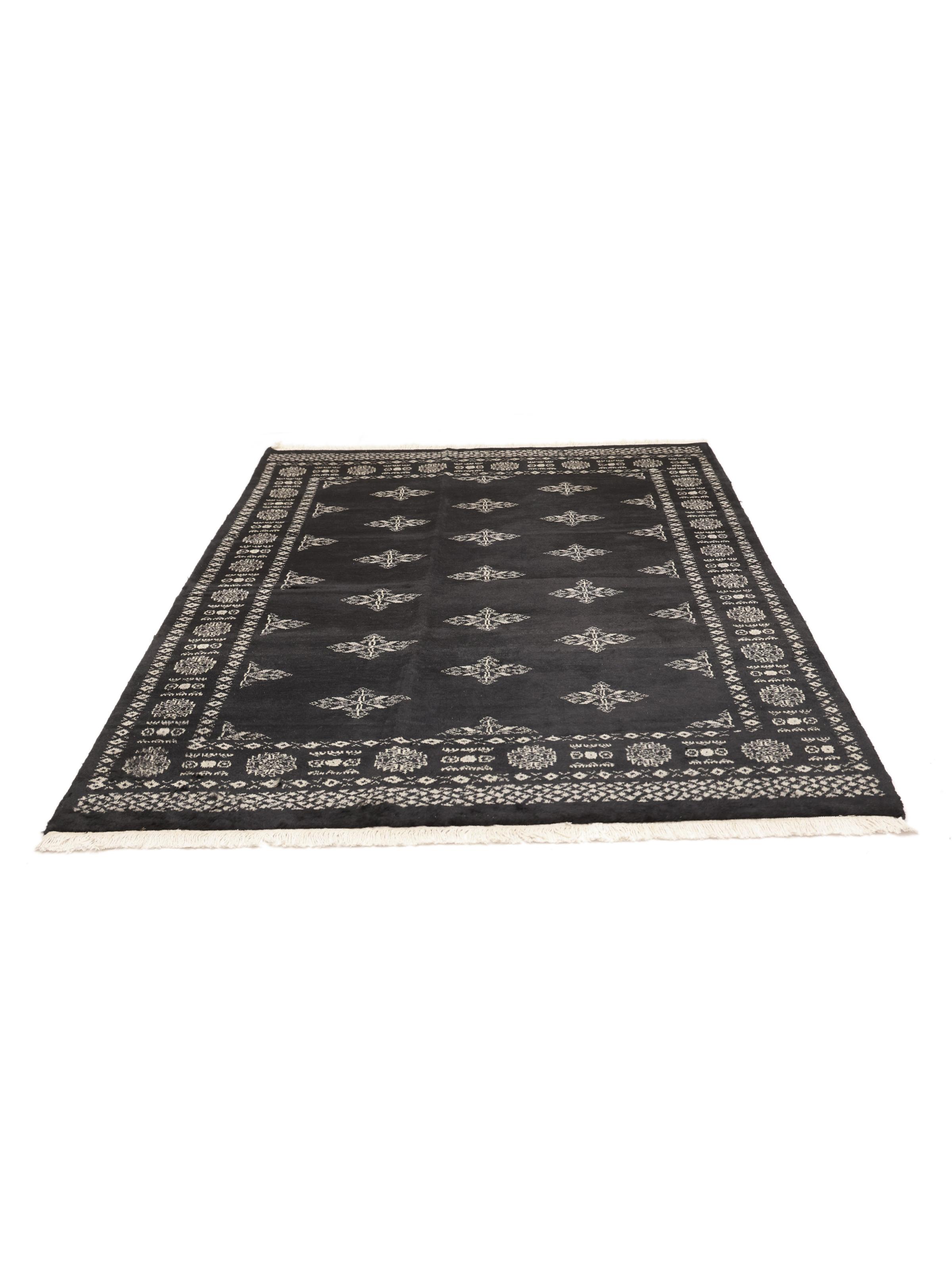
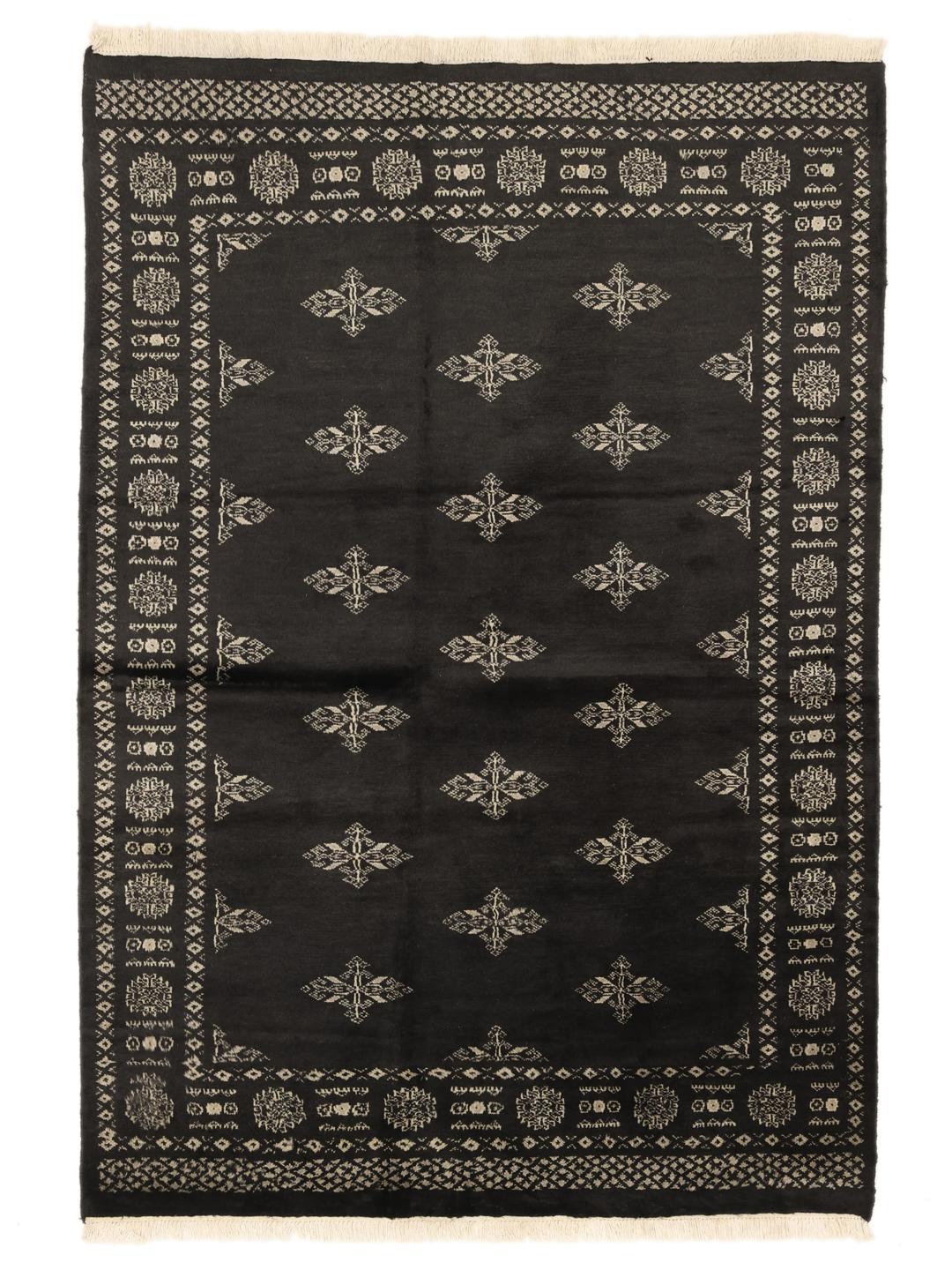
Bokhara rugs are deeply rooted in the history of Central Asian nomadic tribes, specifically the Turkmen people. While the name originates from the ancient Silk Road city of Bukhara, the craft has evolved significantly over centuries, with the finest contemporary examples now being skilfully woven in Pakistan. This migration of tradition has allowed the classic Bokhara aesthetic to flourish, blending historic tribal patterns with the precision of modern Pakistani weaving techniques.
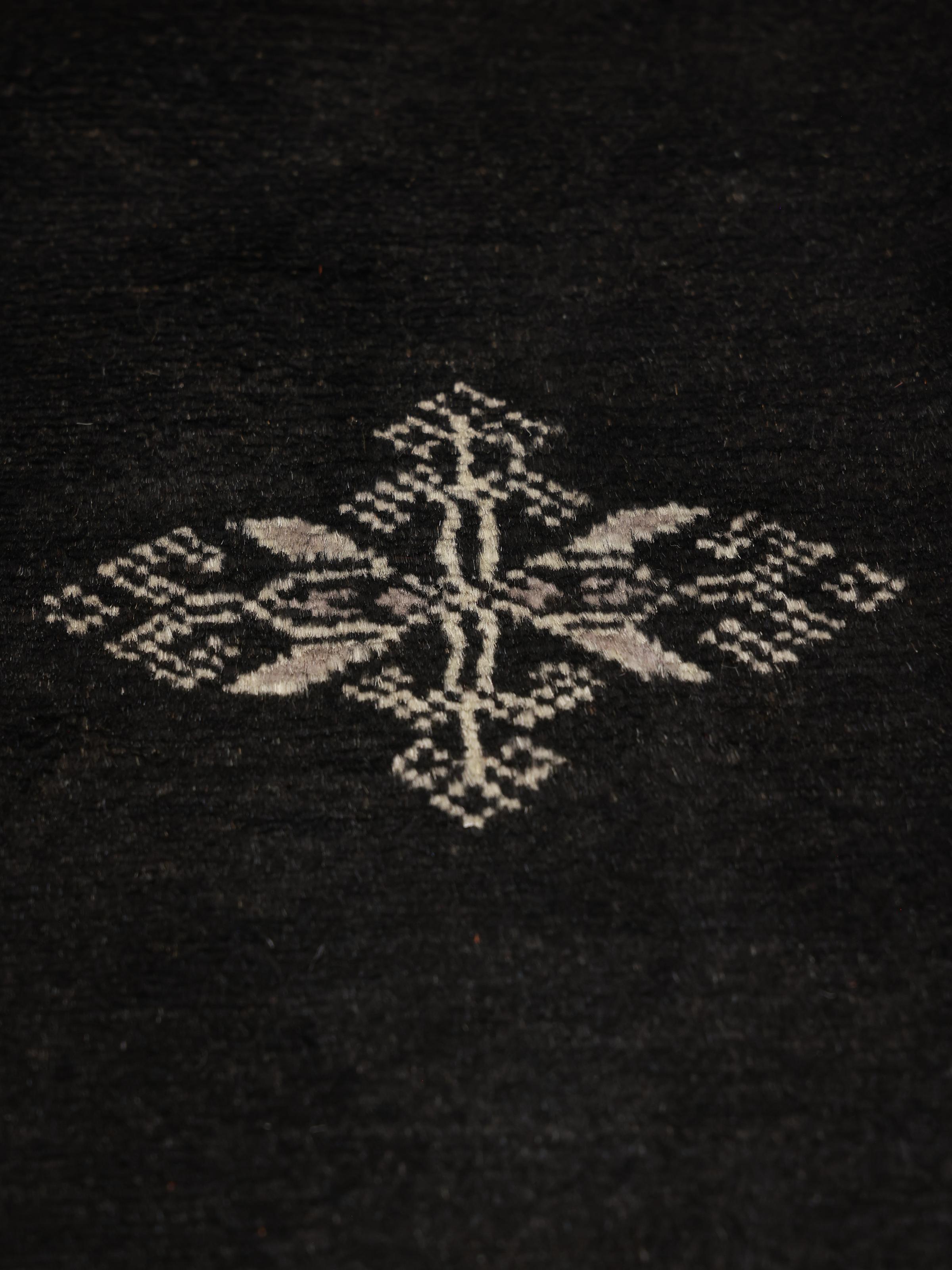
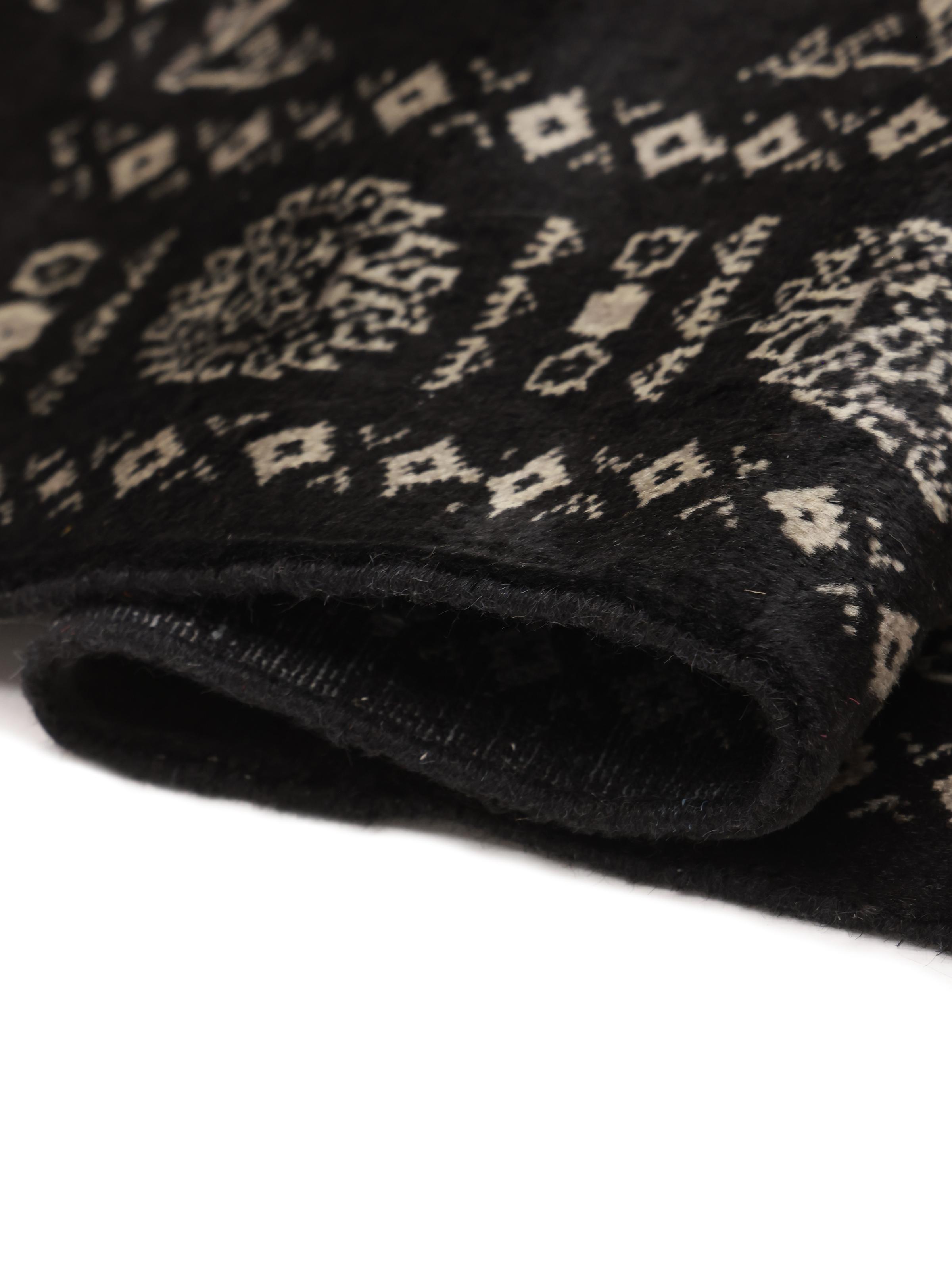
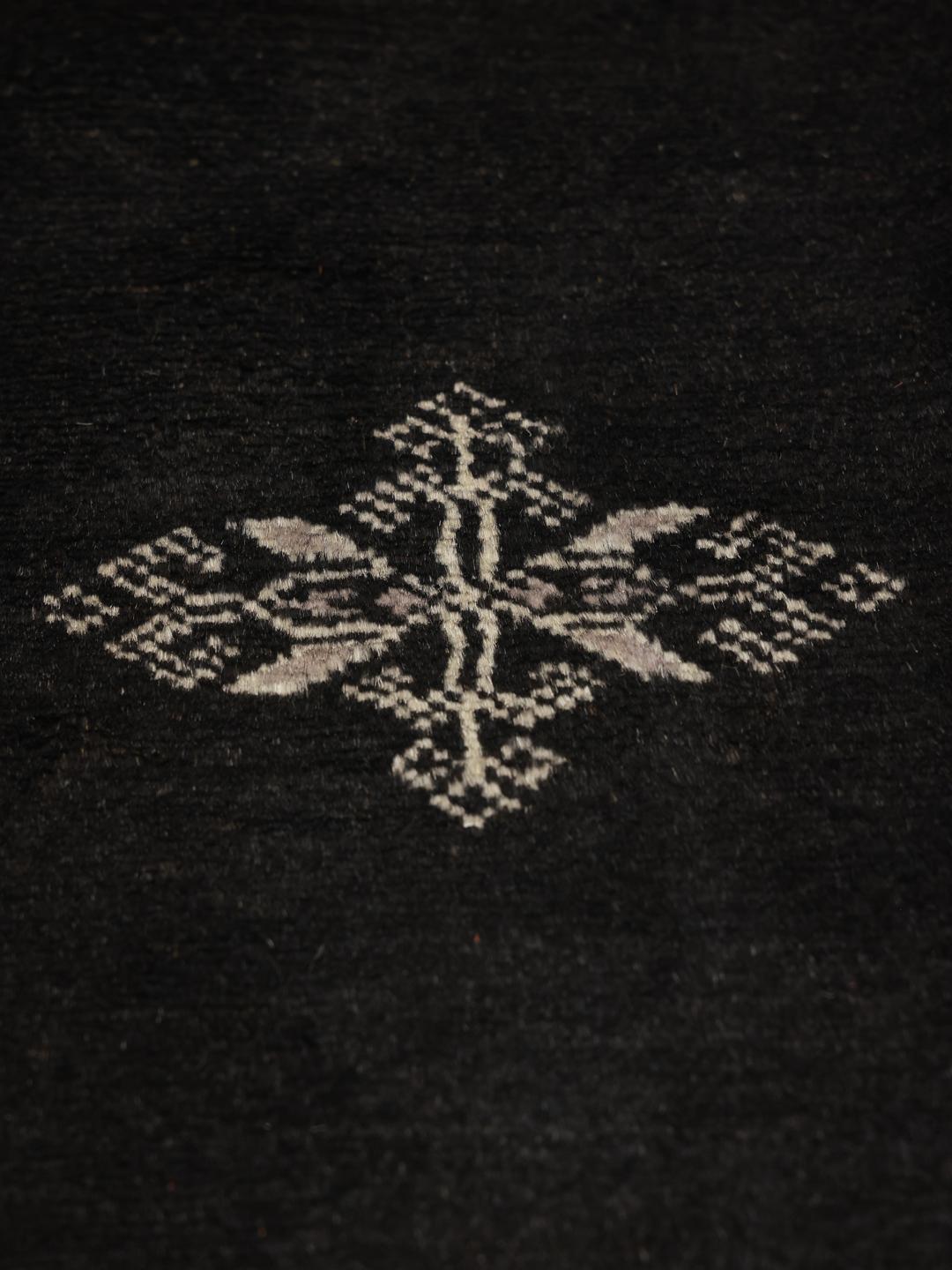
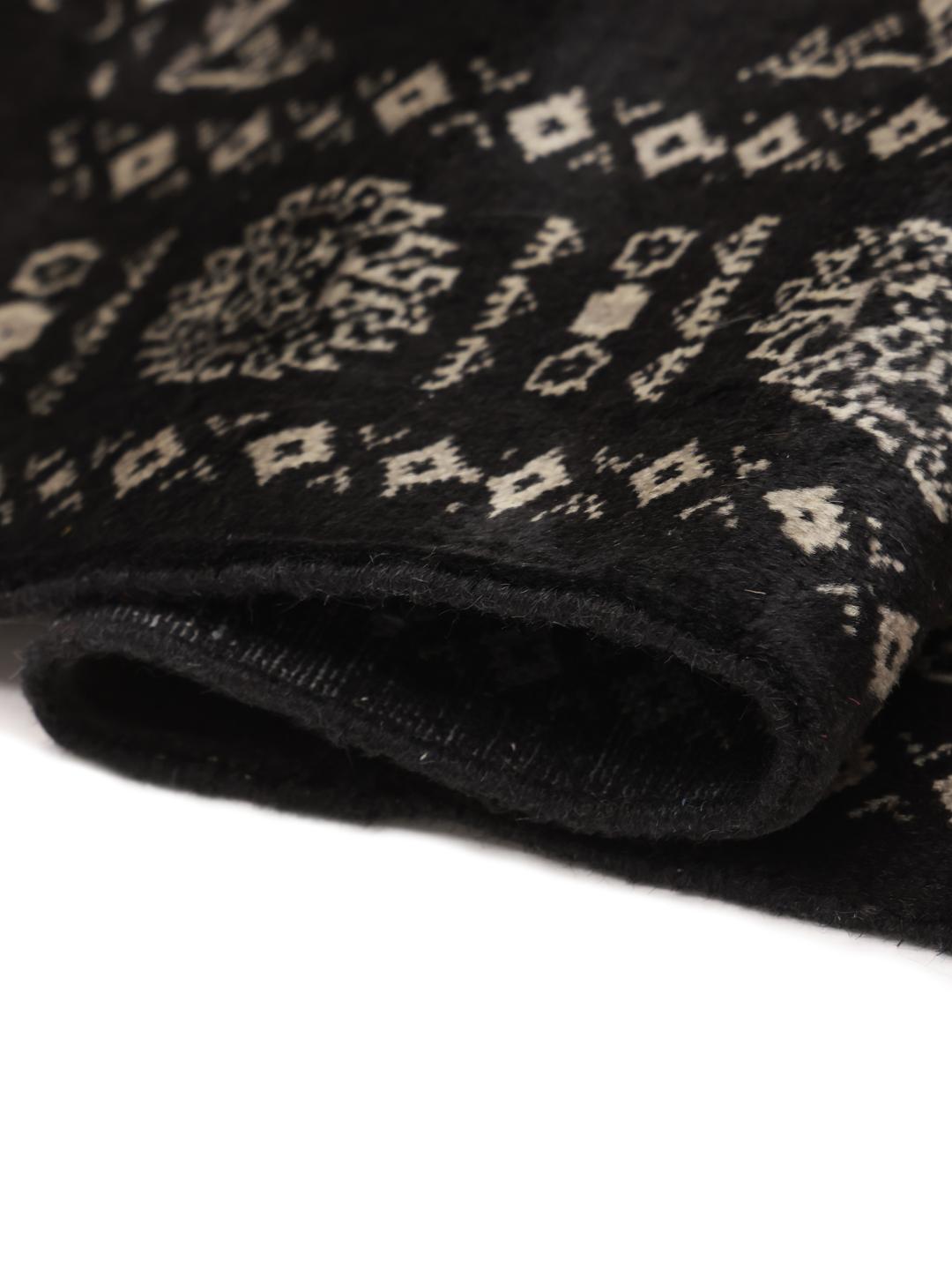
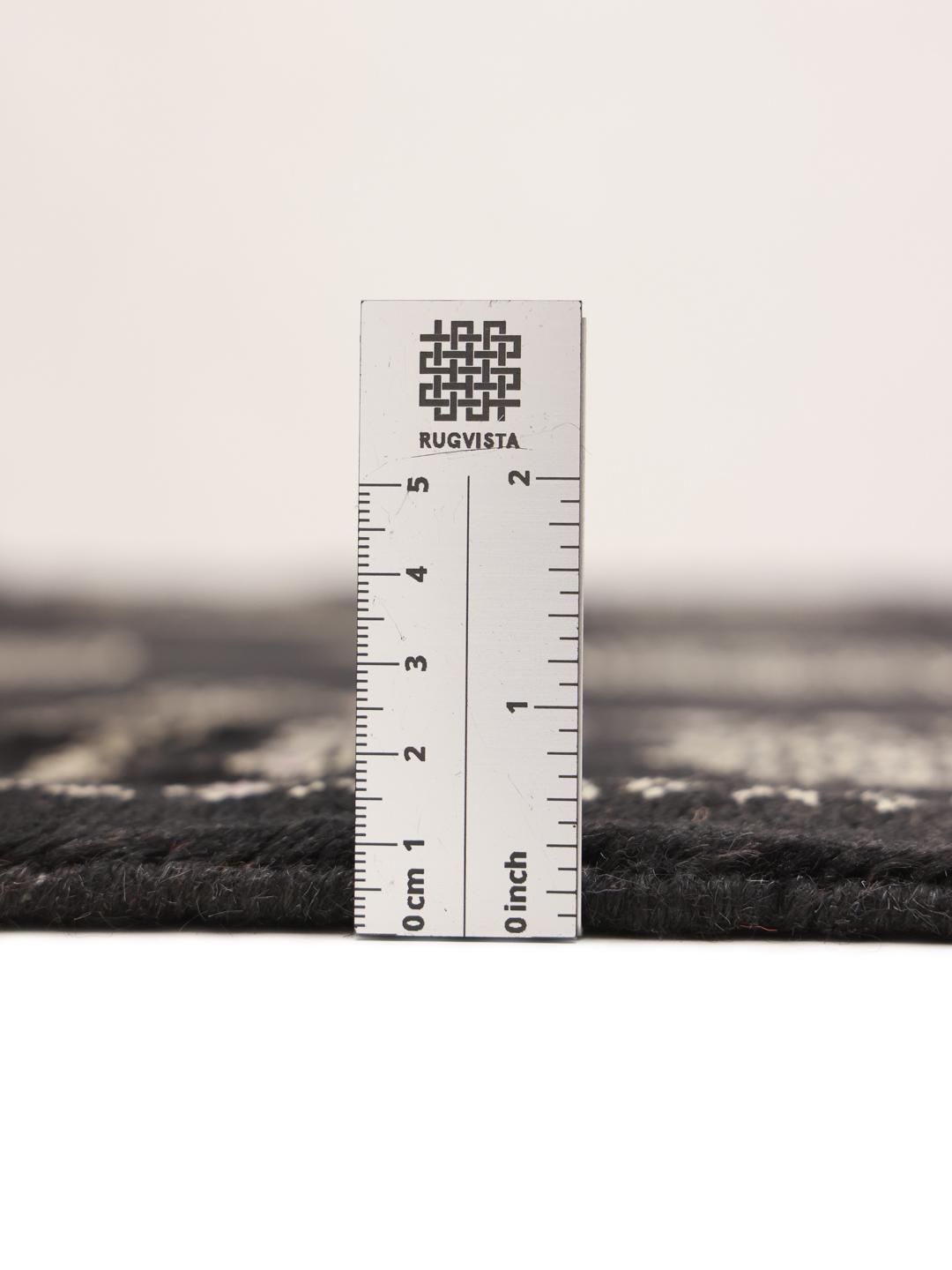
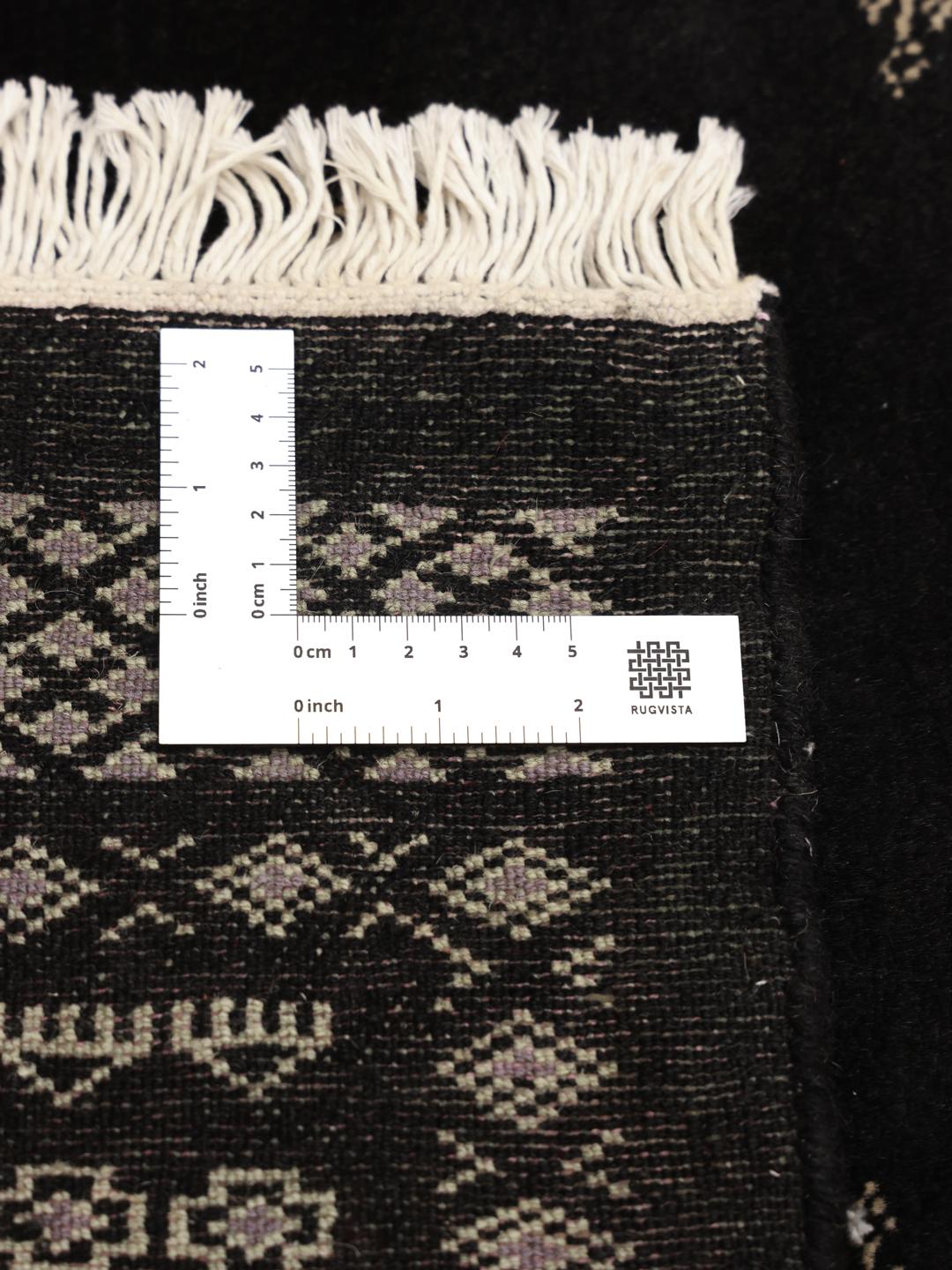
The term '2ply' refers to the specific way the wool is prepared before being knotted. By twisting two strands of wool together, the artisan creates a yarn that is significantly more durable, lustrous, and resistant to wear than single-ply alternatives. This technical choice is central to the quality of the rug, as it ensures that the pile remains upright and vibrant even after years of use, providing a soft, dense texture that is the hallmark of a well-made Bokhara.
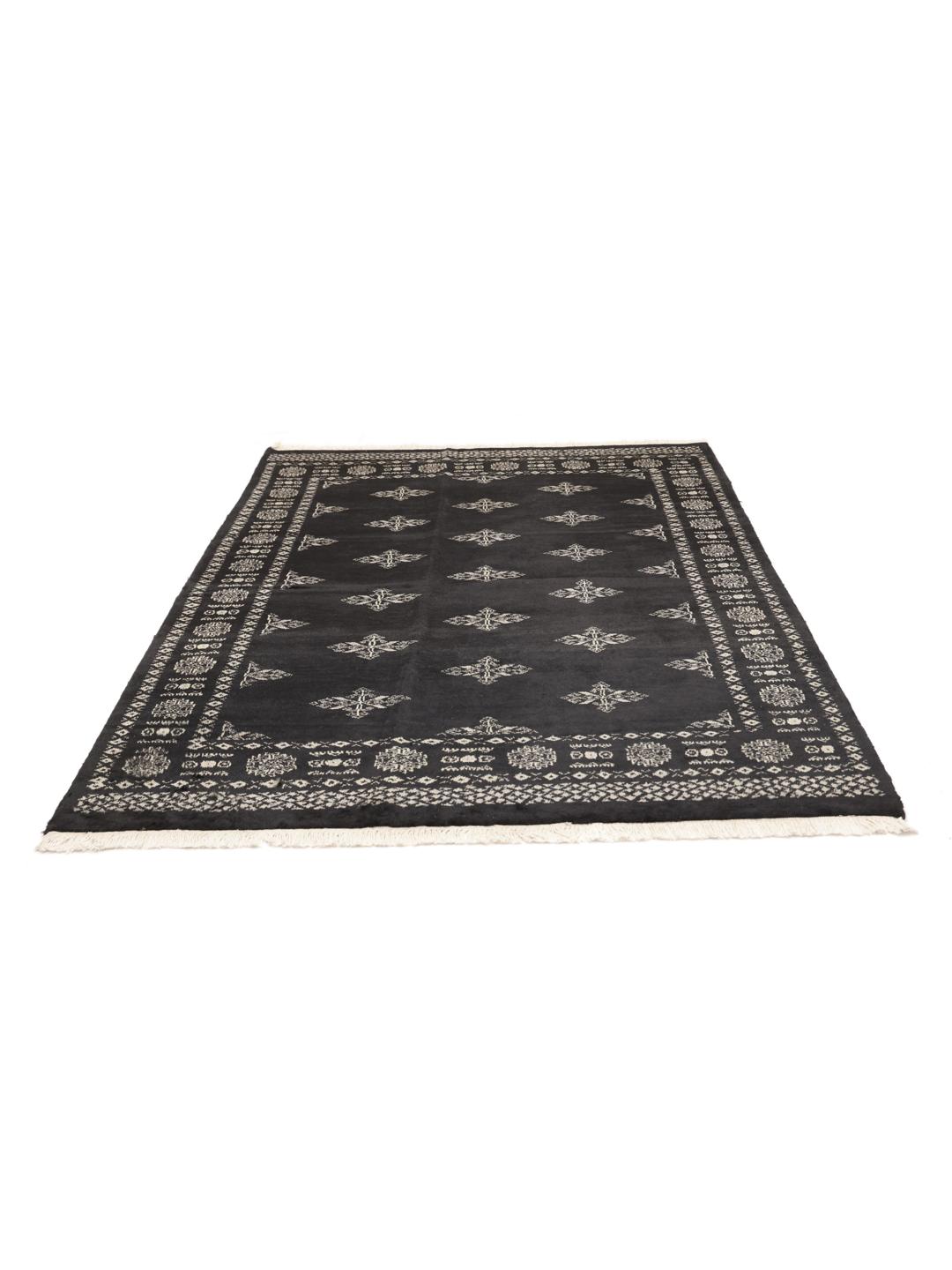
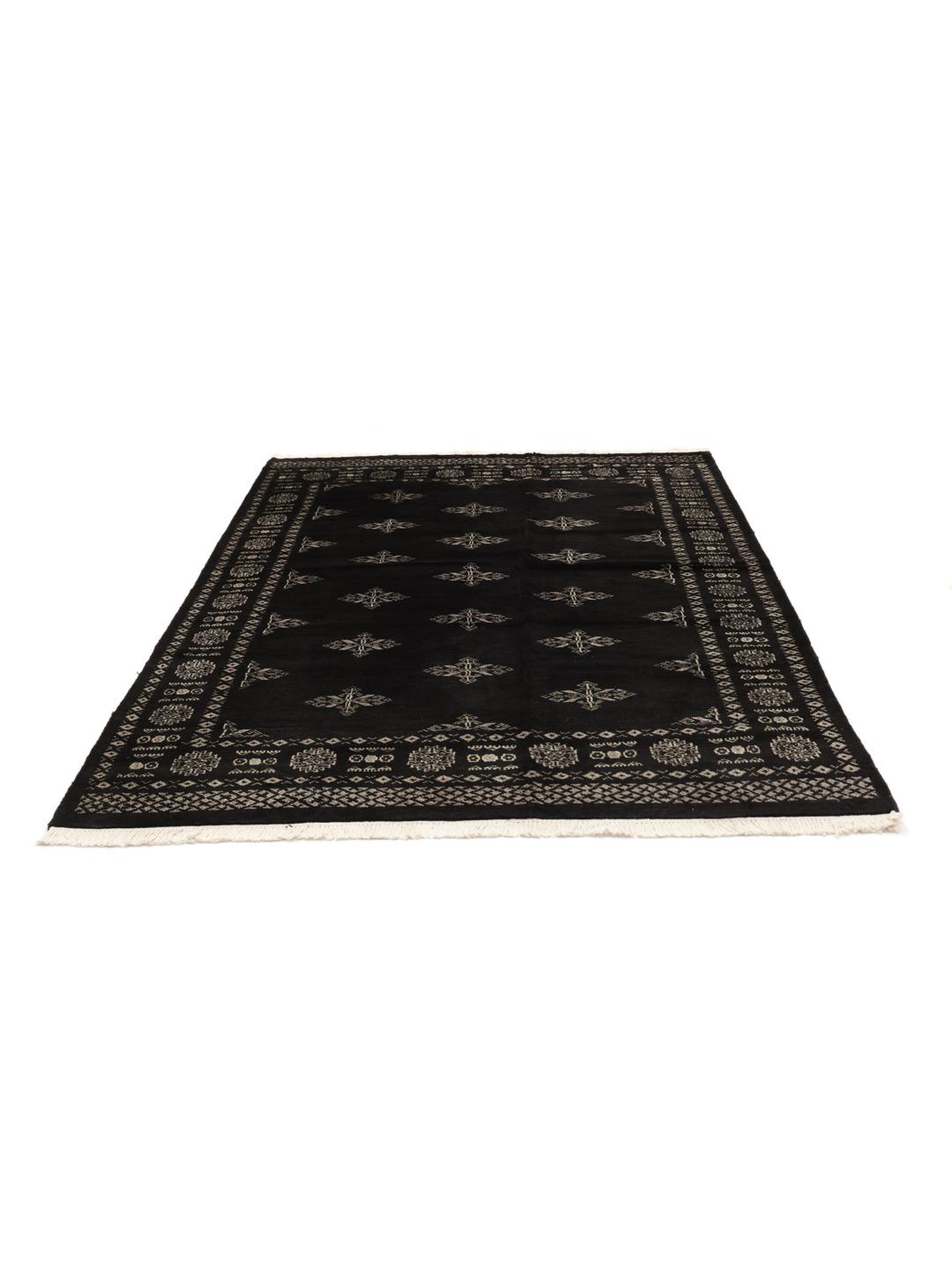
Visually, these rugs are defined by the 'gul' motif, which are repeating, octagonal medallions arranged in structured rows across the field. In this particular piece, the traditional design is presented on a bold black background, which is a sophisticated departure from the classic deep red fields often associated with this style. The symmetry of the motifs combined with the intricate border work creates a formal, balanced look that has remained popular for generations.
Owning a hand-knotted rug of this tradition is an investment in human skill and cultural heritage. These rugs are collected not only for their beauty but for their ability to withstand the test of time, often becoming cherished family heirlooms. The meticulous attention to detail and the adherence to traditional patterns reflect a level of artistry that machines simply cannot replicate, offering the collector a tangible connection to a rich, centuries-old craft.