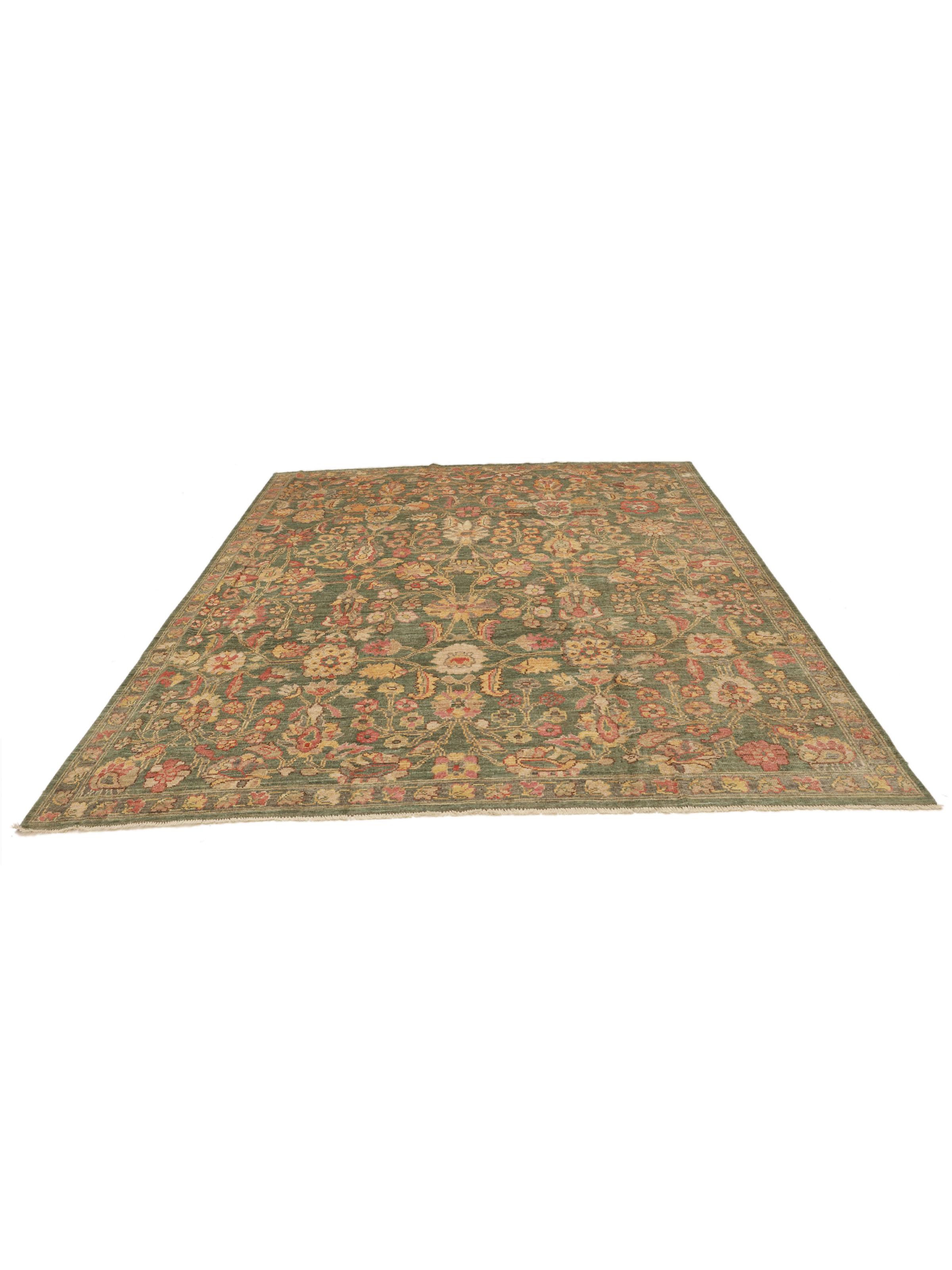
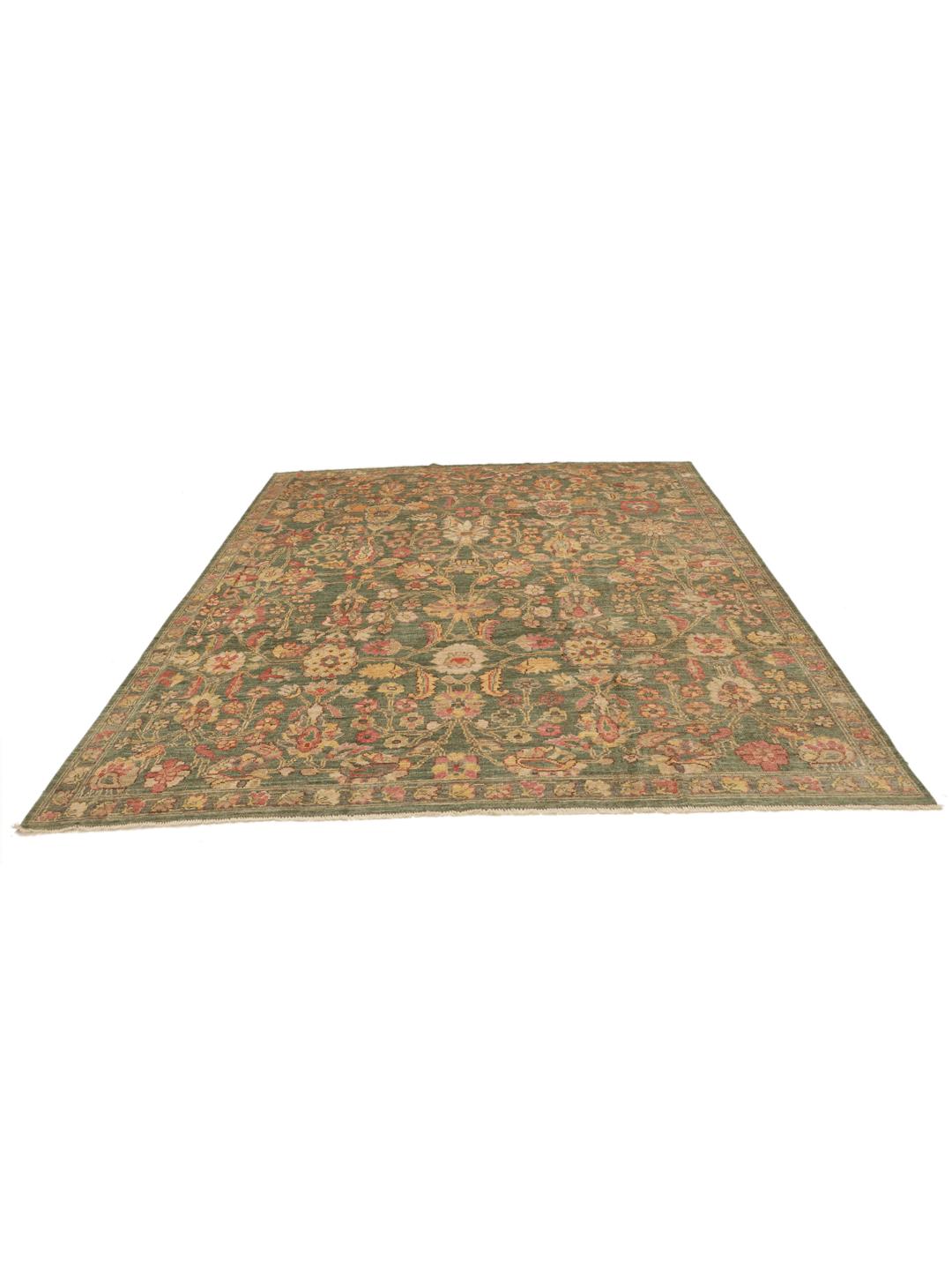
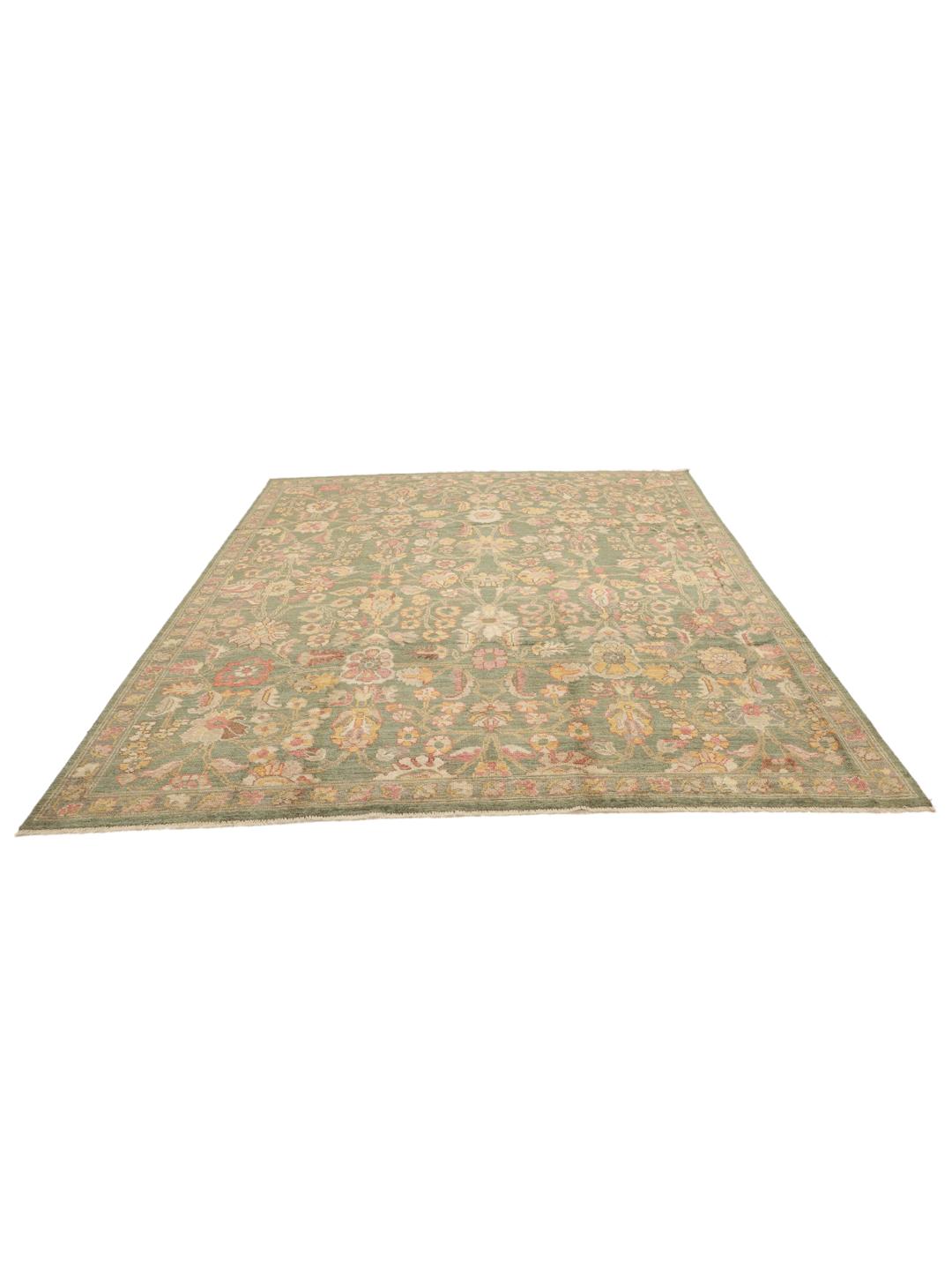
The Usak rug tradition traces its origins to the historic town of Uşak in Western Anatolia, which became a global hub for rug production between the 15th and 17th centuries. While the style began in the Middle East, the weaving techniques and design philosophies have since travelled, finding a vibrant new home in the weaving regions of Afghanistan. Today, Afghan artisans have revitalised these historical patterns, infusing them with local sensibilities while maintaining the classic elegance that made the original Usak rugs famous.
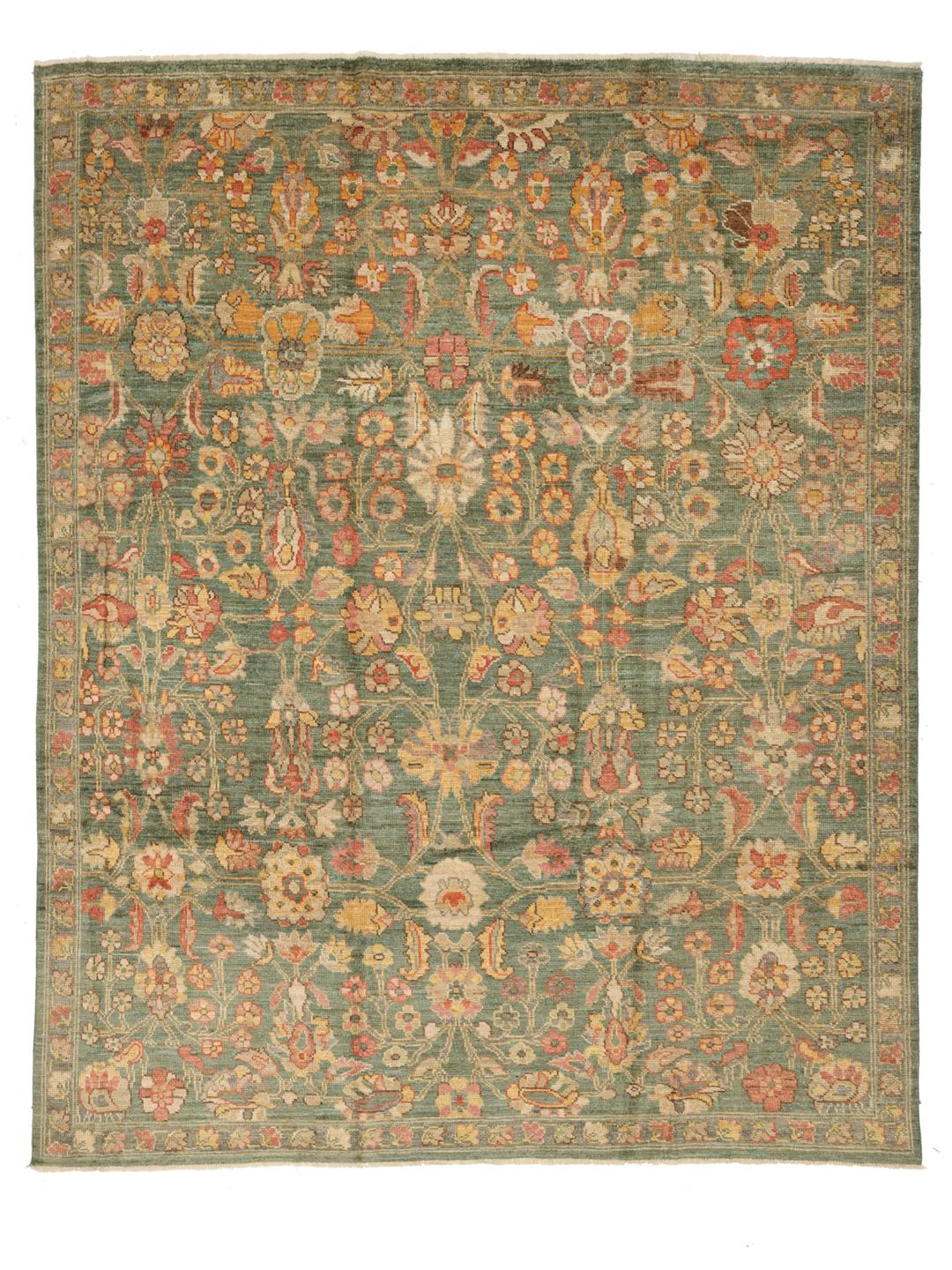
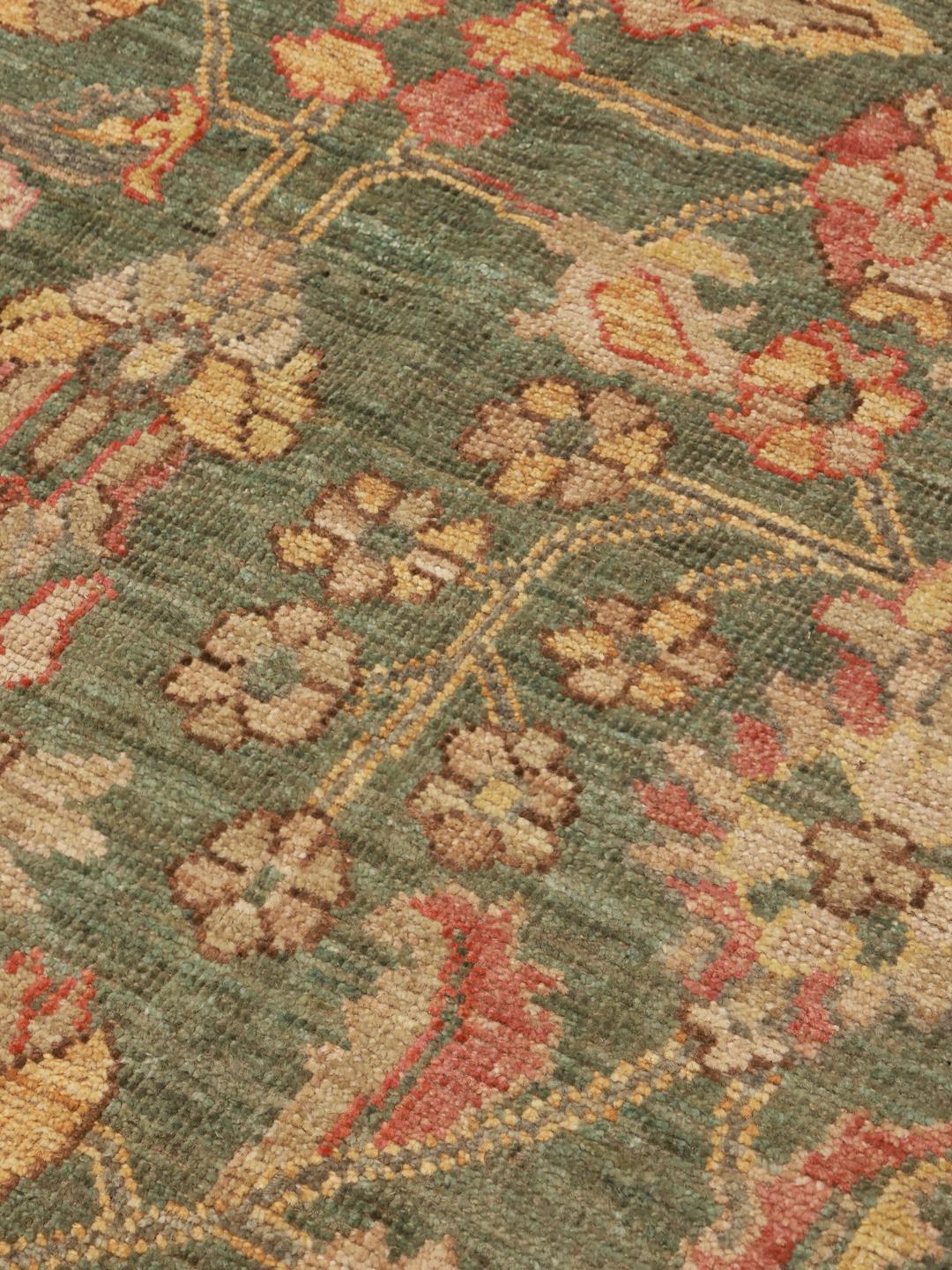
The term Usak refers to a specific design language that prioritises scale and flow. Unlike rugs that rely on strict, repetitive geometric grids, these pieces often feature large-scale floral patterns, palmettes, and vine scrolls that create a sense of movement. This design approach requires a high level of artistic intuition from the weaver, as the motifs must be balanced across a large field to achieve a harmonious and natural look.
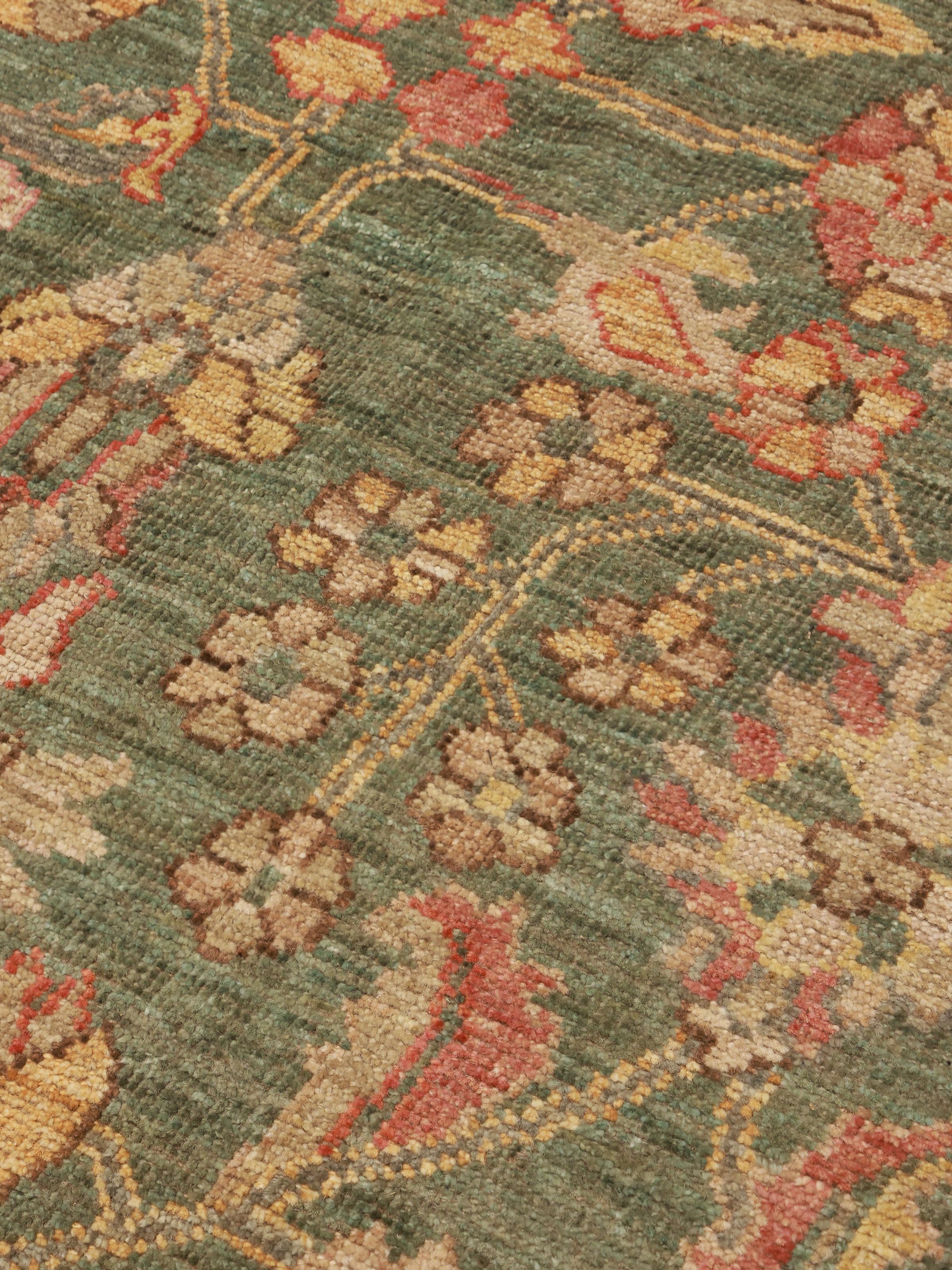
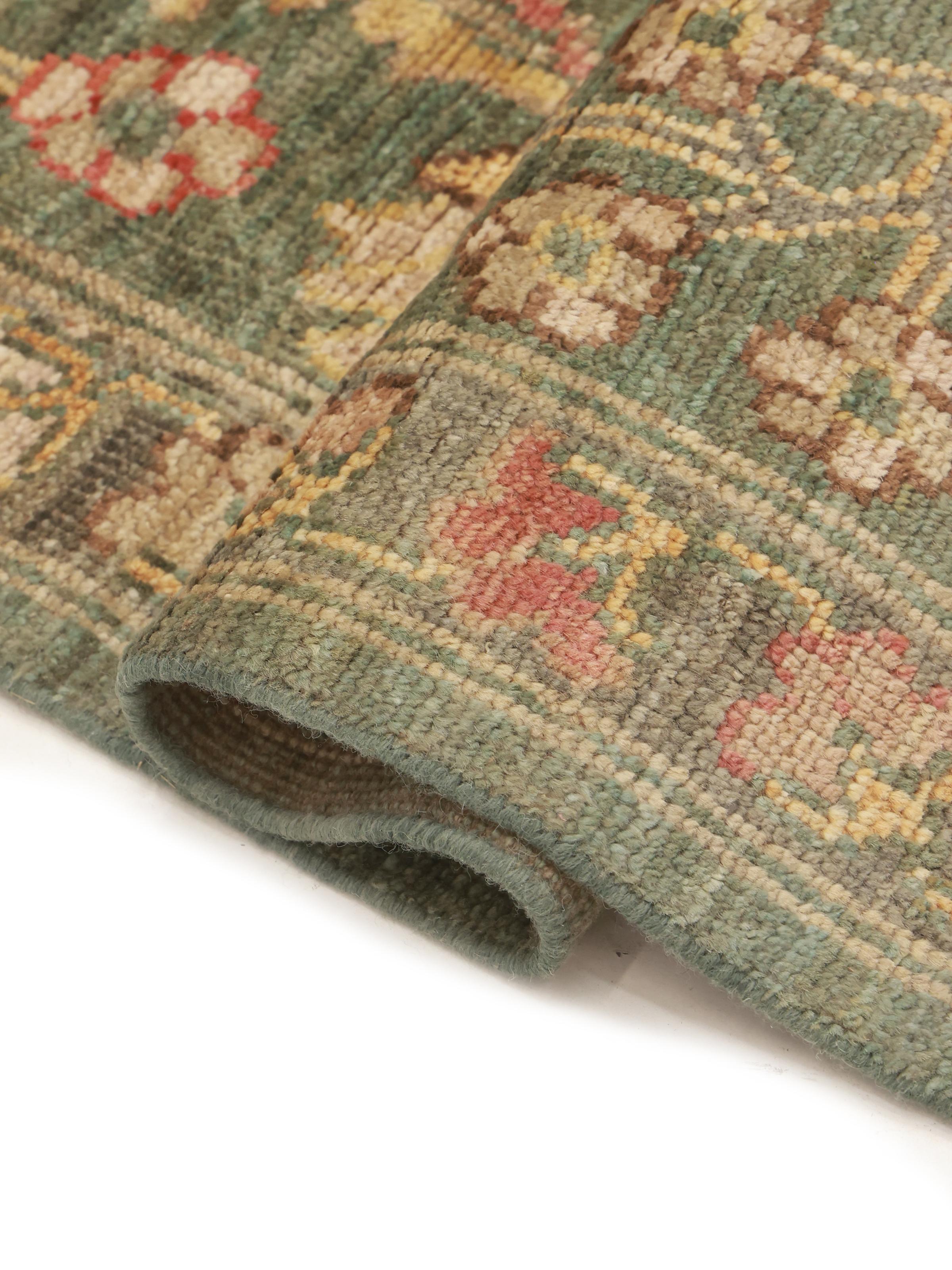
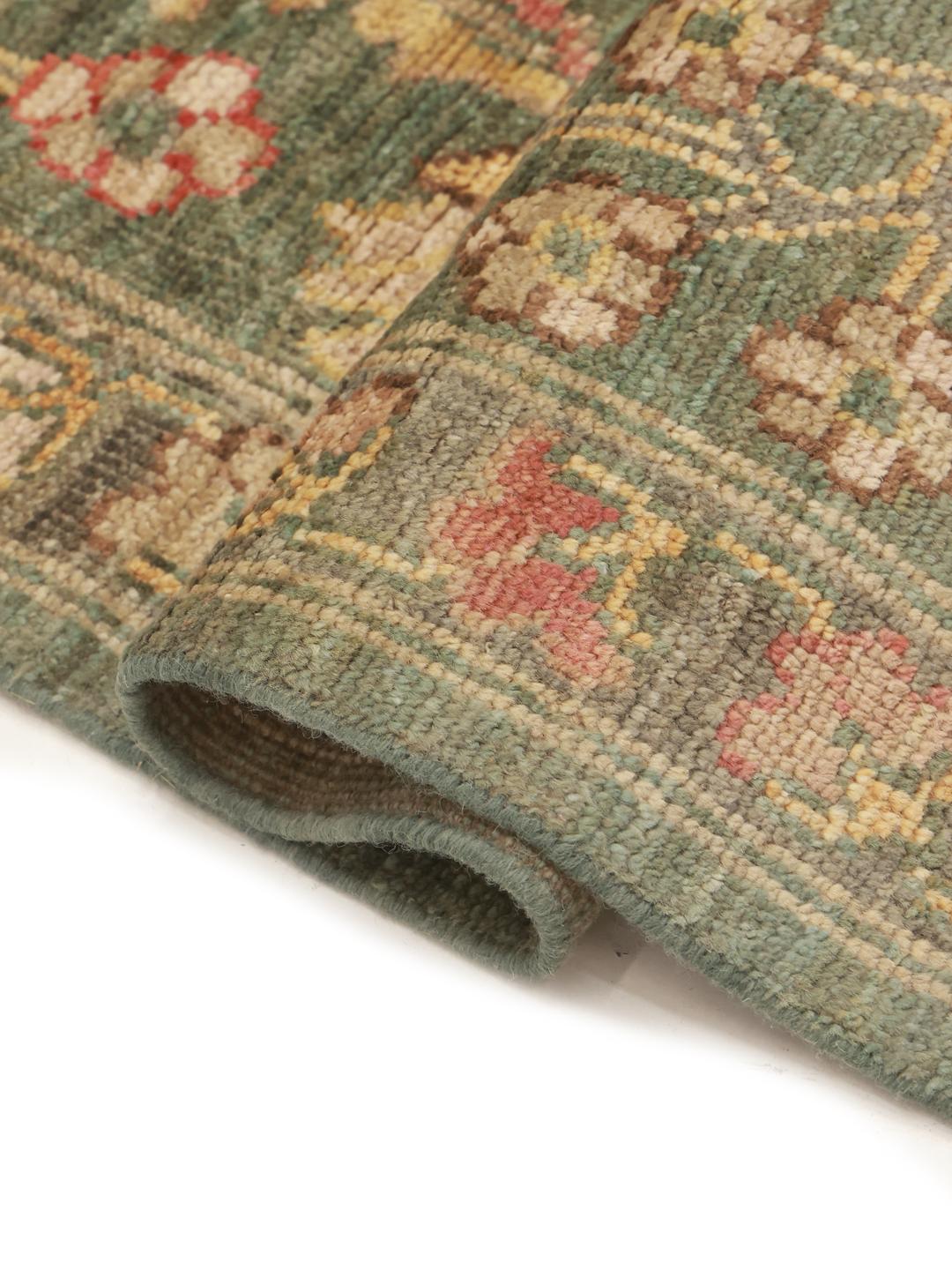
Signature elements of this tradition include the use of large, stylised floral forms and a colour palette that often draws from natural vegetable dyes. The borders are typically bold and well-defined, providing a frame that contains the lush, organic growth within the central field. These pieces are known for their ability to bring a sense of grandeur to a space without appearing overly formal or stiff, making them a staple in both traditional and eclectic interiors.
Collectors and design enthusiasts value these rugs for their ability to bridge the gap between historical heritage and contemporary living. They are seen not just as floor coverings, but as cultural documents that preserve the skill and aesthetic values of generations of weavers. By adding an Usak rug to your home, you are continuing a legacy of artistry that honours the human touch and the enduring beauty of traditional weaving.