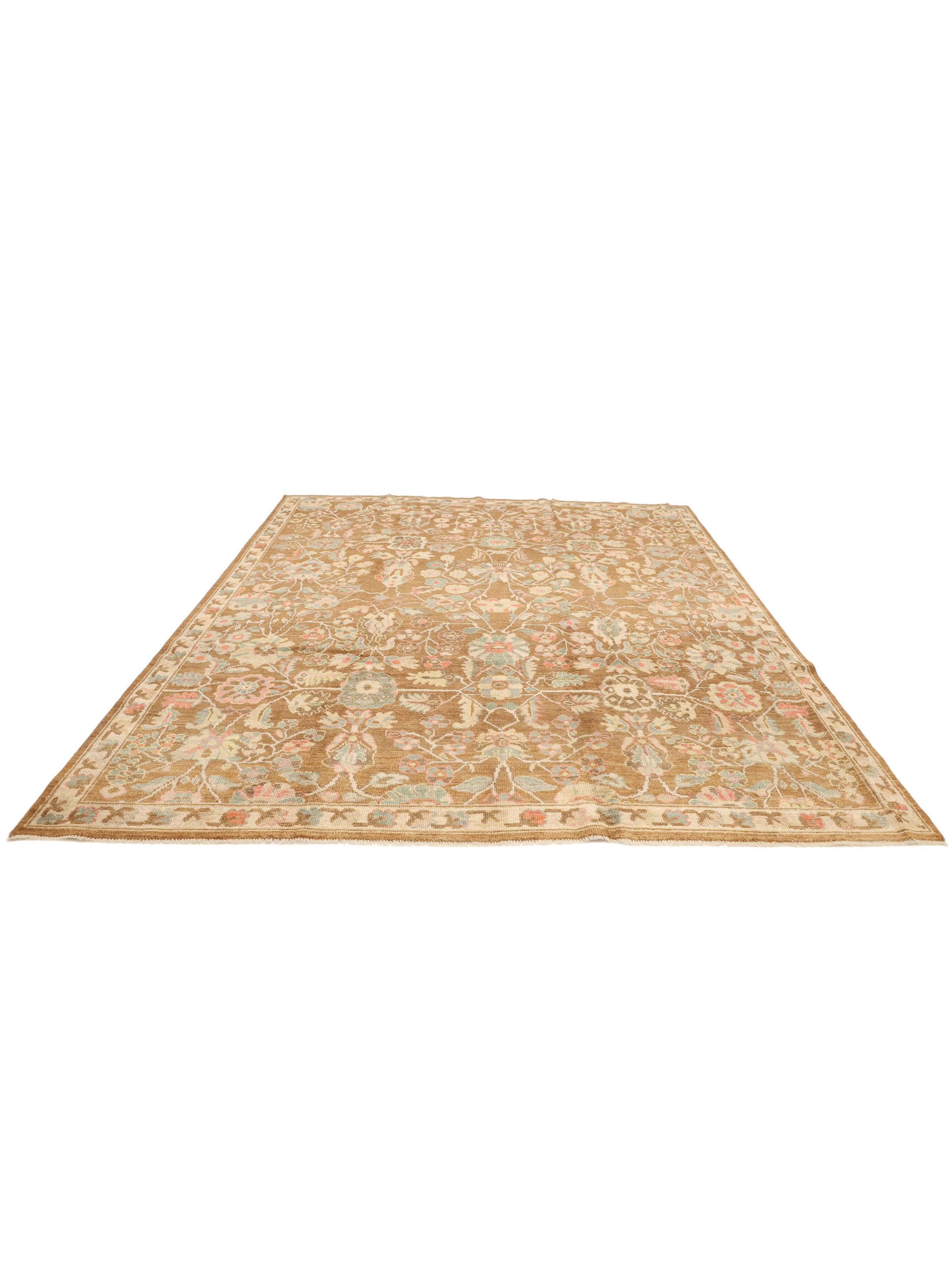
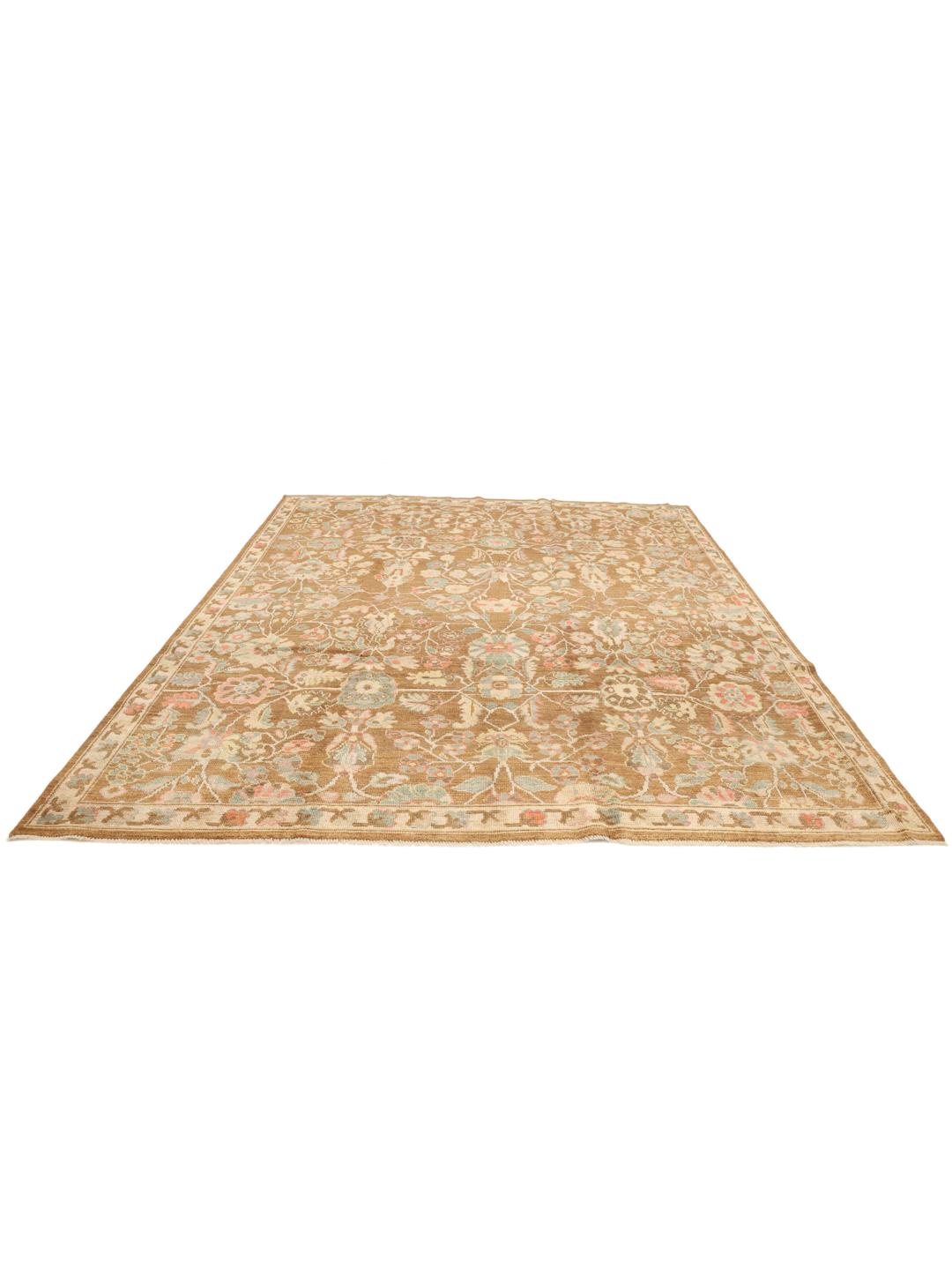
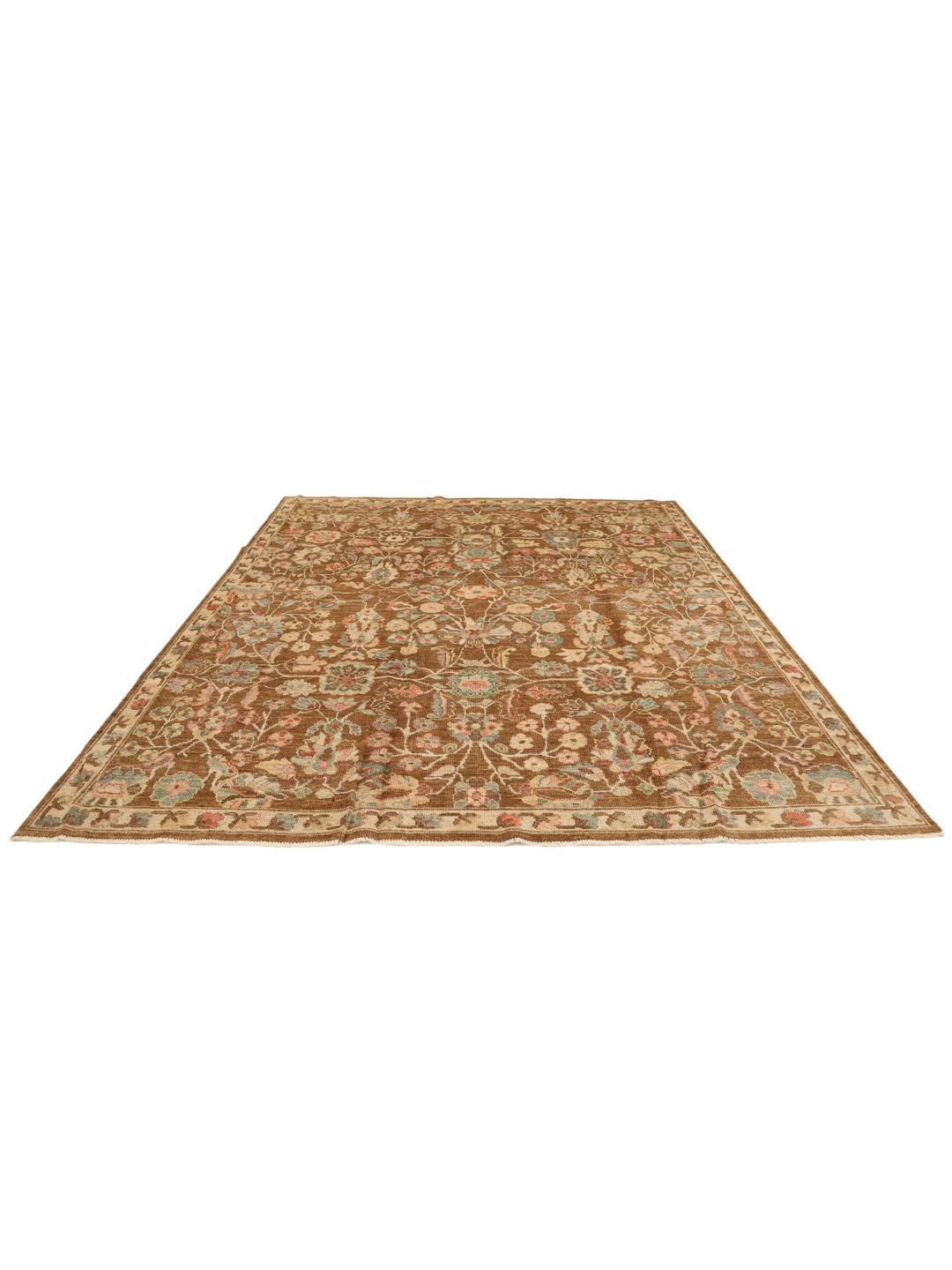
The Usak tradition originates from the historic town of Usak in western Anatolia, which served as a major centre for rug production for centuries. While the style began in the Middle East, the weaving techniques and design philosophies have migrated and evolved over time, finding a vibrant home in the skilled workshops of Afghanistan today.
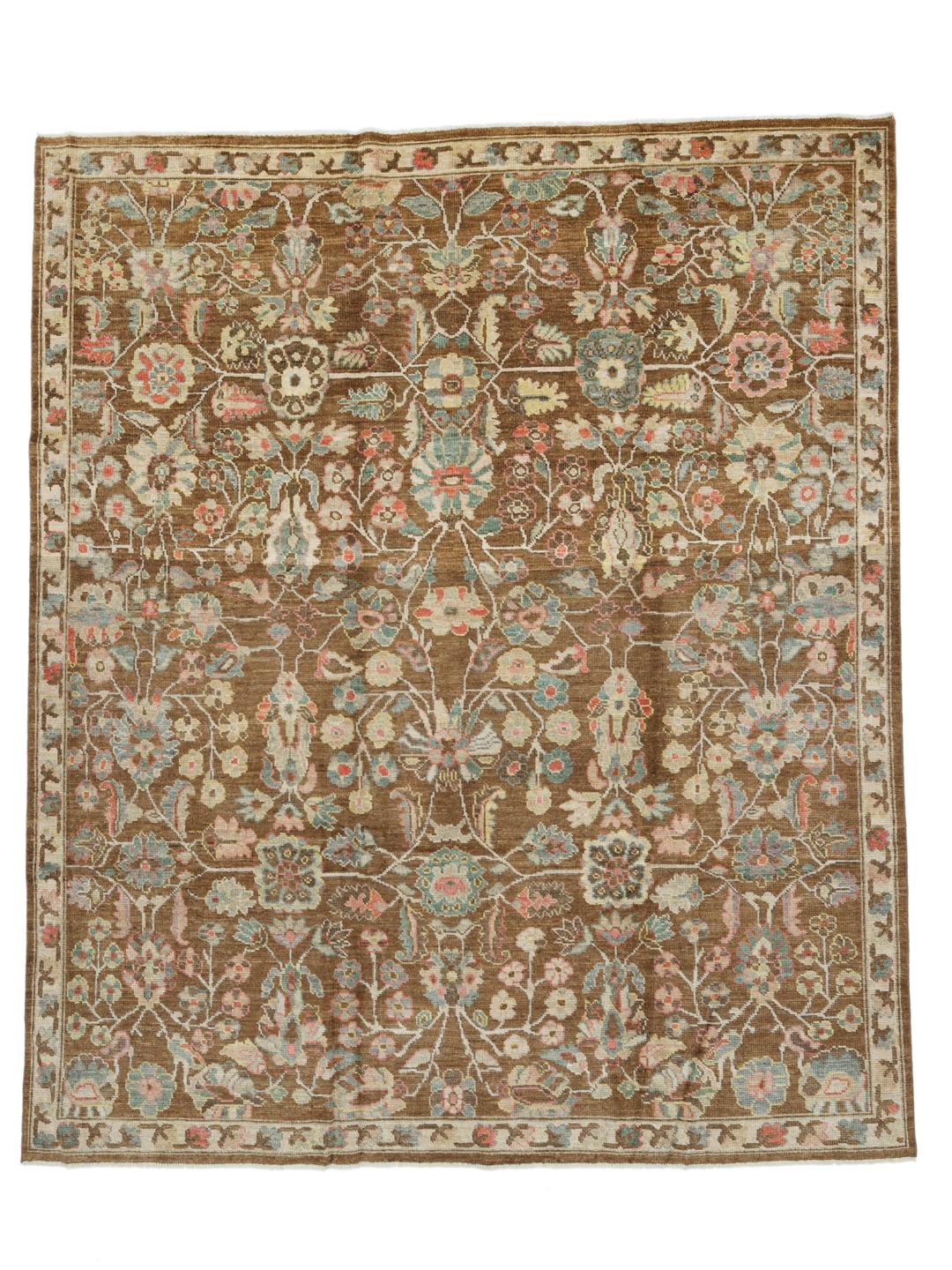
The name Usak refers to a specific design lineage known for its more open, spacious compositions compared to the dense, geometric styles of other regions. These rugs are celebrated for their large-scale floral motifs and sophisticated colour palettes, which provide a sense of harmony and light that is highly sought after by collectors.
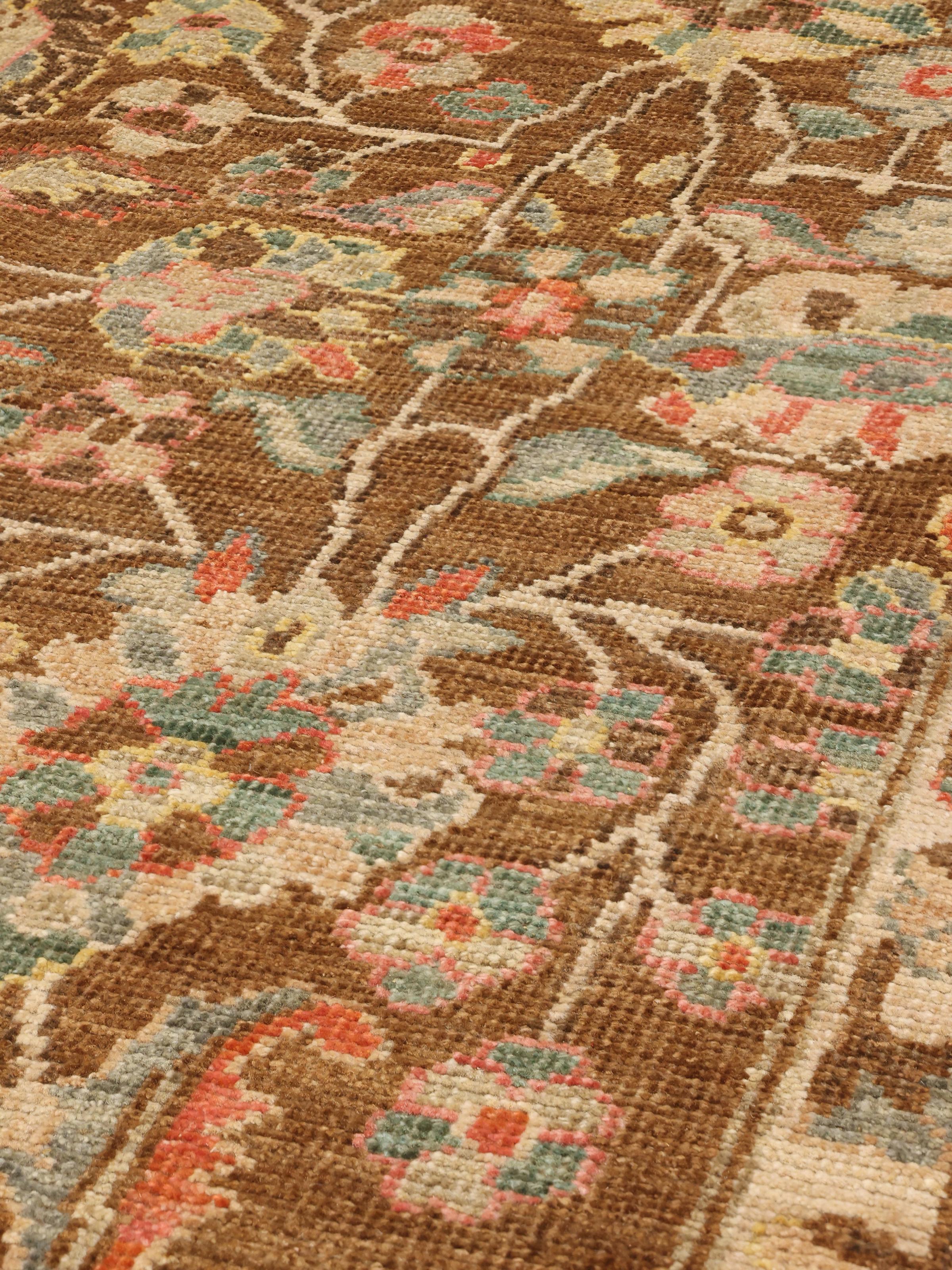
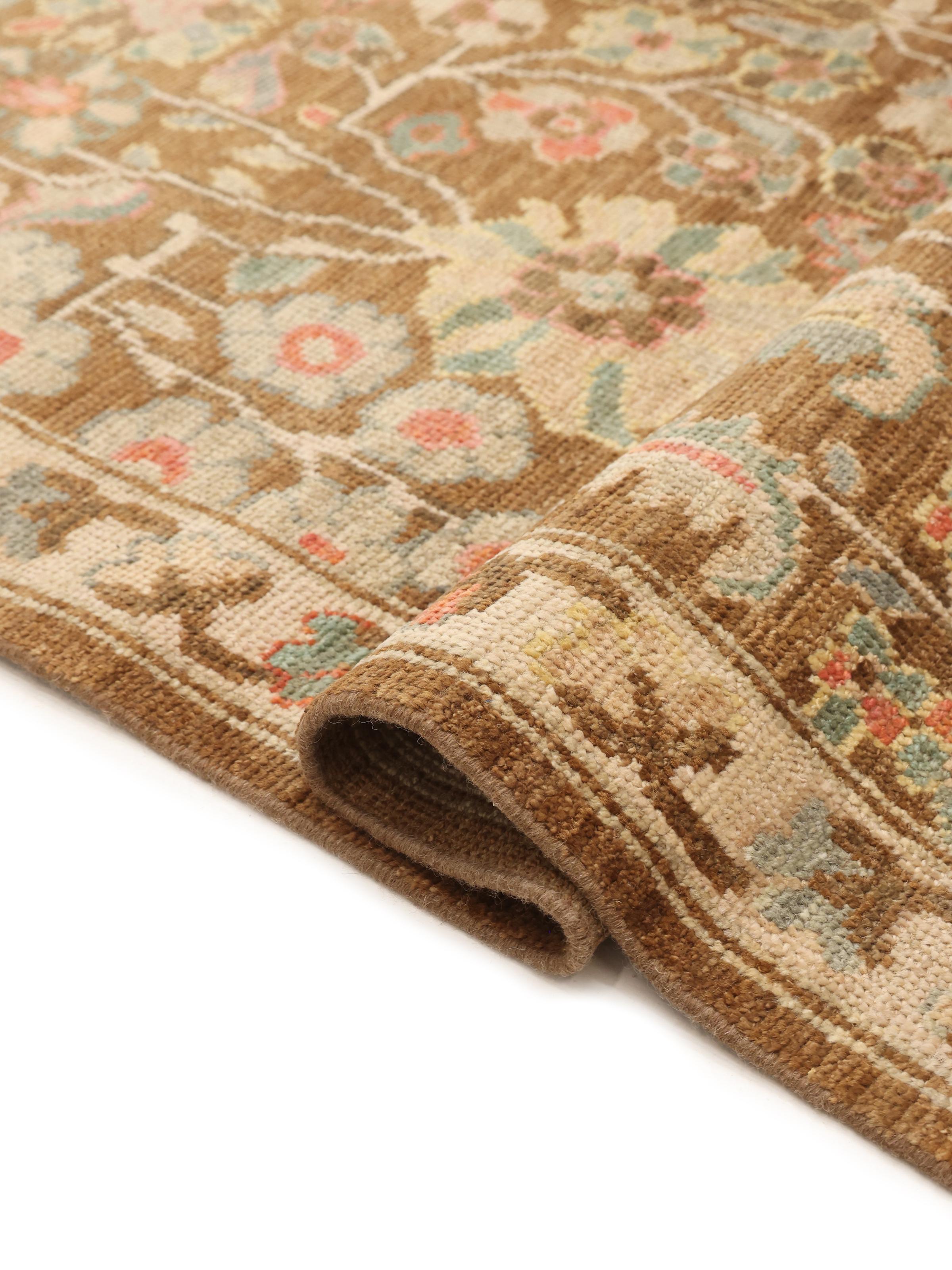
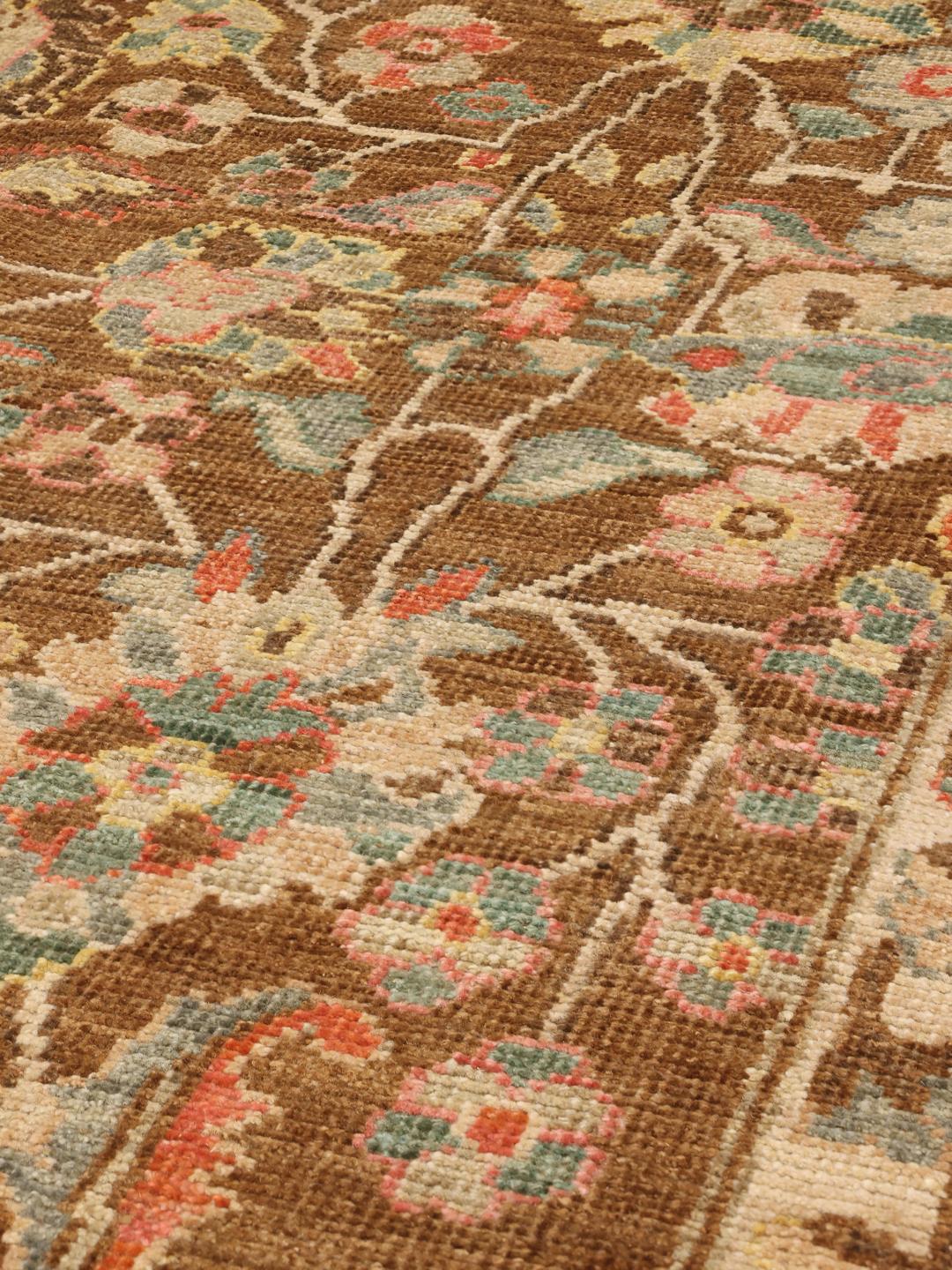
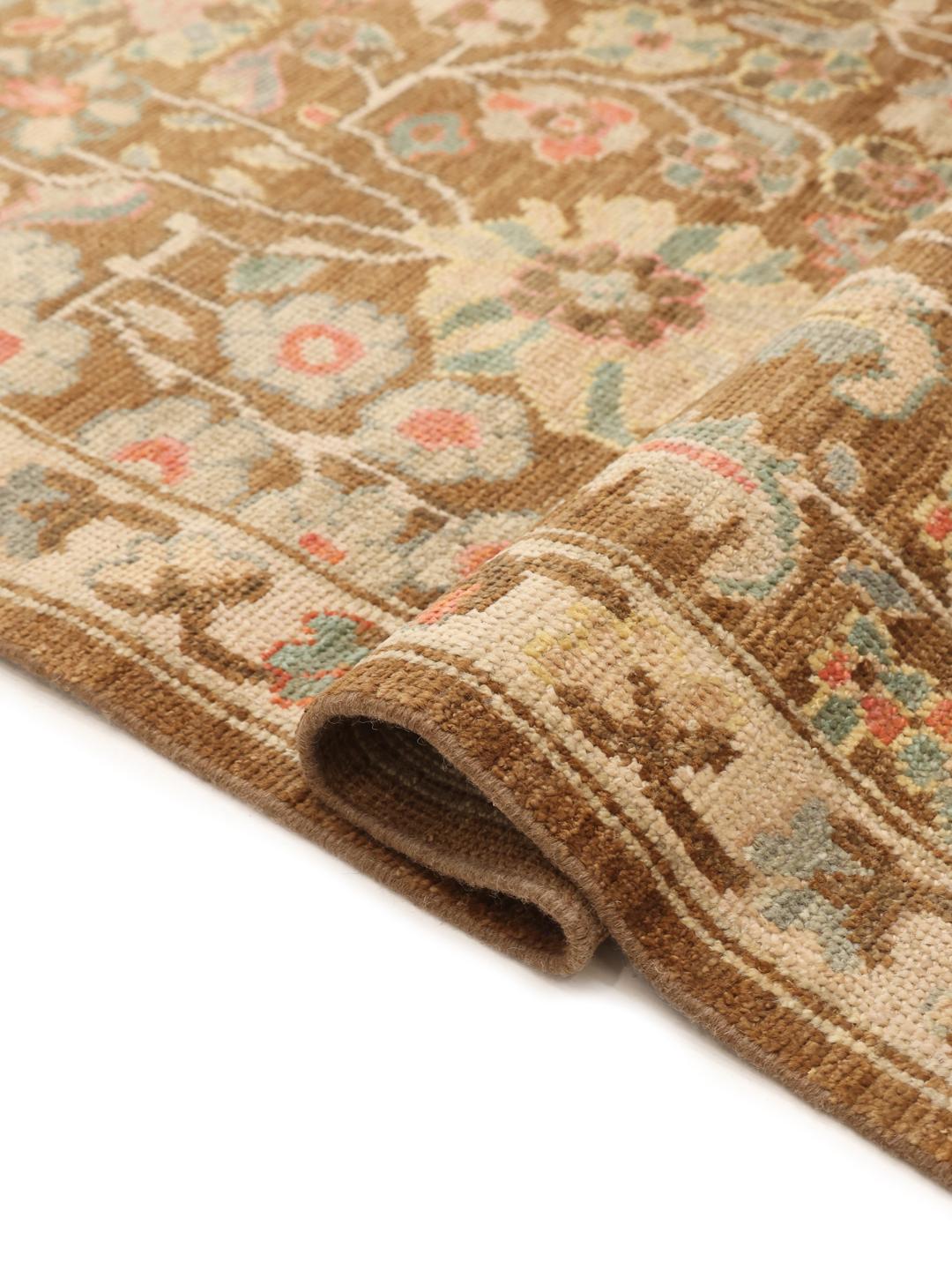
Signature elements of this tradition often include a central field adorned with scrolling vines, palmettes, and floral sprays, all framed by a wide, decorative border. The aesthetic is one of elegant structure, where the patterns are formal yet fluid, balancing traditional symmetry with a more organic, artistic expression.
Owning an Afghan Usak rug is an investment in a storied craft tradition. These pieces are valued not only for their visual beauty but for the connection they provide to a global history of weaving. They are collected by those who appreciate the patience required to create such detailed work and who wish to bring a piece of cultural heritage into their modern living environment.