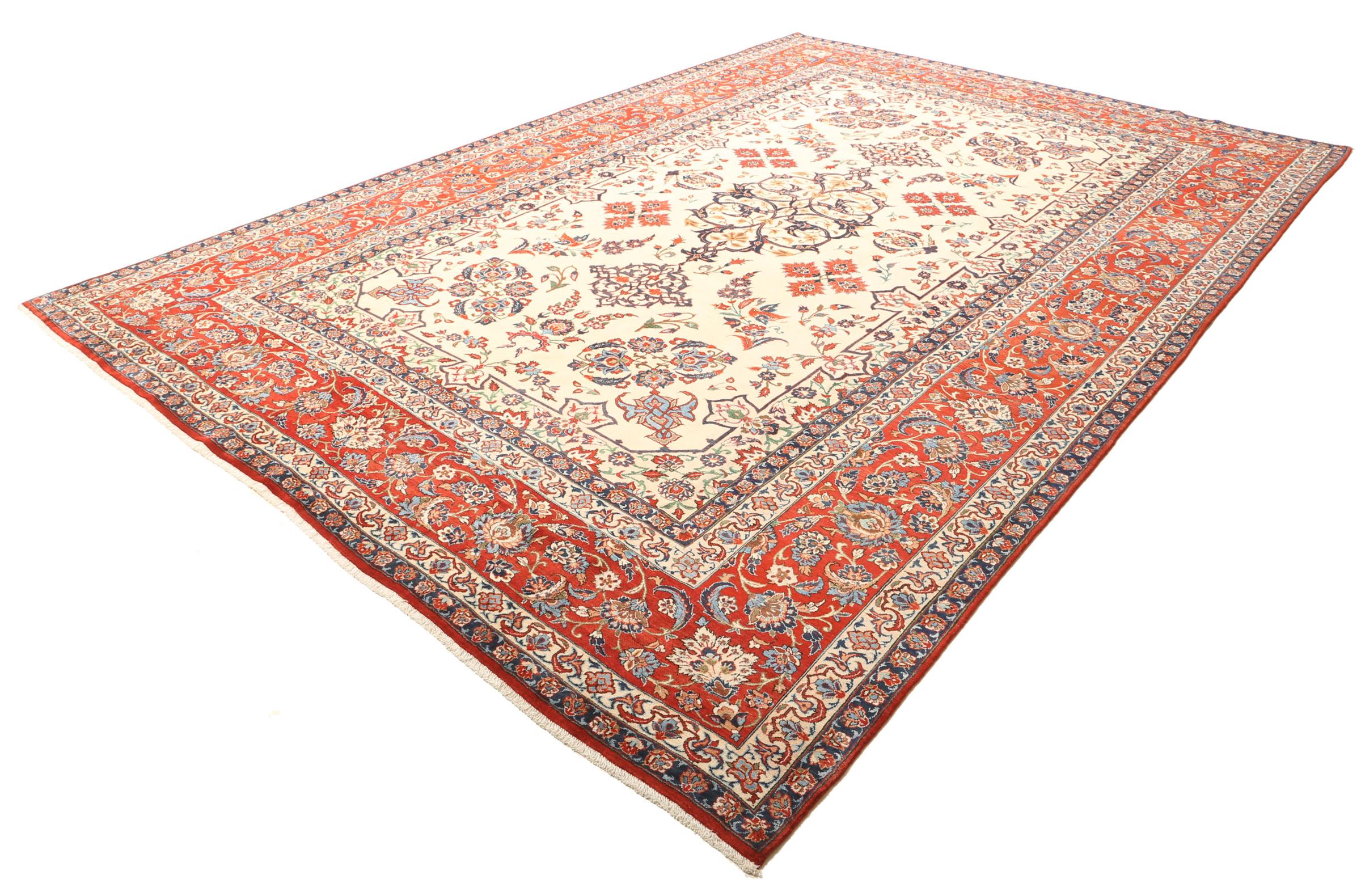
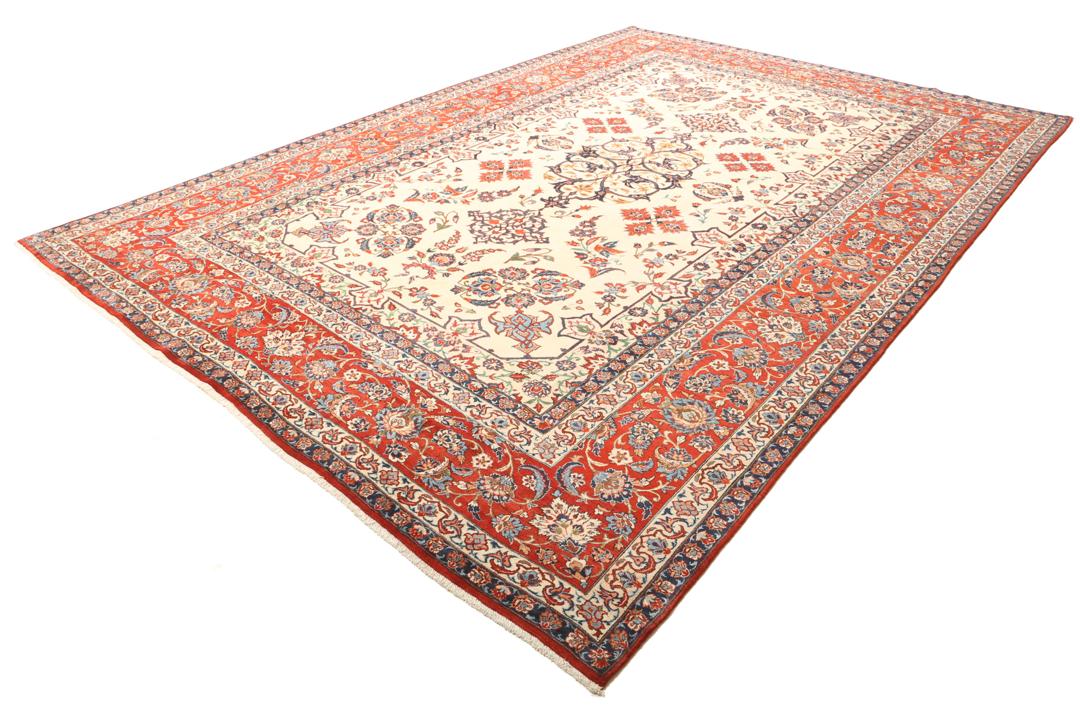
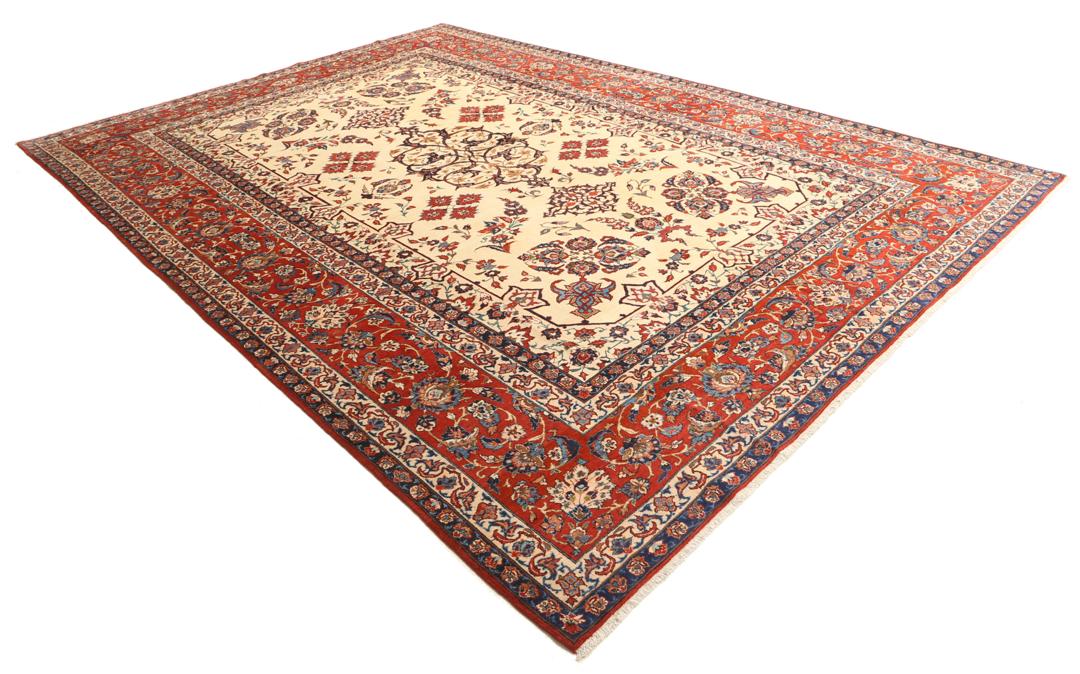
The Najafabad rug tradition originates from the city of Najafabad, located in the Isfahan province of the Middle East. This region has long been celebrated for its contributions to the textile arts, with weavers developing a distinct style that reflects the sophisticated aesthetic preferences of the local culture. Historically, these rugs were produced to serve both local needs and as prized exports, gaining a reputation for their durability and refined artistic vision.
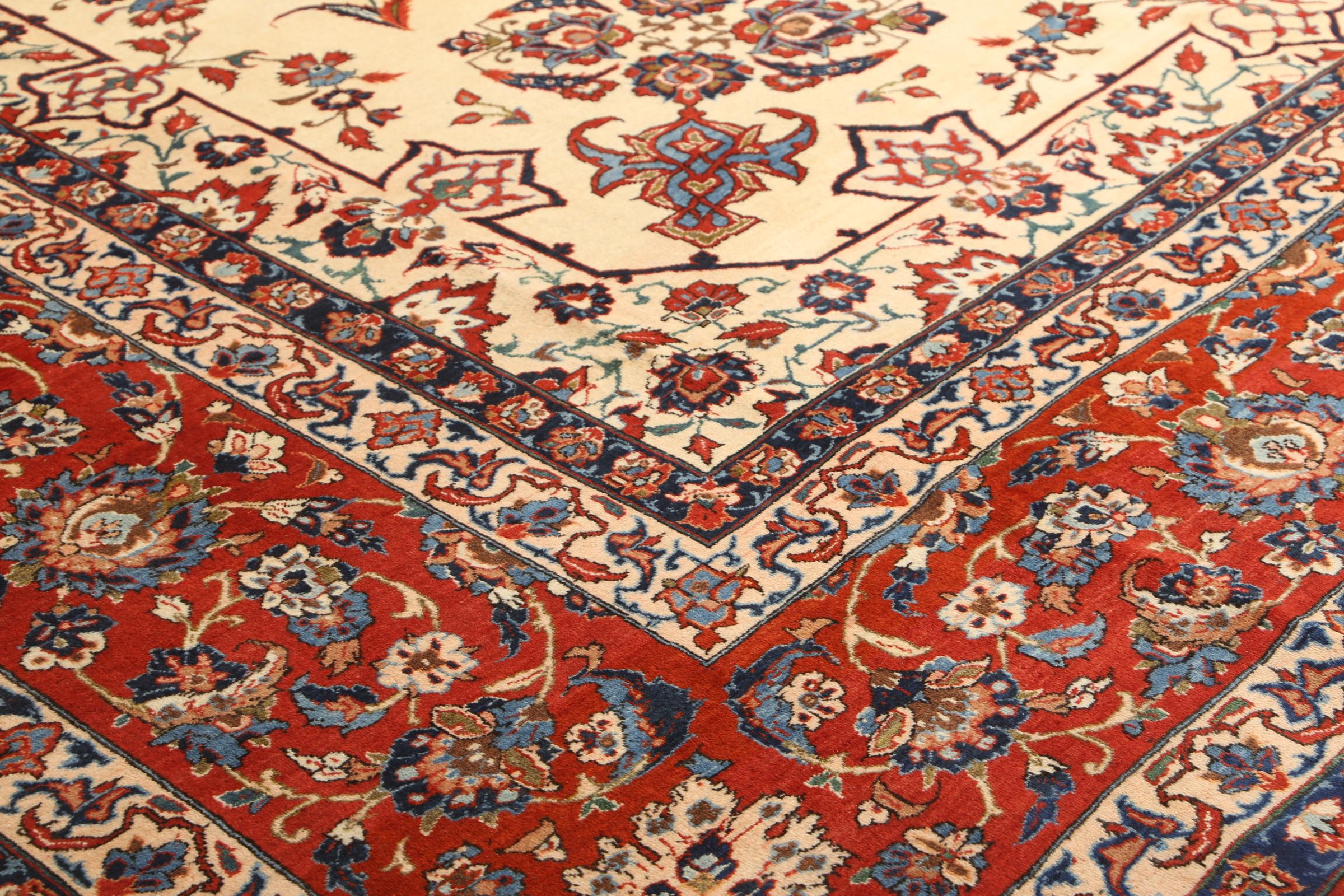
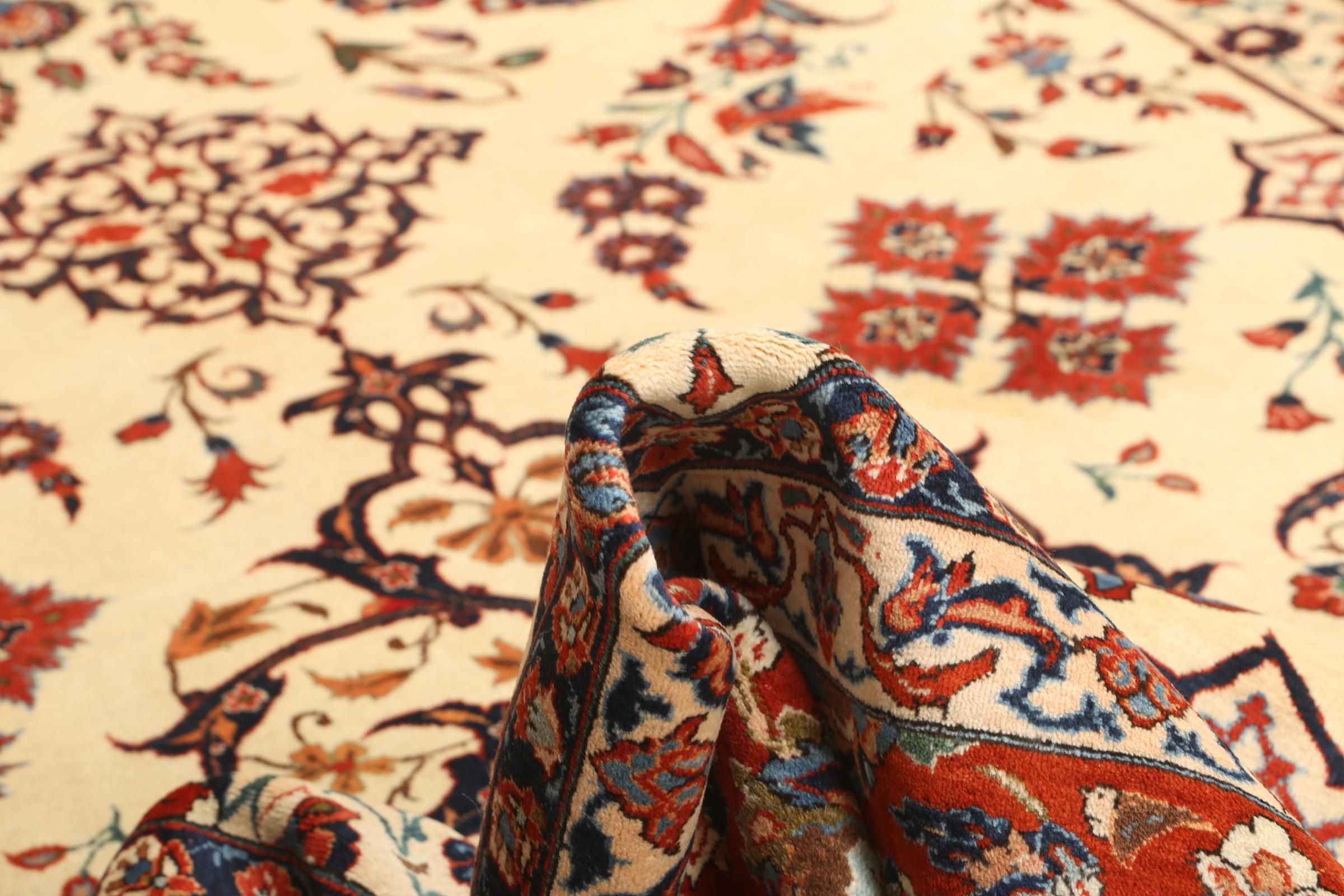
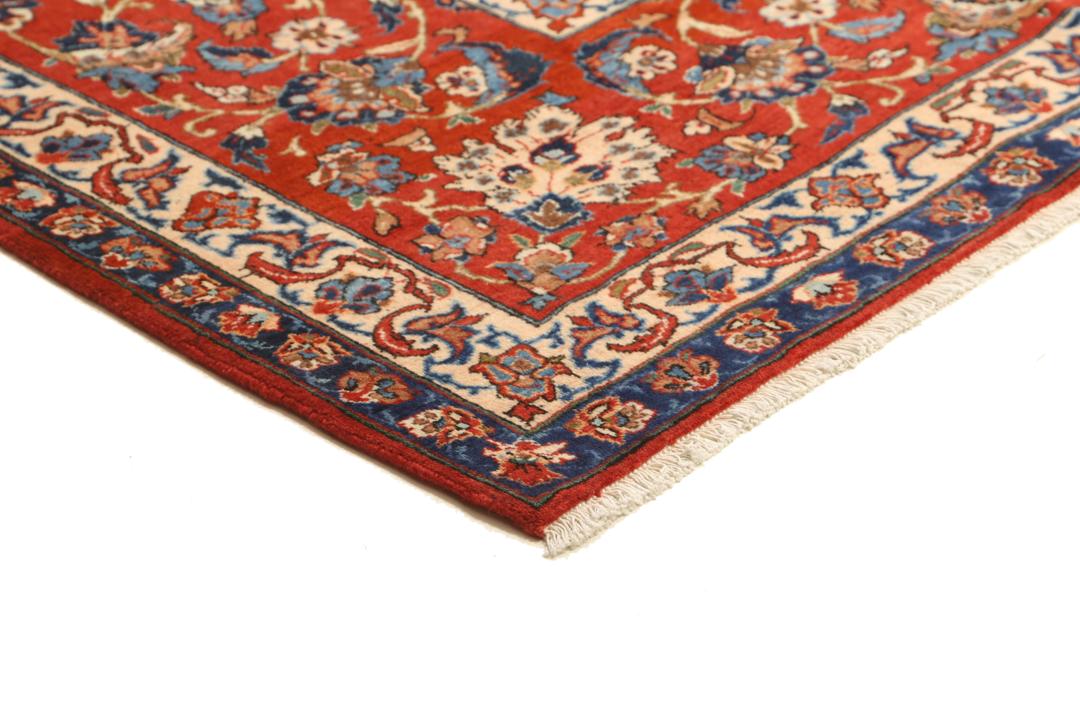
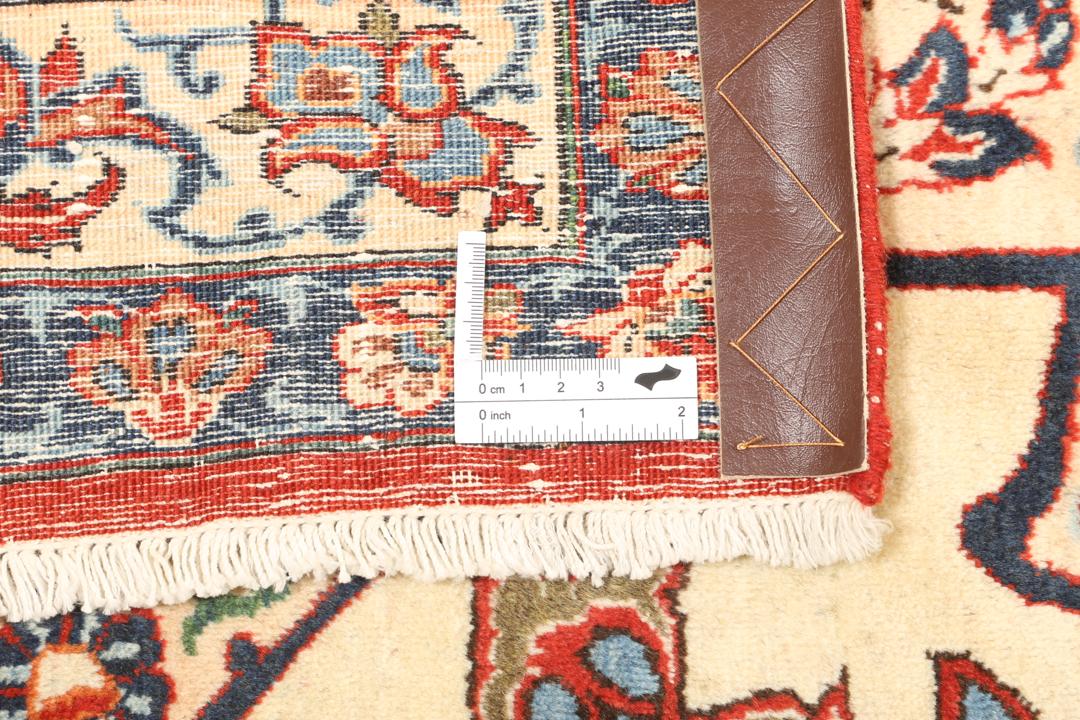
The technical quality of a Najafabad rug is defined by its specific approach to the hand-knotting process. The weavers utilise a technique that emphasises a dense, robust construction, which is essential for achieving the elaborate, curvilinear designs that characterise the region's output. By using a sturdy foundation, they can create intricate floral motifs that remain clear and well-defined, ensuring the rug’s aesthetic value is preserved alongside its functional utility.
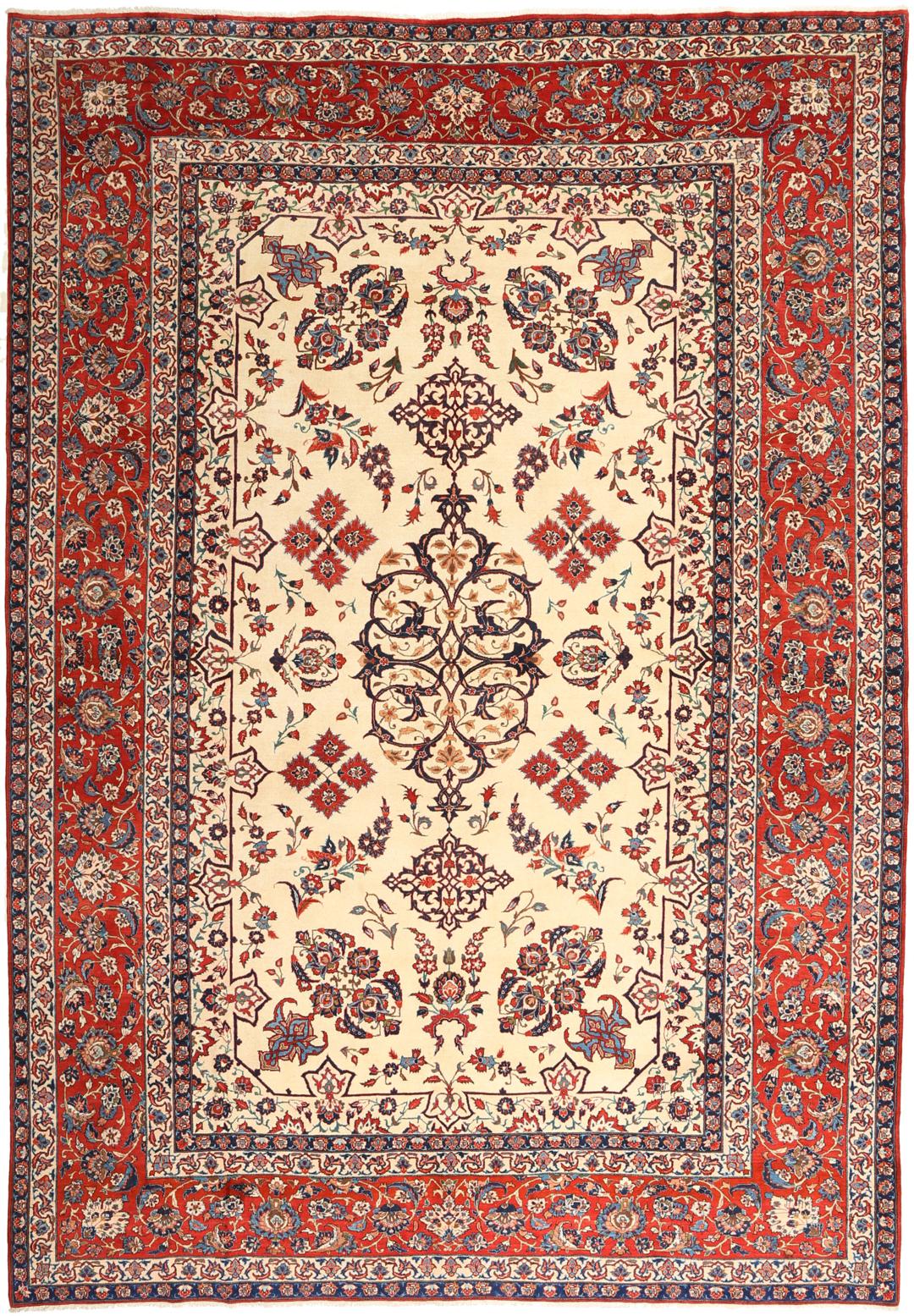
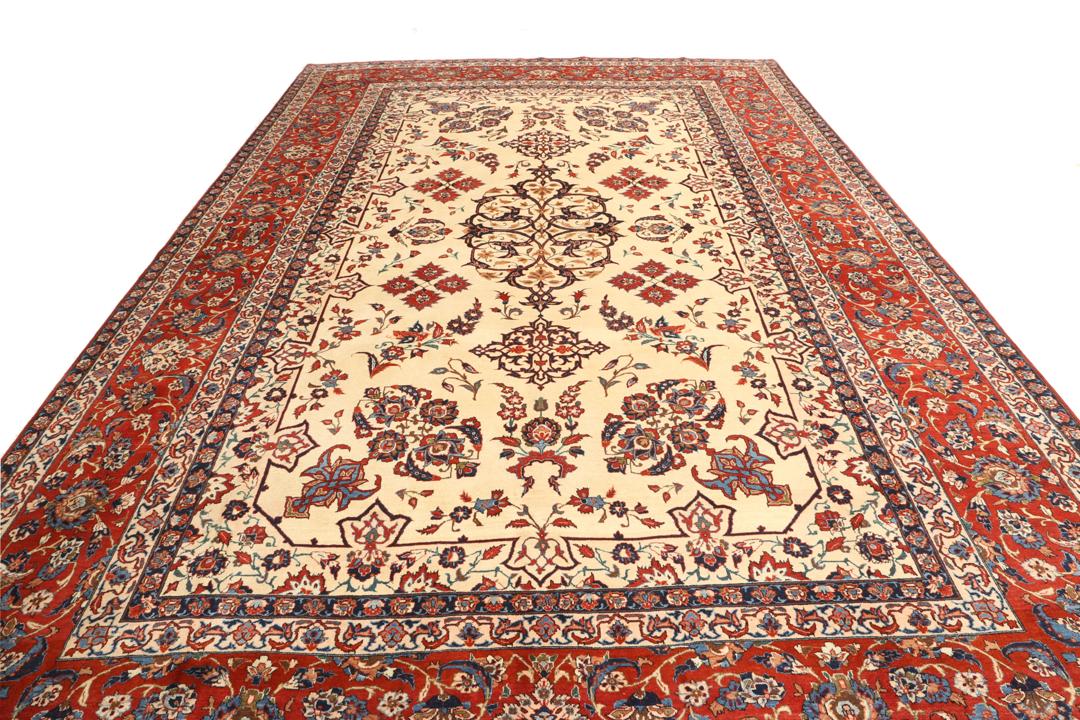
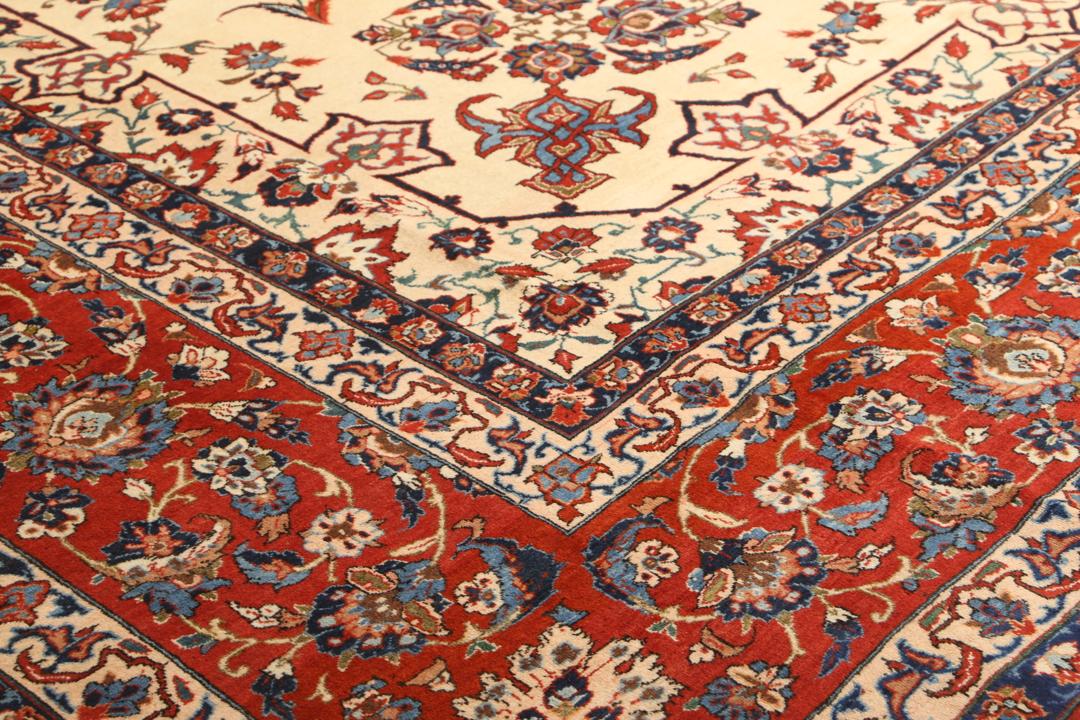
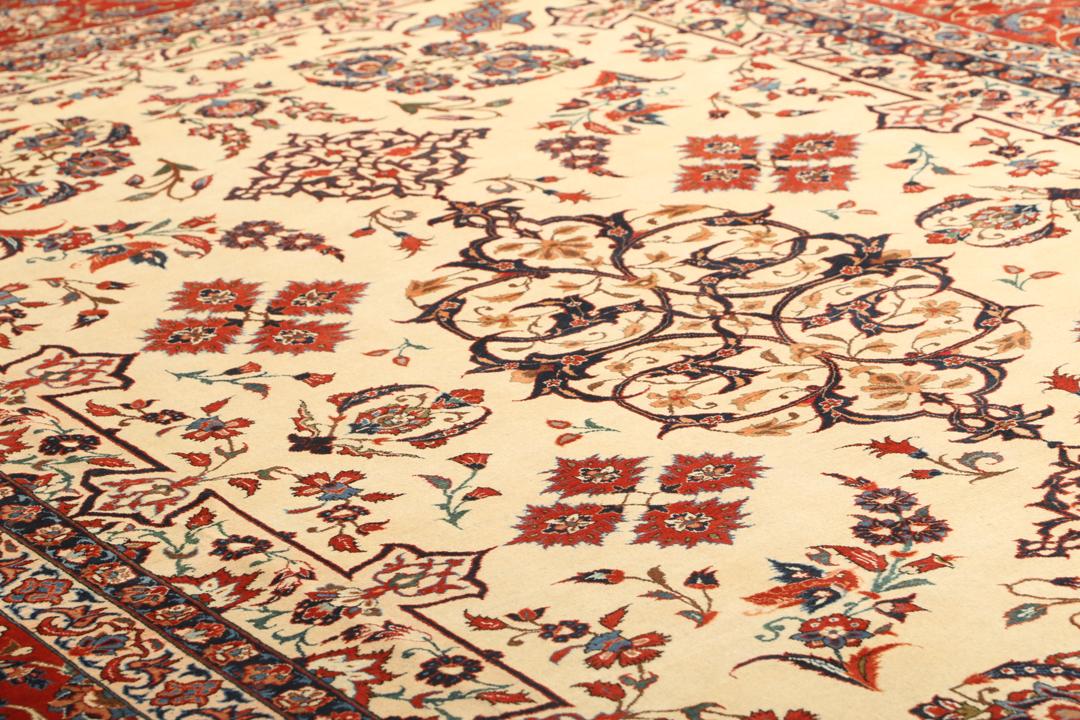
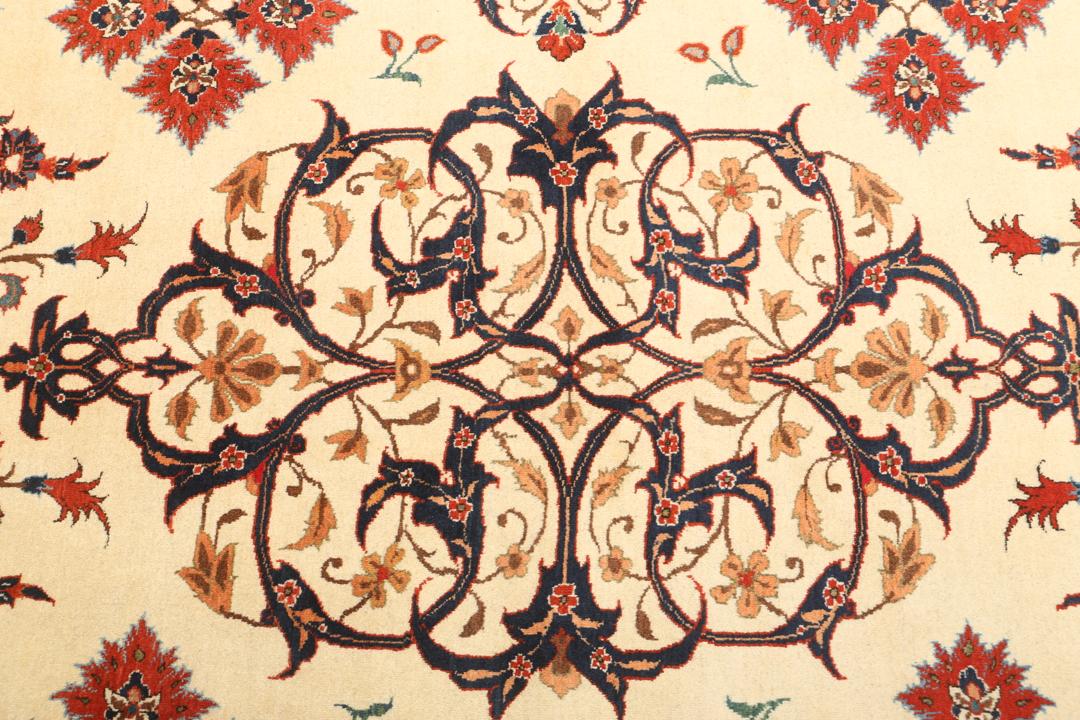
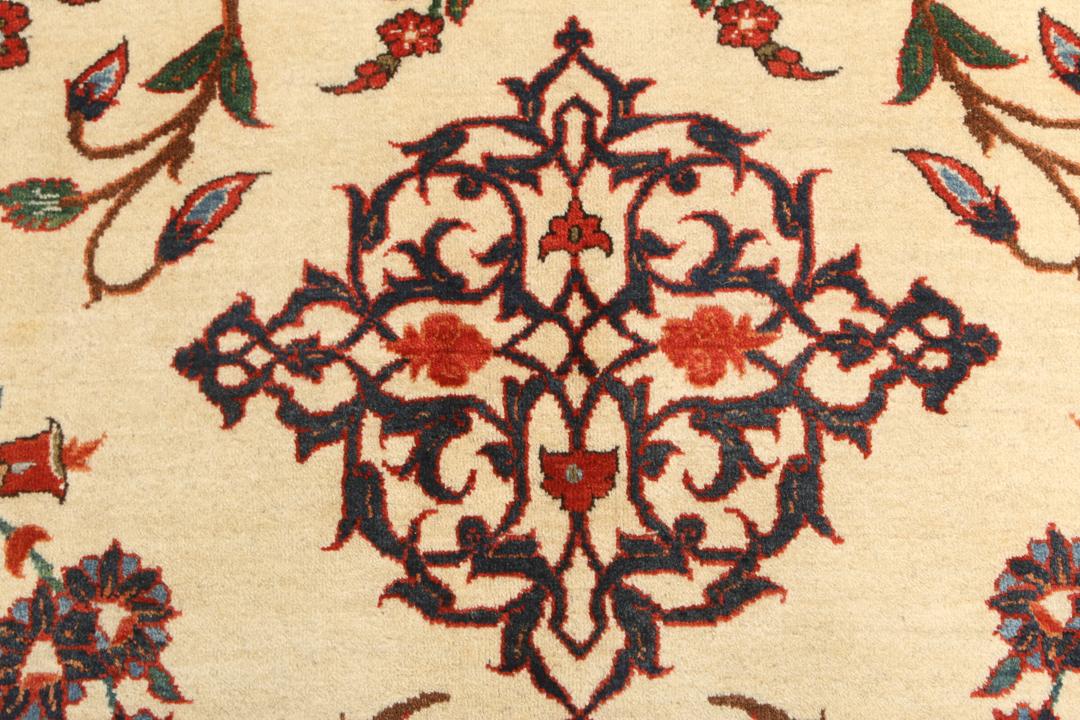
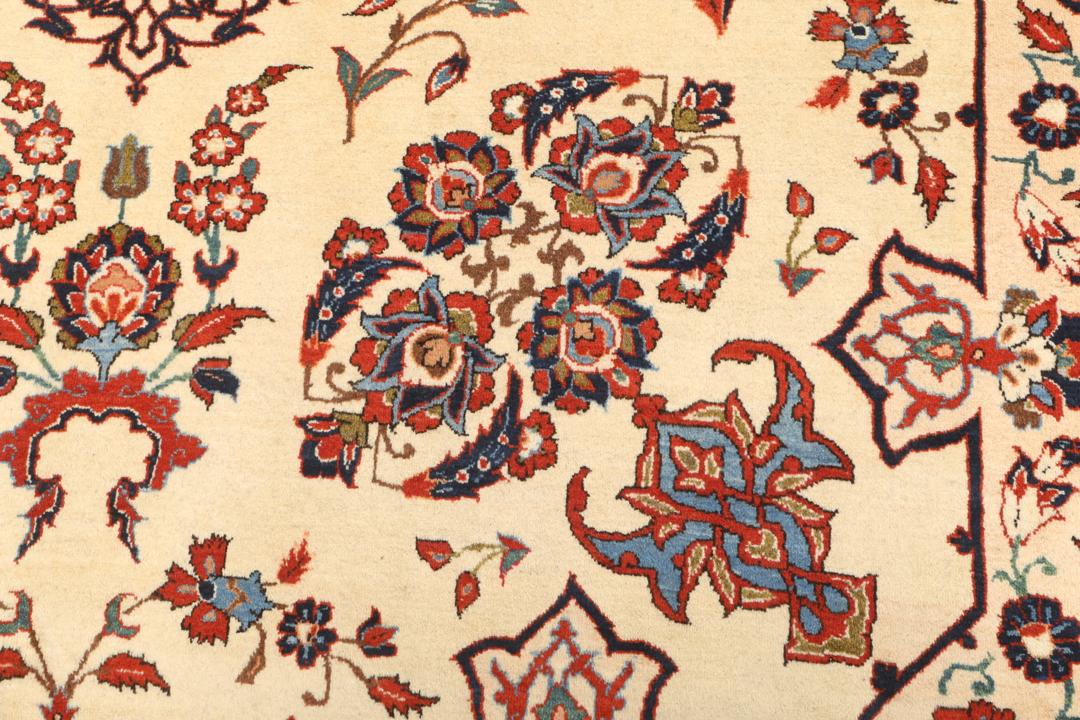
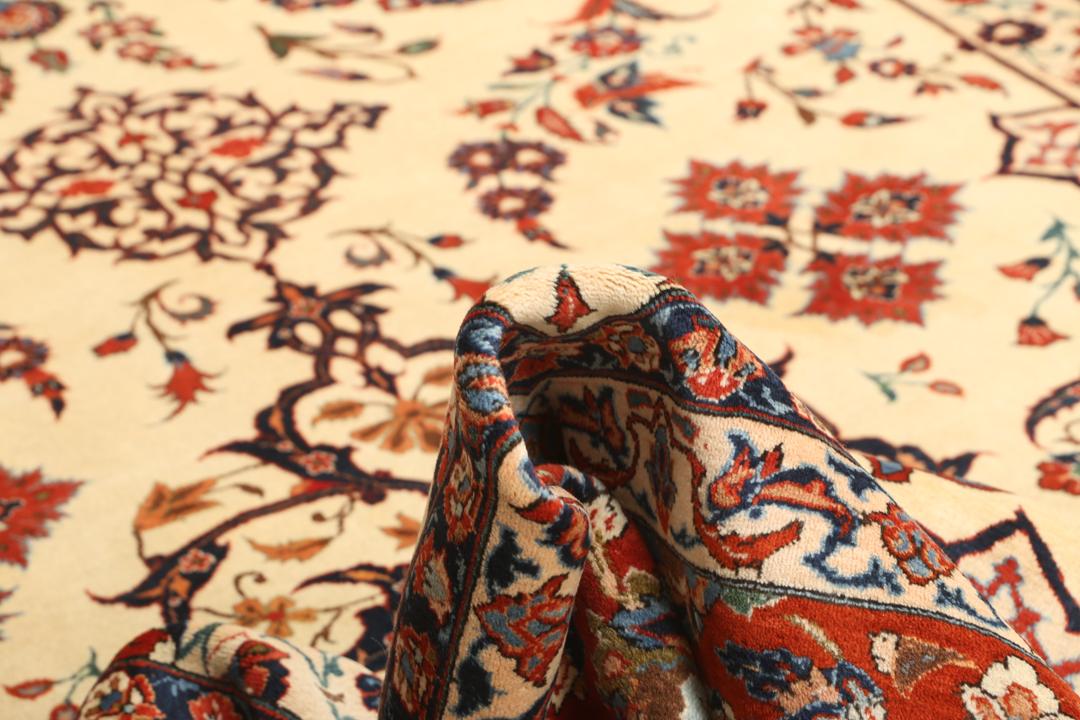
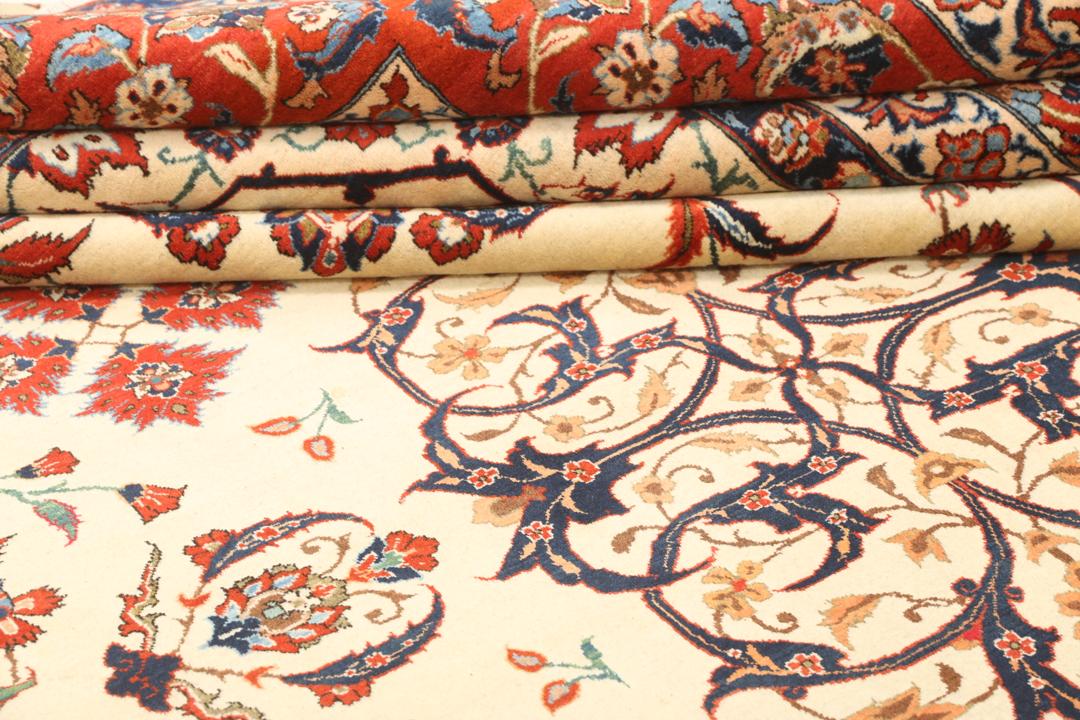
Visually, these rugs are often recognised by their formal, balanced compositions. A classic Najafabad design typically centres around a prominent medallion, surrounded by a field filled with Shah Abbasi motifs, scrolling vines, and palmettes. The borders are equally important, often showcasing a wide, repeating floral pattern that frames the central field. While red and cream are traditional colour staples, the depth of the tones used in these rugs is what truly sets them apart, lending them a regal and timeless quality.
Collector value in these rugs is rooted in the intersection of regional history and the immense skill required to produce them. Owning a Najafabad rug is seen as an act of preservation, as it keeps the specialised weaving knowledge of the Isfahan province alive. These pieces are collected not just for their utility, but for the story they tell about the evolution of textile art in the Middle East, representing a commitment to quality and a respect for the human hands that brought such beauty into existence.