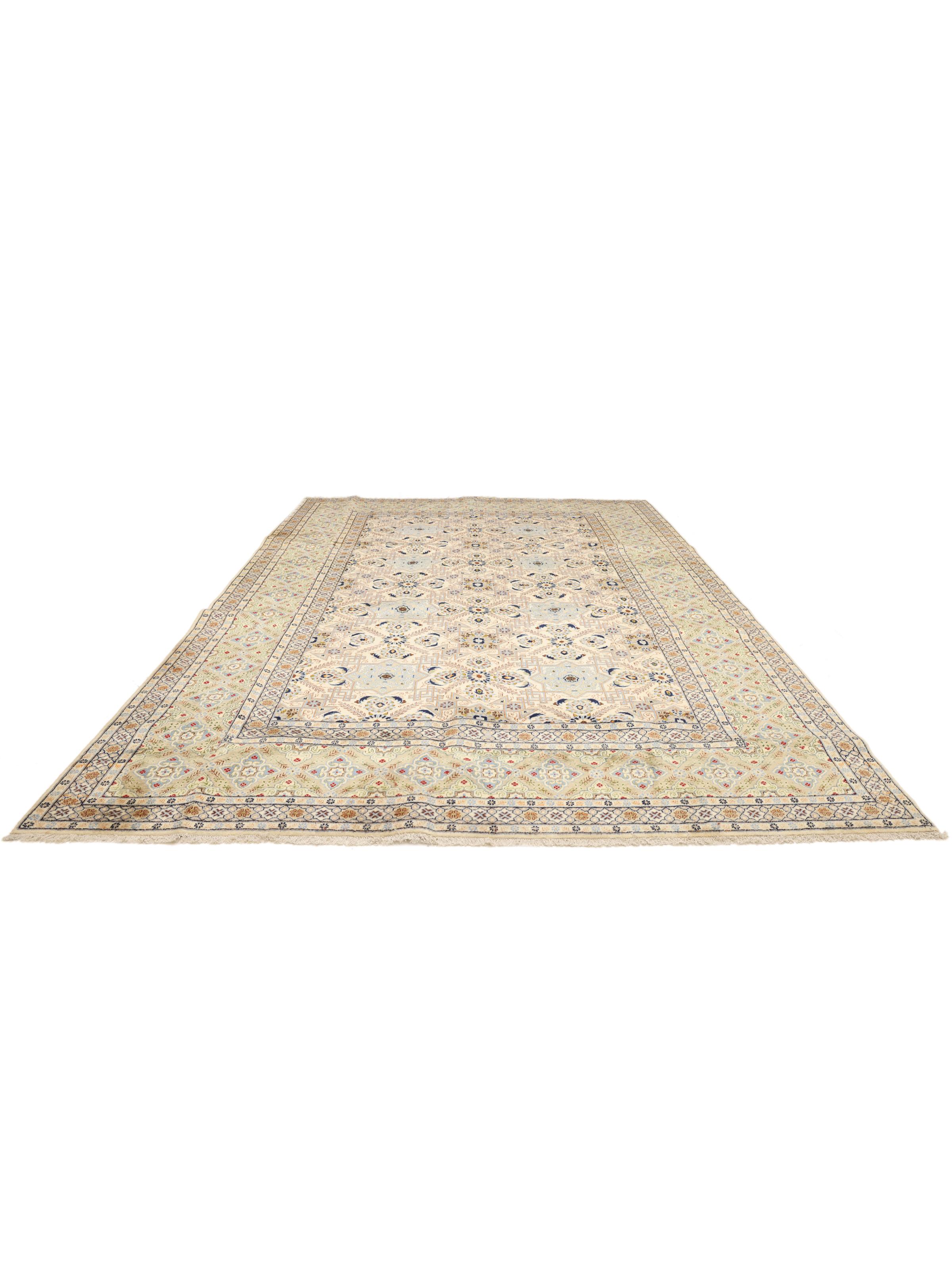
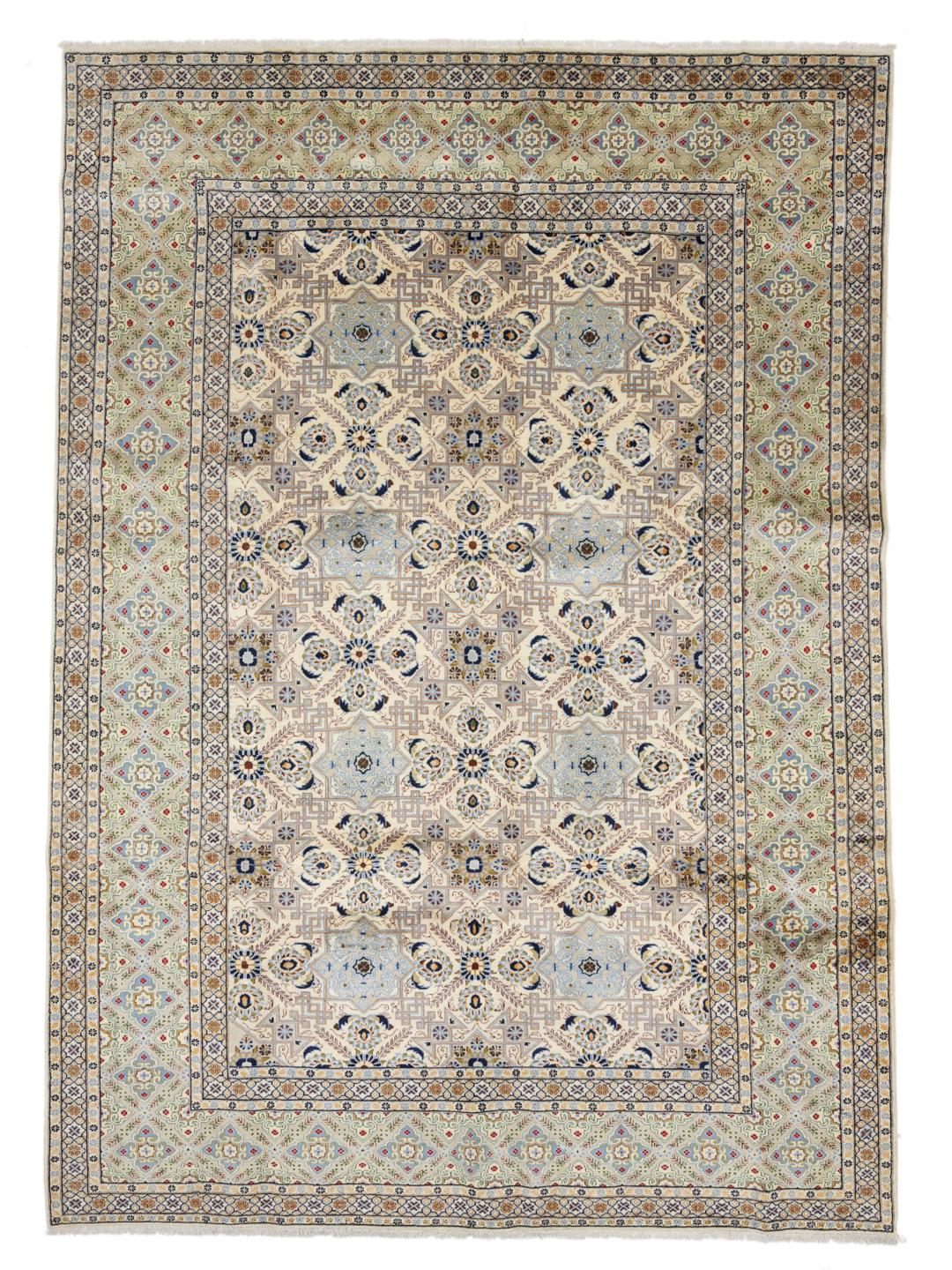
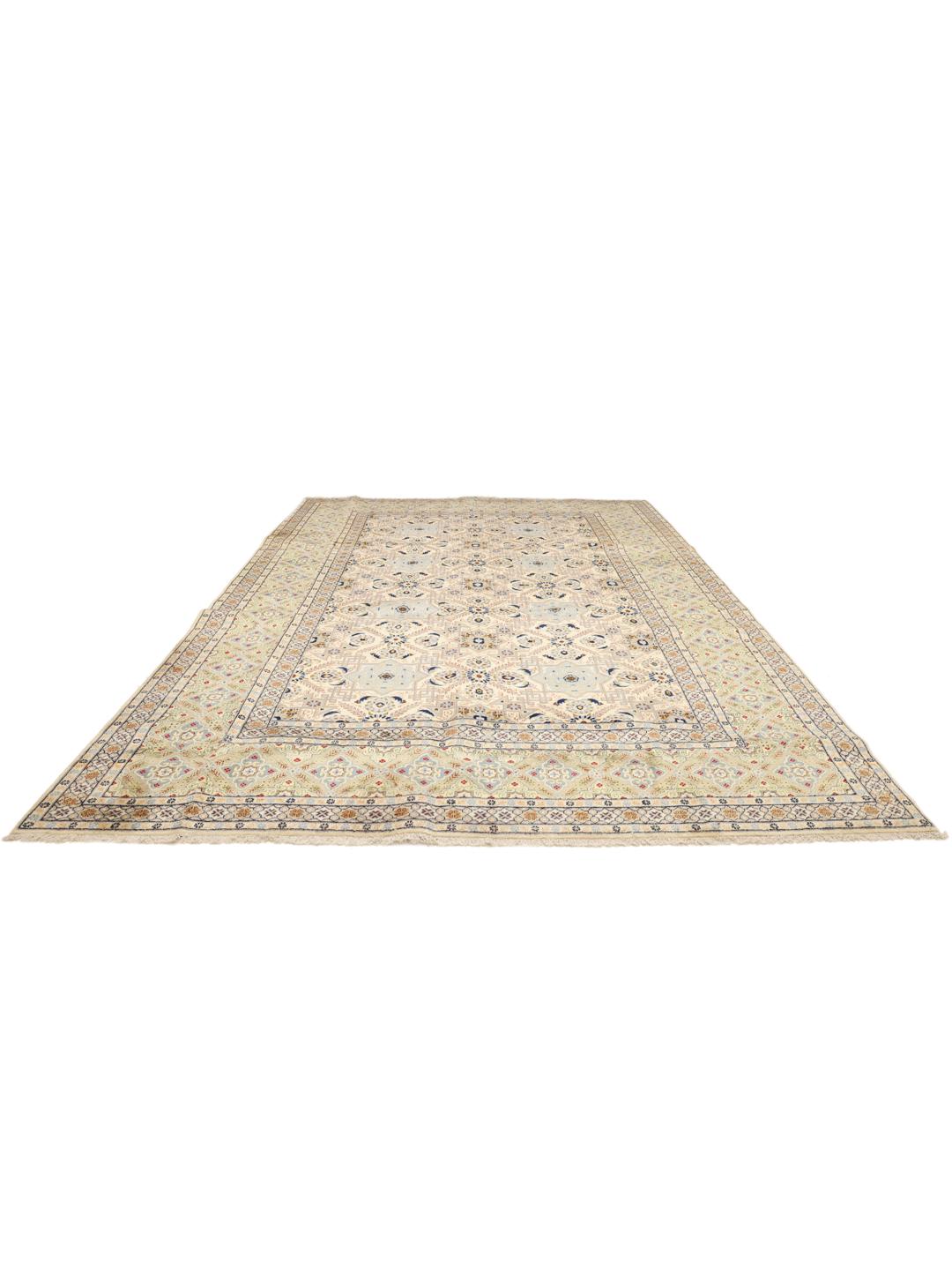
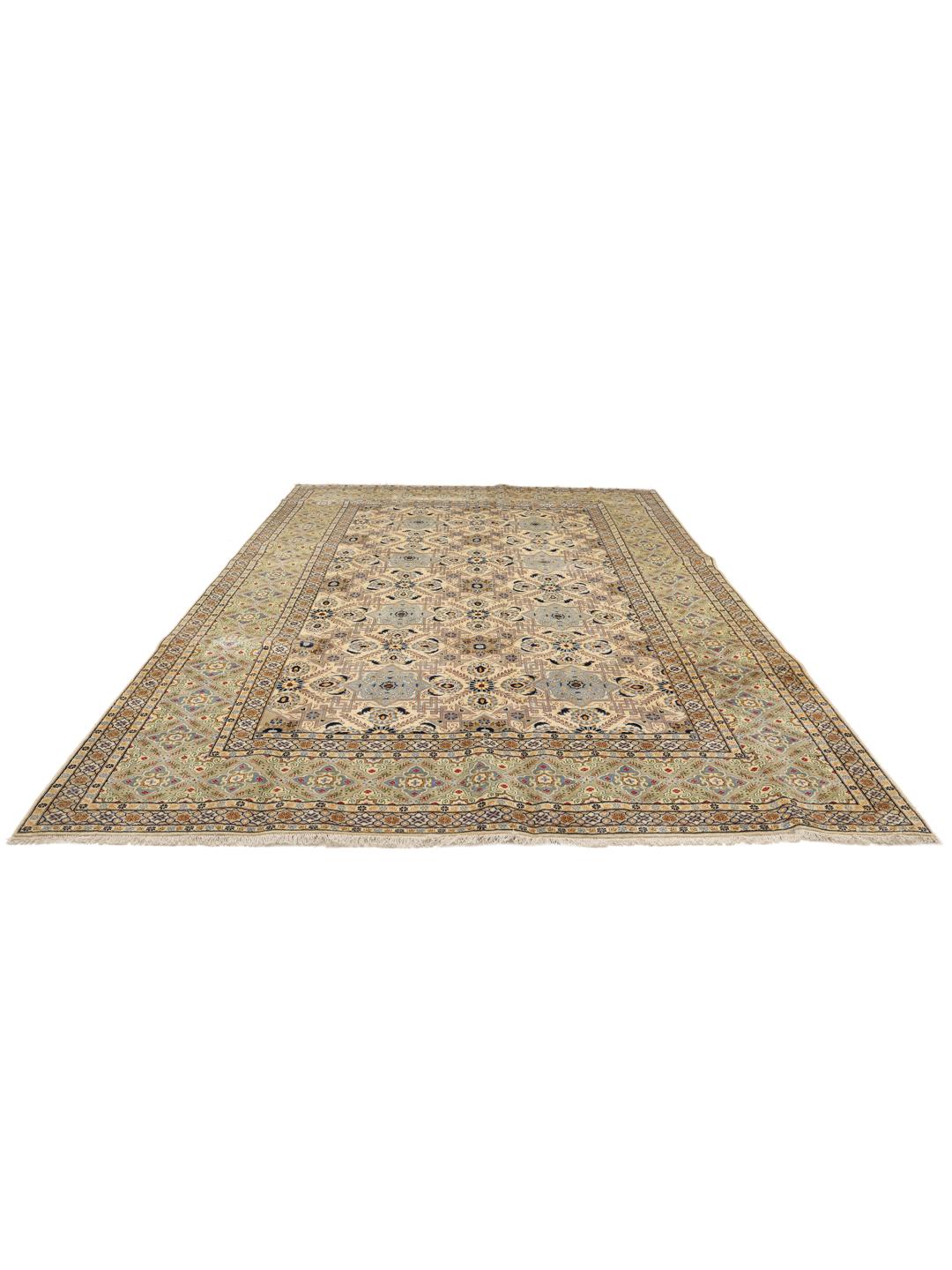
Najafabad rugs originate from the city of Najafabad, located in the Isfahan province of the Middle East. This region has long been a significant centre for rug weaving, celebrated for its ability to produce rugs that balance durability with sophisticated aesthetic appeal. The tradition here is deeply rooted in the broader history of Middle Eastern textile arts, where weaving is not merely a craft but a cultural pillar passed down through generations.
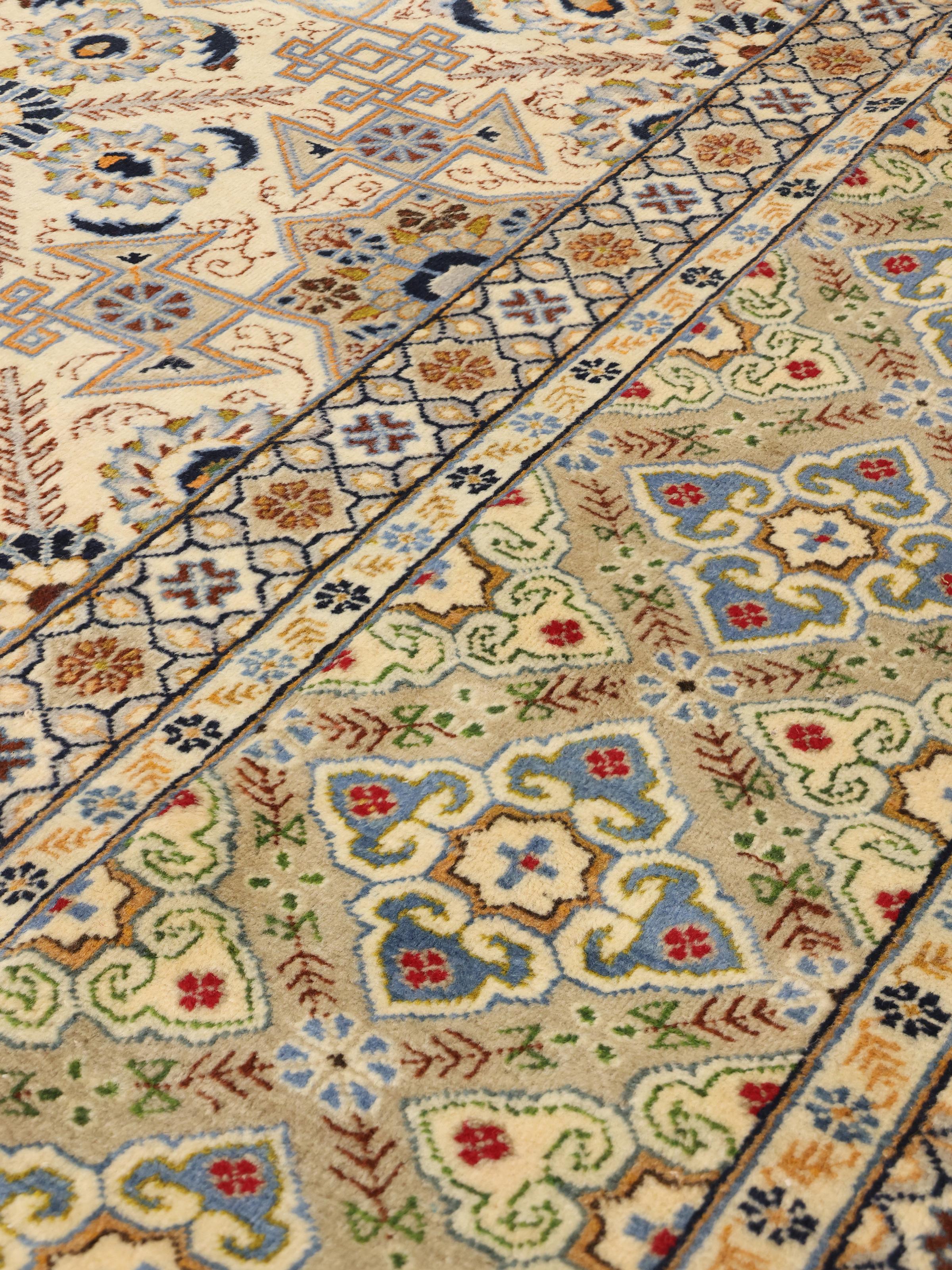
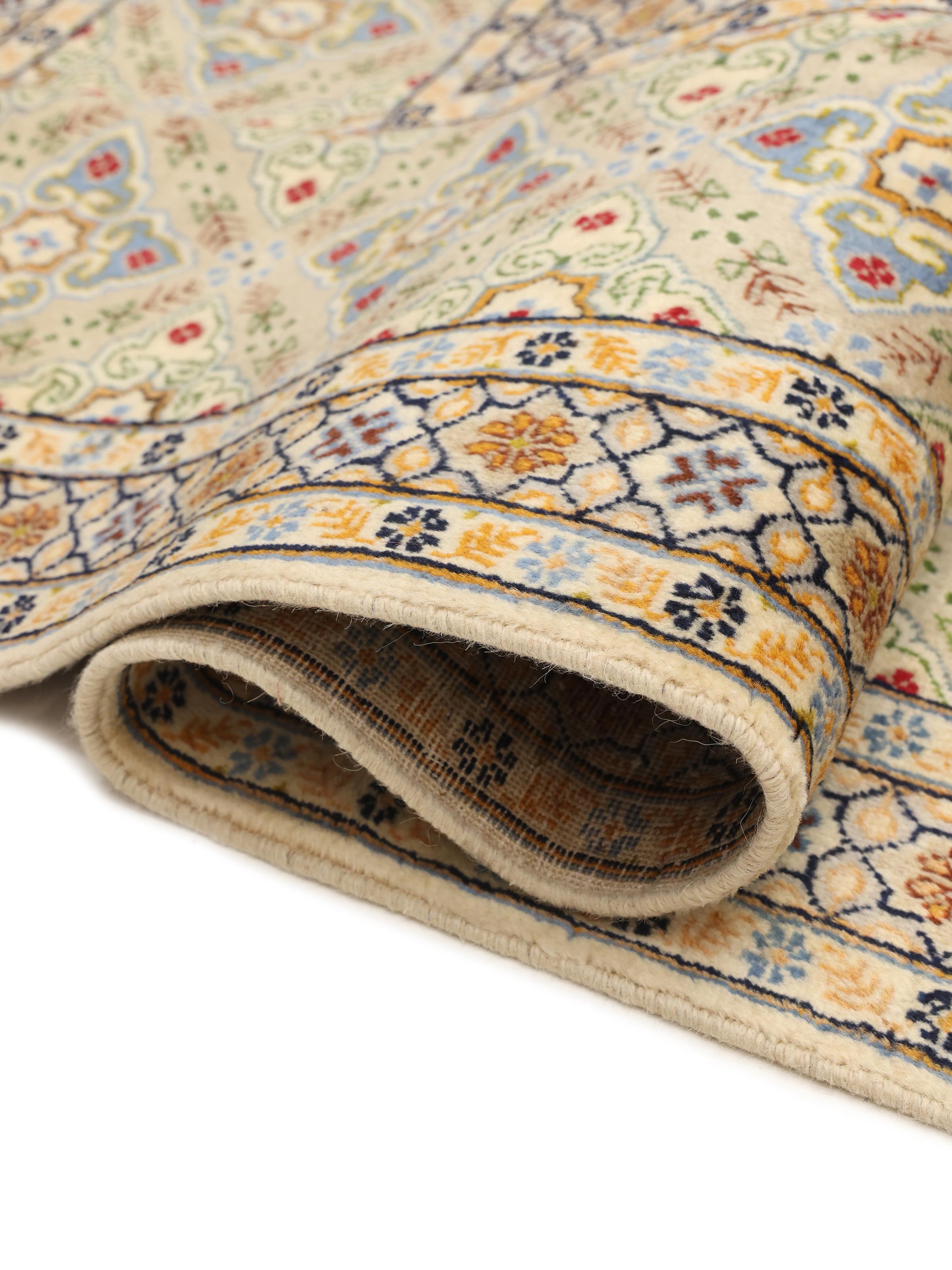
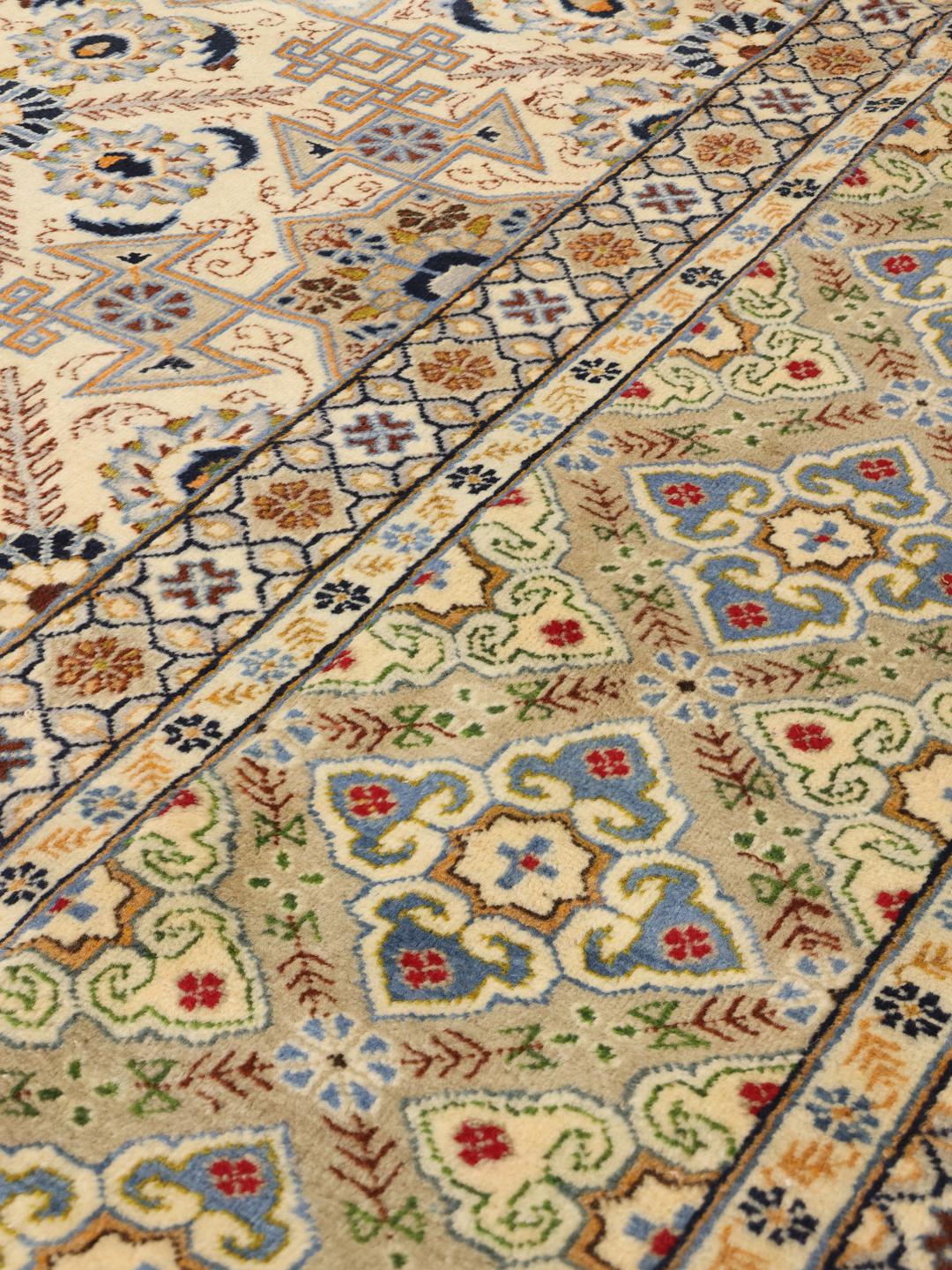
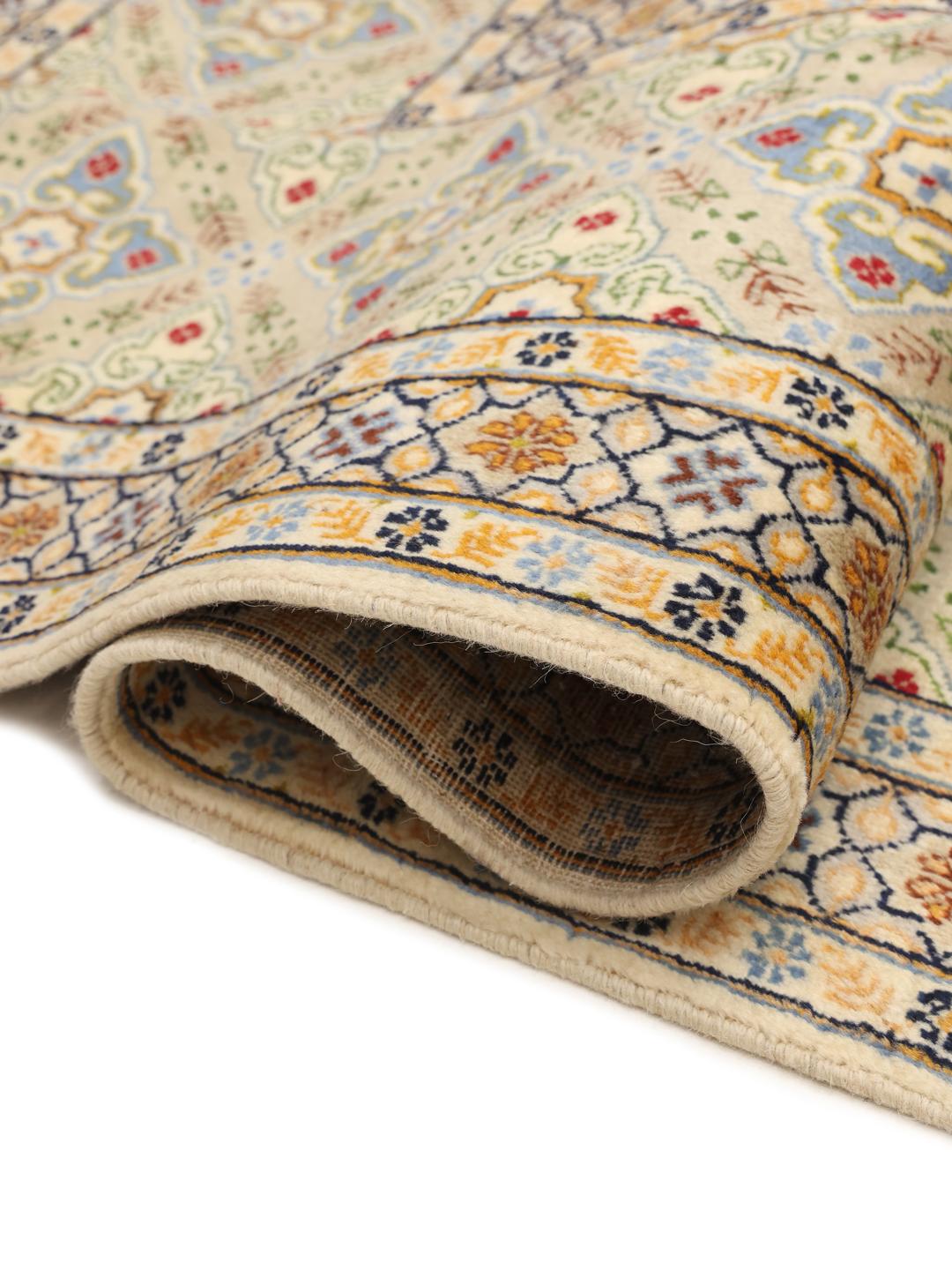
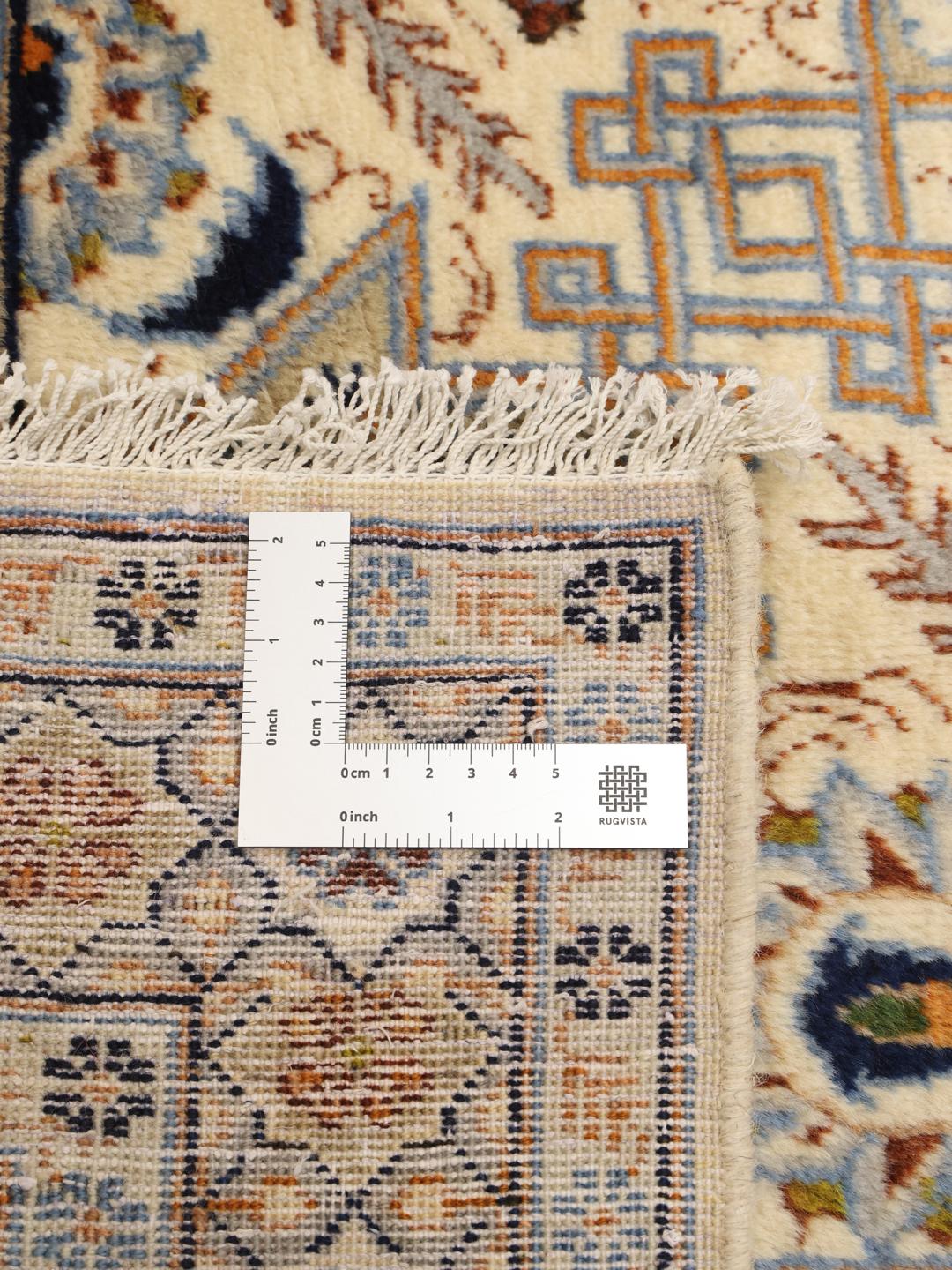
The specific technical construction of these rugs is known for its high-quality wool pile, which is often knotted onto a sturdy cotton foundation. This combination is essential for creating a rug that is both soft to the touch and structurally sound. The term hand-knotted refers to the technique where every single knot is tied by hand, a method that is far superior to machine-made alternatives in terms of longevity, pile texture, and the ability to showcase intricate designs.
Visually, Najafabad rugs are often distinguished by their central medallion designs and highly detailed floral motifs. These patterns frequently draw inspiration from the rich botanical and geometric traditions of the region, utilising a balanced, symmetrical layout. The borders are typically ornate, serving as a frame that highlights the complexity of the central field, making them instantly recognisable to collectors and enthusiasts alike.
Owning a Najafabad rug is an opportunity to possess a piece of living history. These rugs are highly valued for their exceptional skill and the heritage they represent. Because they are handmade, each rug carries the subtle variations of its maker, which adds to its collector value. Investing in a rug of this tradition means bringing home a piece of cultural legacy that emphasises quality, tradition, and the enduring beauty of hand-crafted objects.