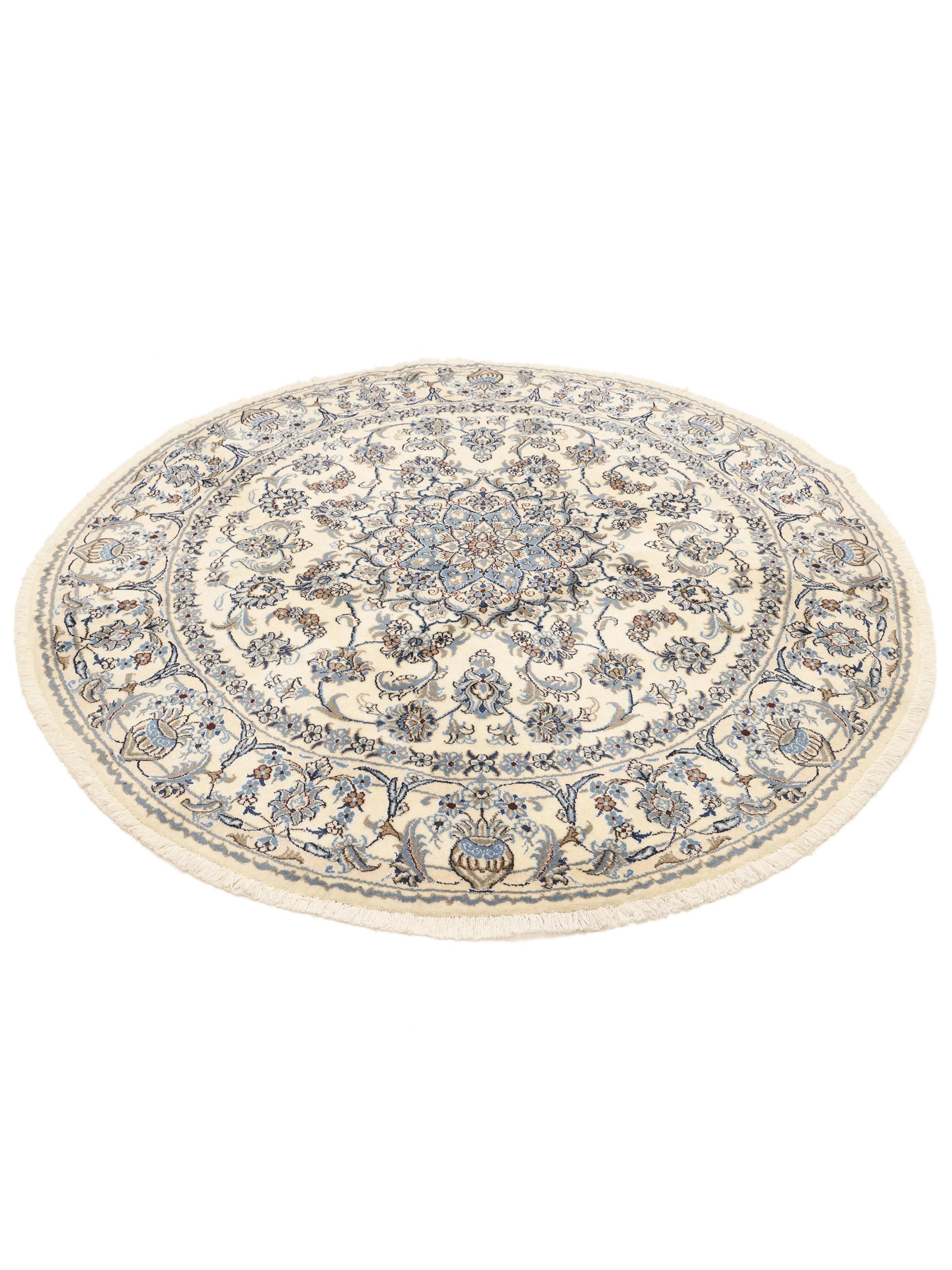
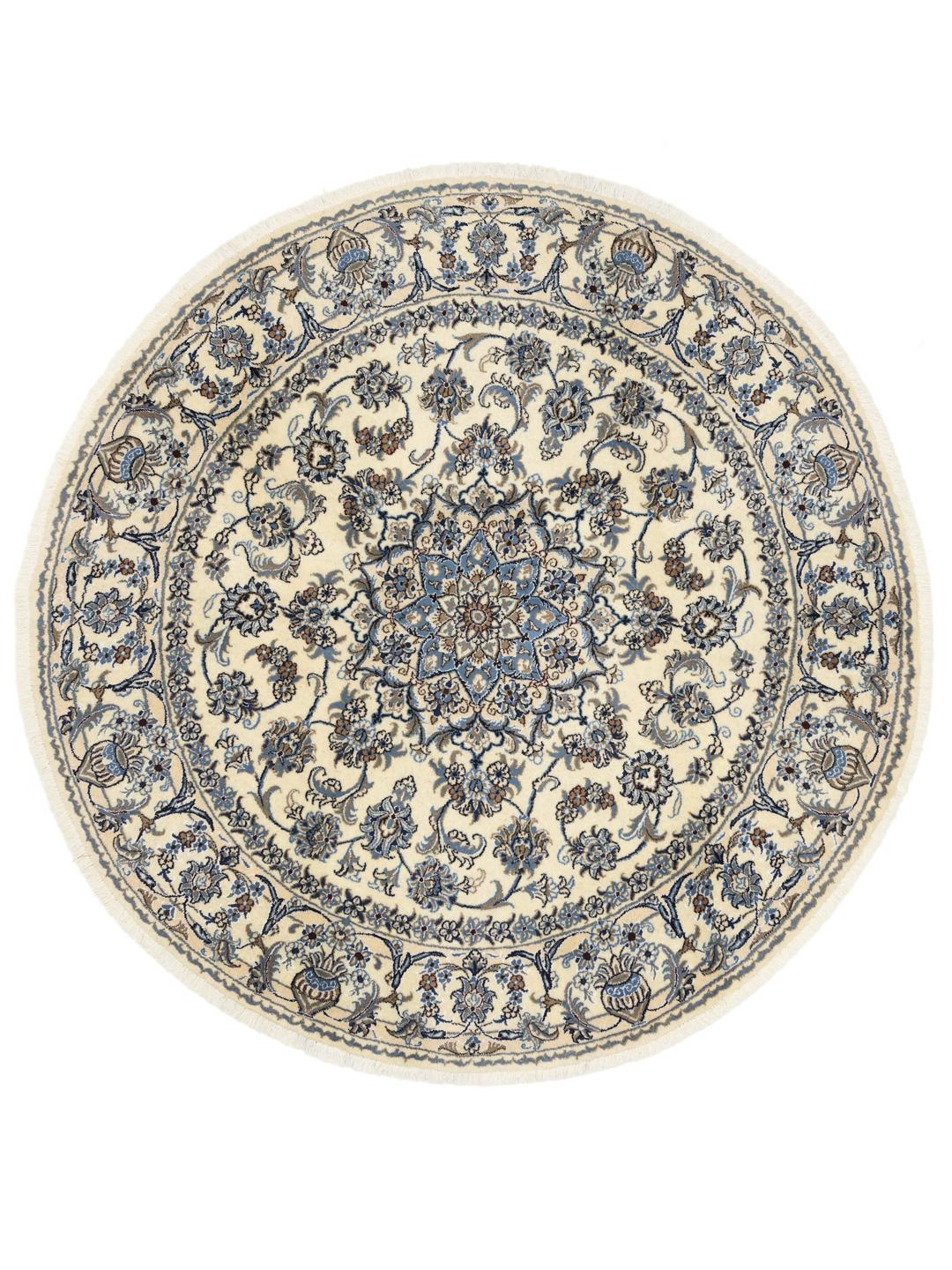
Nain rugs originate from the historic city of Nain in the Middle East, a town once famous for its high-quality wool textiles and religious cloaks. As the demand for these fine garments declined in the early 20th century, the local weavers transitioned their exceptional skills toward the creation of decorative rugs, quickly earning a reputation for producing some of the most refined floor coverings in the world.
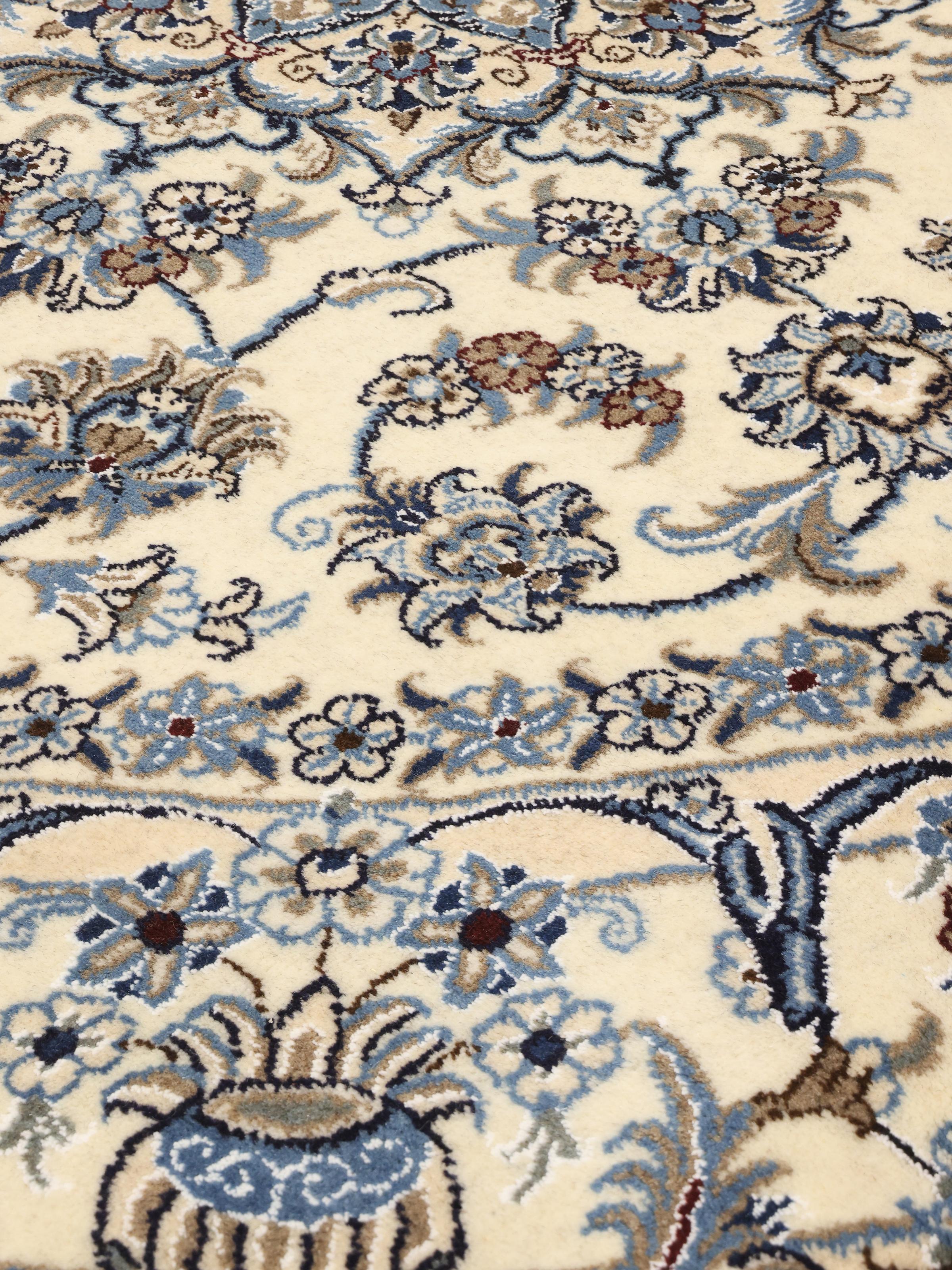
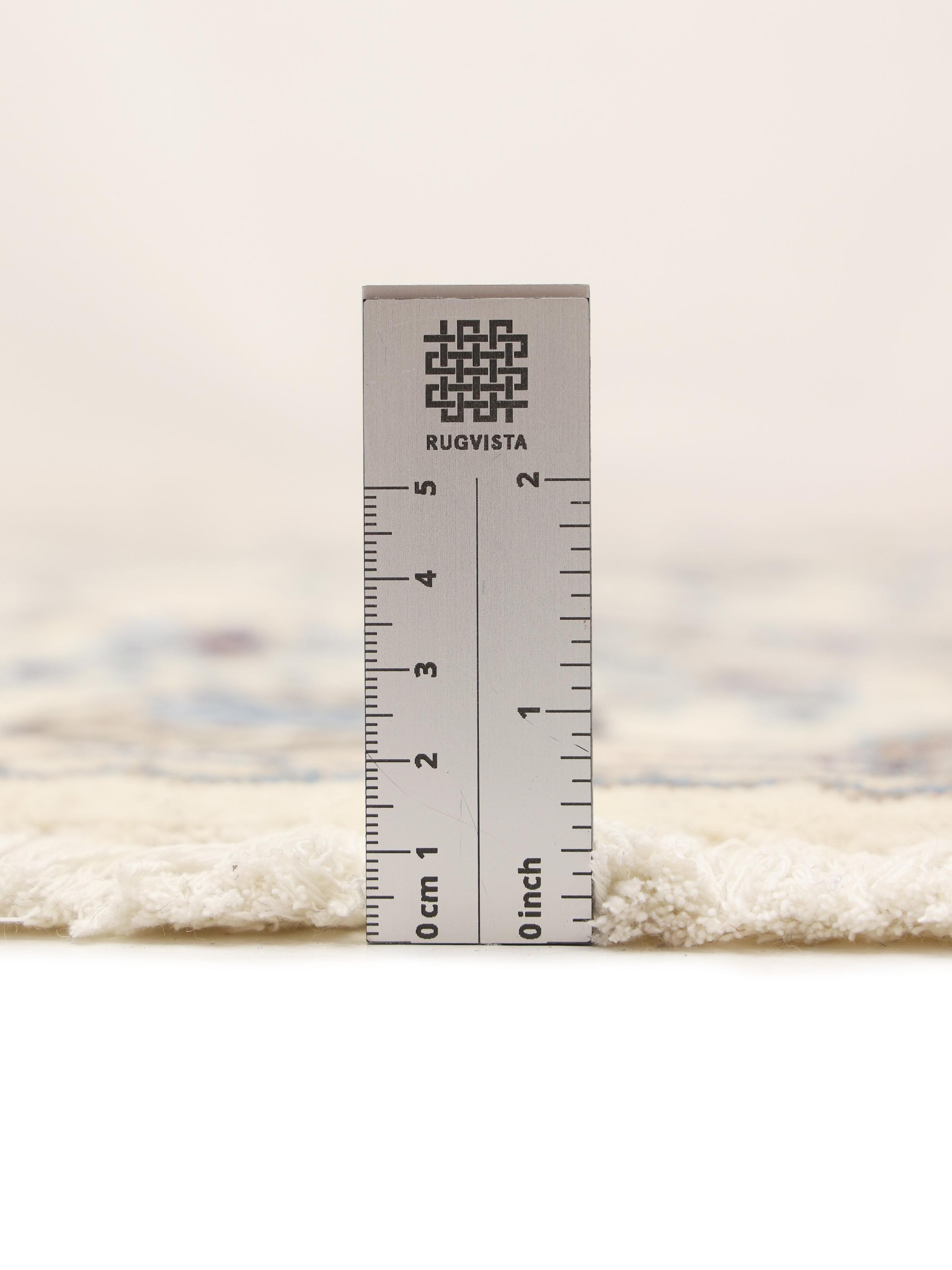
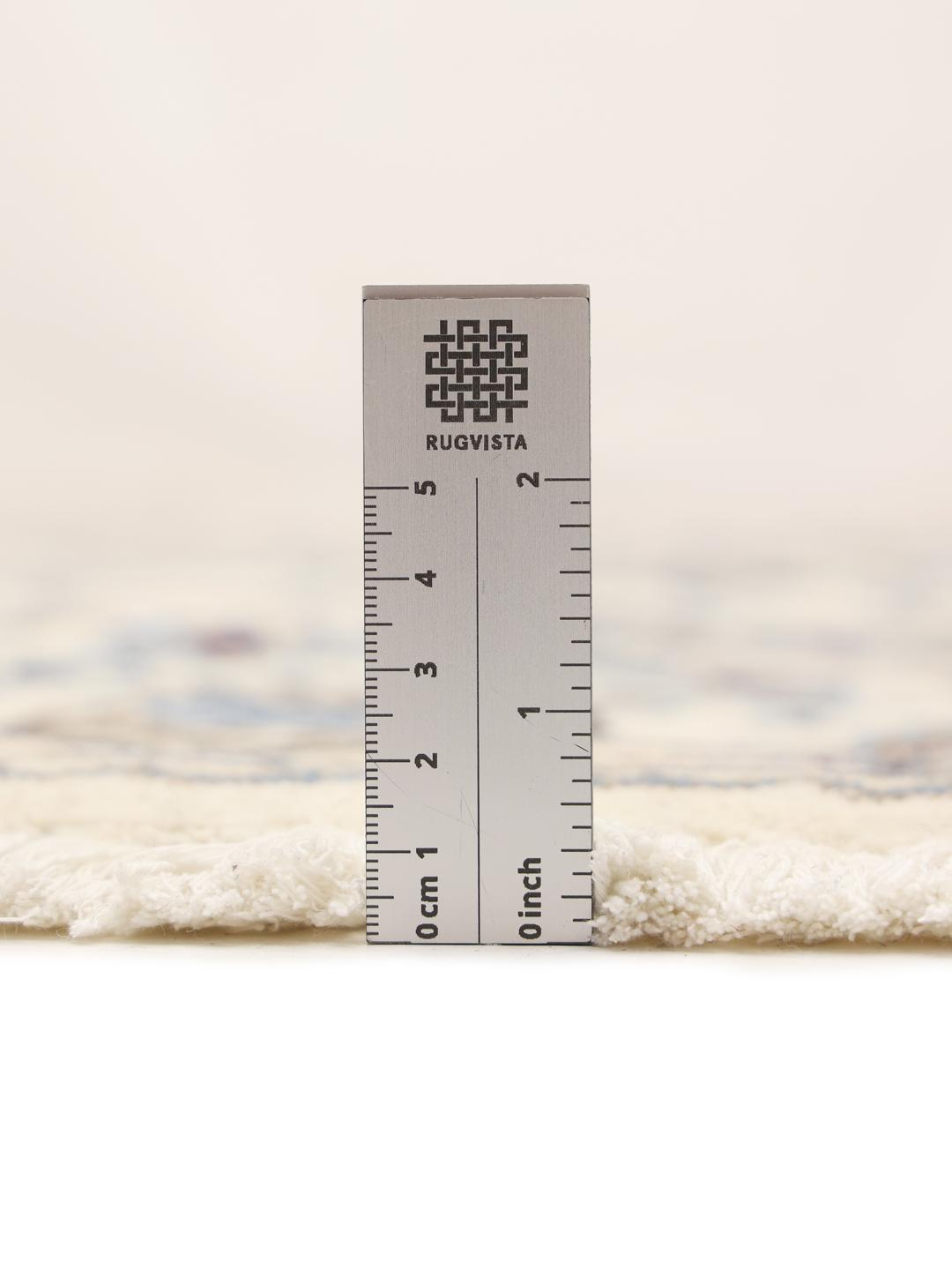
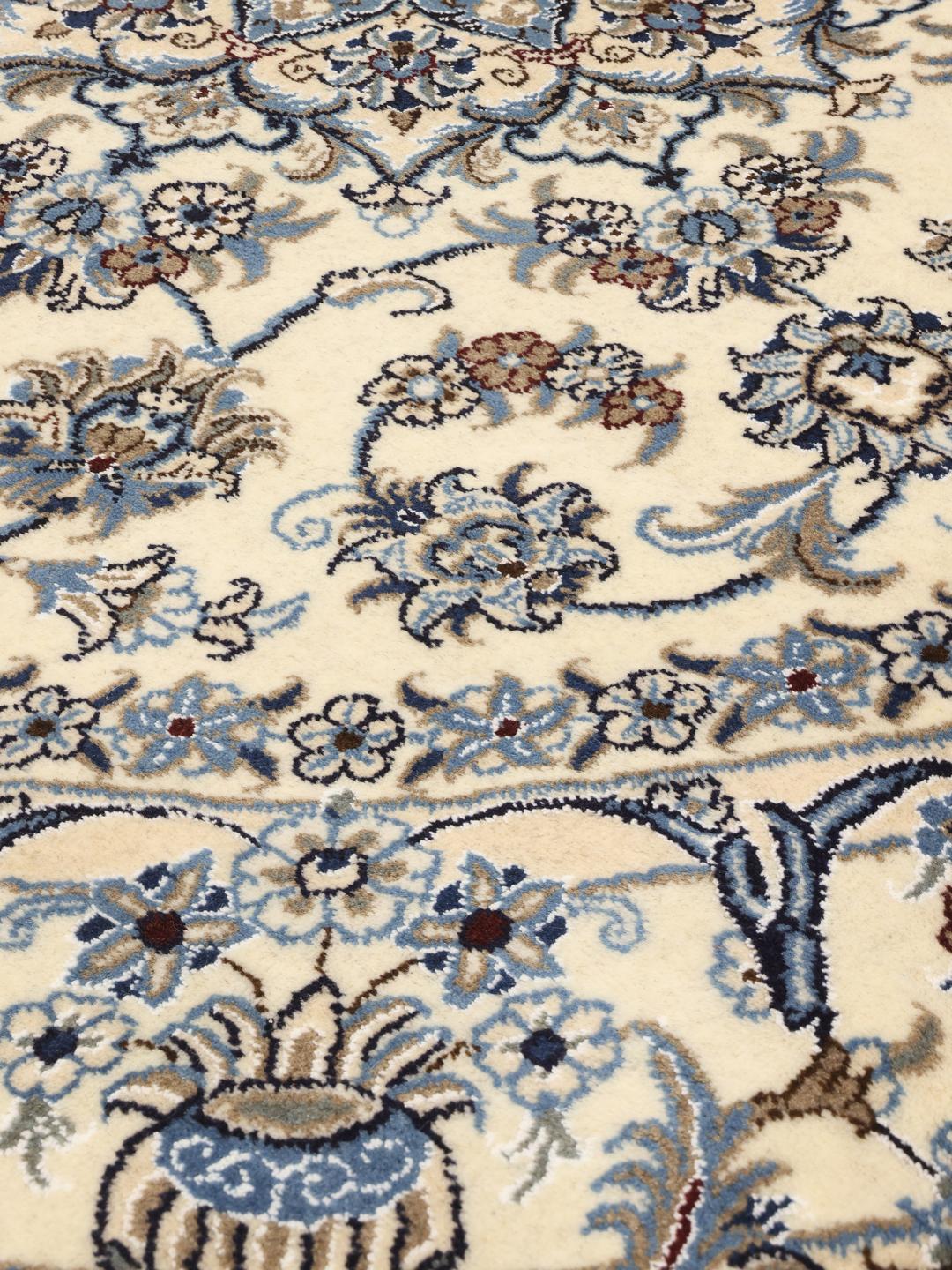
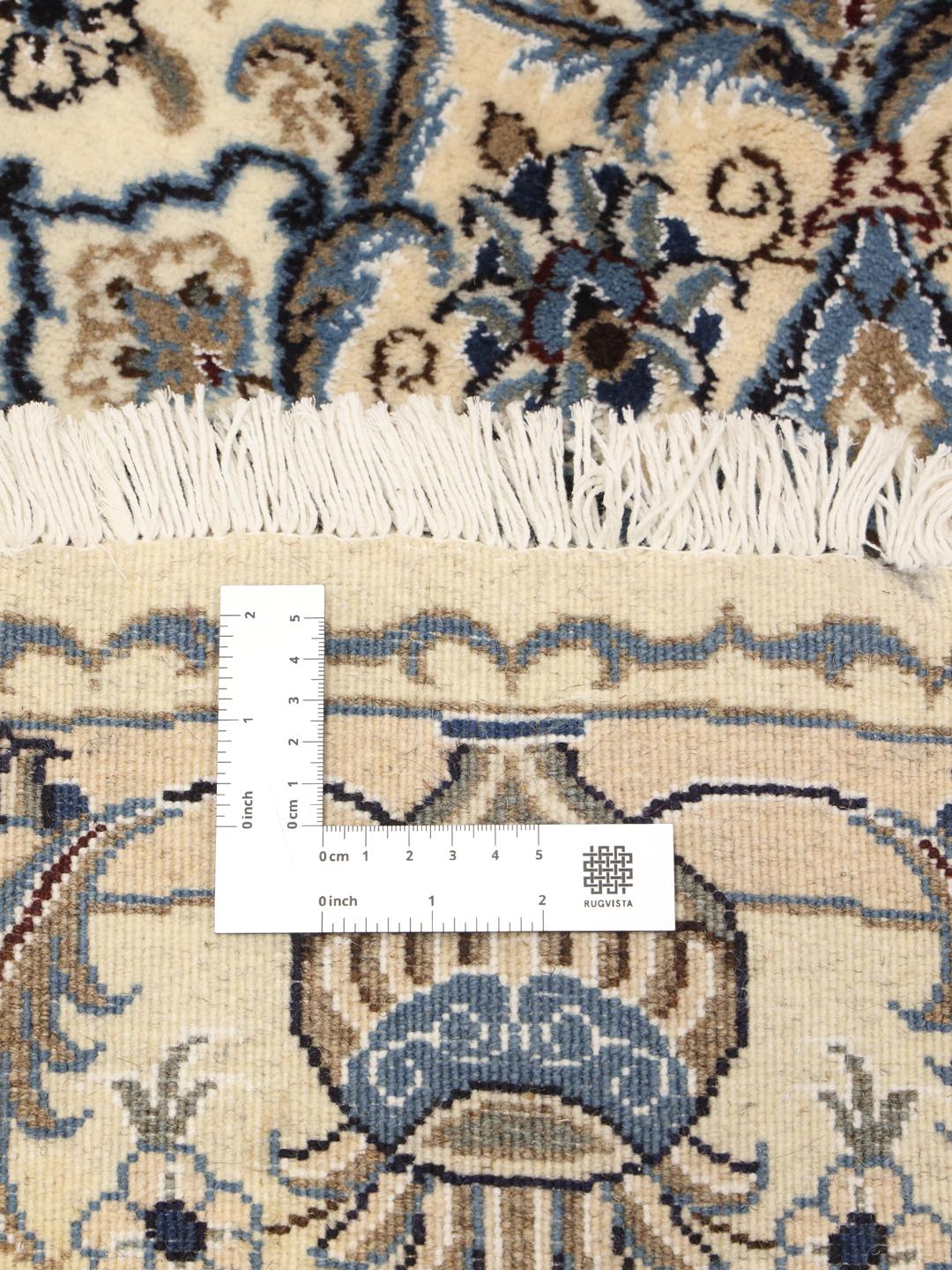
The quality of a rug from this tradition is often determined by the fineness of the weave. These pieces are known for their use of high-quality wool, which is often combined with silk highlights in premium examples to create a subtle, shimmering effect. This construction results in a pile that is not only visually striking but also remarkably durable, capable of maintaining its detail through years of use.
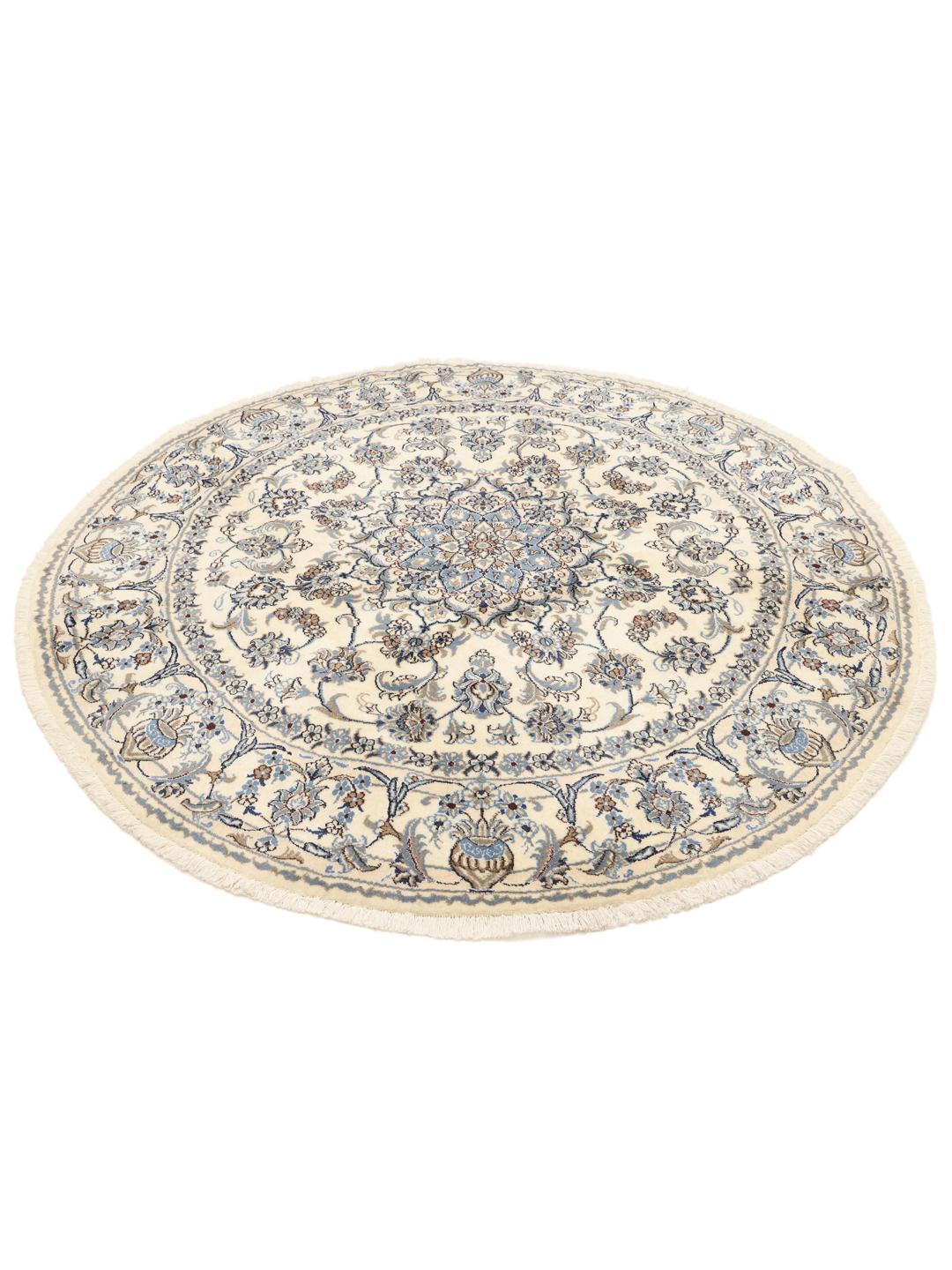
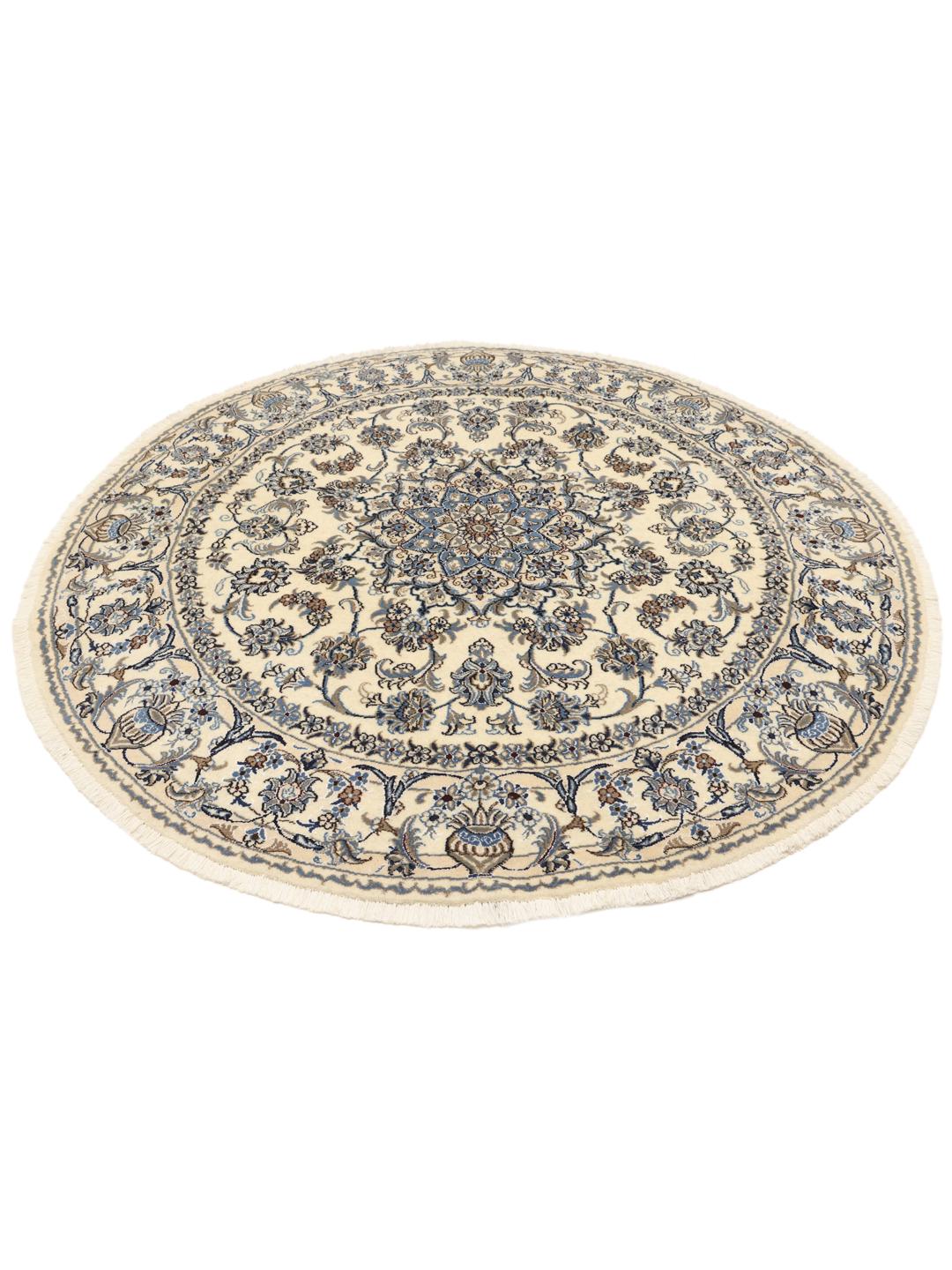
Signature design elements for these rugs typically include a central medallion surrounded by delicate, flowing floral arabesques and intricate vines. The colour palettes are often soft and elegant, favouring creams, beiges, and various shades of blue. This refined aesthetic makes them highly sought after for their ability to complement a wide range of interior styles without overwhelming the room.
Collecting a rug from this tradition is a way of preserving a piece of cultural history. The skill required to execute such complex, curvilinear designs is passed down through generations, and owning one represents a commitment to supporting ancient craft traditions. These rugs are valued not just as floor coverings, but as enduring works of art that anchor a home with style and substance.