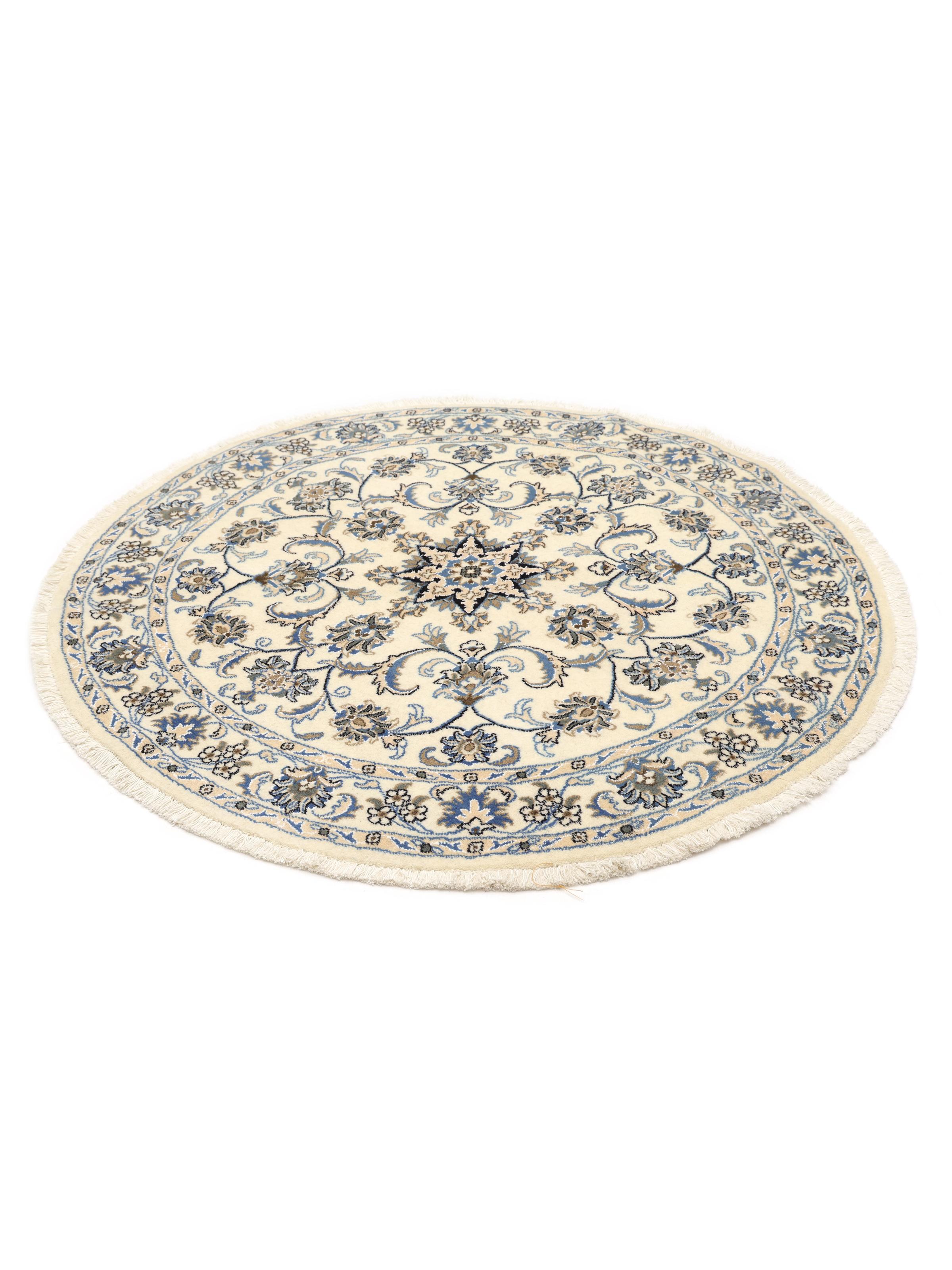
Nain rugs originate from the historic town of Nain, located in the heart of the Middle East. Originally known for producing fine woollen cloaks, the region transitioned into rug weaving in the early 20th century, quickly establishing a reputation for producing some of the most refined and sophisticated pieces in the world. This evolution saw local weavers apply their expertise in intricate detail to the creation of floor coverings that mirror the artistic heritage of the region.
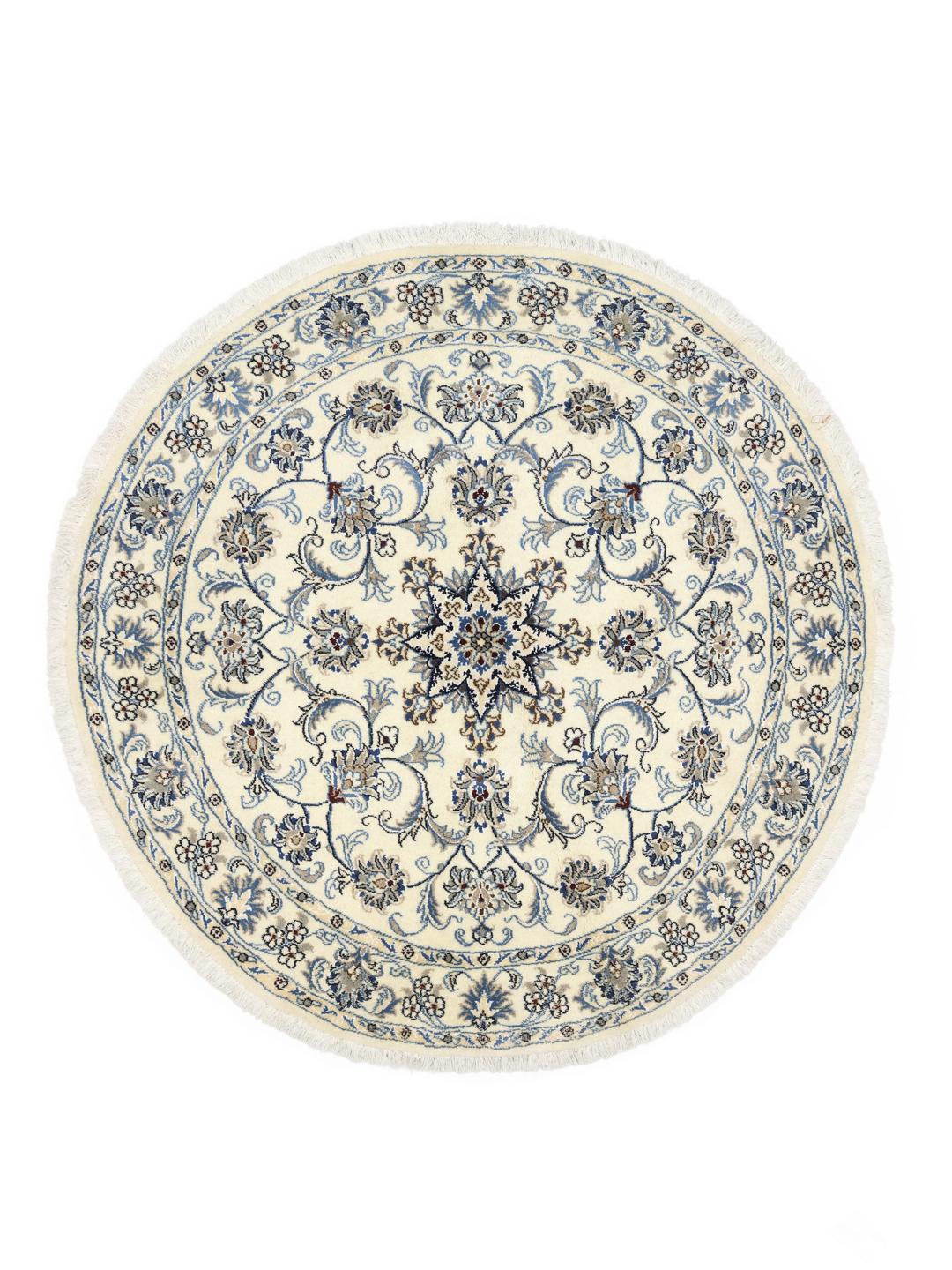
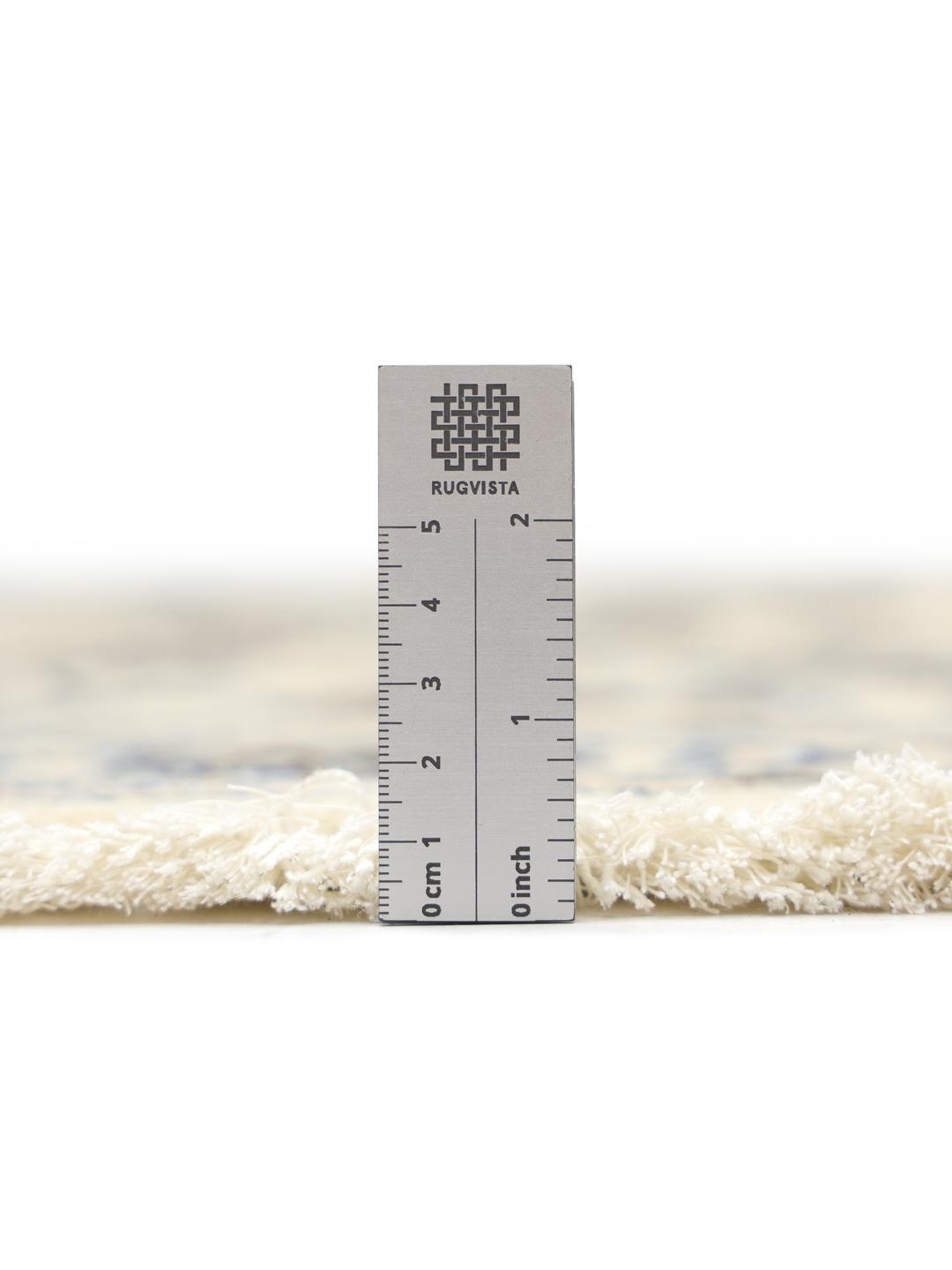
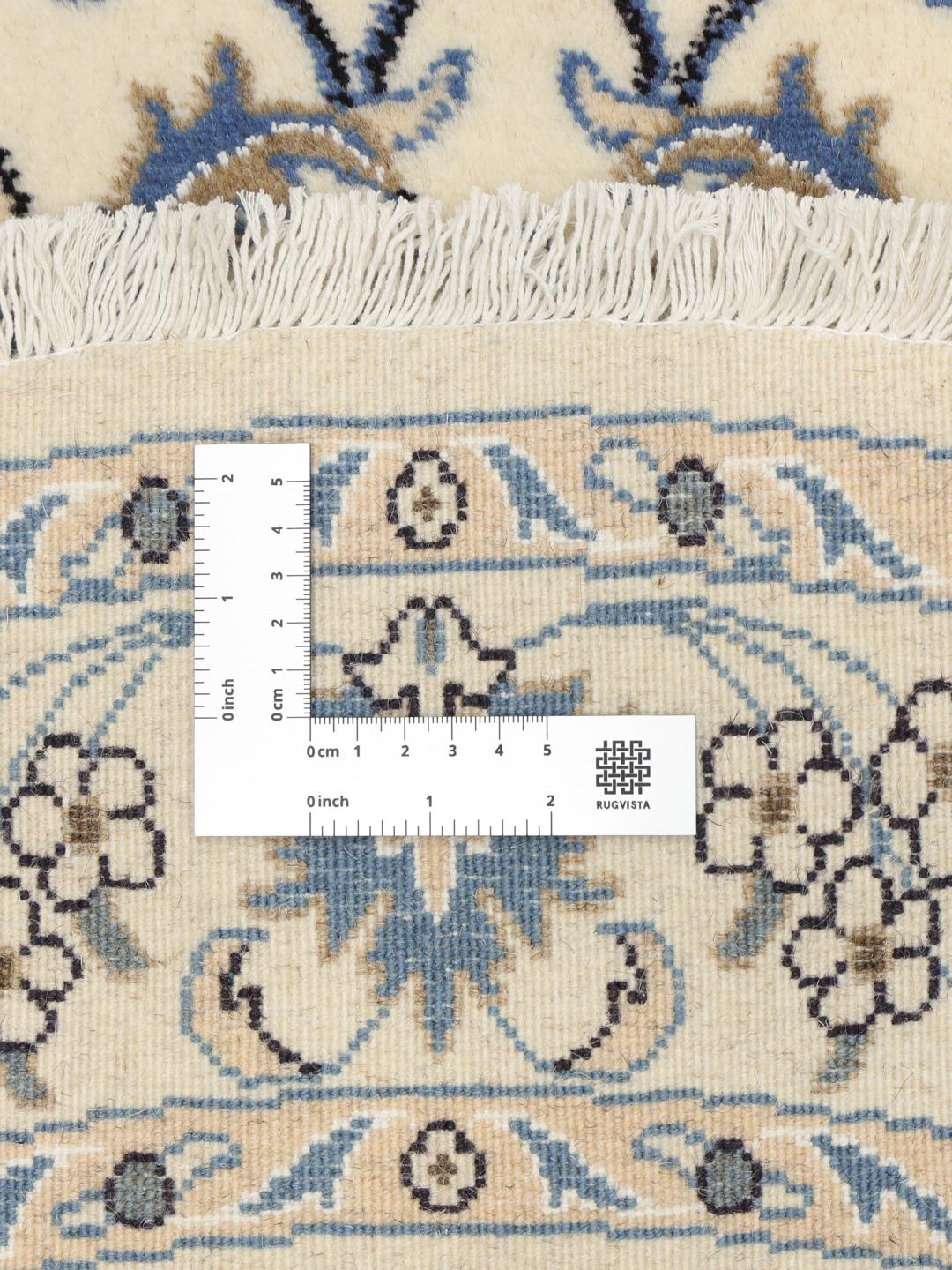
The quality of a Nain rug is often defined by the precision of its knotting and the use of high-grade wool. These rugs are celebrated for their harmonious colour schemes, which frequently favour light, neutral backgrounds accented with soft blues, creams, and sometimes hints of silk. The term 'La' is often used in this tradition to describe the quality, referring to the number of threads used in the foundation, which directly influences the rug's thickness and durability.
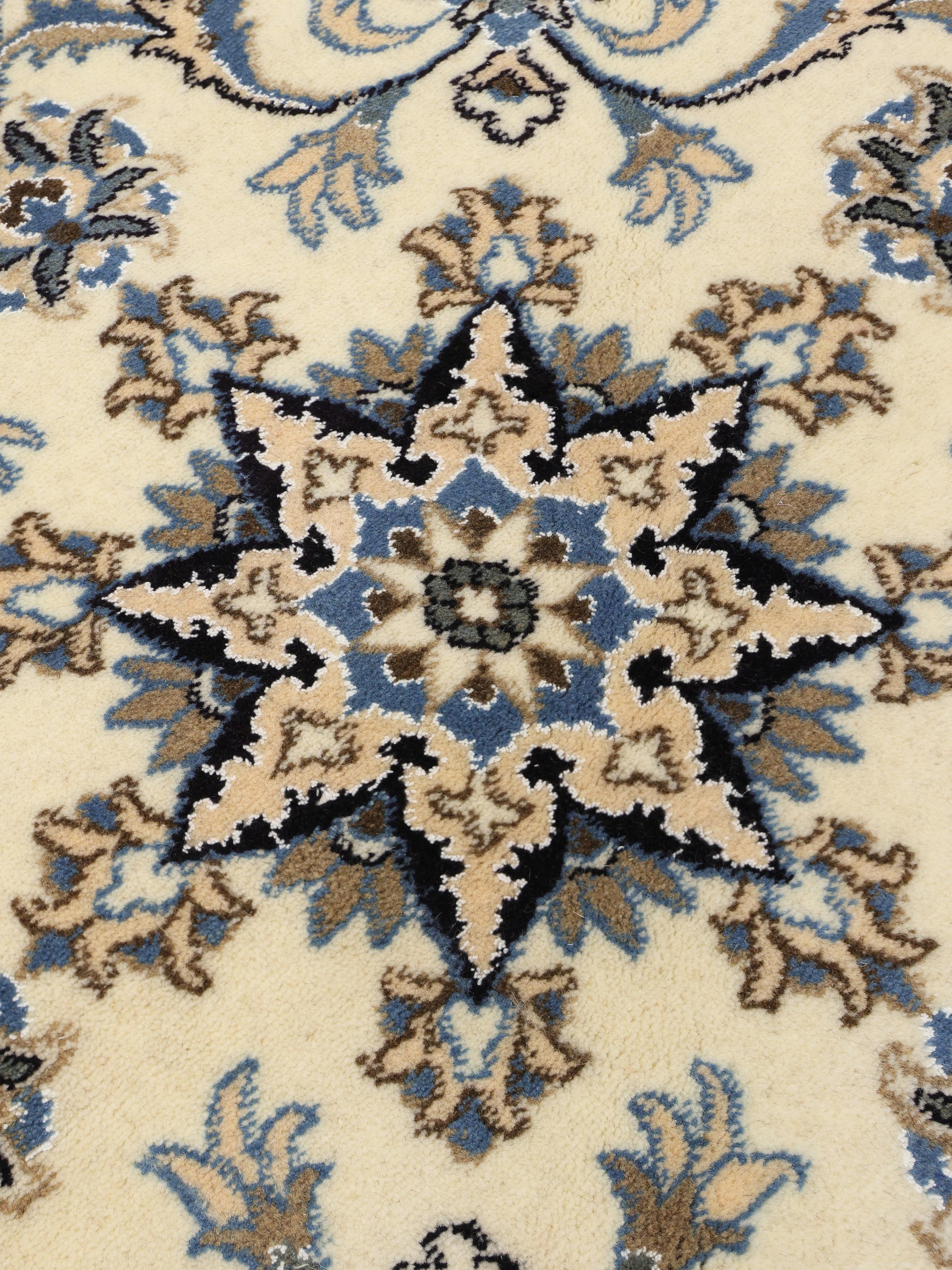
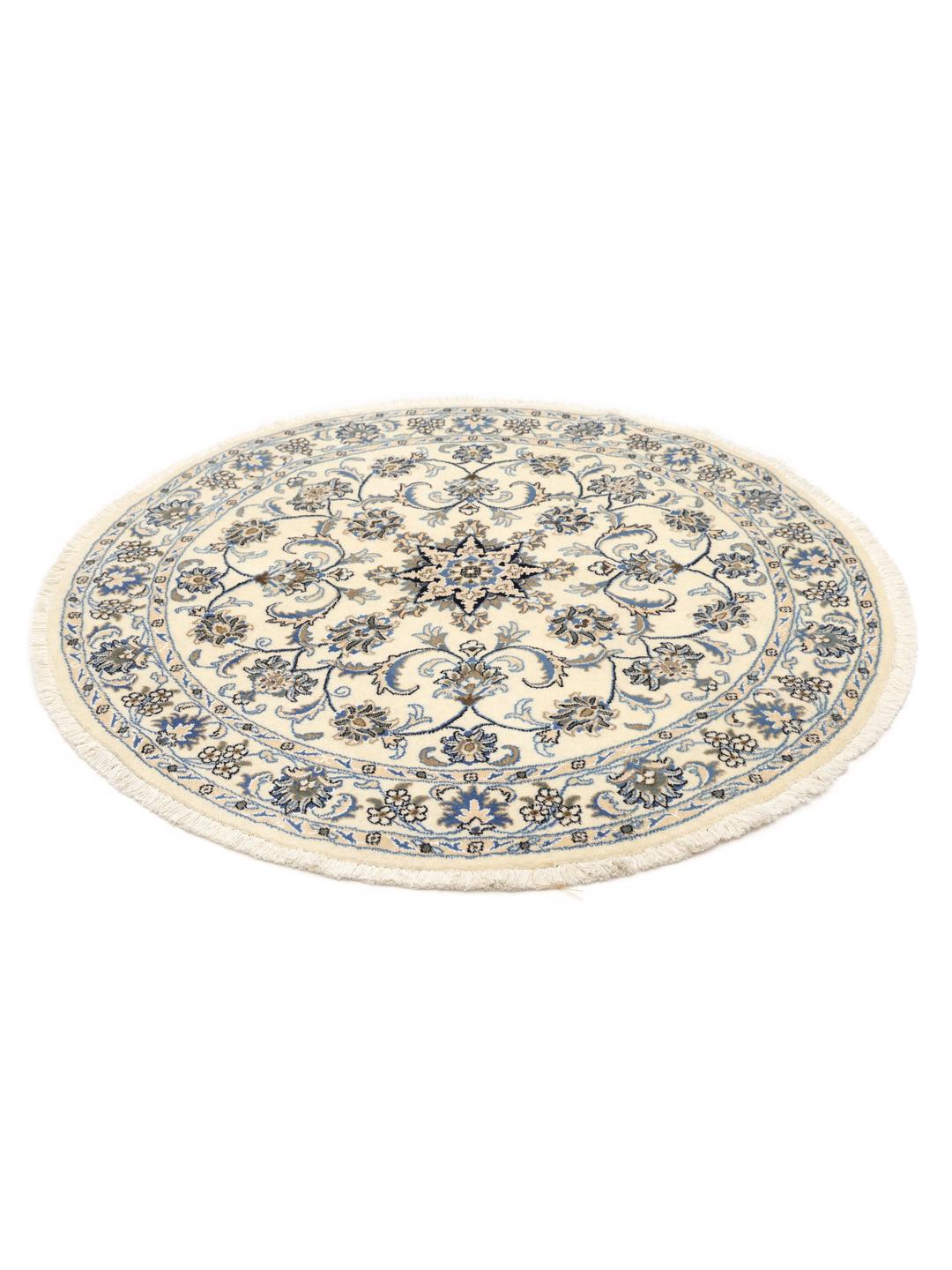
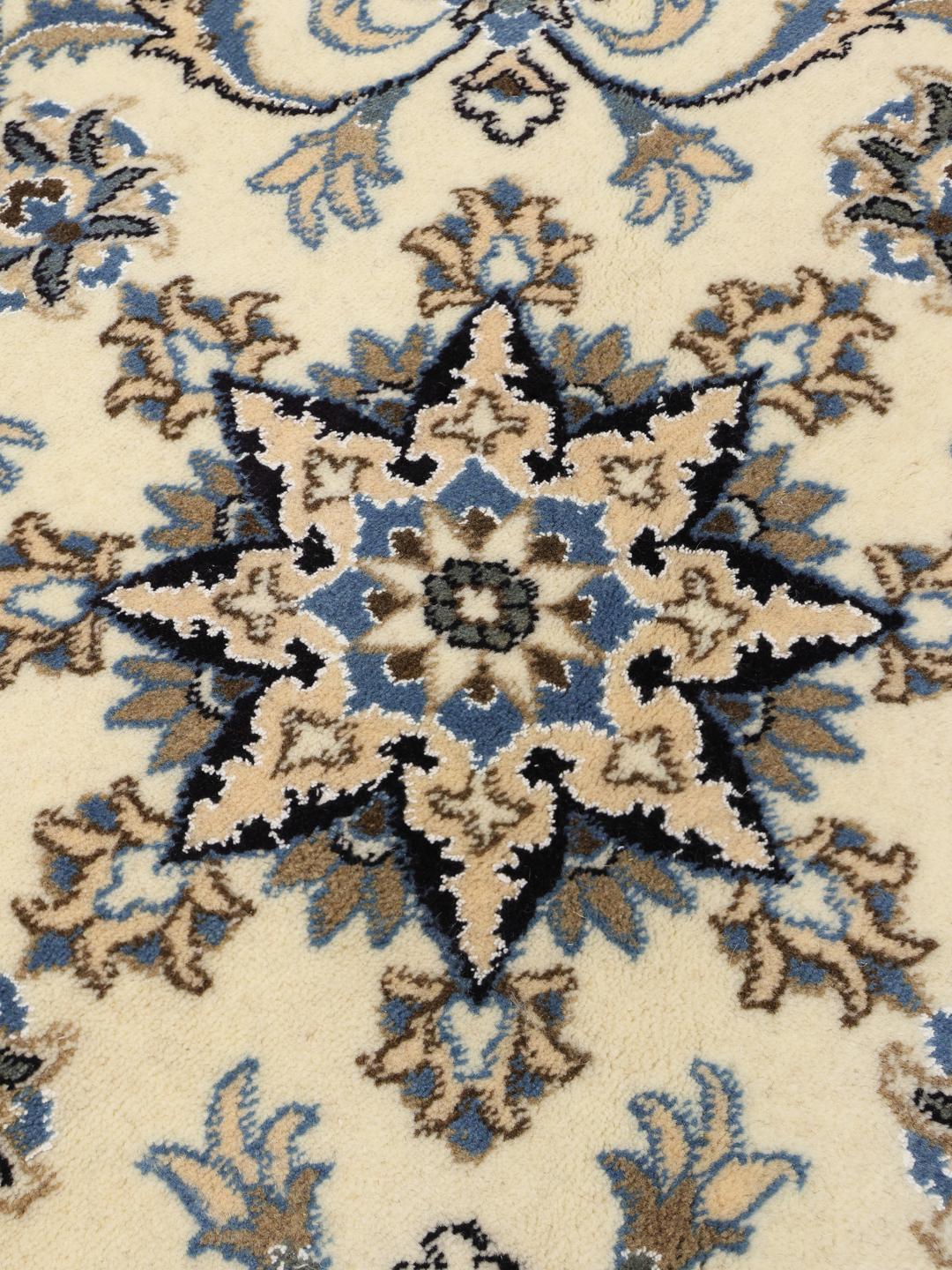
Signature design elements in these rugs typically include a central medallion, often star-shaped, surrounded by elaborate floral arabesques and scrolling vines. The borders are usually narrow and highly detailed, framing the central field with a sense of symmetry and balance. This specific aesthetic is designed to evoke a sense of calm and order, making these pieces highly sought after for both traditional and contemporary homes.
Collectors value these rugs not only for their visual beauty but for the immense skill required to produce them. Owning a piece from this tradition is an investment in cultural heritage, representing a bridge between ancient craftsmanship and modern interior design. These rugs are seen as symbols of enduring quality and refined taste, cherished for their ability to bring a sense of history and warmth into any living space.