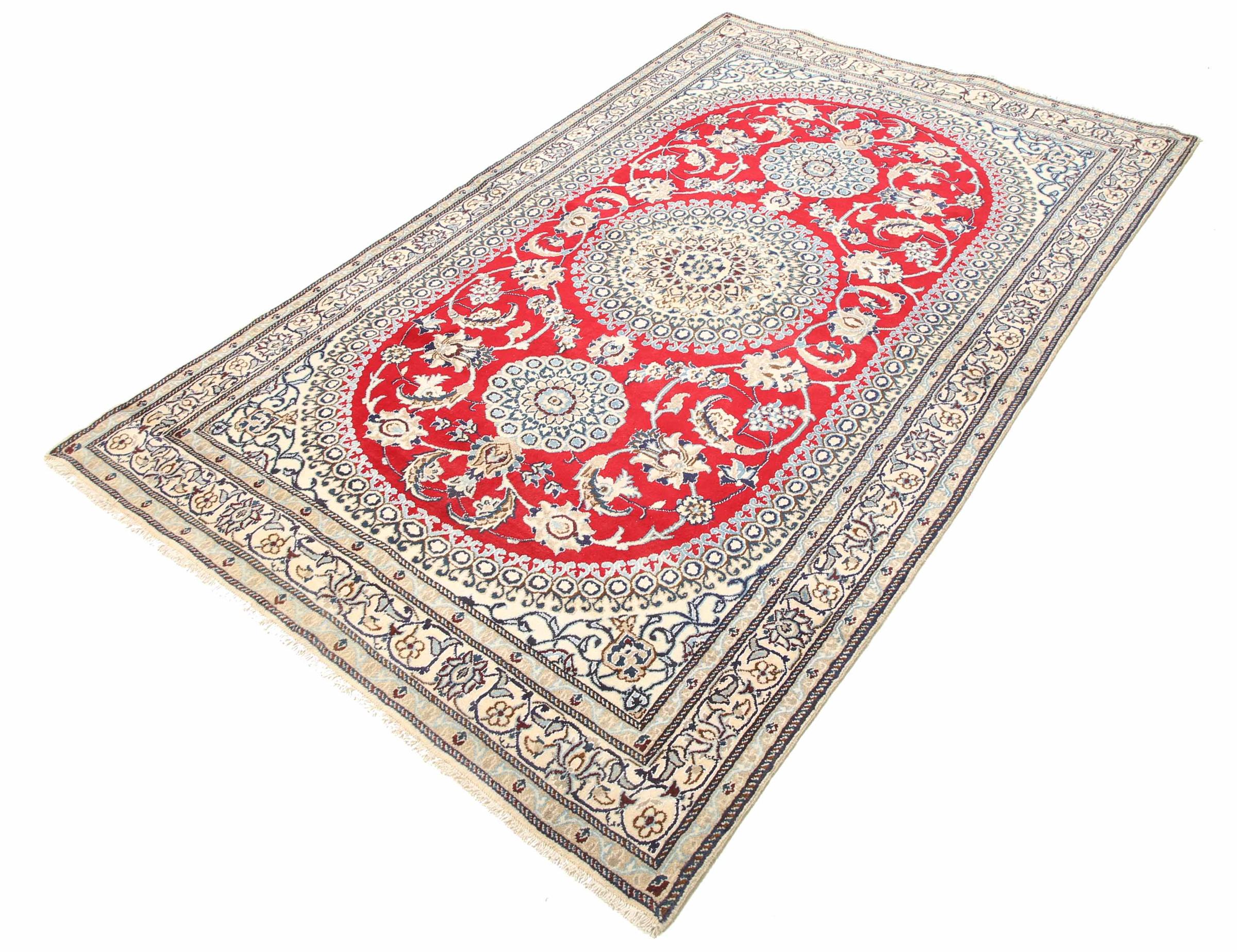
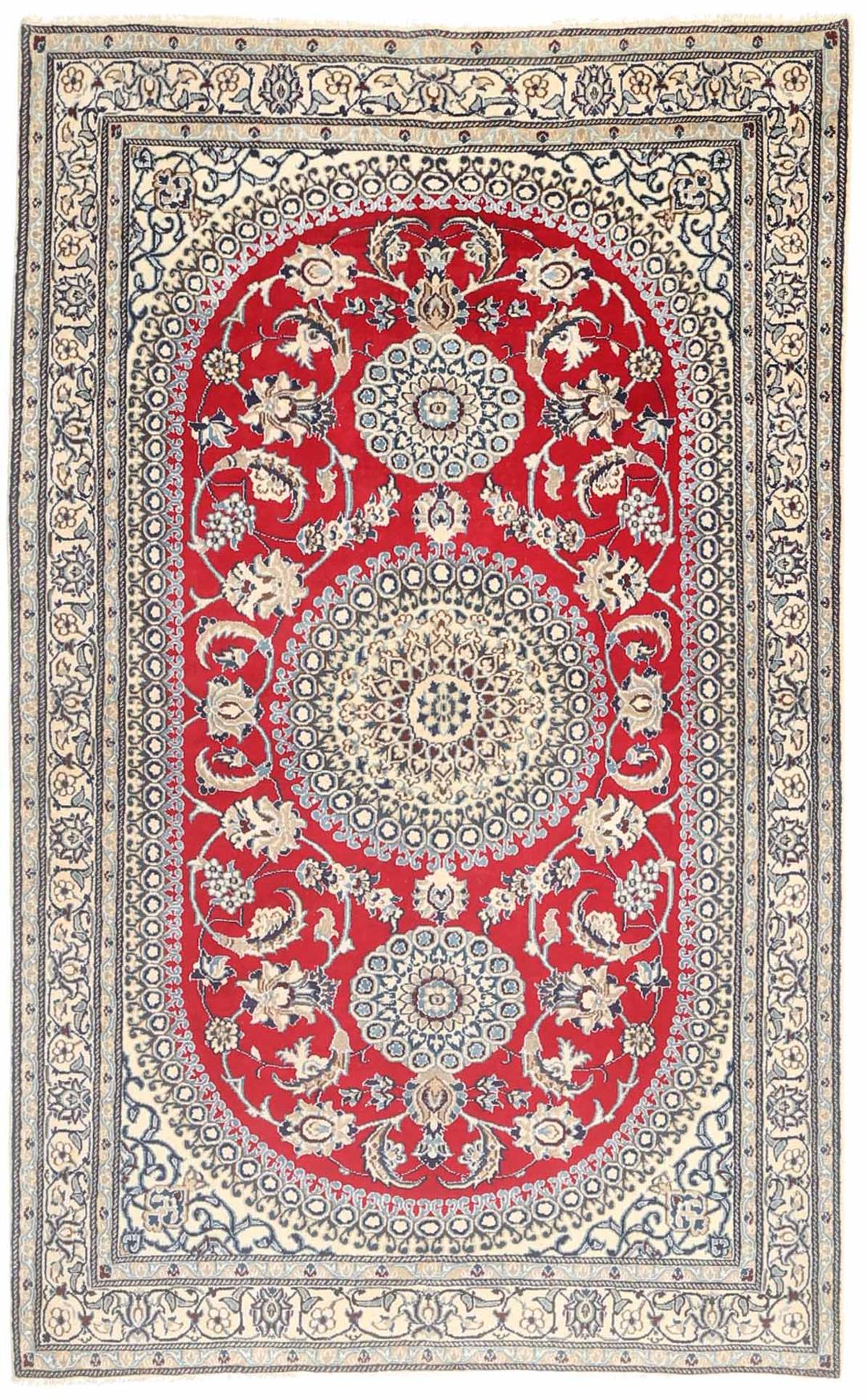
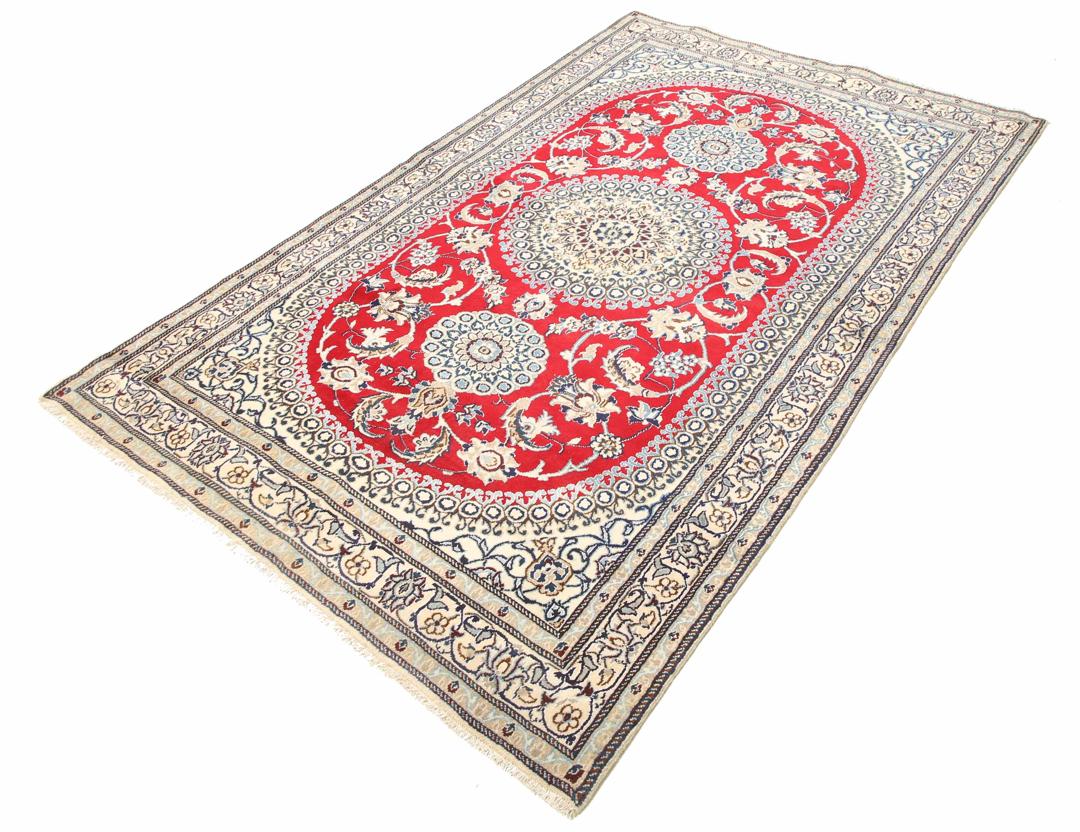
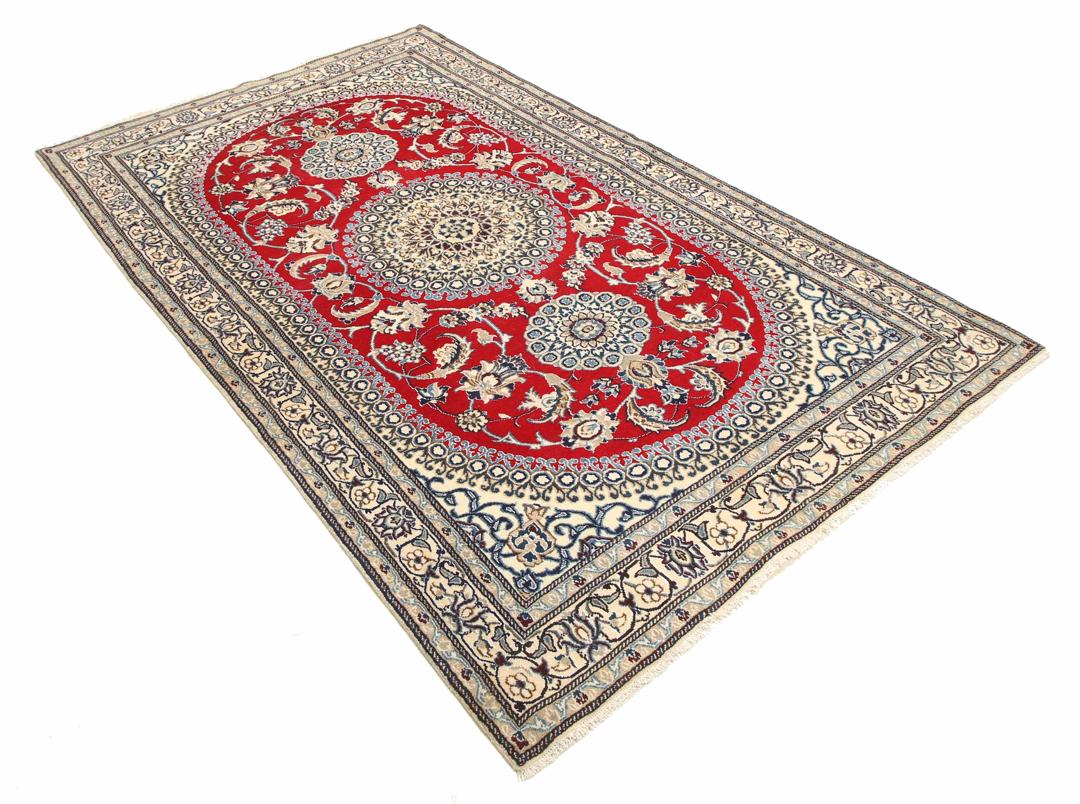
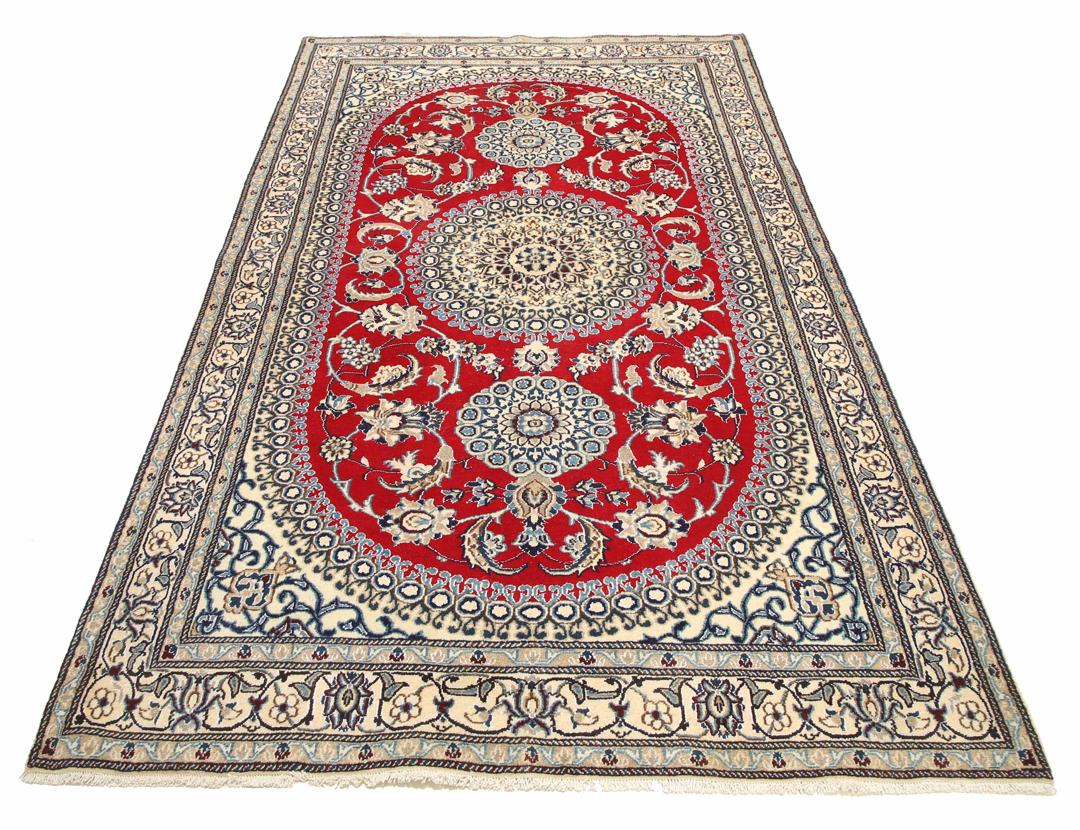
Nain rugs originate from the historic city of Nain, located in the heart of the Middle Eastern plateau. Historically known for producing high-quality wool textiles, the region shifted its focus to fine rug weaving in the early 20th century. Today, these rugs are celebrated for their refined aesthetic, which often features delicate floral patterns and soft, sophisticated colour palettes that reflect the artistic heritage of the area.
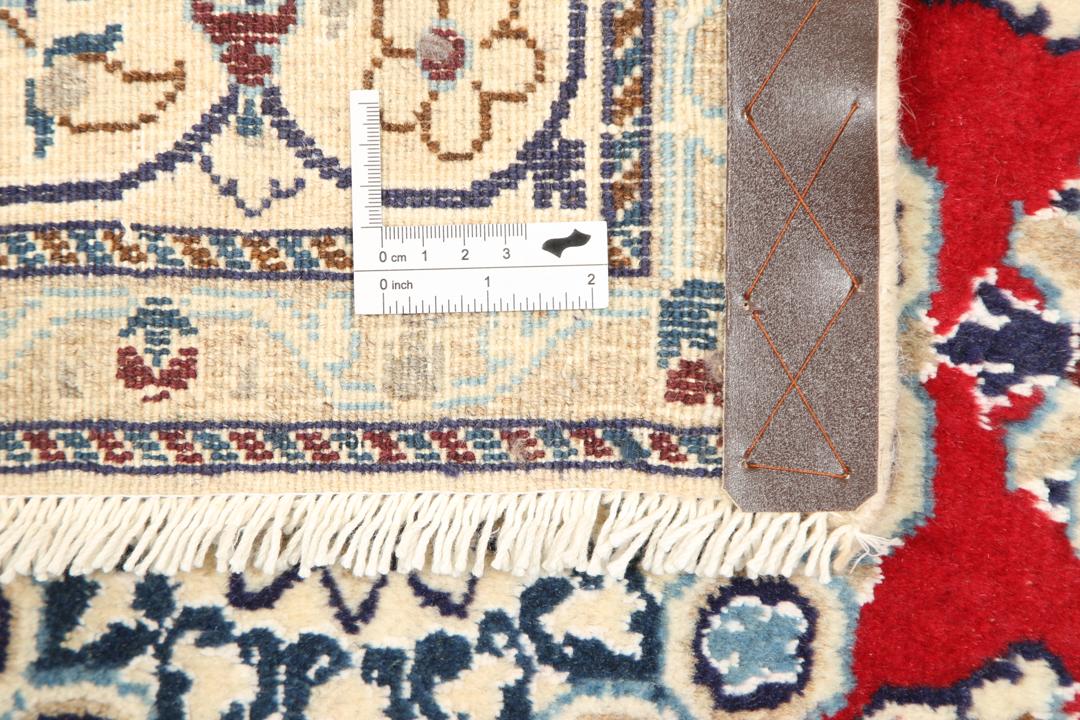
The term 9La refers to the specific classification of the rug's construction, which is based on the number of threads used in the foundation. A 9La classification indicates a specific level of fineness and density, achieved by using a precise number of plies in the warp and weft. This technical detail is crucial for the rug's longevity, as it ensures a tightly woven structure that can withstand years of use while maintaining its intricate design details.
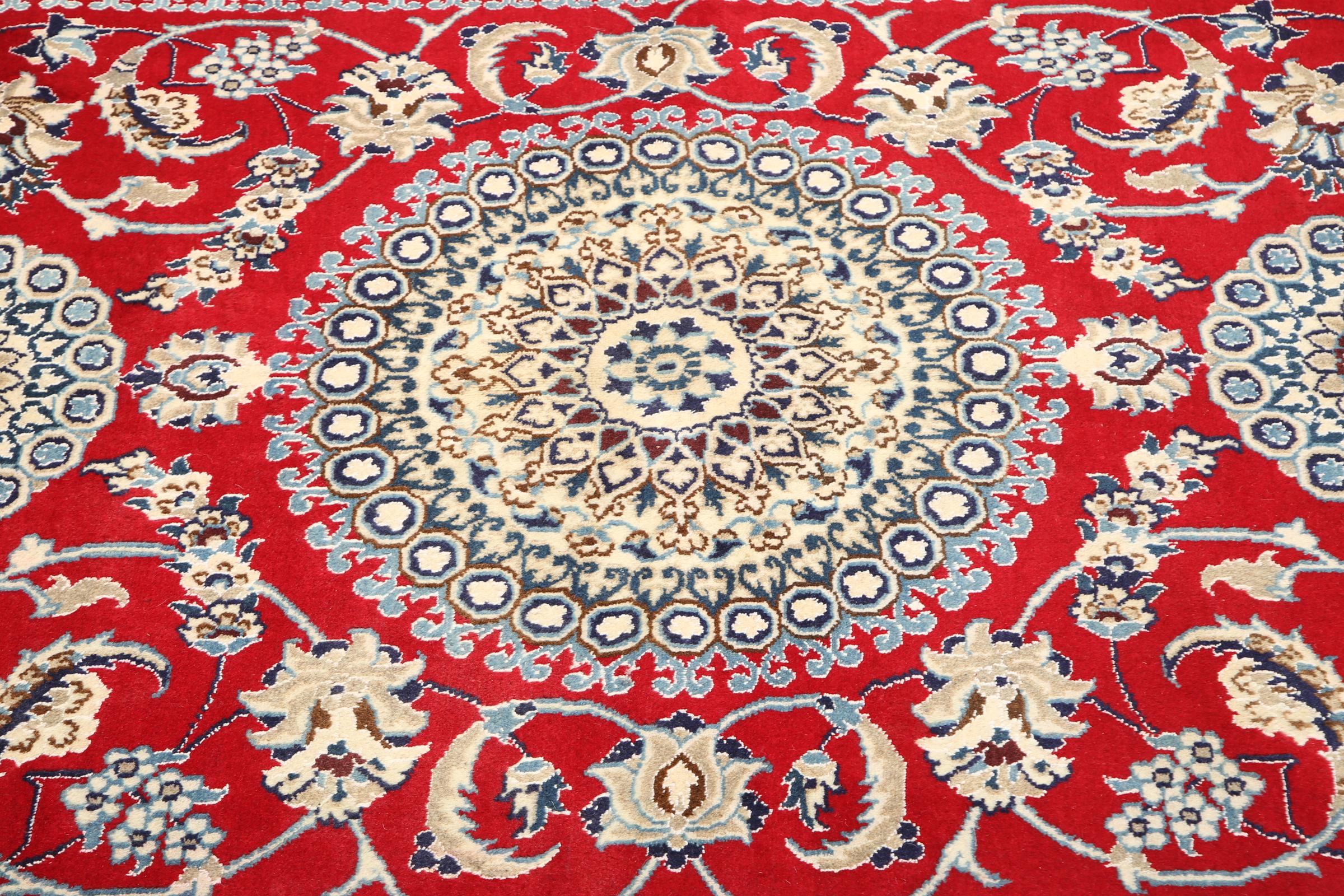
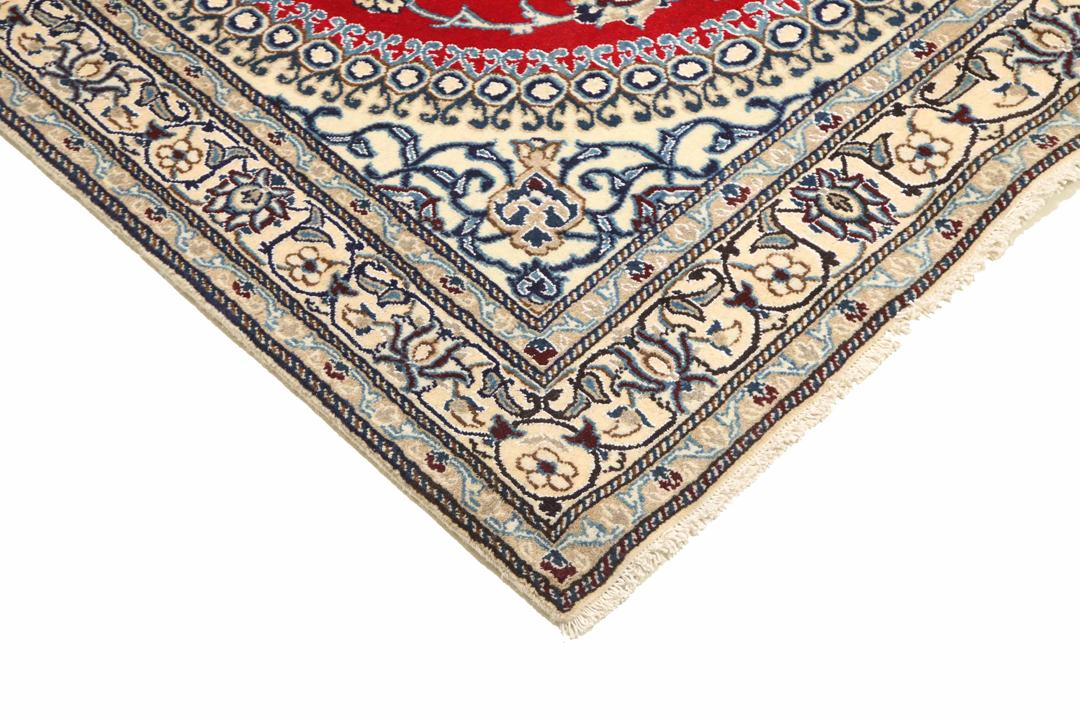
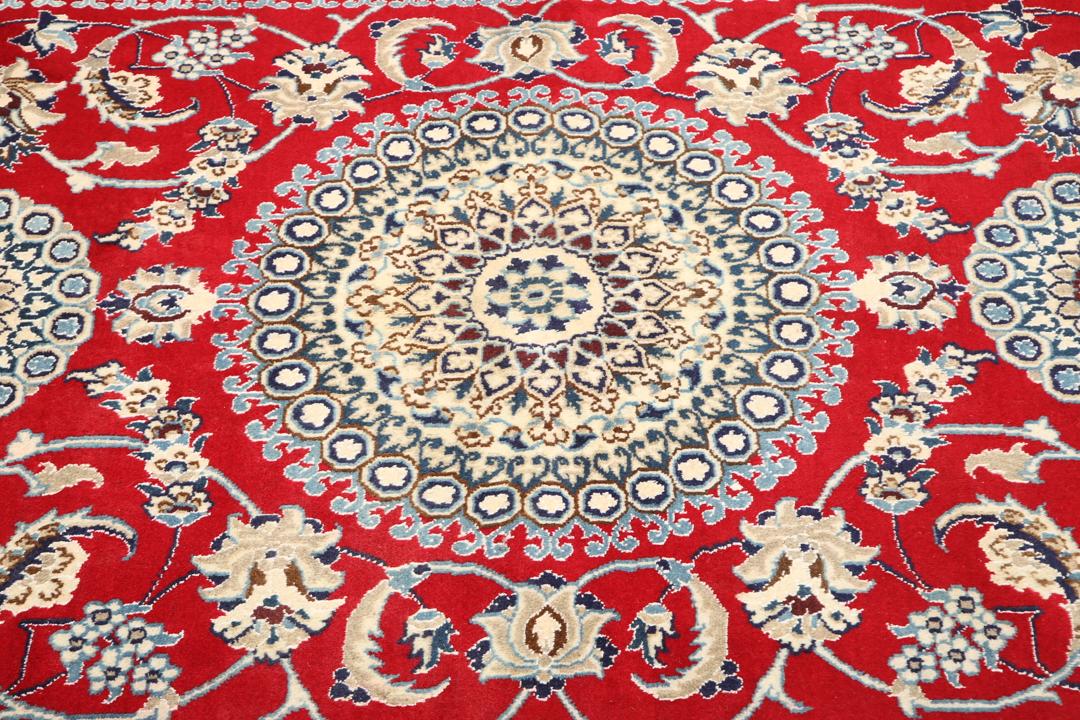
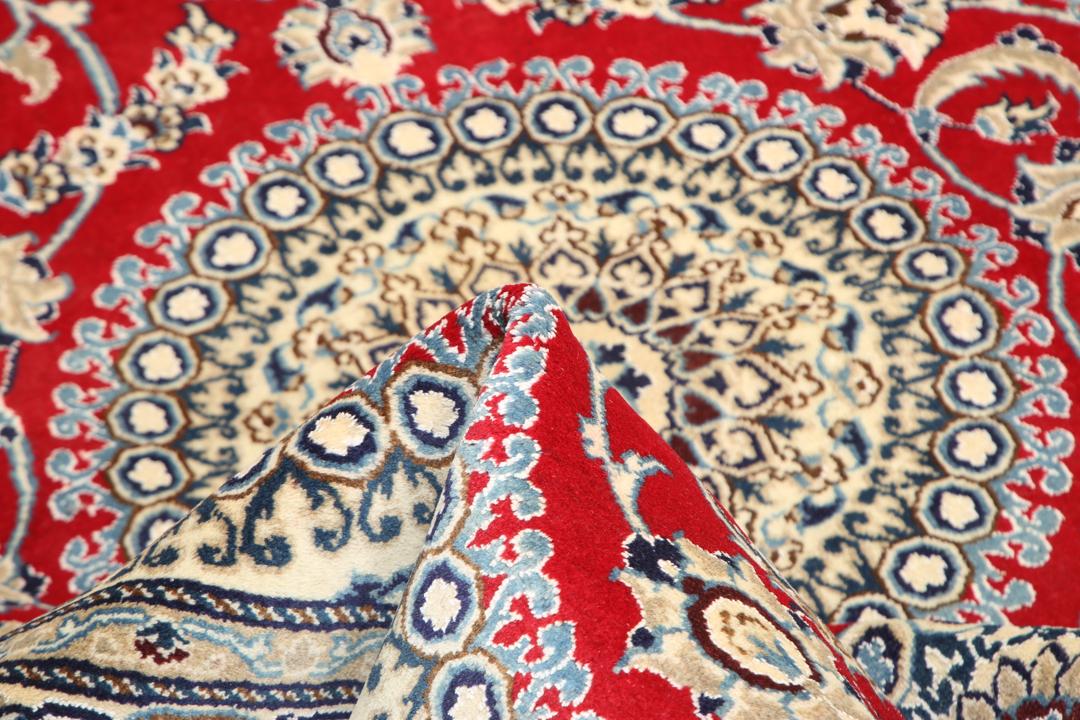
The design of a Nain rug is instantly recognisable, characterised by a central medallion surrounded by flowing floral vines, palmettes, and arabesques. These patterns are deeply rooted in the artistic traditions of the region, emphasising balance, symmetry, and flowing movement. While the traditional colour palette often relies on cream, blue, and red, the specific combination found in this piece highlights the artisan's ability to interpret classic motifs in a way that feels both timeless and fresh.
Collecting a Nain rug is an investment in a storied craft tradition. These pieces are highly valued by enthusiasts for their blend of technical precision and artistic elegance. By owning a rug from this tradition, you are connecting your home to a long history of master weavers, preserving a level of skill that has been passed down through generations. It is a choice that honours the heritage of the craft while bringing a sense of cultural depth and character to your home.