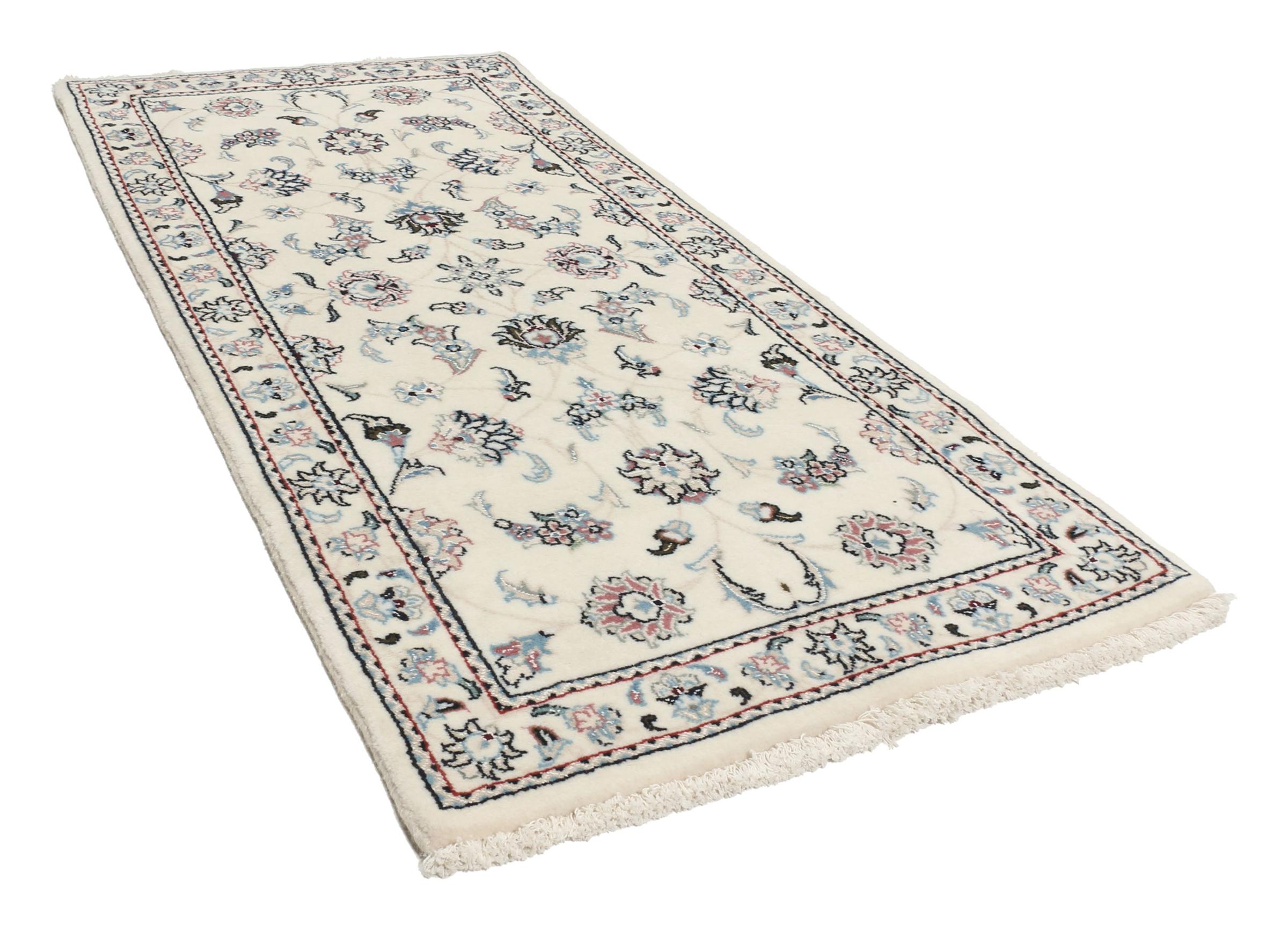
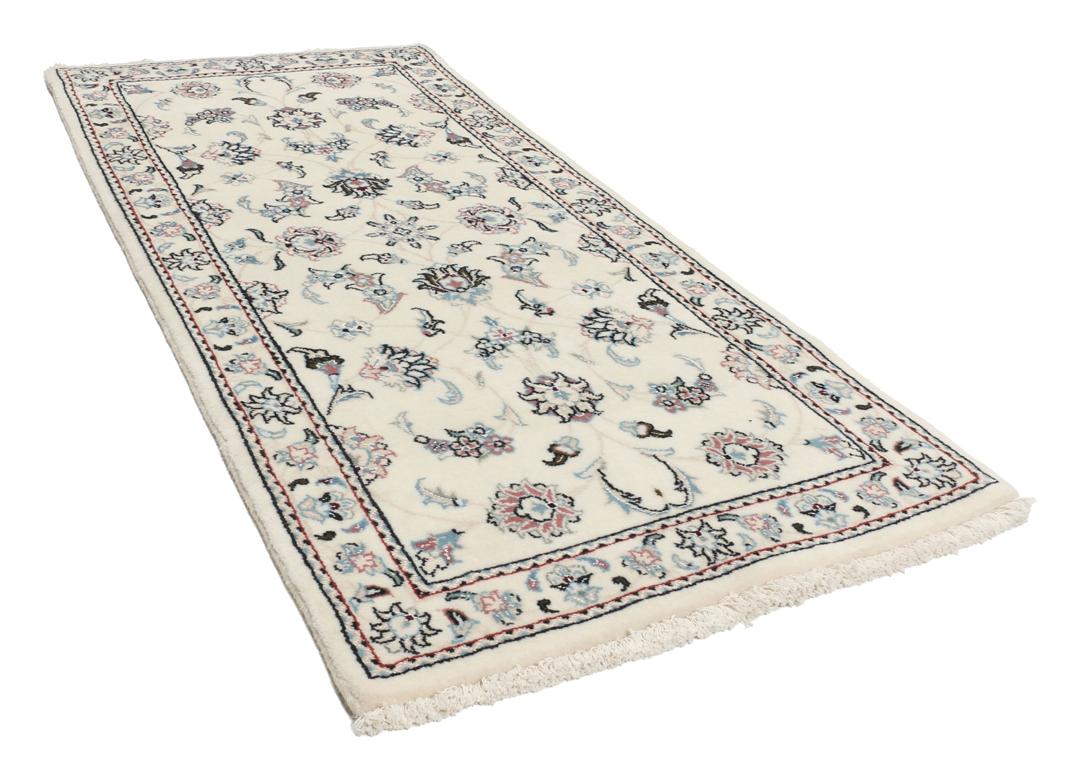
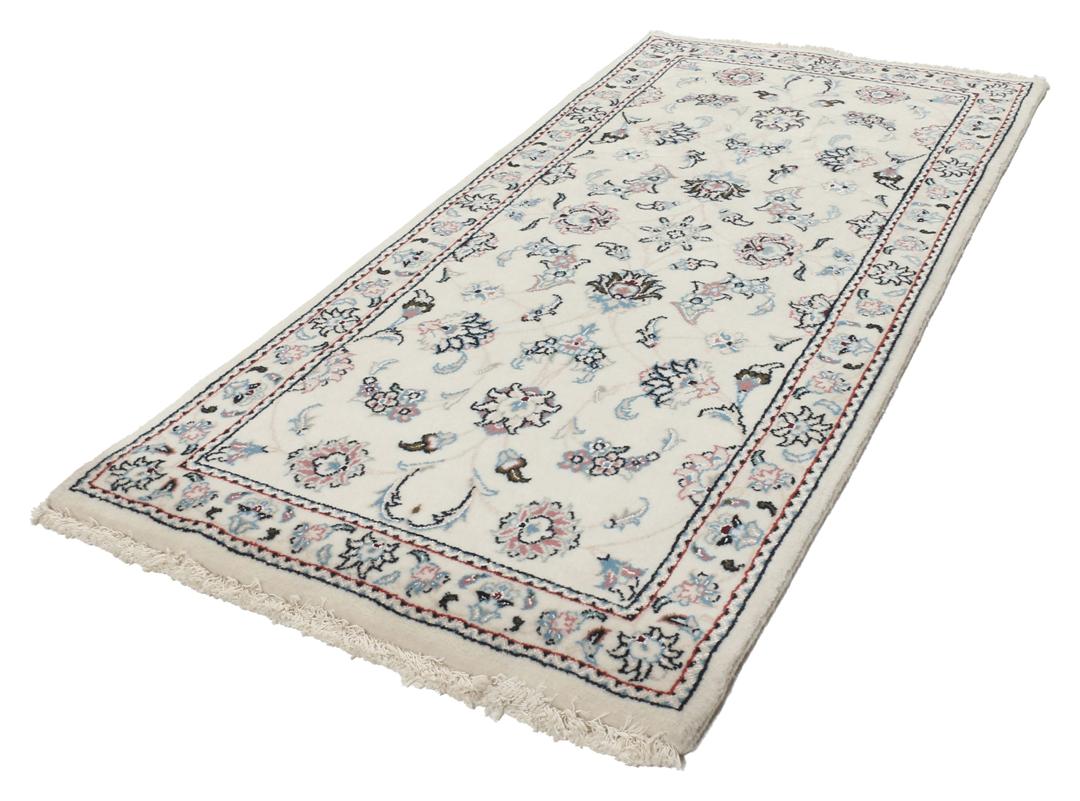
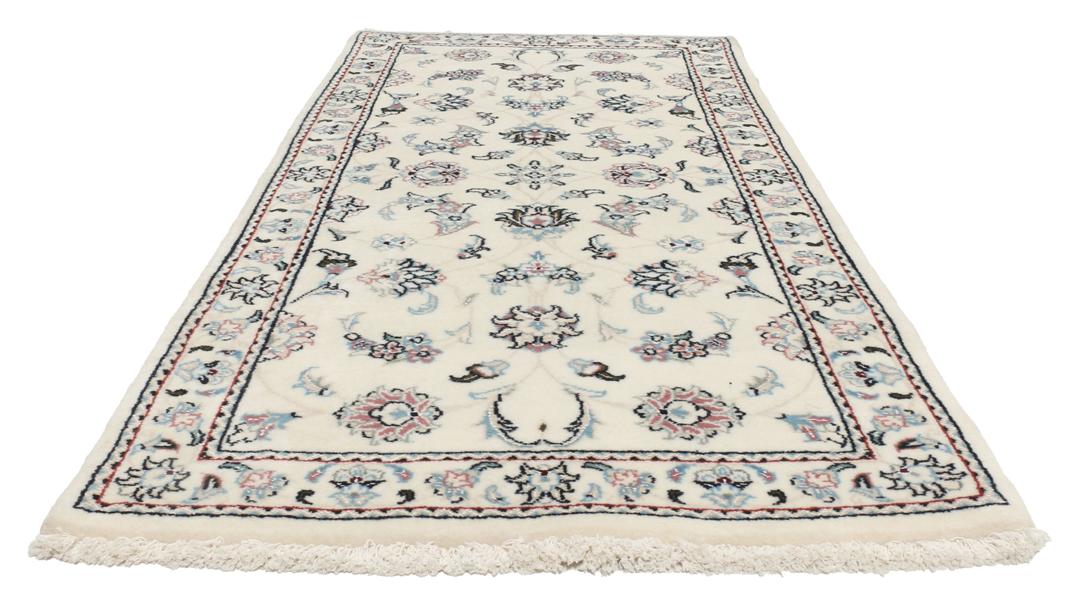
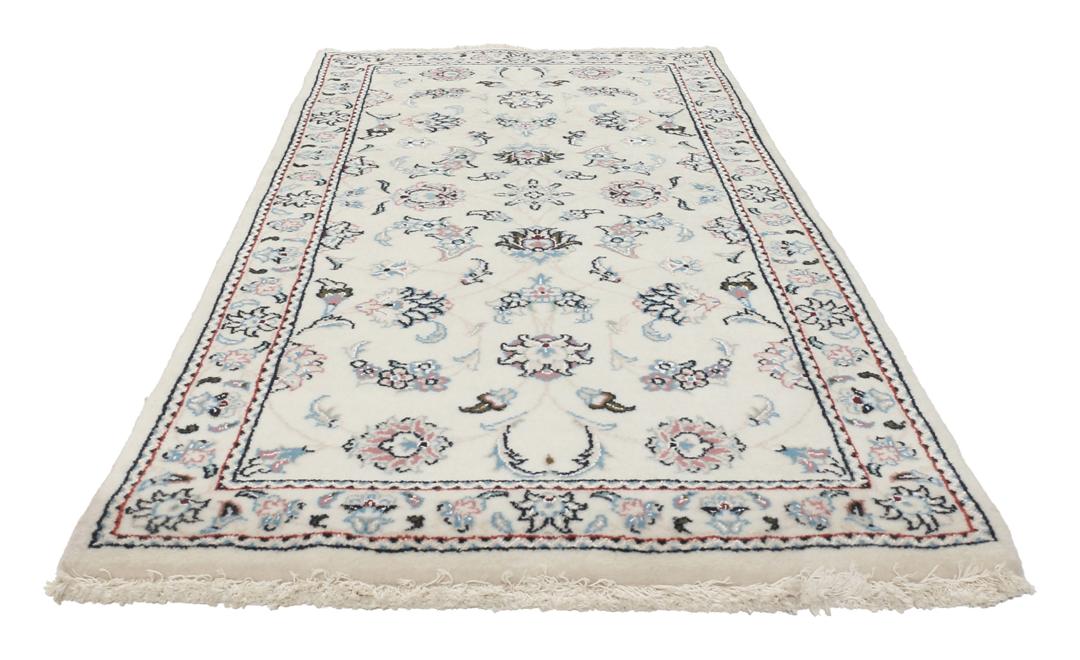
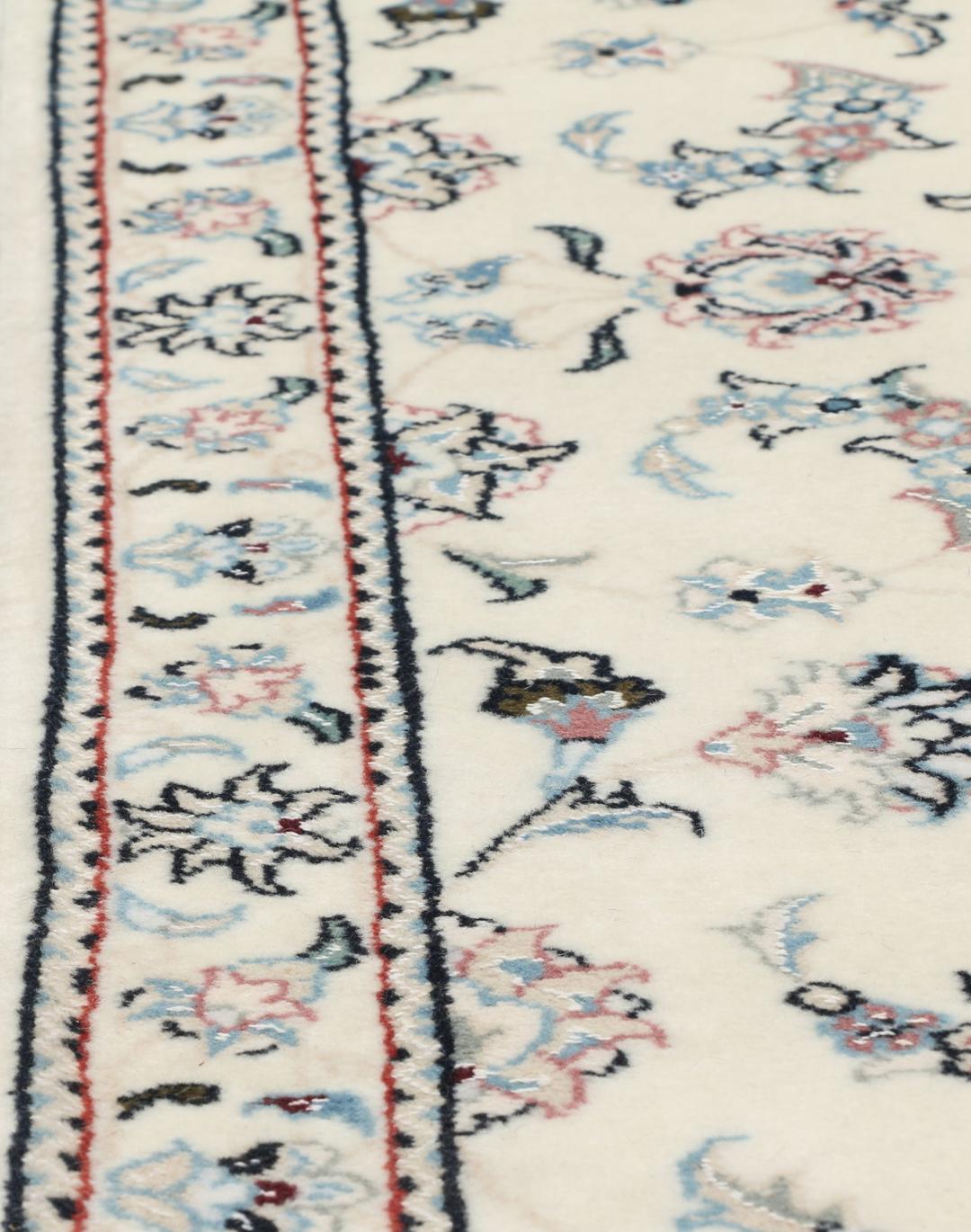
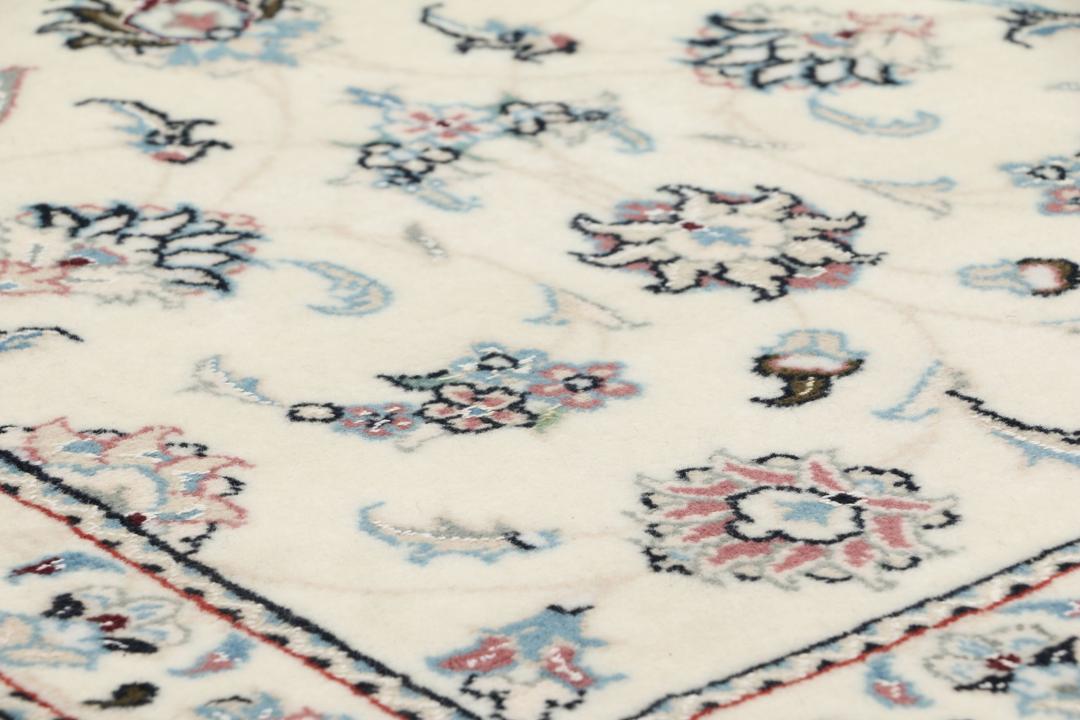
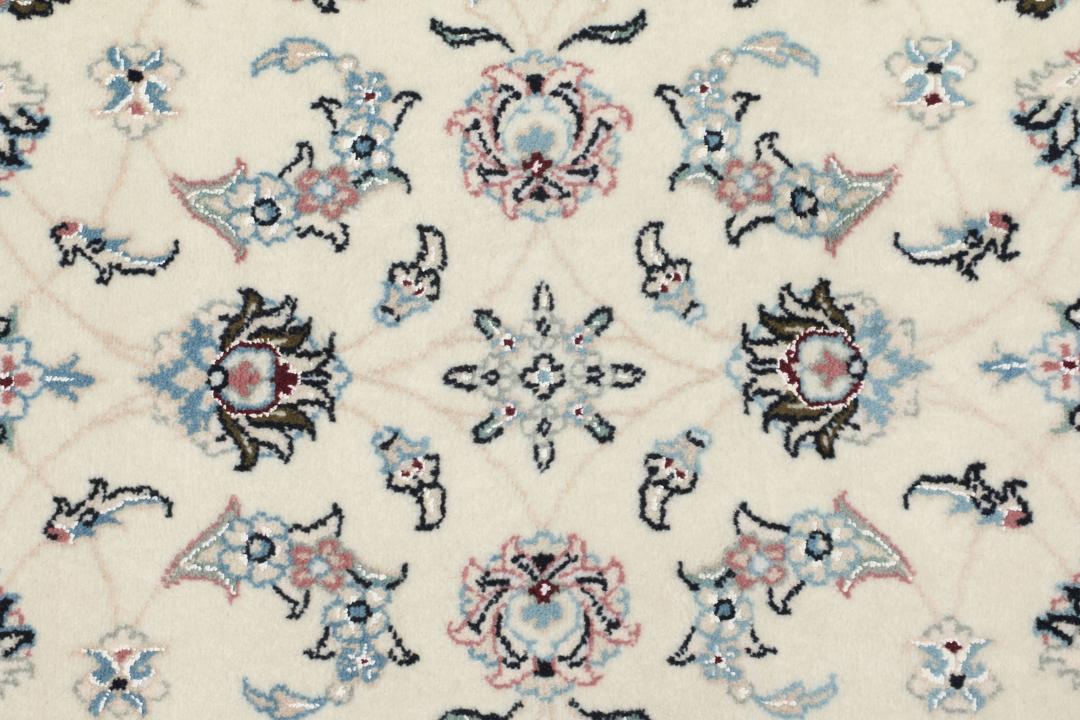
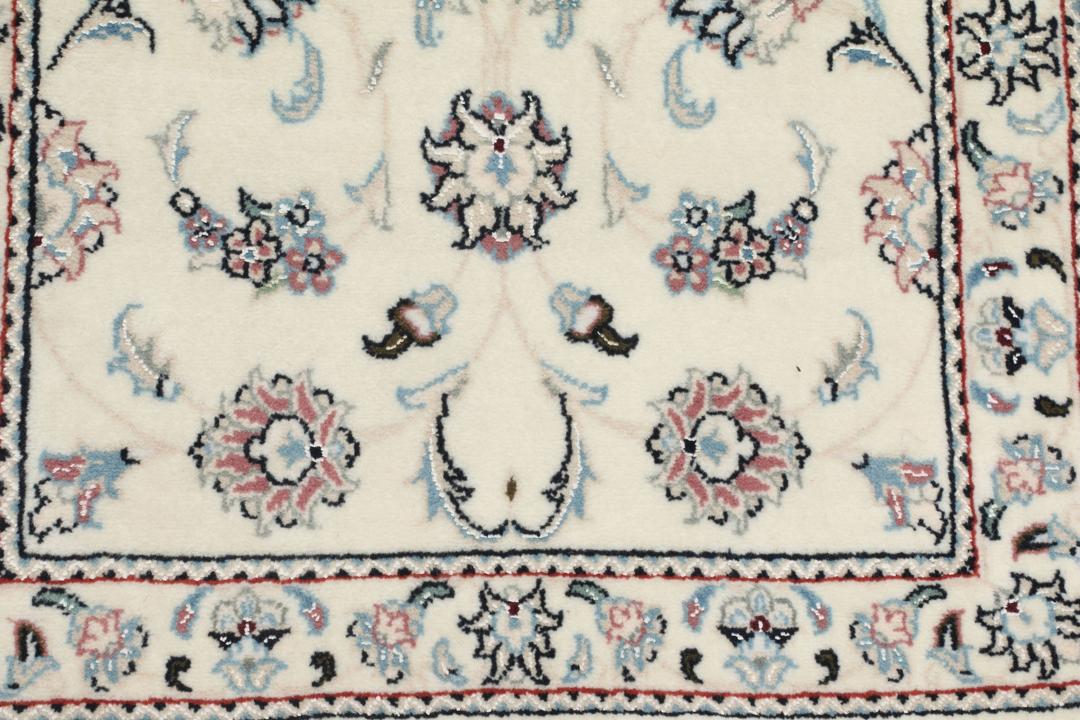
Nain rugs originate from the historic city of Nain, located in the heart of the Middle East. Originally known for producing high-quality hand-woven woolen textiles and garments, the city transitioned into the art of rug making during the early 20th century. This evolution allowed local artisans to apply their sophisticated eye for detail and precision to the creation of rugs, quickly establishing Nain as a center for some of the finest craftsmanship in the region.
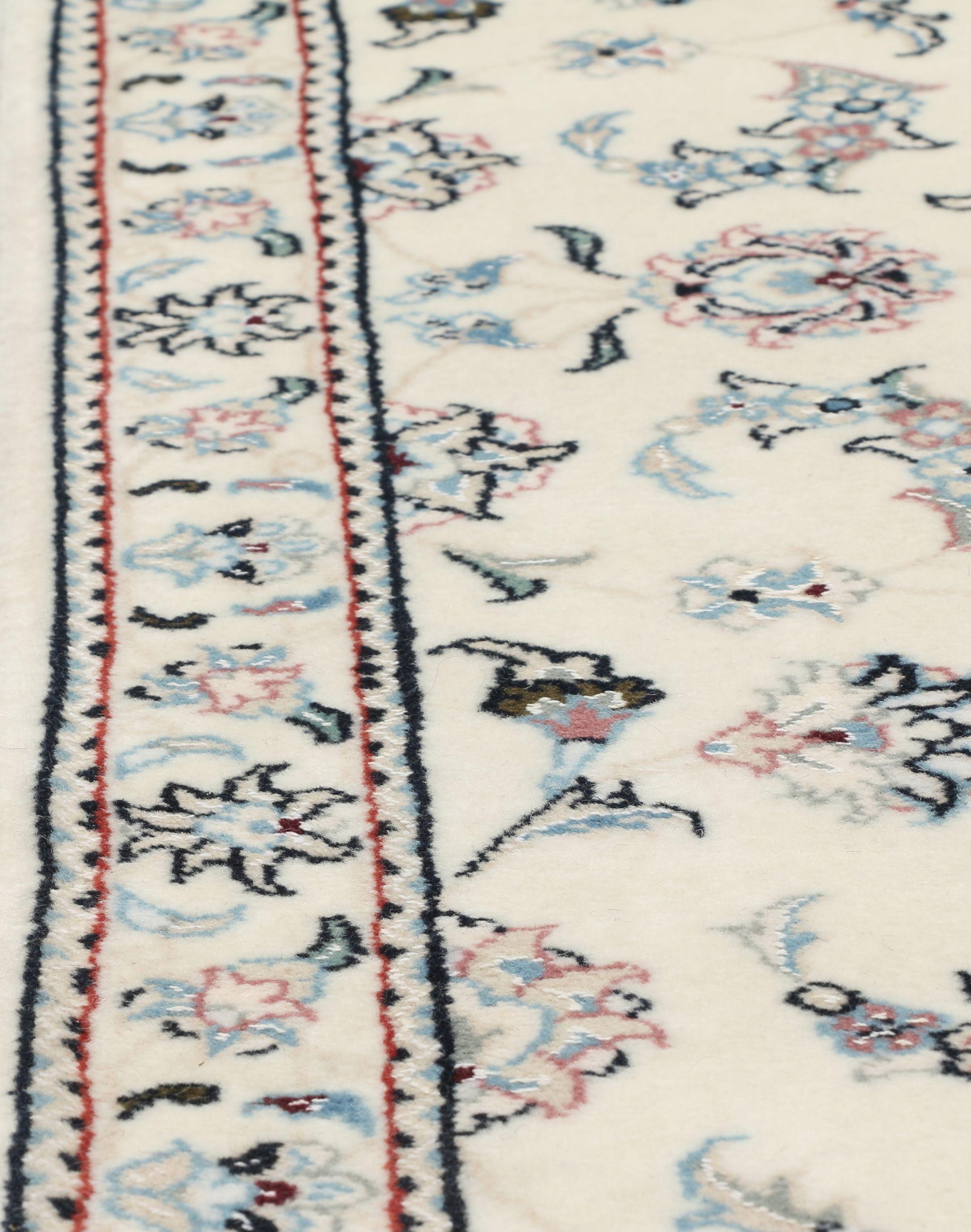
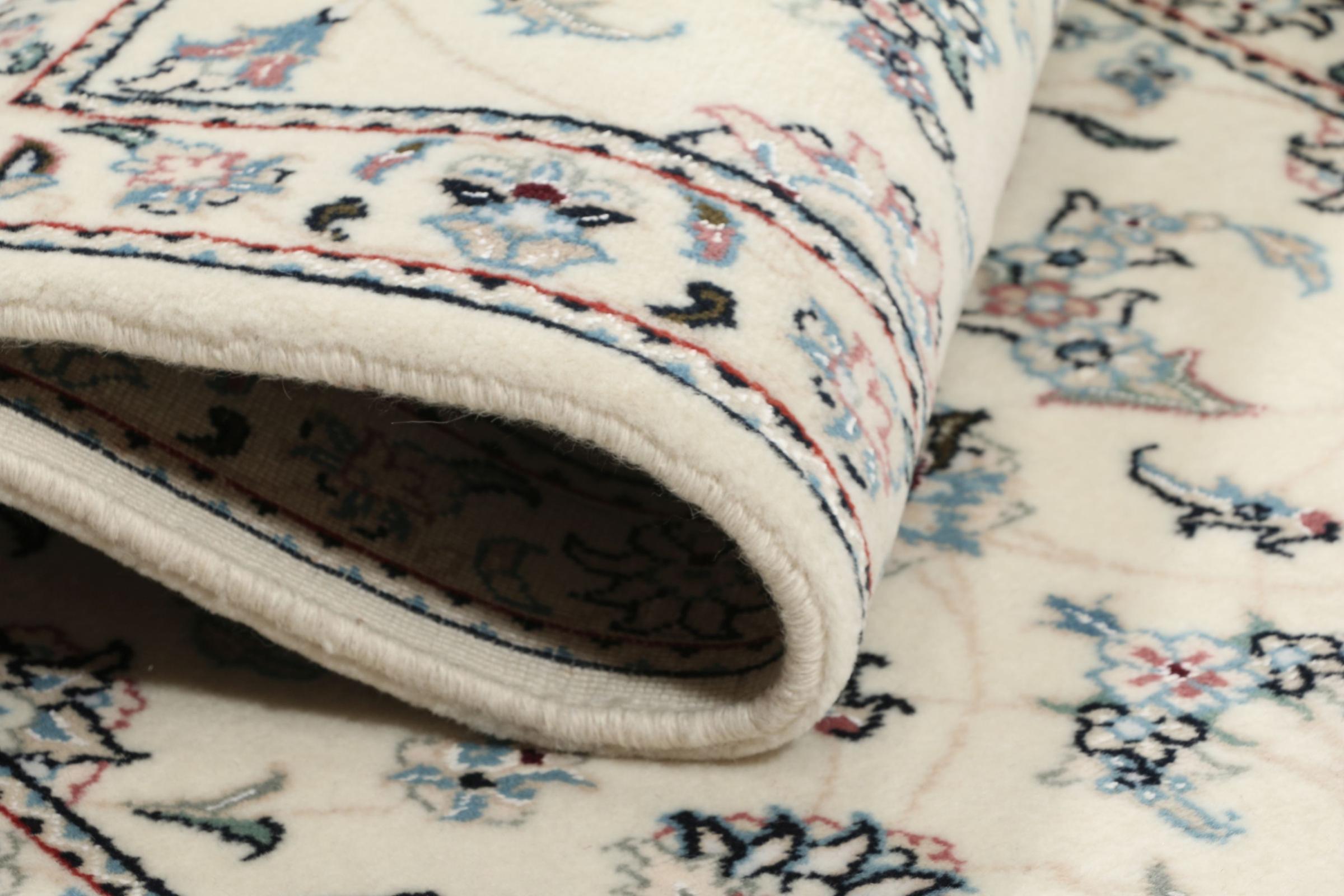
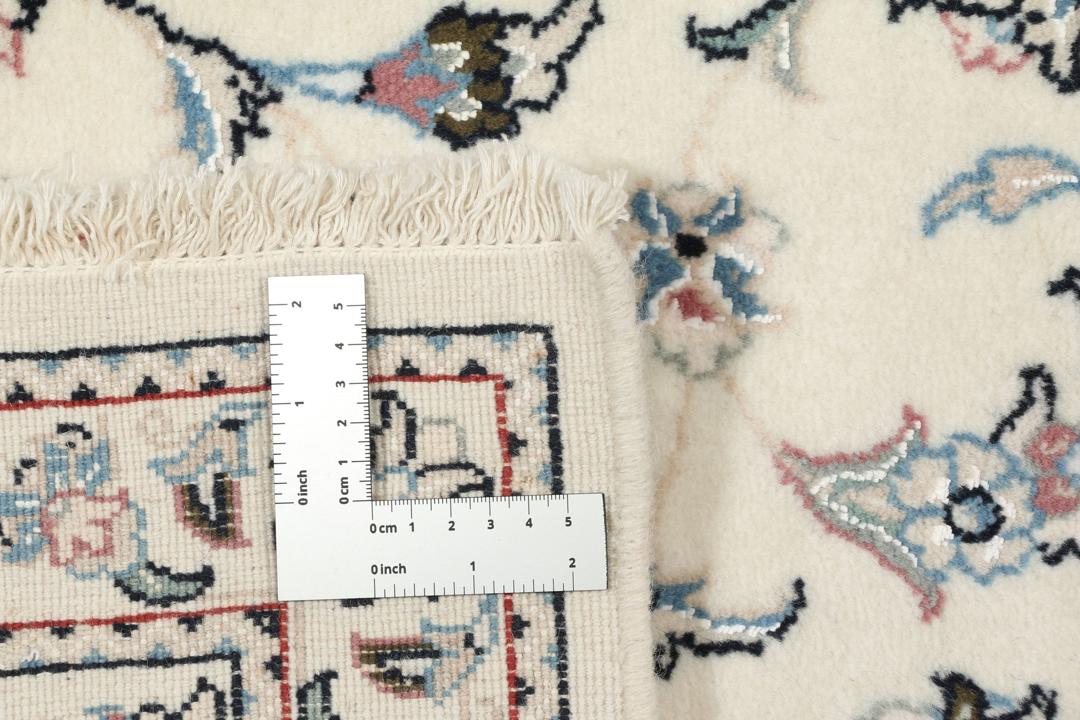
The term 9La refers to the specific thread count of the foundation, which is a crucial indicator of the rug's quality and fineness. The 'La' refers to the number of layers of thread used in the warp, and a 9La classification signifies a high level of detail and a dense, refined pile. This technical precision is what allows for the characteristic intricate floral designs and the smooth, elegant finish that collectors and enthusiasts admire.
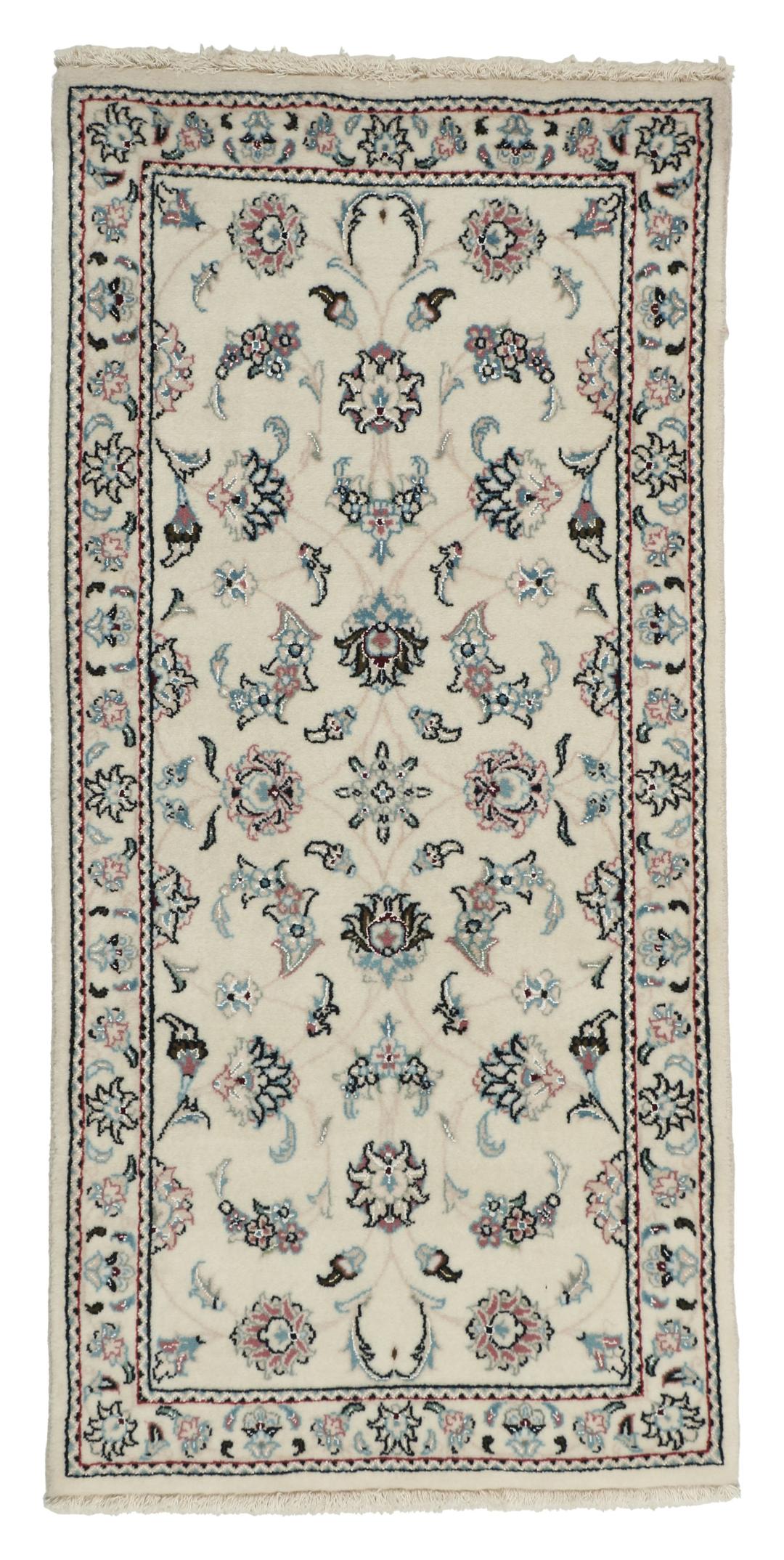
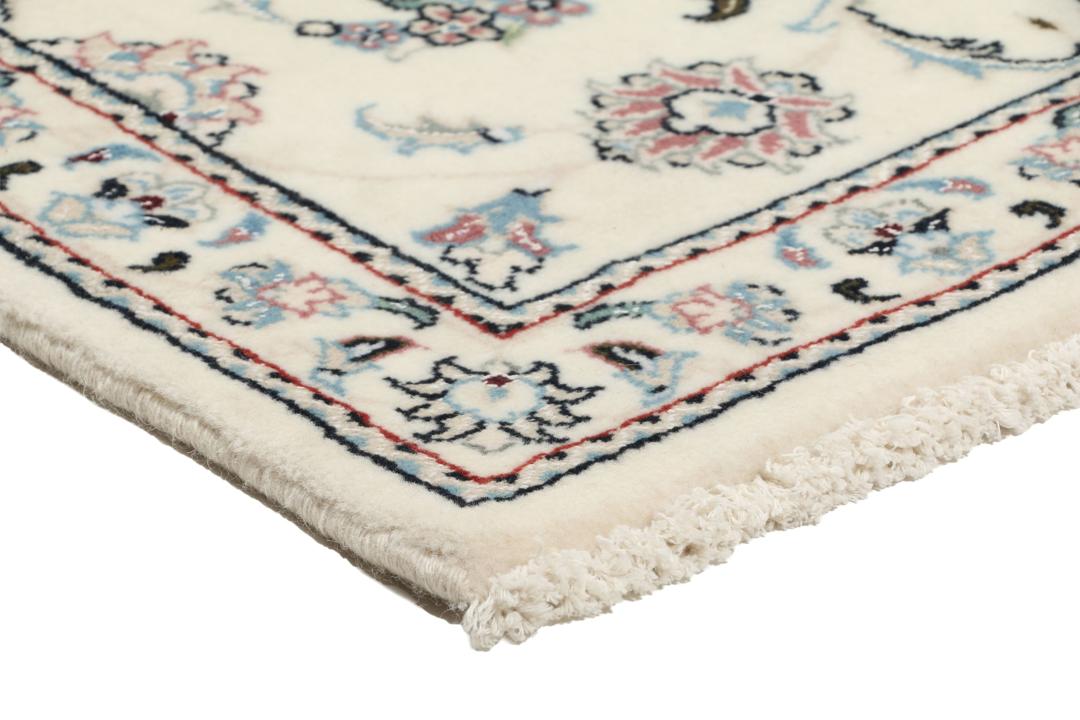
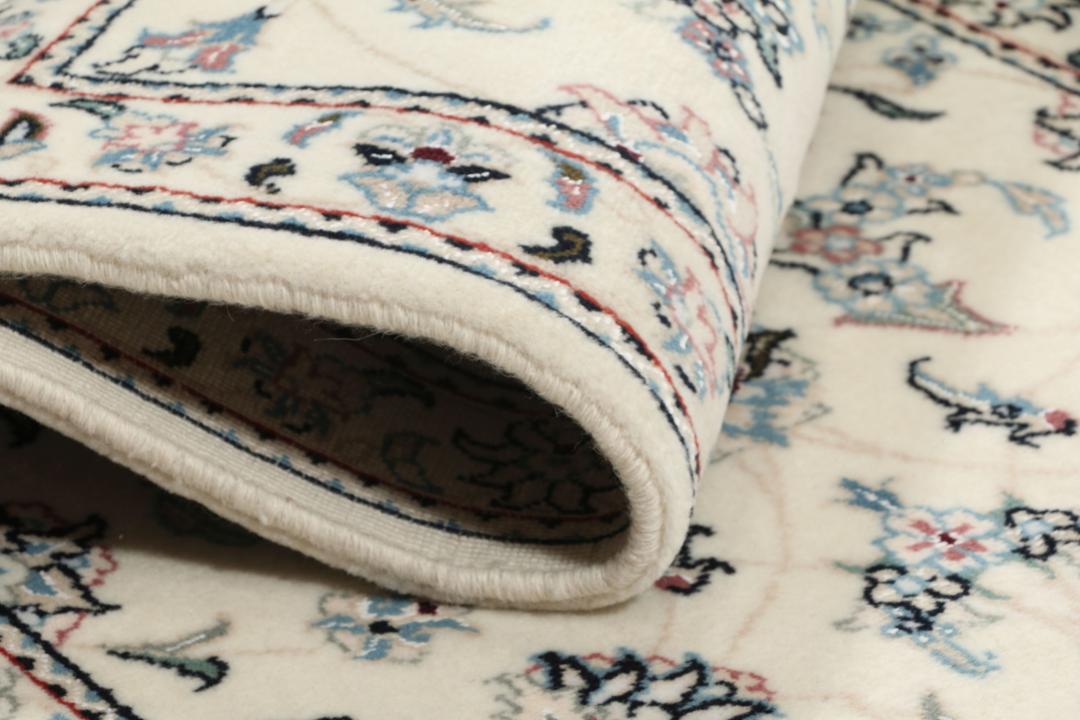
Visually, Nain rugs are defined by their sophisticated colour palettes, often featuring shades of cream, beige, navy, and soft rose. The patterns typically center around highly detailed floral motifs, arabesques, and central medallions that are influenced by classical garden designs. These elements are arranged with a sense of harmony and balance, creating a flowing composition that draws the eye across the entire field.
Owning a Nain rug is considered an investment in cultural heritage and refined skill. These pieces are highly valued by collectors for their consistency in quality and their enduring aesthetic appeal. They represent a bridge between historical weaving traditions and a modern desire for beauty in the home, serving as a reminder of the patience and dedication required to create objects of lasting worth.