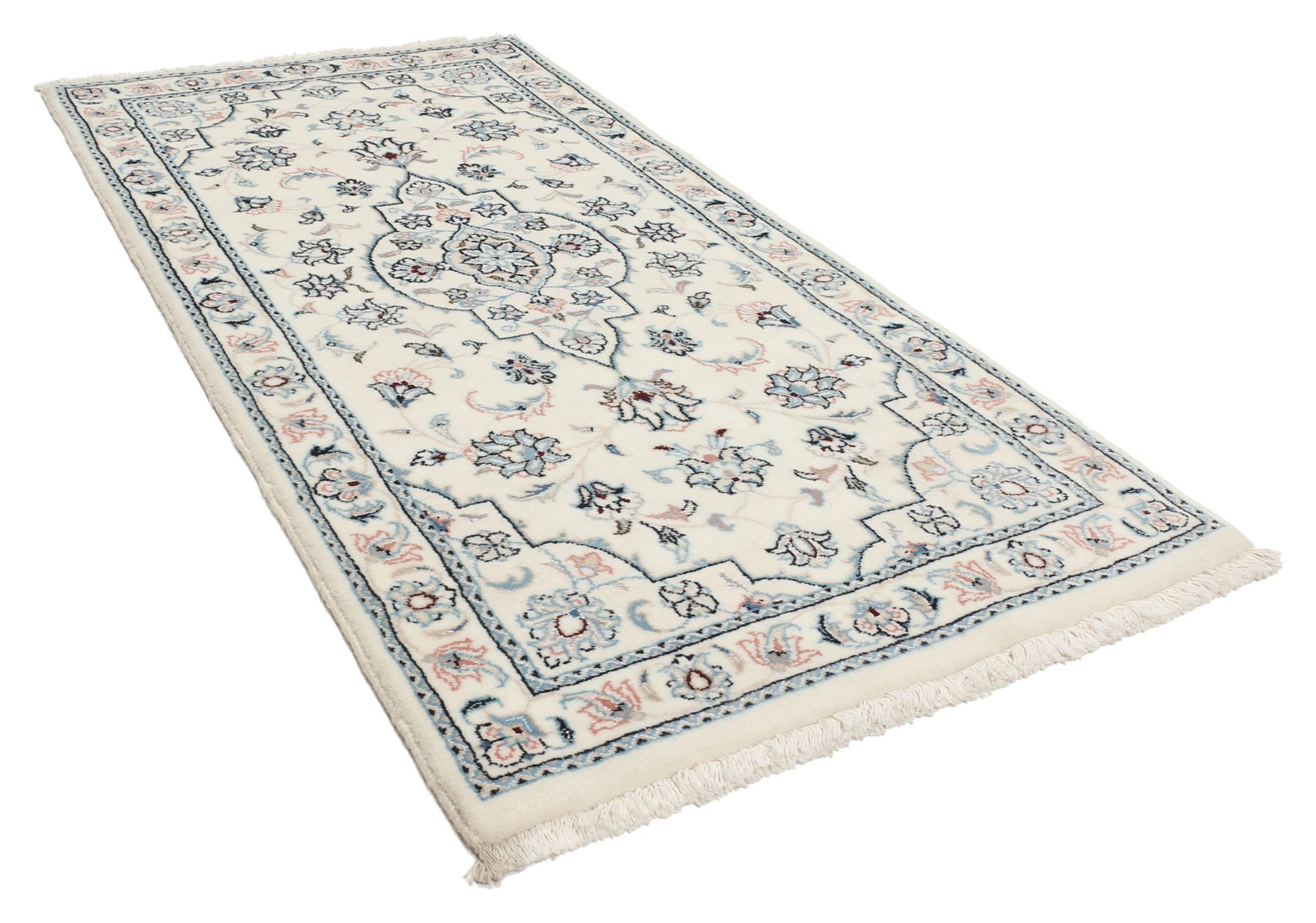
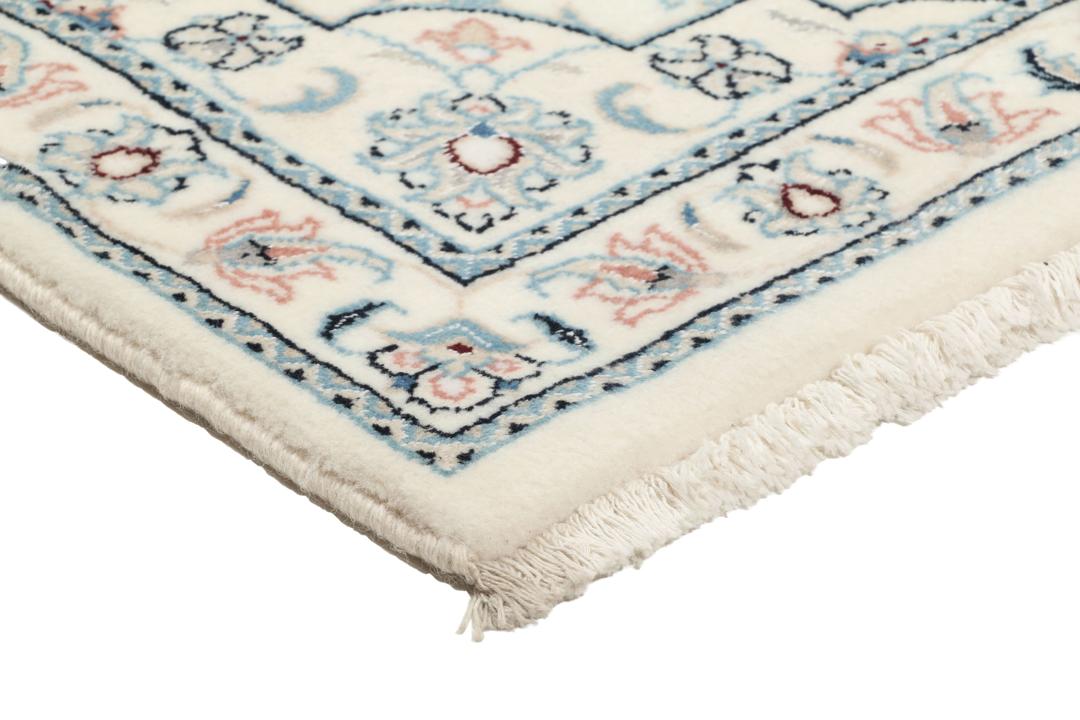
The Nain rug tradition originates from the desert city of Nain in the Middle East, a town that transitioned from a history of fine textile and garment weaving to become one of the most prestigious names in rug making during the early 20th century. By incorporating the refined techniques used in traditional shawl weaving, Nain artisans developed a unique style characterised by extreme precision and a sophisticated, light-toned aesthetic.
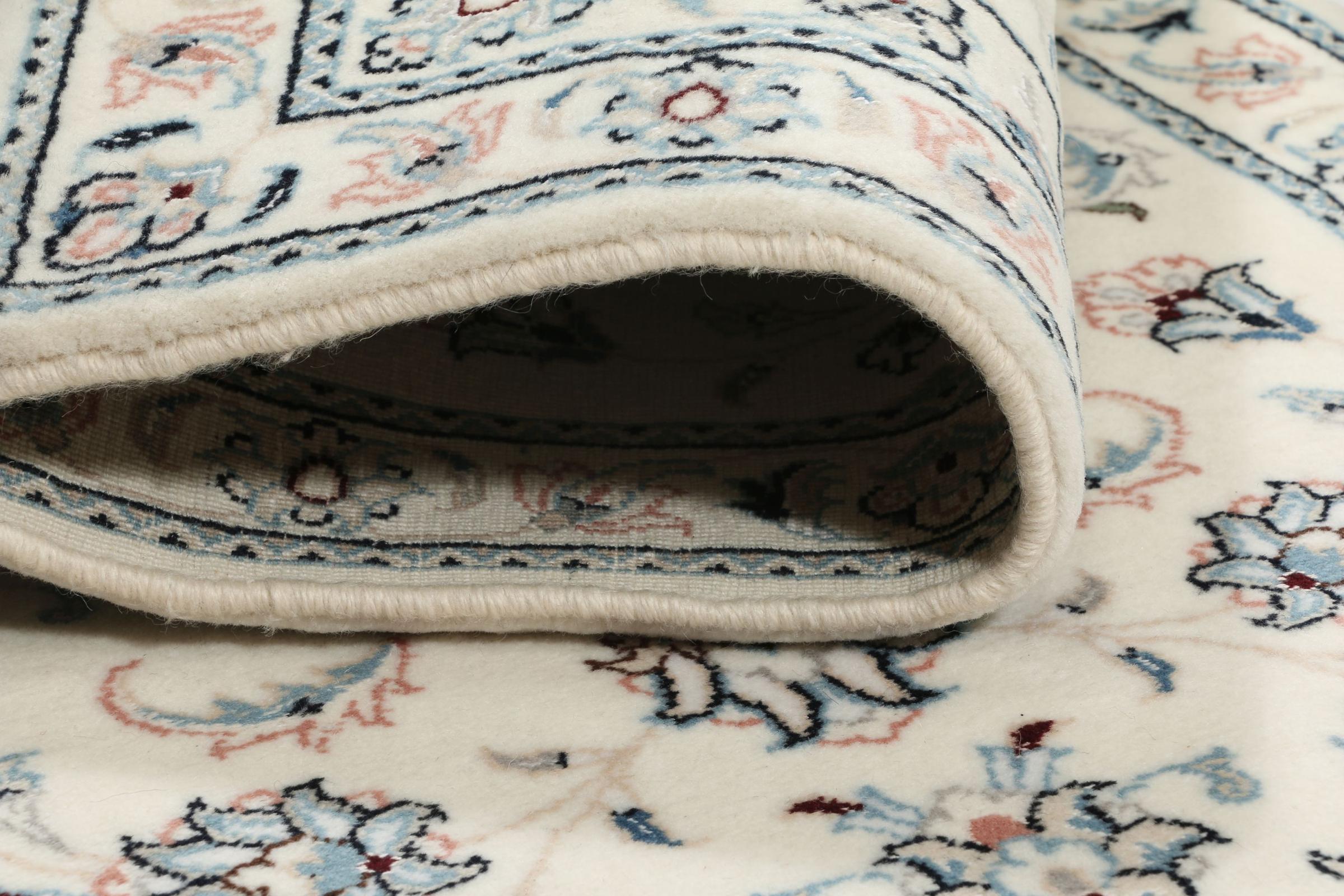
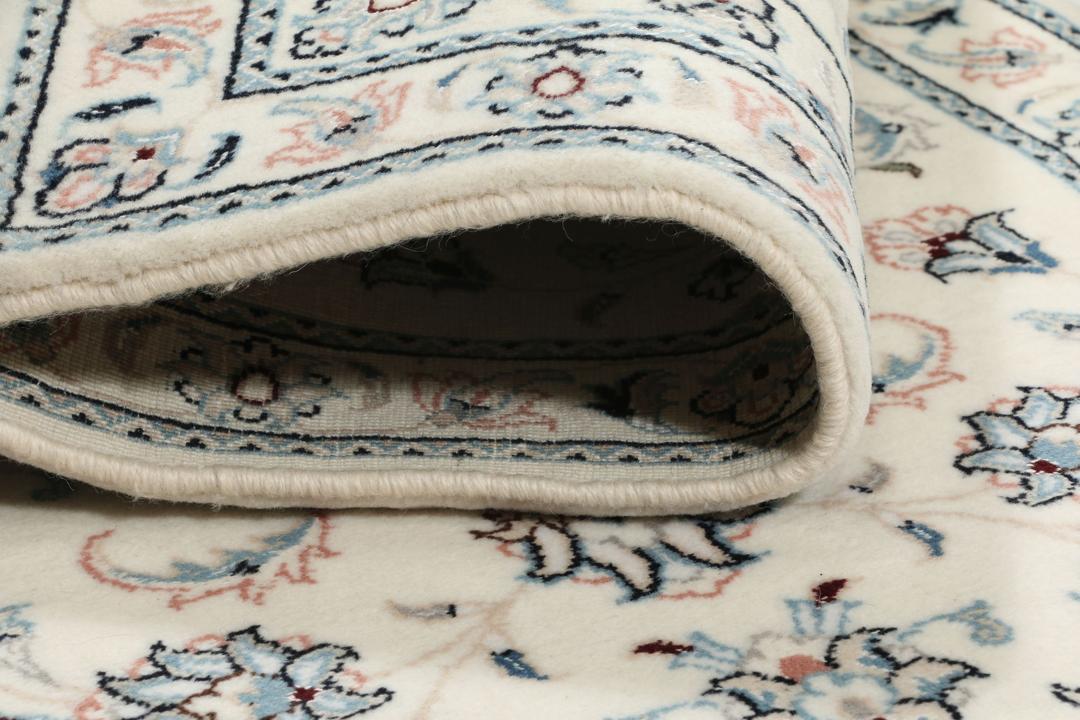
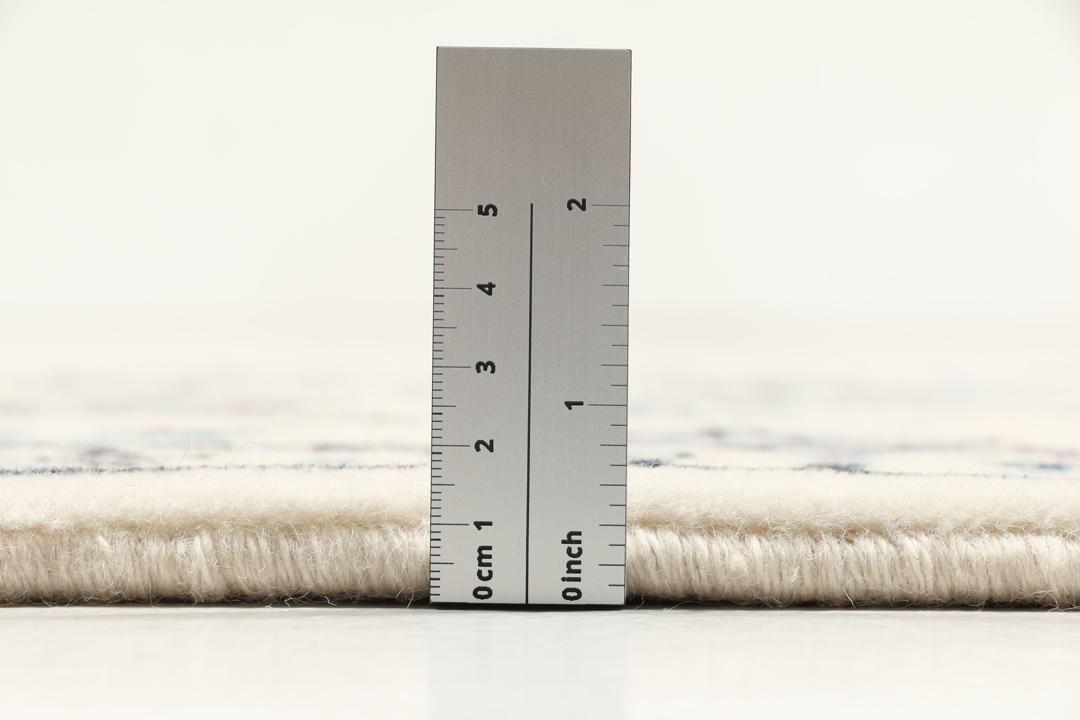
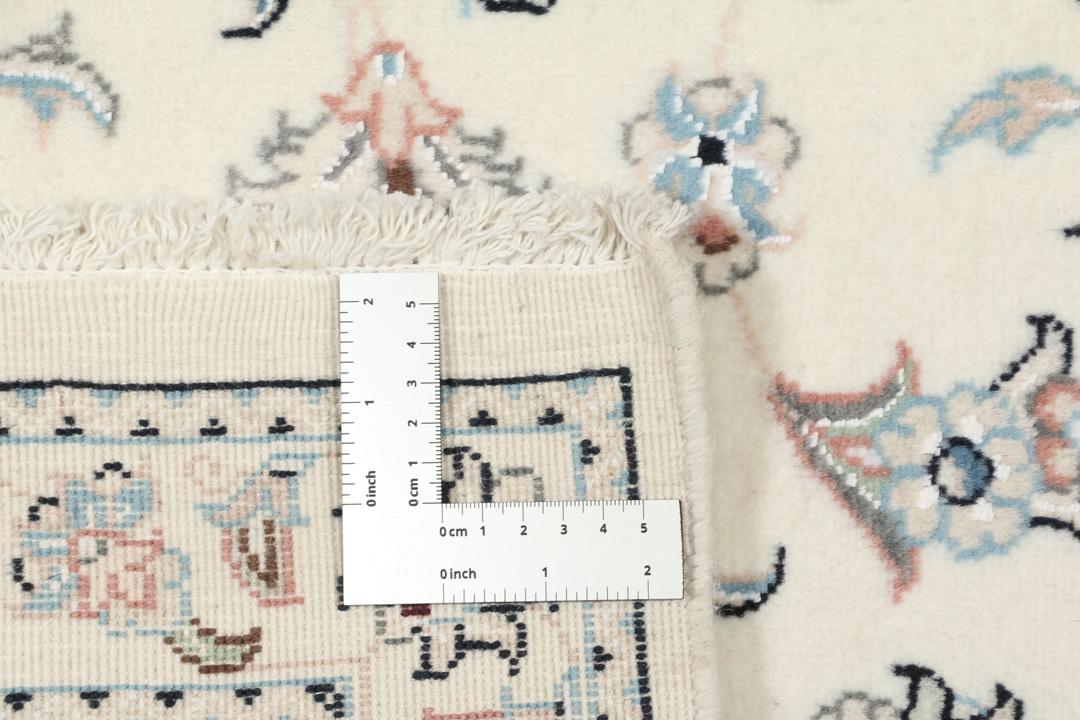
The designation 9La refers to the number of threads used in the fringe, or the 'la' system, which serves as a standard for measuring the fineness of the construction. A 9La rug indicates a specific level of density, where the balance between the pile and the warp creates a sturdy yet elegant profile. This technical classification is a hallmark of quality, ensuring that the rug is both a visual masterpiece and a durable heirloom.
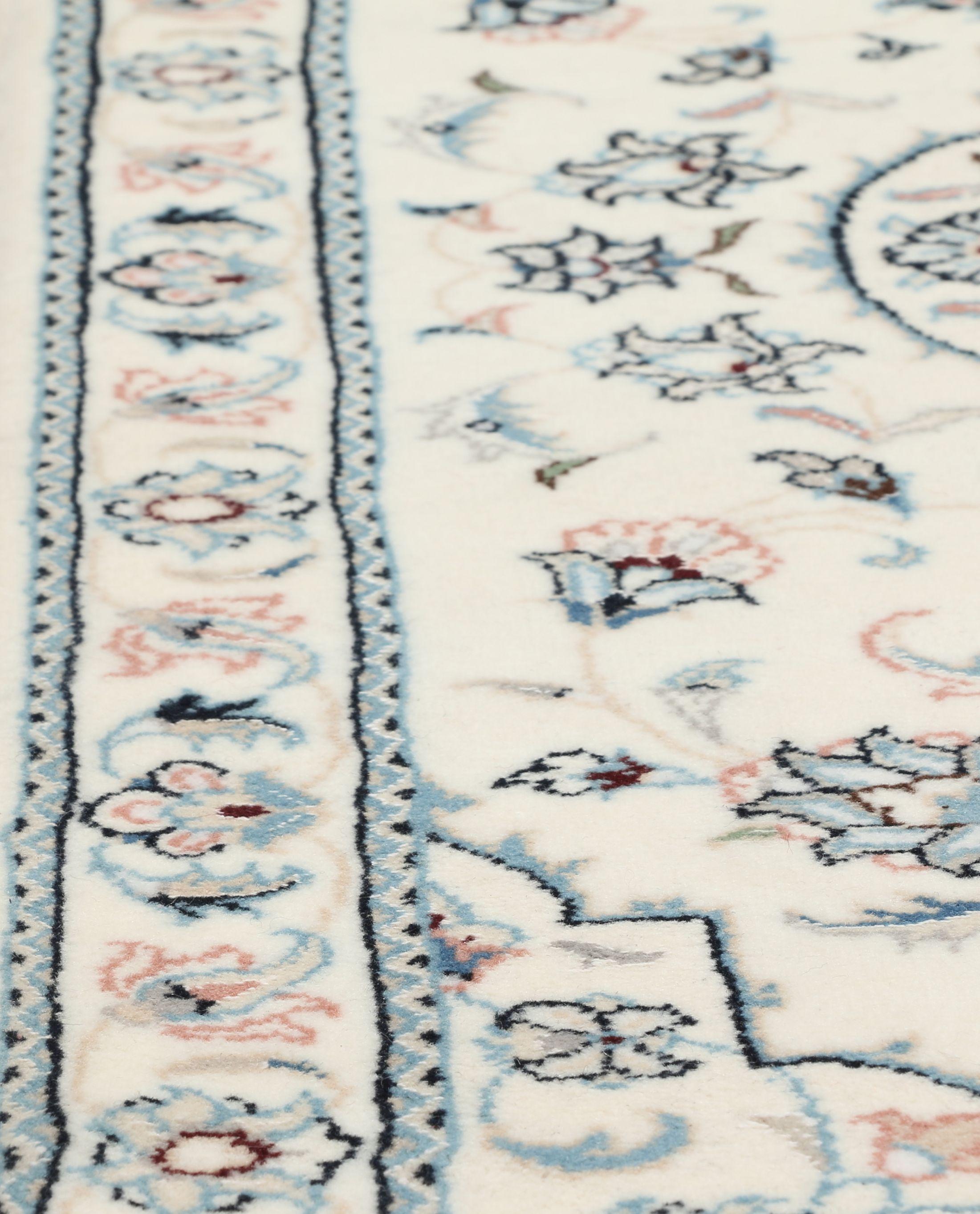
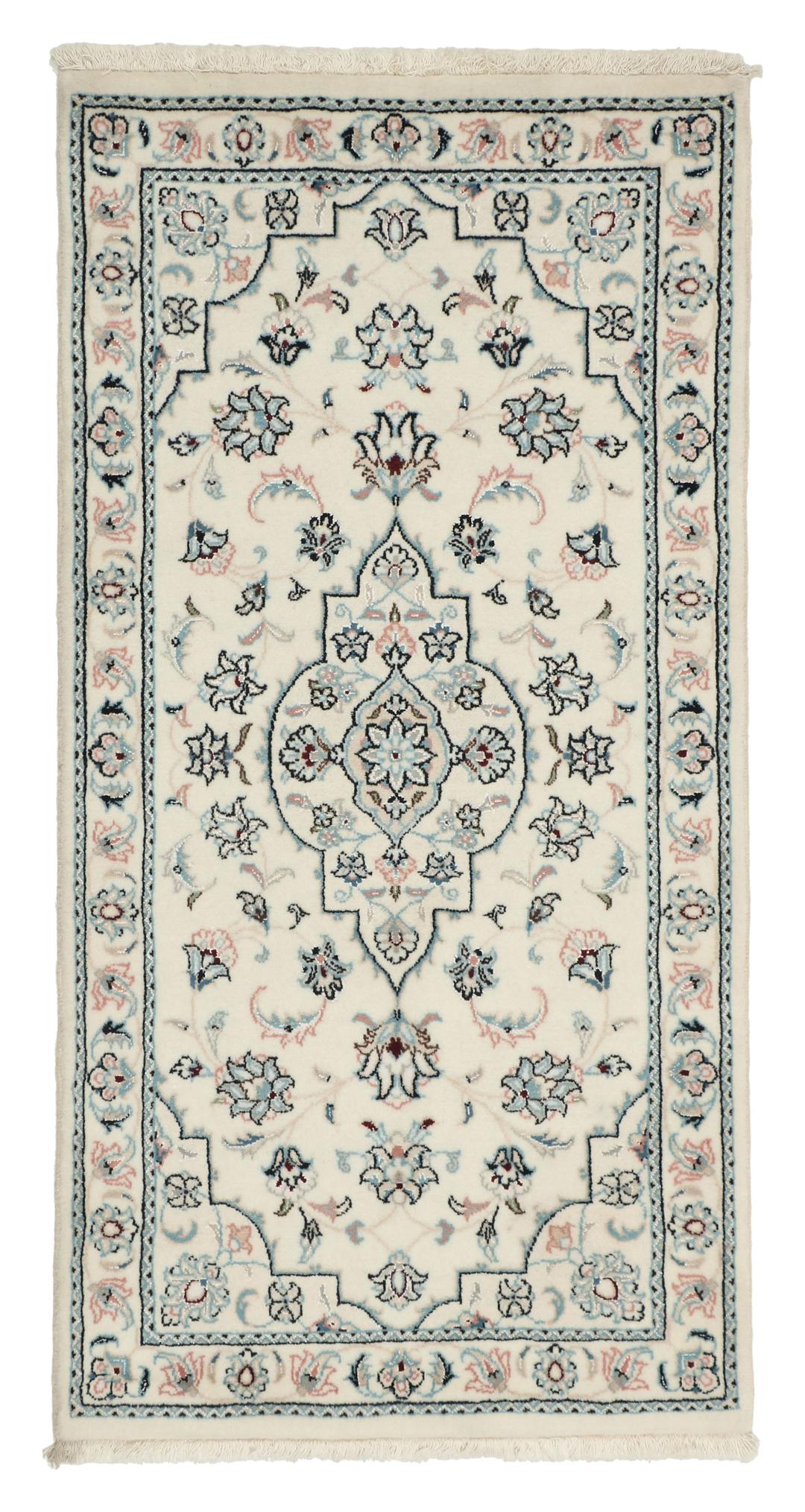
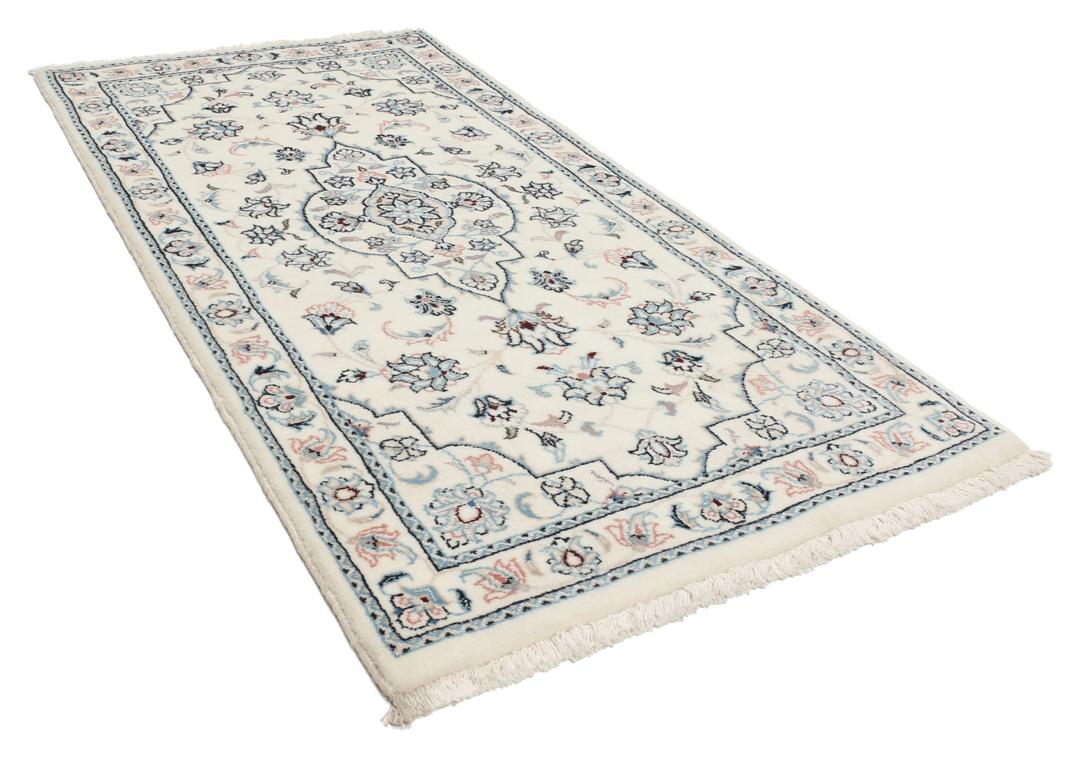
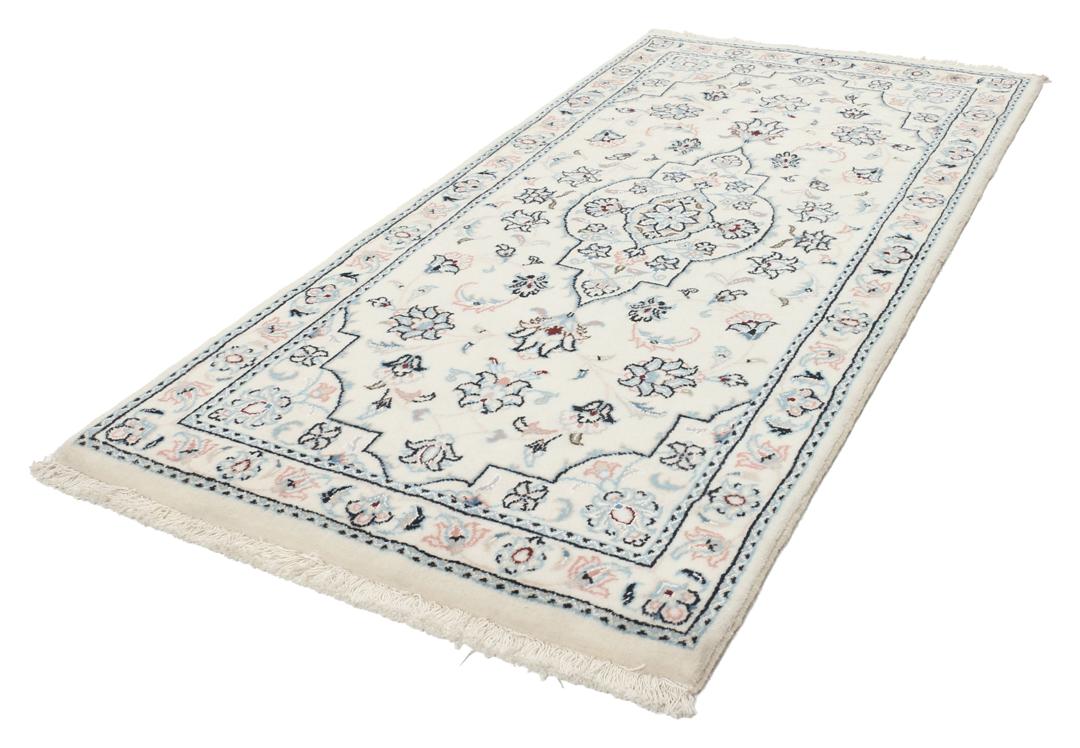
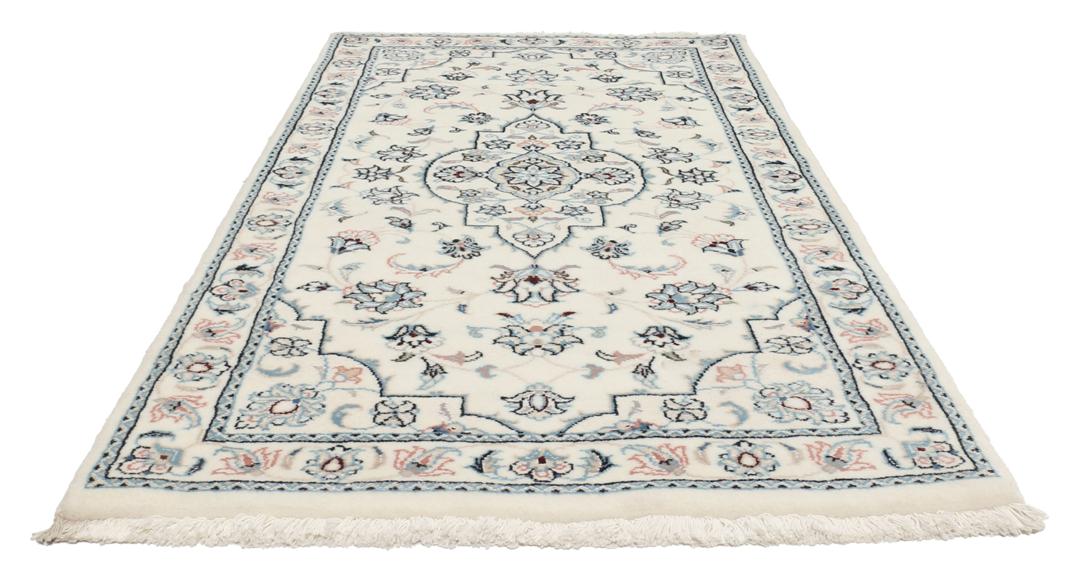
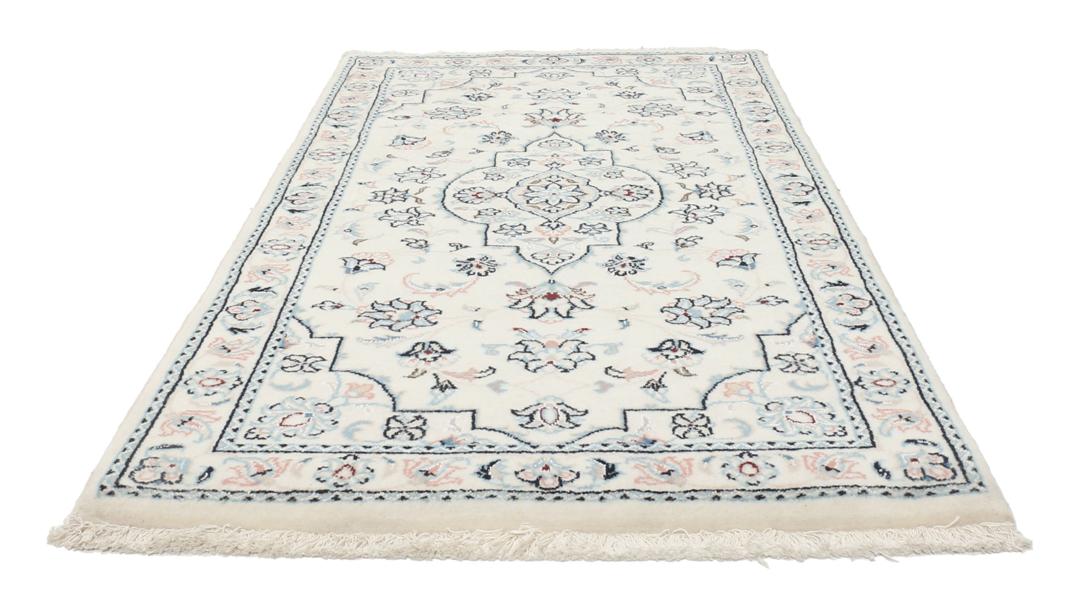
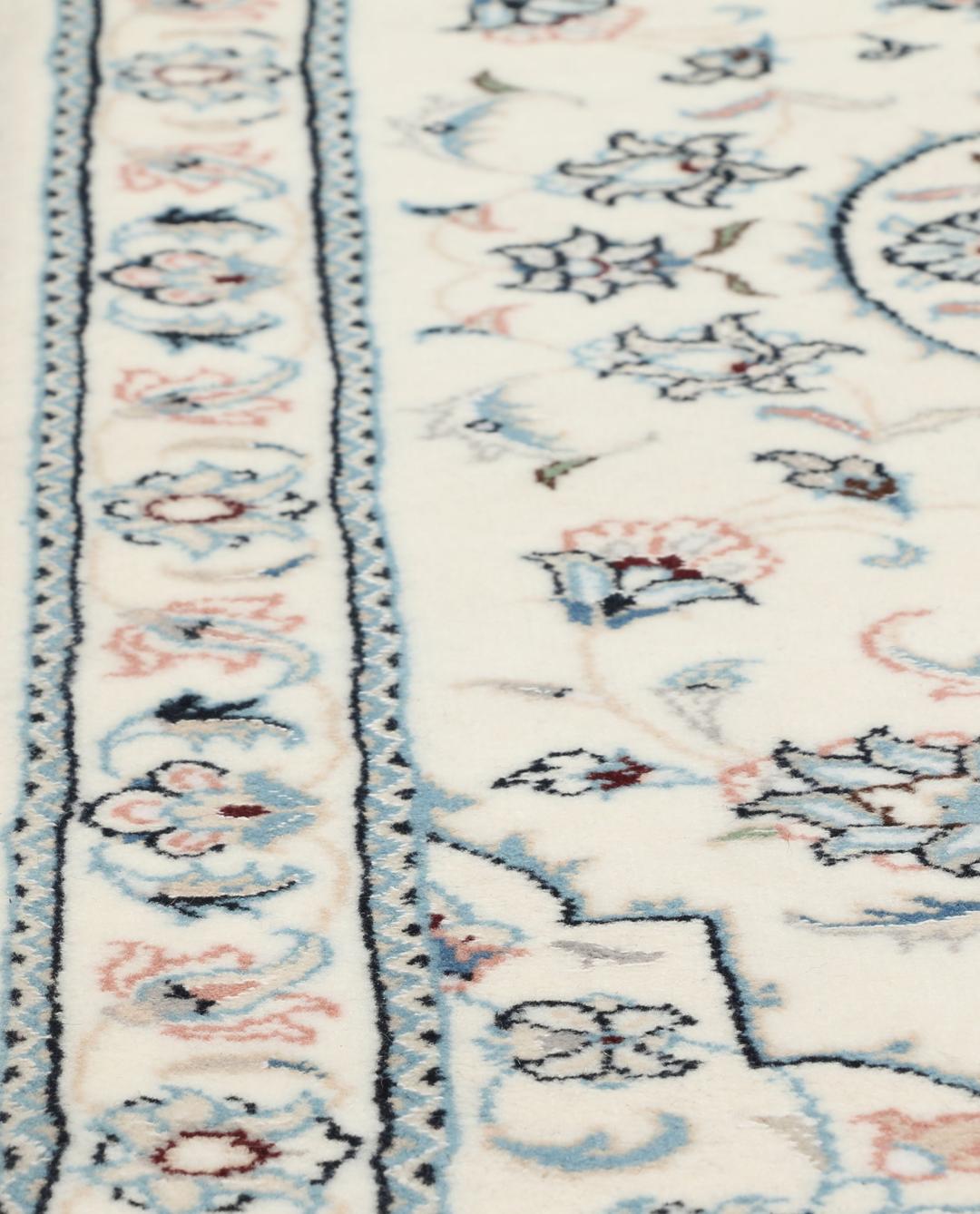
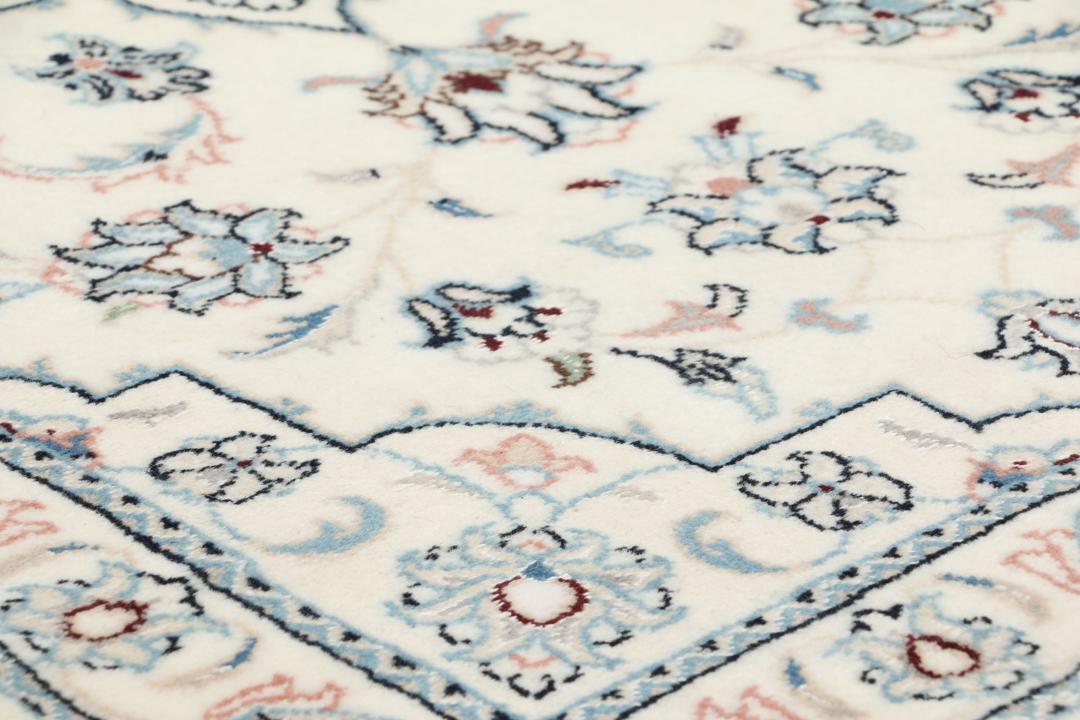
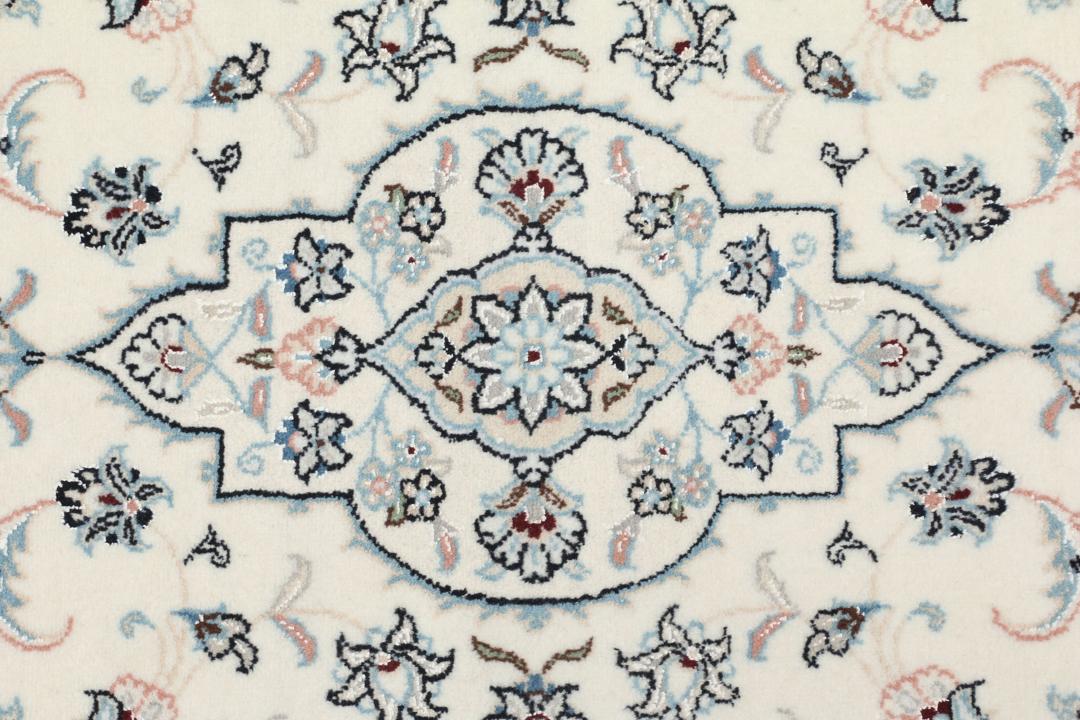
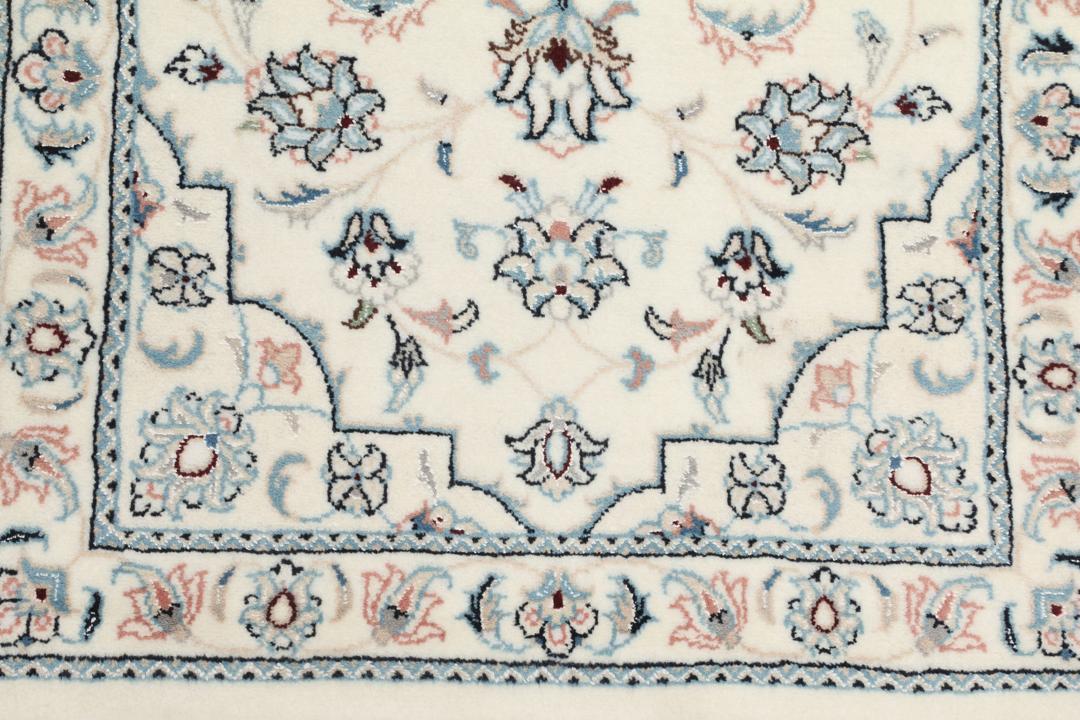
Visually, these rugs are celebrated for their balanced, curvilinear designs. They often feature a central medallion surrounded by dense floral patterns, vines, and arabesques, all contained within wide, detailed borders. The colour palettes are typically restrained, favouring shades of cream, beige, and soft blues, which allow the intricate motifs to take centre stage without overwhelming the room.
Collecting a Nain rug is an investment in a storied craft tradition that values patience and technical perfection. These pieces are highly sought after for their ability to blend seamlessly into both traditional and contemporary homes, acting as a bridge between historical artistry and modern living. Owning one is a mark of appreciation for the extraordinary skill required to produce such a refined, long-lasting textile.