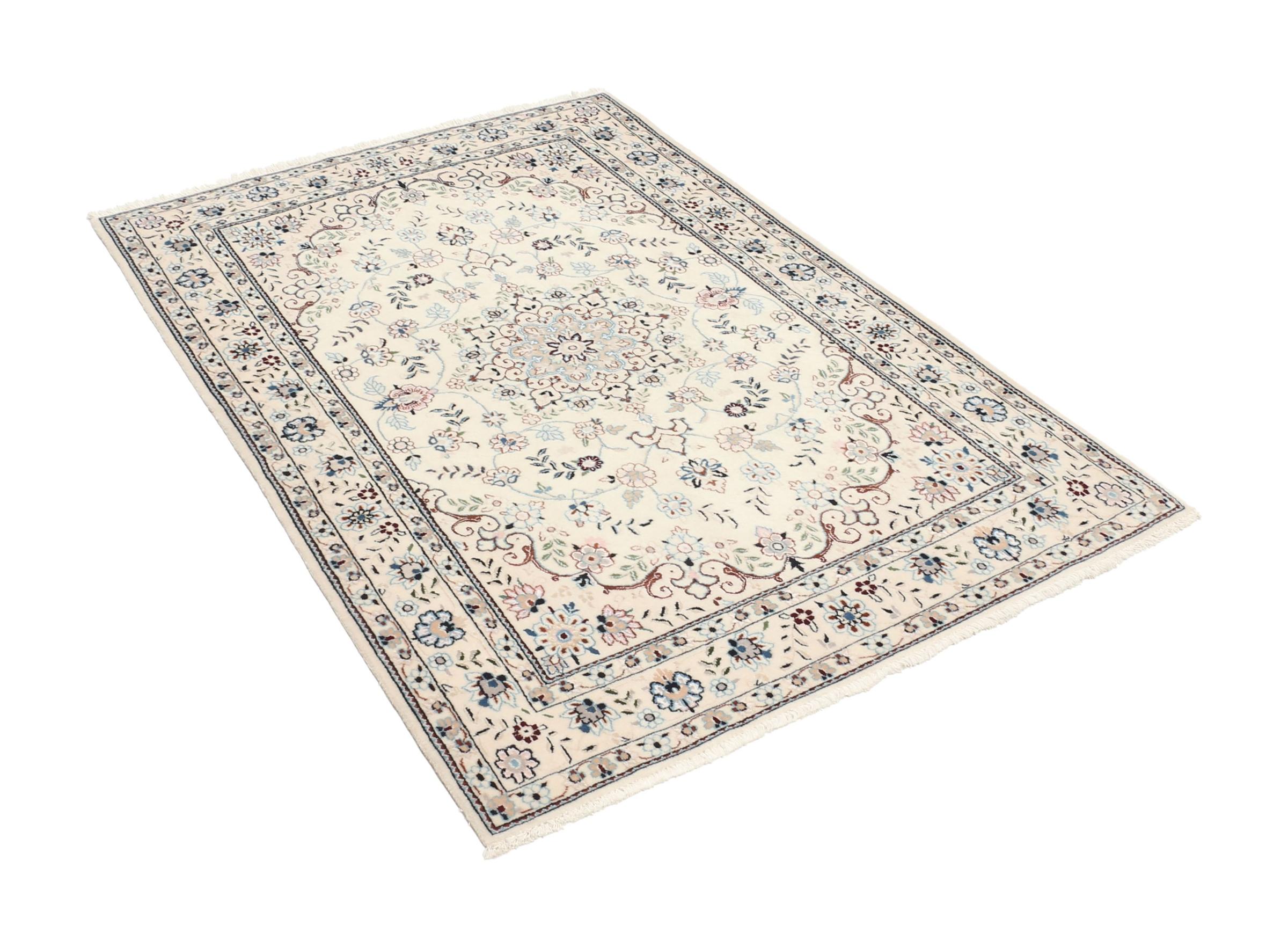
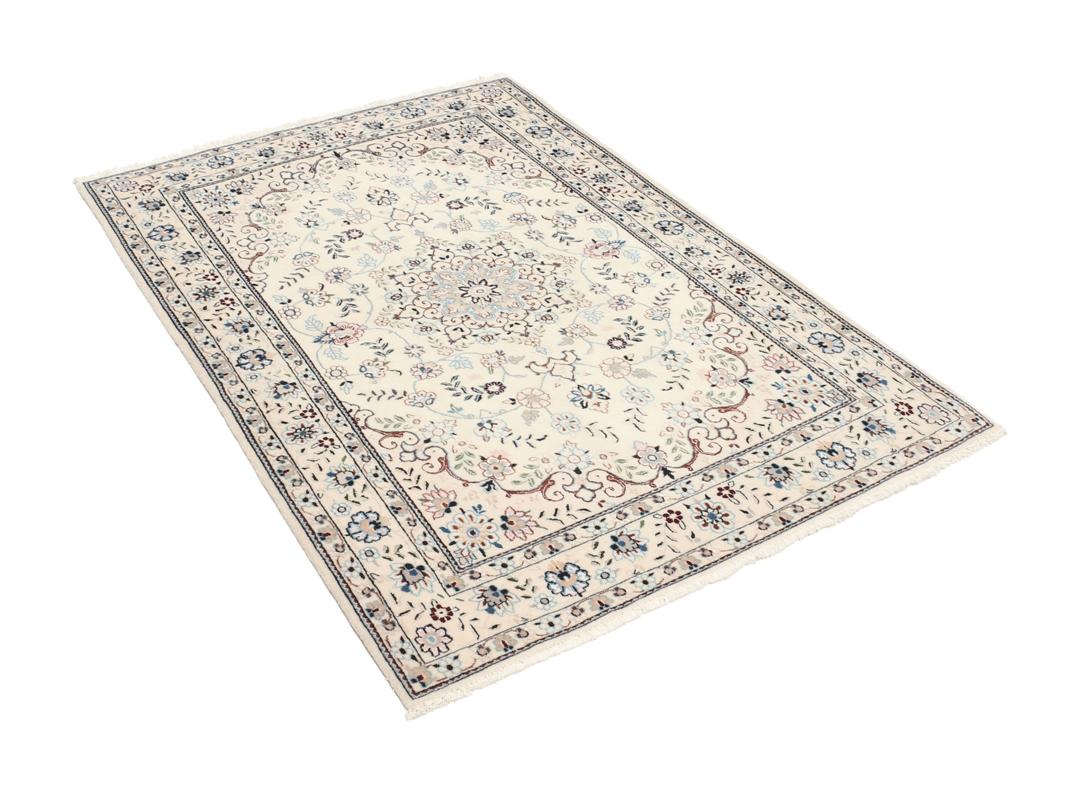
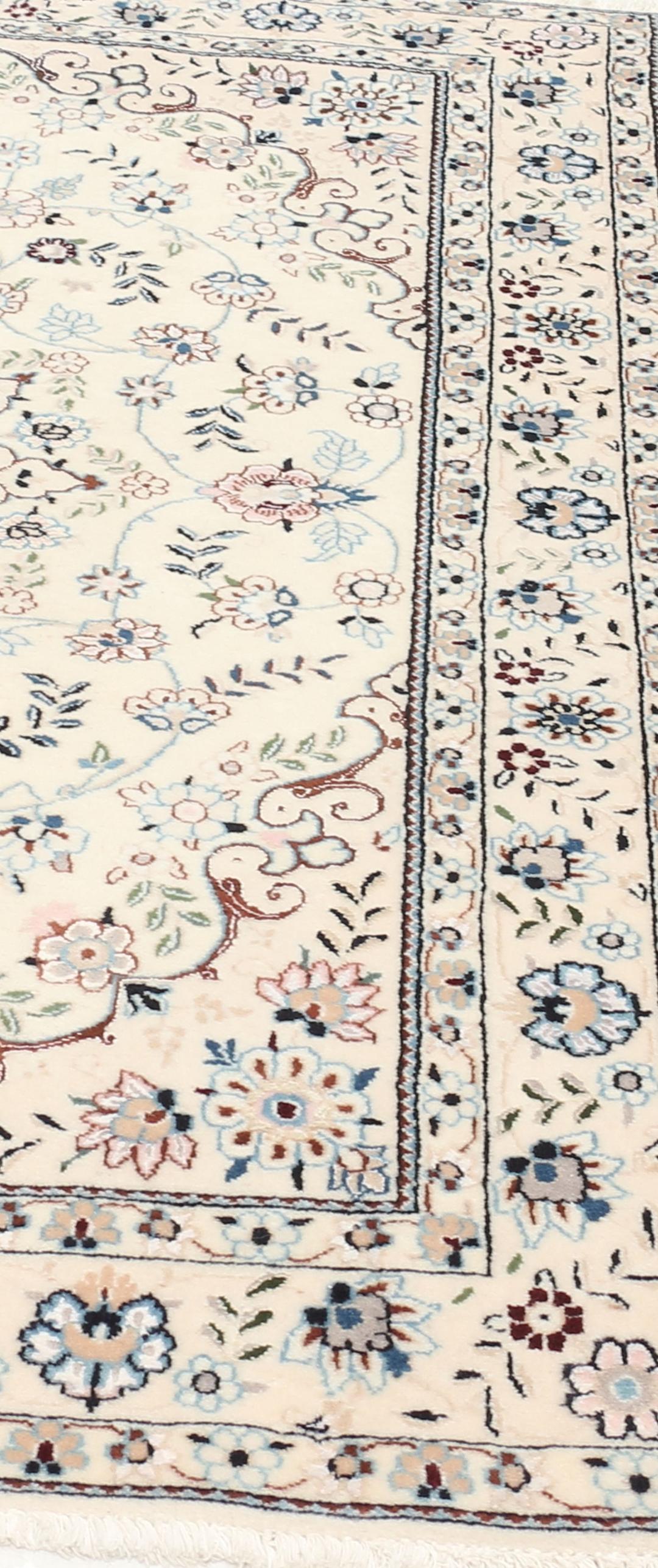
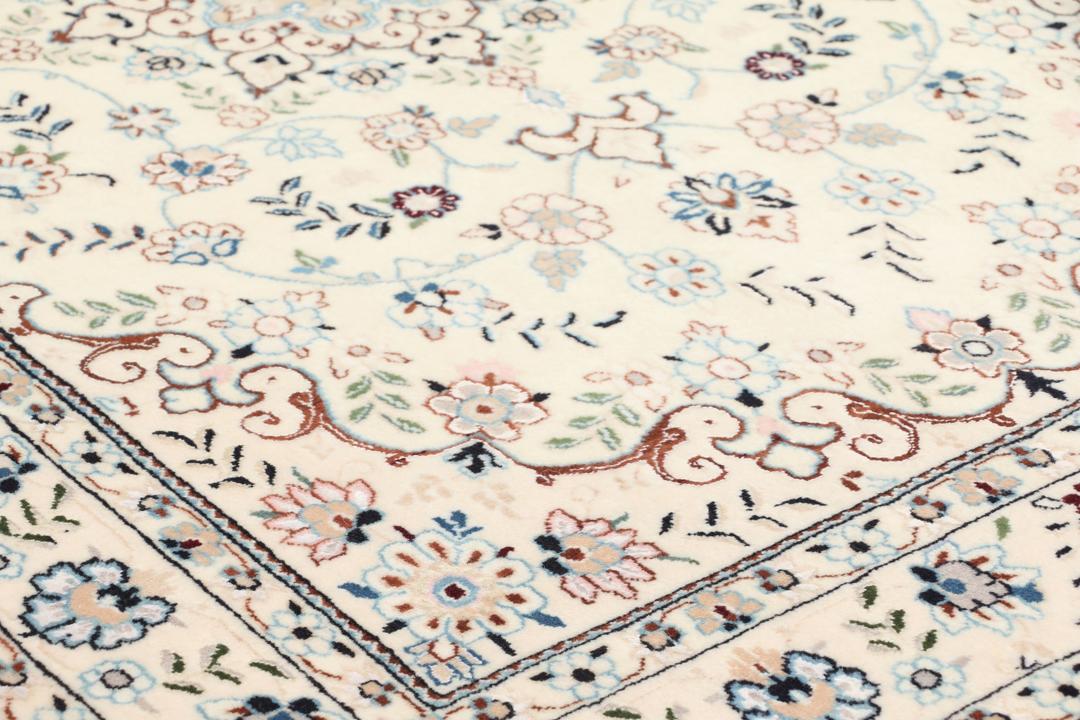
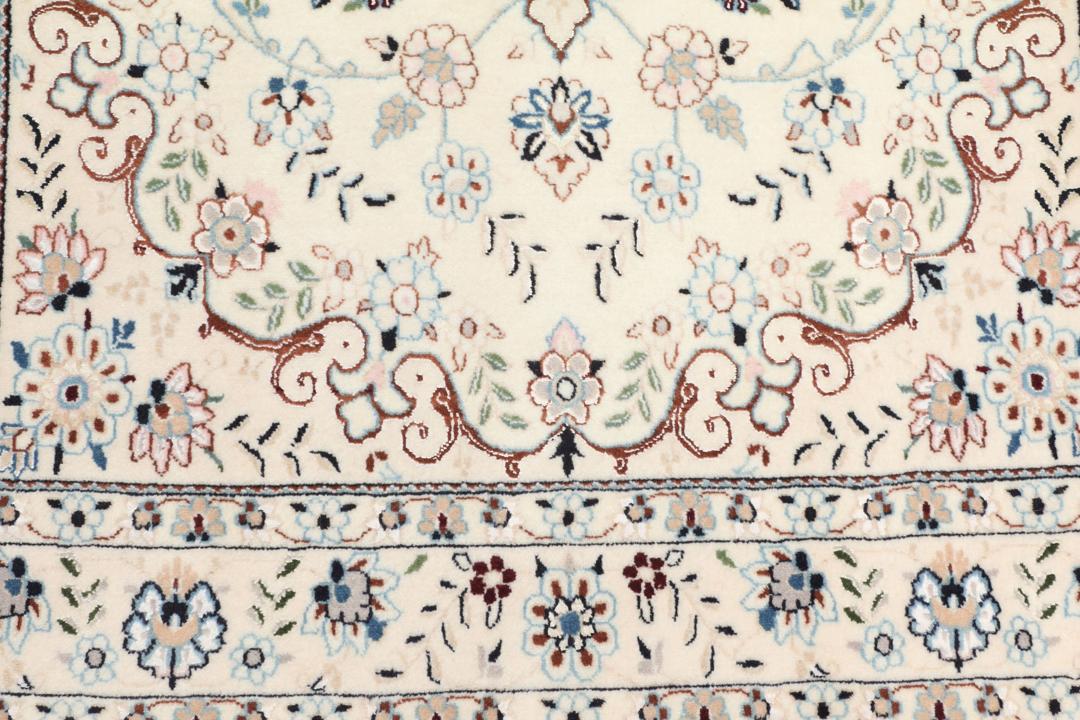
Nain rugs originate from the city of Nain, located in the heart of the Middle East. Originally known for producing high-quality wool textiles and religious garments, the city transitioned into rug weaving in the early 20th century. Over time, Nain developed a distinct identity, moving away from traditional styles to create its own signature look characterised by soft, elegant colour palettes and incredibly fine, intricate floral designs that have become world-renowned.
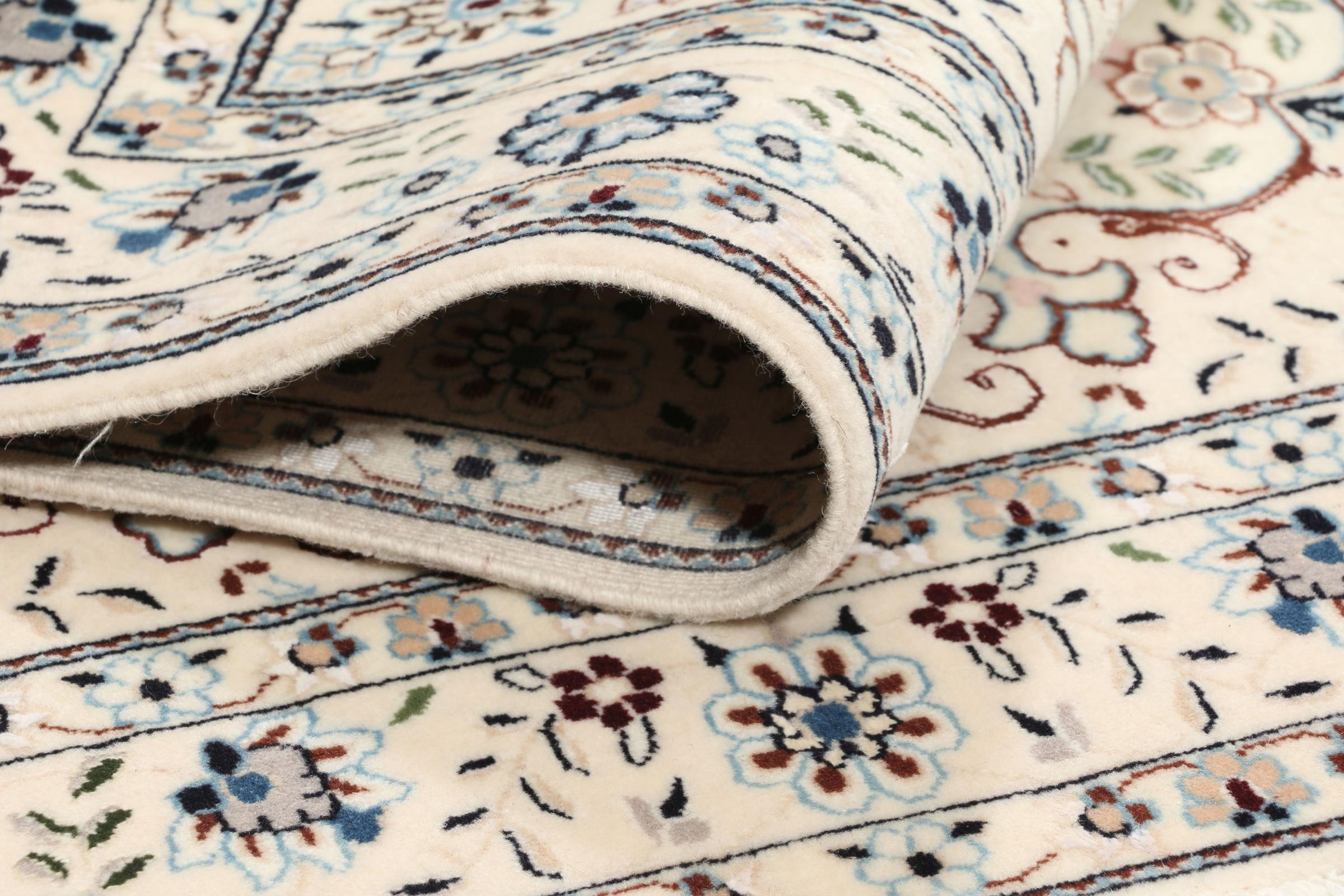
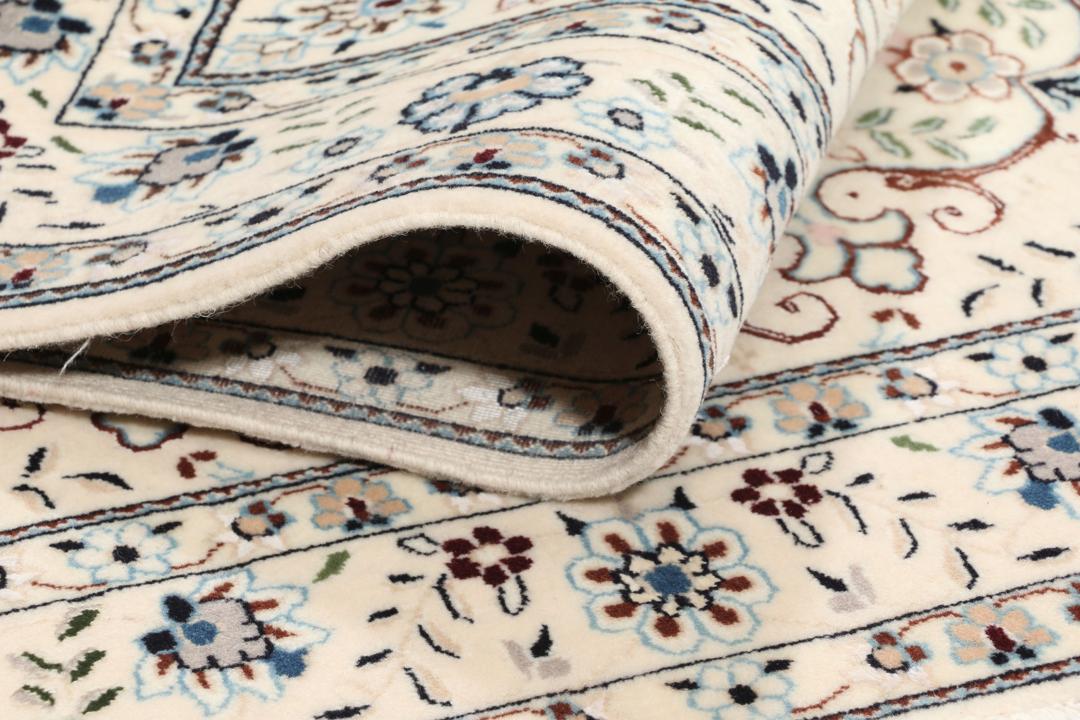
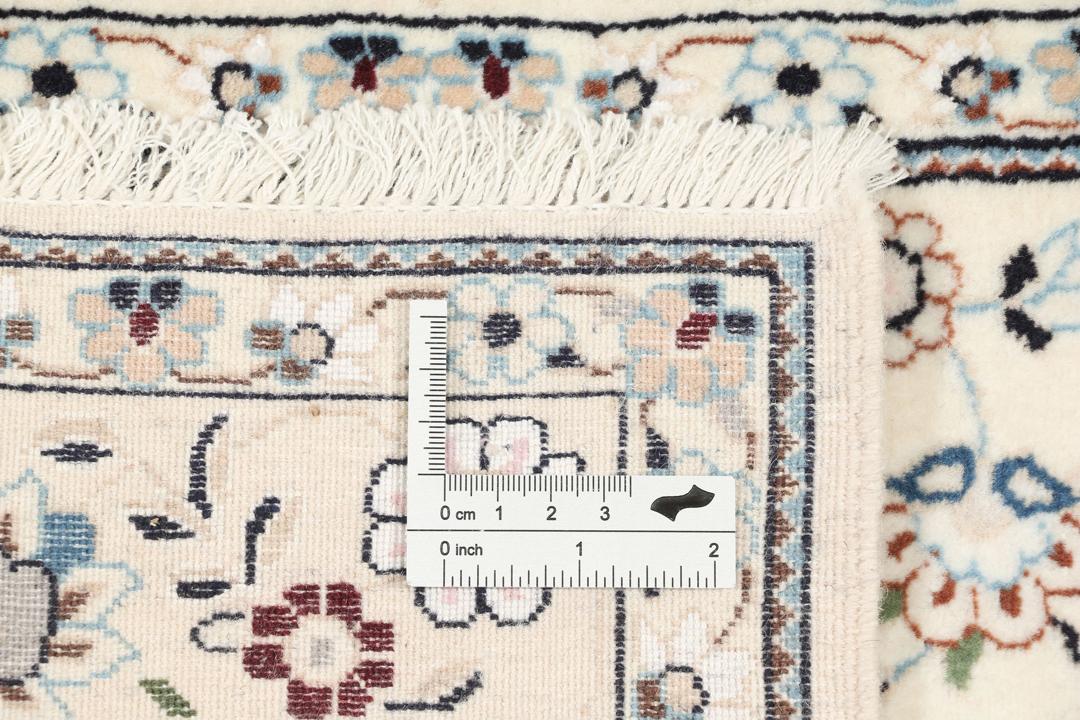
The term '6La' refers to the specific construction quality of the rug, derived from the Middle Eastern word 'la', which means layer. It refers to the number of strands of yarn used in the warp threads. A 6La classification indicates an exceptionally fine weave, where each strand of the foundation is composed of three two-ply threads. This technical specification is a hallmark of quality, ensuring a thinner, more flexible, and highly detailed rug compared to coarser varieties.
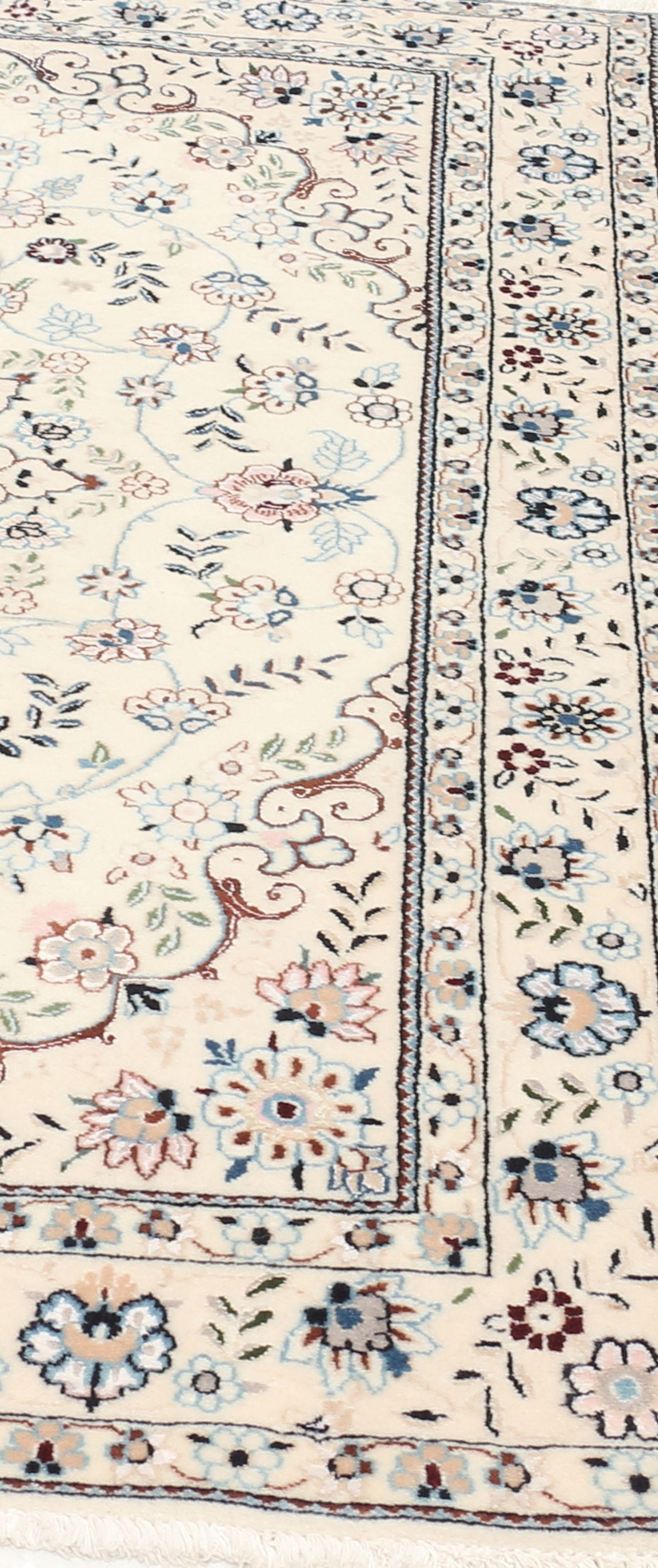
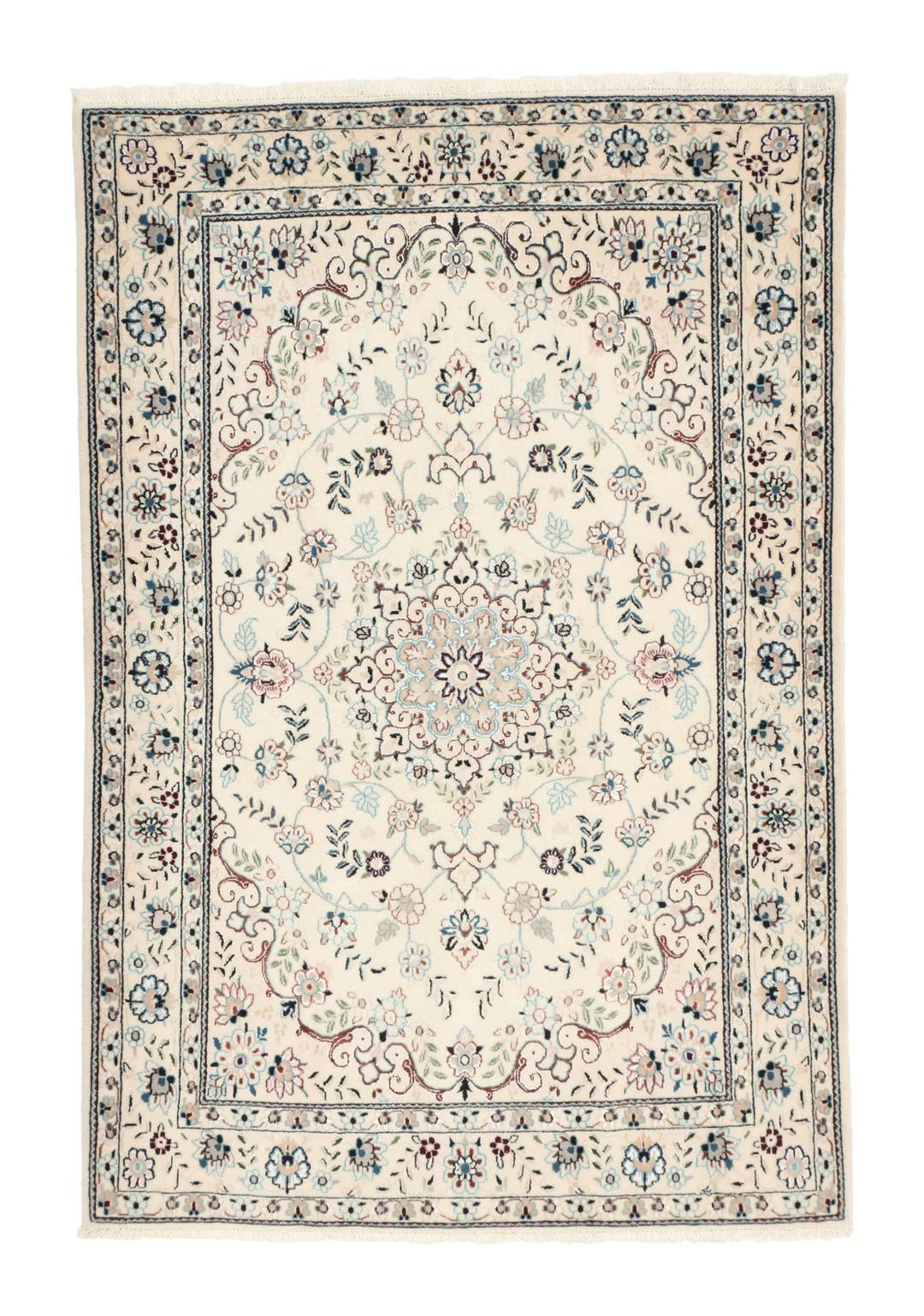
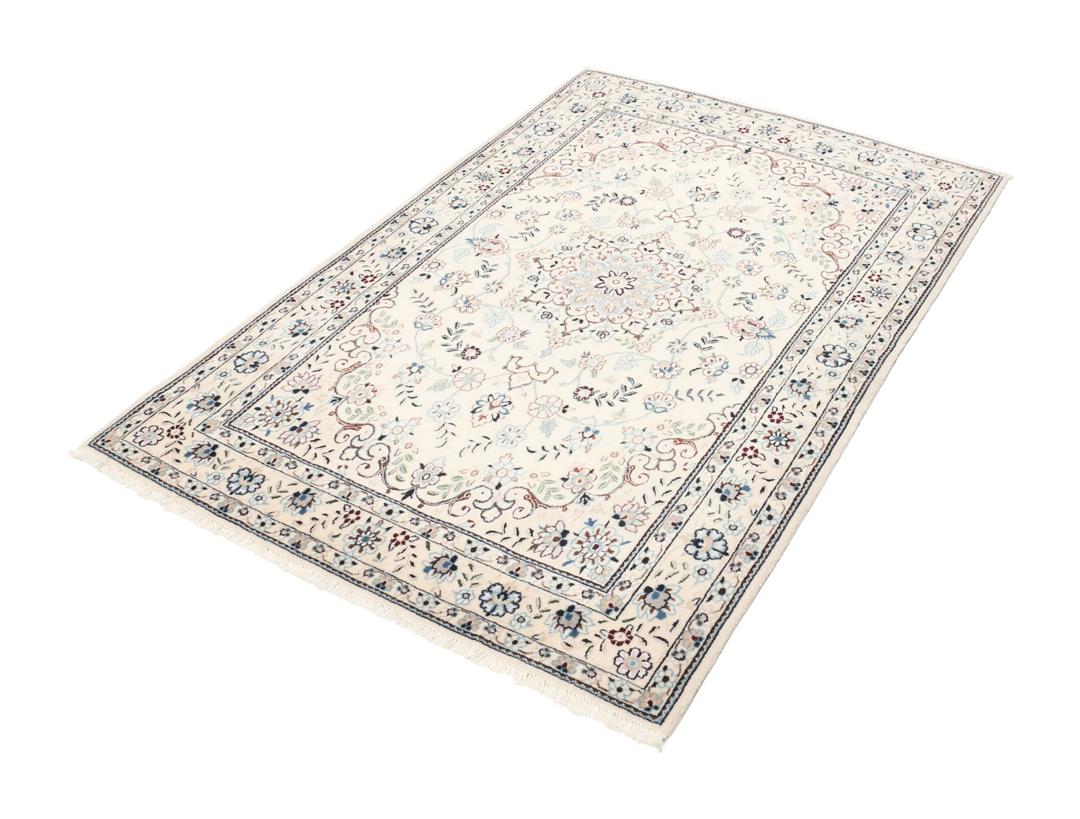
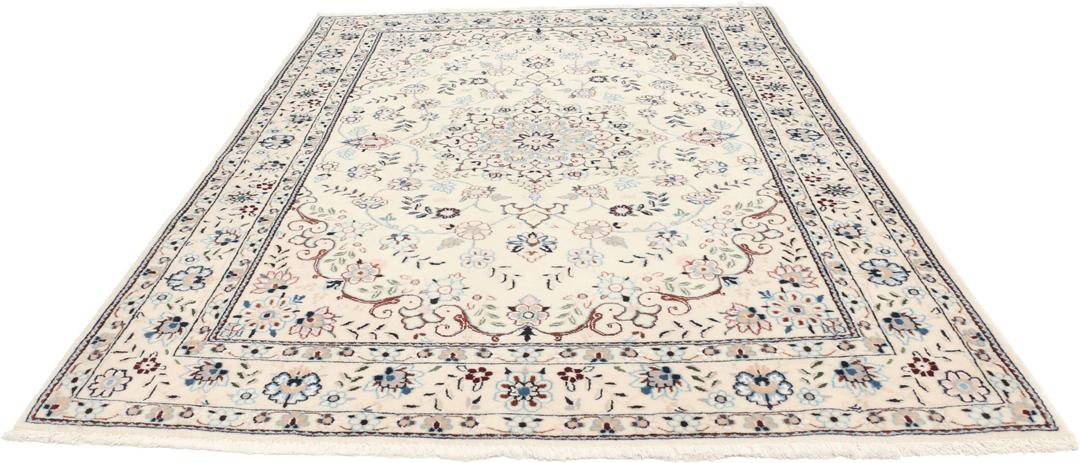
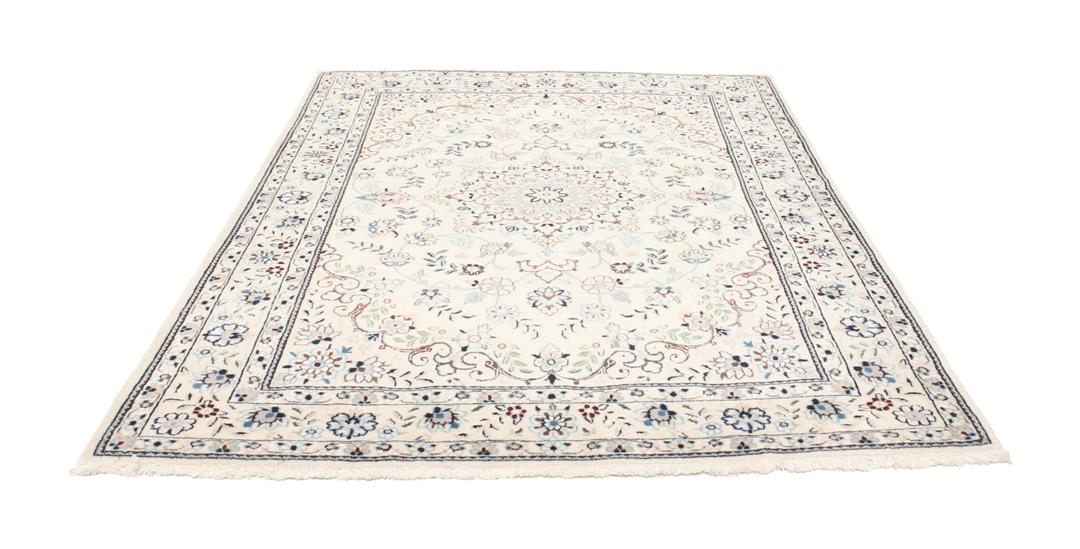
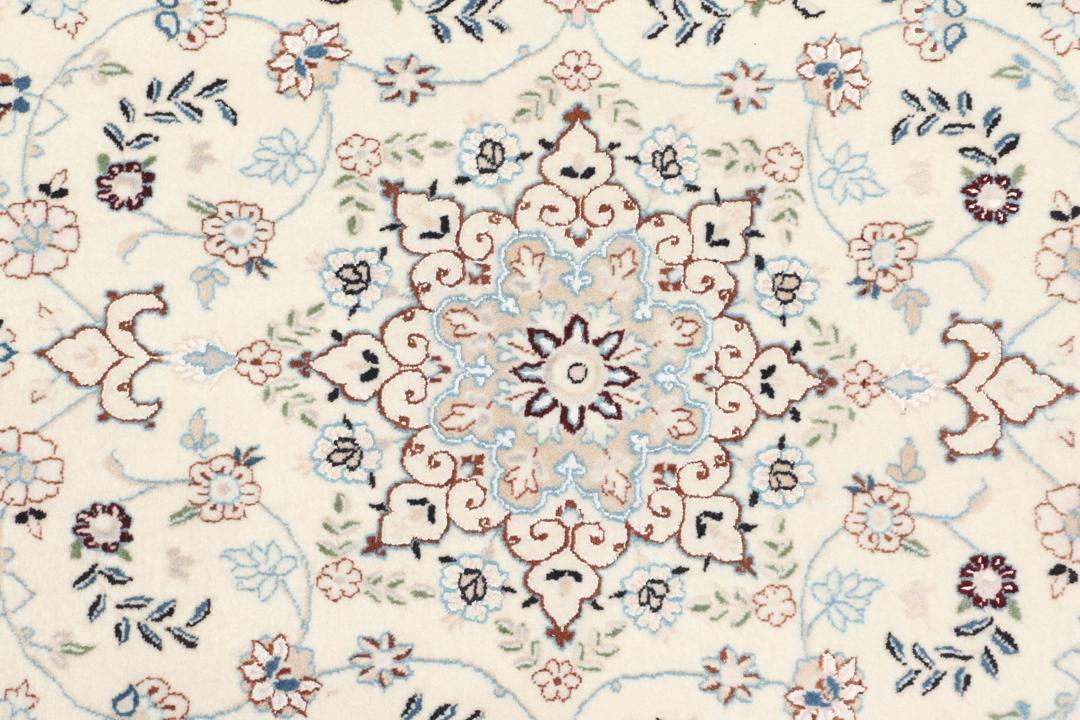
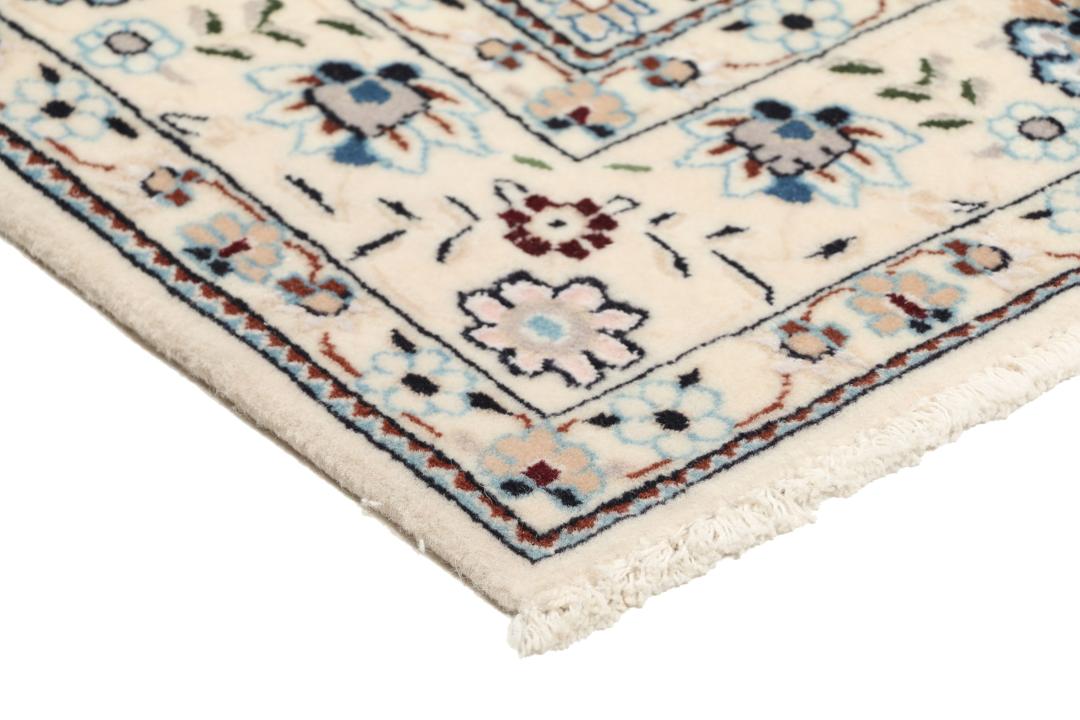
Visually, these rugs are defined by a sophisticated design language that often features a central medallion surrounded by flowing vines, palmettes, and arabesques. The colour schemes are typically restrained, favouring soft beiges, creams, and varied shades of blue, which allow the complexity of the pattern to take centre stage. This aesthetic creates an impression of lightness and grace, making them highly sought after by those who appreciate understated luxury.
Owning a Nain rug is considered an investment in a rich cultural heritage. Because of the immense skill required to produce a 6La piece, they are regarded as some of the most prestigious rugs in the world. Collectors and homeowners value them not only for their beauty but for the dedication to craft they represent. Acquiring one is a commitment to preserving an ancient tradition of excellence and bringing a piece of genuine history into your living space.