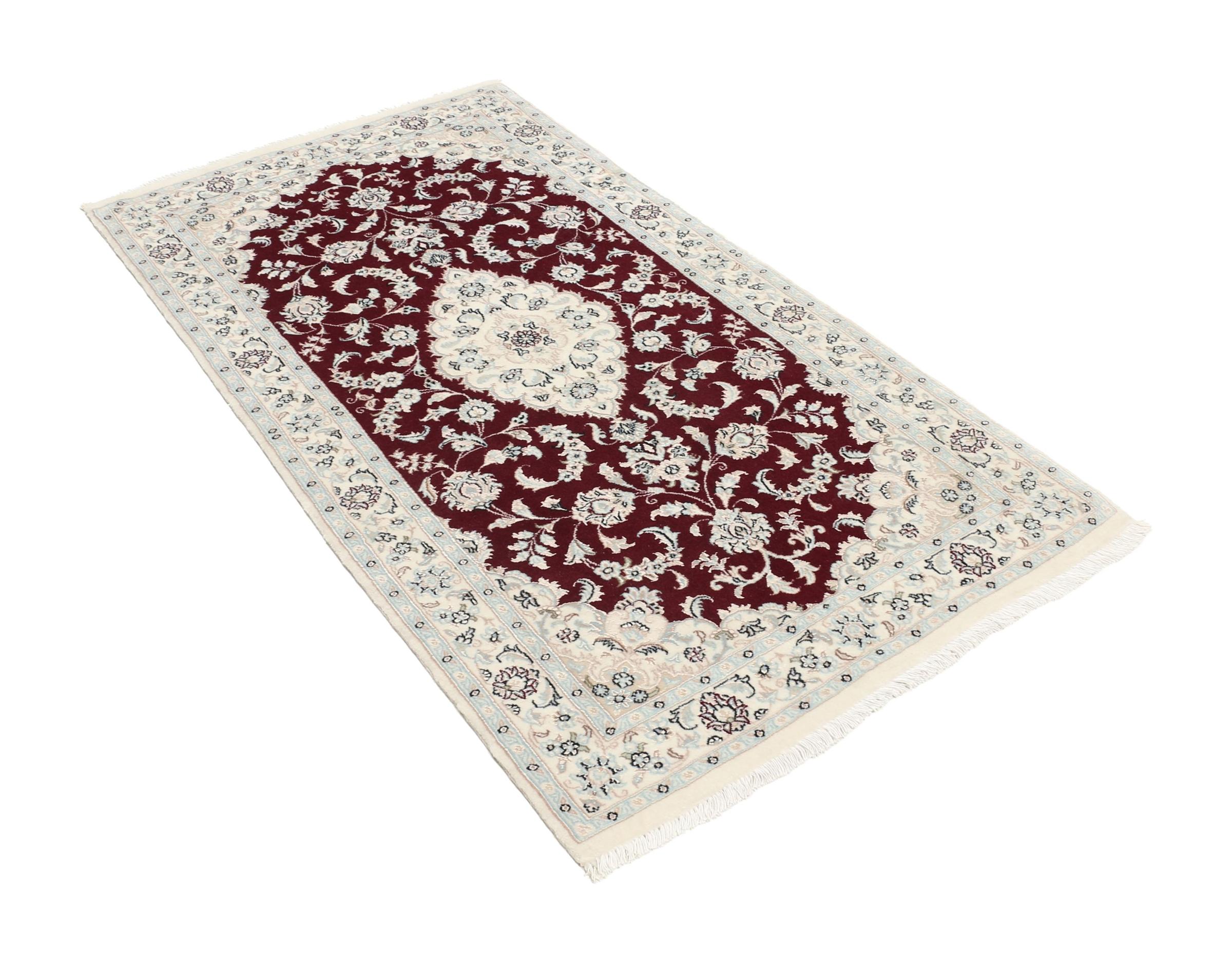
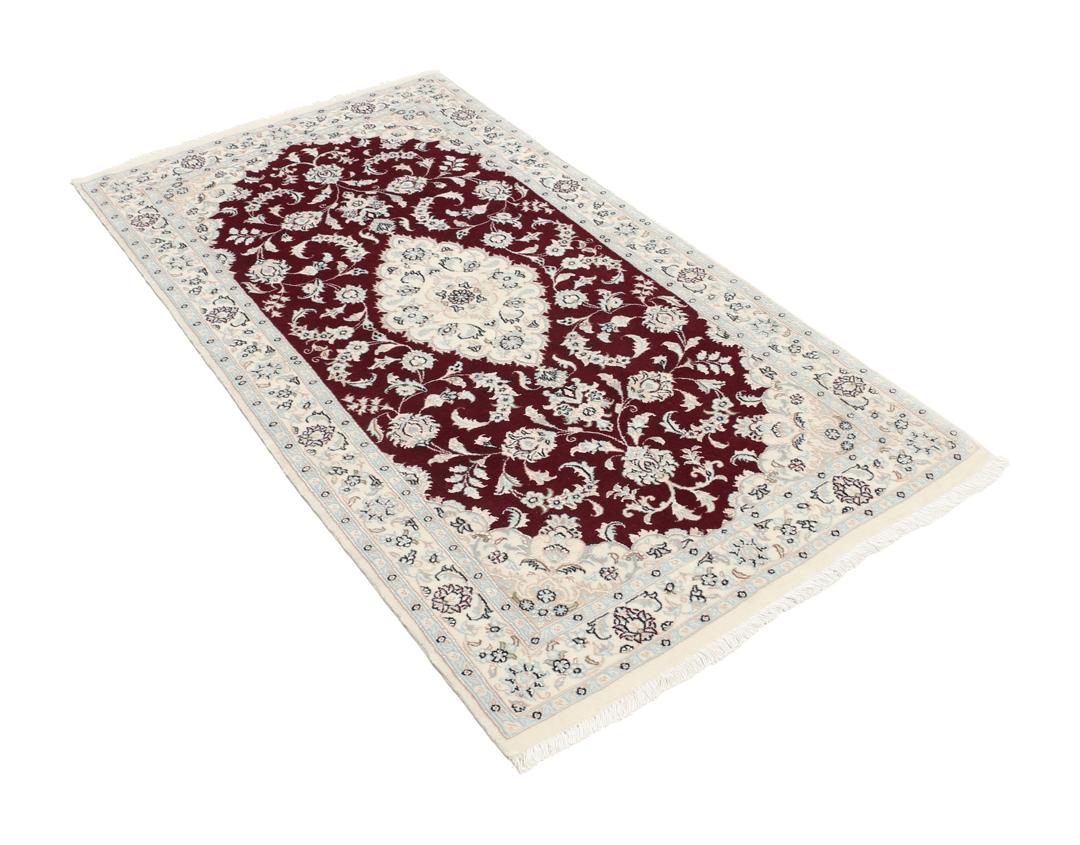
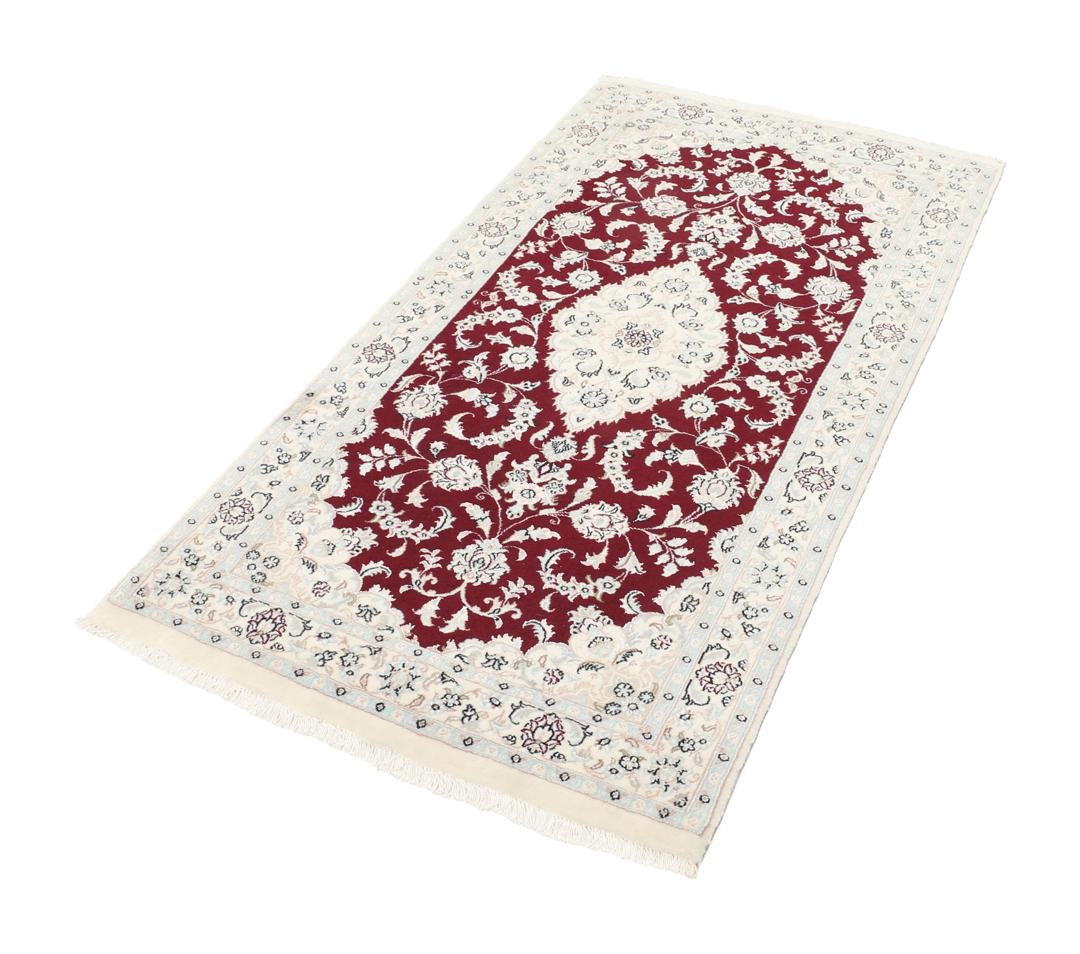
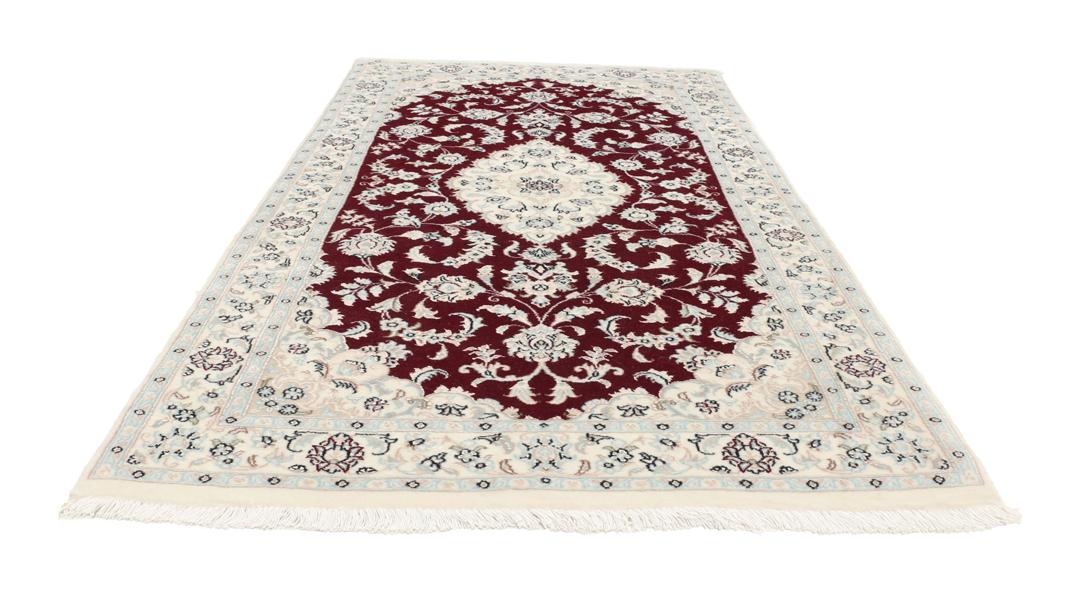
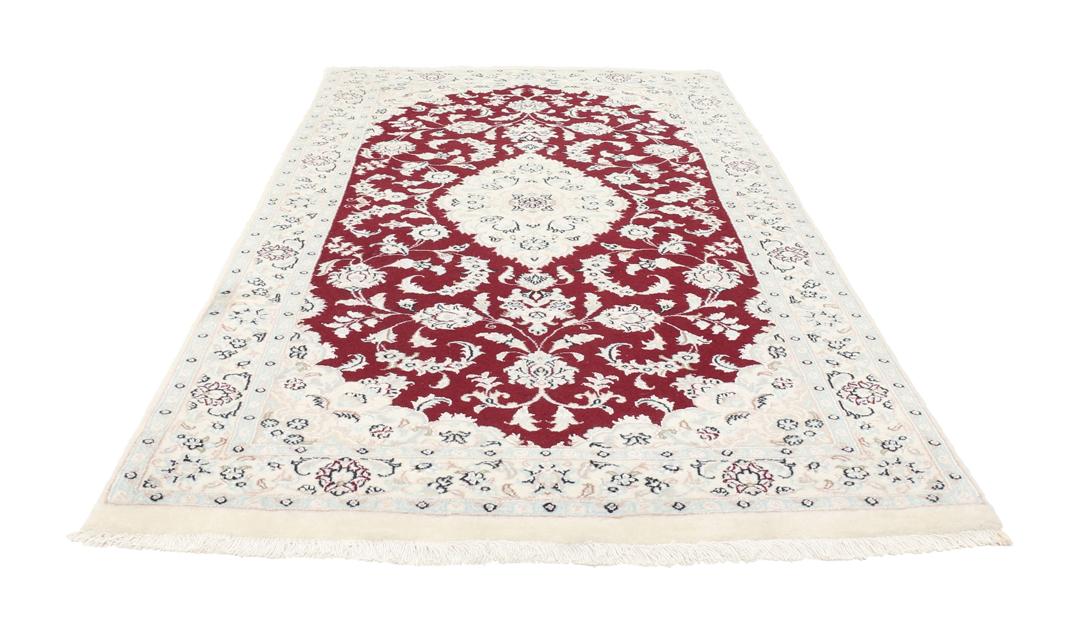
Nain rugs hail from the historic city of Nain in the Middle East, a region celebrated for its long-standing contribution to the textile arts. While the city was originally famous for its high-quality wool textiles and religious garments, it transitioned into rug weaving in the early 20th century, quickly establishing a reputation for producing some of the most sophisticated and refined floor coverings in the world.
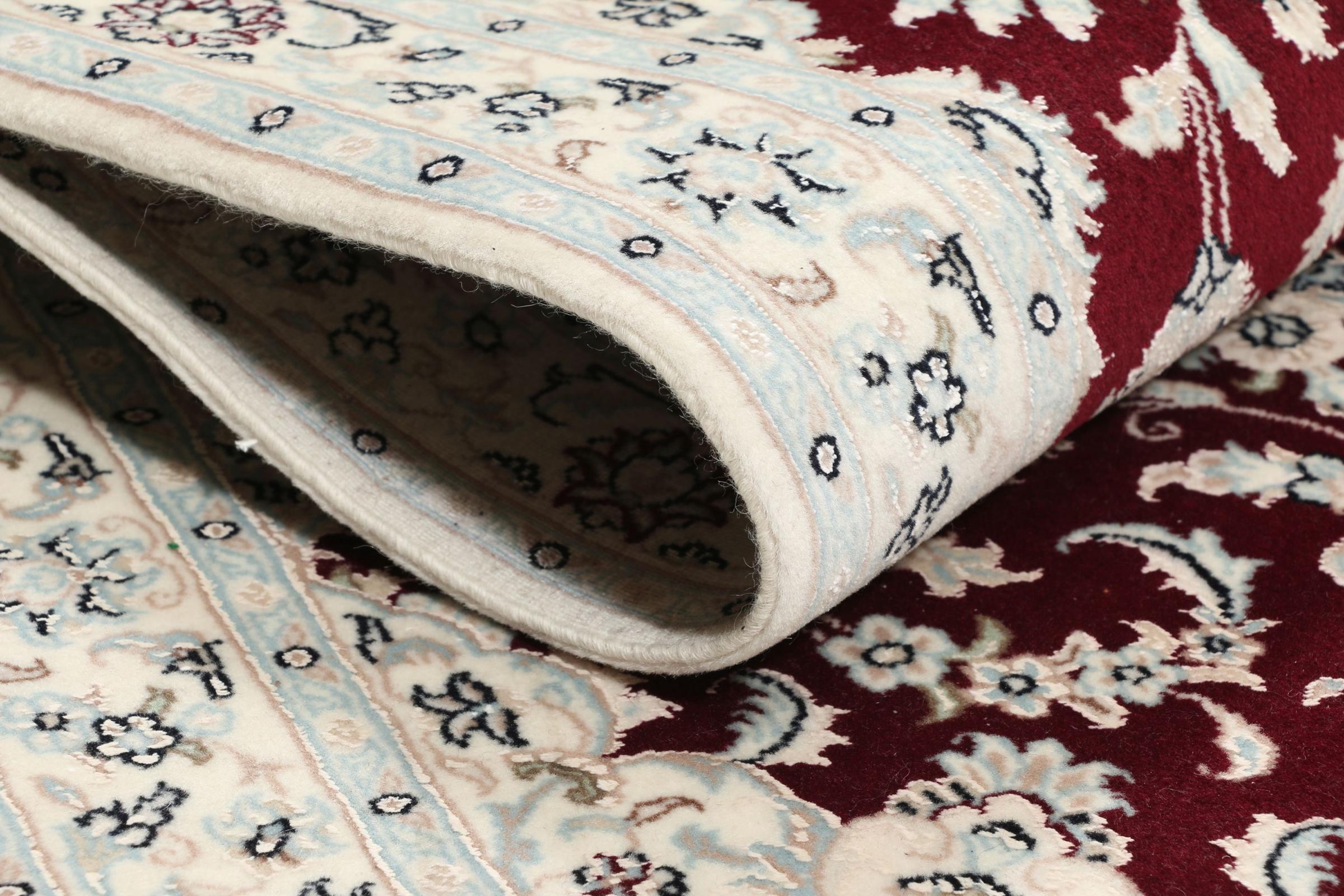
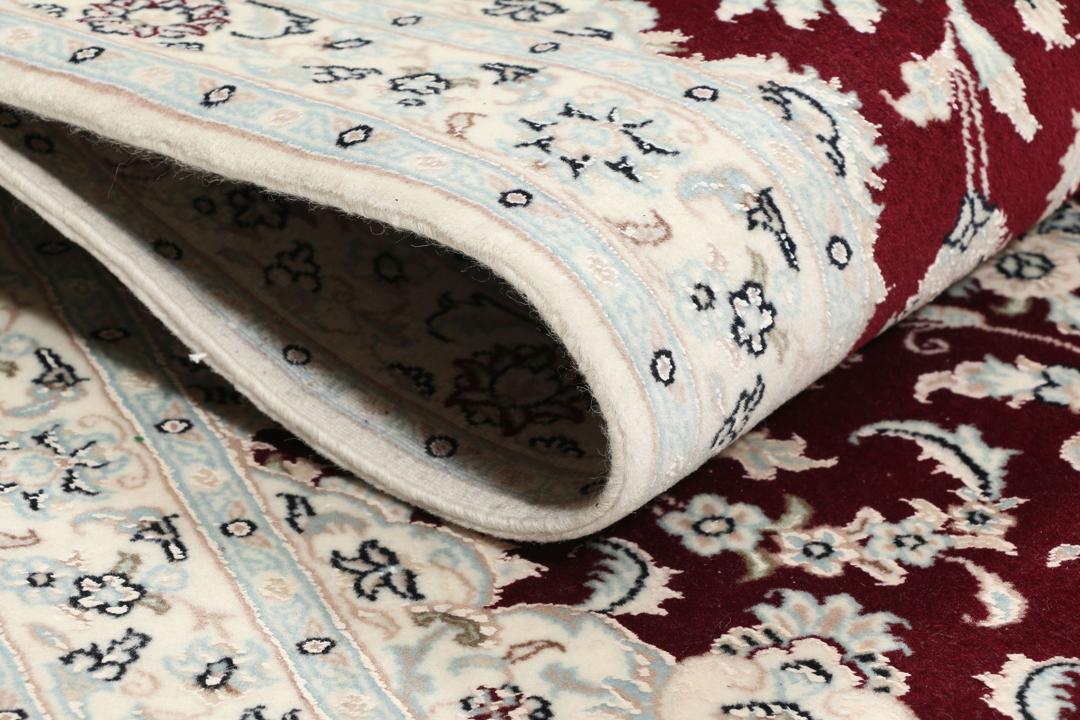
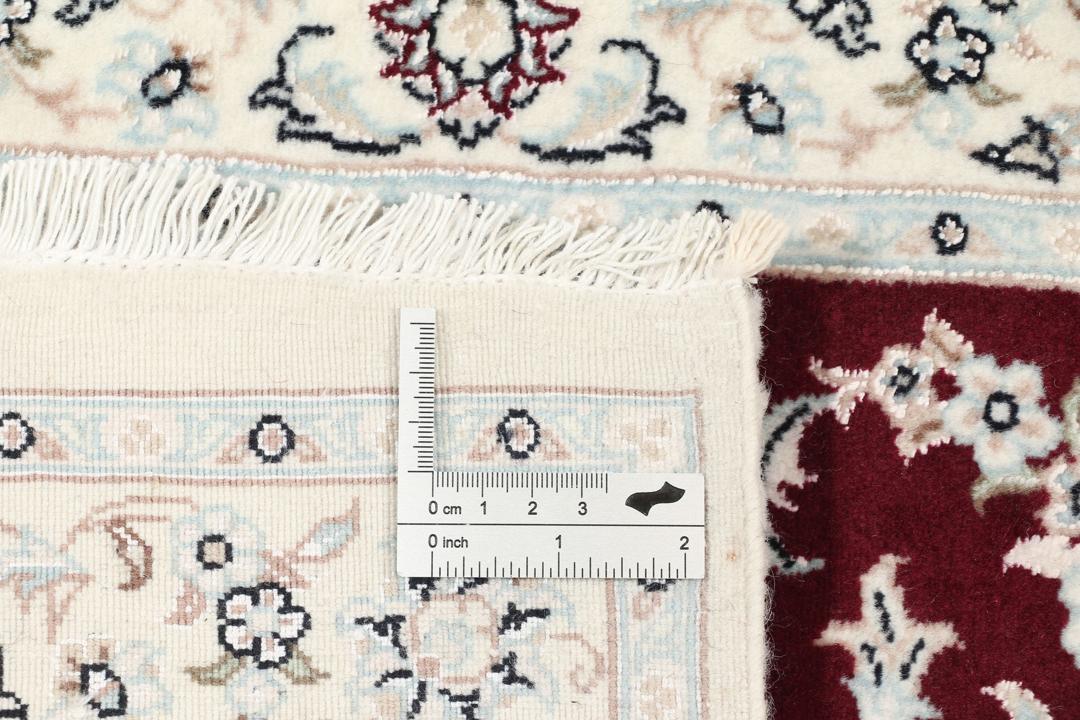
The 'La' designation, such as the 6La seen here, refers to the number of threads used in the fringe foundation, serving as a vital indicator of quality and fineness. A lower number indicates a finer, more complex construction, as it requires thinner, more delicate yarns to create the design. This technical specification is the hallmark of a true Nain, representing a level of detail that elevates the rug from a simple floor covering to a textile masterpiece.
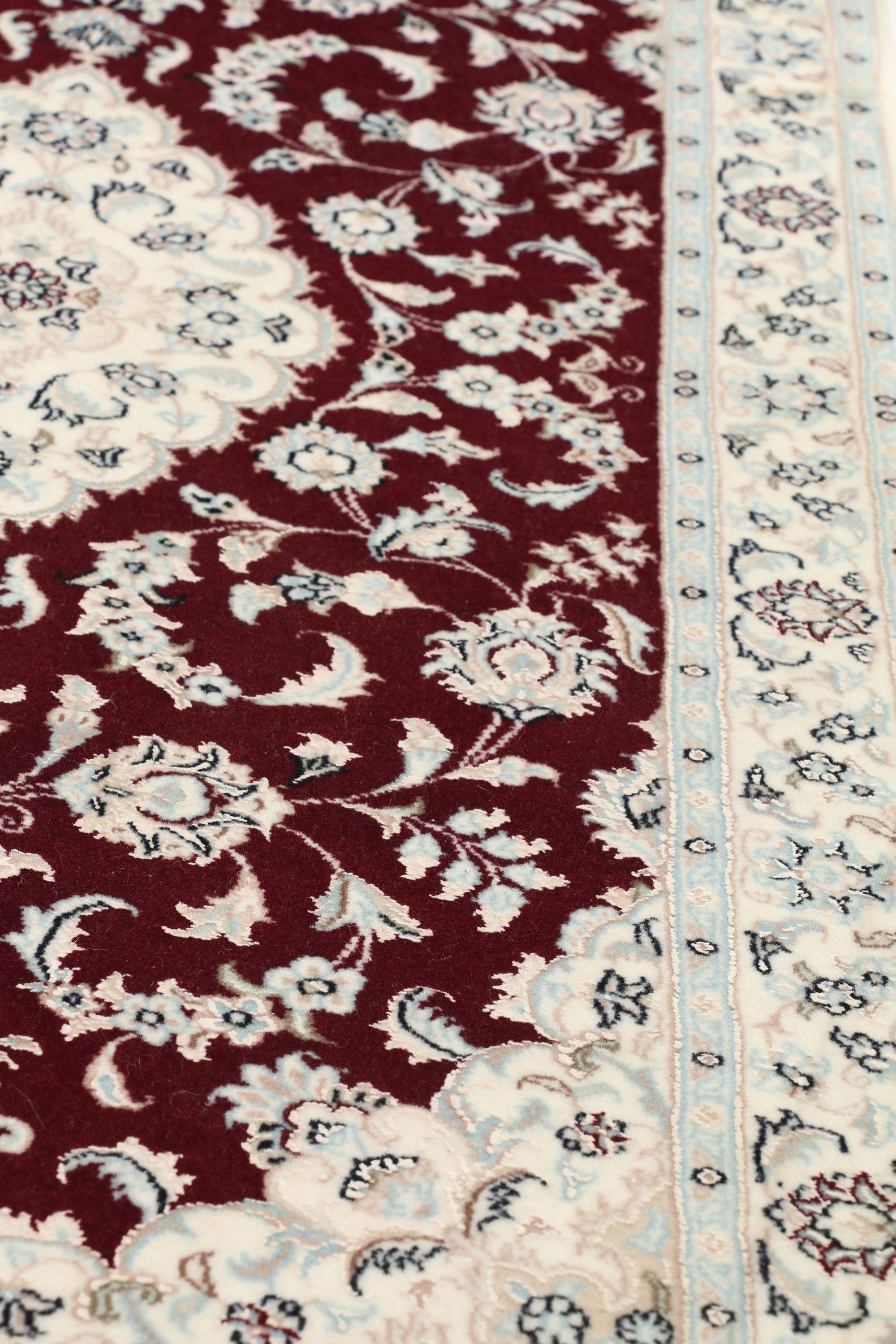
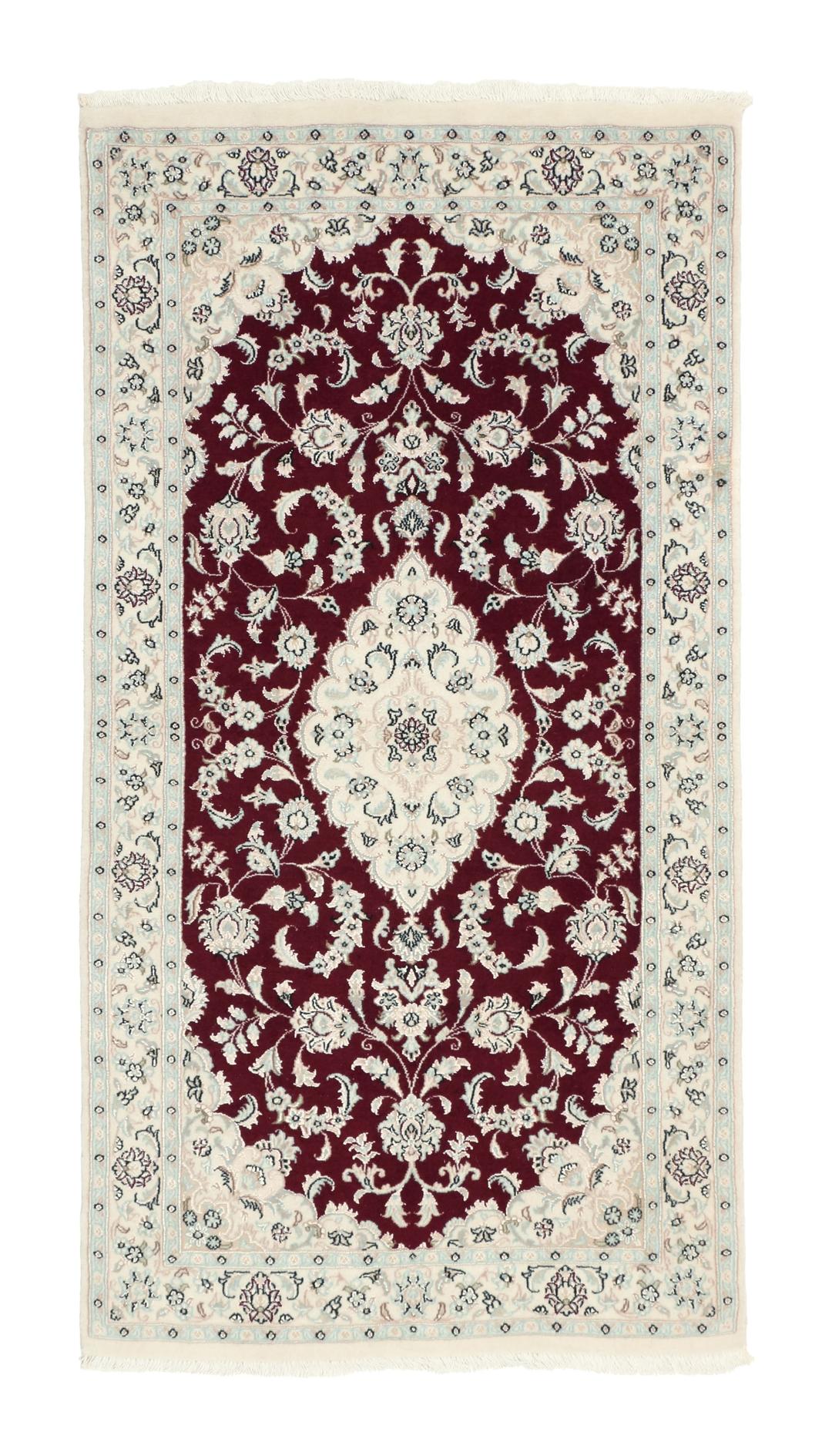
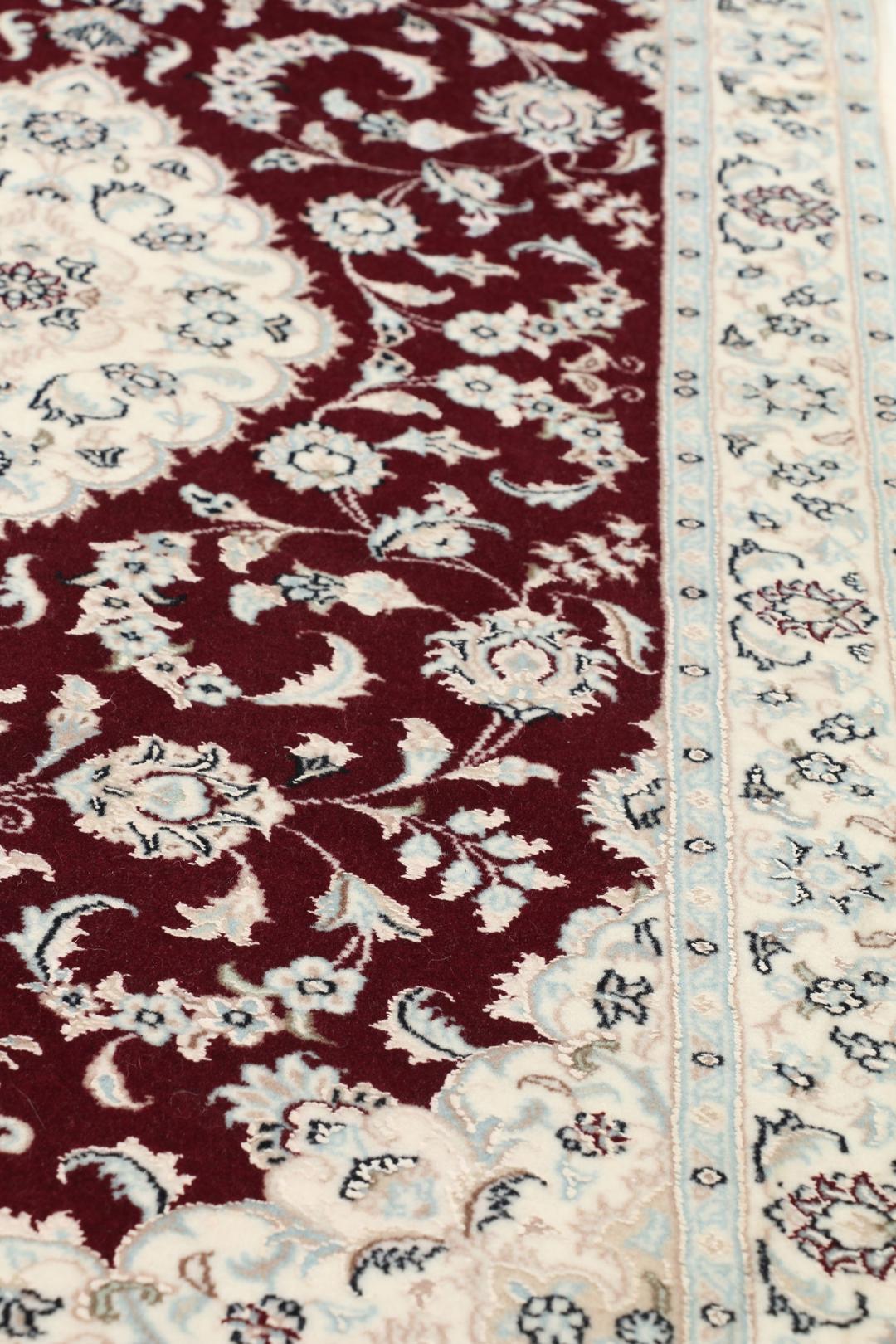
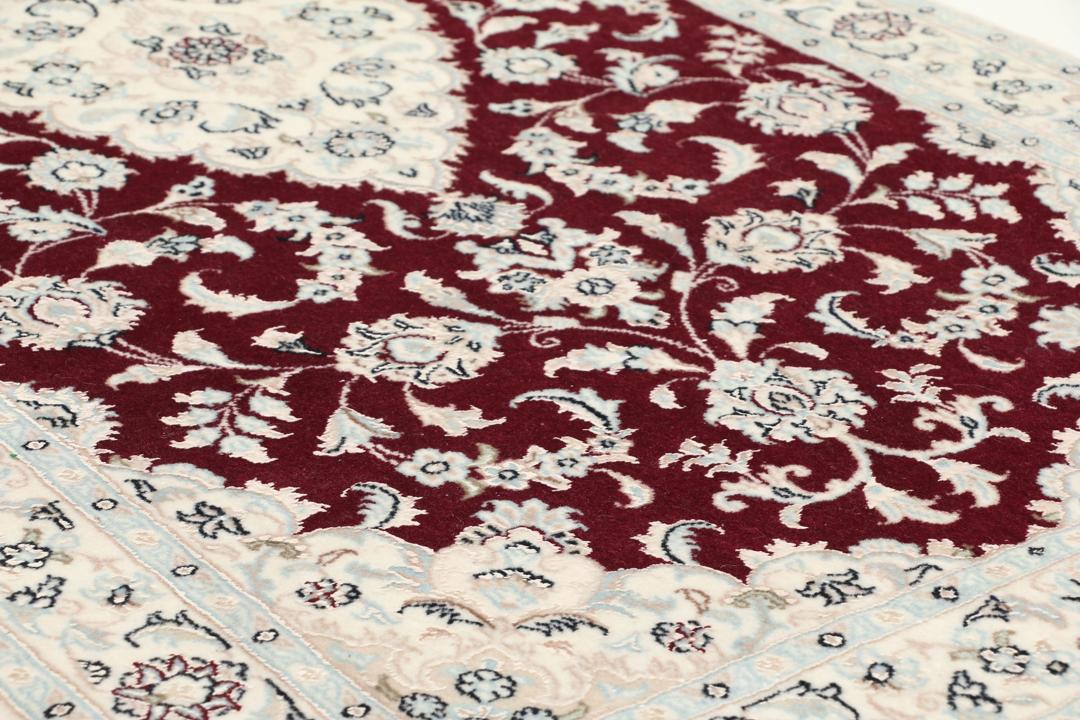
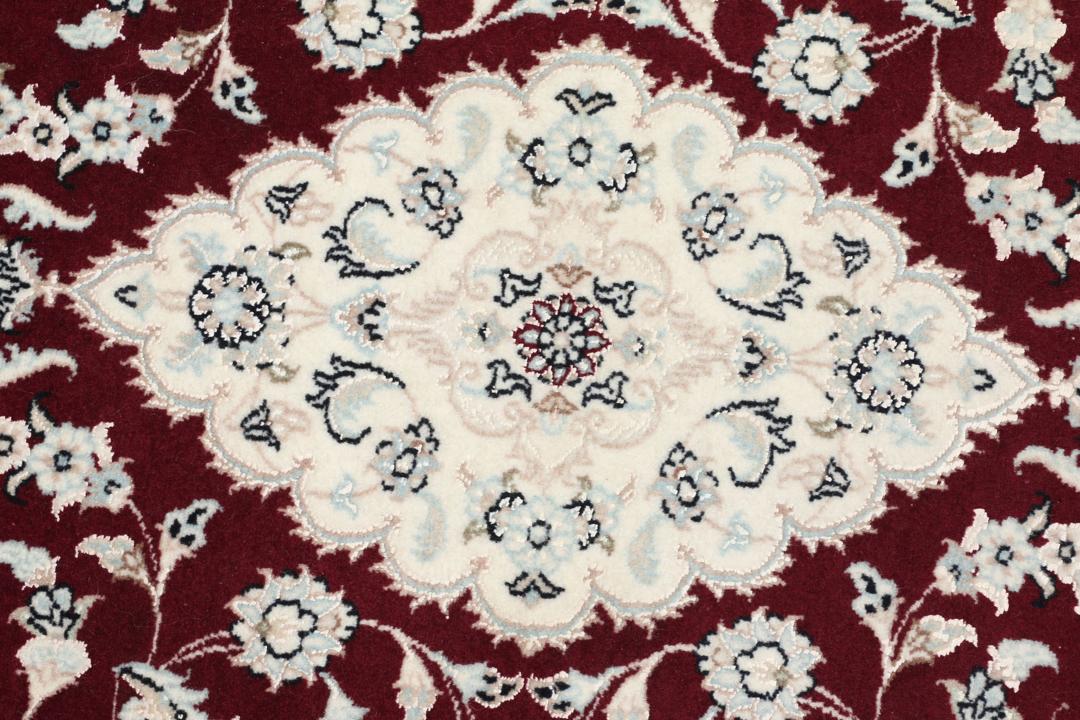
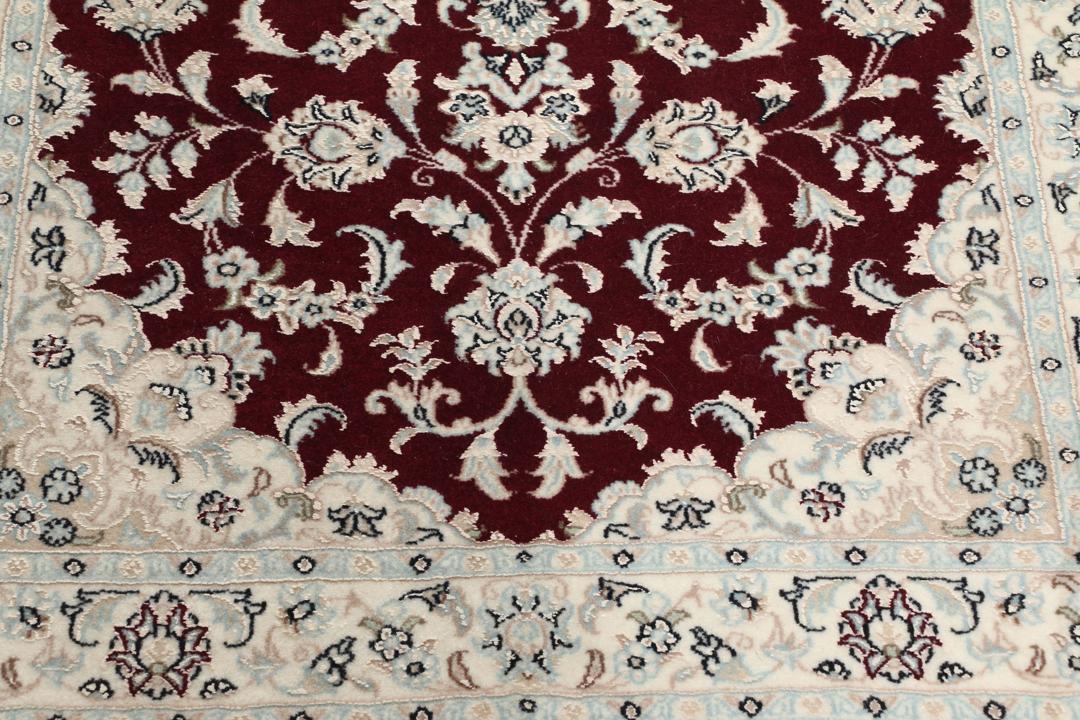
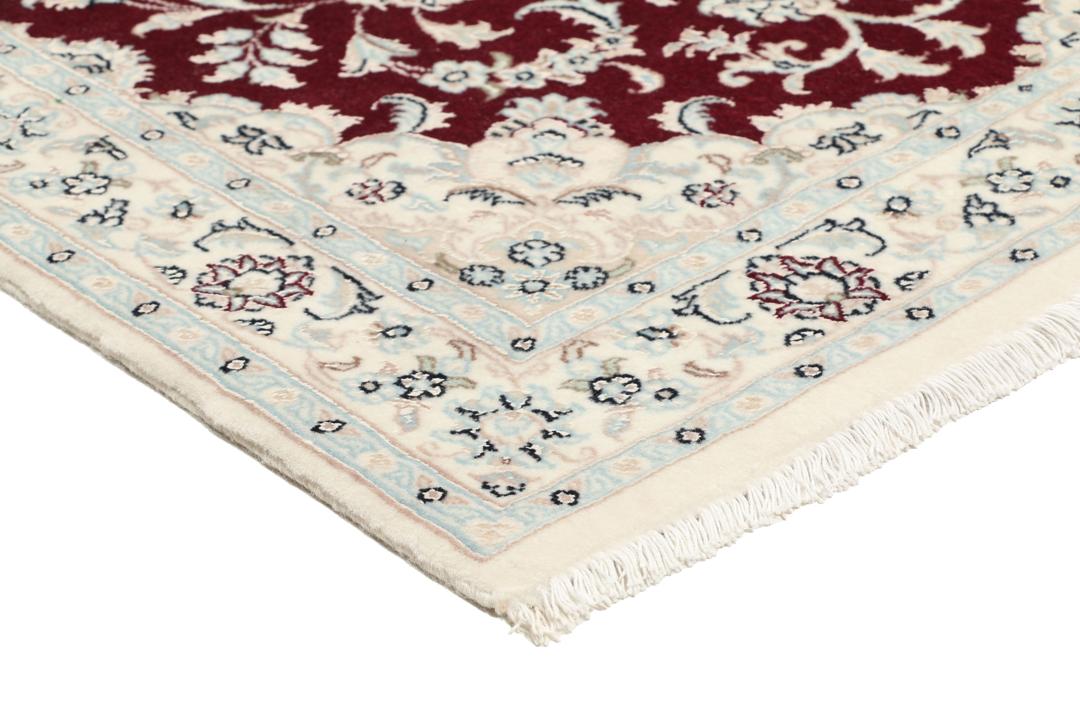
Visually, Nain rugs are defined by their elegant, curvilinear floral patterns and the iconic central medallion, often set against a field of cream, ivory, or sophisticated red. The motifs are typically inspired by the rich artistic heritage of the Middle East, incorporating intricate arabesques and flowering vines that flow seamlessly across the surface. This particular piece stands out for its masterful use of colour, providing a depth and richness that is characteristic of the finest traditional weaving.
Owning a Nain rug is considered a mark of appreciation for the highest standards of craftsmanship. These rugs are highly sought after by collectors and homeowners alike for their ability to bring a sense of grace and heritage to an interior. They are more than just decor; they are a legacy of skill and cultural tradition, preserved through the hands of the artisans who continue to practice this demanding craft.