The town of Nain, located on the edge of a vast desert in the Middle East, became a global centre for fine weaving during the early twentieth century. Building on a rich history of textile production, local weavers adapted their skills to create rugs of exceptional clarity and refinement, establishing a style that is celebrated worldwide.
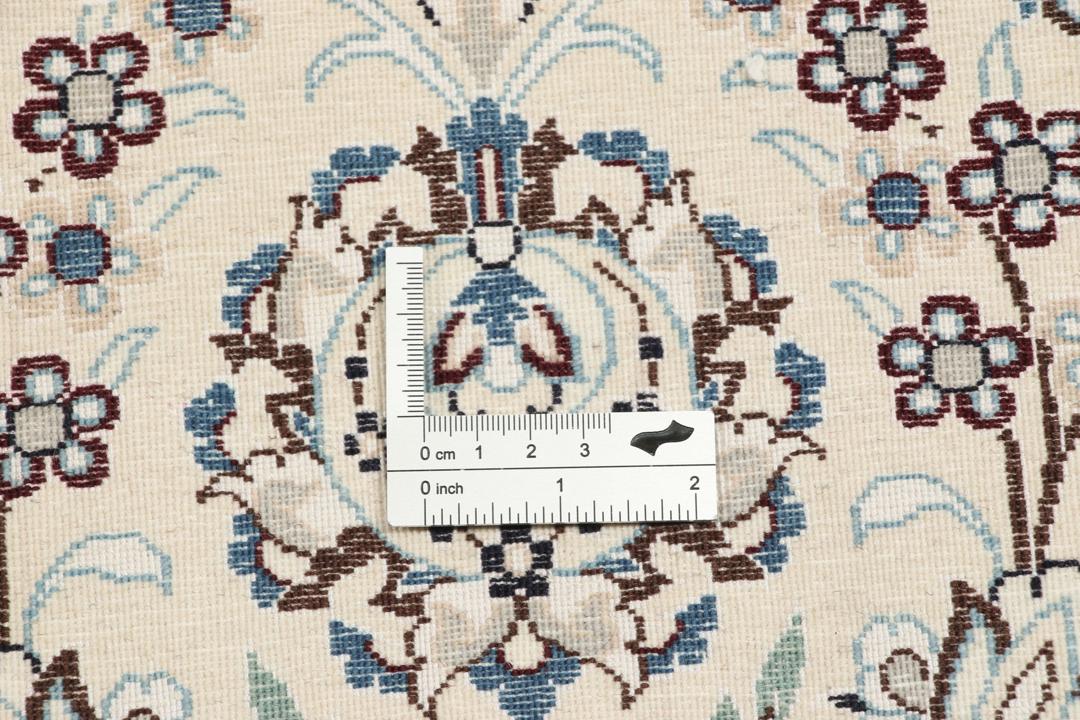
The term 6La refers to the specific structure of the threads used to weave the rug, indicating a very fine and dense construction. In the local weaving tradition, a lower number of plies, or La, represents a higher level of detail and craftsmanship, making a 6La piece highly prized for its crisp patterns and exceptional quality.
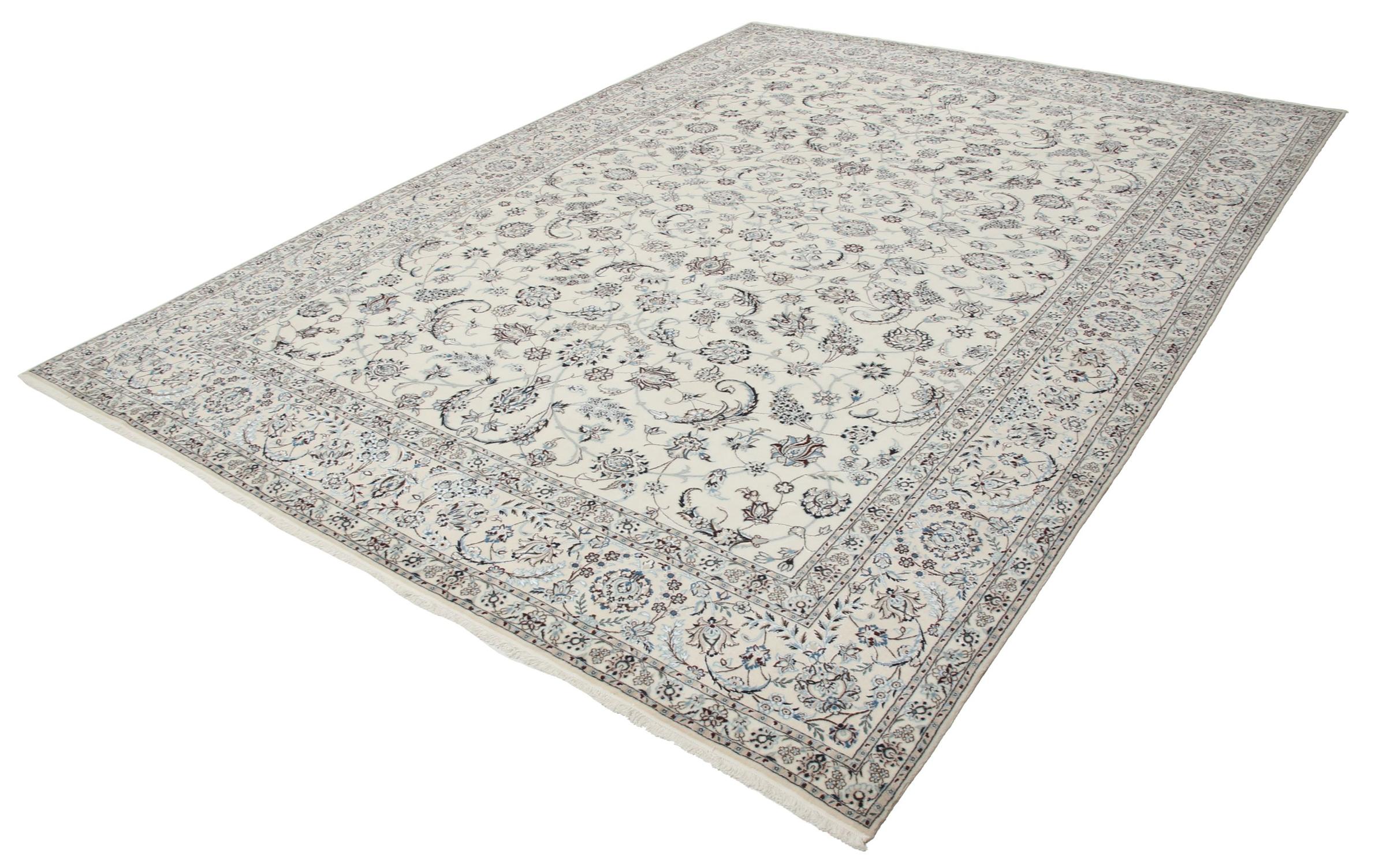
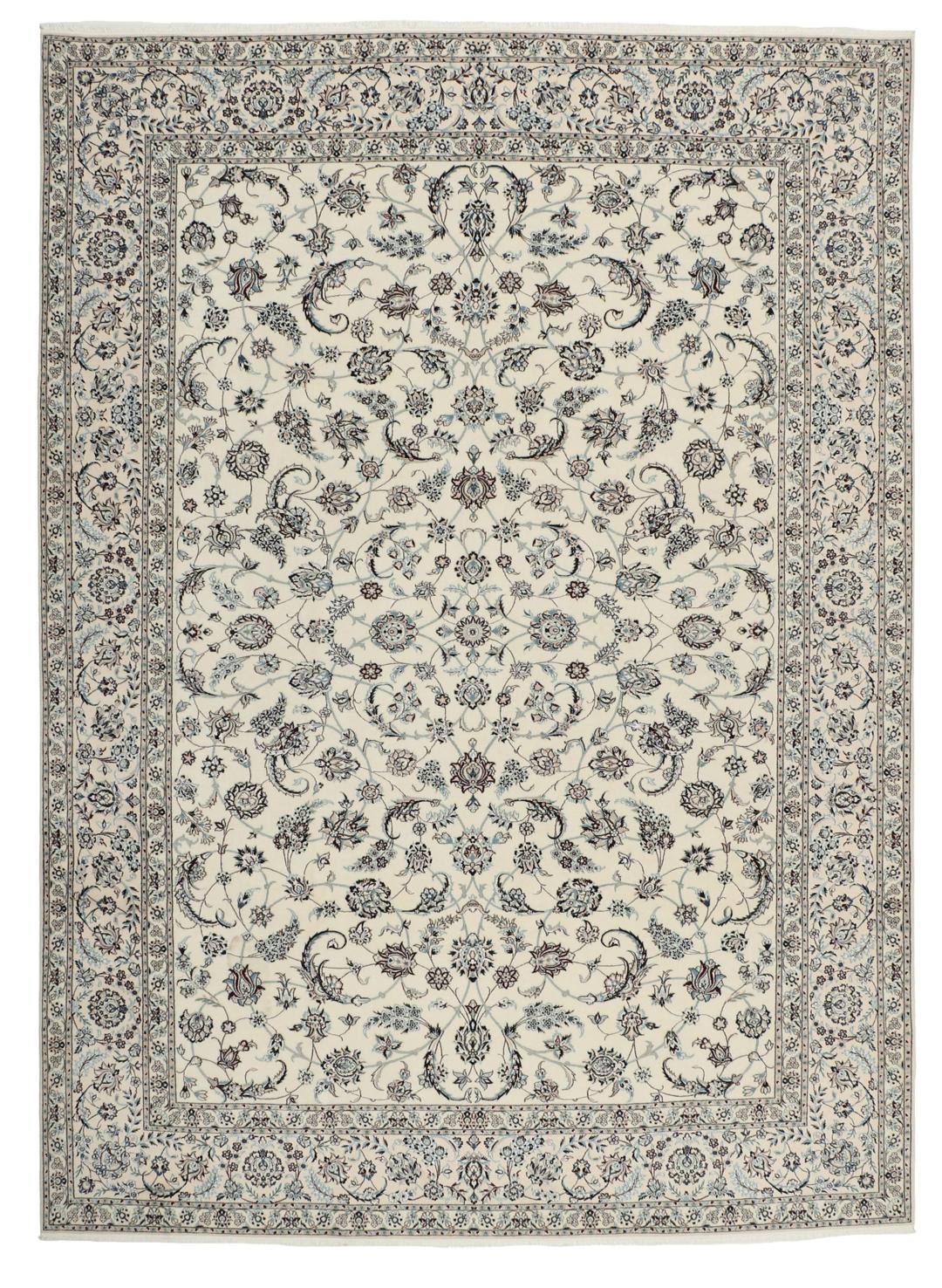
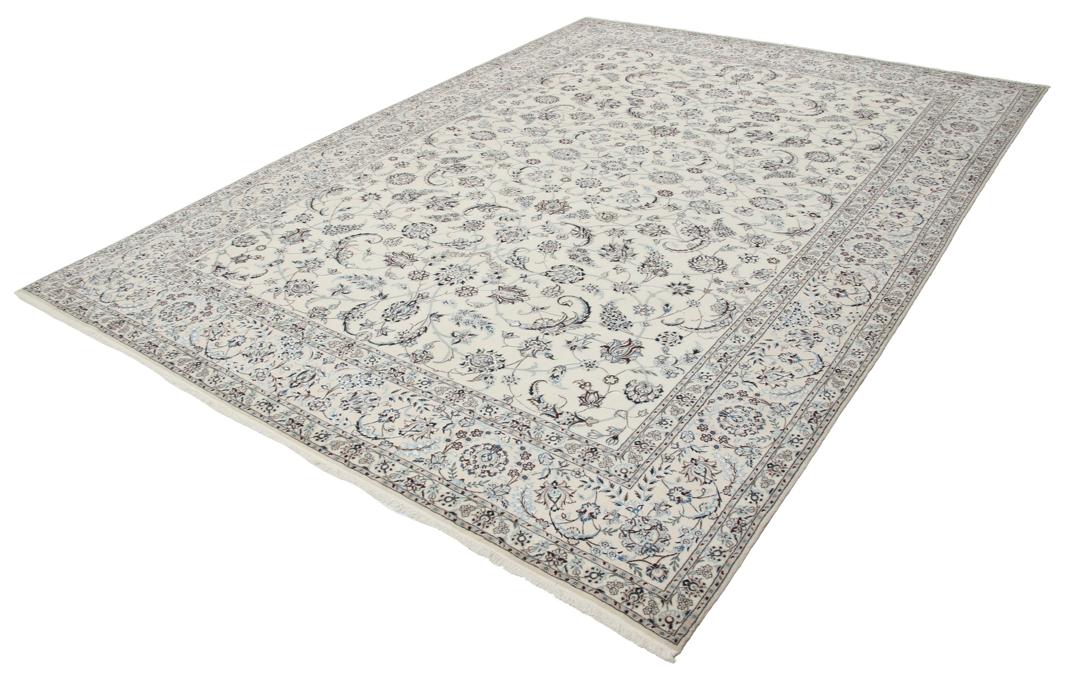
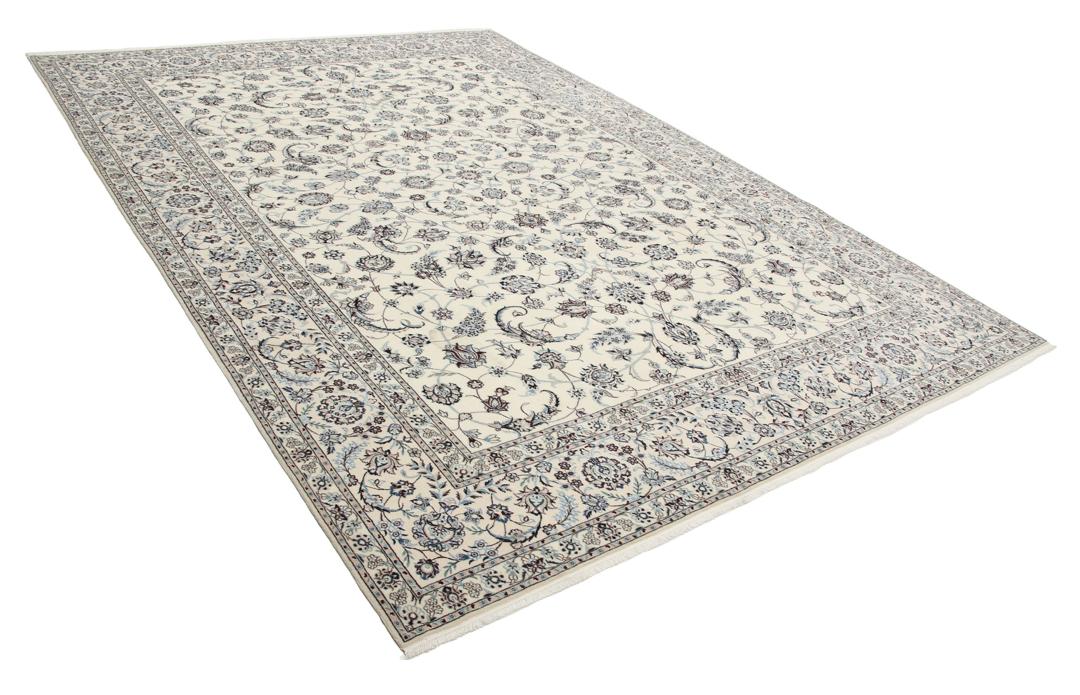
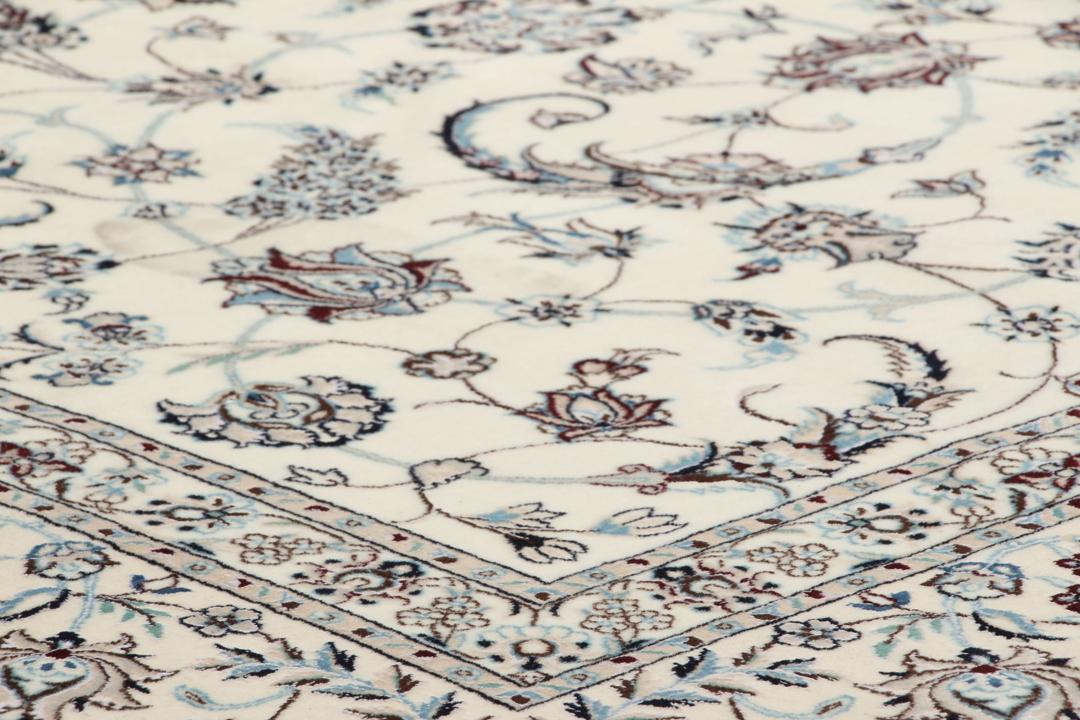
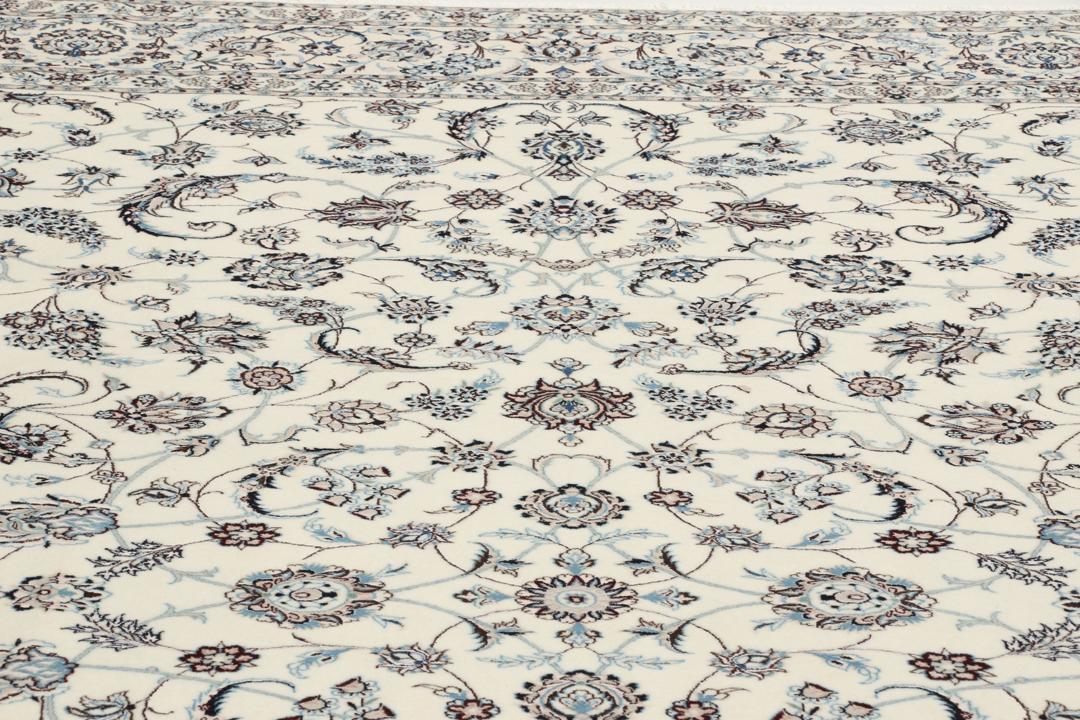
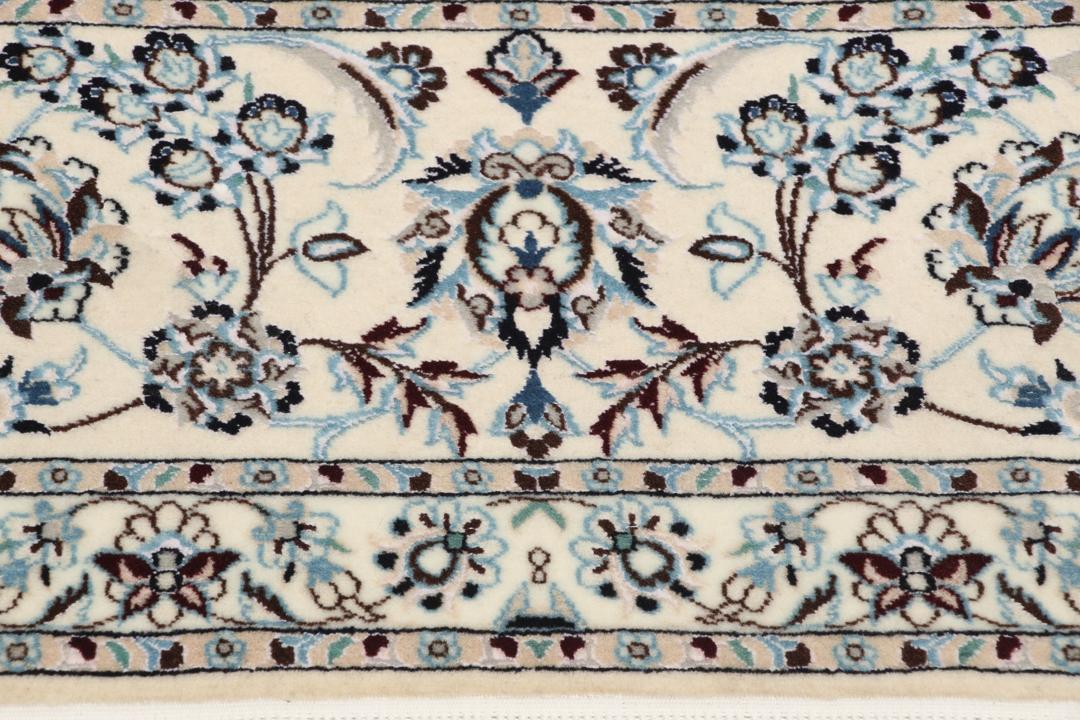
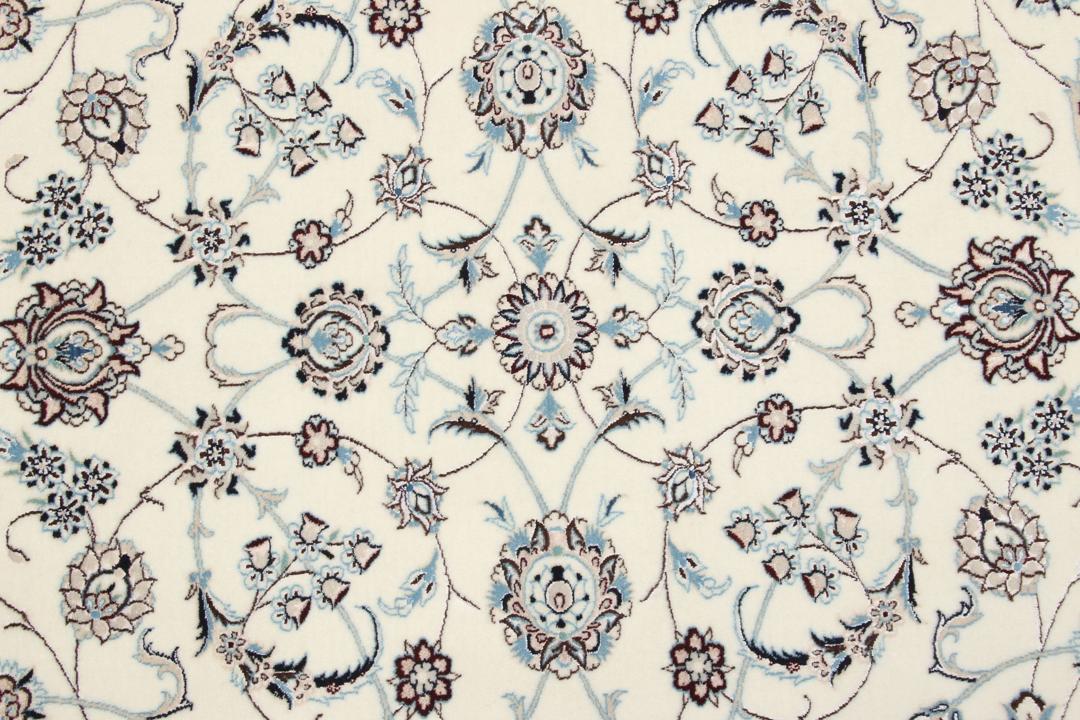
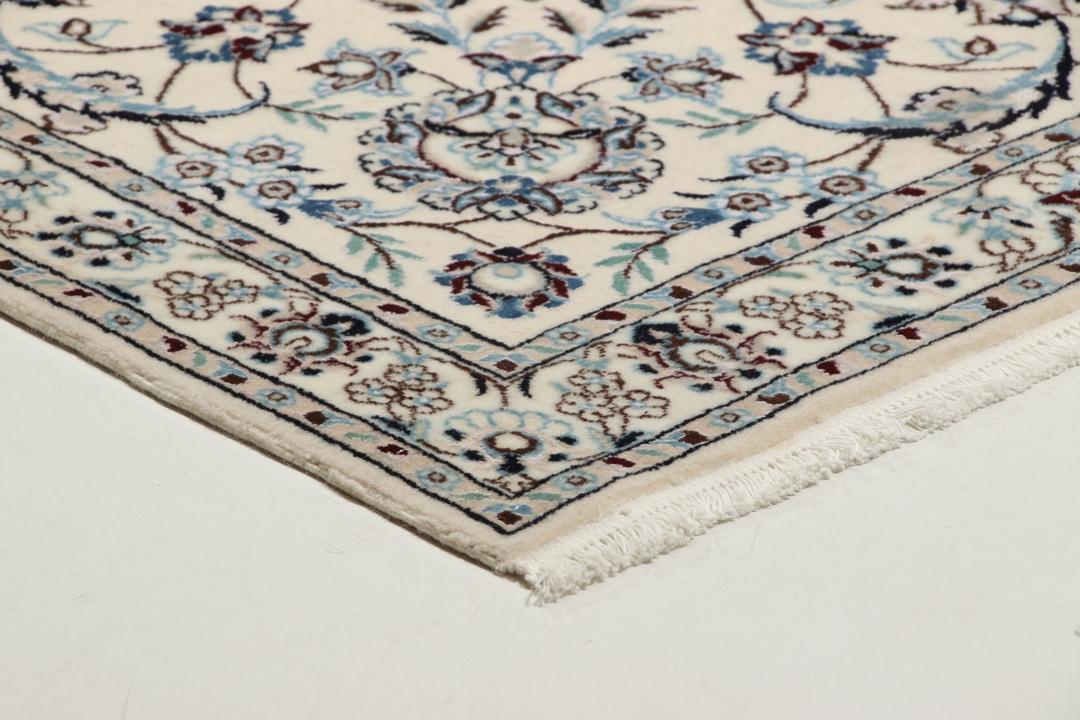
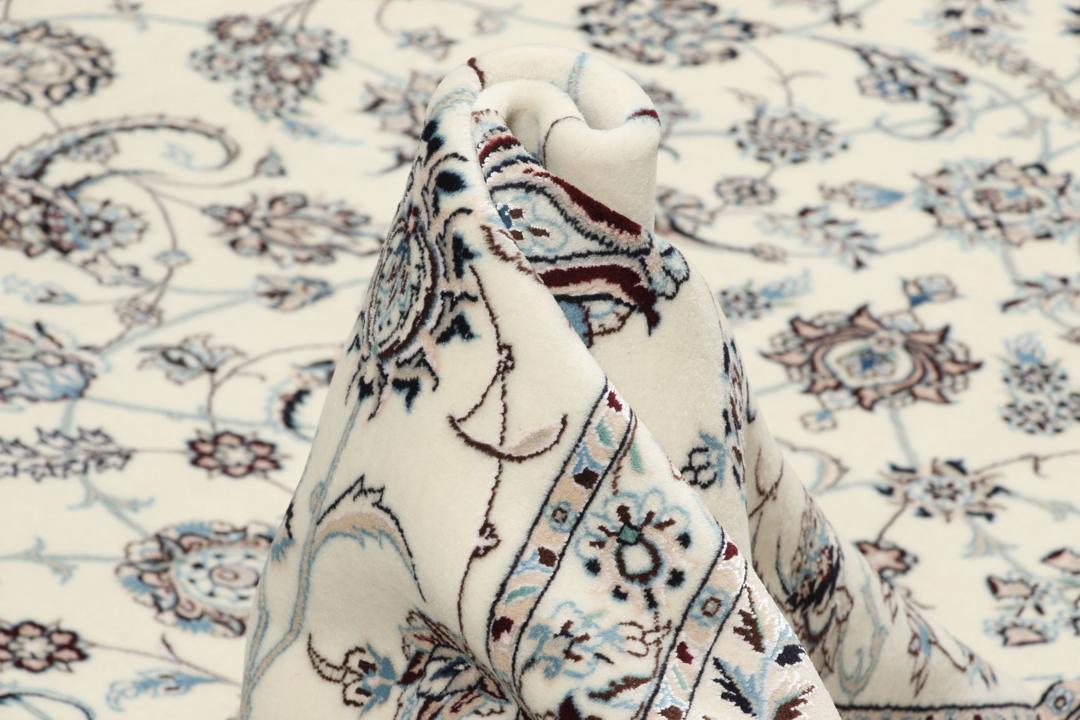
Traditional designs from this region are easily recognised by their serene colour palettes, often featuring soft ivory, beige, and light blue tones. The intricate floral motifs, delicate tendrils, and central medallions are framed by formal, decorative borders that bring a balanced, harmonious structure to the entire composition.
Owning a piece from this renowned tradition is more than just acquiring a floor covering; it is welcoming a slice of cultural history into your home. Collectors and design enthusiasts value these rugs for their elegant aesthetics and the remarkable skill required to translate complex floral drawings into woven art.