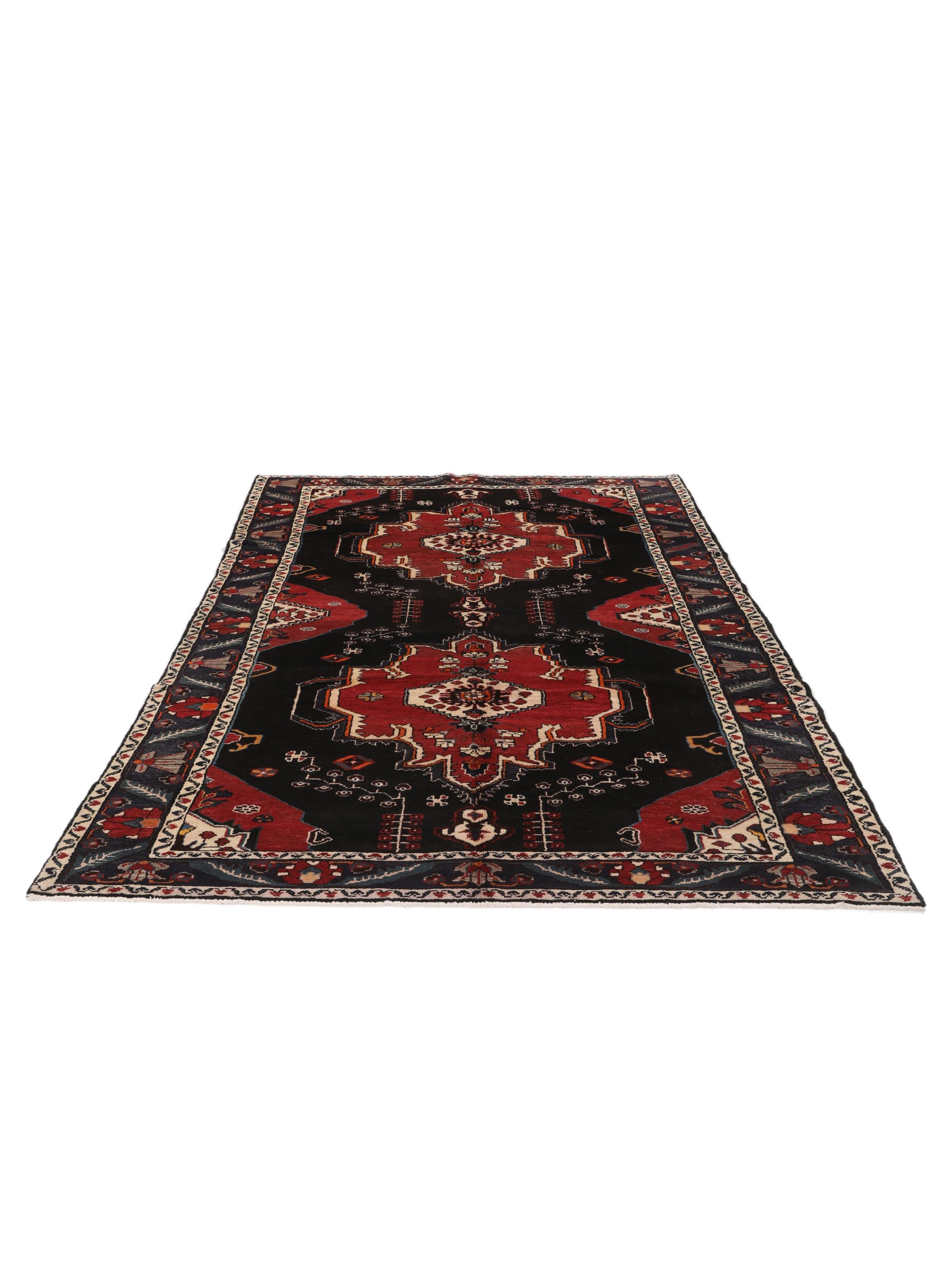
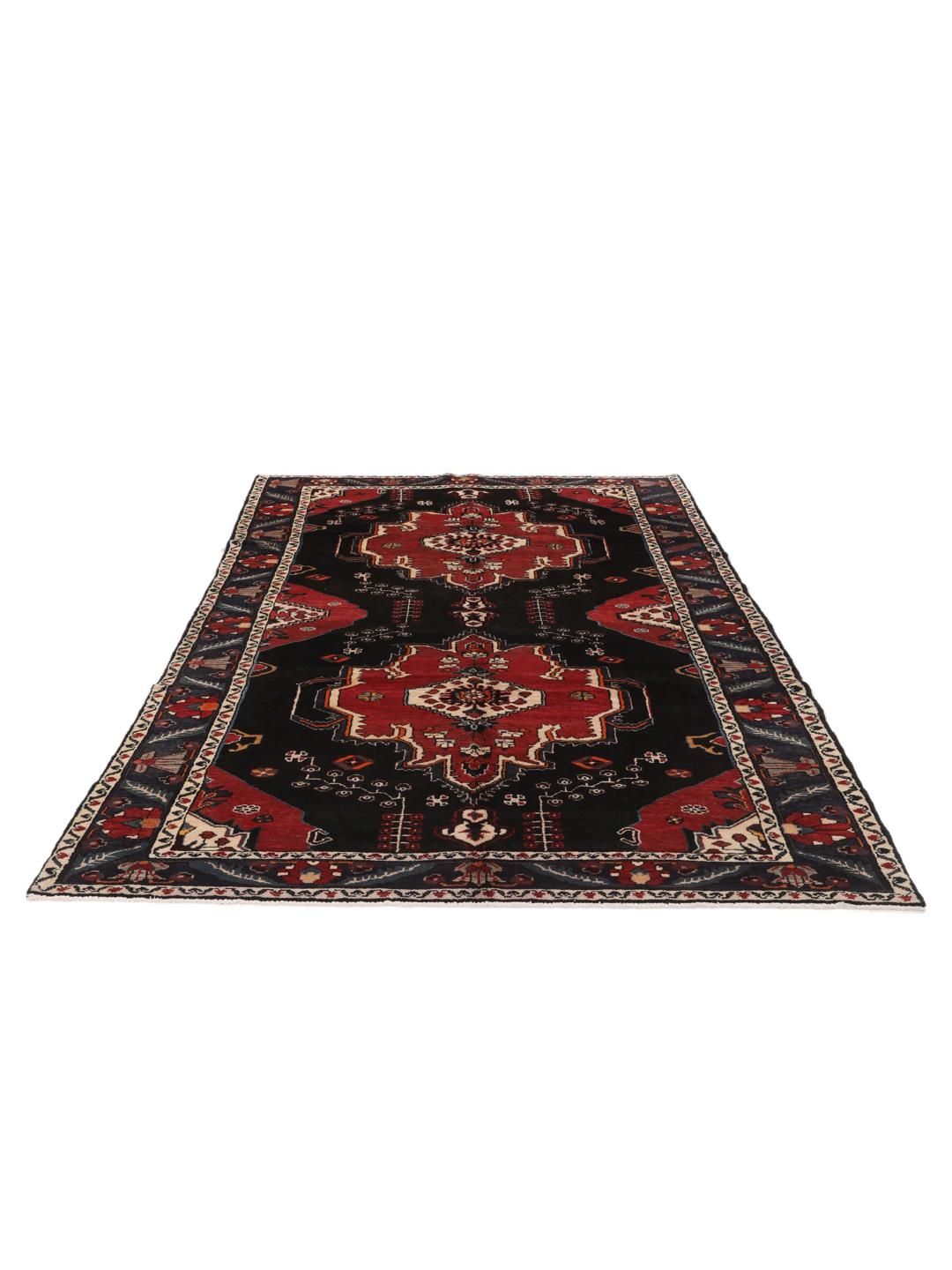
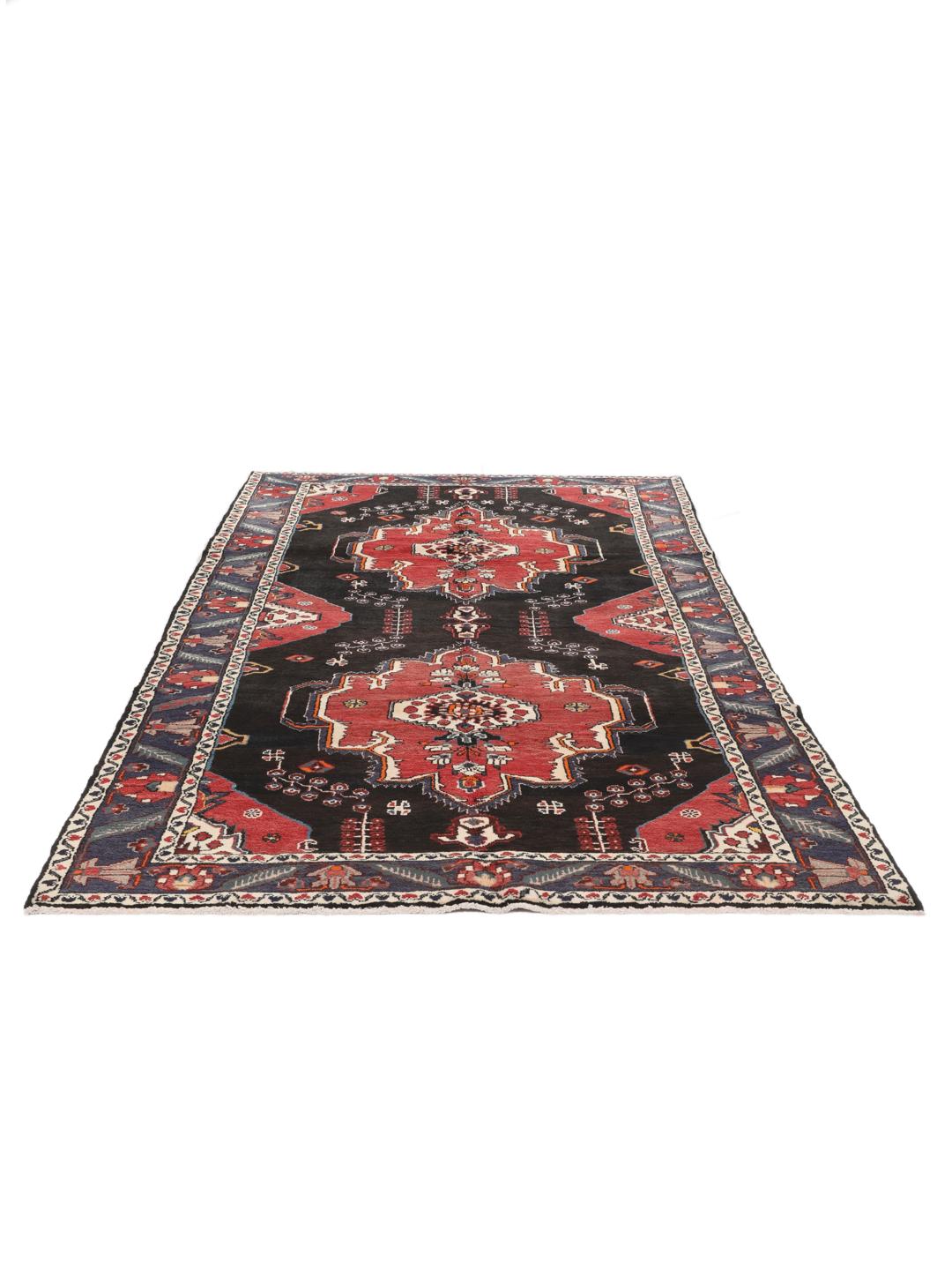
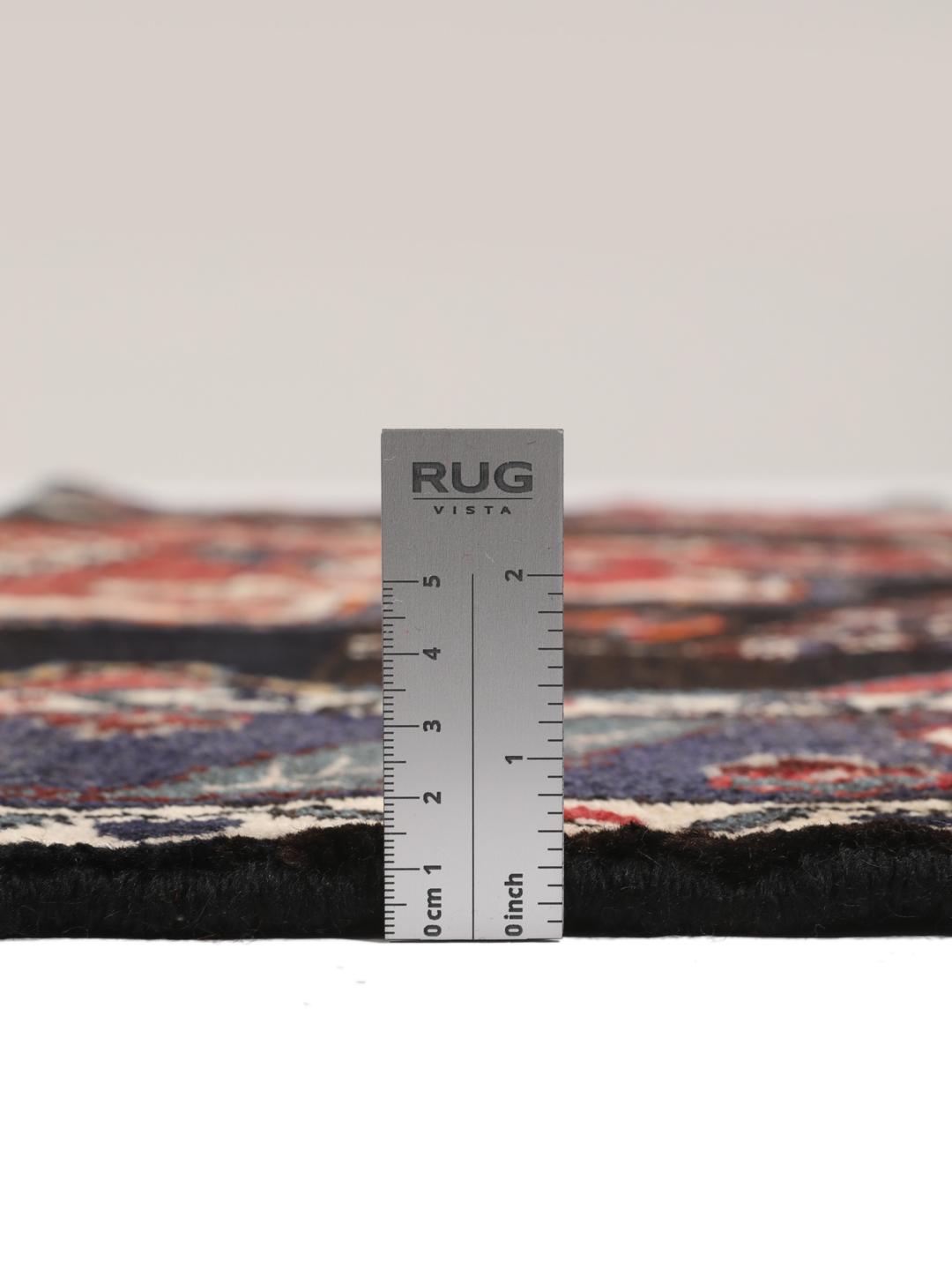
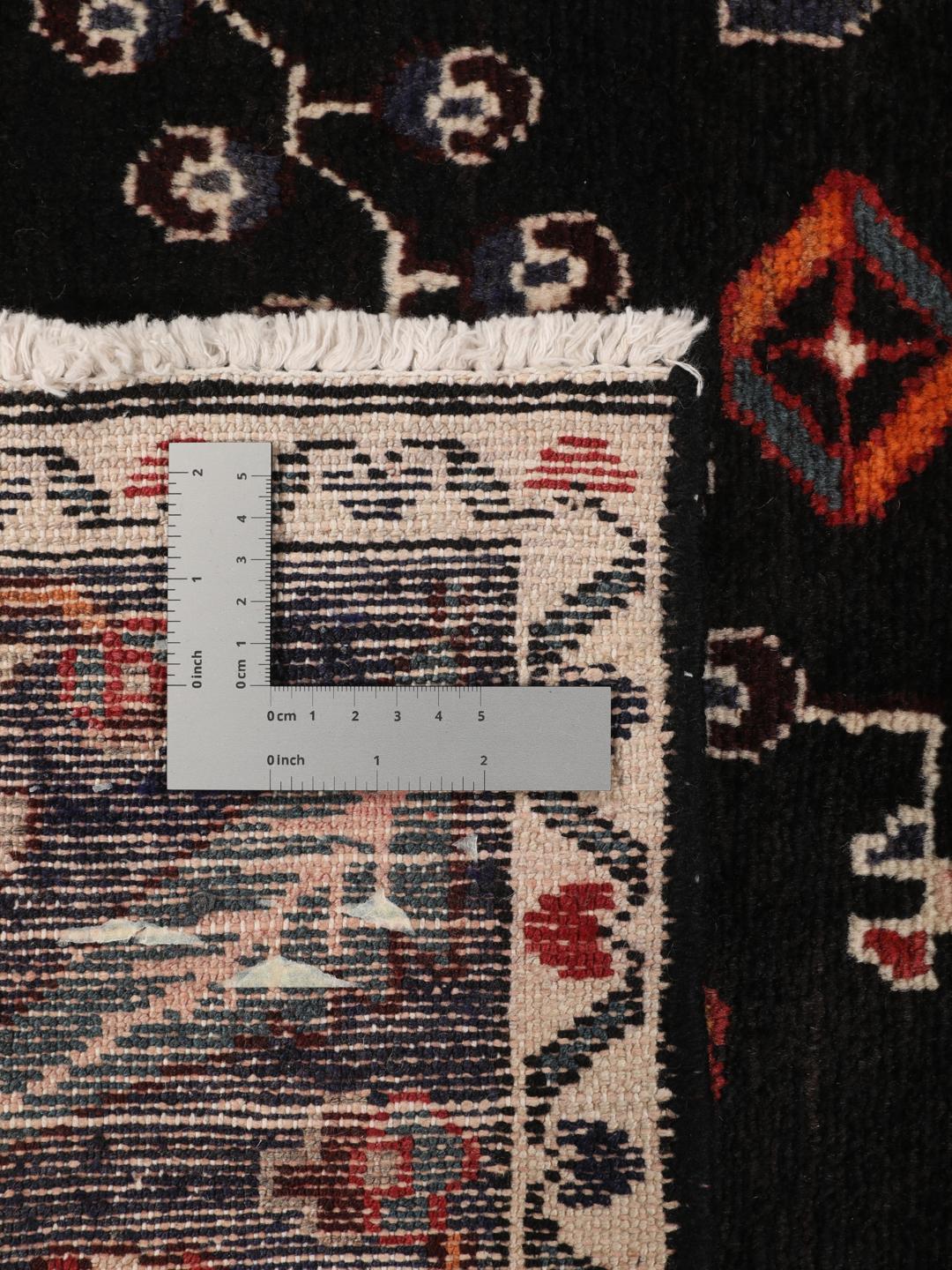
Nahavand rugs take their name from the ancient city located in the Hamadan province of the Middle East, a region with a long-standing reputation for producing some of the most charming village rugs. These pieces are not created in large commercial workshops but are instead the product of home-based weaving traditions, where techniques and patterns are passed down through generations.
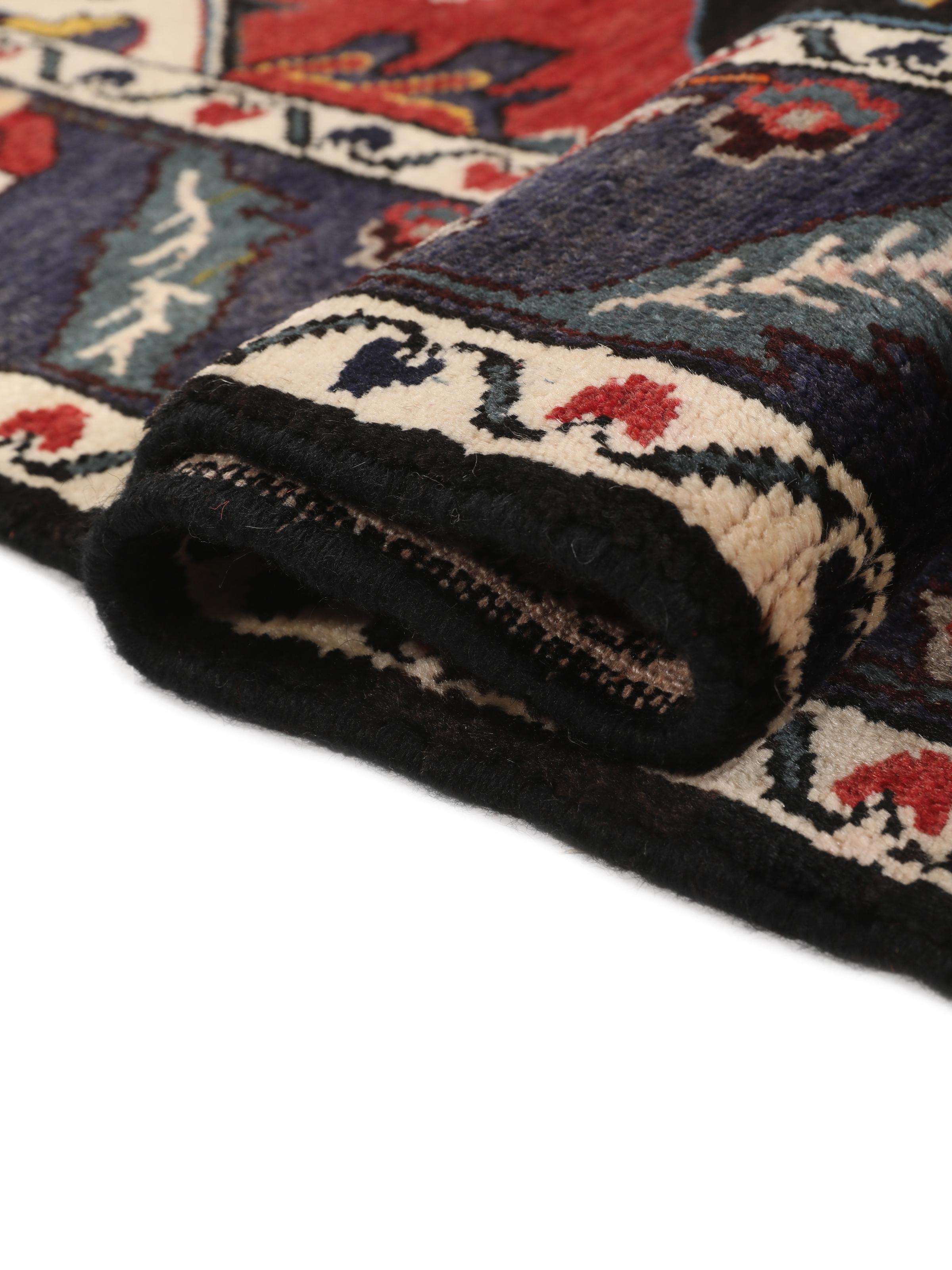
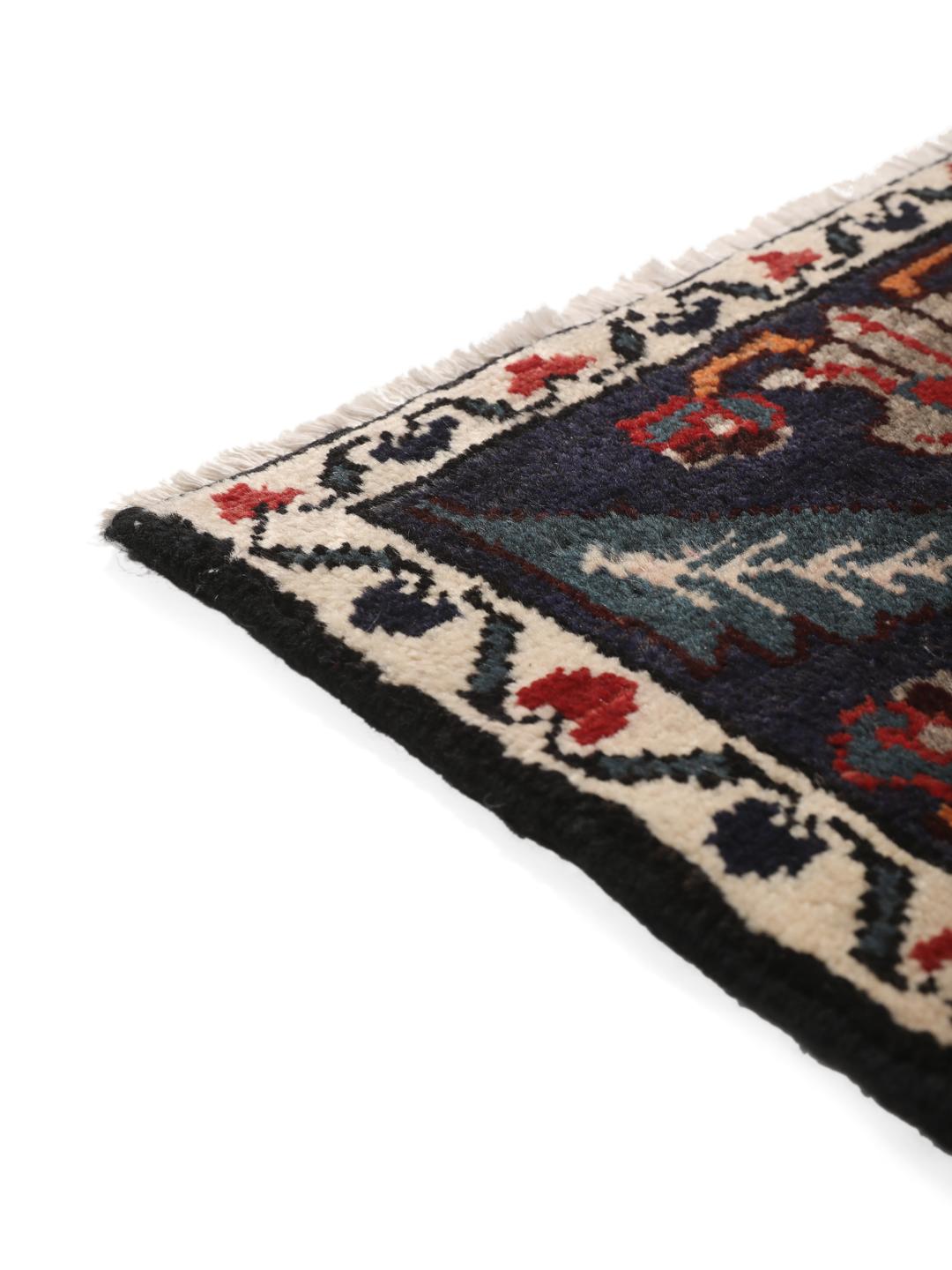
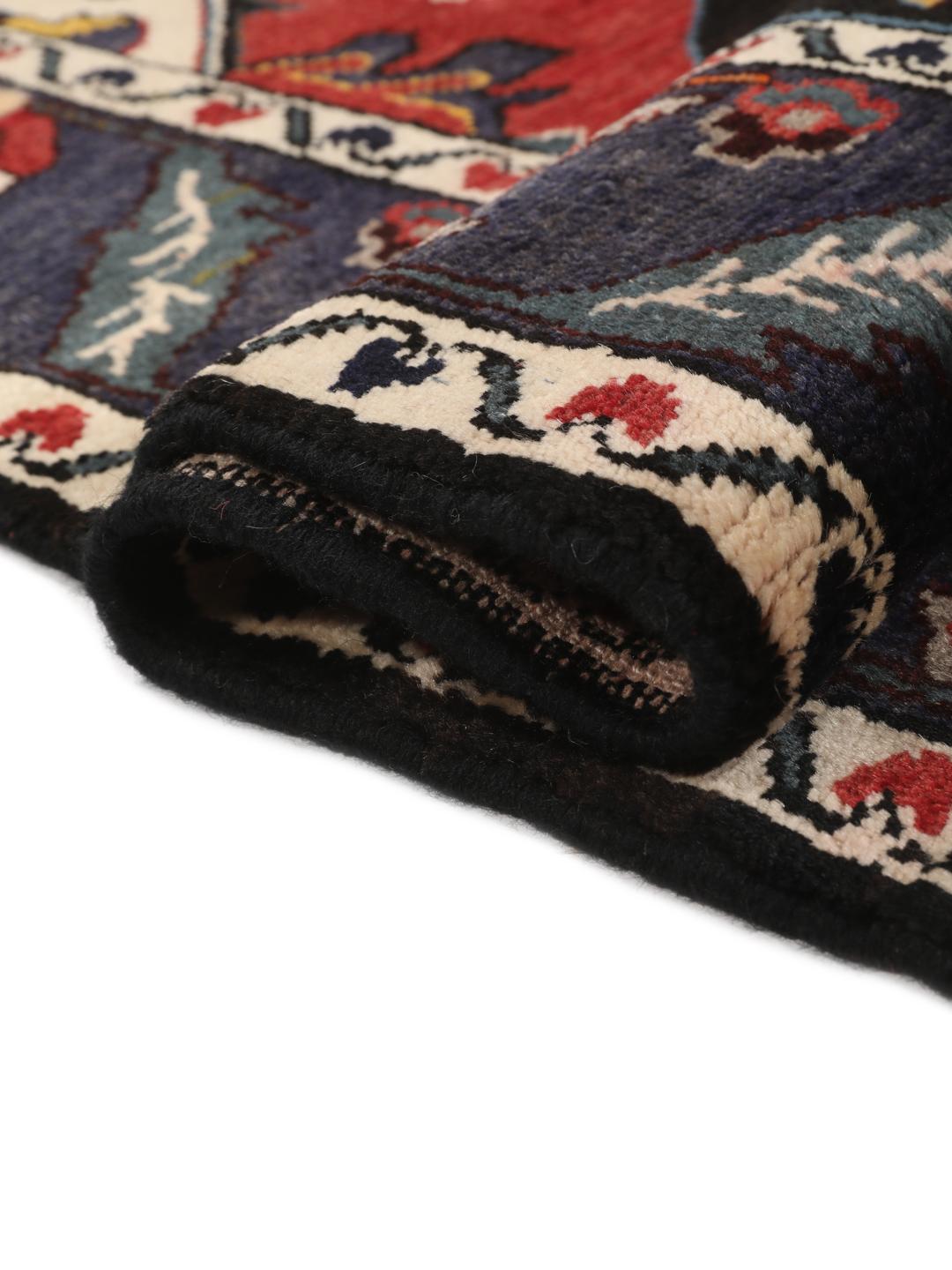
The term 'village rug' refers to the way these pieces are constructed, often using a single-weft technique that gives the rug a slightly more relaxed, supple handle compared to formal city-made carpets. This construction method allows for a more organic feel, making each rug feel less like a manufactured product and more like a handmade textile with its own natural variations and character.
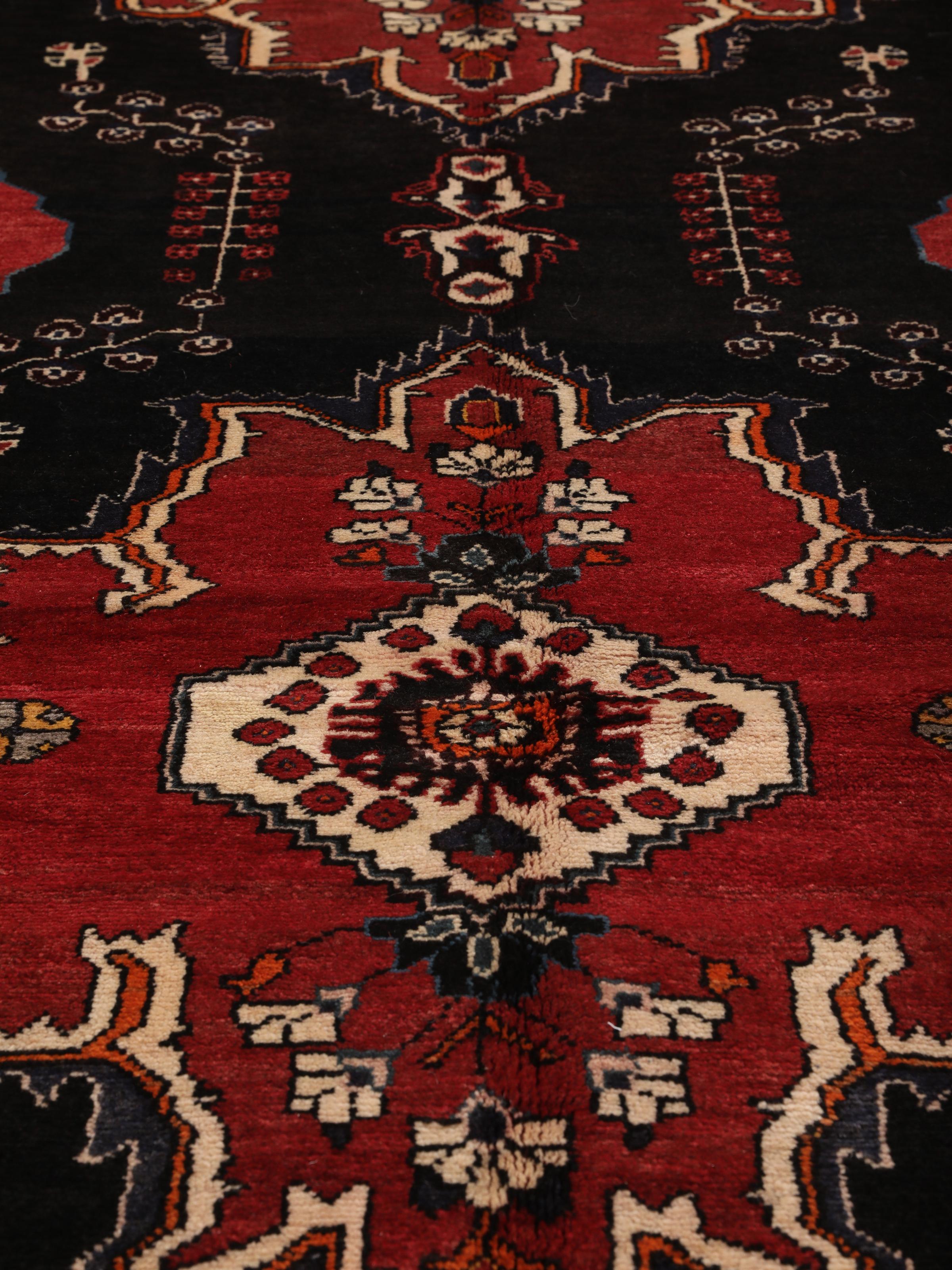
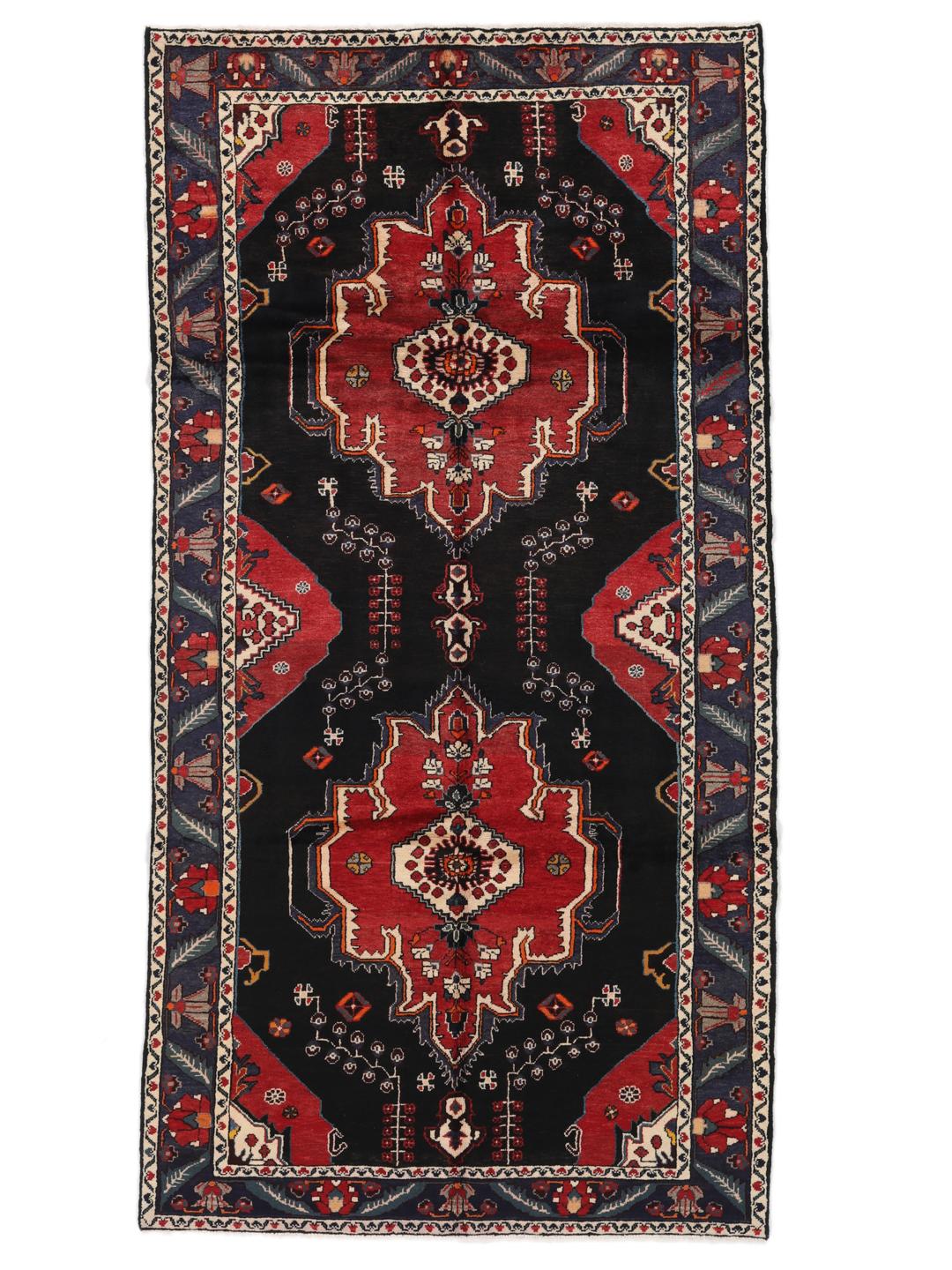
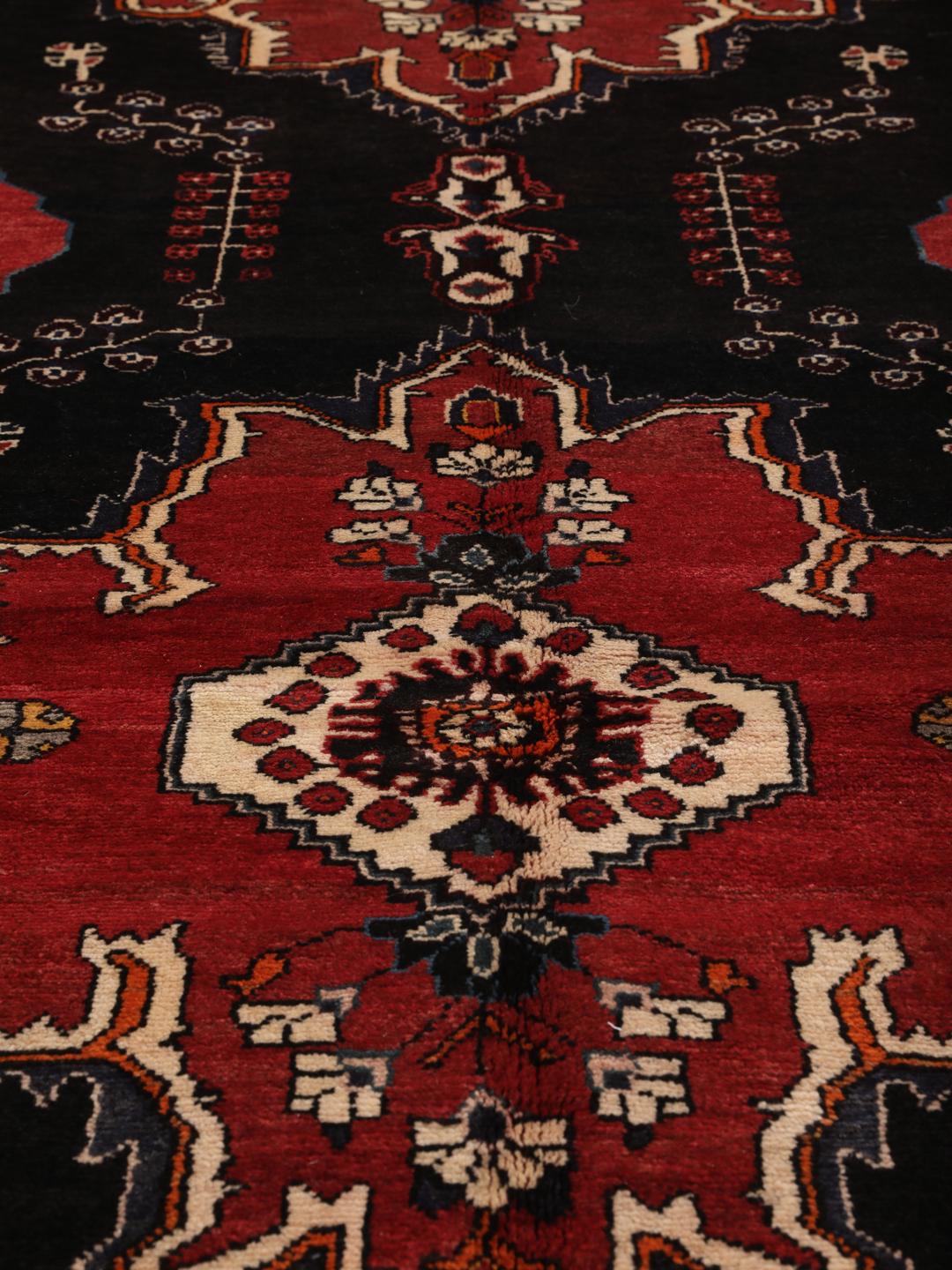
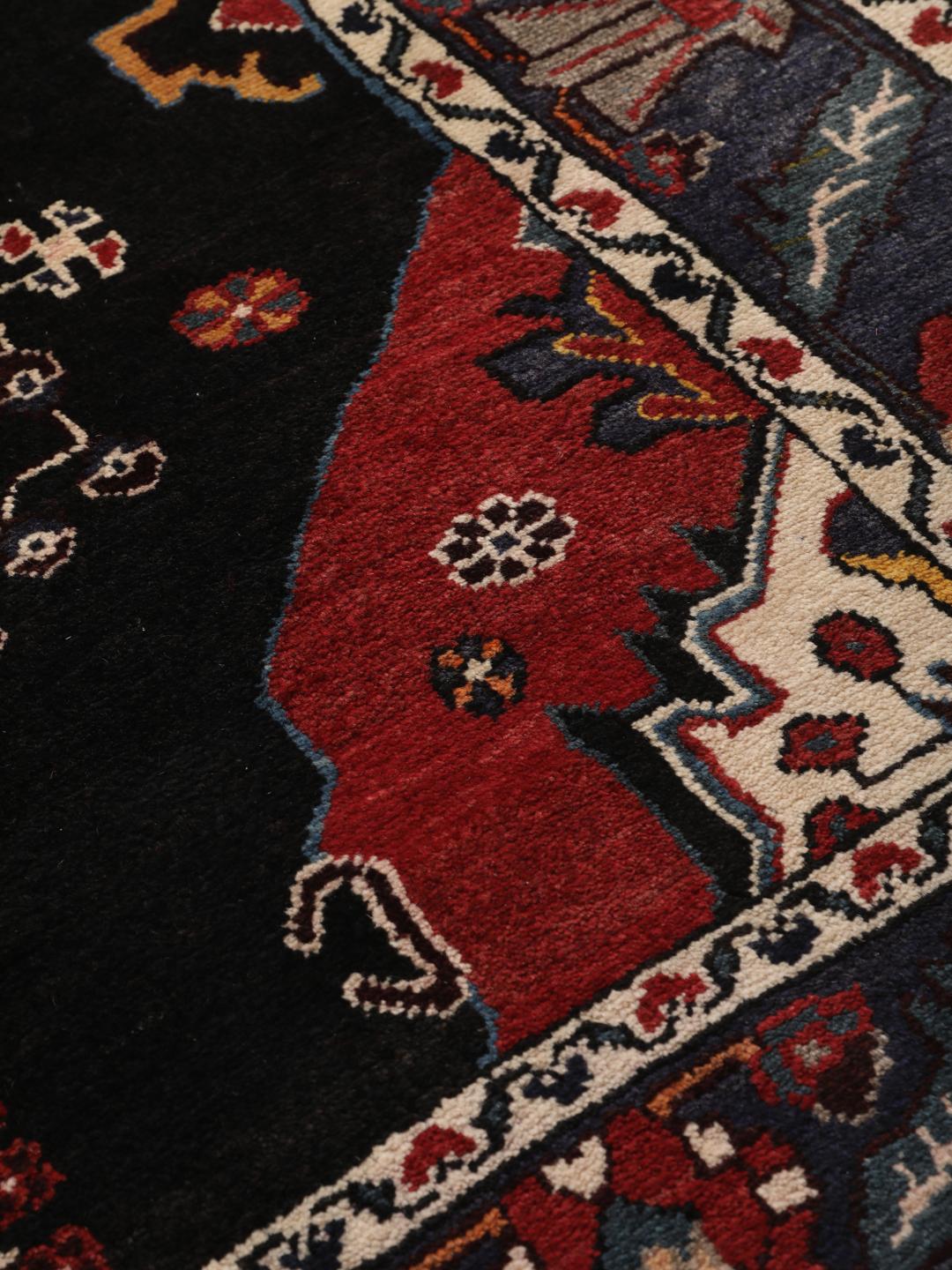
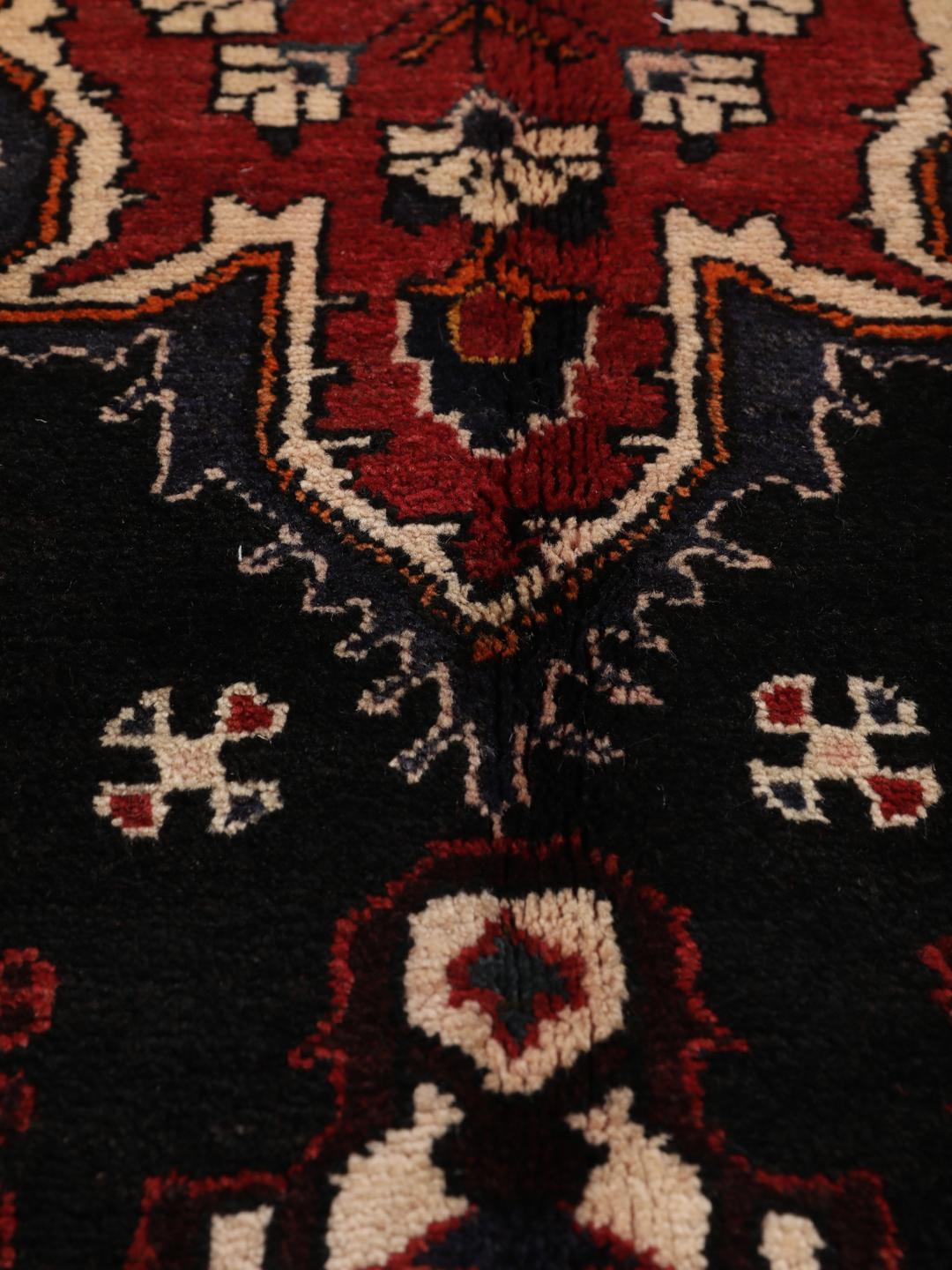
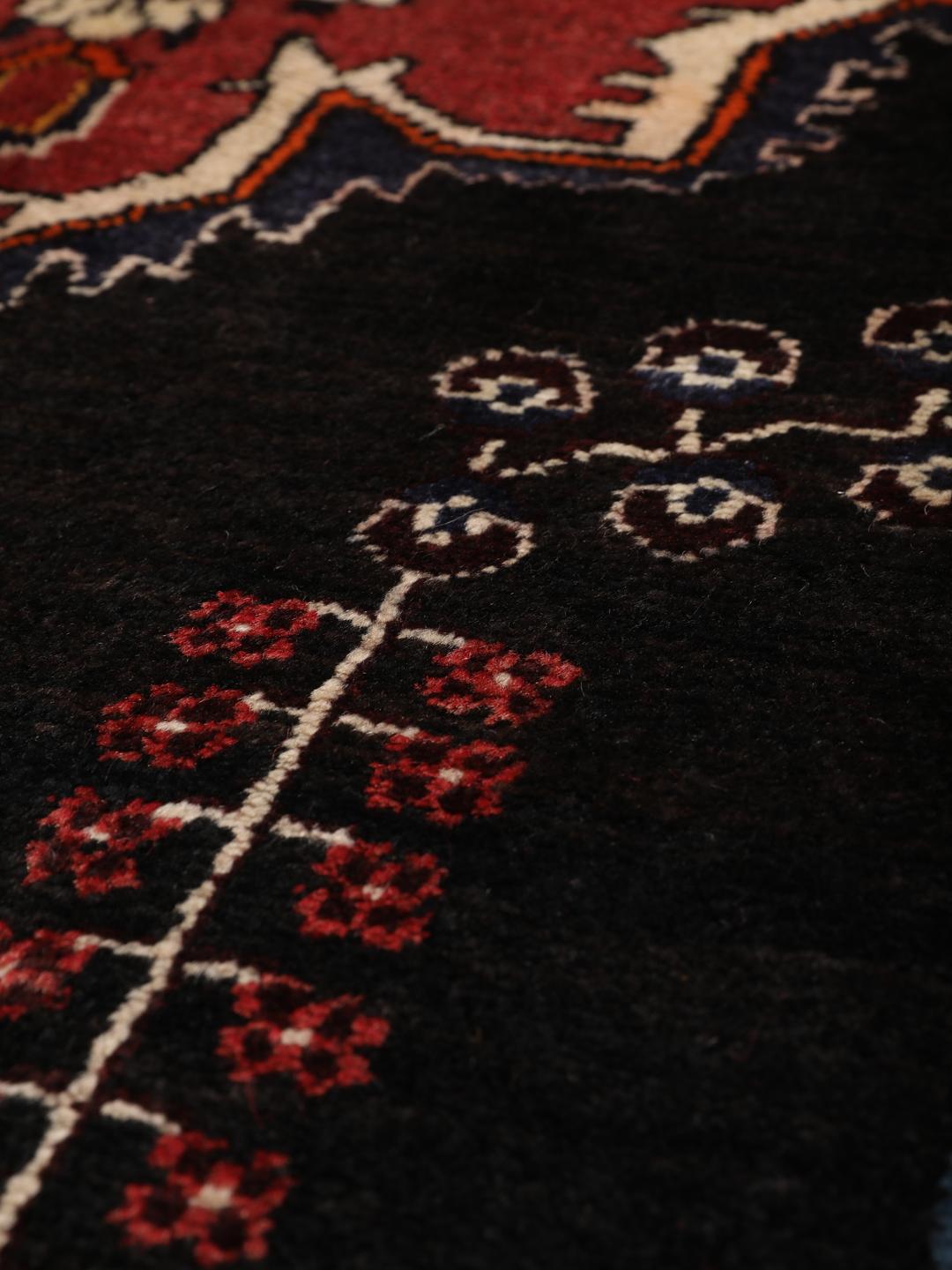
Visually, Nahavand rugs are celebrated for their bold geometric vocabulary. They frequently feature central medallions surrounded by stylised floral elements, animals, or tribal motifs that tell the story of the weaver's environment. The colour palettes are typically dominated by deep, rich reds and dark, moody blues or blacks, achieved through traditional natural dyeing methods that create a warm and inviting look.
Collectors value Nahavand rugs for their authenticity and the way they bridge the gap between tribal art and functional home decor. Owning a piece from this tradition is an act of preserving a specific regional heritage. Because each weaver interprets the classic motifs in their own way, these rugs are seen as highly collectible and deeply personal additions to any curated home.