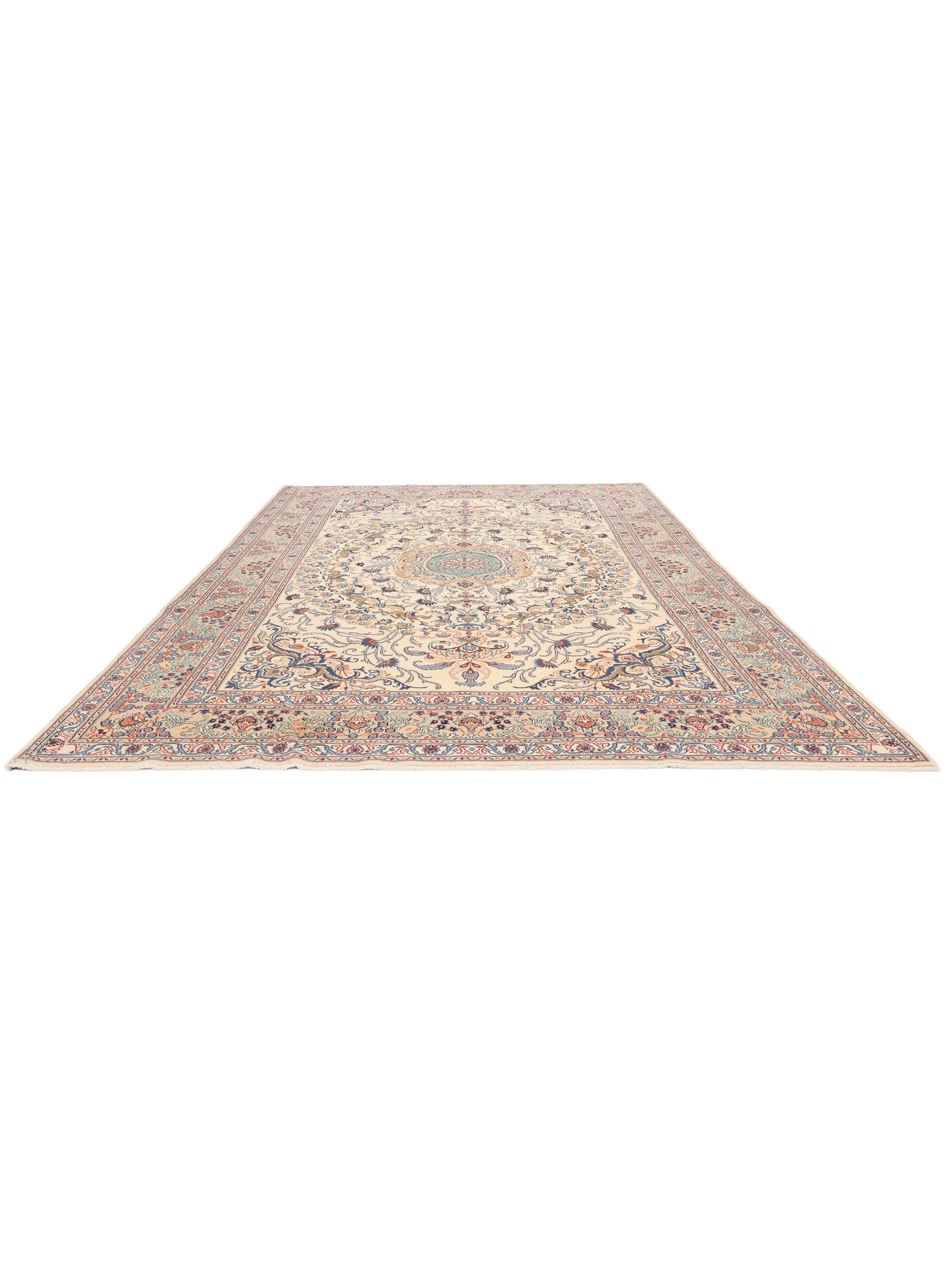
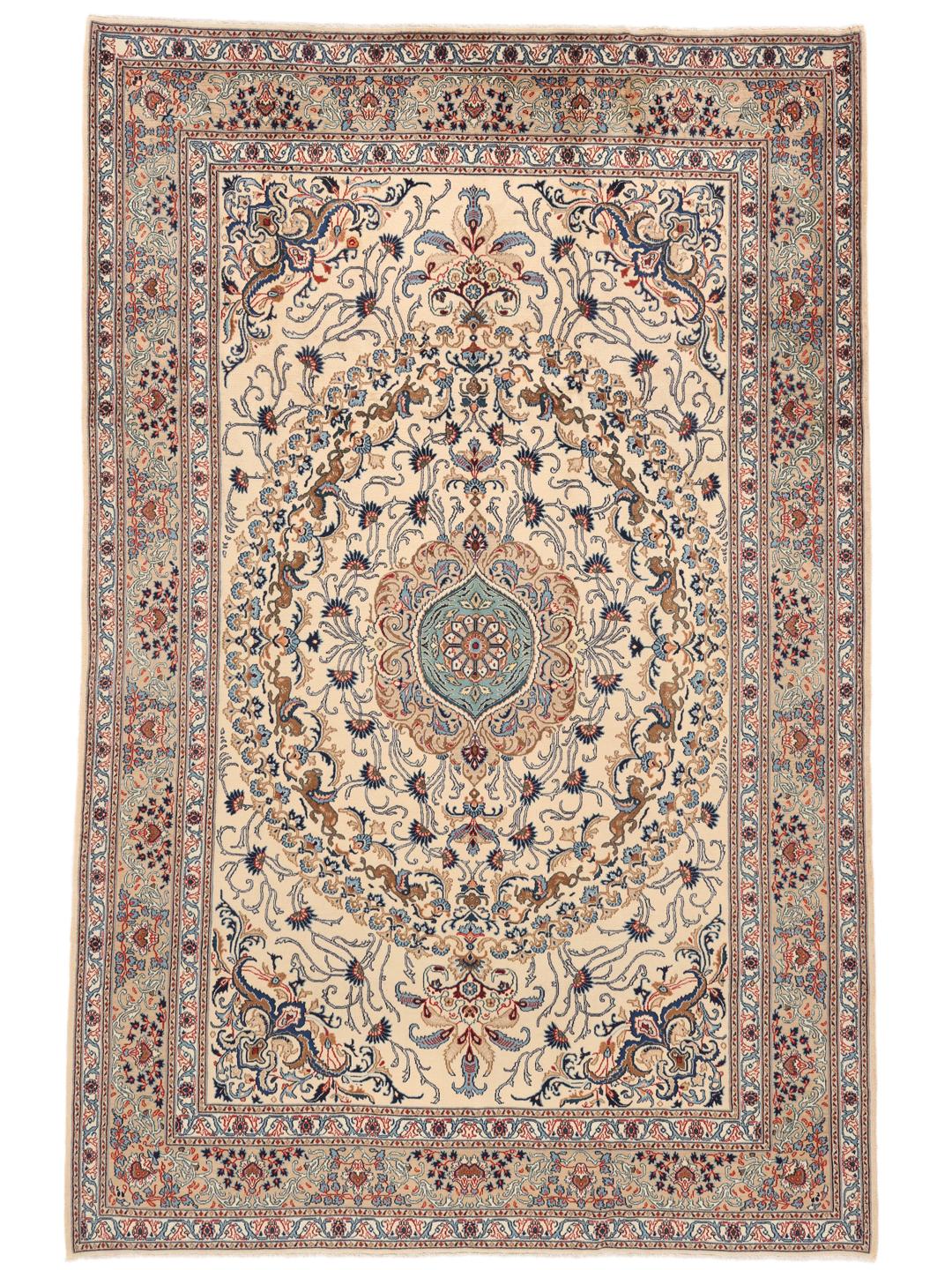
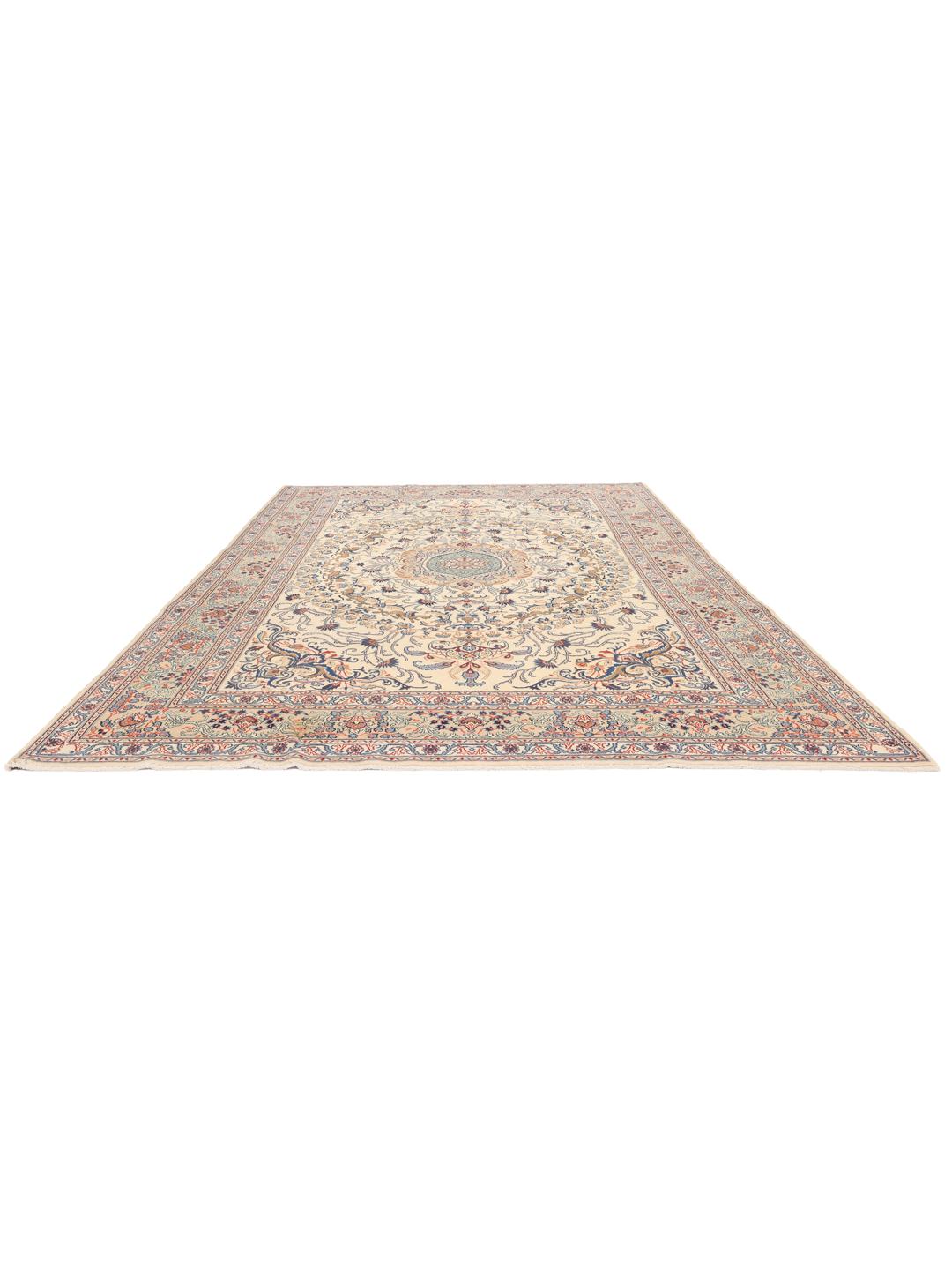
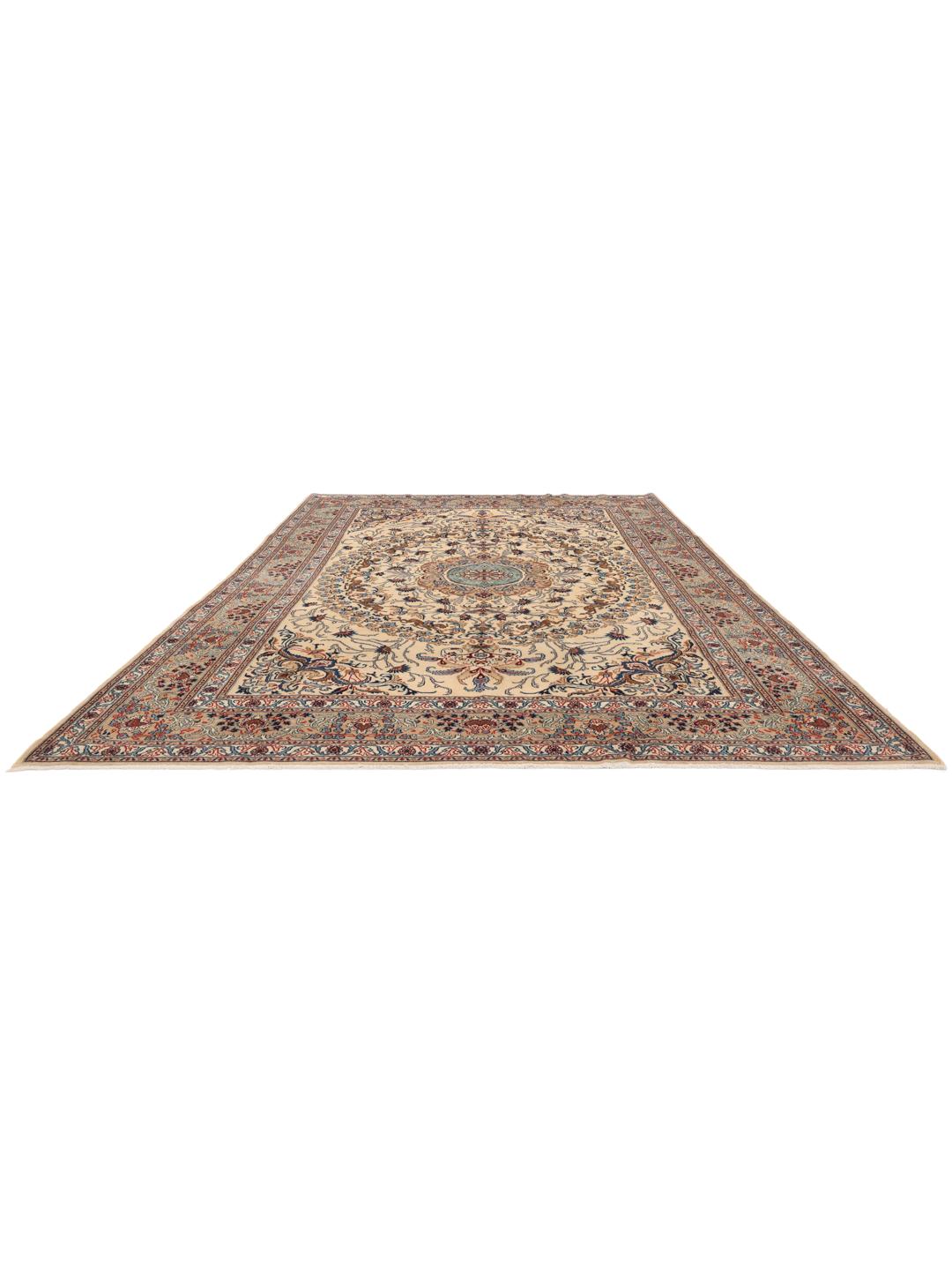
The Moud rug tradition originates from the Khorasan region in the Middle East, a historically significant area known for its rich weaving heritage. These rugs are named after the town of Moud, which has long been a centre for fine craftsmanship. Over the years, the region has developed a reputation for creating rugs that balance traditional techniques with a distinct, refined aesthetic that appeals to both local and international collectors.
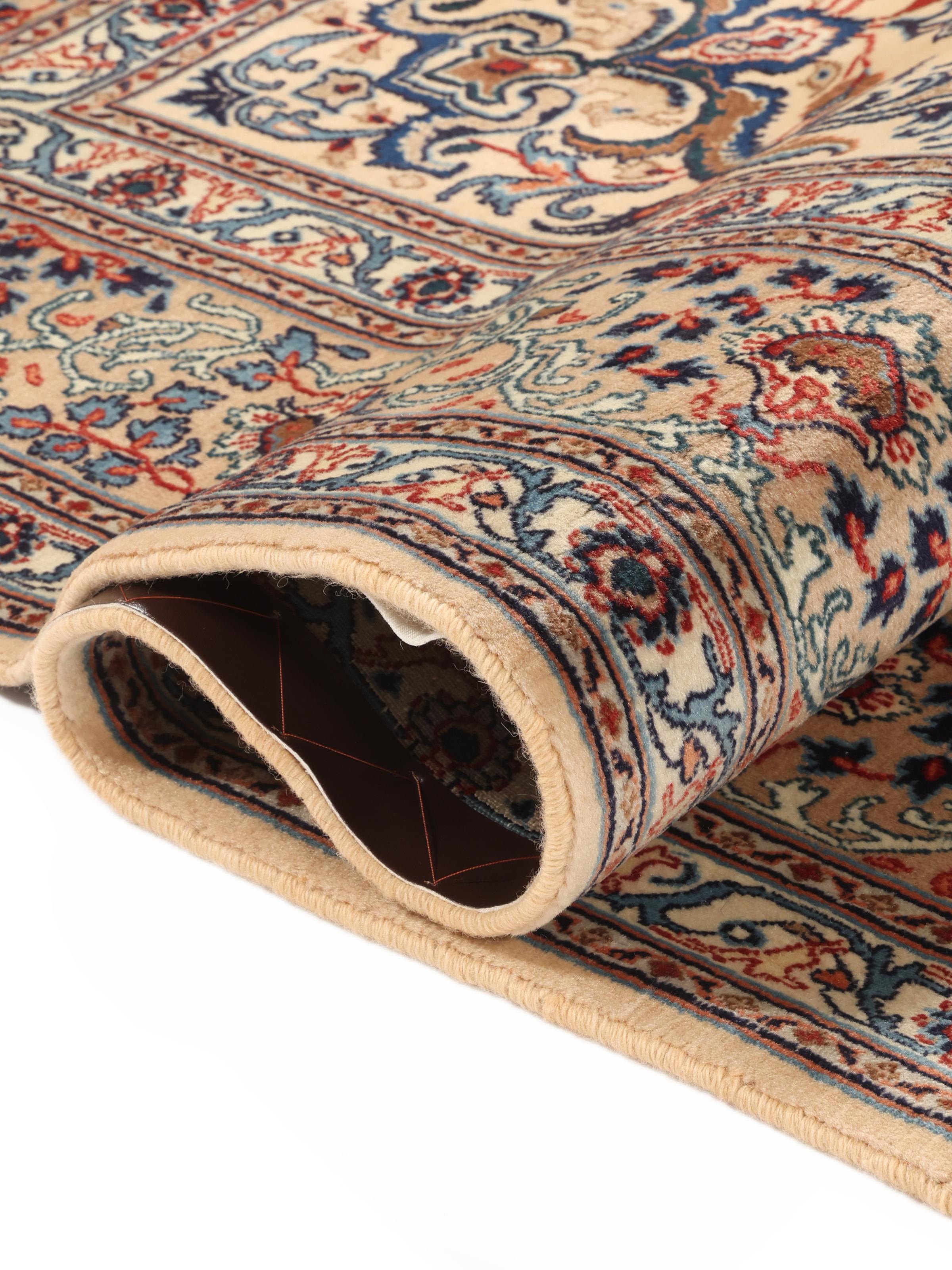
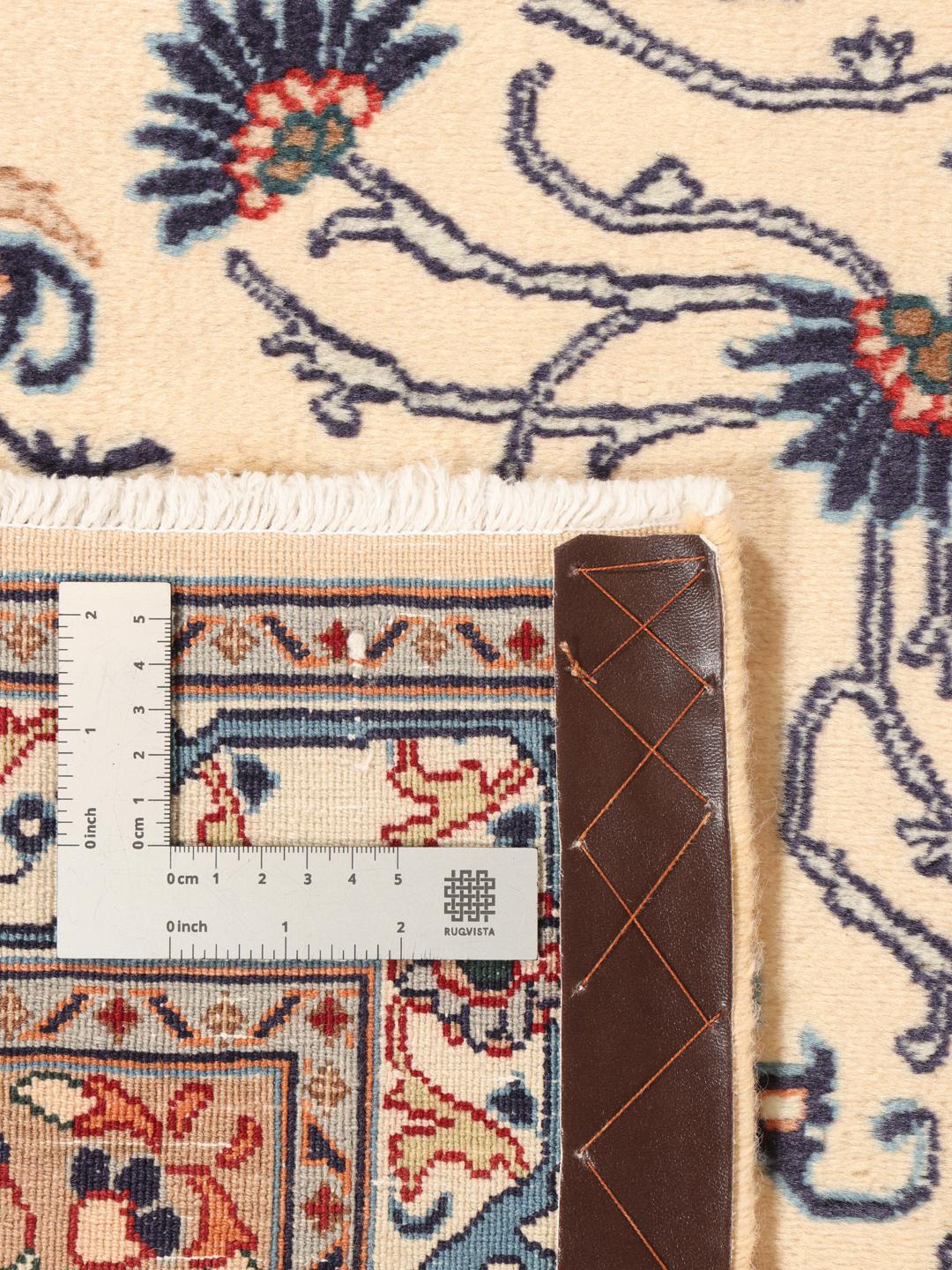
The term 'Sherkat Farsh' refers to a specific, high-quality production standard in the Middle Eastern rug industry, often associated with organised weaving houses that maintain rigorous control over materials and design execution. This ensures a consistent, high-density construction that results in a more lustrous and durable finish compared to simpler weaving methods. It signifies a level of professional oversight that guarantees the longevity and structural integrity of the finished piece.
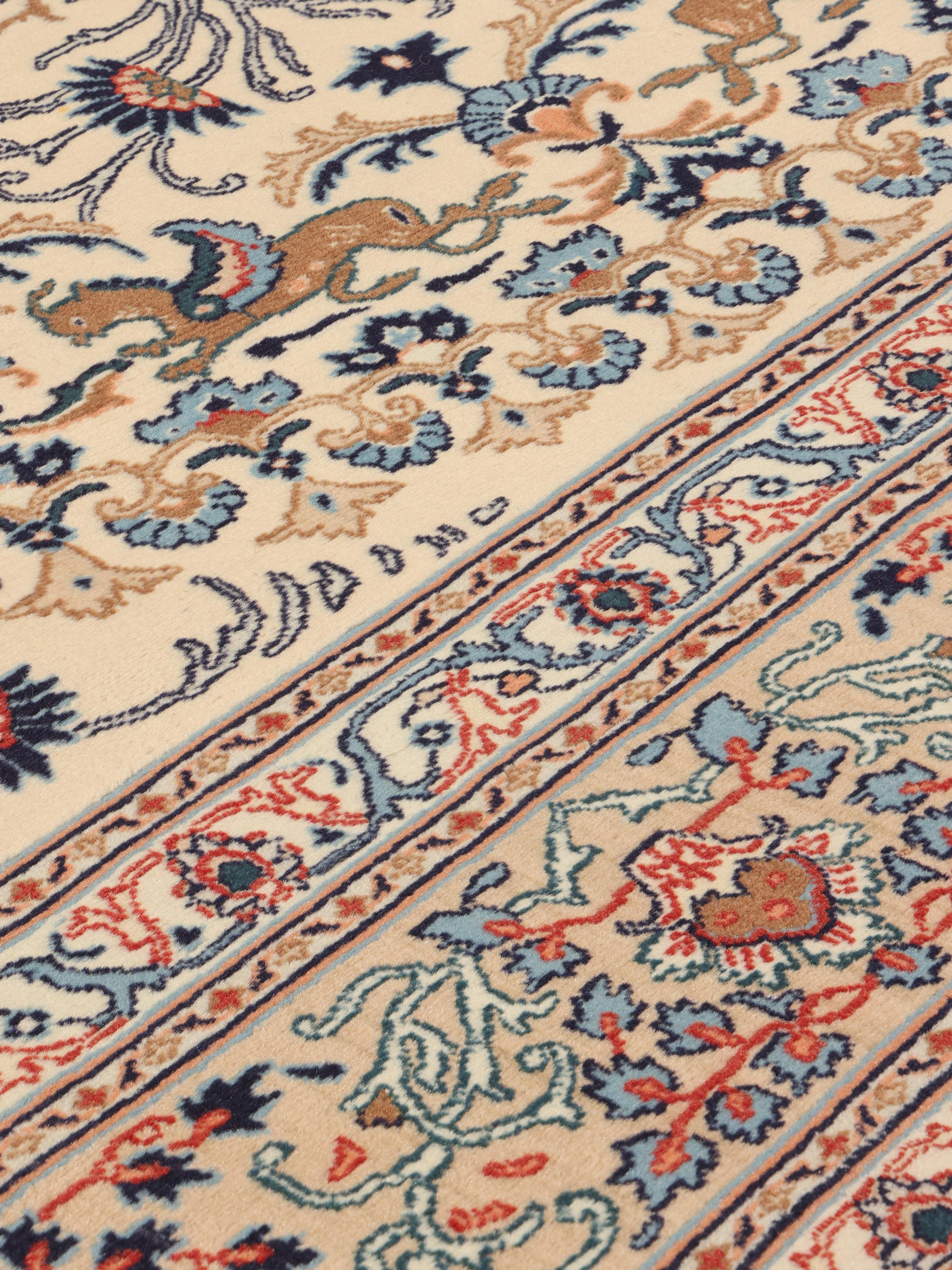
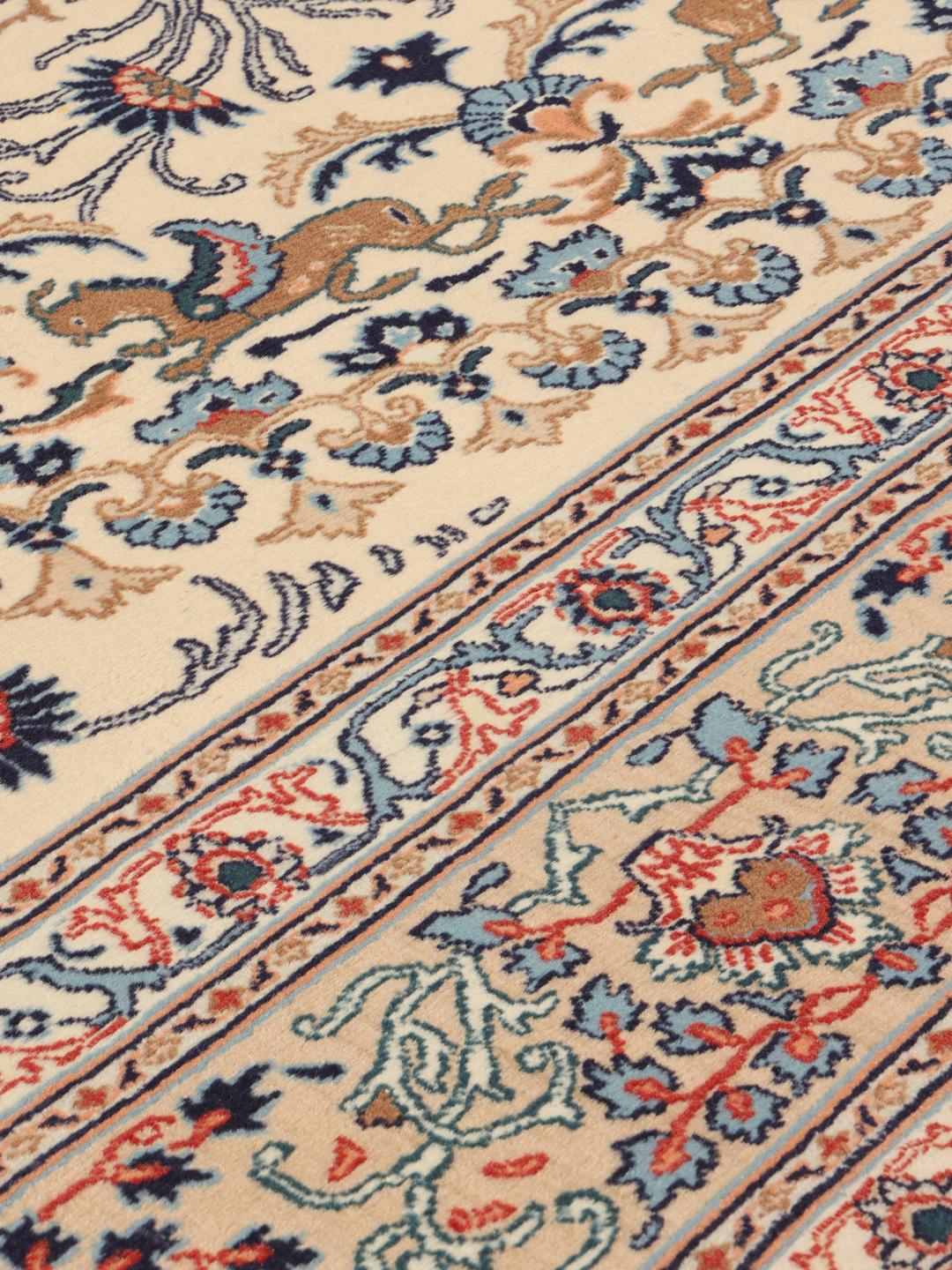
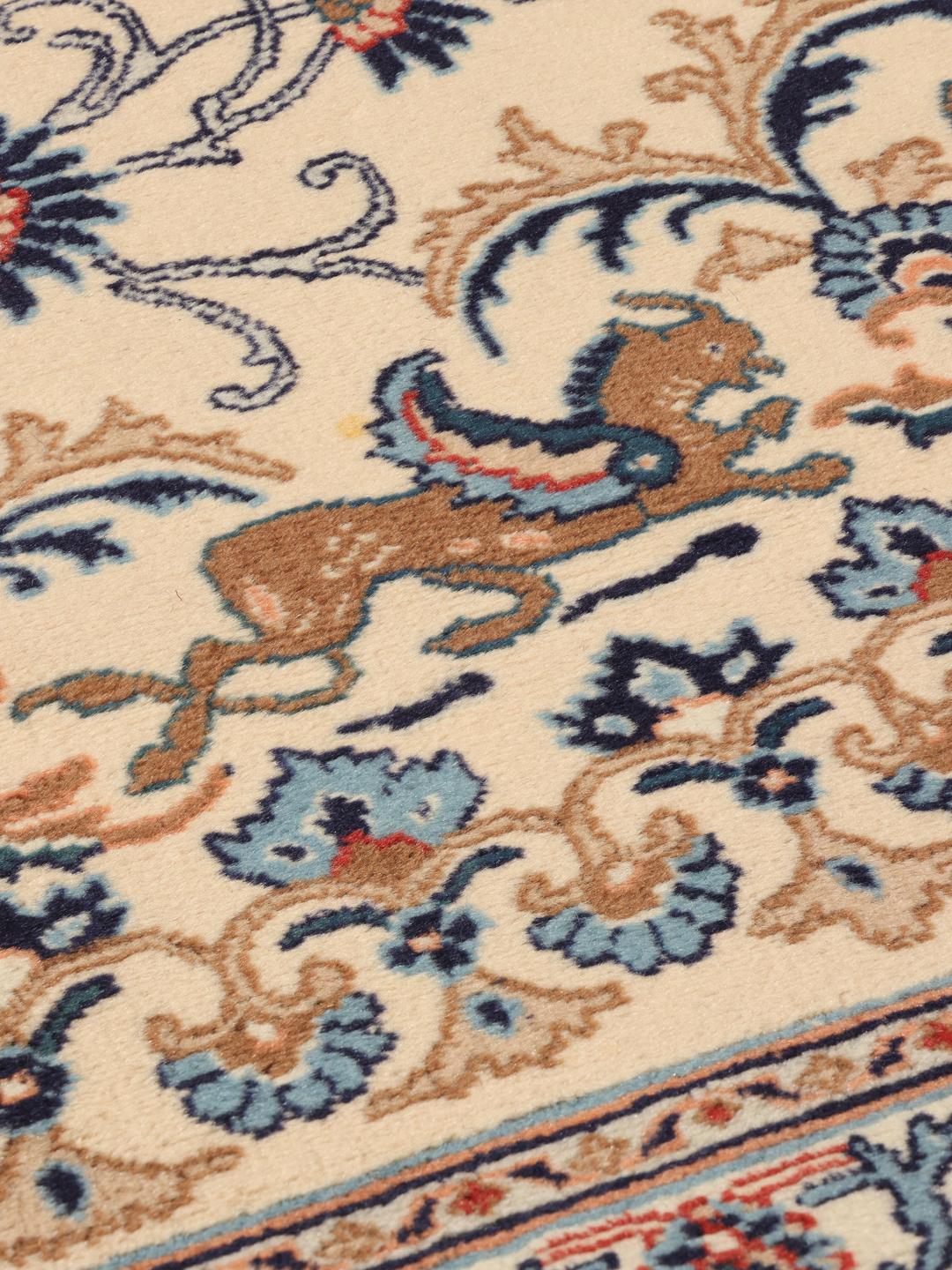
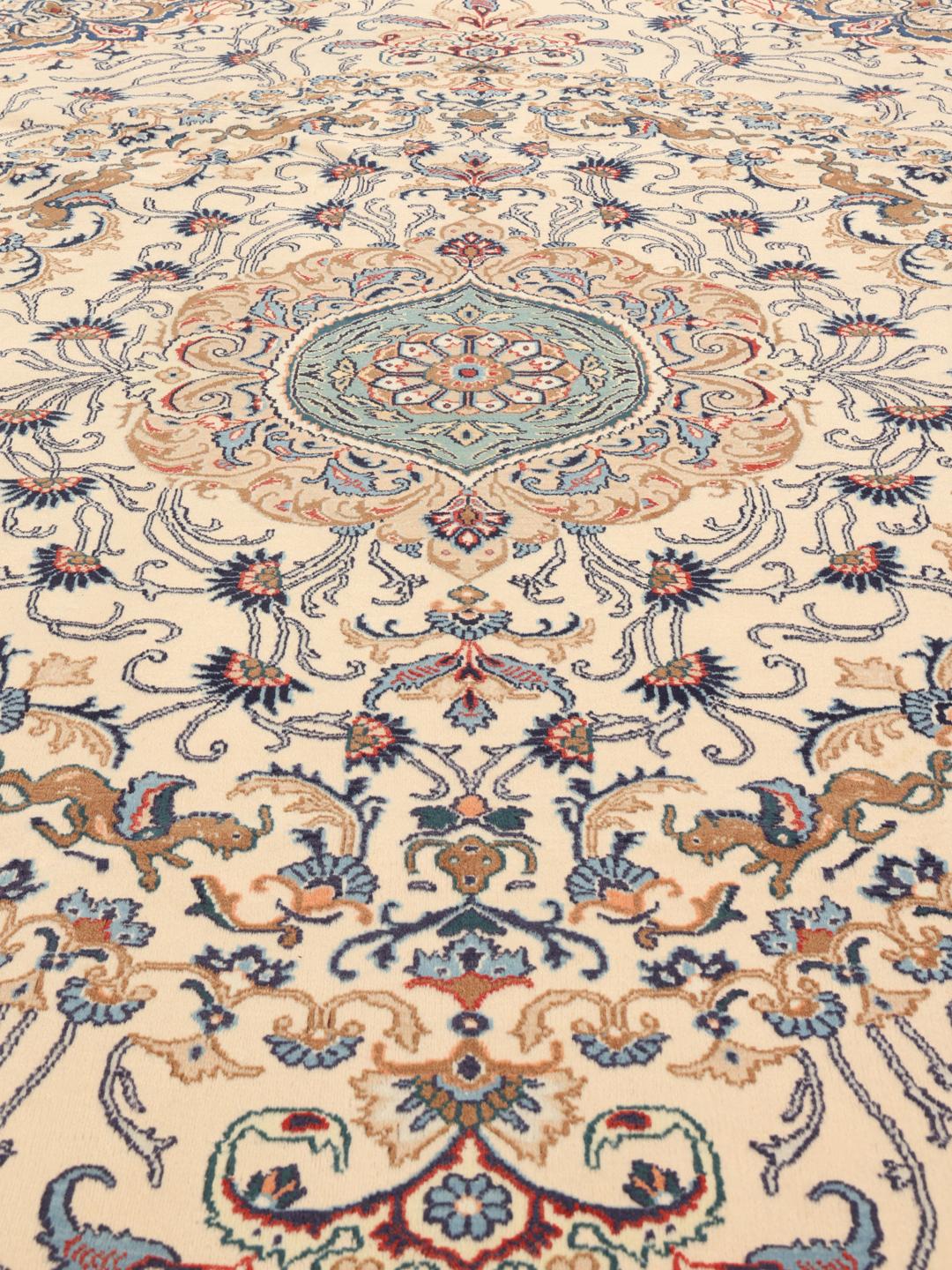
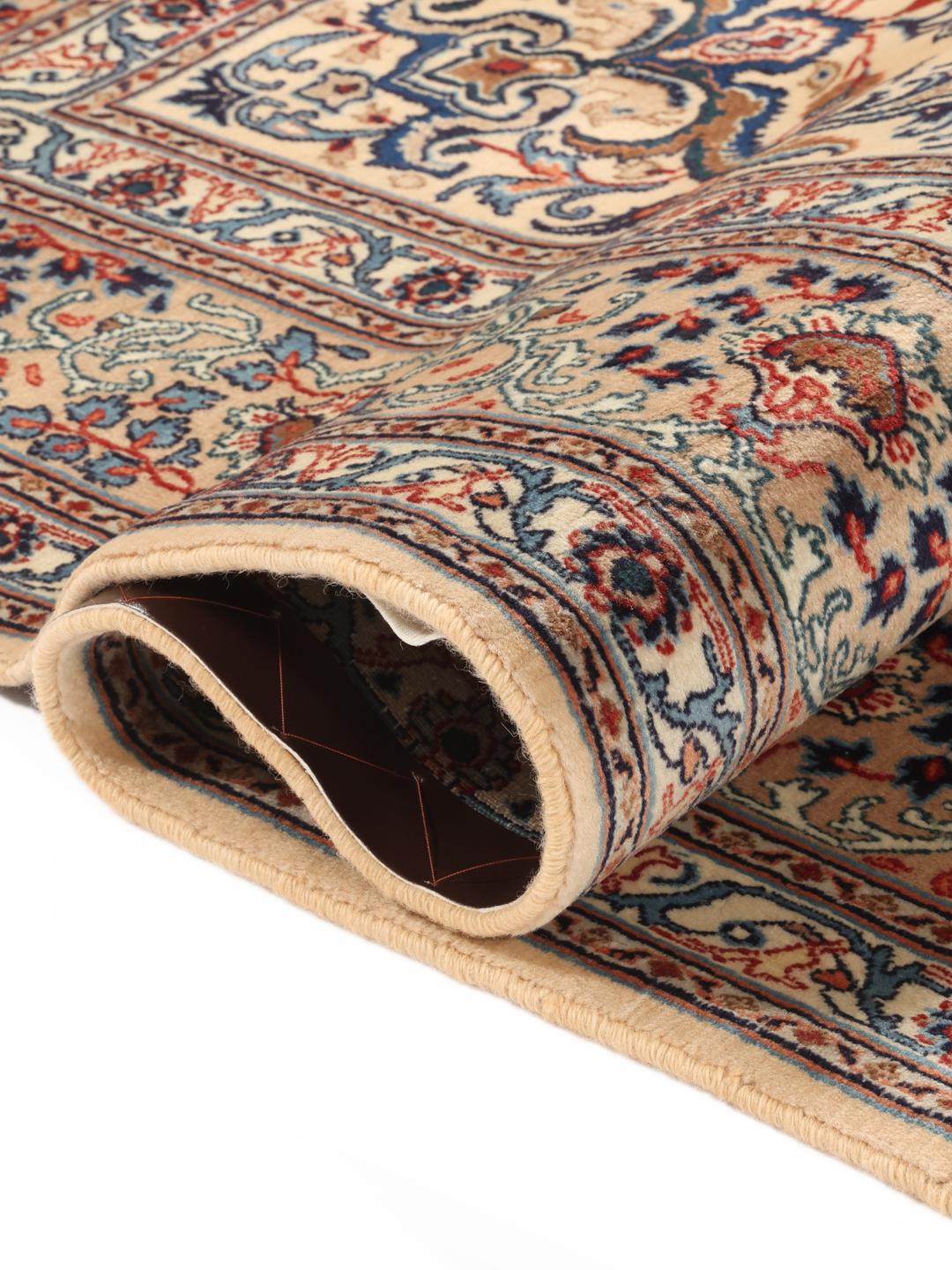
Visually, Moud rugs are often recognised for their 'Herati' or 'Mahi' patterns, which consist of small floral motifs arranged in a diamond-like grid, often surrounding a central medallion. These designs are executed with a focus on symmetry and balance, creating a sense of calm and order. The borders are typically elaborate, framing the central field with repeating floral vines that demonstrate the weaver's attention to detail and ability to execute complex, curvilinear forms.
Collecting a rug from this tradition is an act of preserving a piece of cultural history. These rugs are highly valued for their ability to integrate into diverse interiors while retaining their unique character. Owning a Moud rug is not just about the visual impact; it is an appreciation of the generations of skill, the patience of the craft, and the enduring quality that defines this distinguished weaving tradition.