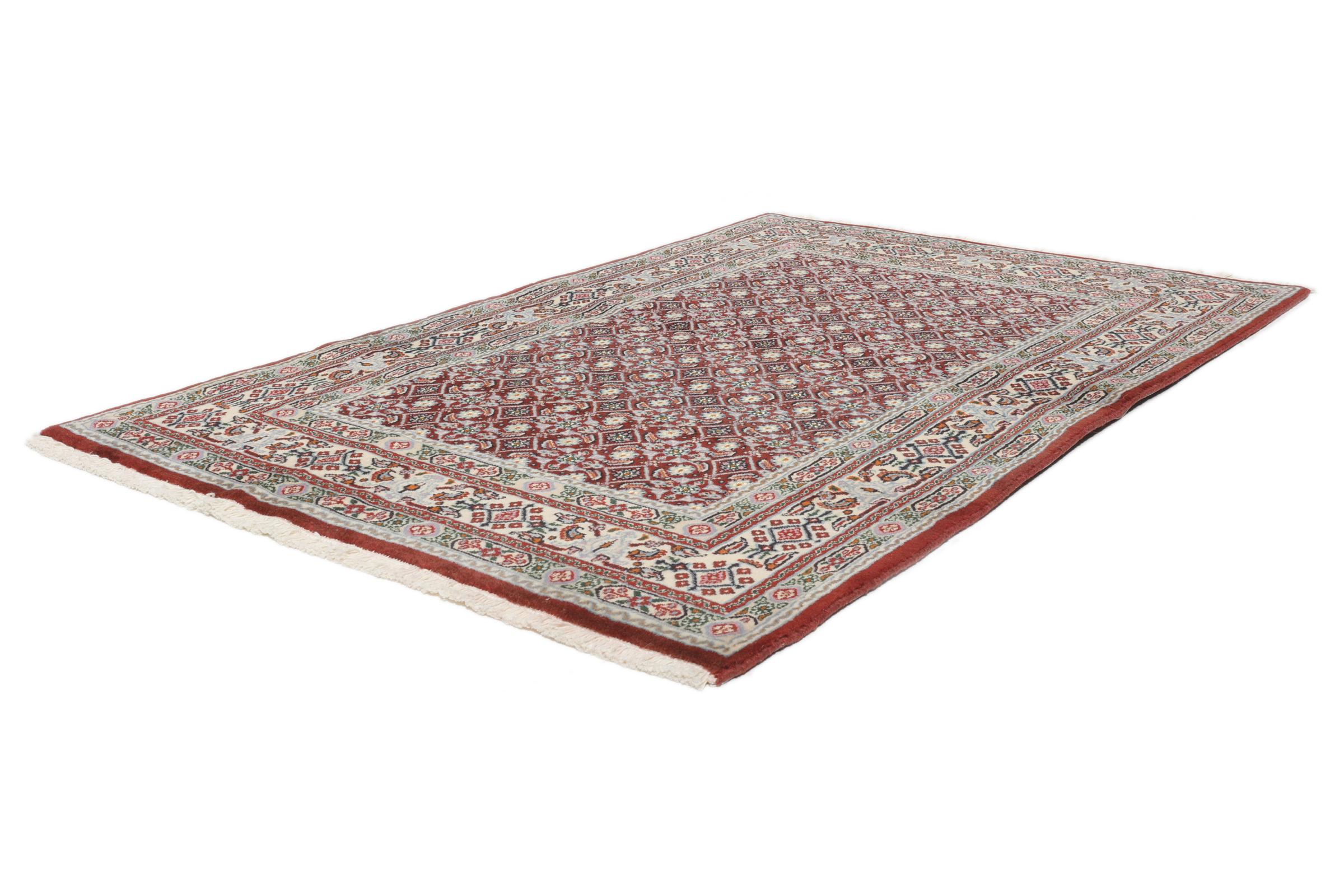
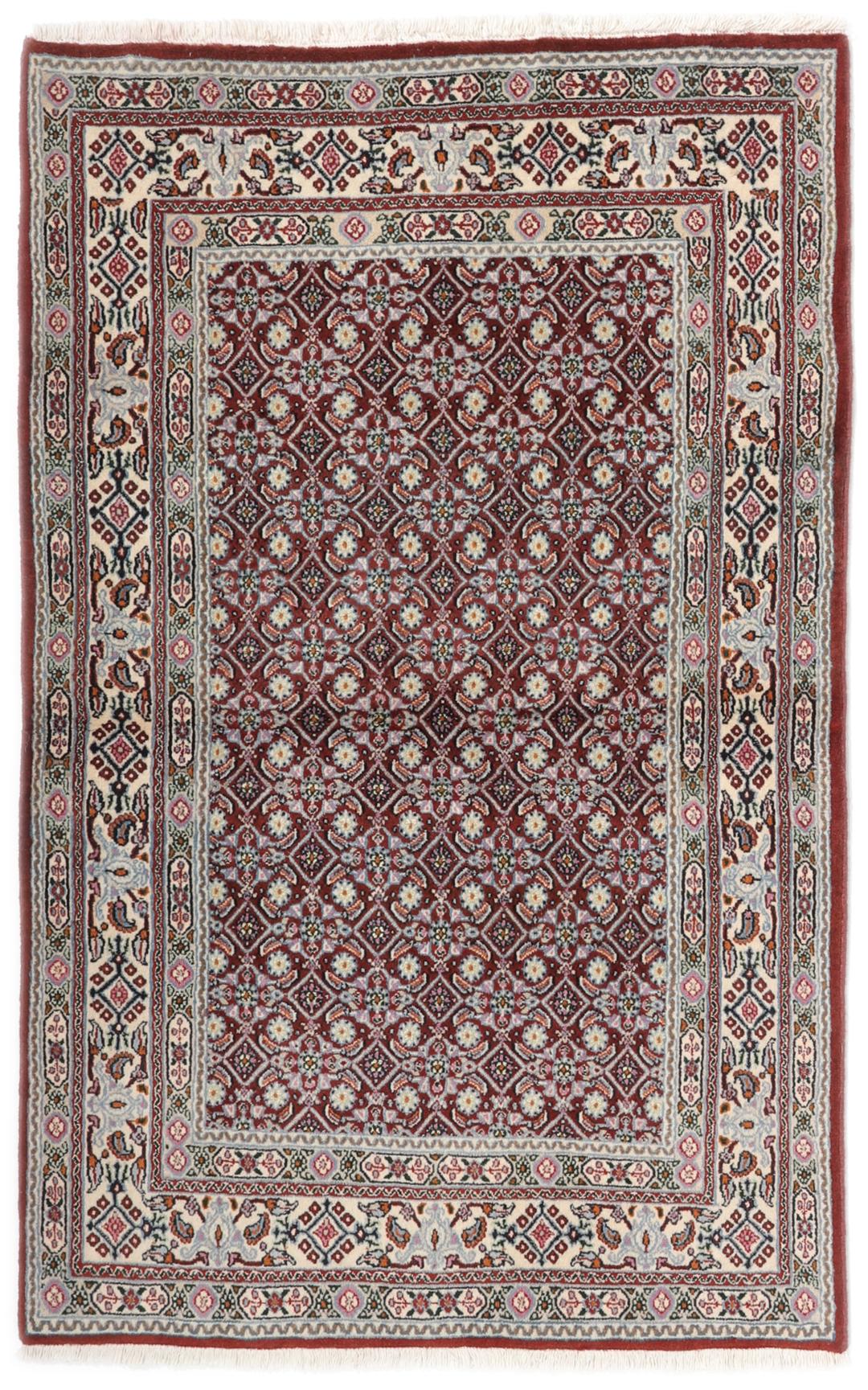
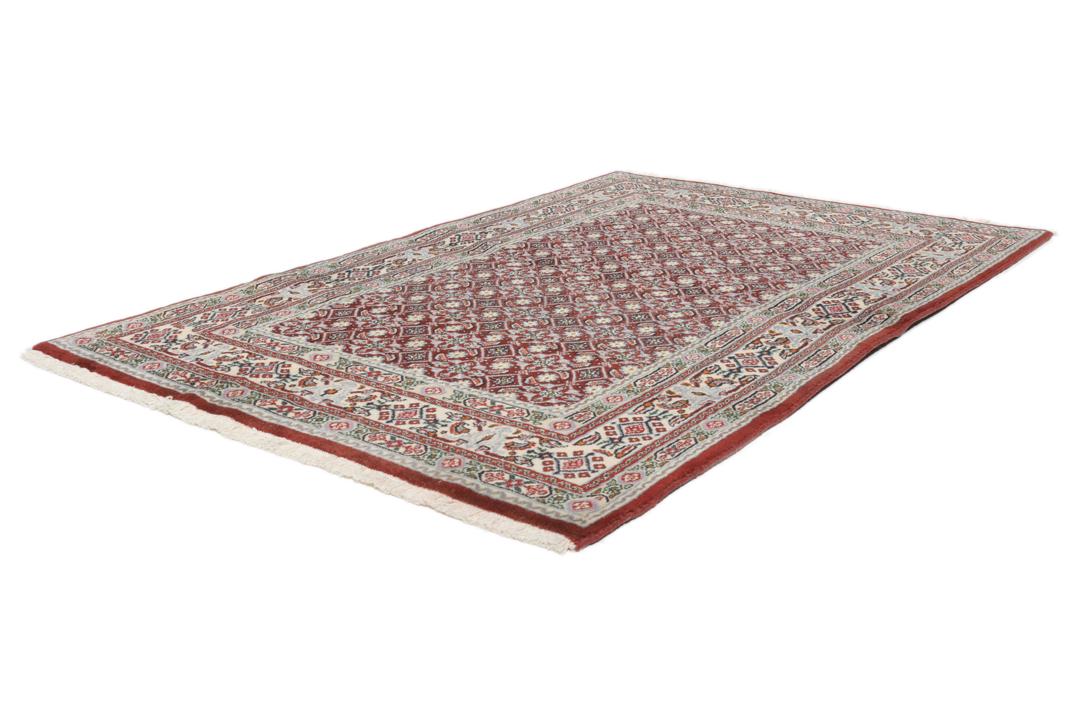
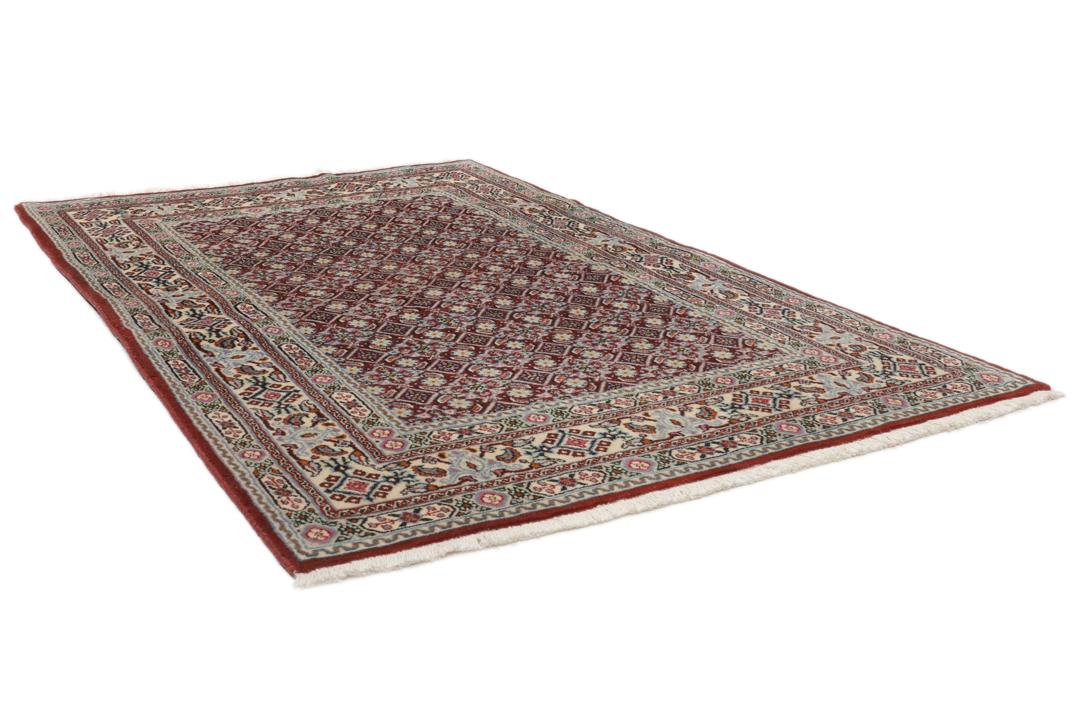
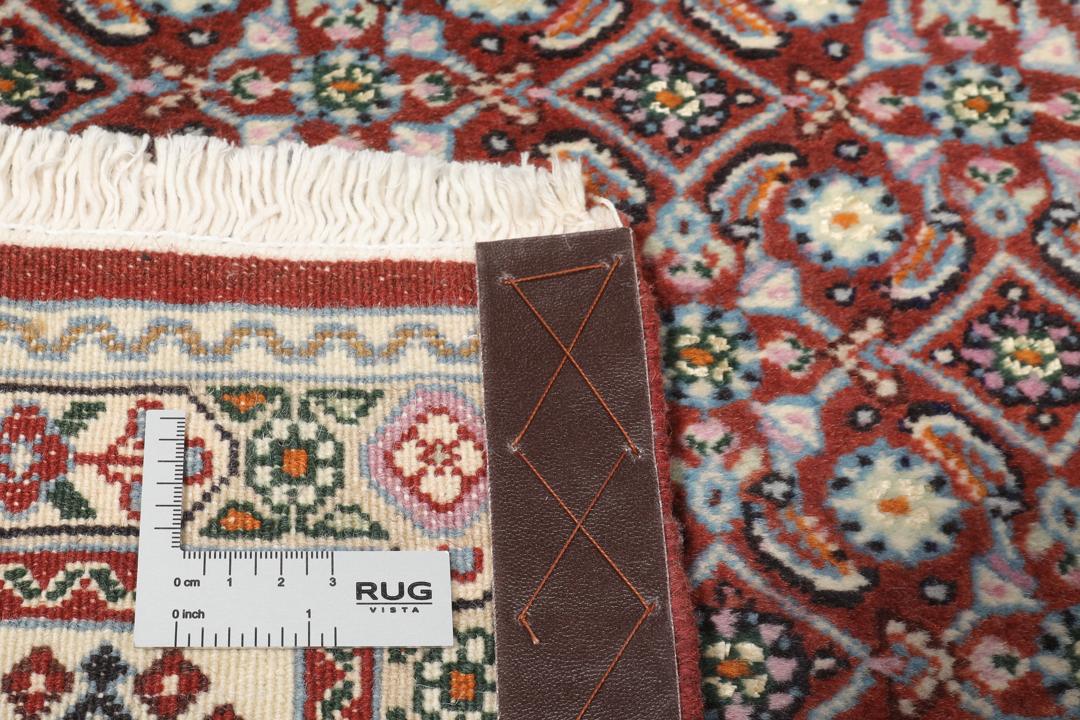
The Moud rug originates from the town of Moud, situated in the Khorasan province of the Middle East. This region has a long-standing reputation for producing rugs of exceptional quality, often characterised by their harmonious colour palettes and sophisticated designs. The tradition of weaving in this area has evolved over centuries, blending local aesthetic preferences with broader regional influences to create a style that is both recognisable and highly sought after by collectors.
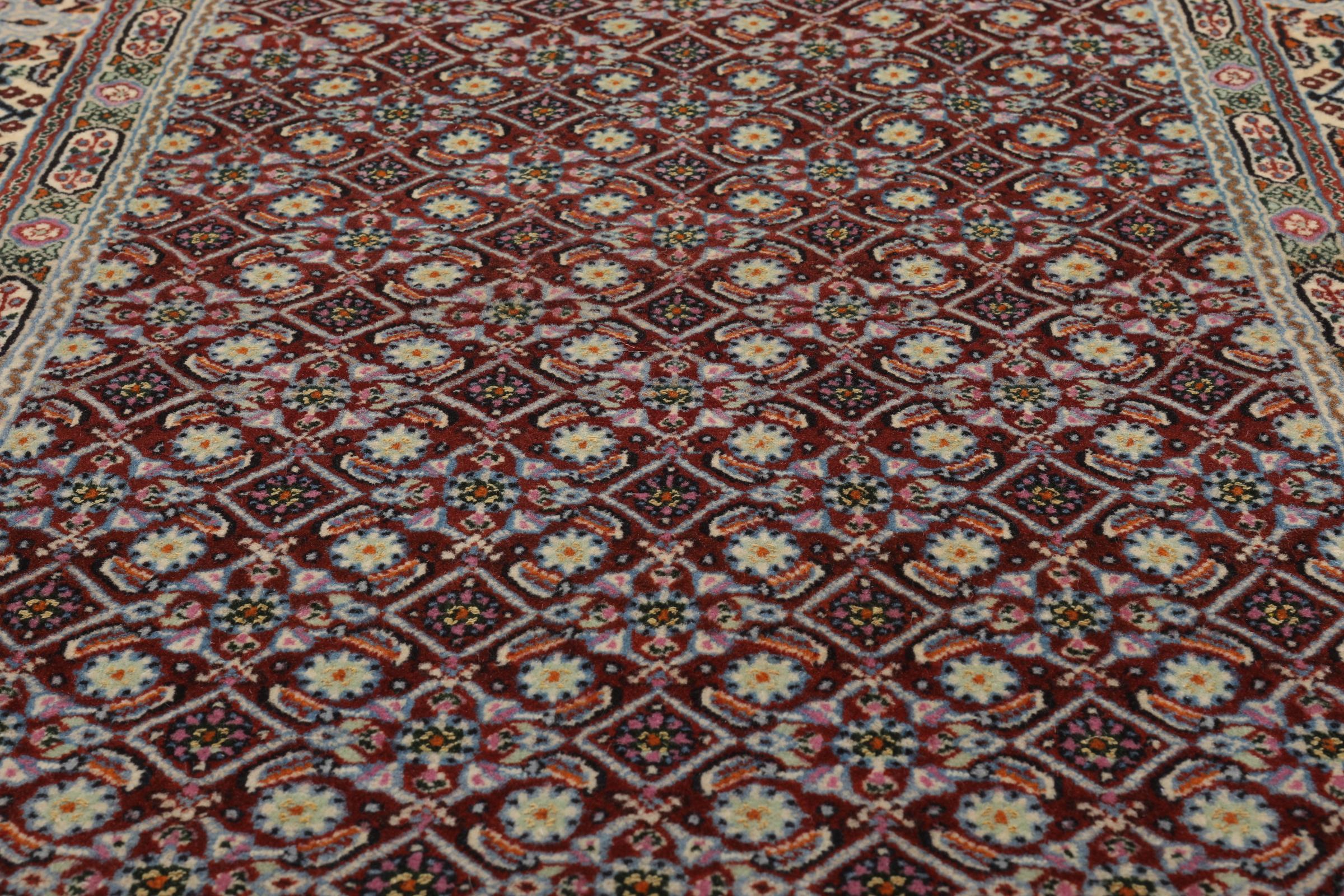
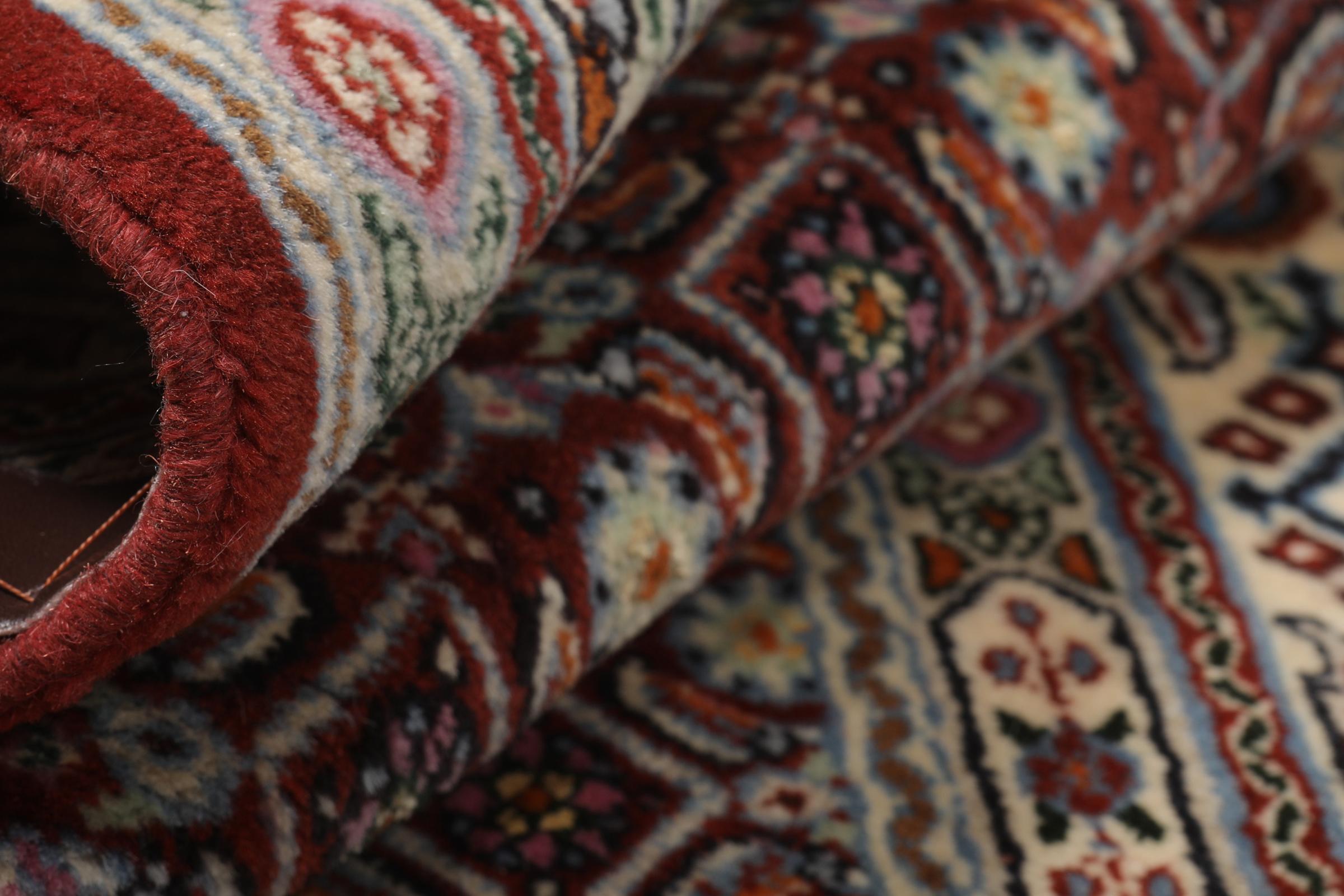
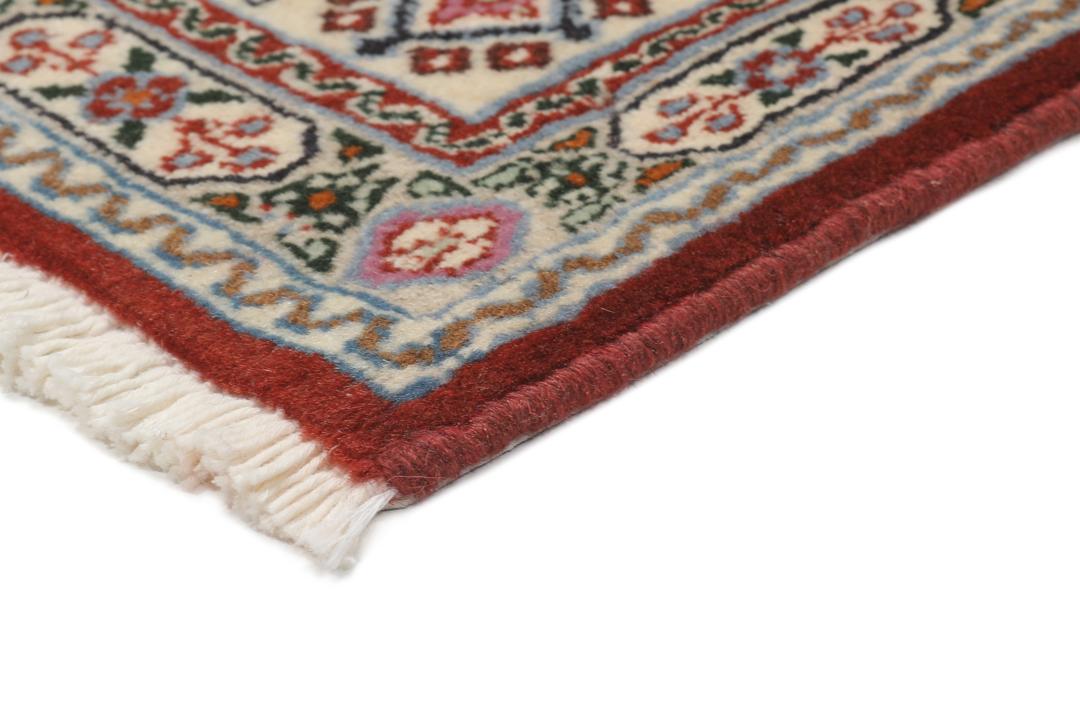
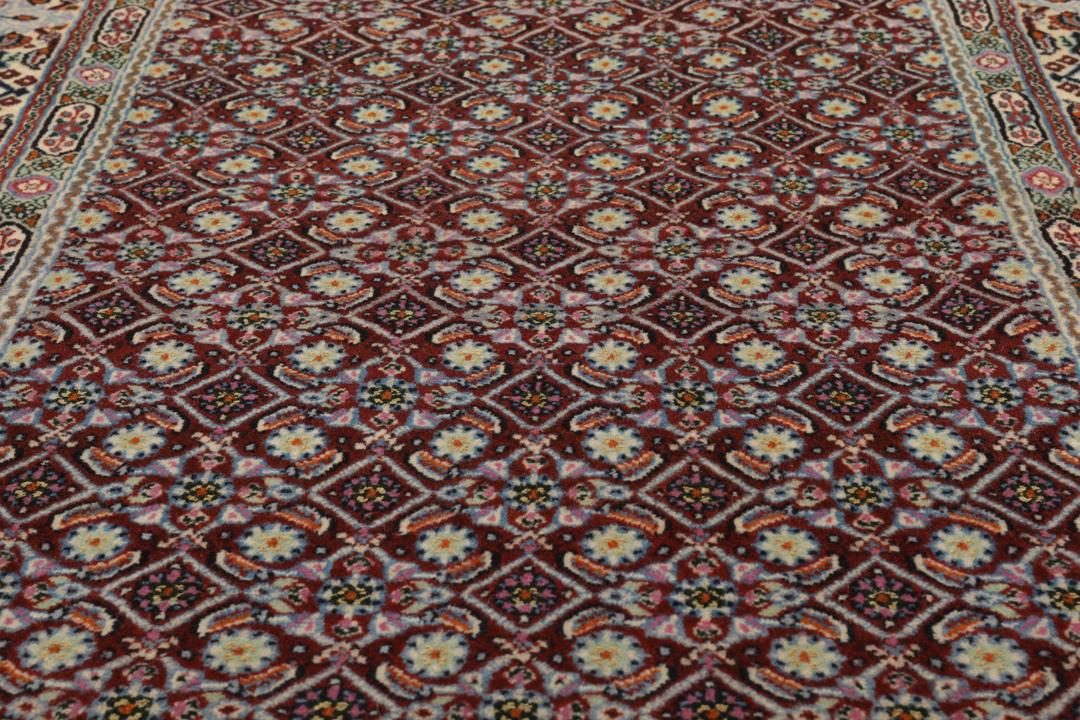
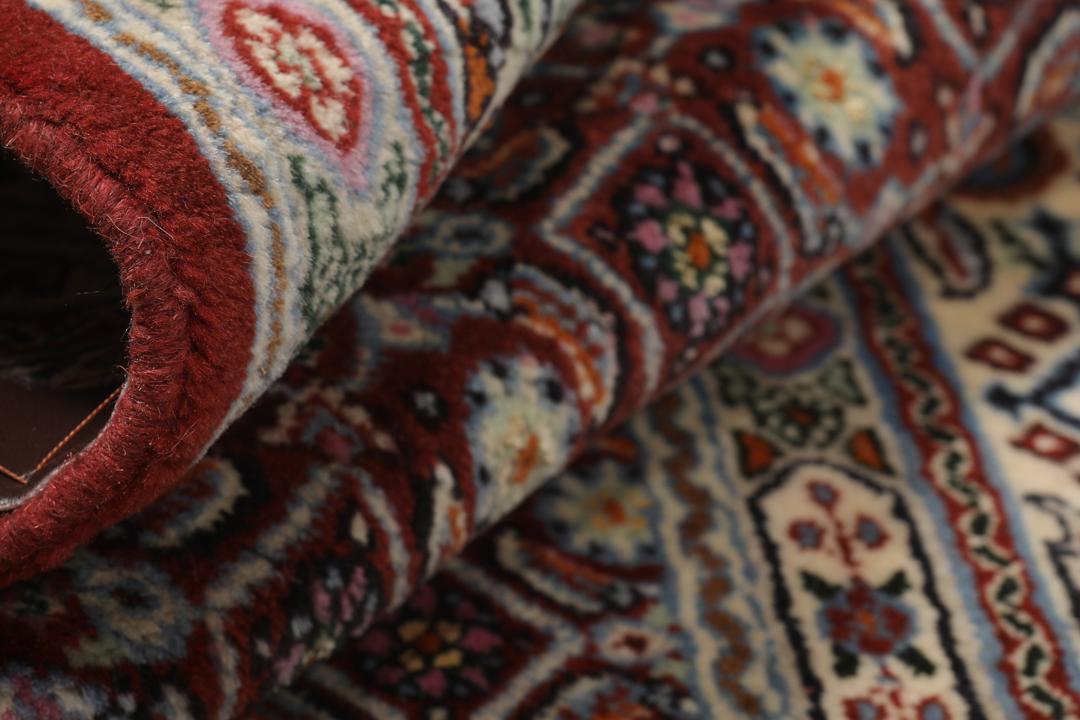
Technically, Moud rugs are noted for their specific approach to construction, often utilising high-quality wool that is known for its resilience and ability to hold vibrant dyes. The term 'Moud' refers not just to a geographic location, but to a specific design language that prioritises detail and balance. The density achieved in these rugs is a hallmark of the craft, allowing for the fine, intricate line work that gives the patterns their characteristic clarity and depth.
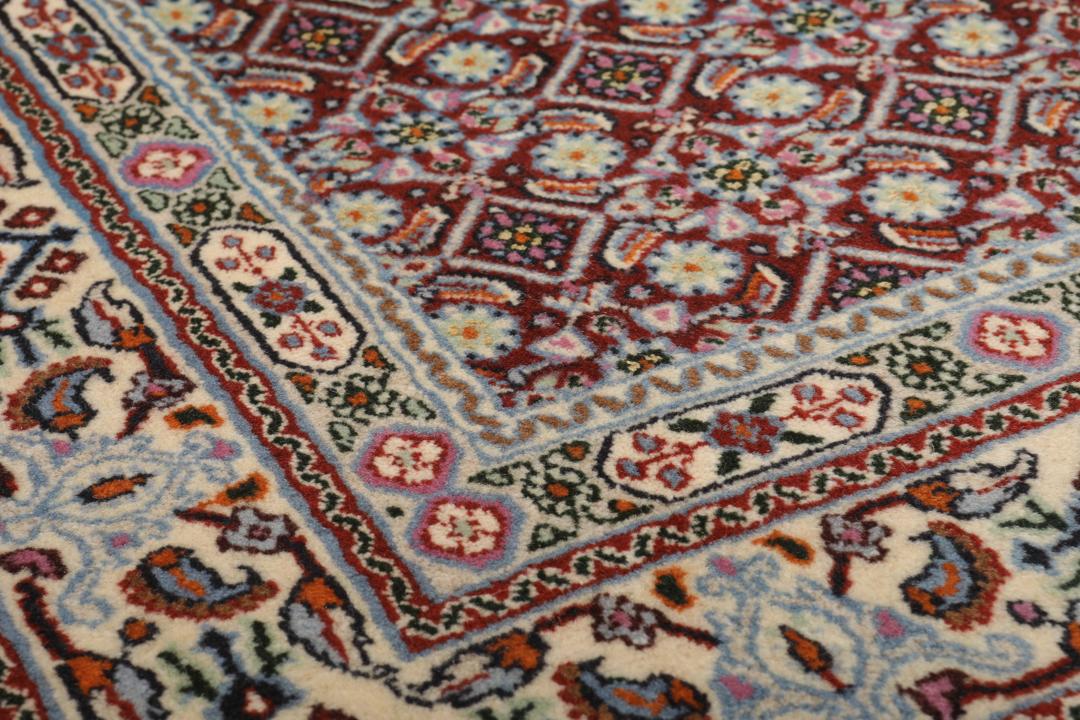
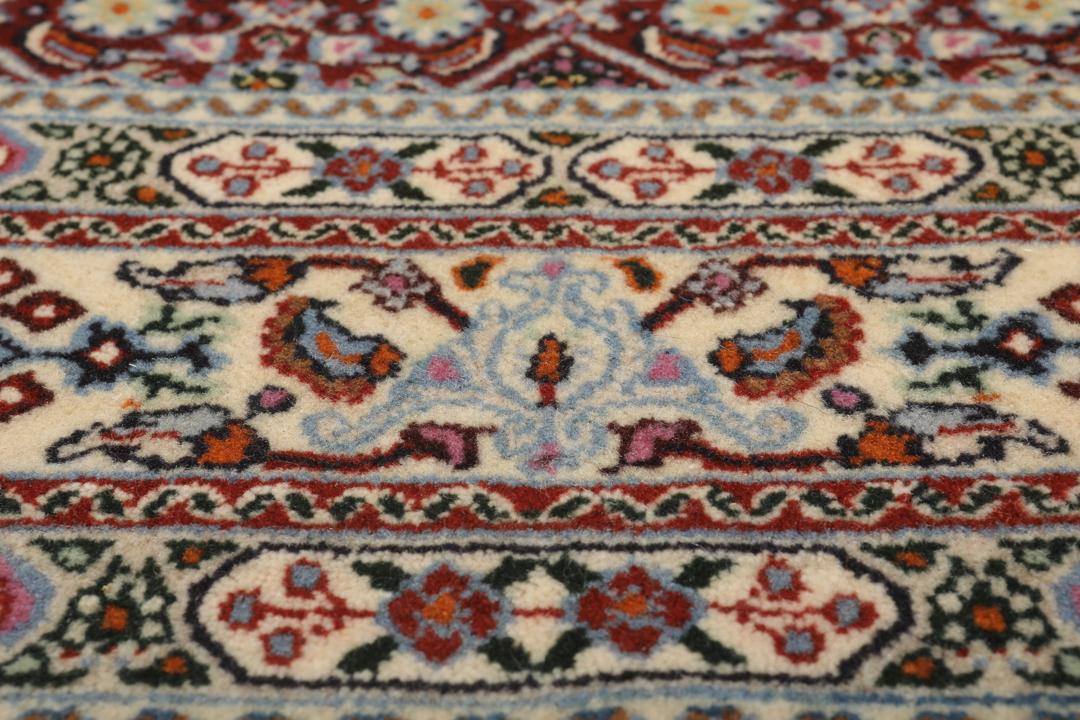
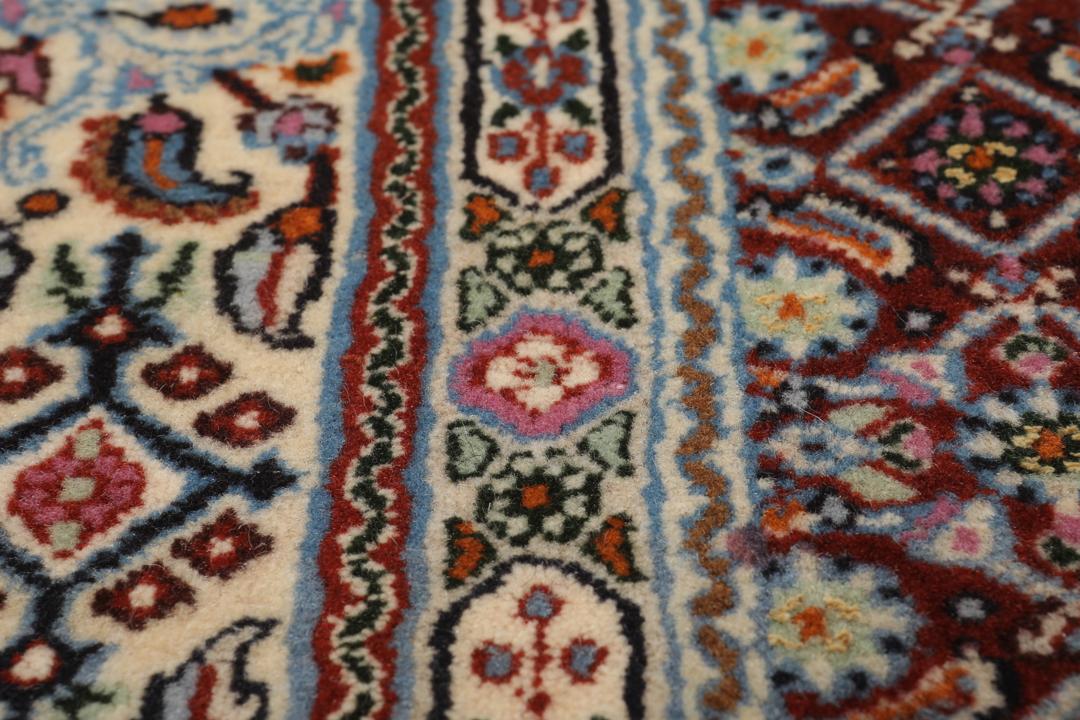
Signature design elements in Moud rugs often include the popular 'Herati' or 'fish' pattern, where delicate floral motifs are arranged in a repeating, diamond-like lattice. These motifs are frequently enclosed by complex, multi-layered borders that frame the central field with elegance. While red is a classic colour choice for these rugs, they are often accented with shades of blue, green, and cream, creating a sophisticated contrast that highlights the intricacy of the weave.
Beyond their physical beauty, Moud rugs are highly valued for their cultural significance and the skill required to produce them. Collectors and interior design enthusiasts alike prize these rugs for their ability to serve as both functional floor coverings and works of art. Owning a Moud rug is a way to connect with a rich history of weaving, ensuring that this tradition of artistry continues to be appreciated for its skill, heritage, and lasting quality.