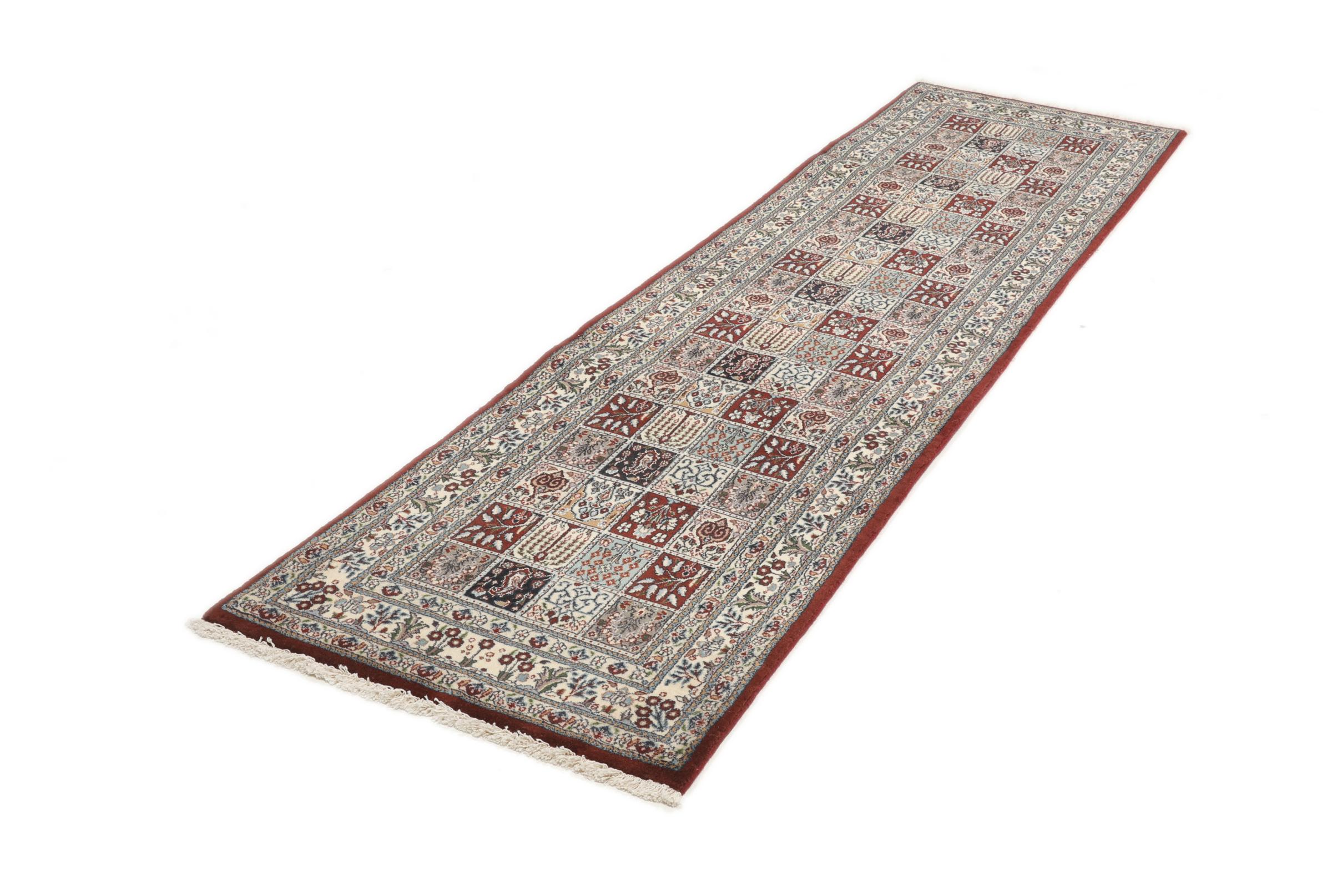
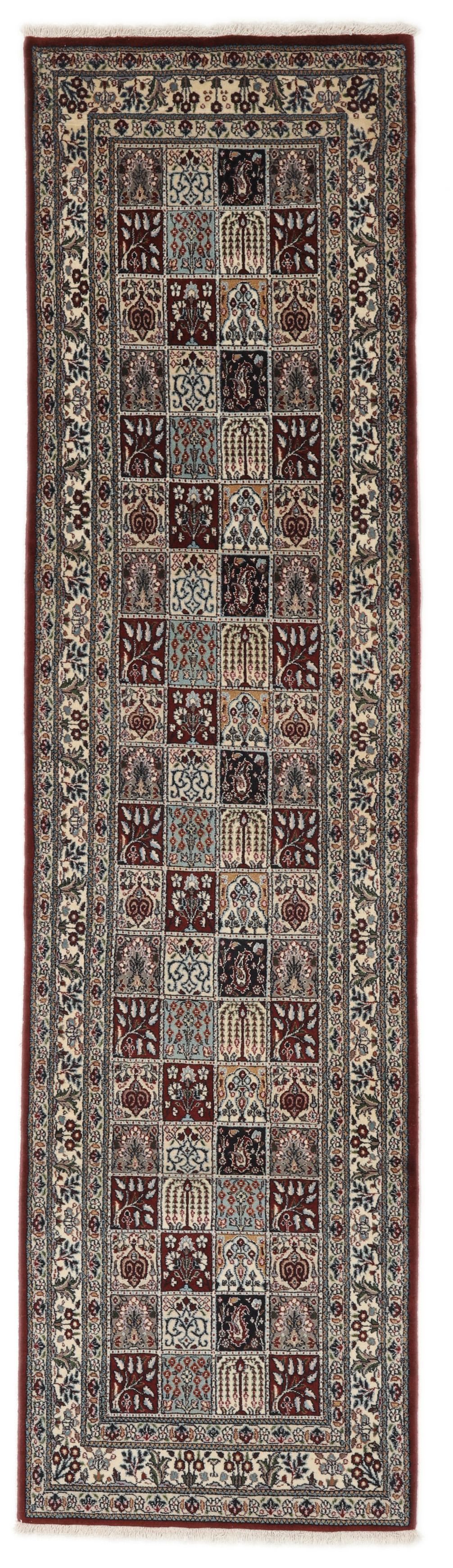
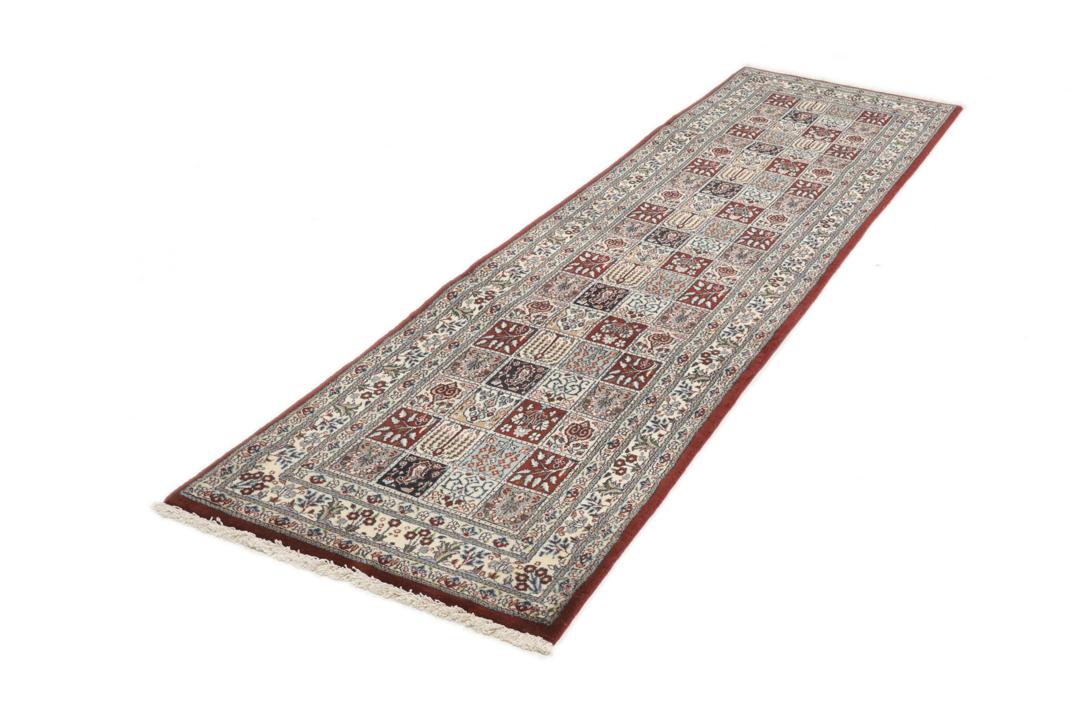
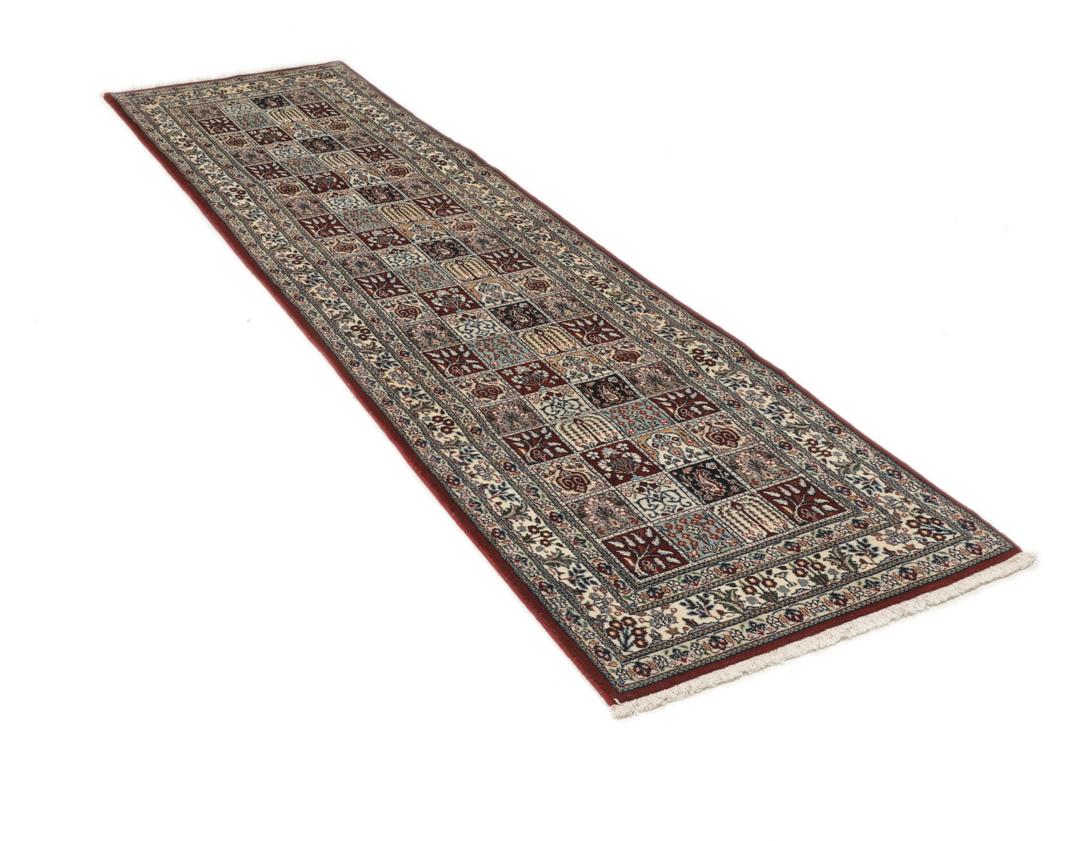
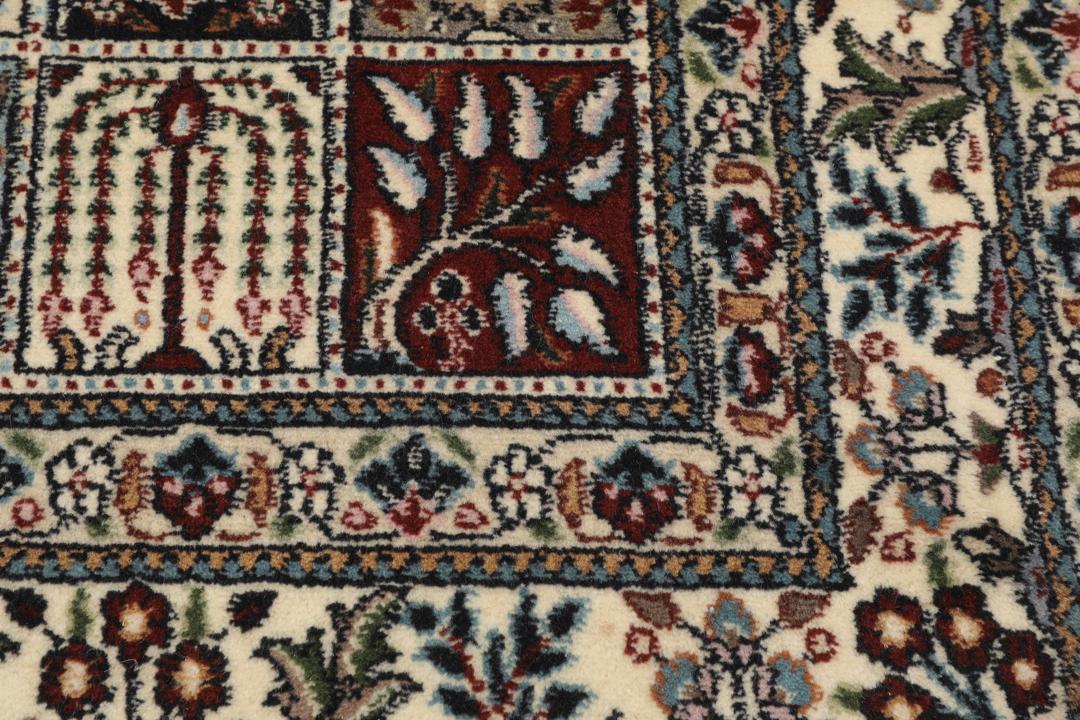
The Moud rug tradition originates from the Khorasan province in the Middle East, a region with a long and storied history of textile production. Historically, these rugs were highly sought after for their refined aesthetic and the exceptional quality of the local Wool, which is known for its natural lustre and durability.
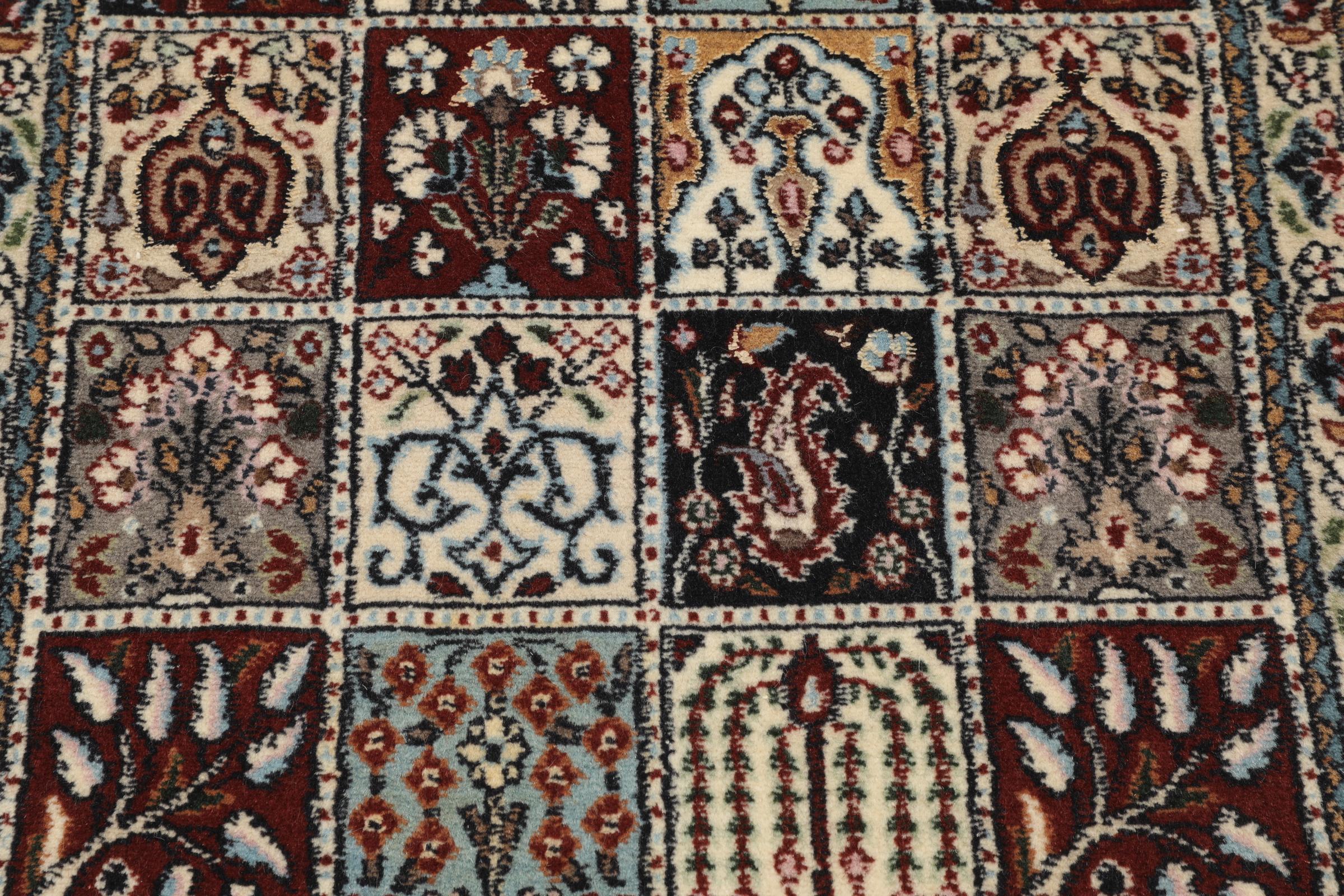
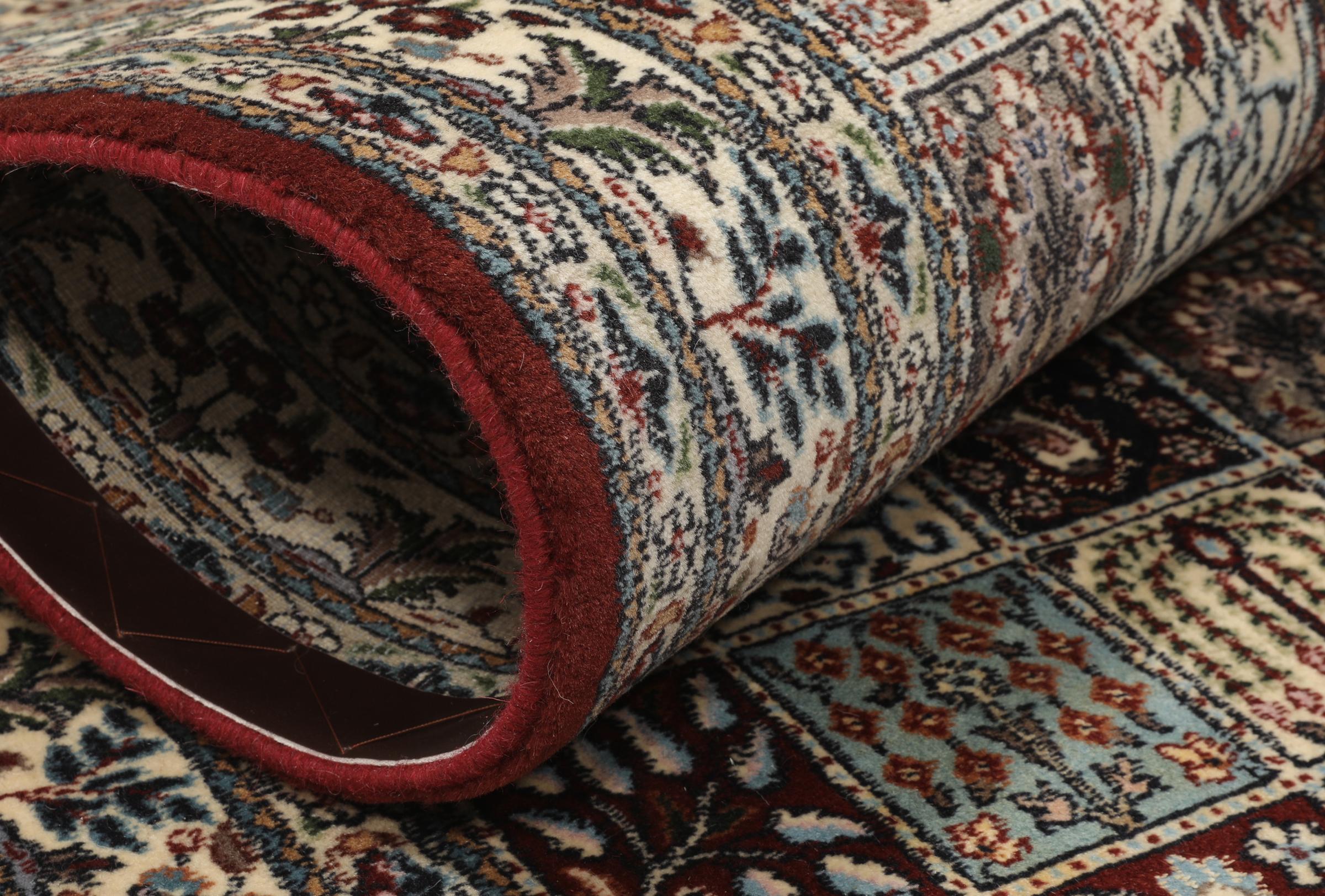
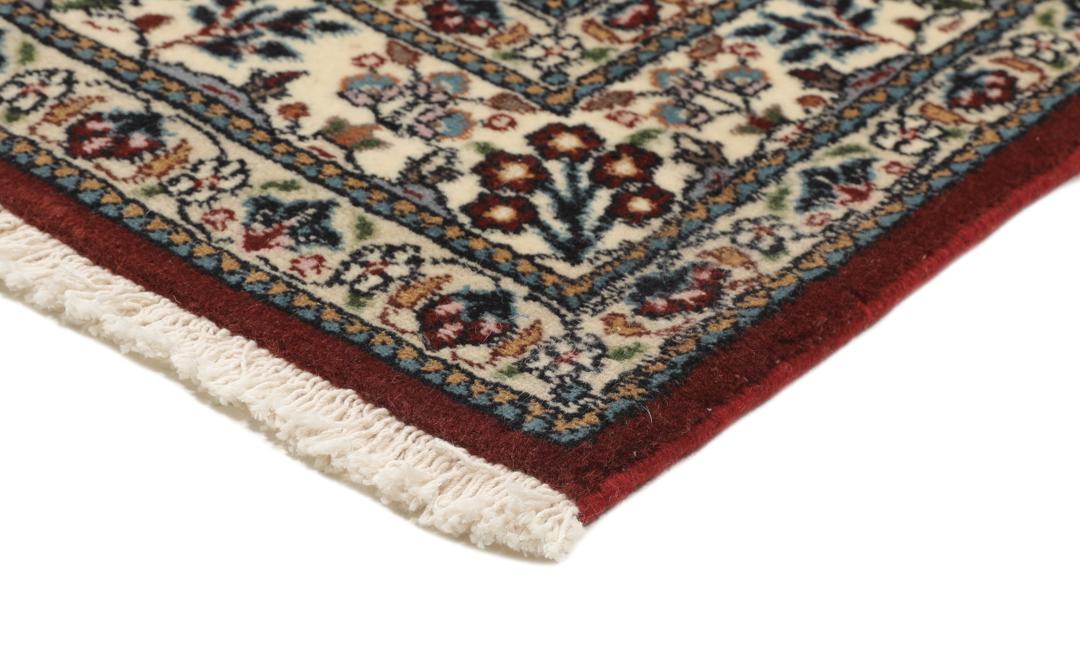
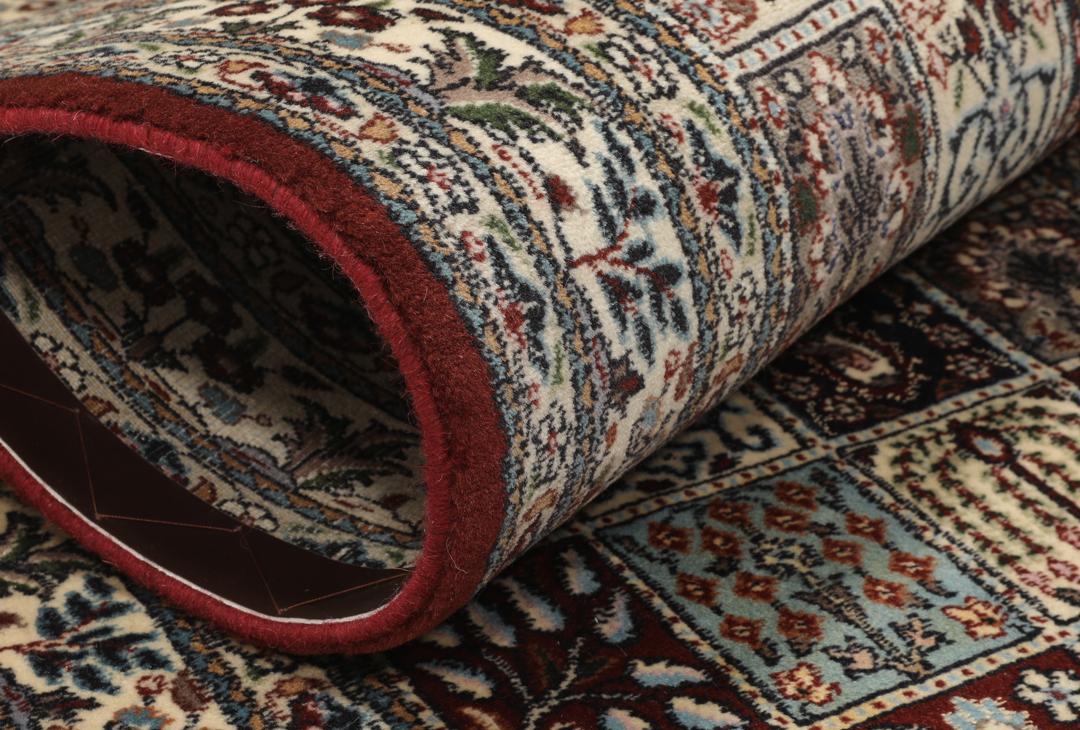
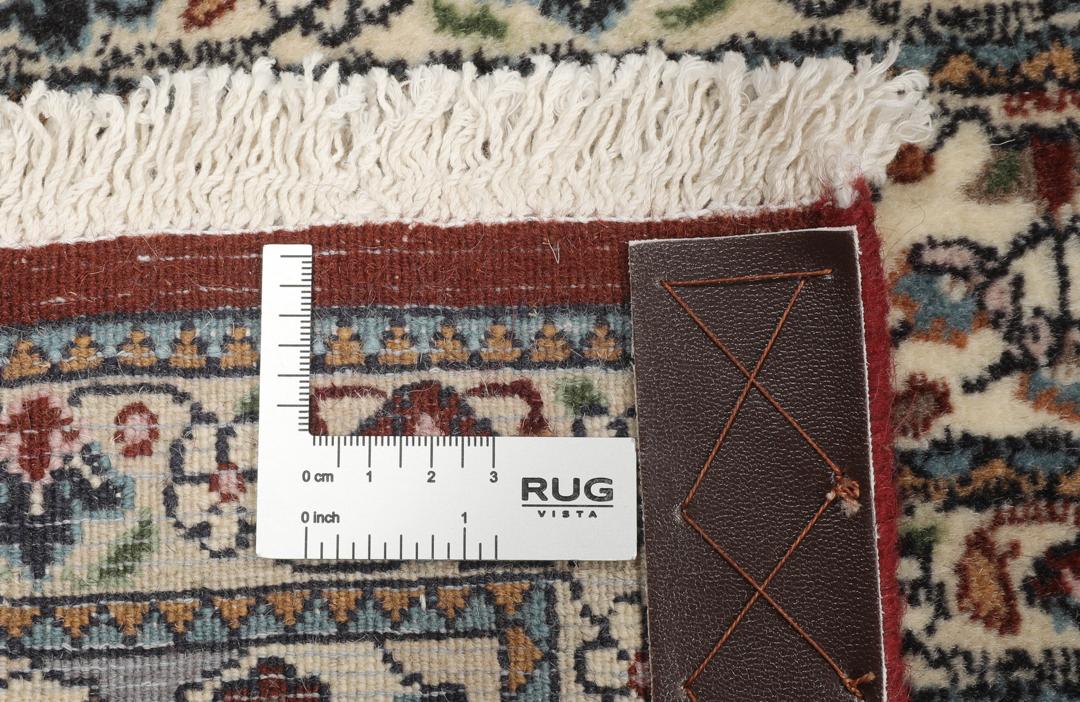
The term 'Moud' refers not only to the geographical origin but also to a specific design language that prioritises detail and balance. These rugs are often characterised by the use of high-quality materials and a construction technique that emphasises a tight, dense pile. This density is a hallmark of the region's craft, ensuring that the finished rug is not only beautiful but also capable of lasting for generations.
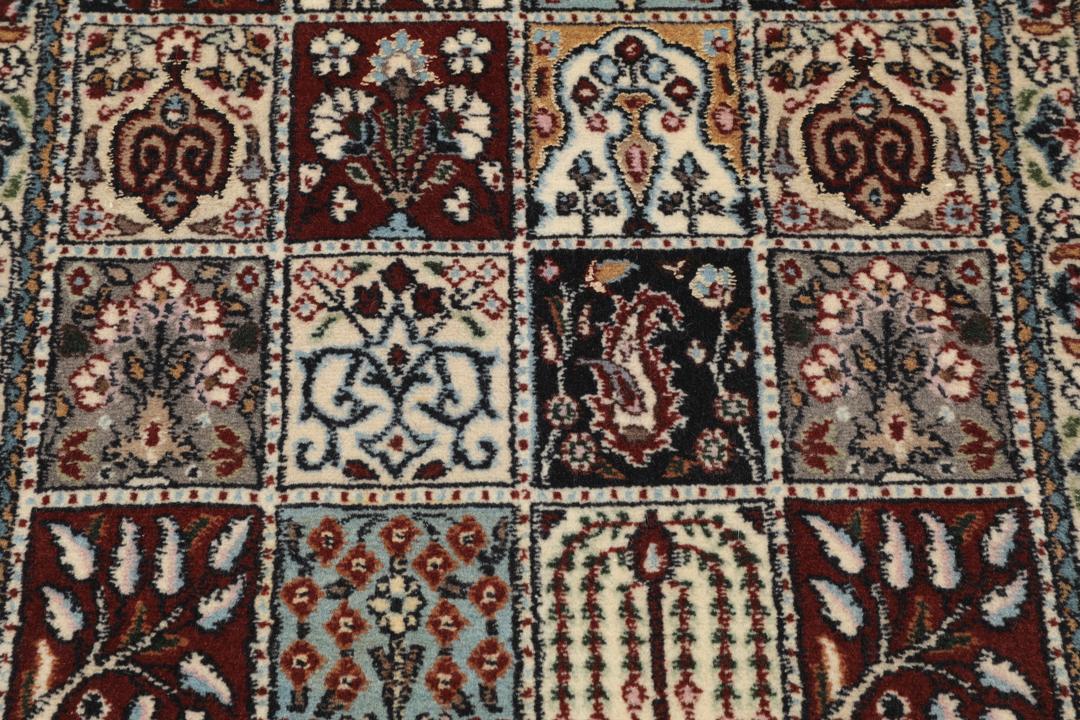
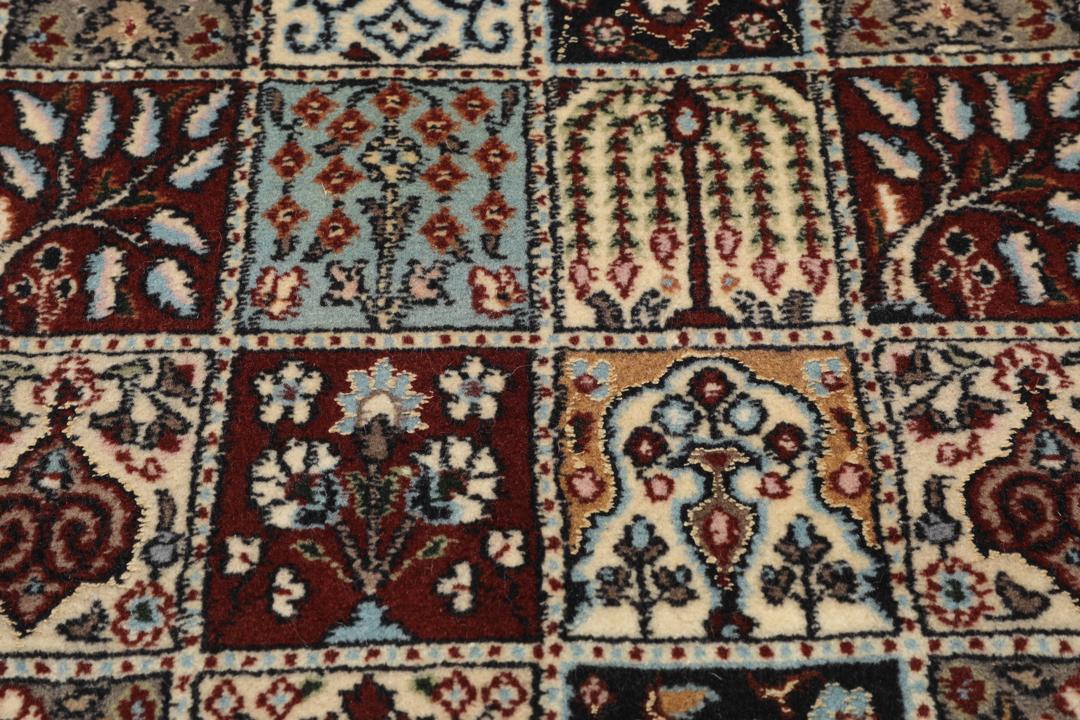
The signature design of a Moud rug often revolves around the 'Herati' or garden motifs, which are expertly rendered in a grid or medallion layout. These patterns are deeply symbolic, often representing the lush, enclosed gardens of the region. The inclusion of such detailed floral elements against a complex background requires a high level of expertise, as the weaver must maintain perfect symmetry across the entire surface.
Today, these rugs are considered prized possessions for collectors and homeowners alike who value heritage and skilled craftsmanship. Owning a Moud rug is an investment in a cultural legacy, representing a bridge between ancient design traditions and contemporary living spaces that demand both beauty and substance.