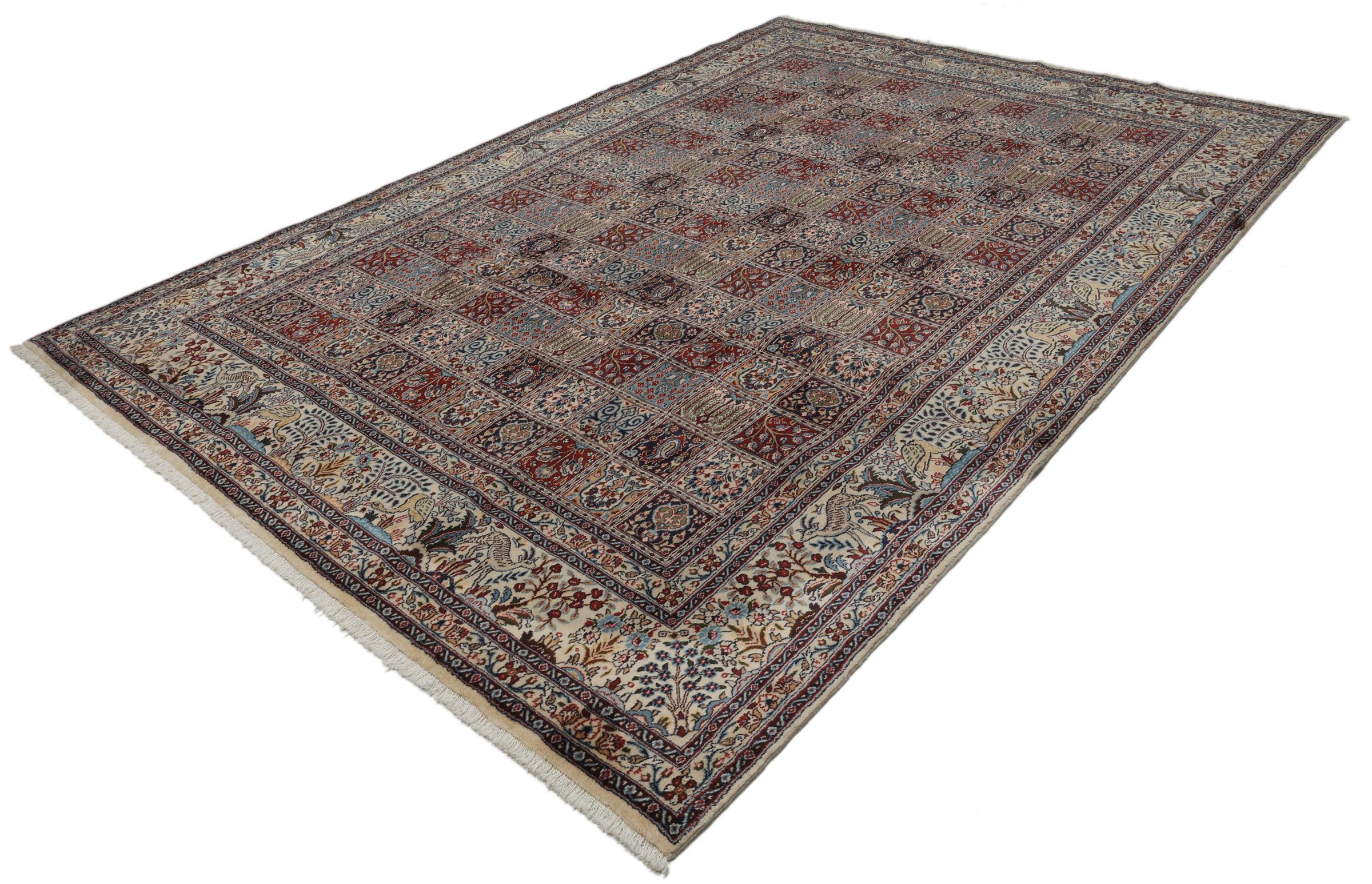
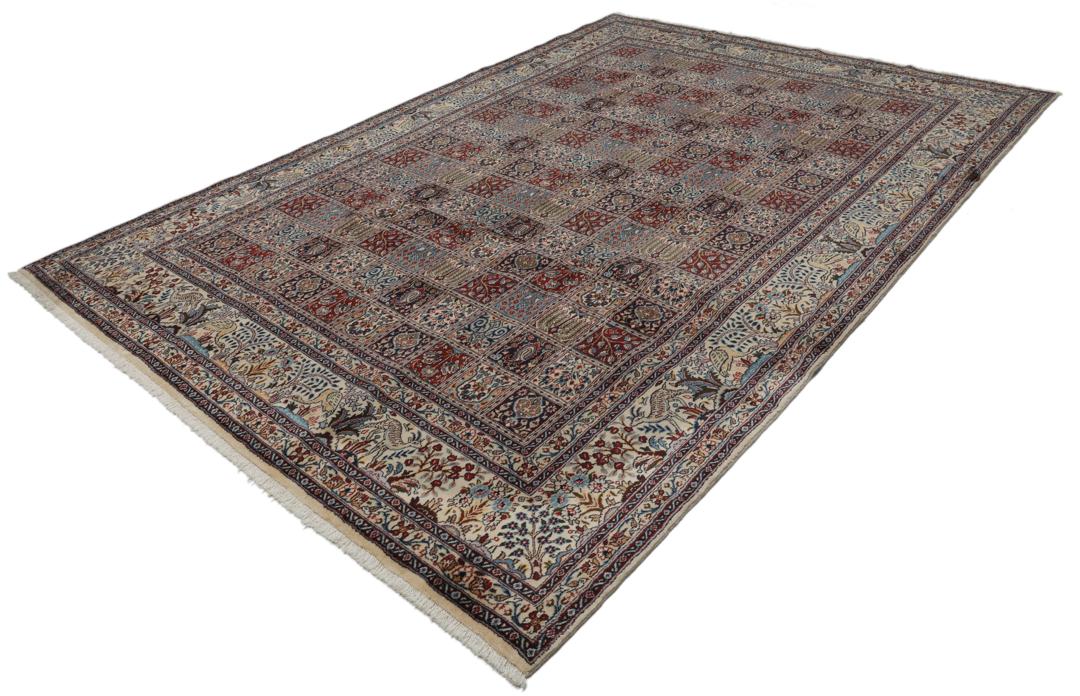
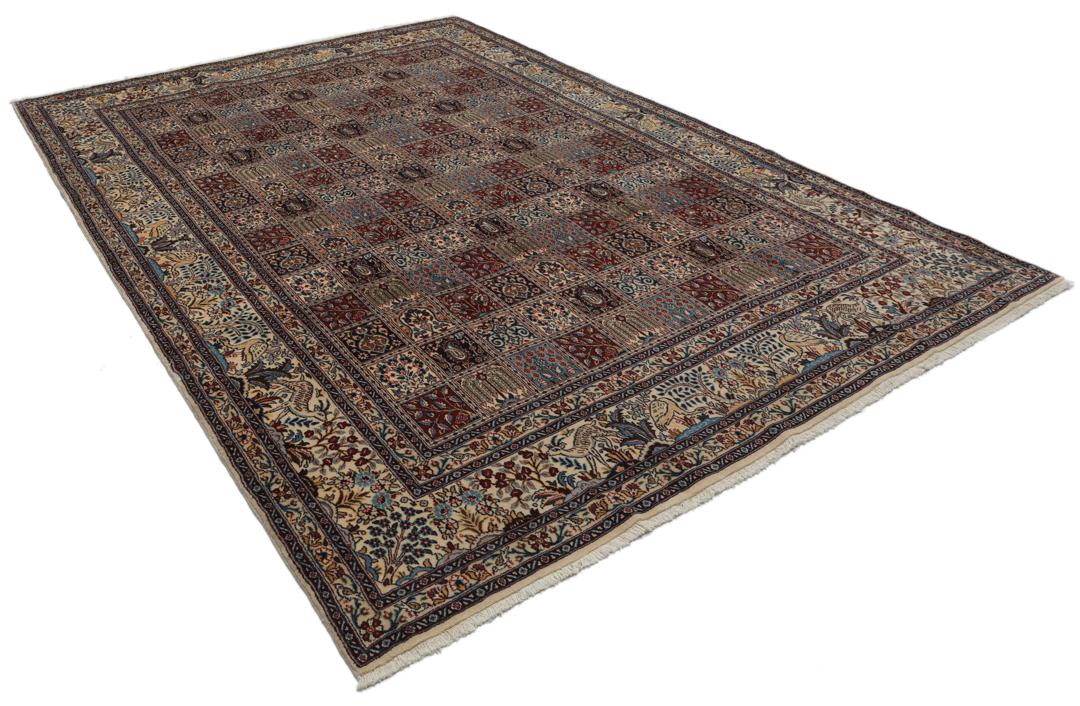
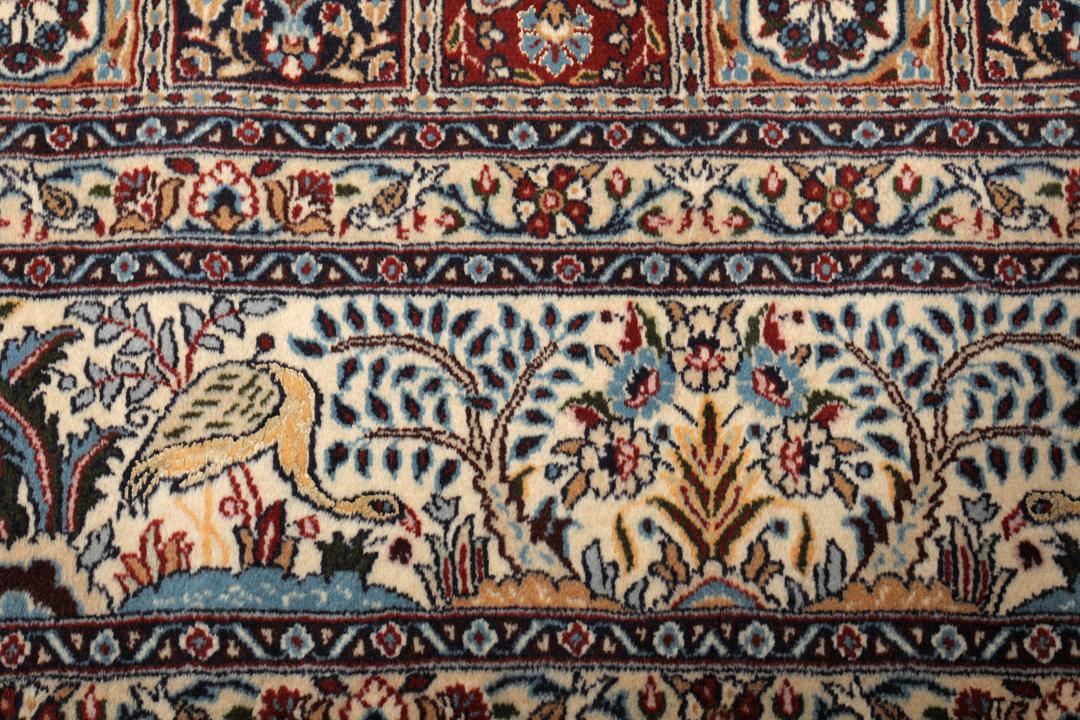
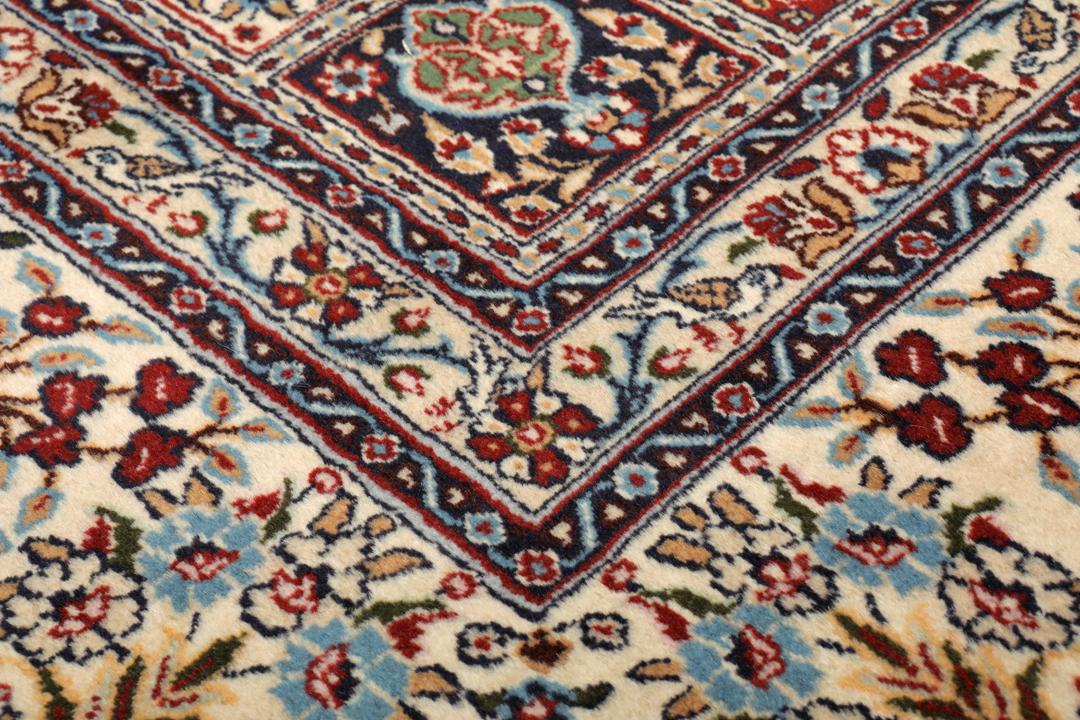
The Moud rug originates from the small town of Moud, situated in the Khorasan province of the Middle East. This region has long been a significant centre for textile arts, known for developing a distinct design language that blends classic floral elements with innovative structural layouts. These rugs are highly regarded for their balance of artistic expression and robust durability, reflecting the desert landscapes and lush gardens that have inspired local weavers for centuries.
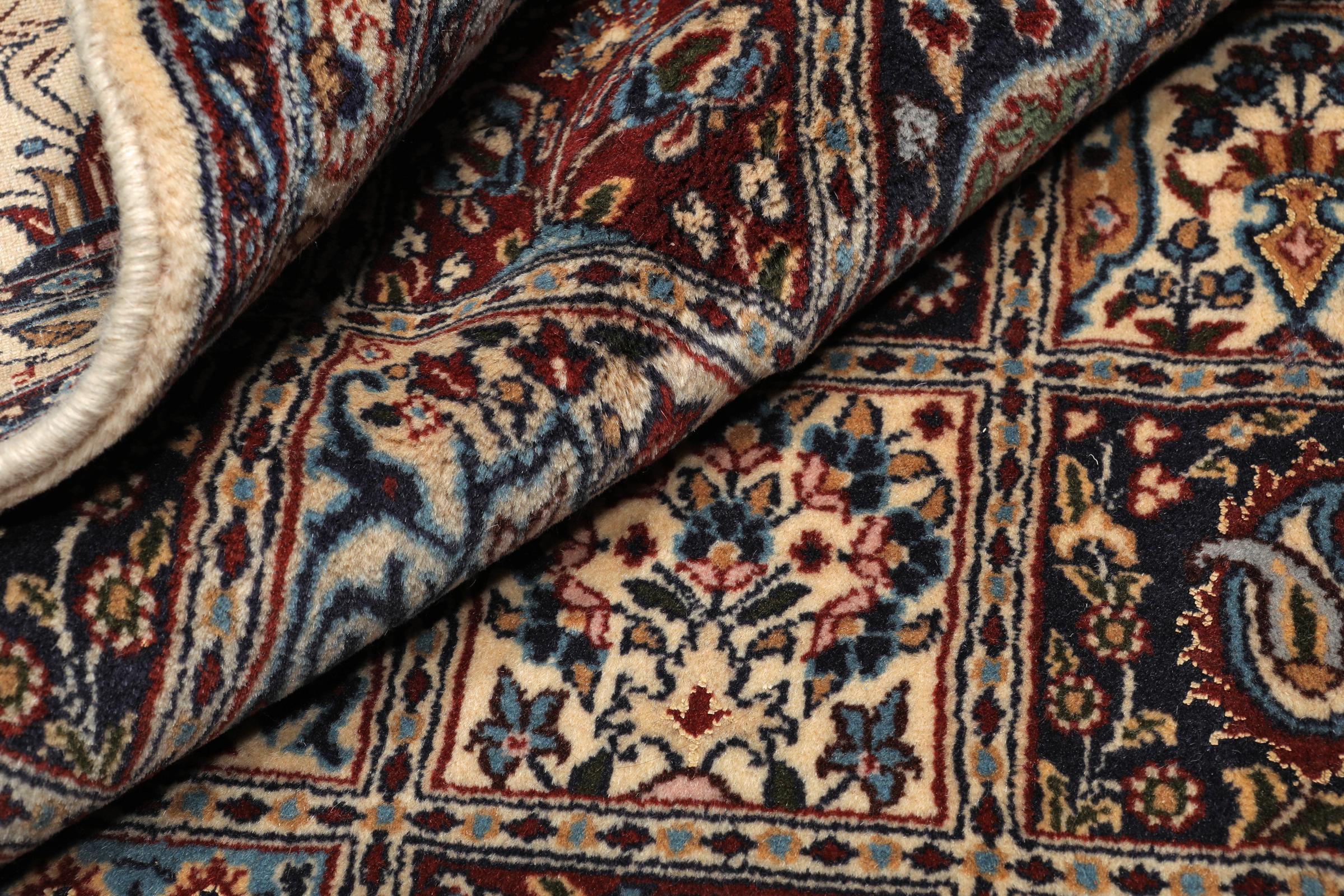
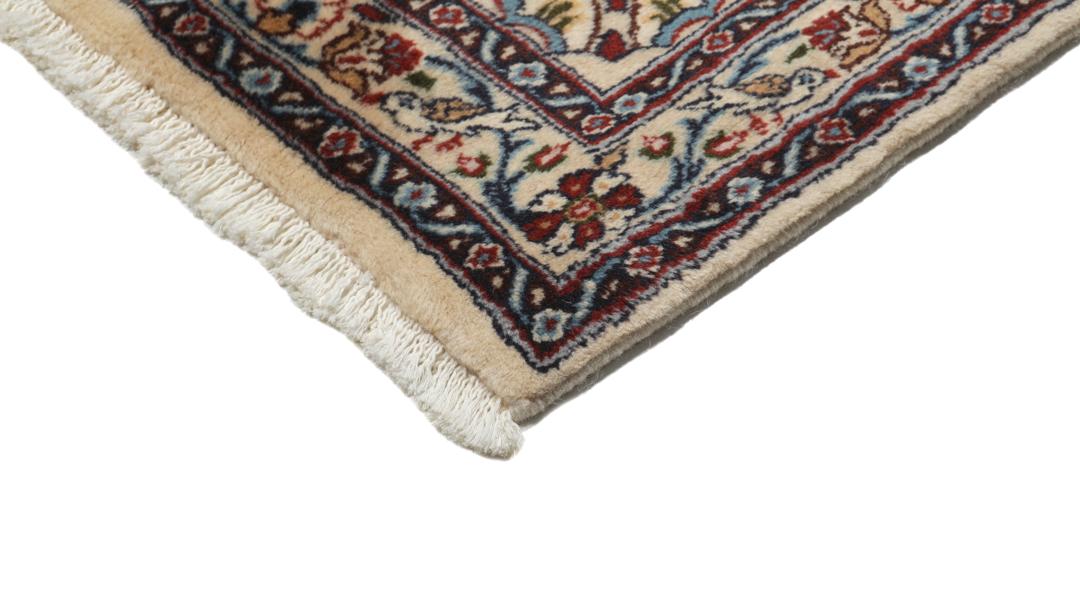
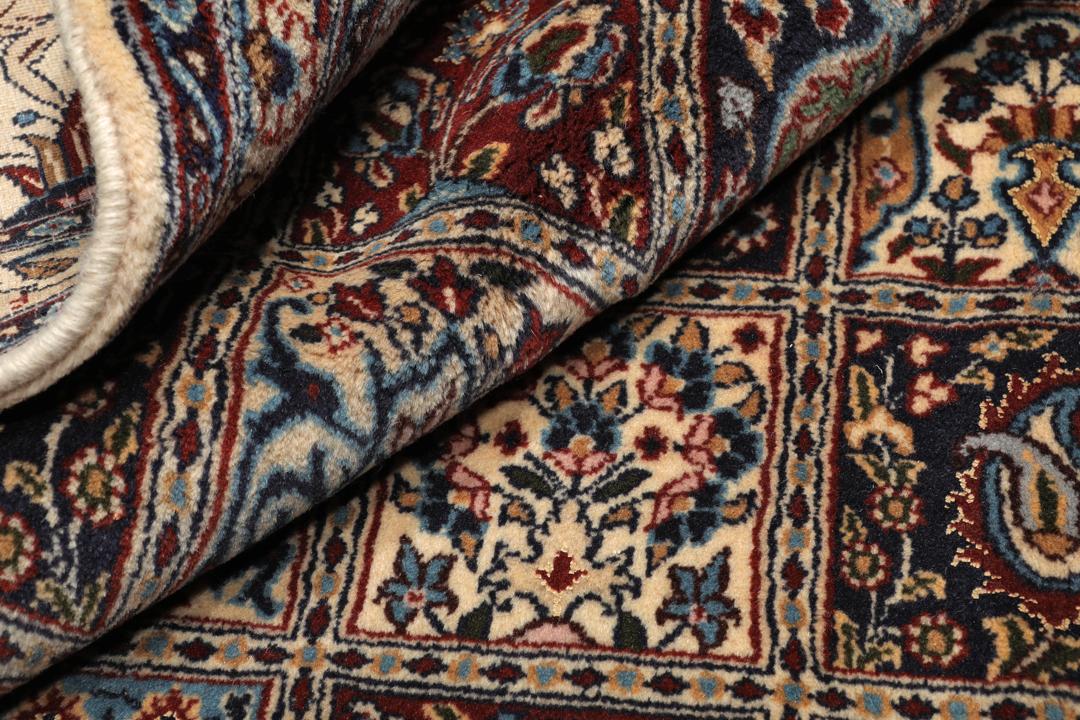
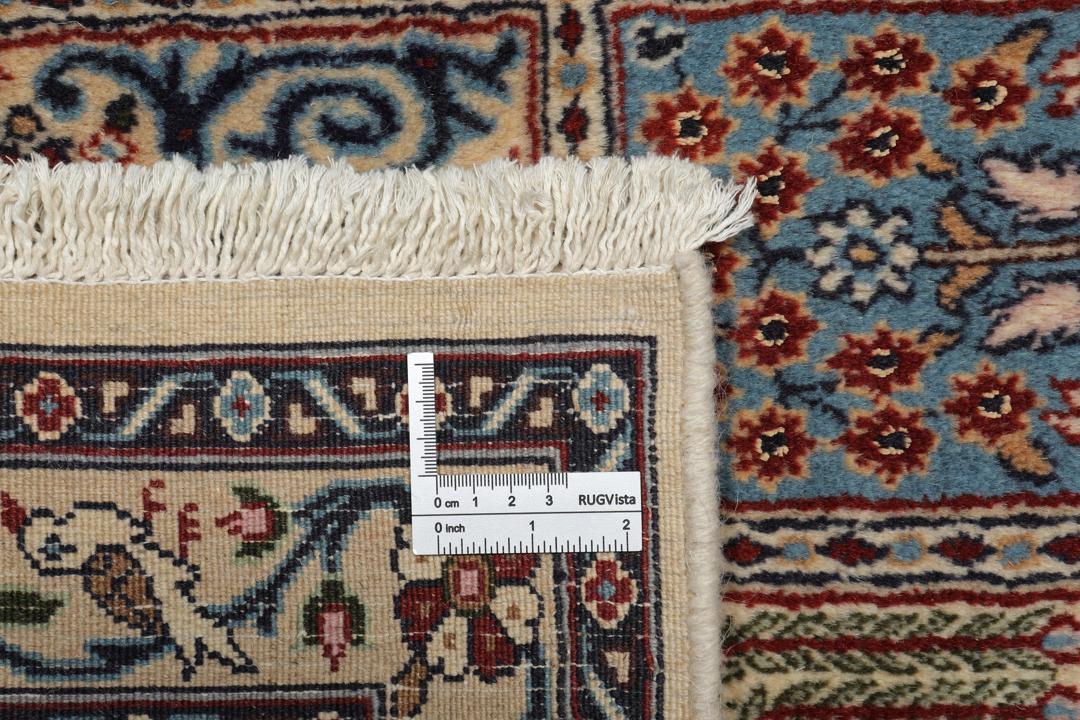
The construction of a Moud rug is characterised by its use of durable materials and a precise, steady hand-knotting technique. The foundation is typically made from cotton, which provides the necessary stability for the dense wool pile. This combination is essential for creating a rug that maintains its flat, even surface despite years of foot traffic, making Moud rugs a preferred choice for those who value both aesthetic beauty and structural integrity.
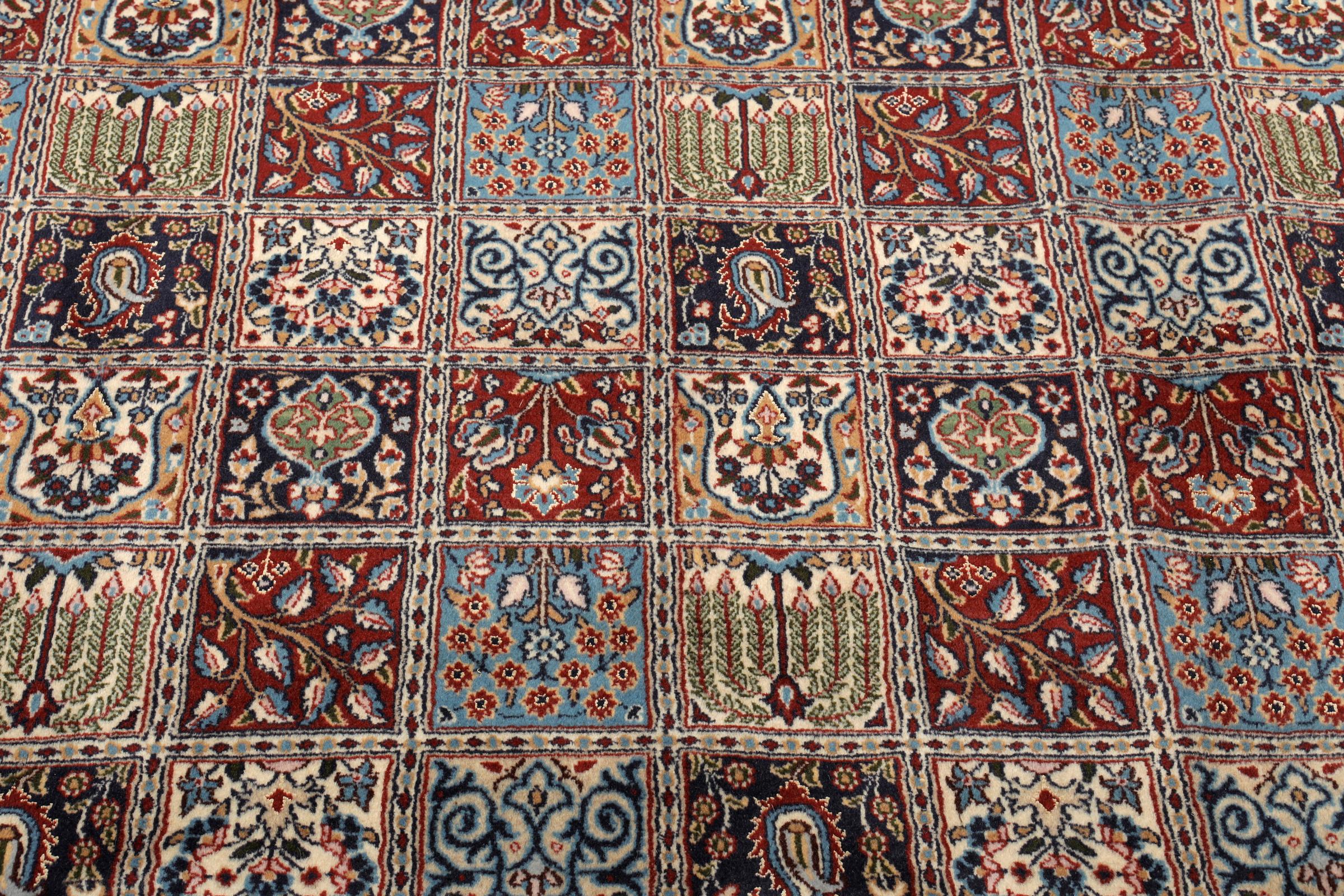
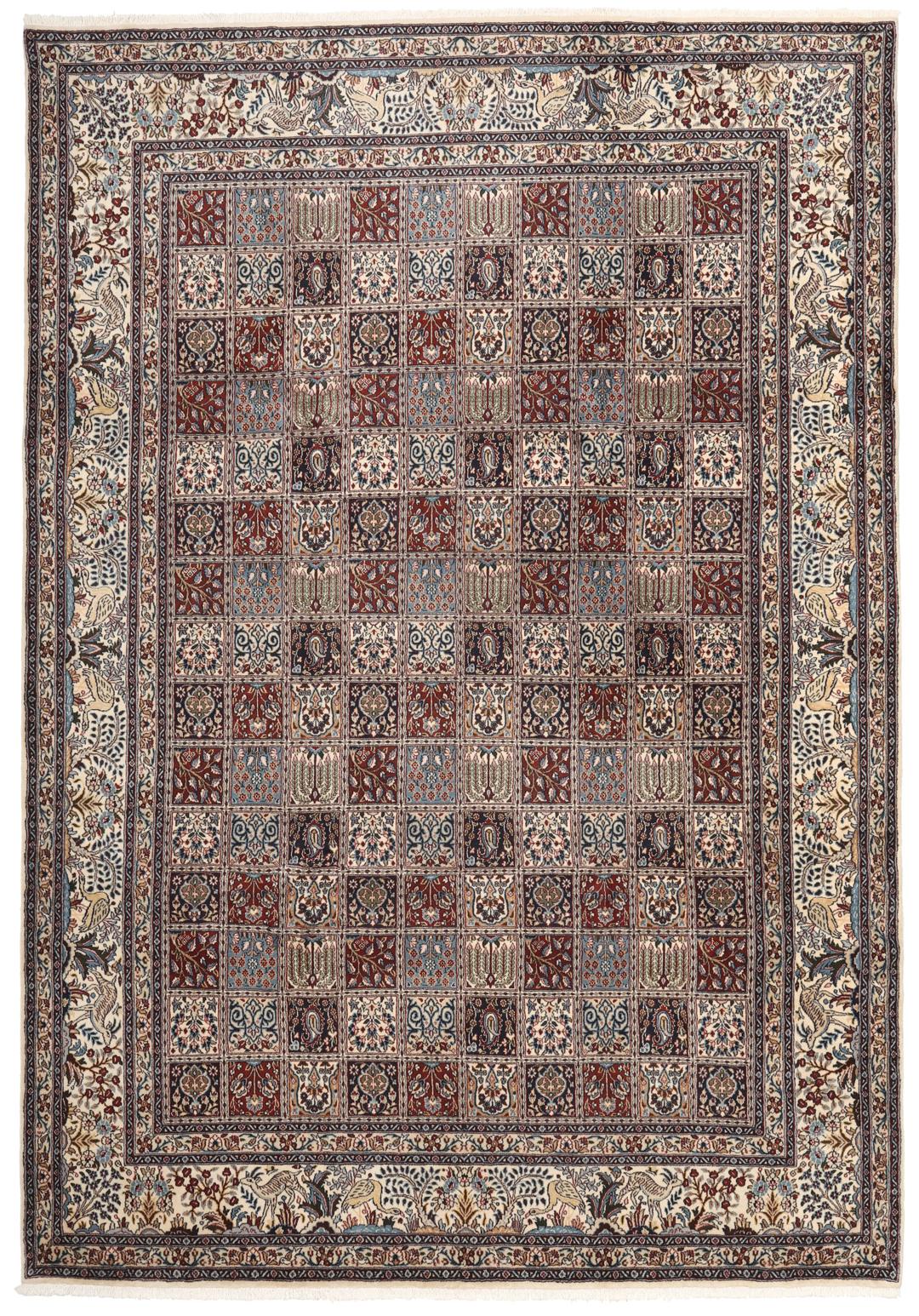
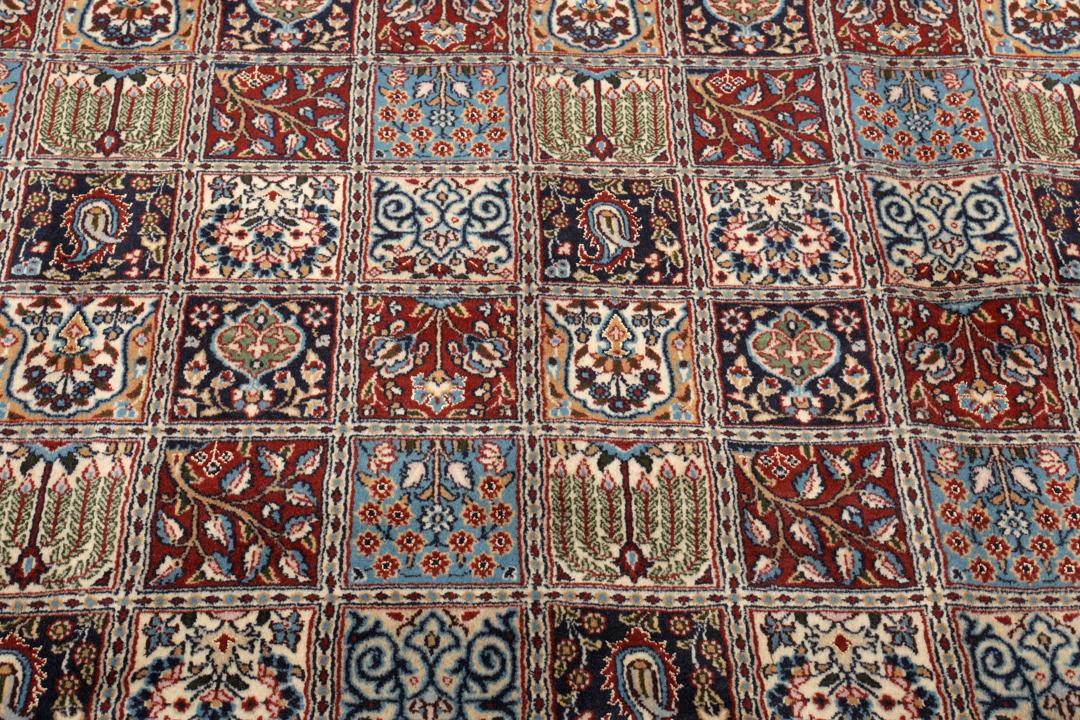
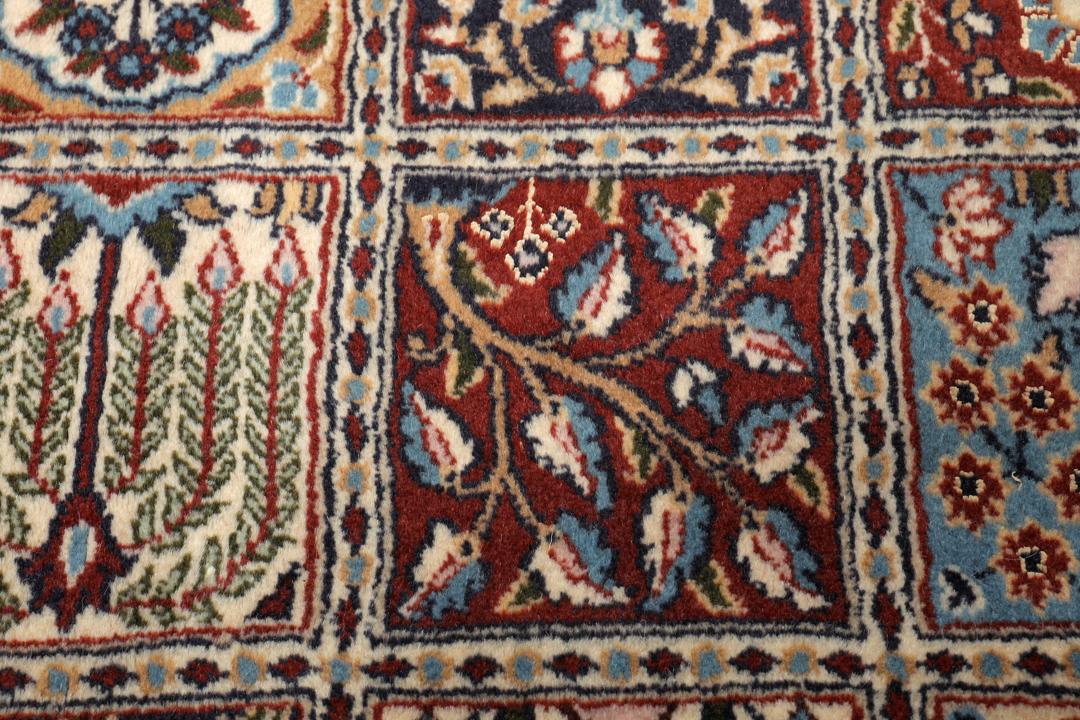
Visually, Moud rugs are famous for their varied and sophisticated patterns. While many feature a classic medallion, they are perhaps most iconic for the 'Herati' or 'fish' pattern, or the 'garden' design, which divides the field into smaller, individual compartments. Each square is often filled with intricate floral motifs, creating a harmonious mosaic effect. The colour palettes tend to be rich and deep, often utilising natural dyes that mellow beautifully over time.
Collecting a Moud rug is an investment in a living tradition. They are valued not just for their appearance, but for the history of the artisans who create them and the cultural significance of their designs. Owning such a piece connects your home to a long-standing lineage of craft, ensuring that your floor is covered by something with genuine soul and substance, rather than a mass-produced alternative.