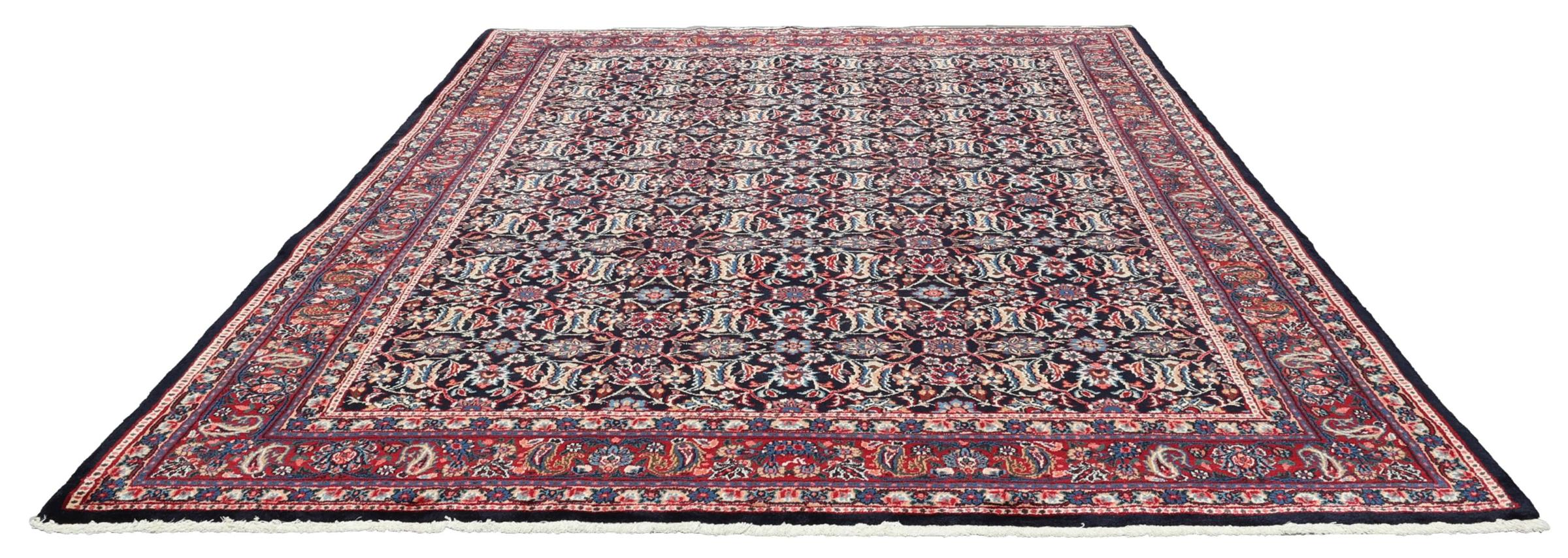
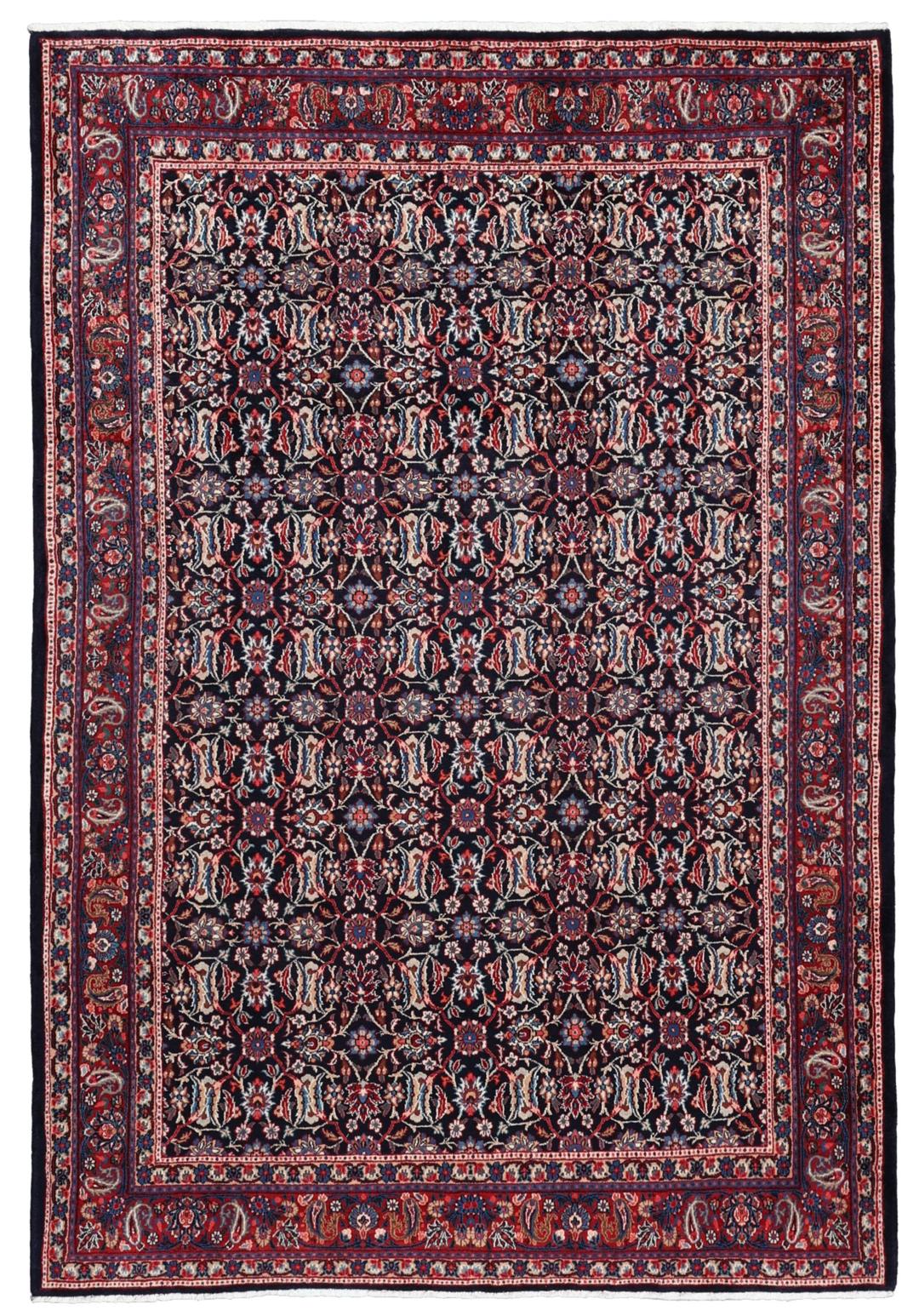
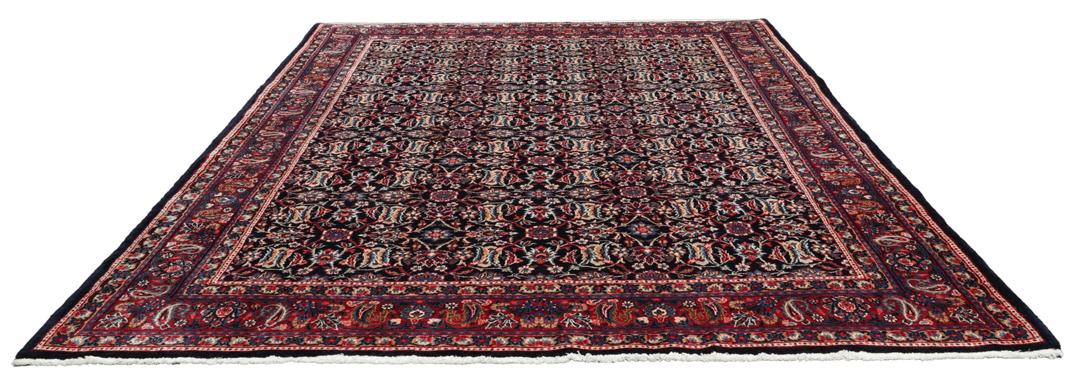
The Moud rug tradition finds its home in the Khorasan province of the Middle East, a region celebrated for its long history of textile production. Historically, this area served as a crossroads for trade and artistic exchange, allowing weavers to blend diverse influences into a distinct local style that has remained highly sought after by collectors for generations.
What defines a Moud rug is often the remarkable balance between complex, intricate floral arrangements and a harmonious colour palette. The term often refers to the village of Moud, where the local weaving community developed a signature aesthetic characterised by disciplined, symmetrical designs that maintain a sense of organic fluidity.
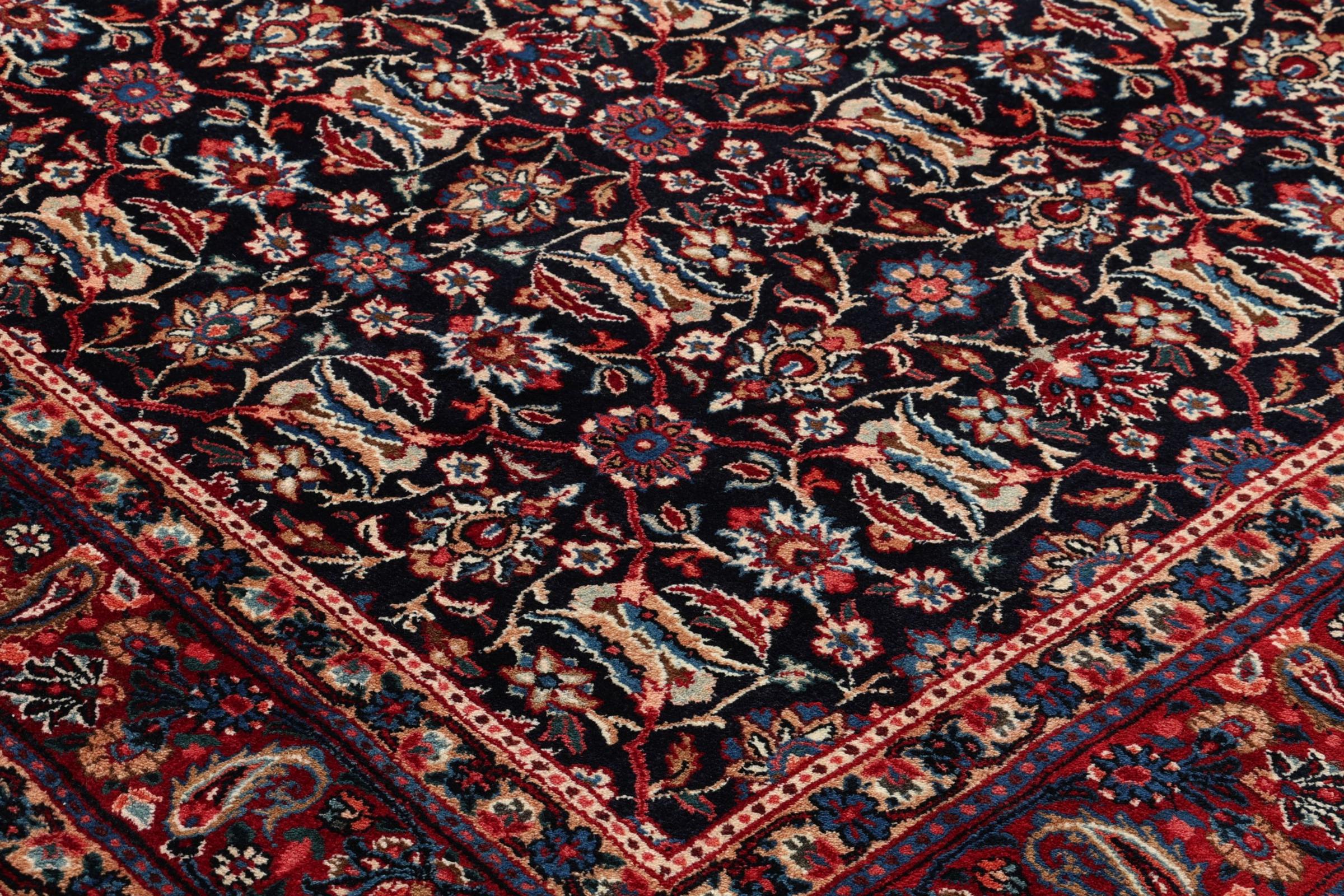
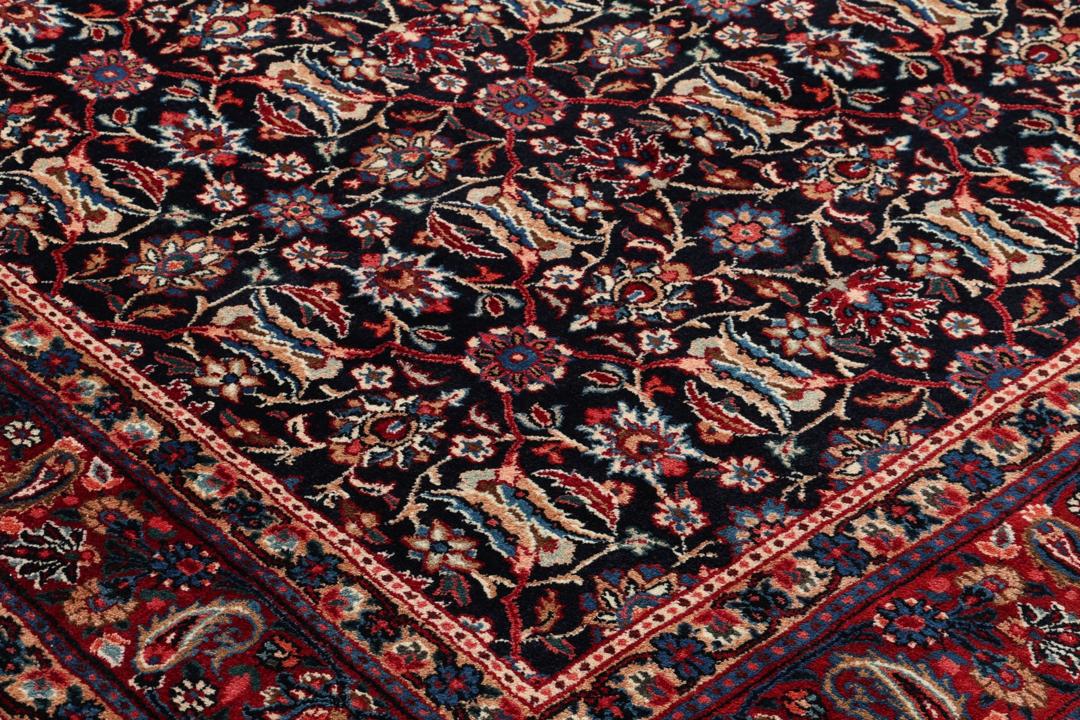
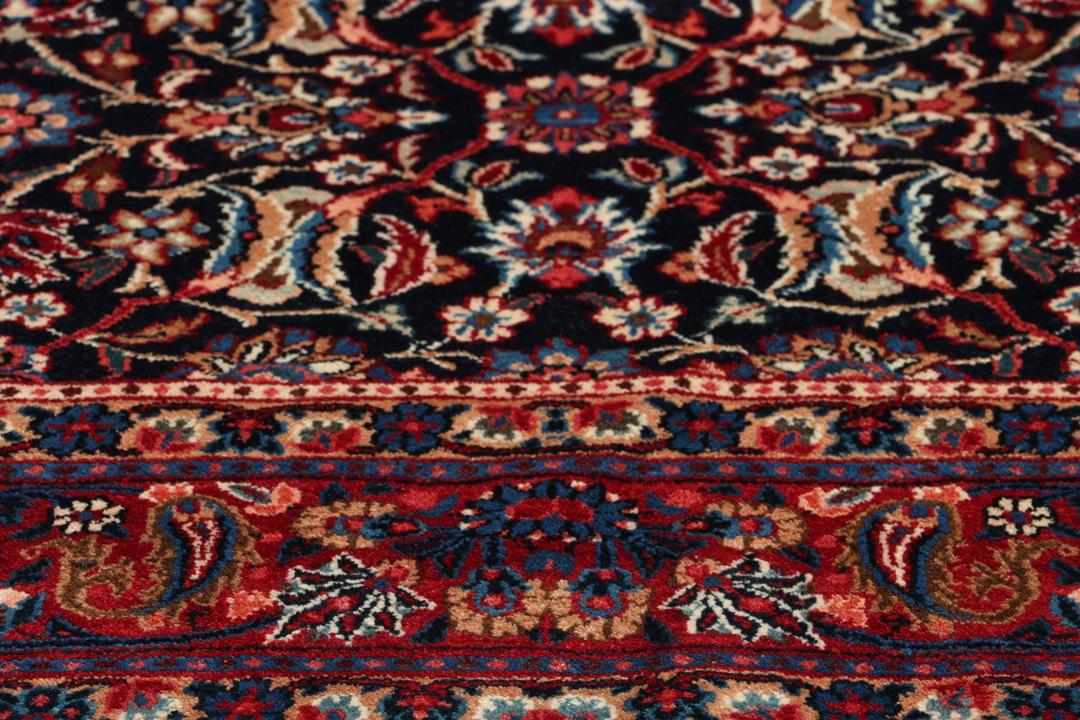
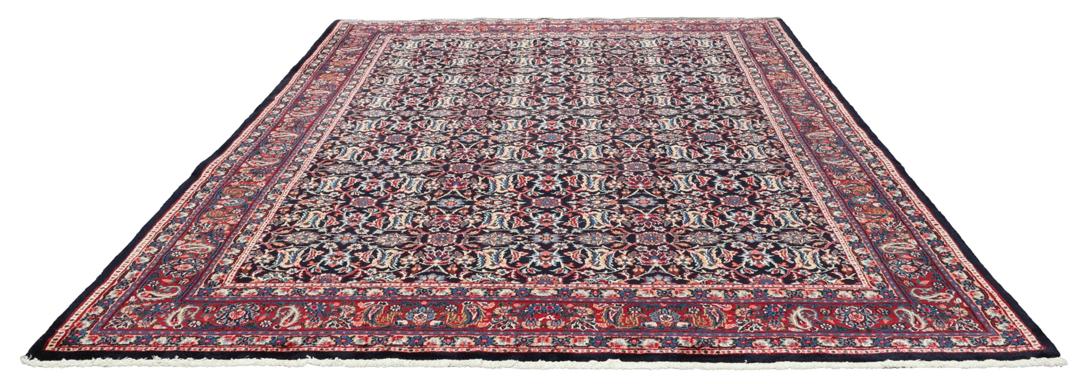
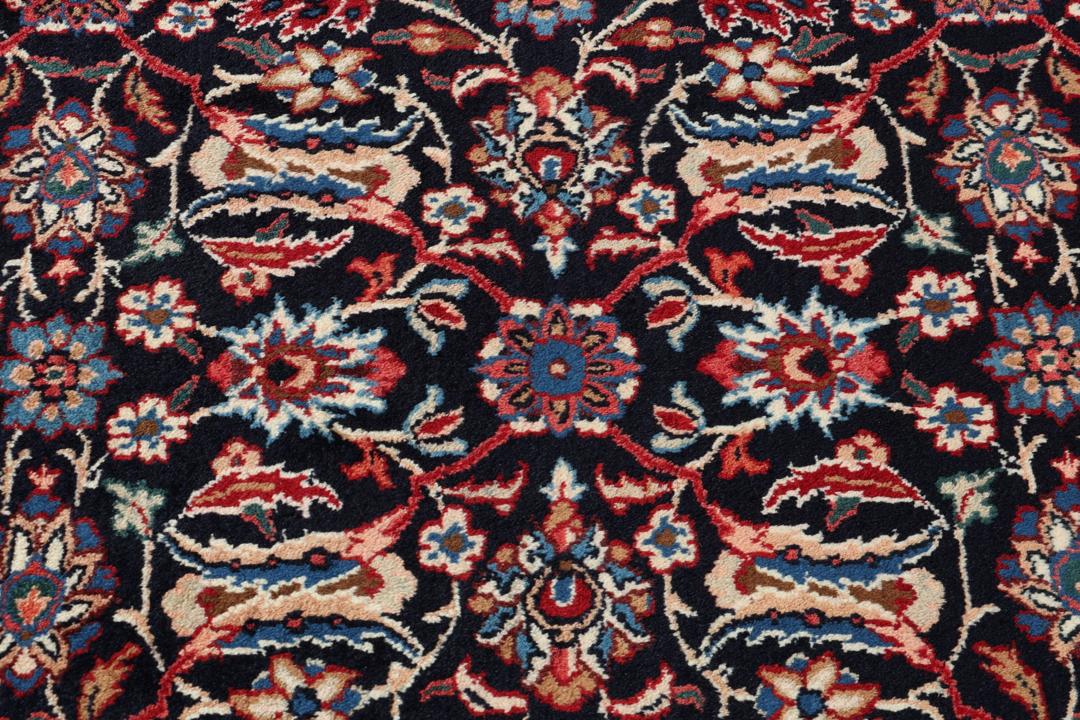
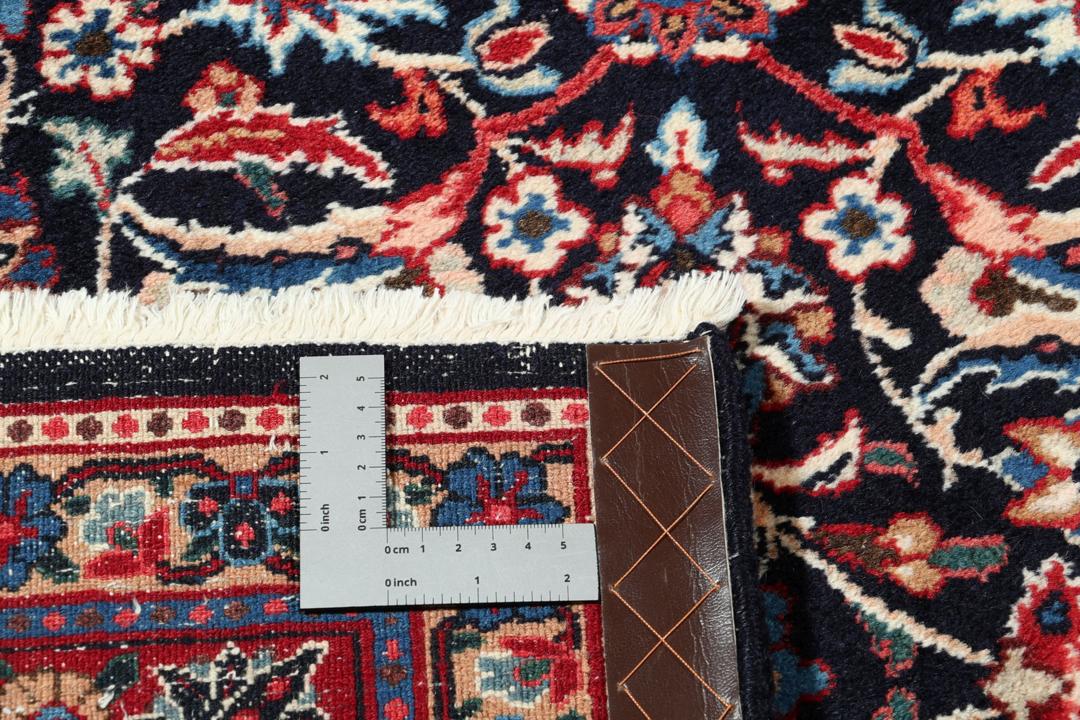
The signature design element of this tradition is the Herati or 'fish' pattern, often arranged in a repeating grid or integrated into central medallions. These motifs are framed by elaborate, multi-layered borders that provide a formal structure to the piece. The use of deep, saturated tones is a hallmark of the region, creating a sophisticated visual depth that makes these rugs stand out in any collection.
Owning a Moud rug is an investment in cultural heritage and long-standing craft. These pieces are valued not only for their visual beauty but for the collective knowledge embedded in every knot. They represent a bridge between the historical artistry of the Middle East and the contemporary home, offering a legacy of skill that continues to define the standard for high-quality, authentic rugs.