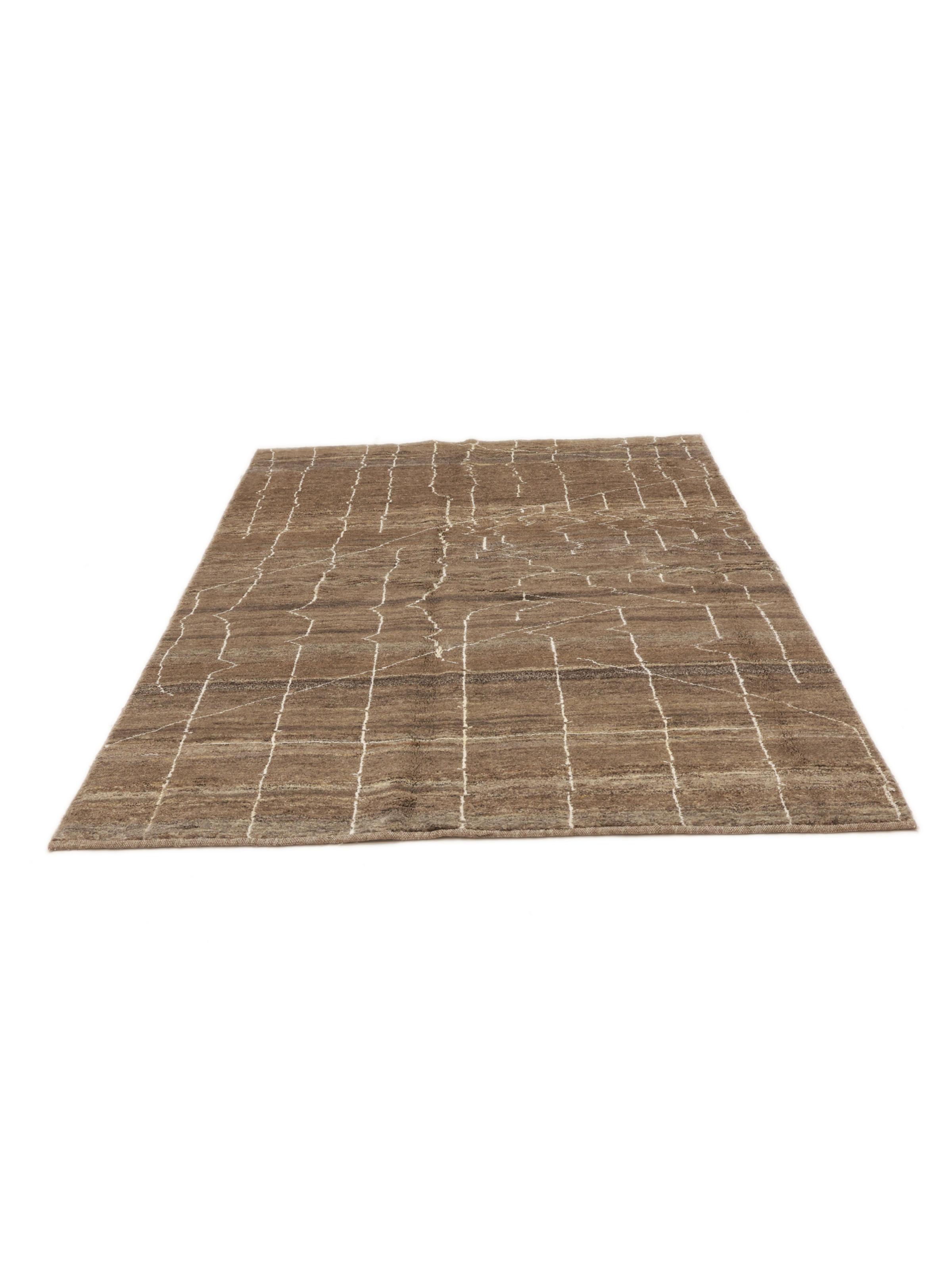
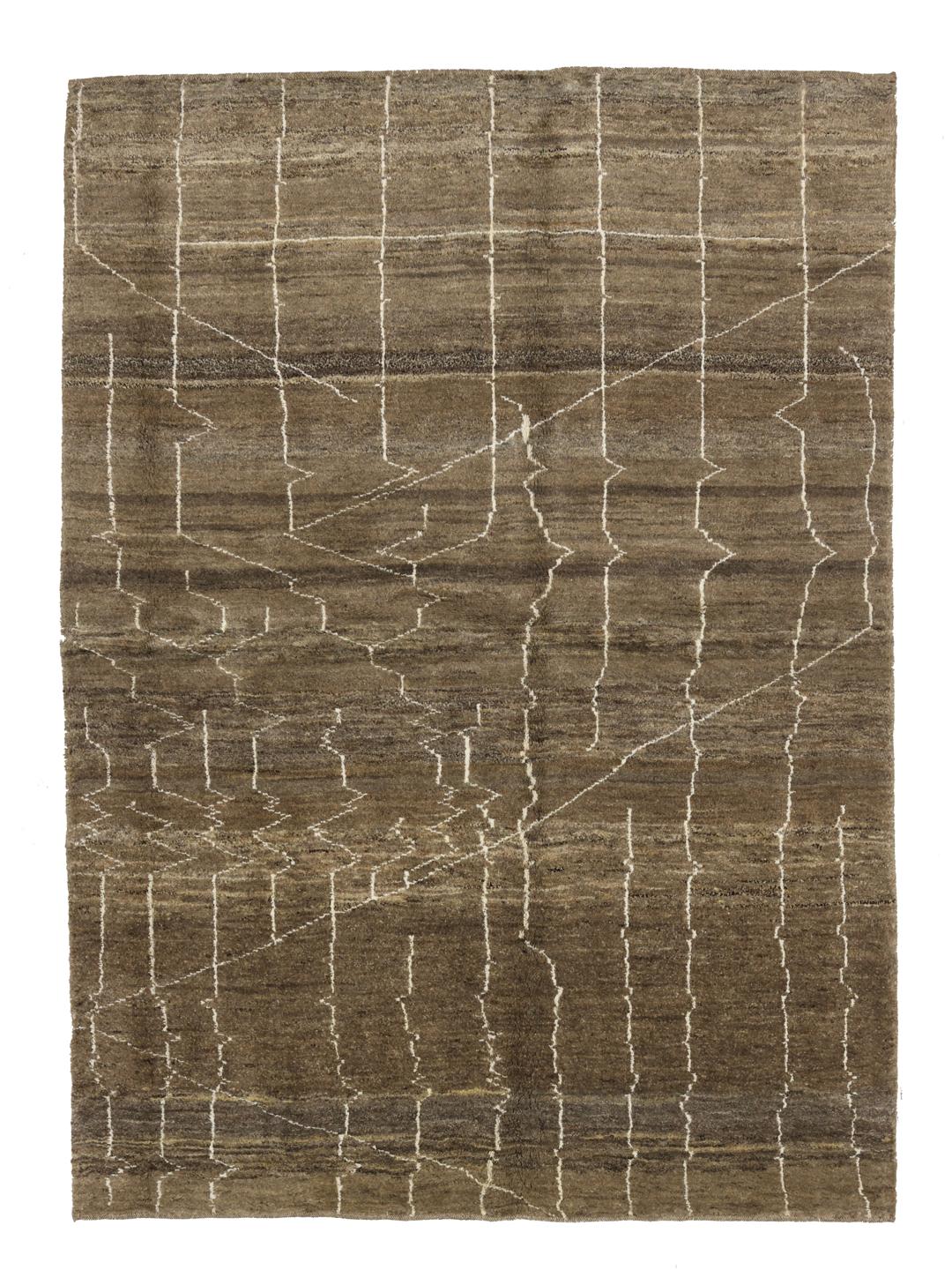
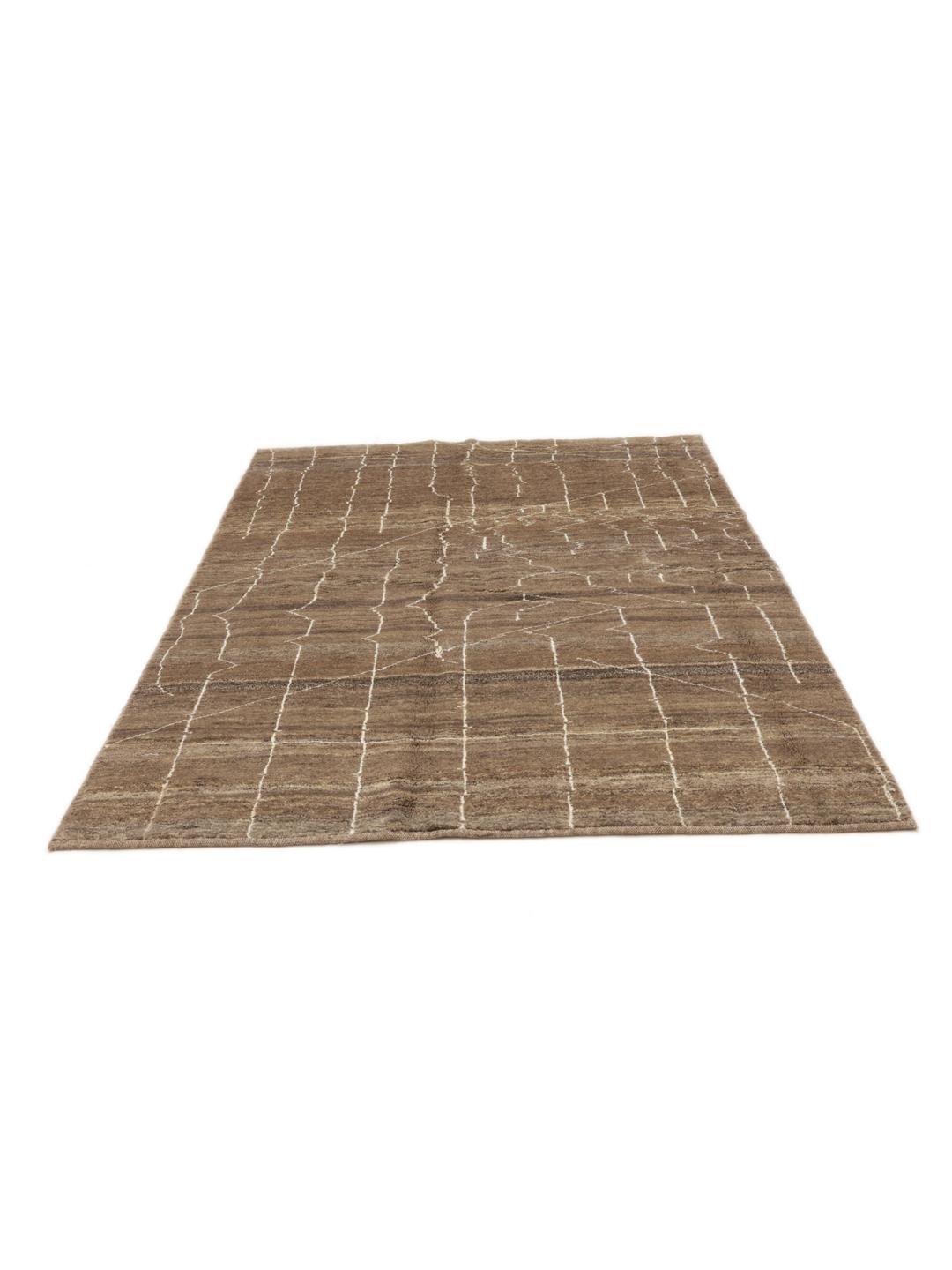
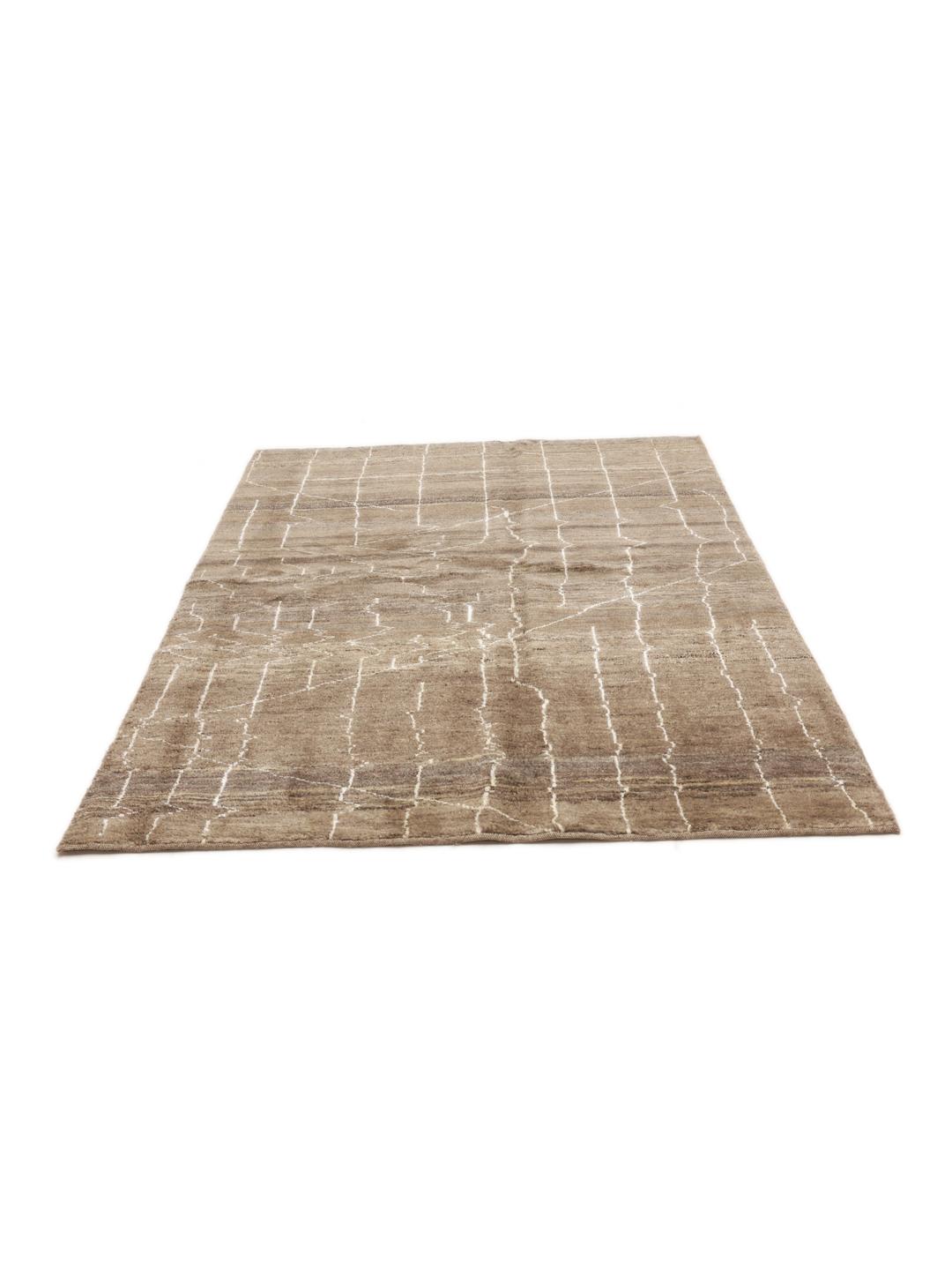
The Moroccan Berber tradition is deeply rooted in the nomadic history of the Atlas Mountains, where weaving was not just a craft but a vital form of storytelling. These rugs were originally created for functional use in harsh climates, serving as sleeping mats, blankets, or wall coverings to provide insulation and protection against the elements.
The term Berber refers to the indigenous peoples of North Africa, whose weaving techniques have been passed down through generations. While the style originated in the mountains, it has evolved over time, influencing weaving traditions across the wider Middle East. This cross-cultural exchange has led to a diverse range of interpretations, yet the core focus on natural materials and expressive, geometric storytelling remains constant.
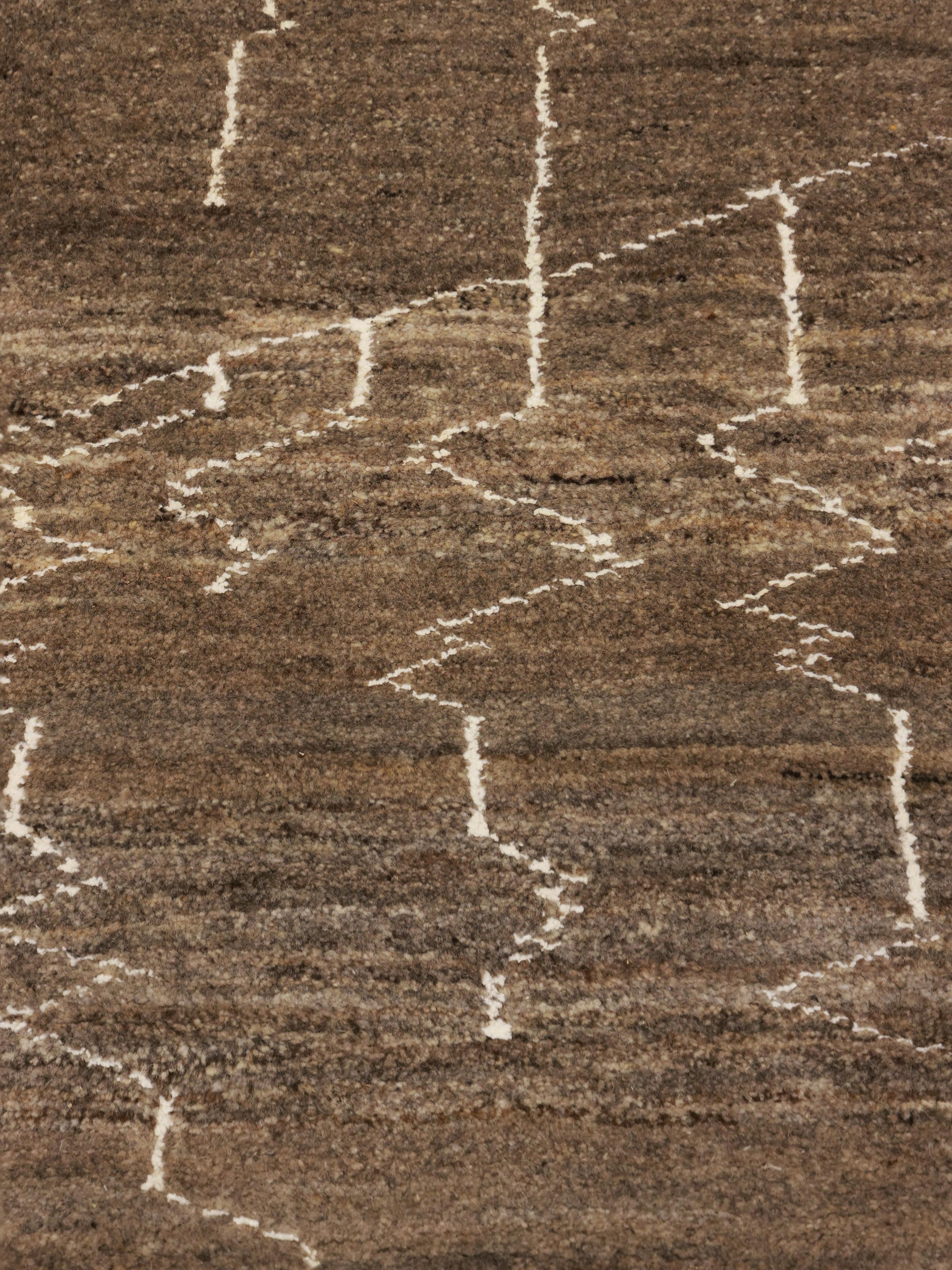
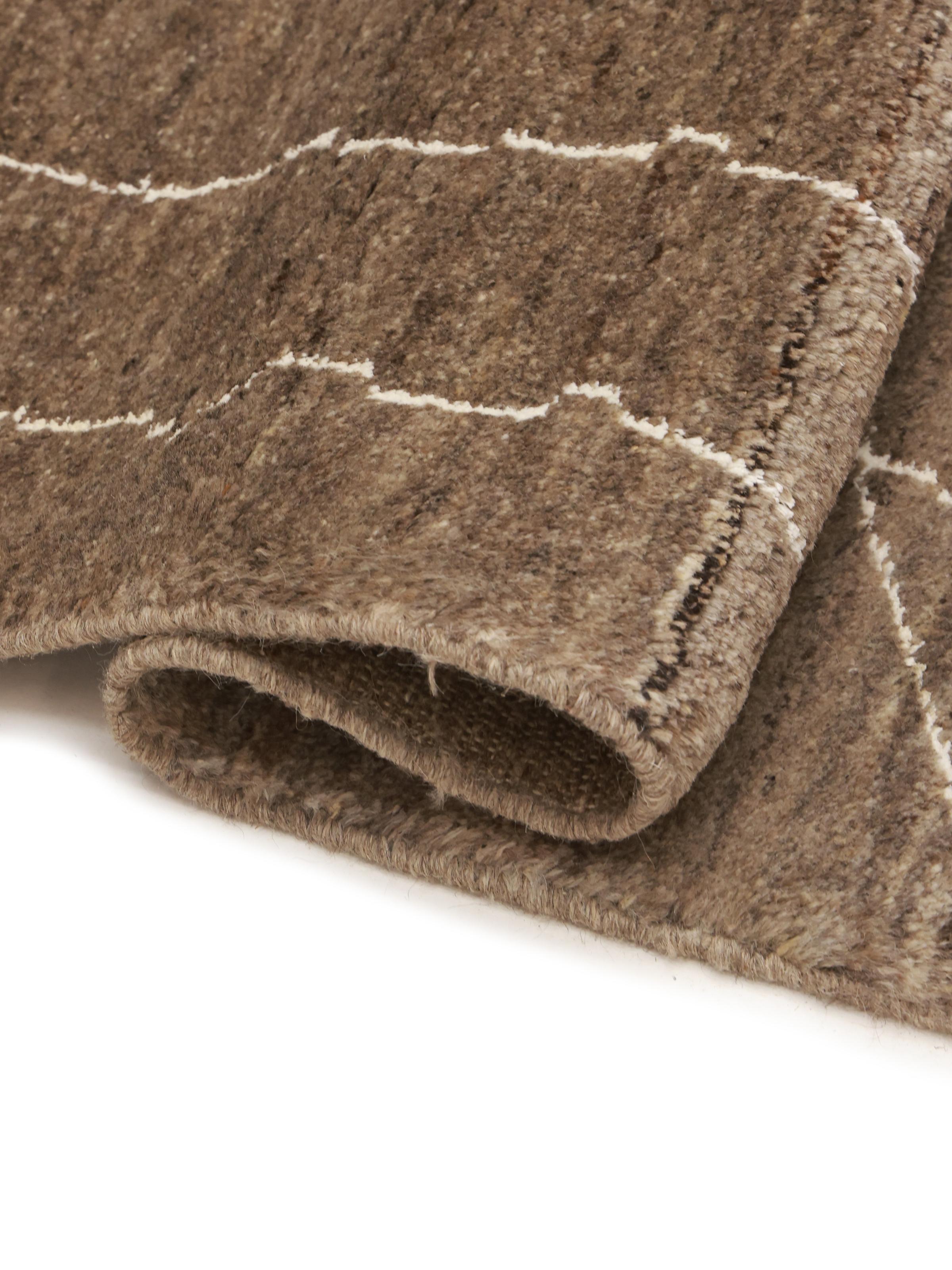
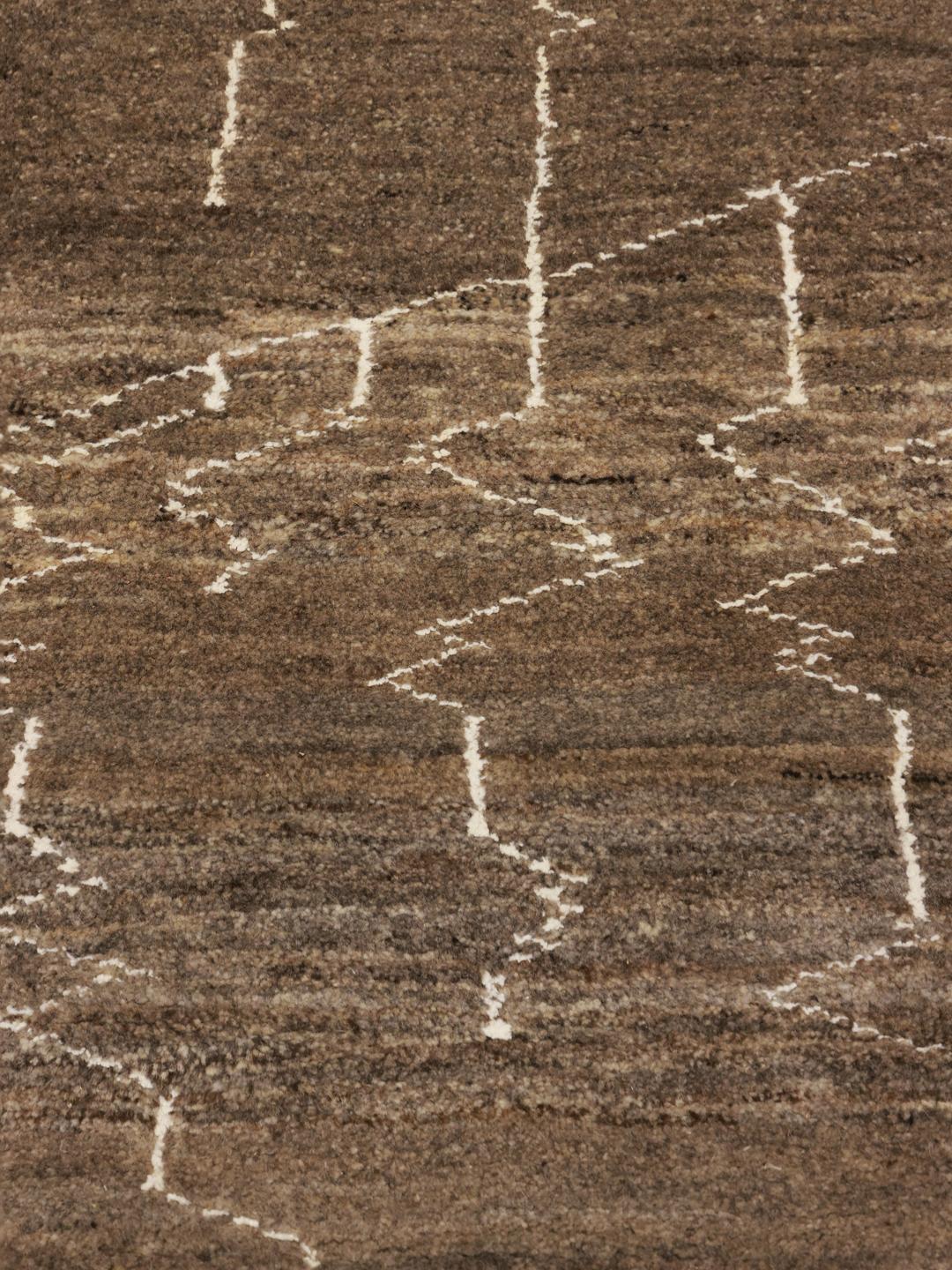
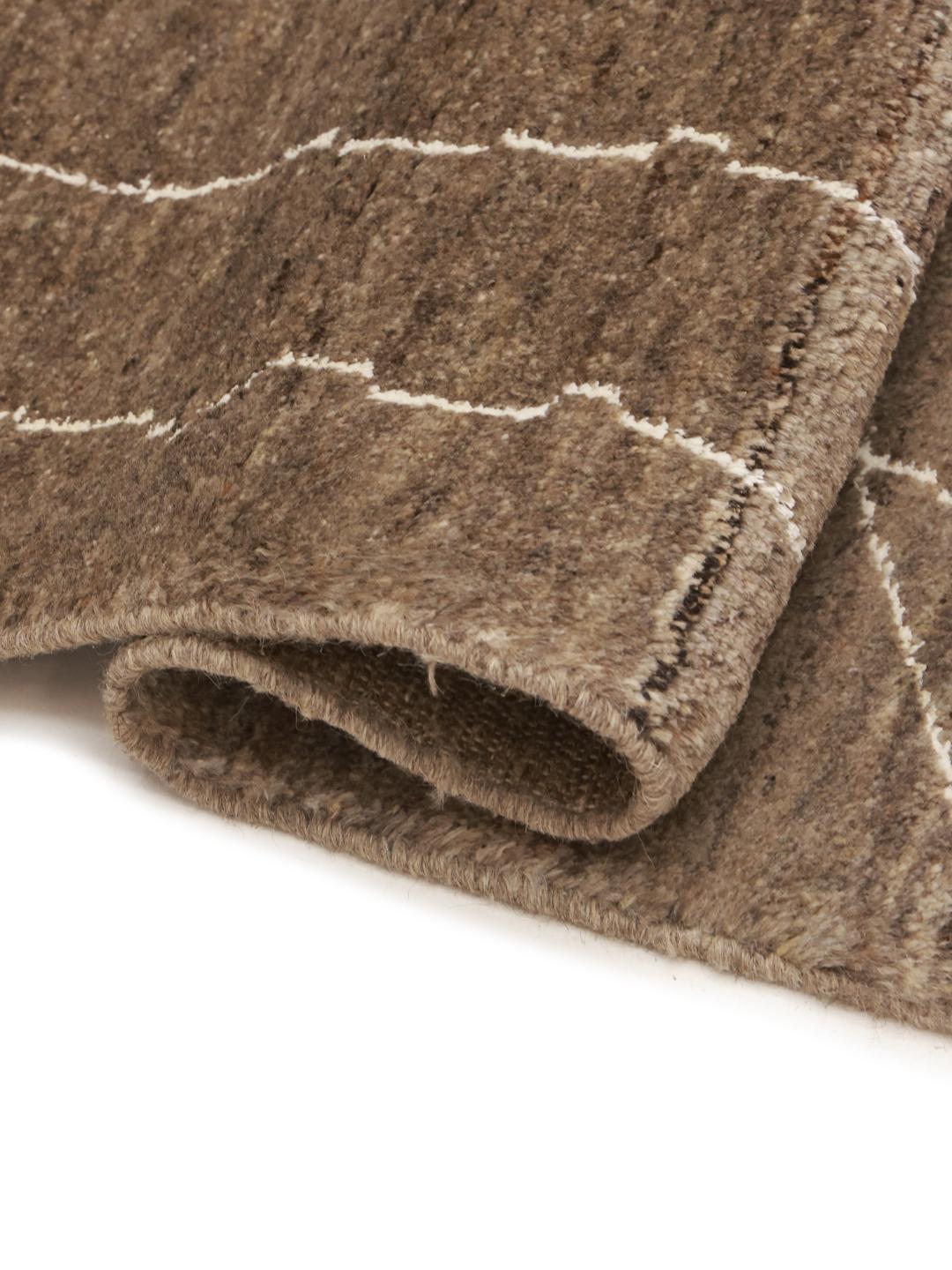
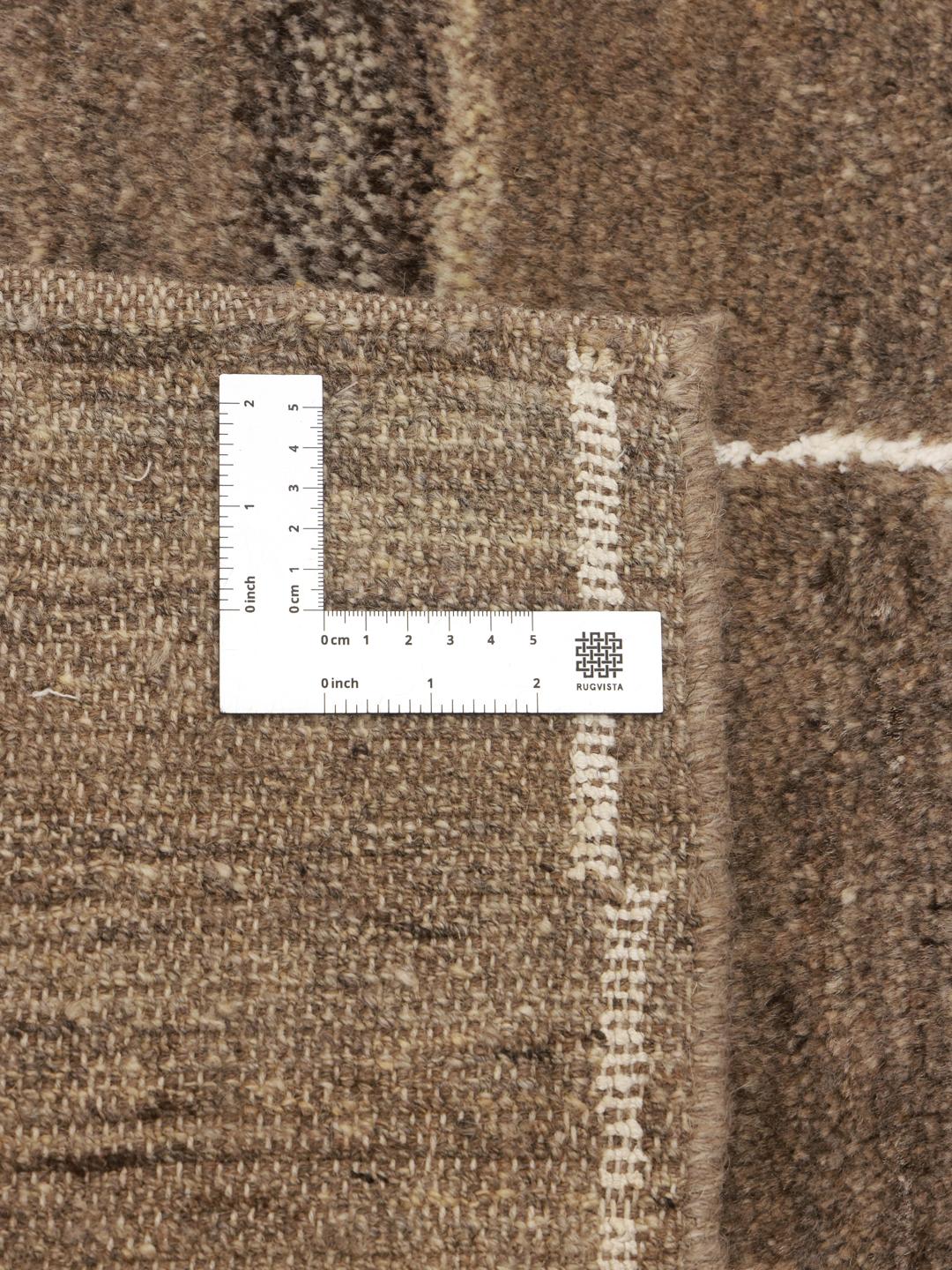
Visually, these rugs are known for their minimalist yet powerful designs. They often feature a neutral field with spontaneous, linear patterns that reflect the weaver's personal vision or surroundings rather than a rigid, pre-planned template. The use of natural, undyed or earth-toned wool is a hallmark of the tradition, lending the rugs an authentic, raw beauty.
Today, these rugs are highly sought after by collectors who value the human element inherent in every knot. Owning a piece from this tradition is an investment in cultural heritage, representing a bridge between ancient nomadic life and the contemporary home. It is a testament to the skill of the weaver and the enduring appeal of craftsmanship that prioritises soul over perfect symmetry.