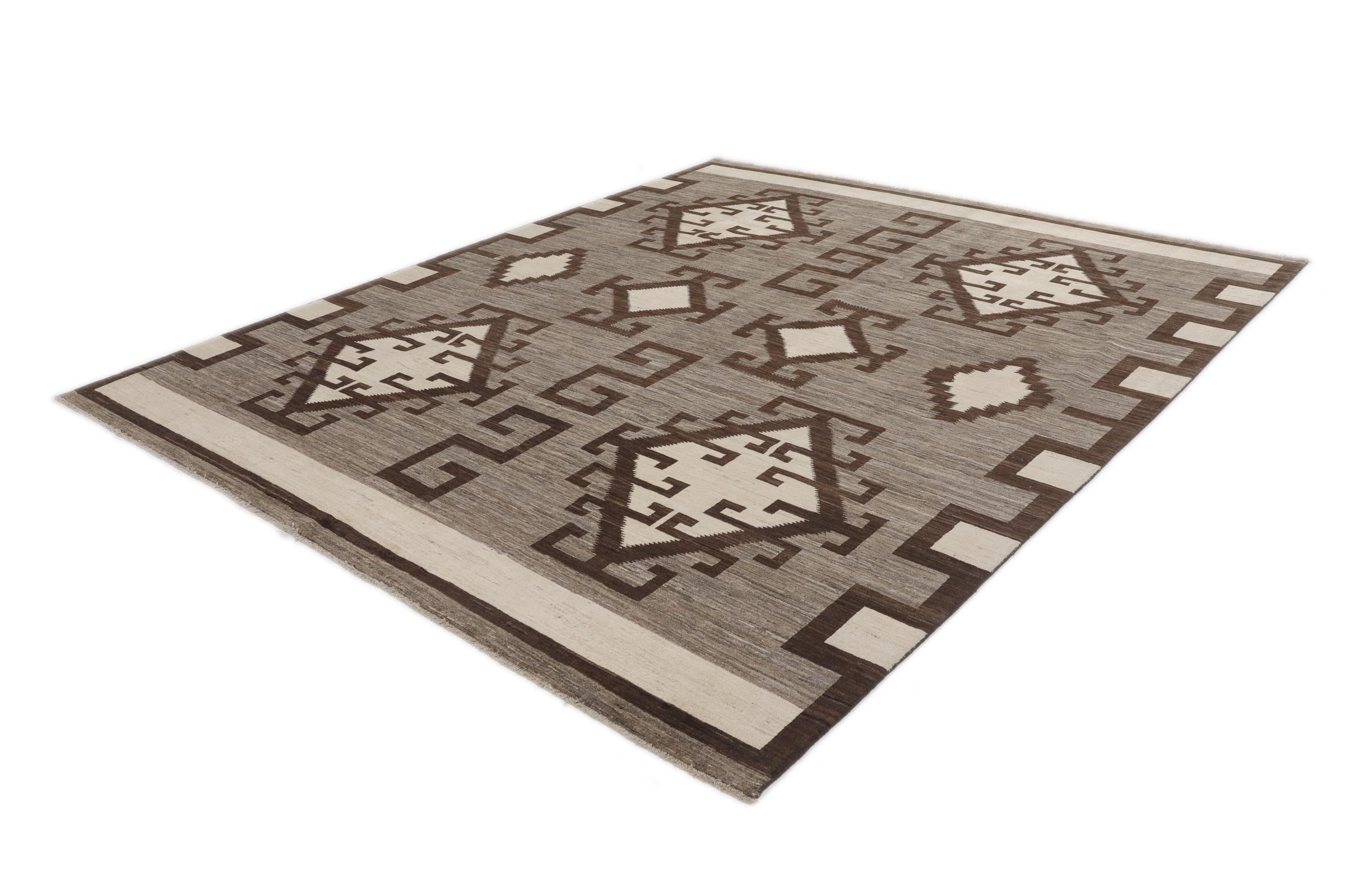
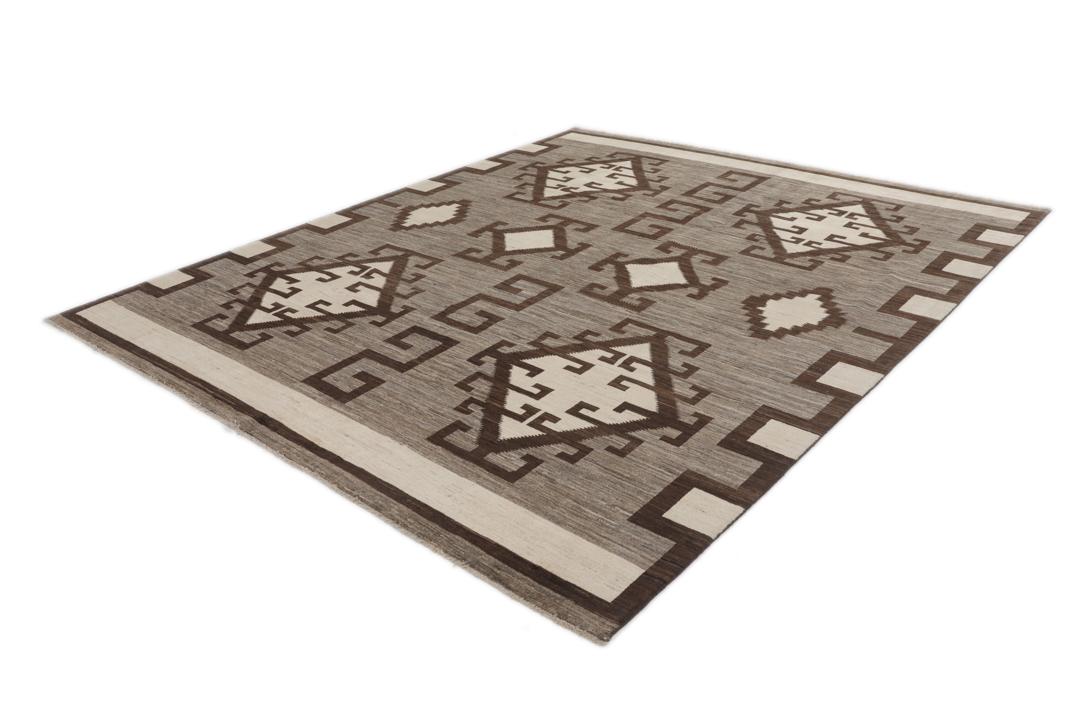
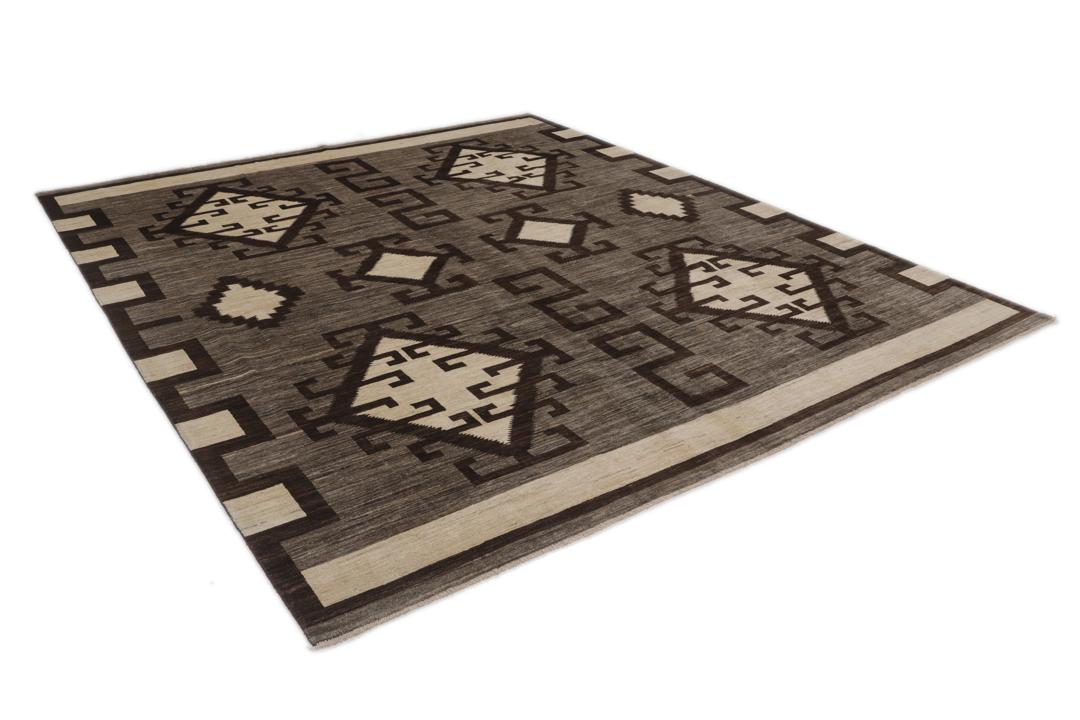
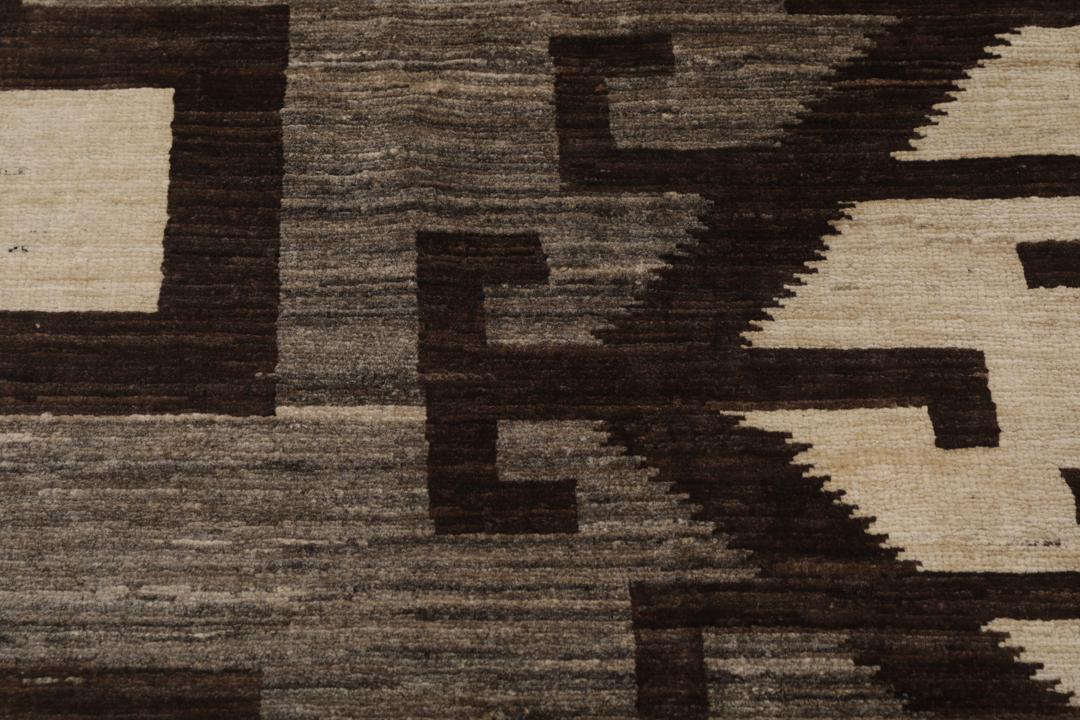
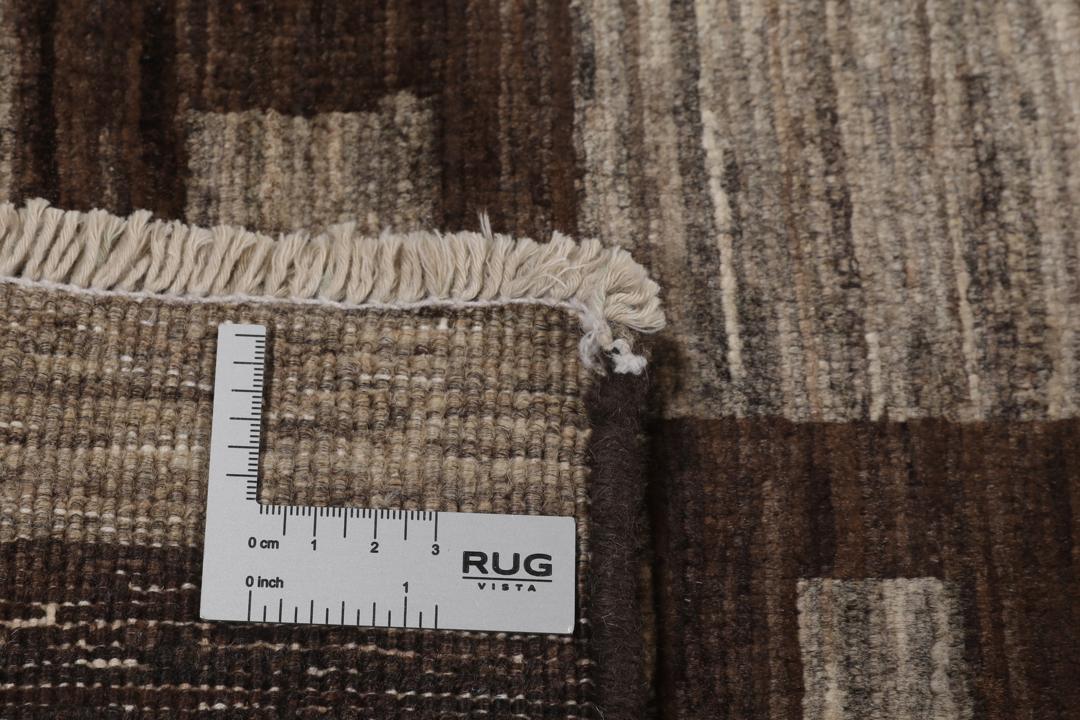
Afghan rug making is a deeply rooted tradition that has evolved over centuries, blending ancient nomadic weaving techniques with the creative sensibilities of contemporary designers. These rugs often emerge from the rugged landscapes of the region, where the craft has been passed down through generations, preserving a rich cultural heritage that values both utility and aesthetic expression.
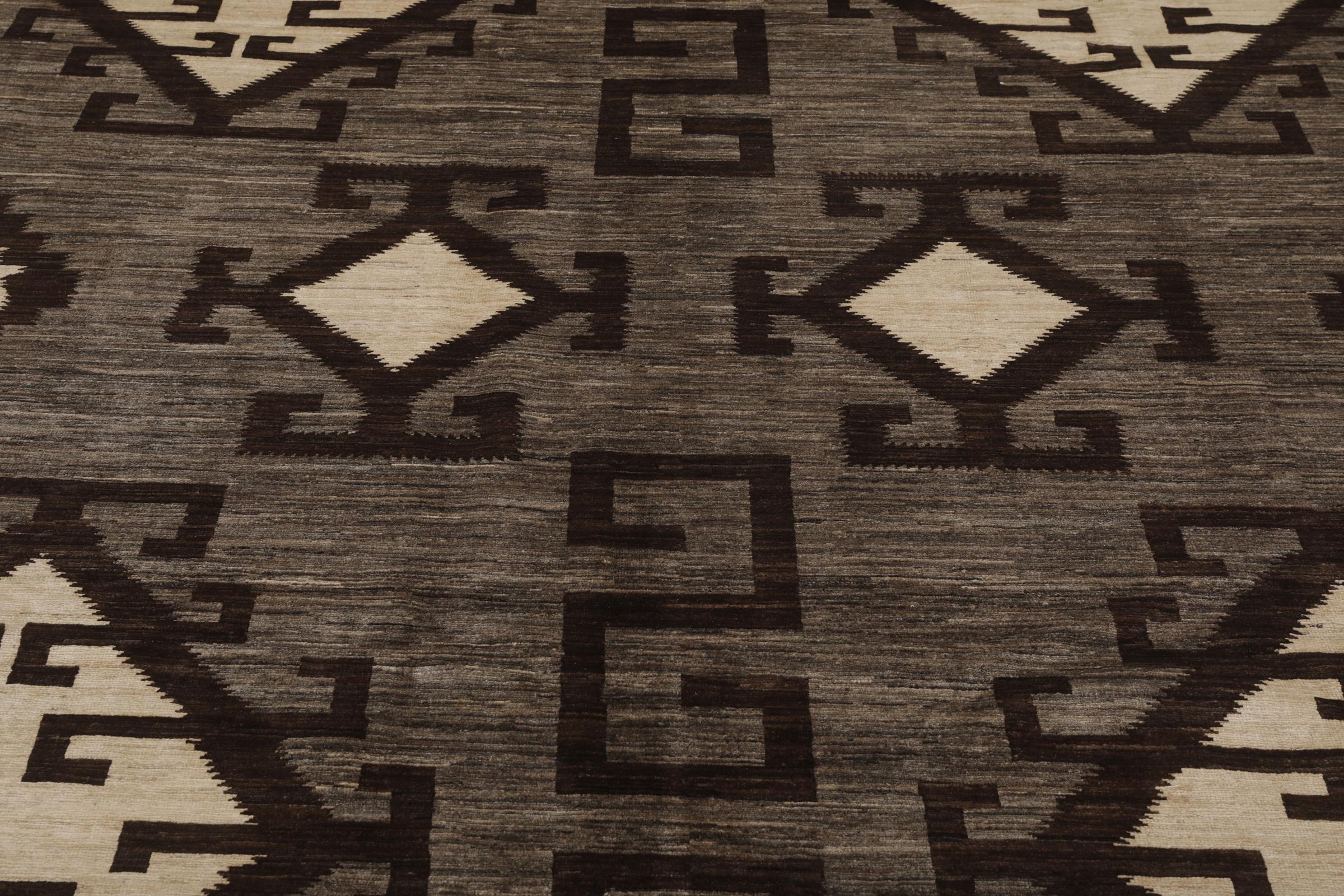
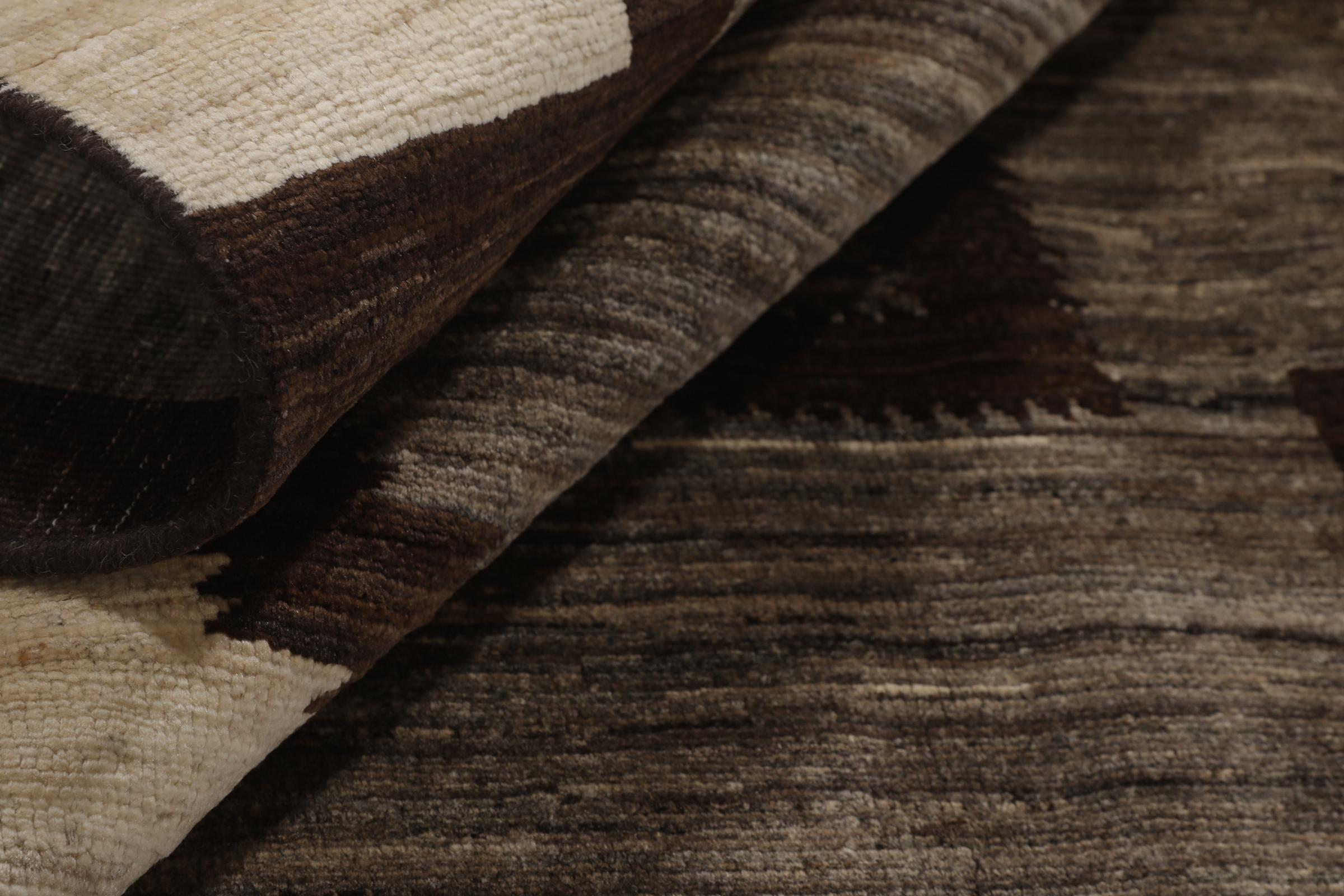
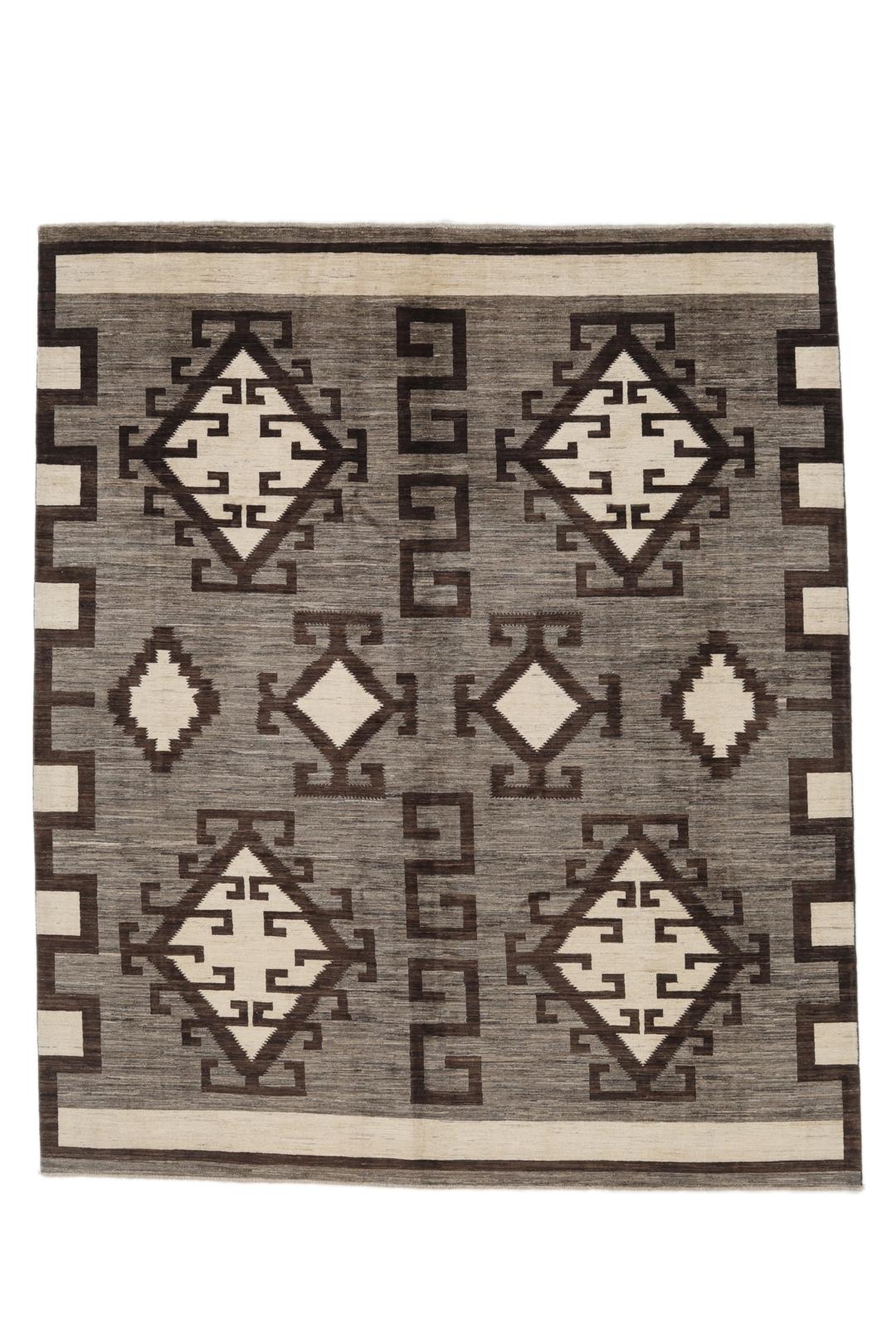
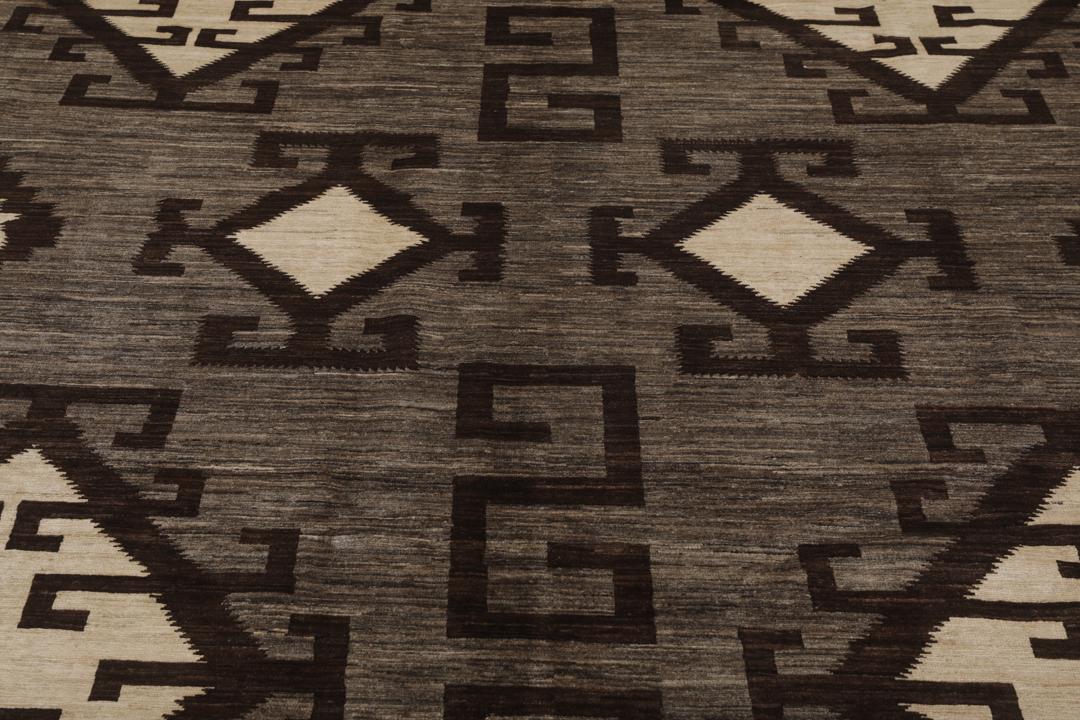
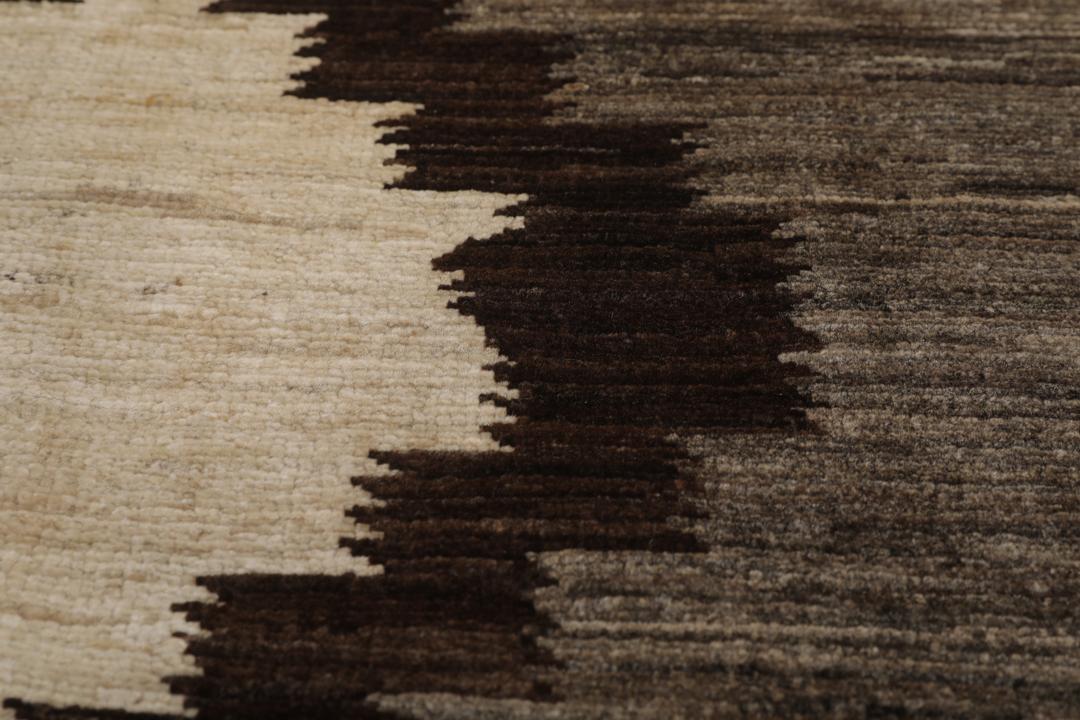
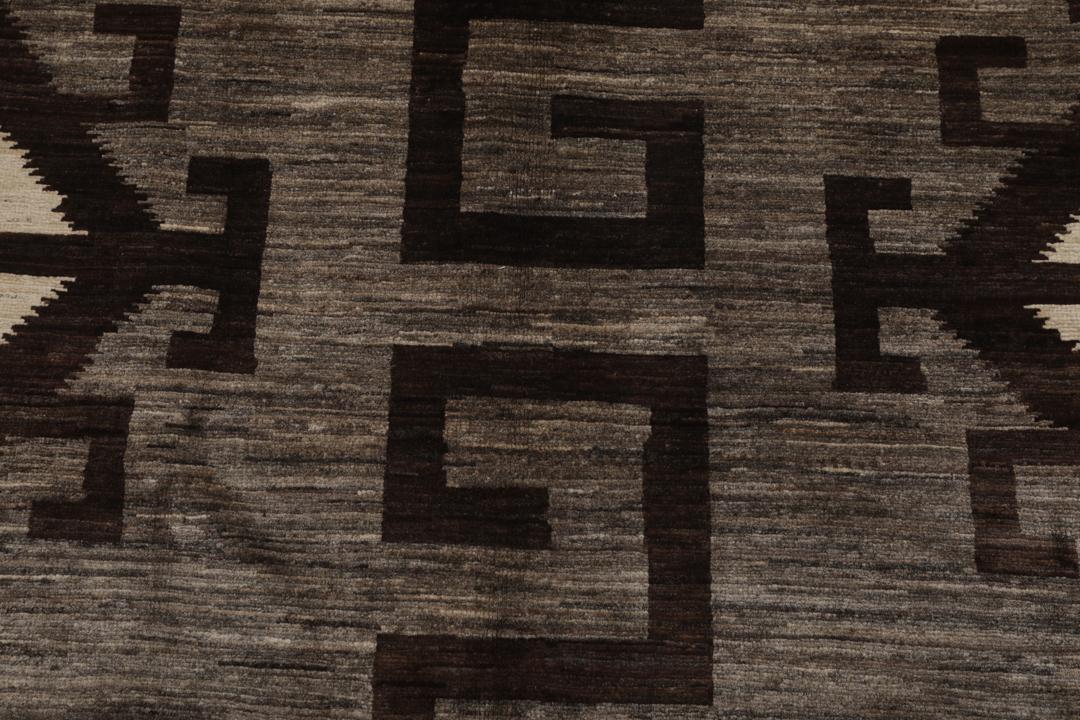
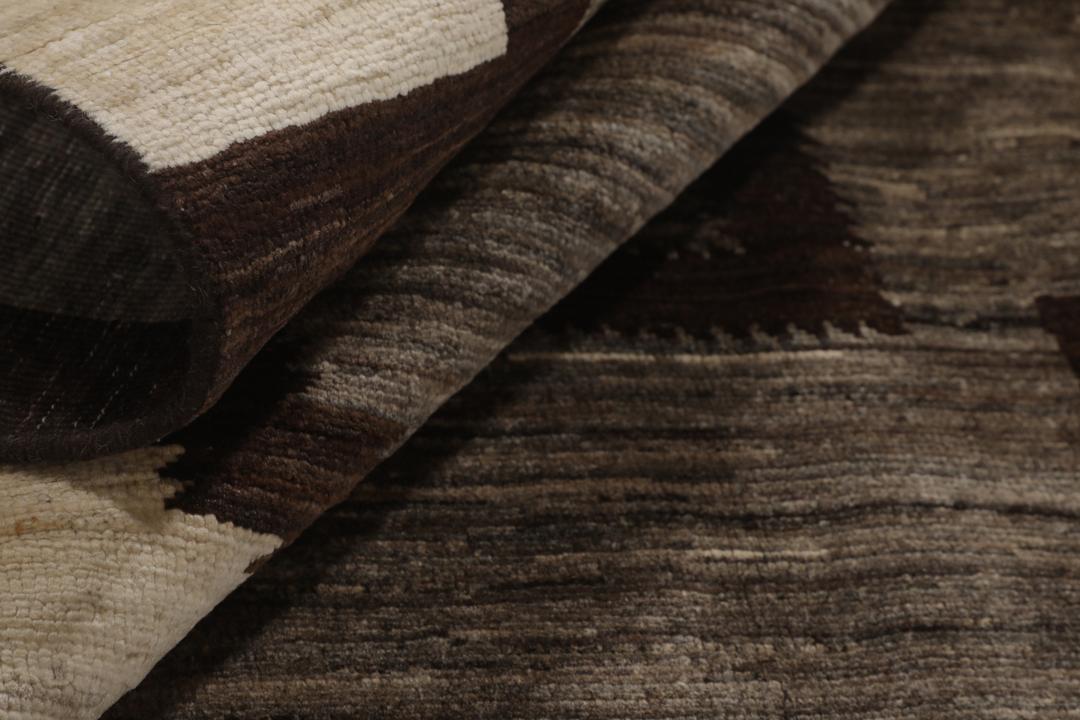
The term Gabbeh refers to a style traditionally associated with tribal weavers, characterised by a thicker, softer pile and a more spontaneous, artistic approach to design. While older versions were often simpler in their presentation, the modern evolution of this style incorporates more structured, geometric patterns, making them highly versatile for modern homes while retaining the soft, inviting feel of the original nomadic textiles.
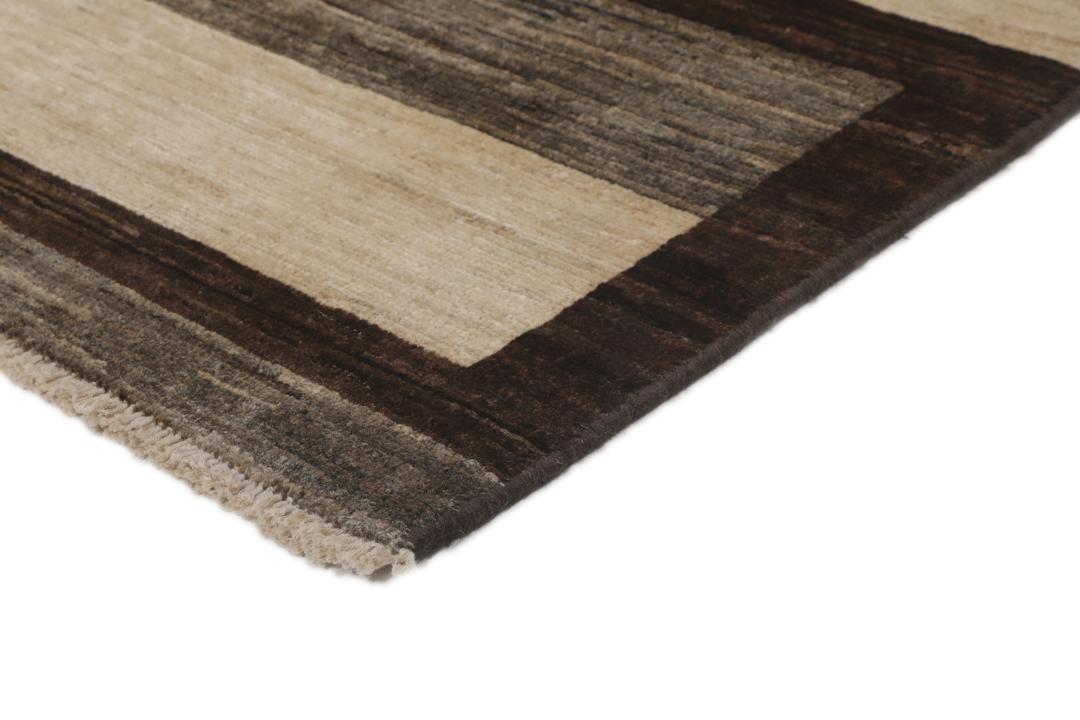
Signature elements of this tradition include the use of bold, simplified geometric motifs and a natural colour palette. These designs are often inspired by the surrounding environment and the personal stories of the weaver, resulting in a visual language that feels both ancient and refreshingly modern. The borders often frame the field with precision, providing a cohesive structure to the more expressive, open patterns found in the centre.
Collecting a rug from this tradition is an act of preserving a piece of living history. These rugs are valued not only for their durability but for the skill and patience required to create them. Owning one is an opportunity to connect with a craft that has survived and thrived across changing times, offering a sense of permanence and depth that mass-produced items simply cannot provide.