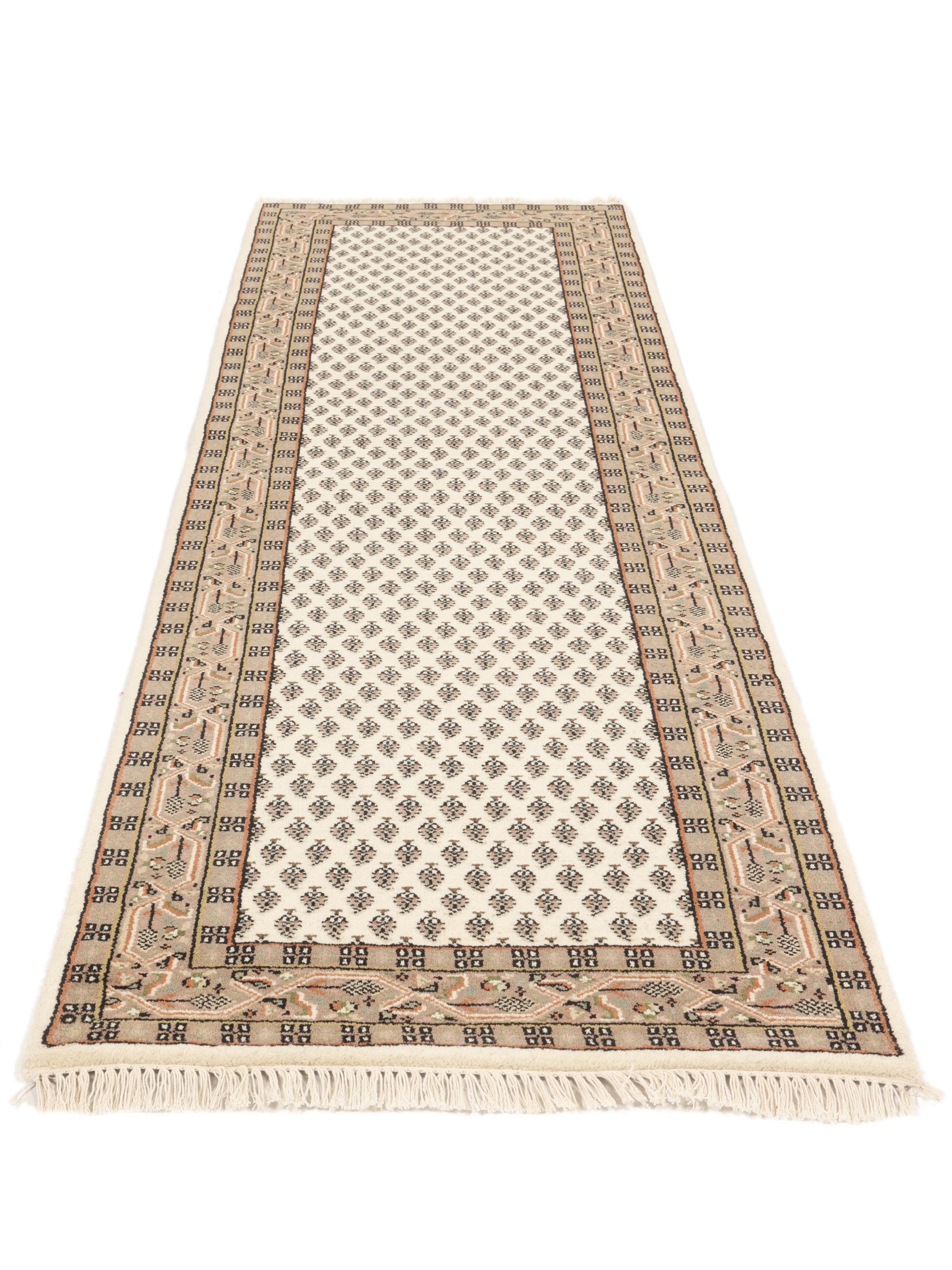
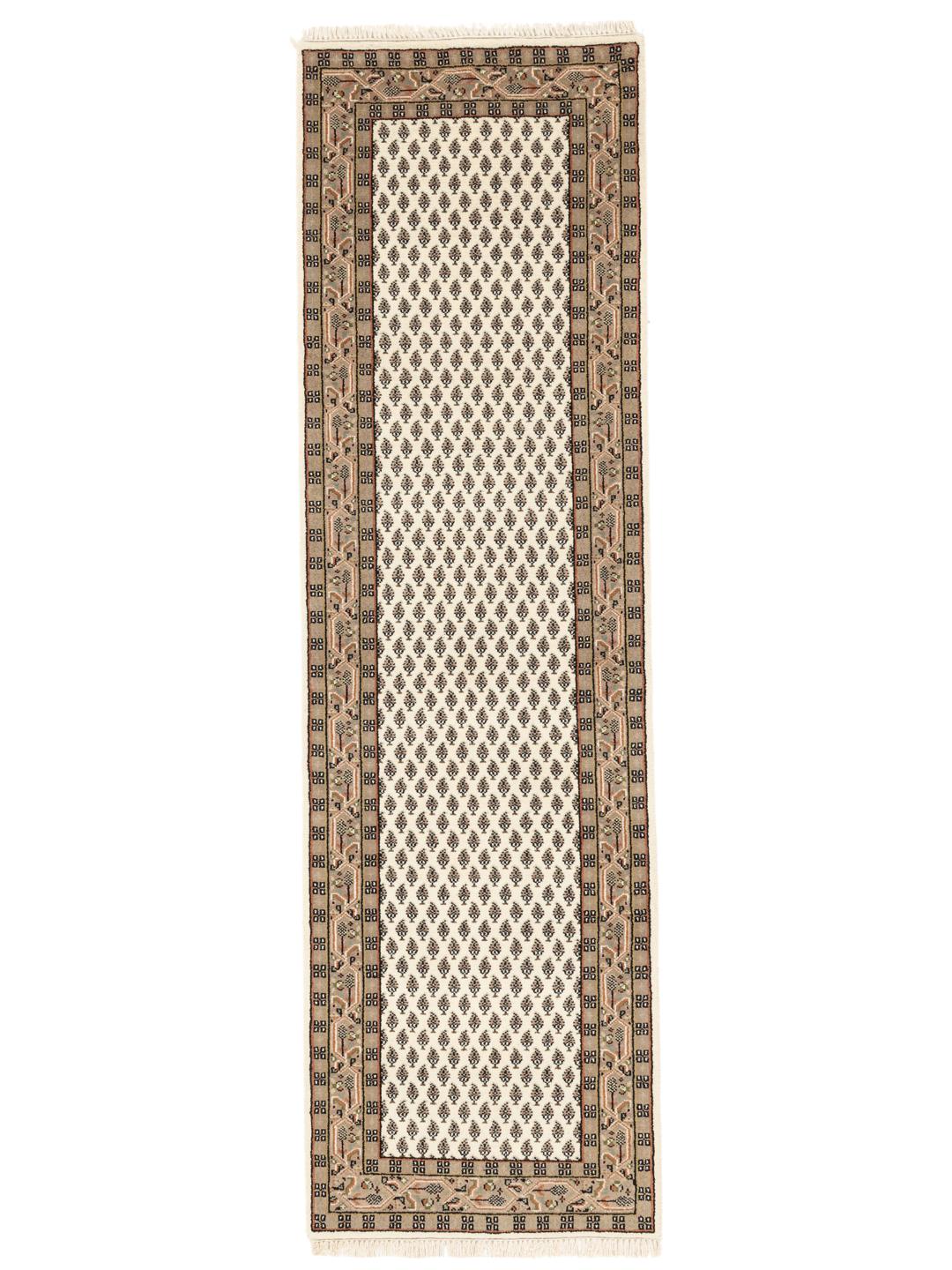
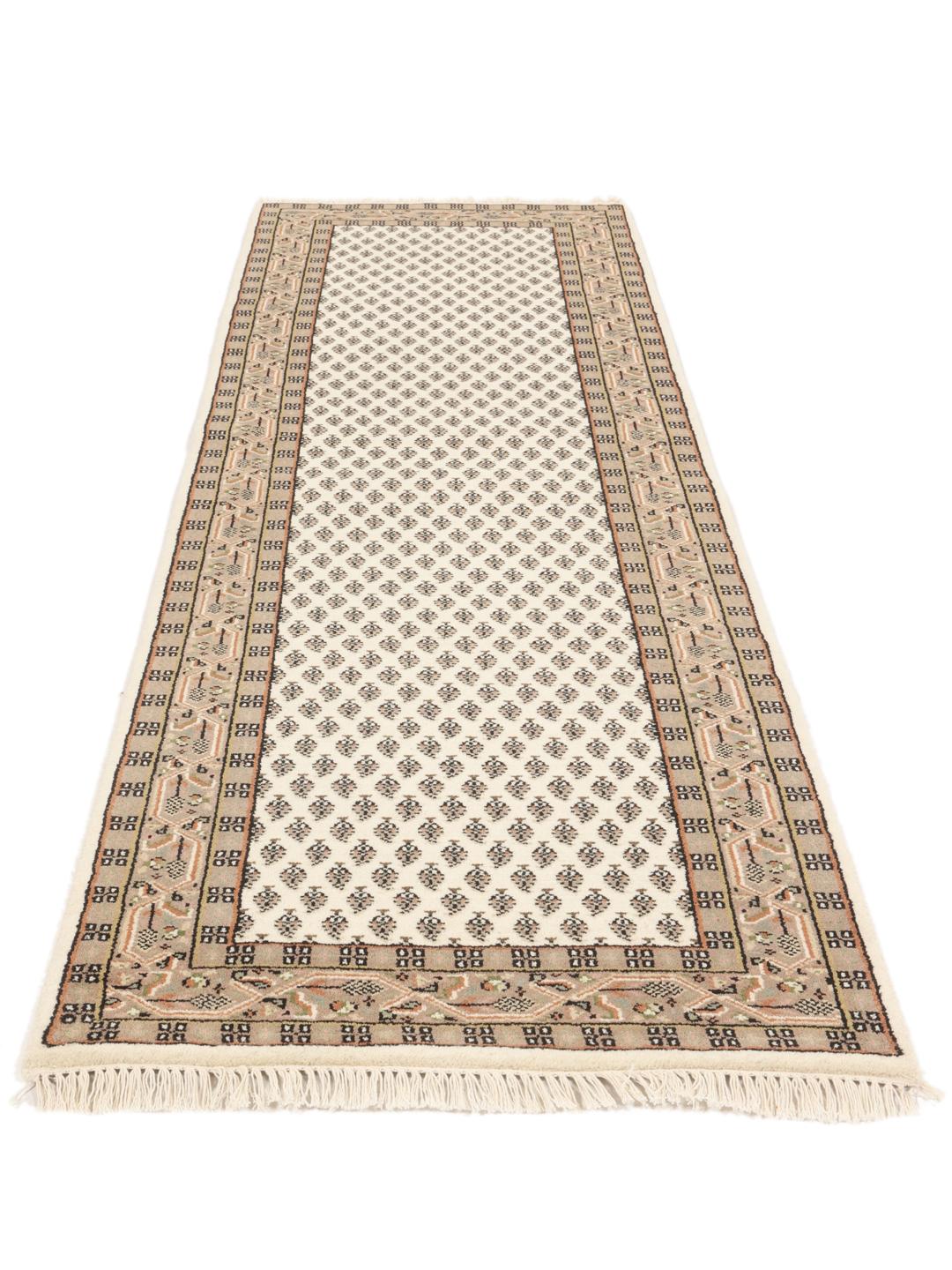
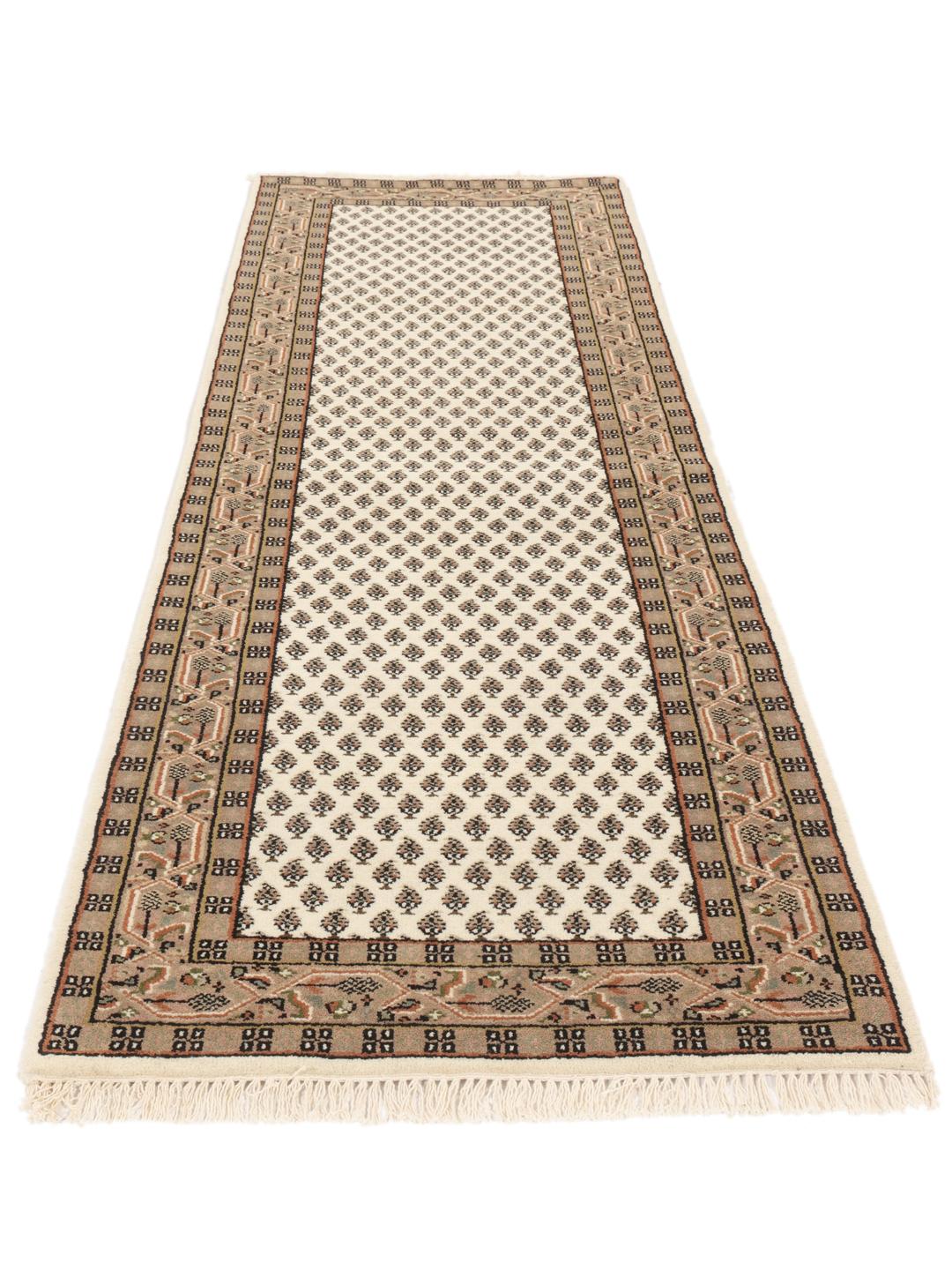
Mir rugs are deeply rooted in the textile traditions of the Middle East, characterised by their iconic all-over repeating patterns. While the name itself is often associated with the 'Mir-i-buta' motif, the tradition has evolved over centuries as it travelled across the region. Today, some of the most refined examples are produced in India, where artisans have mastered the intricate techniques required to execute these complex, rhythmic designs.
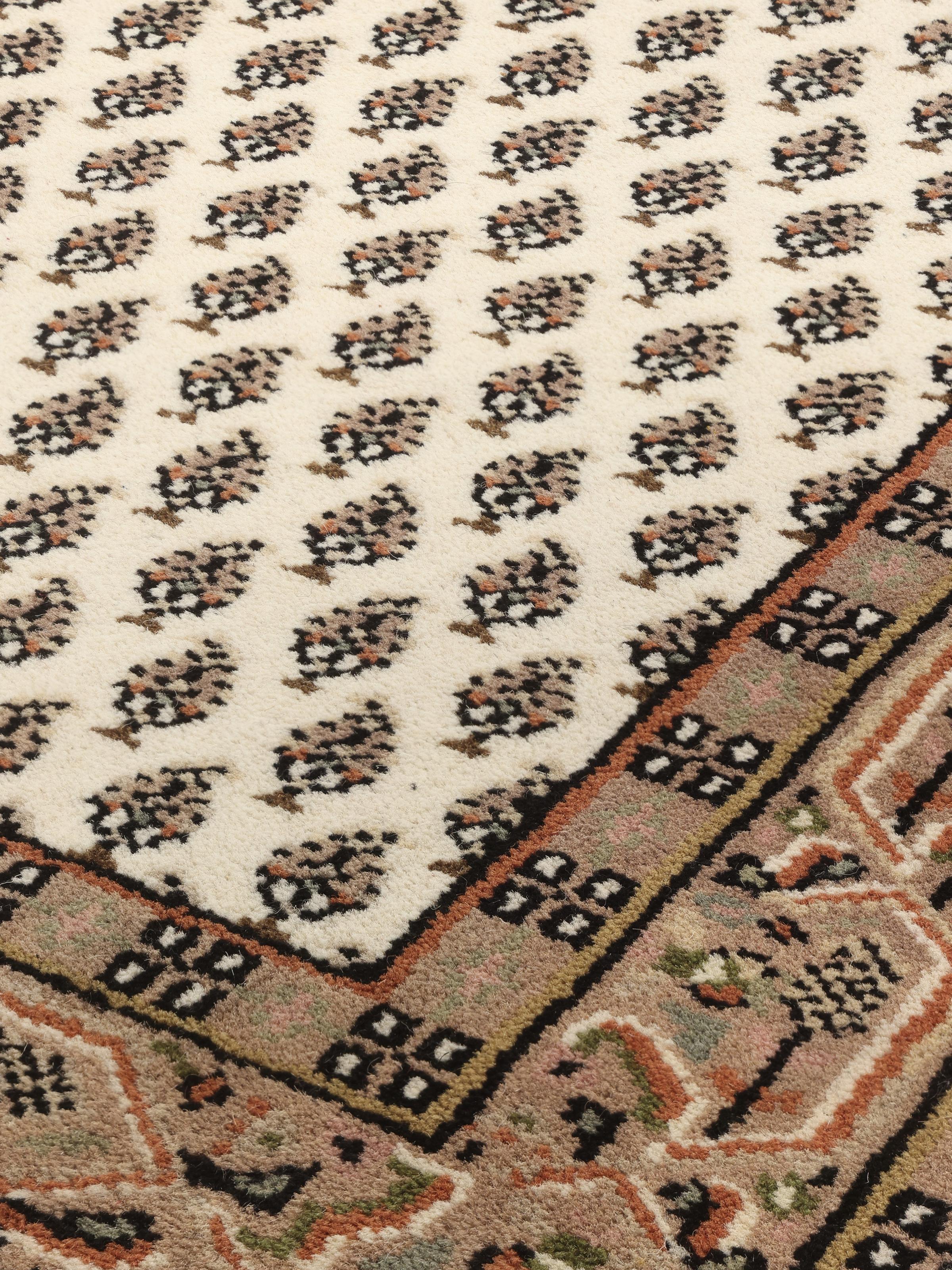
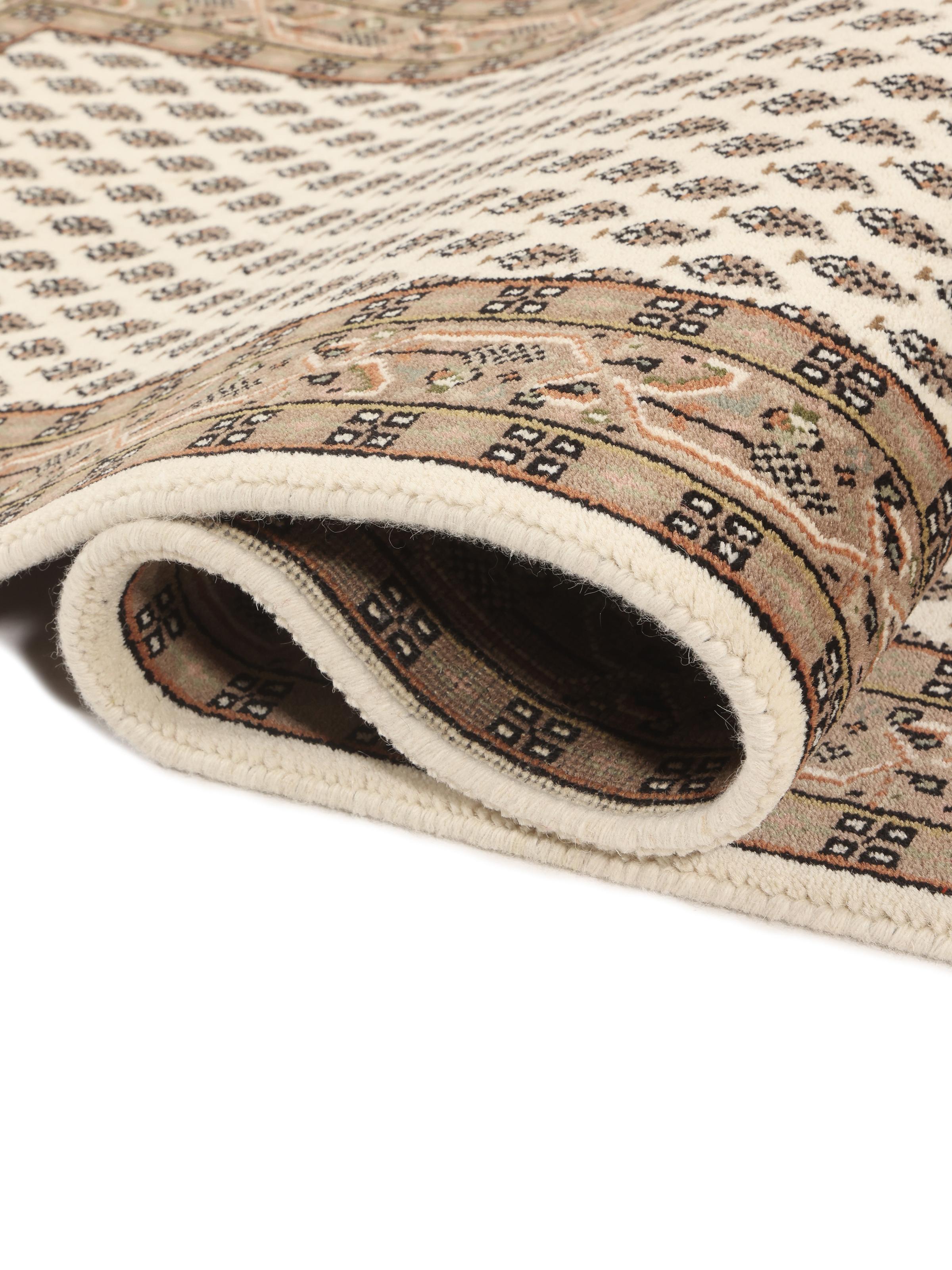
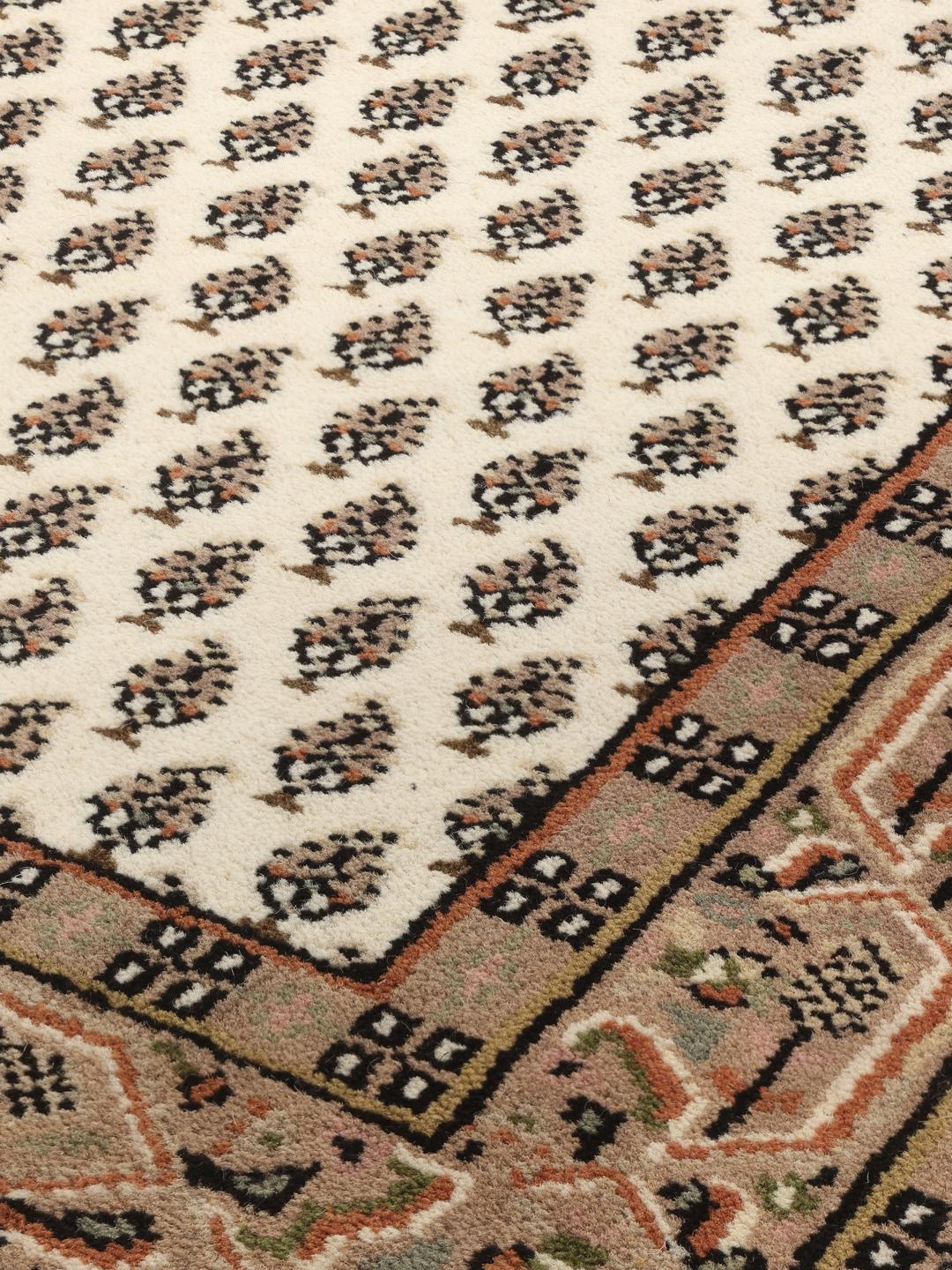
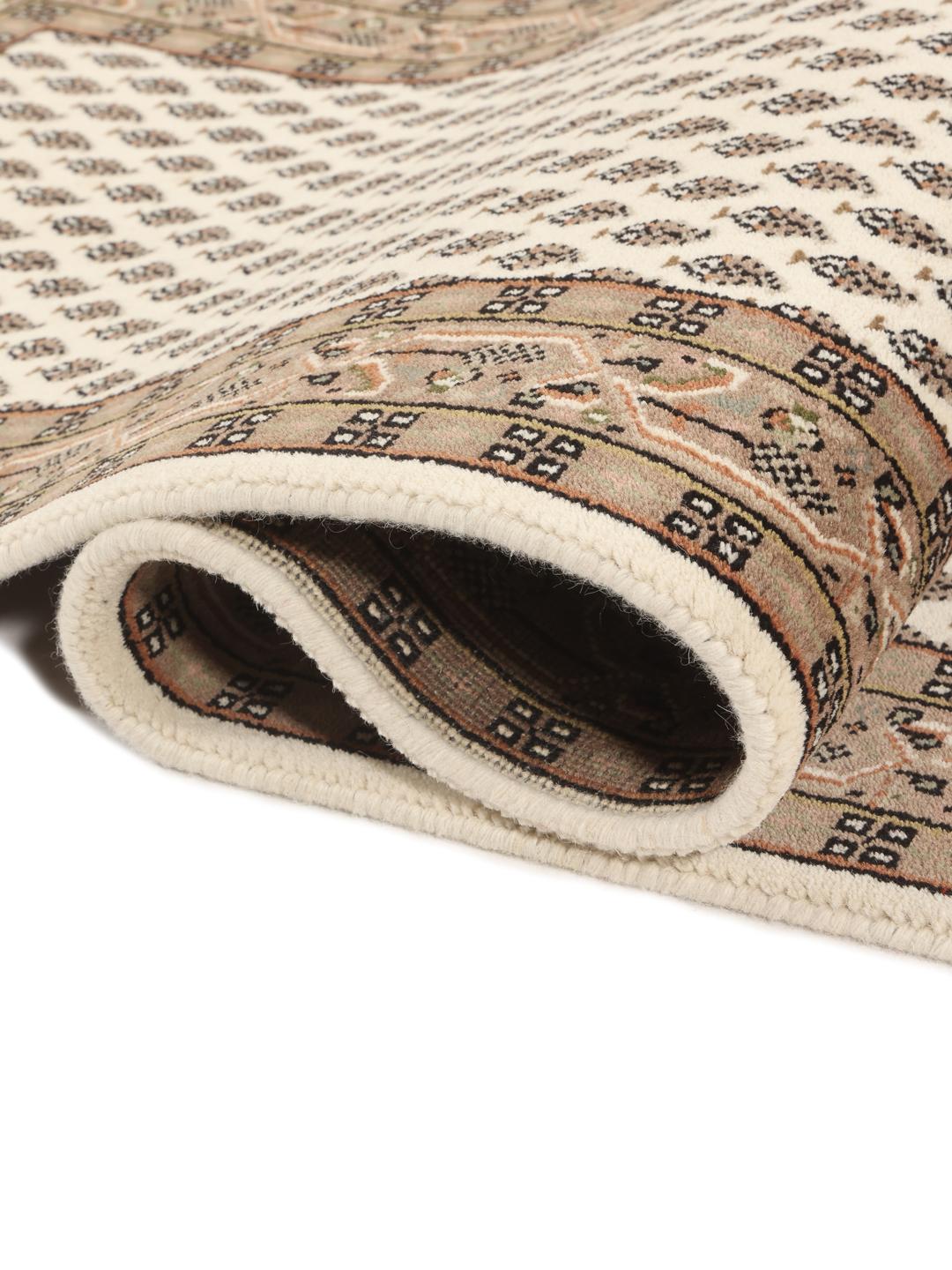
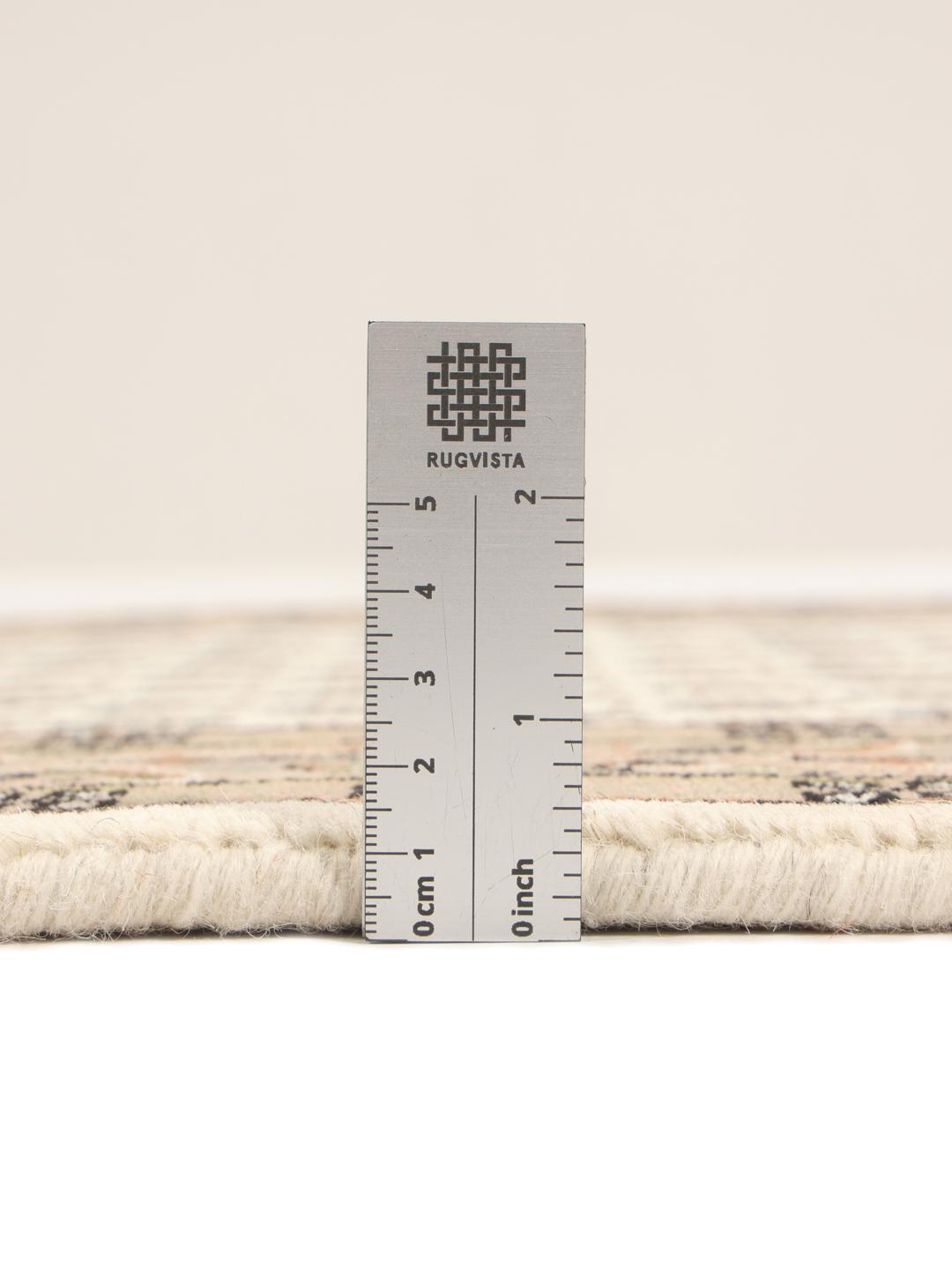
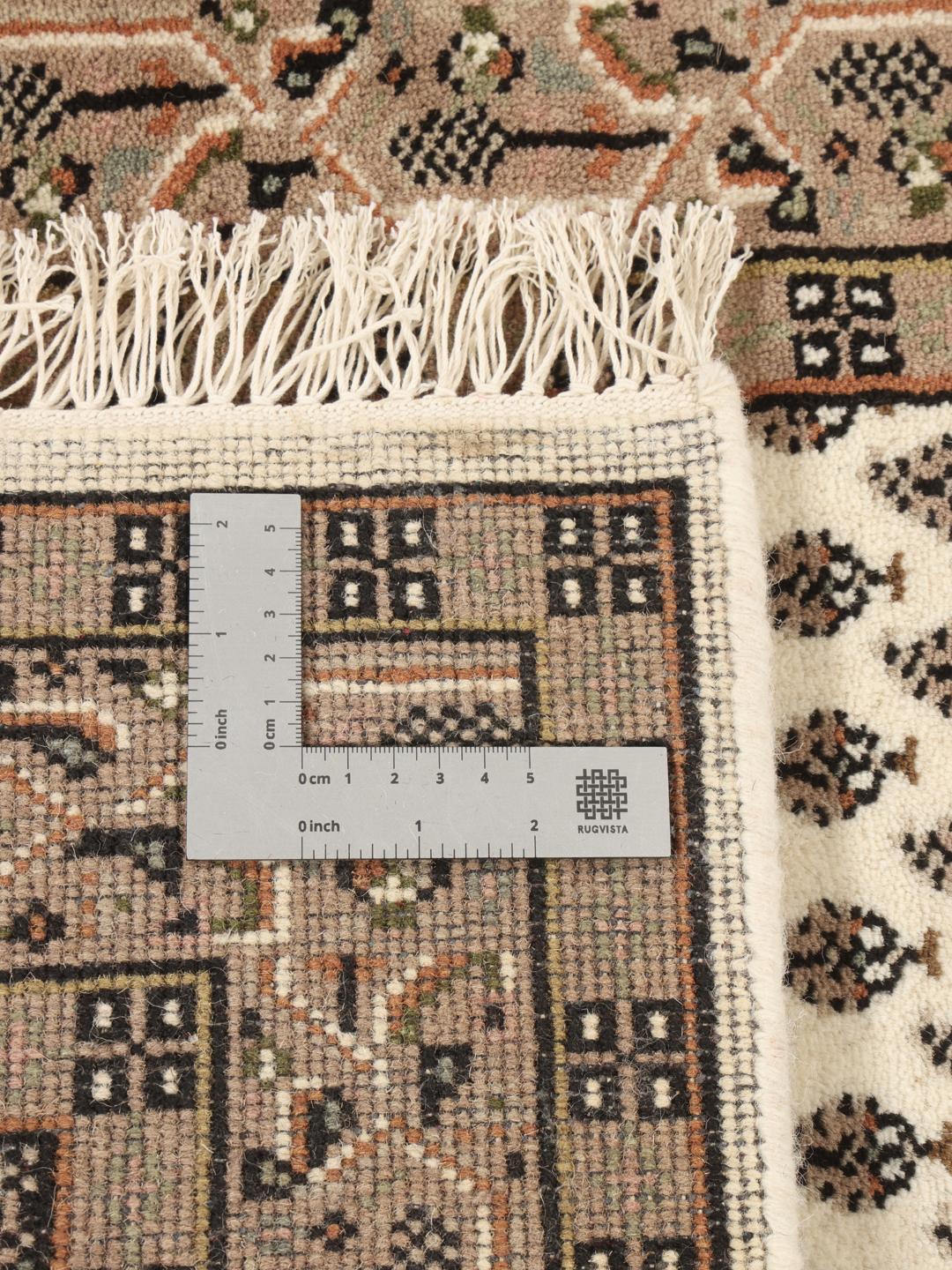
The term hand-knotted refers to the traditional method of construction where the pile is secured to the warp and weft threads by hand. This method is the hallmark of high-quality rug making, as it allows for a density and durability that mechanical looms cannot emulate. The time and focus required for this technique ensure that the rug remains a stable and beautiful part of your home for many years.
Signature design elements of the Mir style include the elegant 'buta' or paisley-inspired motif, which is meticulously repeated across the field. These motifs are often framed by ornate, decorative borders that provide a sense of structure and balance. The visual language is one of harmony, where the repetition creates a calm, meditative effect that is highly prized by collectors.
Owning a hand-knotted Mir rug is more than just a decor choice; it is an appreciation of cultural heritage and human skill. These pieces are valued for their ability to bring a sense of history and depth into a room. By choosing a one-of-a-kind creation, you are securing a piece of functional art that carries the story of its makers and the enduring beauty of its traditional design.