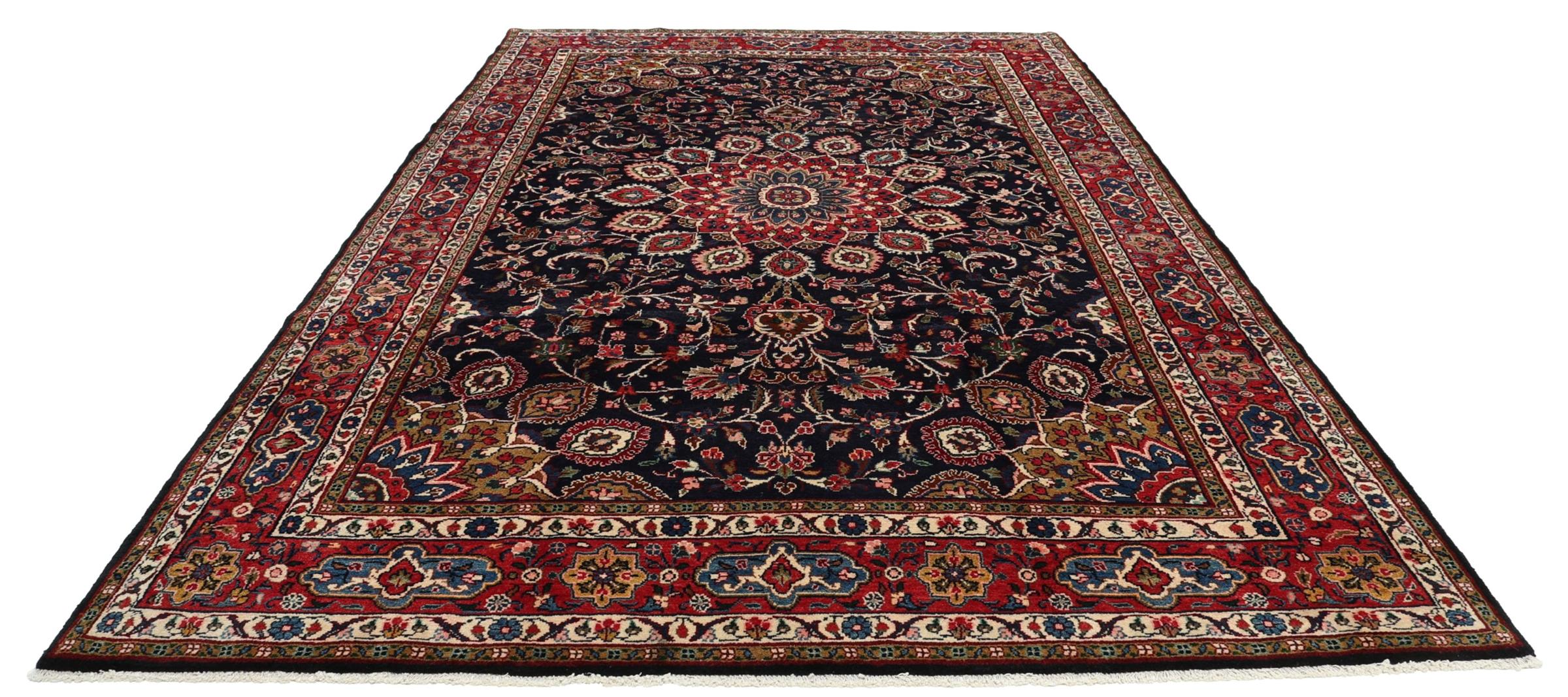
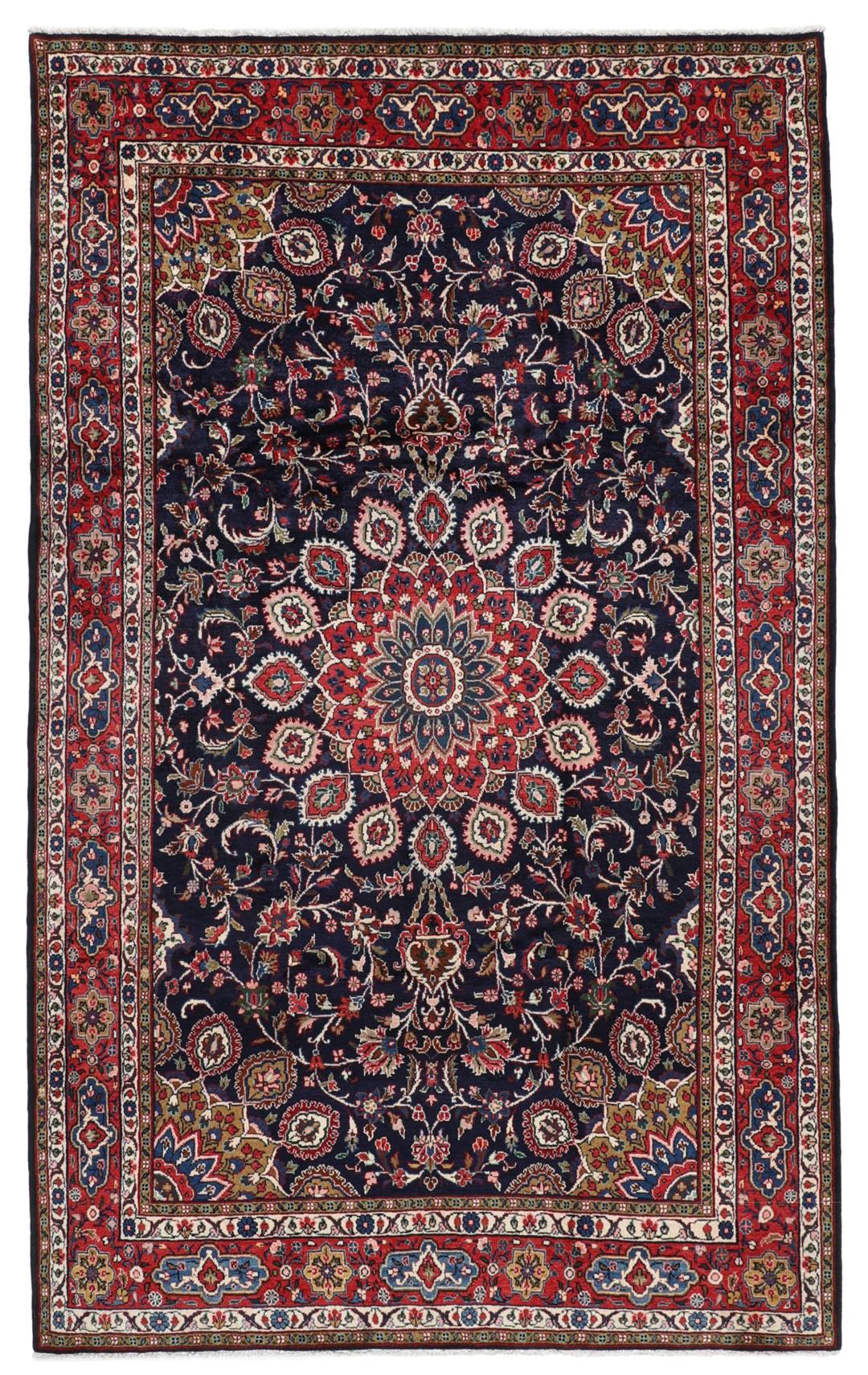
The Mehraban rug tradition emerges from the storied weaving regions of the Middle East, where the craft of rug making is deeply intertwined with daily life and cultural identity. These rugs are highly regarded for their robust construction and their ability to blend traditional tribal influences with more formal design aesthetics, making them a bridge between historical weaving practices and contemporary interior needs.
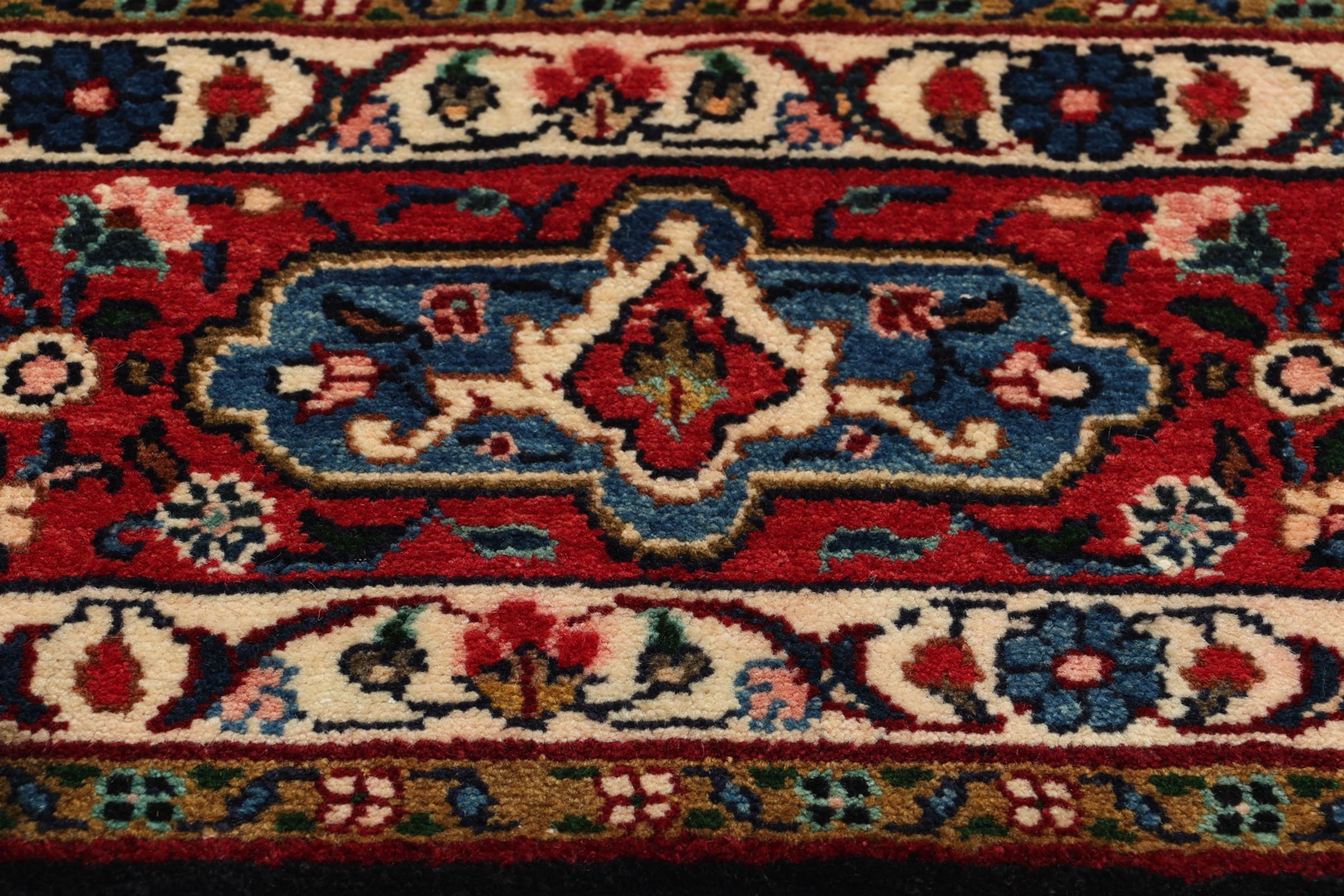
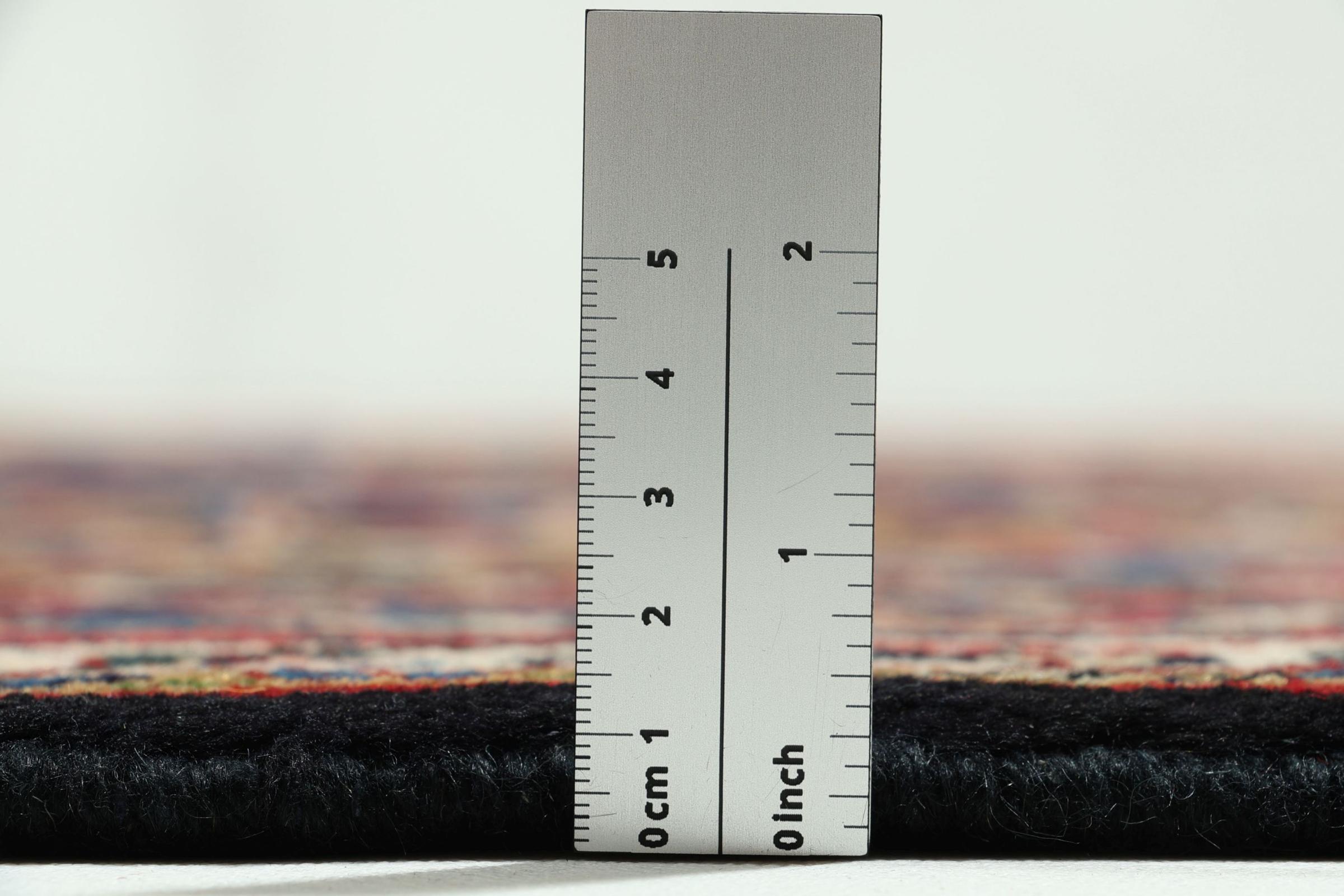
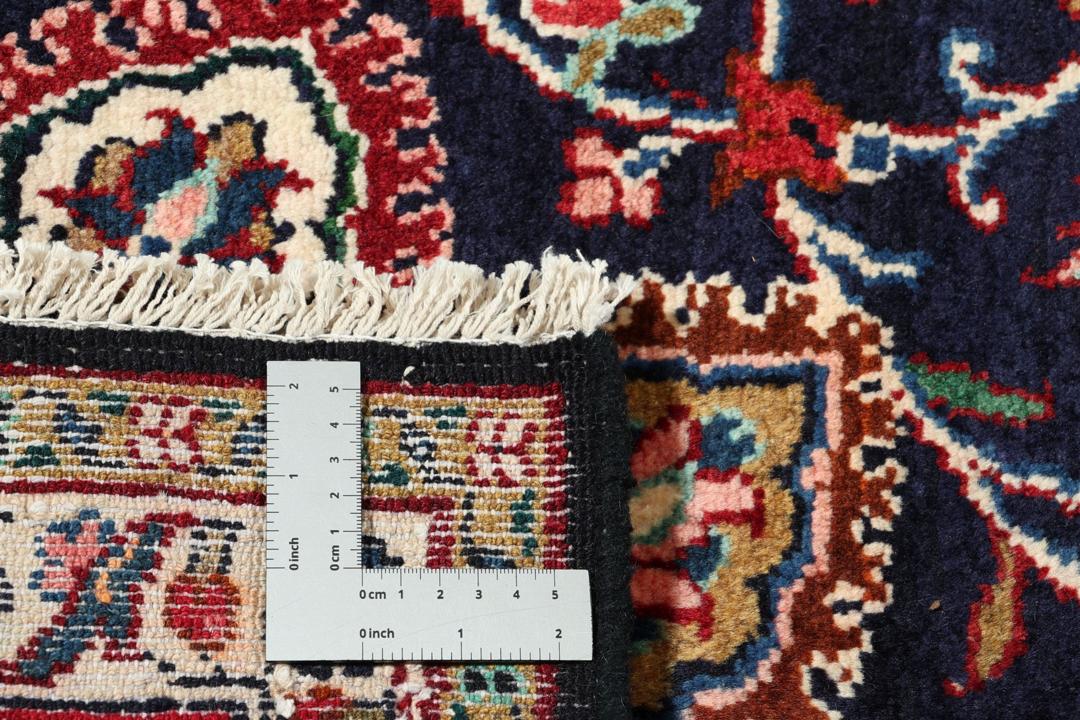
Technical excellence in this tradition is defined by the use of high-quality Wool, often sourced from local mountain sheep. This Wool is prized for its natural lanolin content, which gives the finished rug a soft, lustrous sheen and an inherent resistance to wear. The construction relies on a foundation of sturdy cotton, which provides the necessary tension to hold the intricate knotting in place, ensuring that the rug maintains its structure over time.
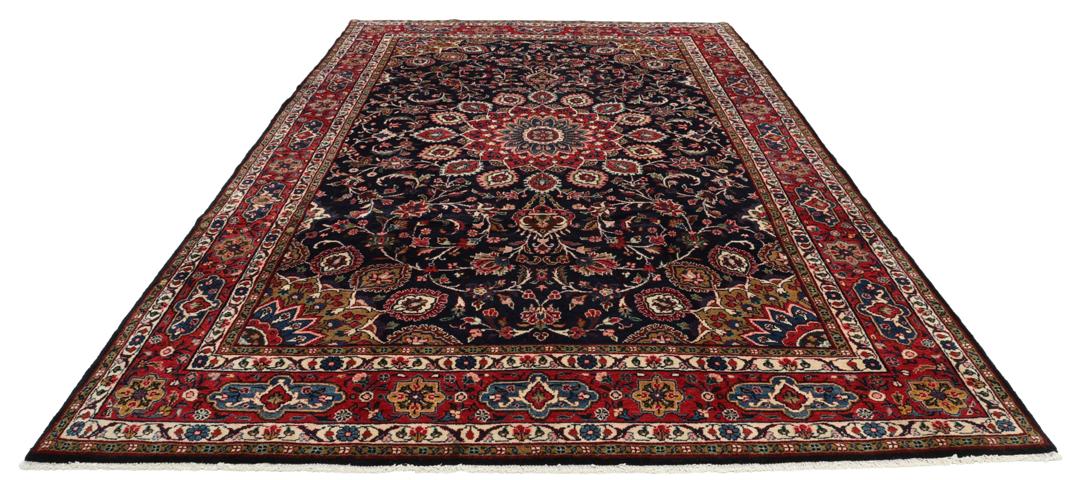
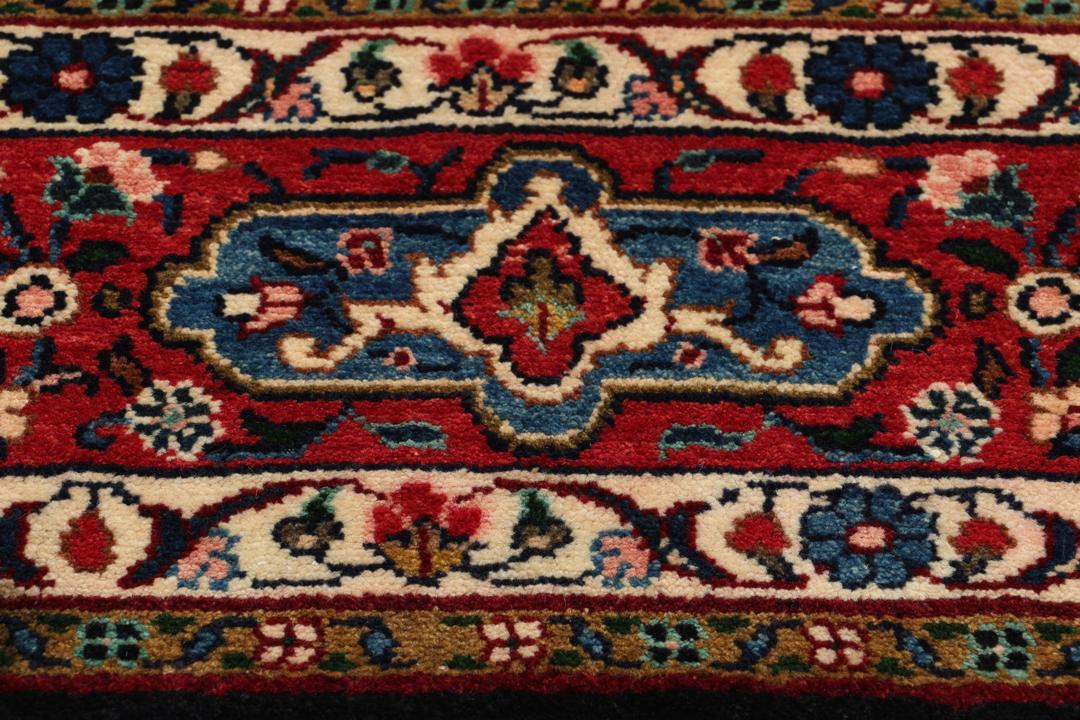
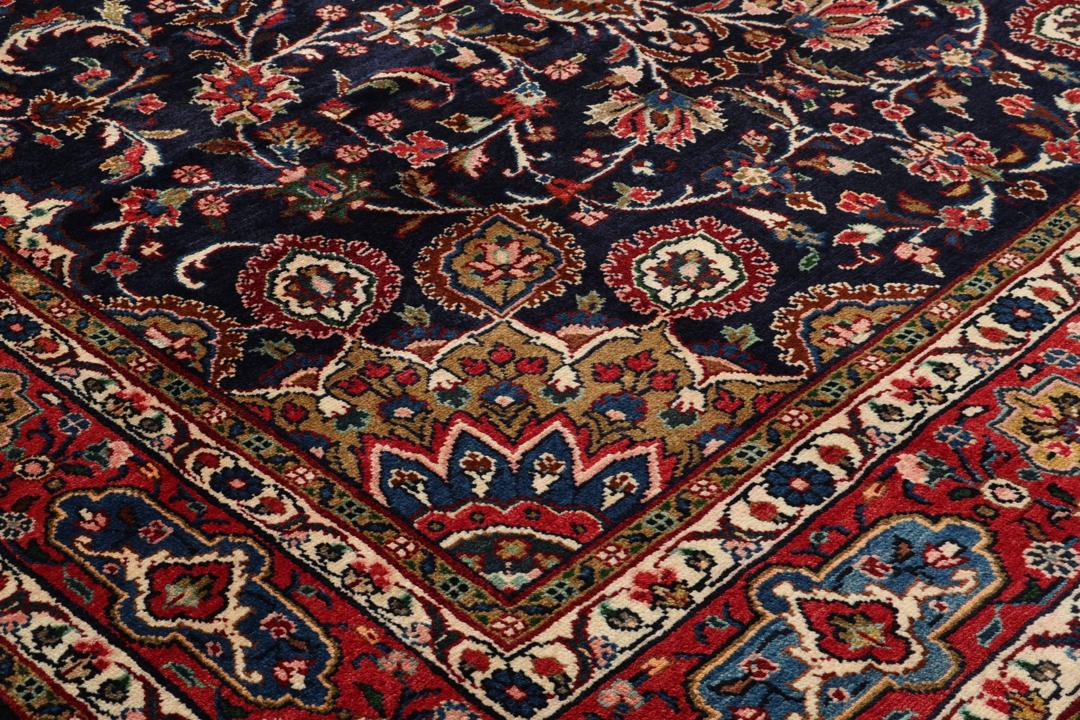
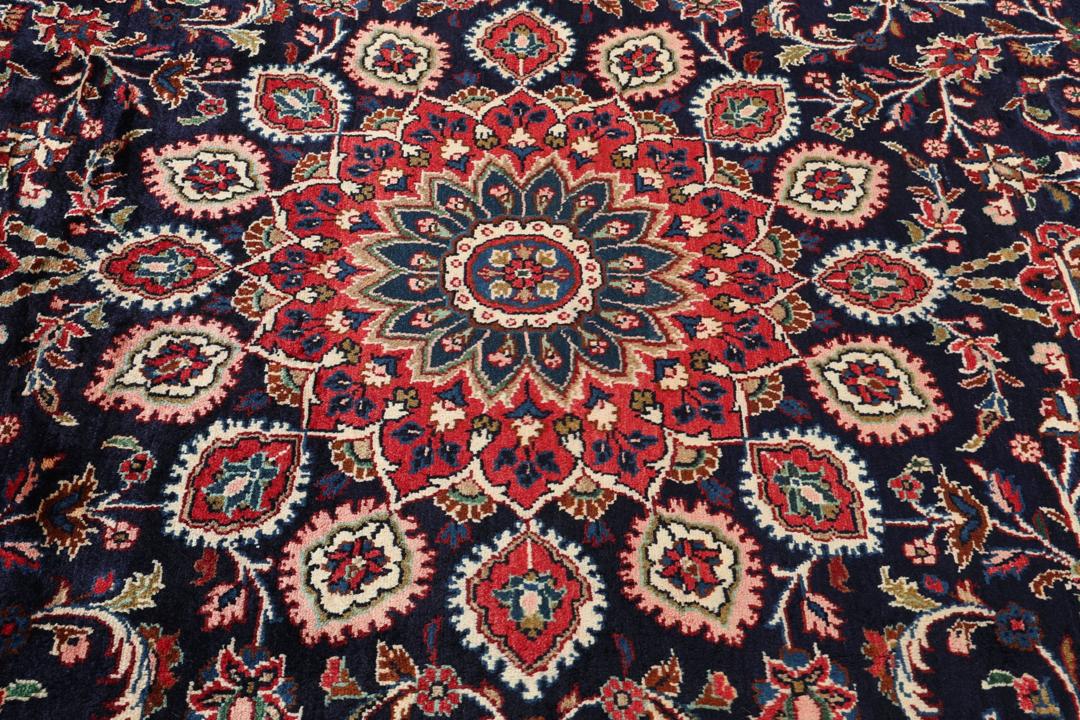
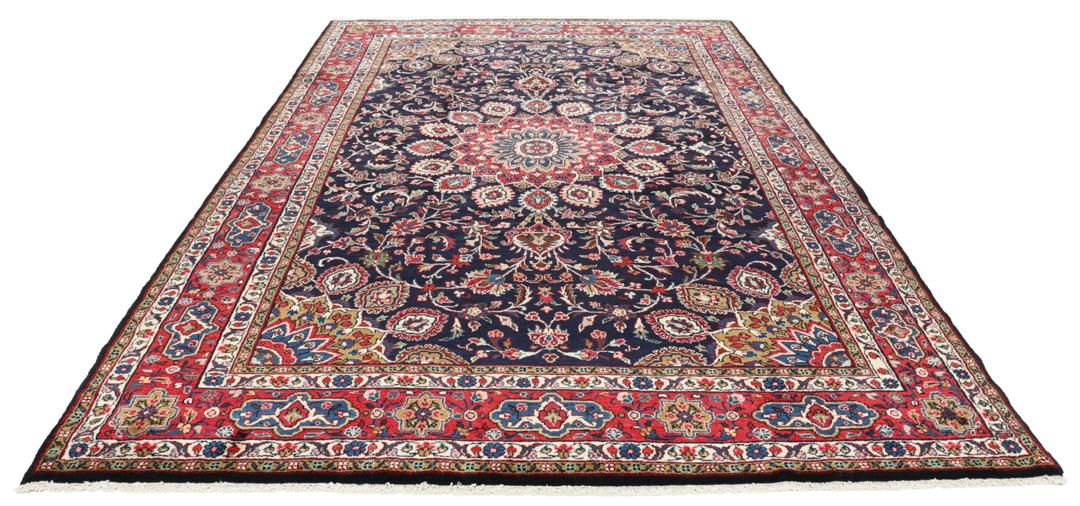
The visual language of a Mehraban rug is typically defined by a central medallion surrounded by a field of dense, stylized floral motifs. These patterns, often referred to as 'boteh' or complex vine work, are framed by multiple decorative borders that guide the eye around the piece. The colour palette often leans into deep, saturated tones, using natural dyes that age gracefully and develop a more nuanced appearance as the years pass.
Owning a piece from this tradition is about more than just floor covering; it is about preserving a legacy of human skill. These rugs are collected for their authenticity and the way they ground a room with their historical presence. Each rug serves as a document of the weaver's artistic choices and technical precision, offering a sense of connection to the artisans who have kept this craft alive for centuries.