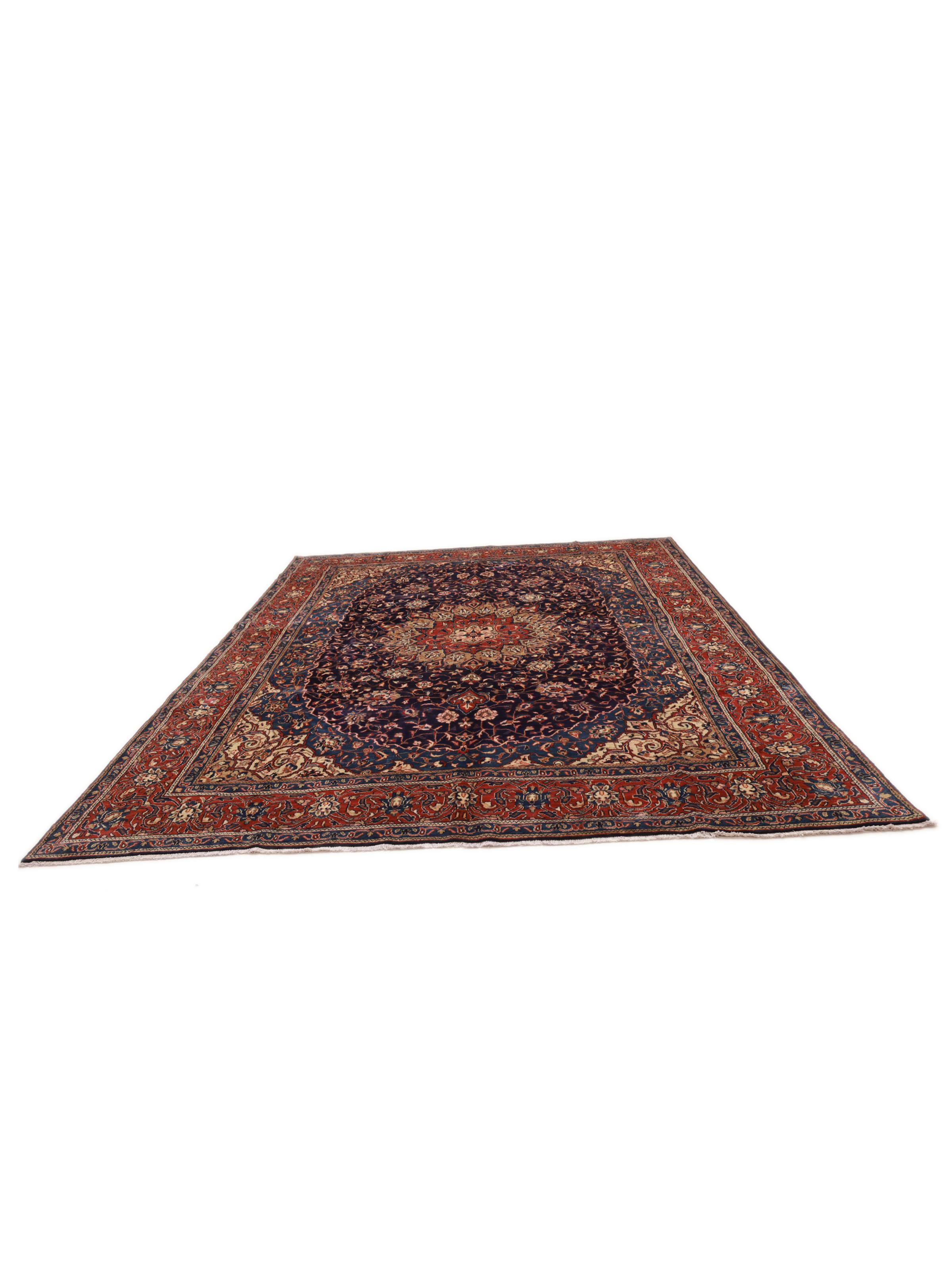
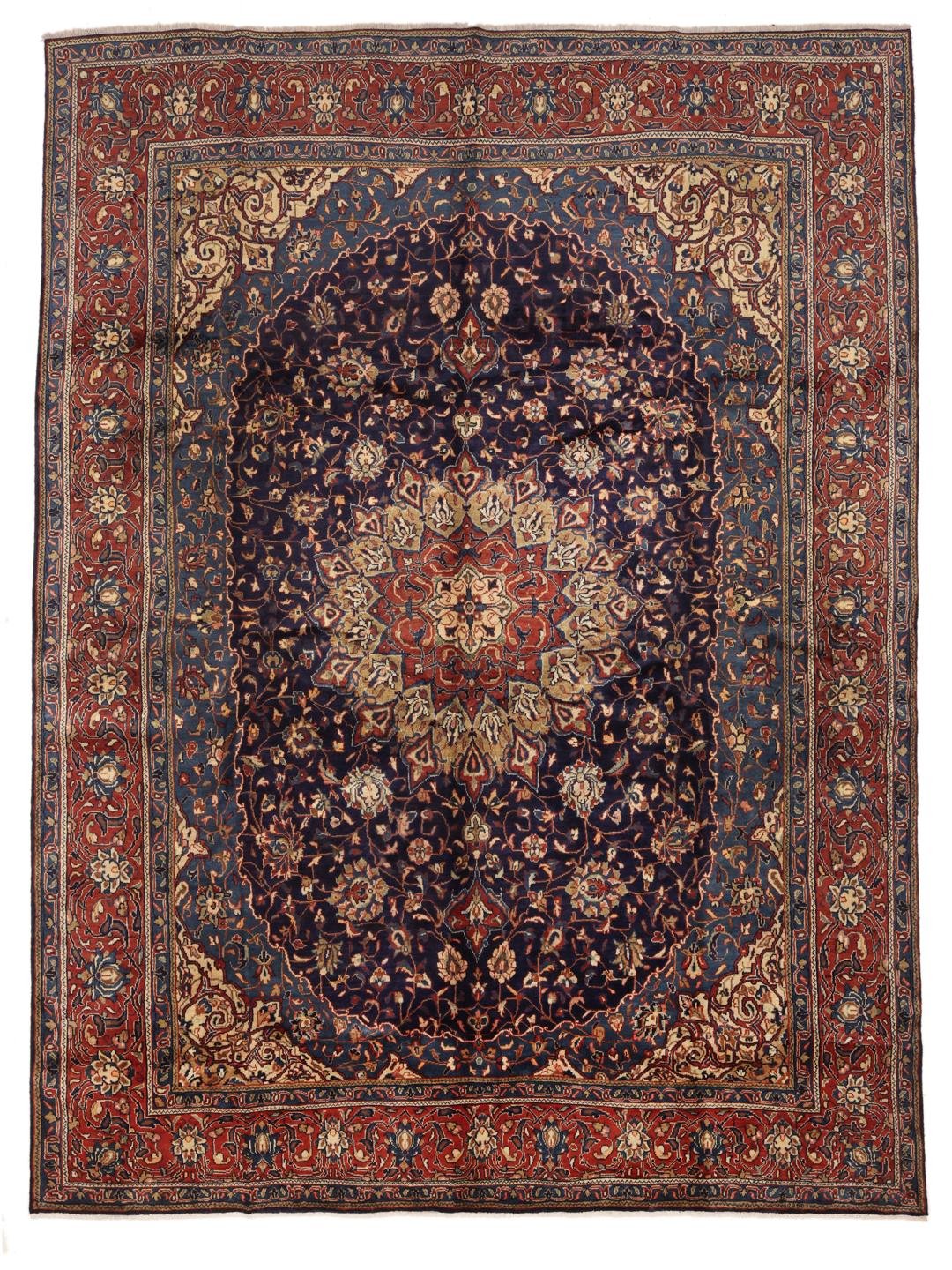
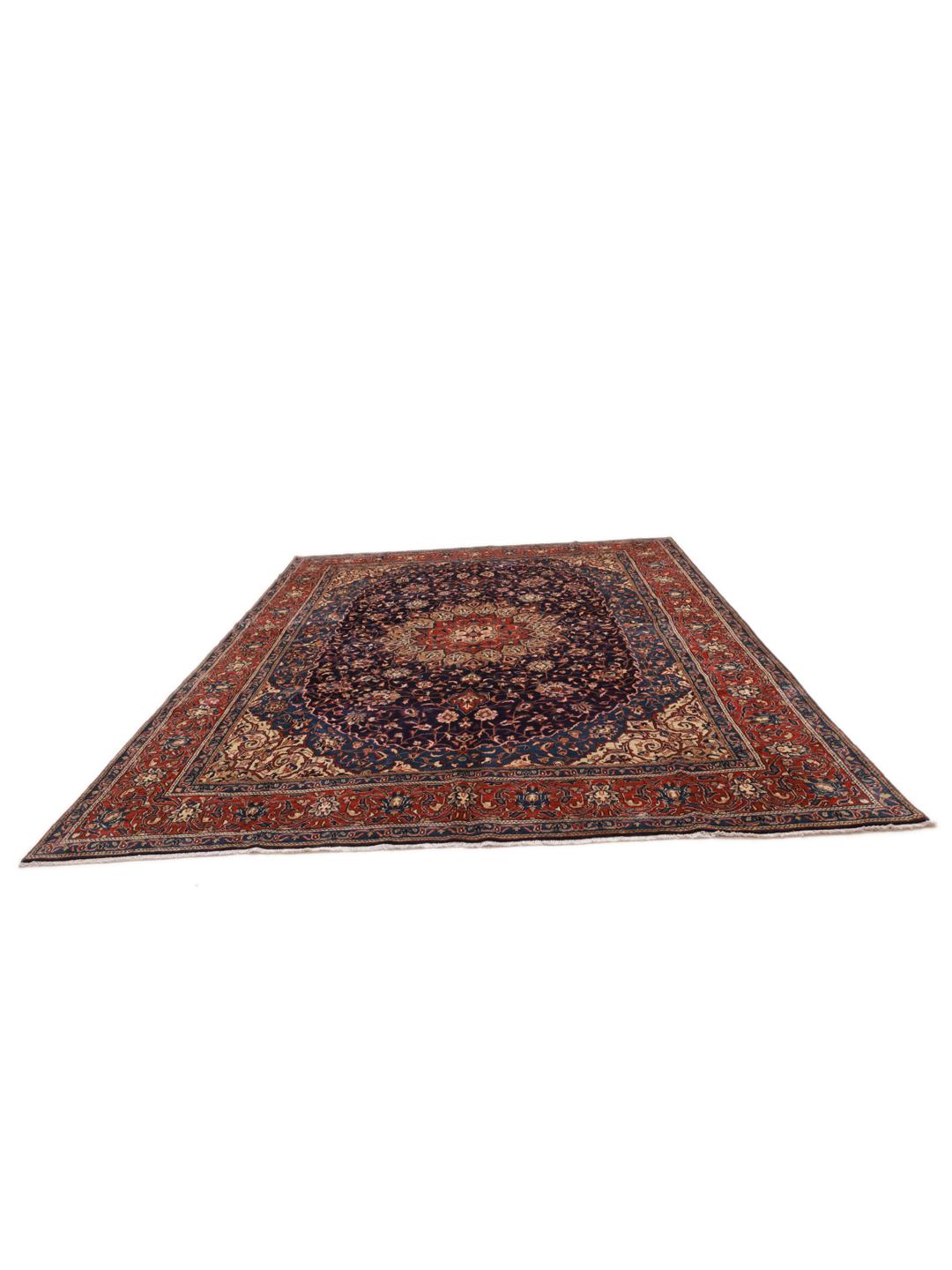
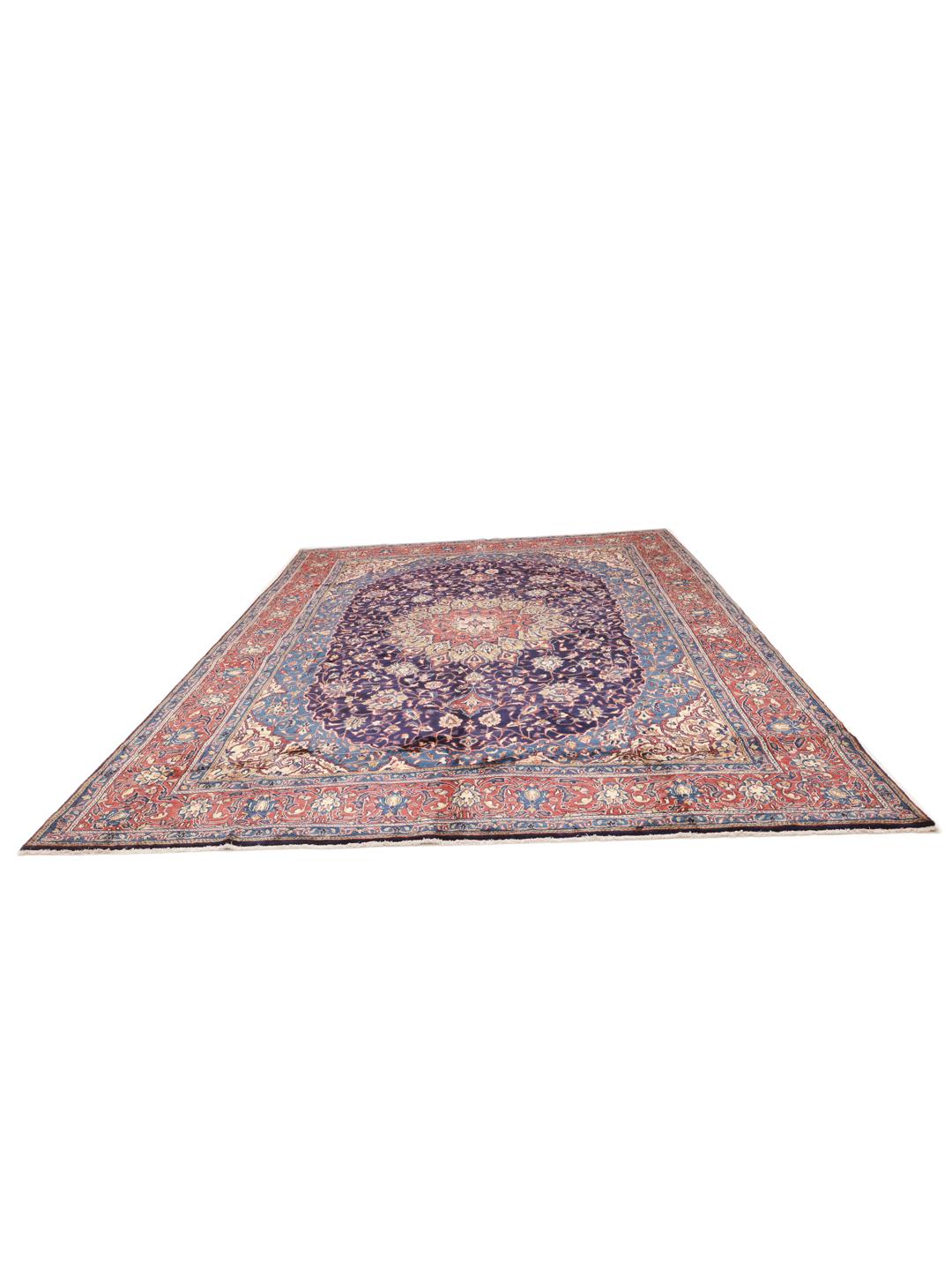
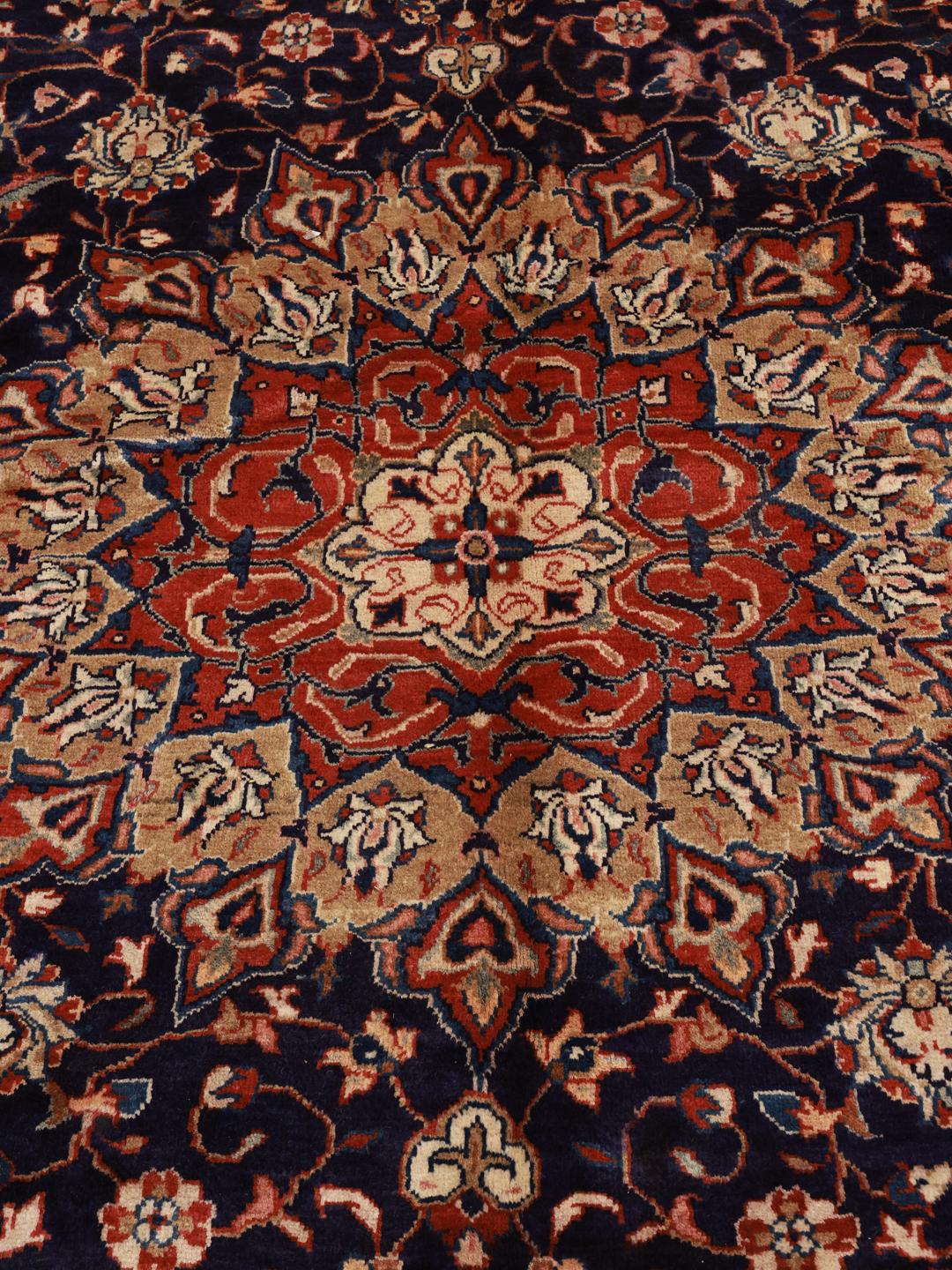
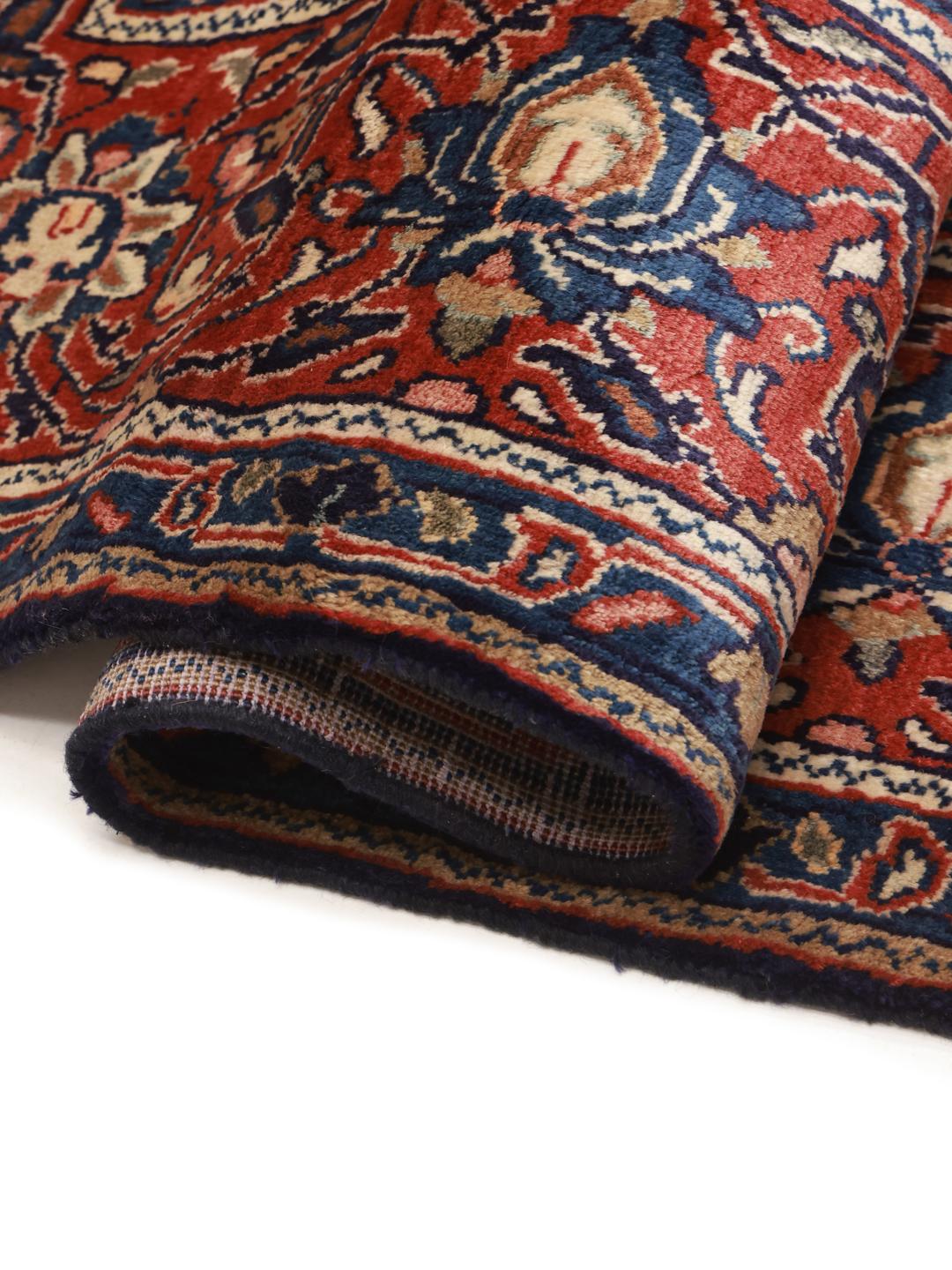
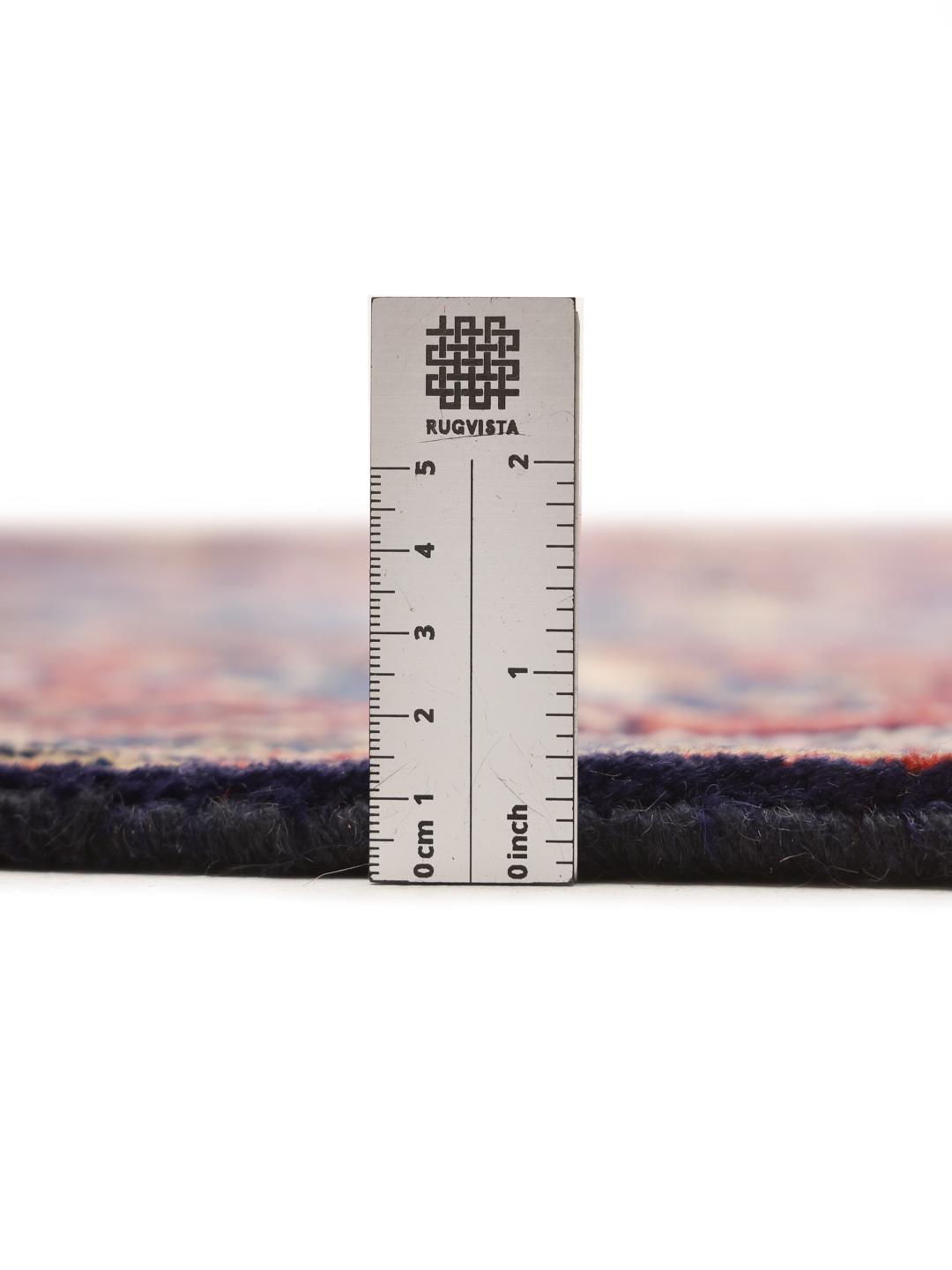
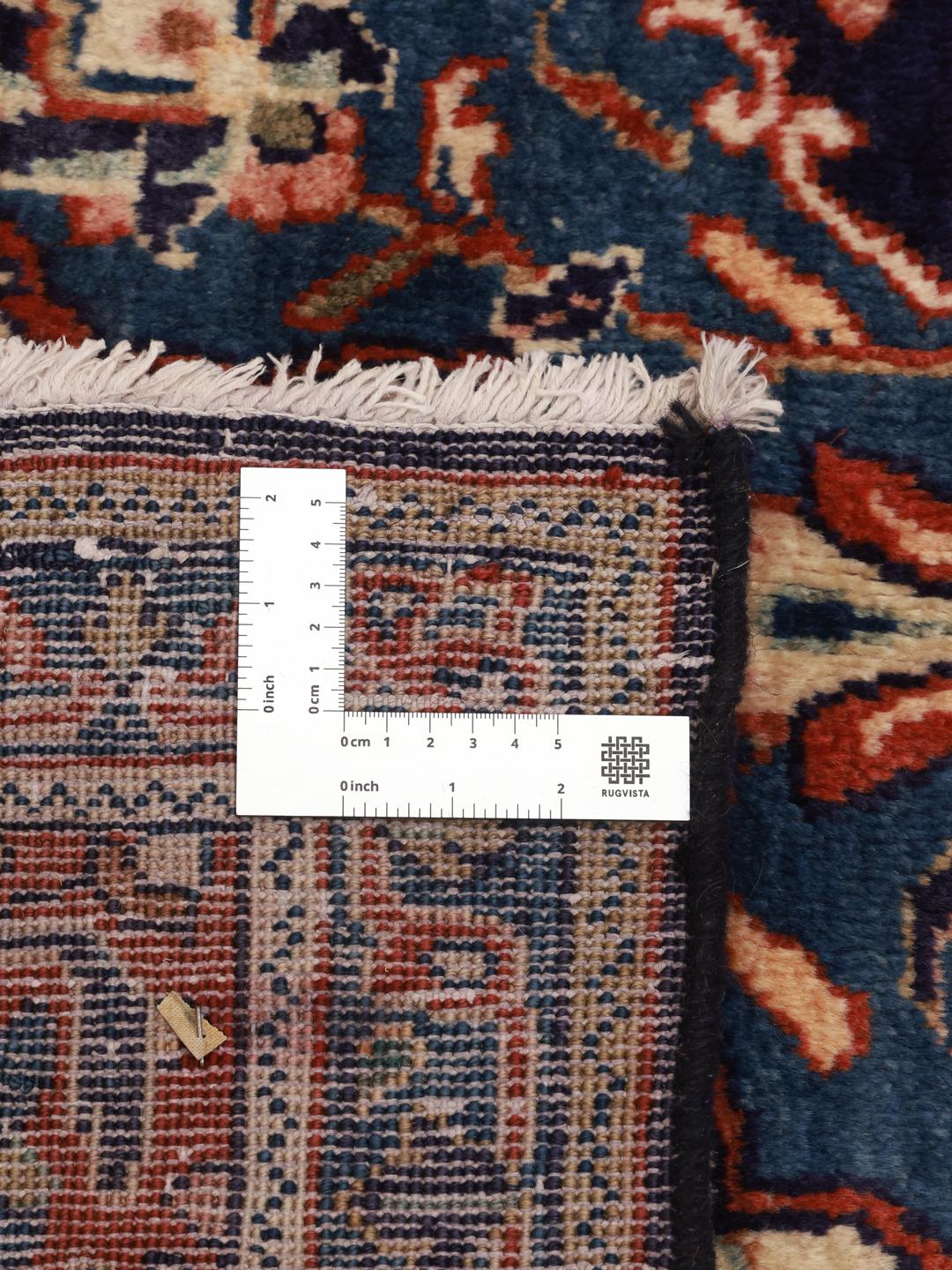
Mahal rugs originate from the Markazi province in the Middle East, a region with a deep-rooted history in textile production. These rugs are celebrated for their bold, artistic interpretations of traditional floral patterns, often characterised by large-scale motifs that feel both grand and approachable.
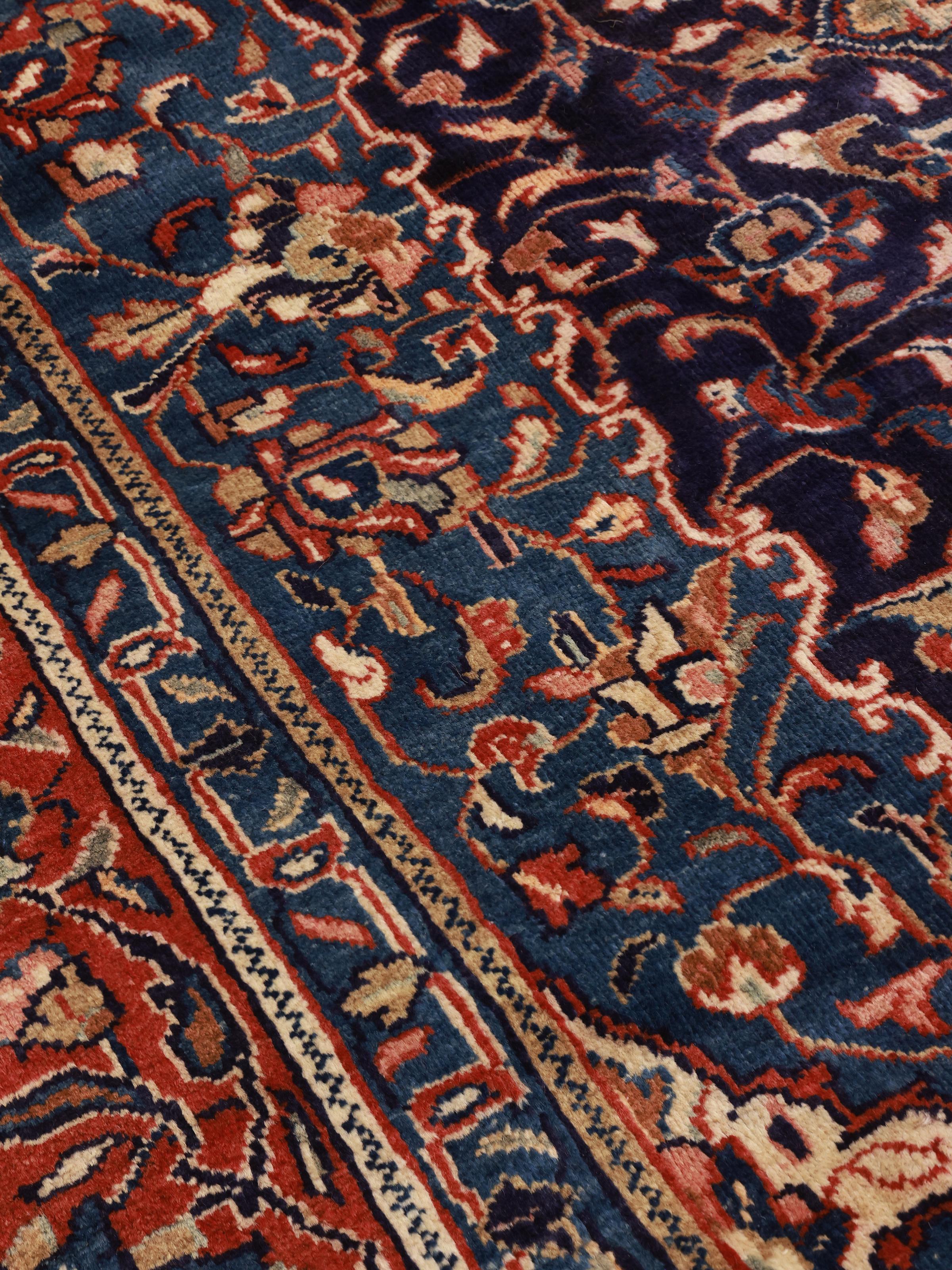
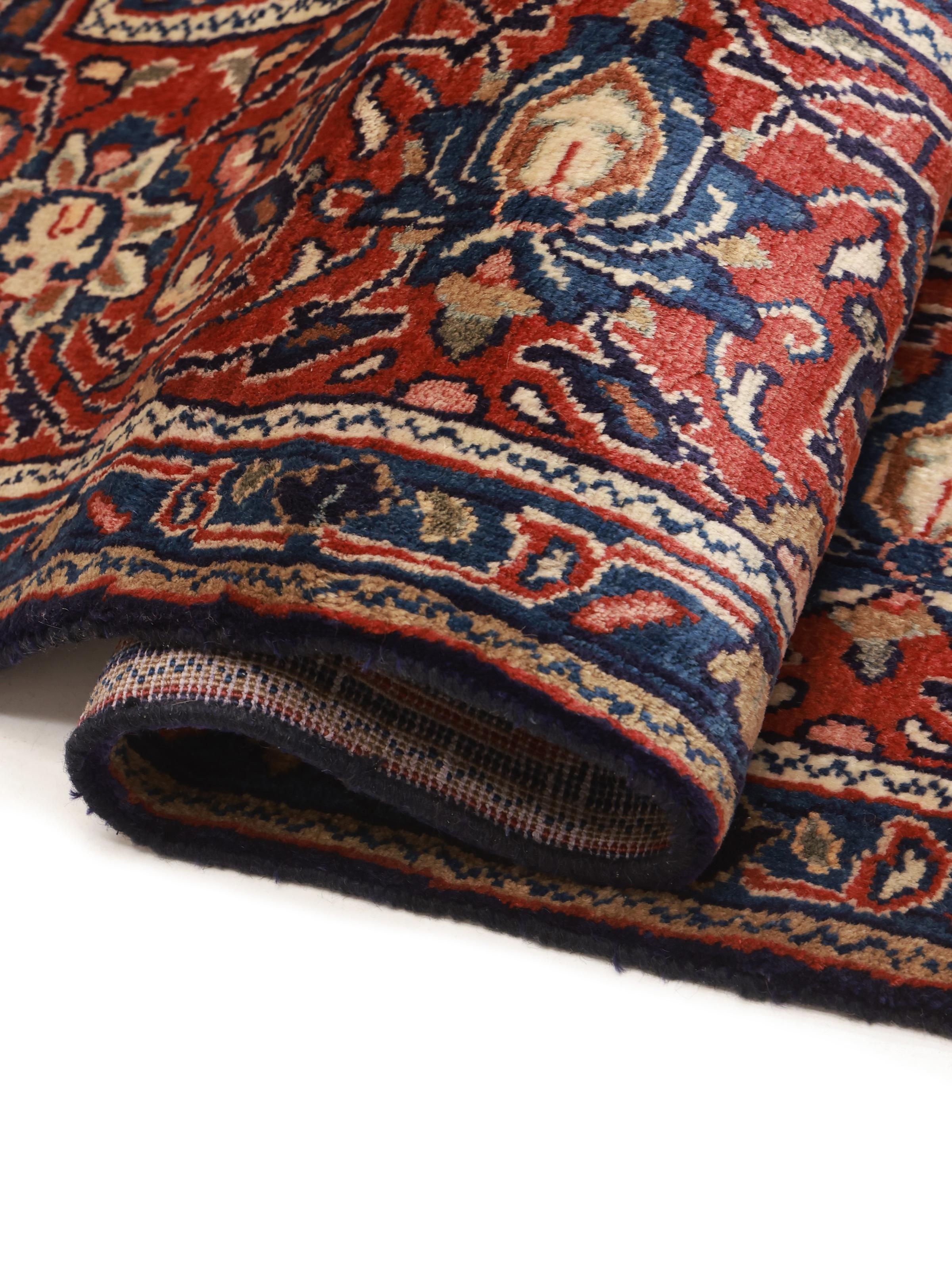
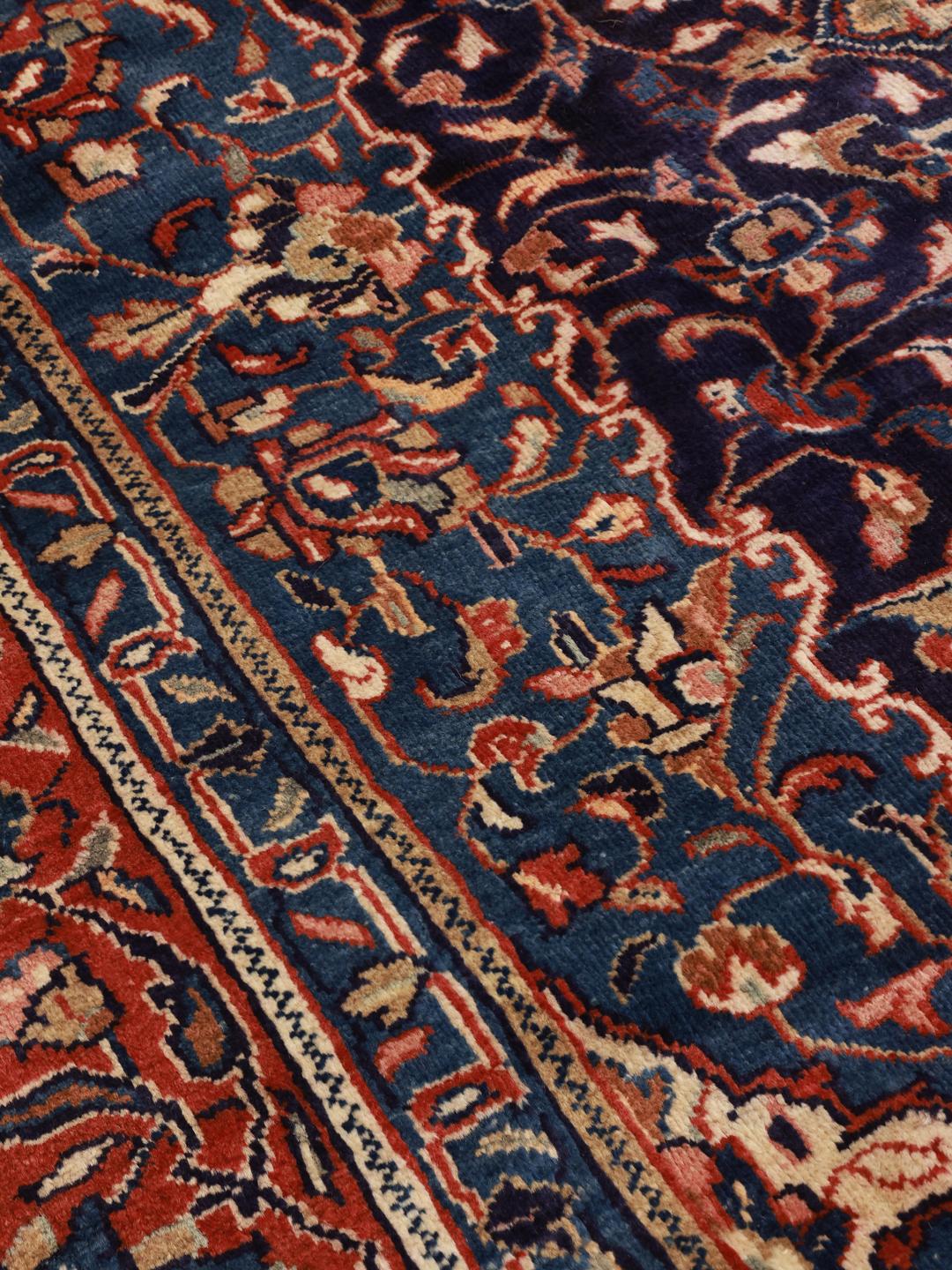
The term Mahal refers to a specific tradition of weaving that evolved to meet Western demand during the late 19th and early 20th centuries. These rugs are known for their use of high-quality Wool, which is often spun with a slightly coarser hand than other regional styles, giving them a sturdy and reliable foundation that is prized by collectors.
Visually, Mahal rugs are defined by their expansive fields and sophisticated borders. The patterns typically feature large, sweeping floral vines, palmettes, and leaves that create a sense of movement. The colour palettes often rely on deep, natural dyes, with rich blues and earthy reds serving as the classic foundation for their timeless aesthetic.
Collectors value these rugs for their artistic freedom and the sheer scale of their designs. Unlike more rigid, symmetrical patterns found in other traditions, Mahal rugs often possess a relaxed, organic quality that makes them feel like a piece of living history. Owning one is an investment in a legacy of craft that continues to bring warmth and elegance to homes around the world.