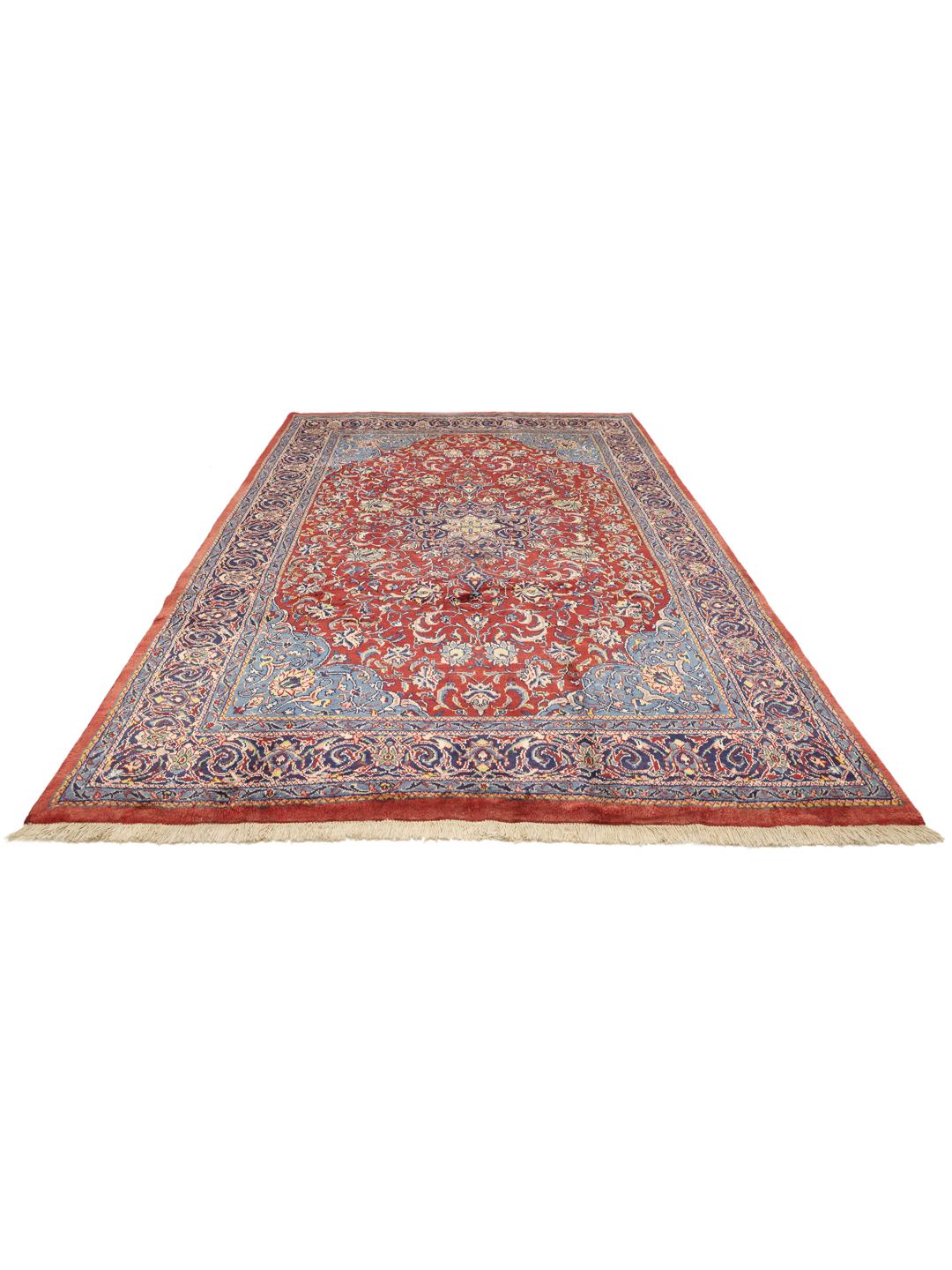
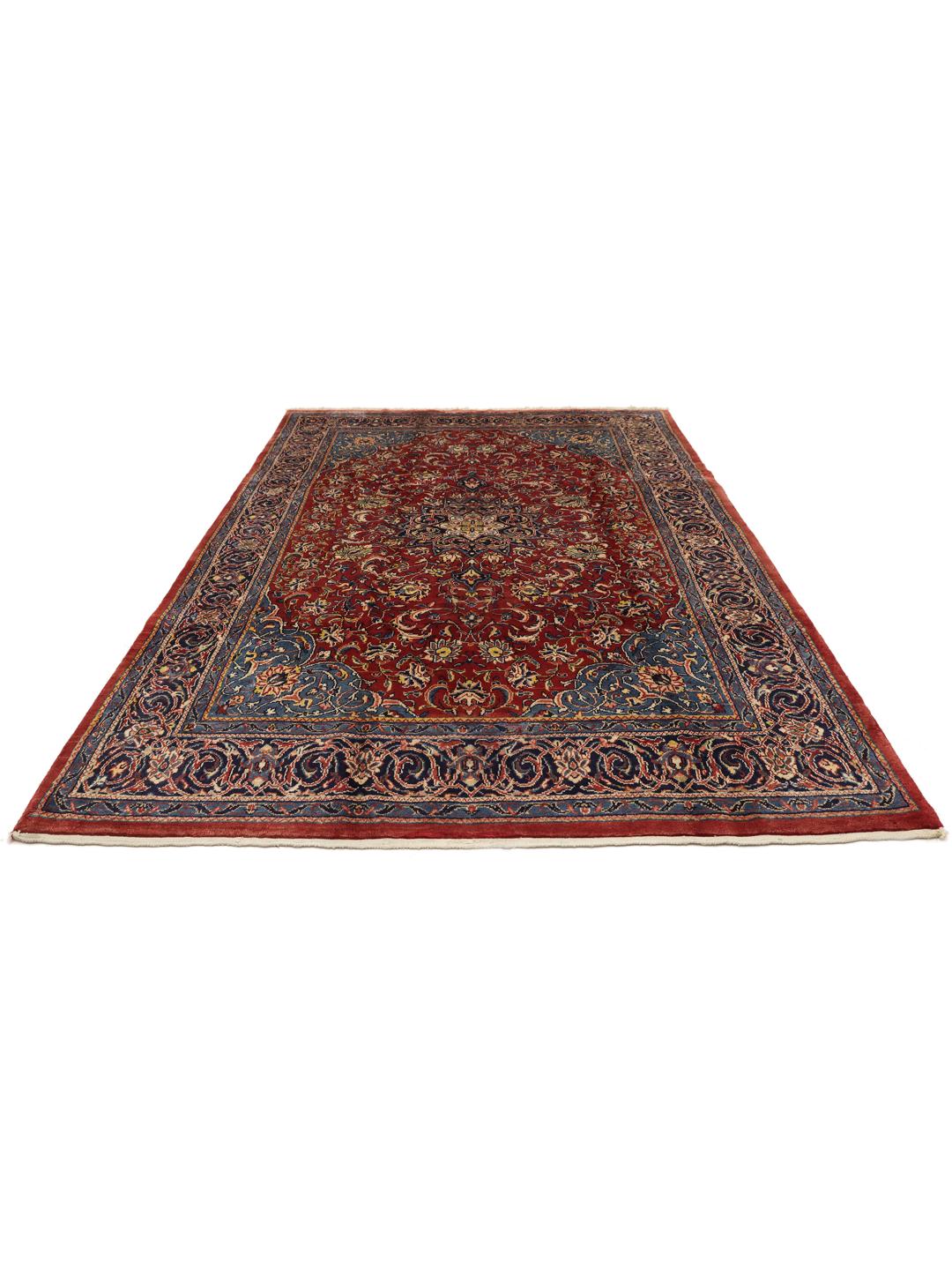
Mahal rugs originate from the village of Mahal, located in the central region of the Middle East. This area has long been a significant hub for rug production, renowned for its ability to blend traditional weaving techniques with creative, free-flowing designs that move away from the rigid geometric patterns found in other regional styles.
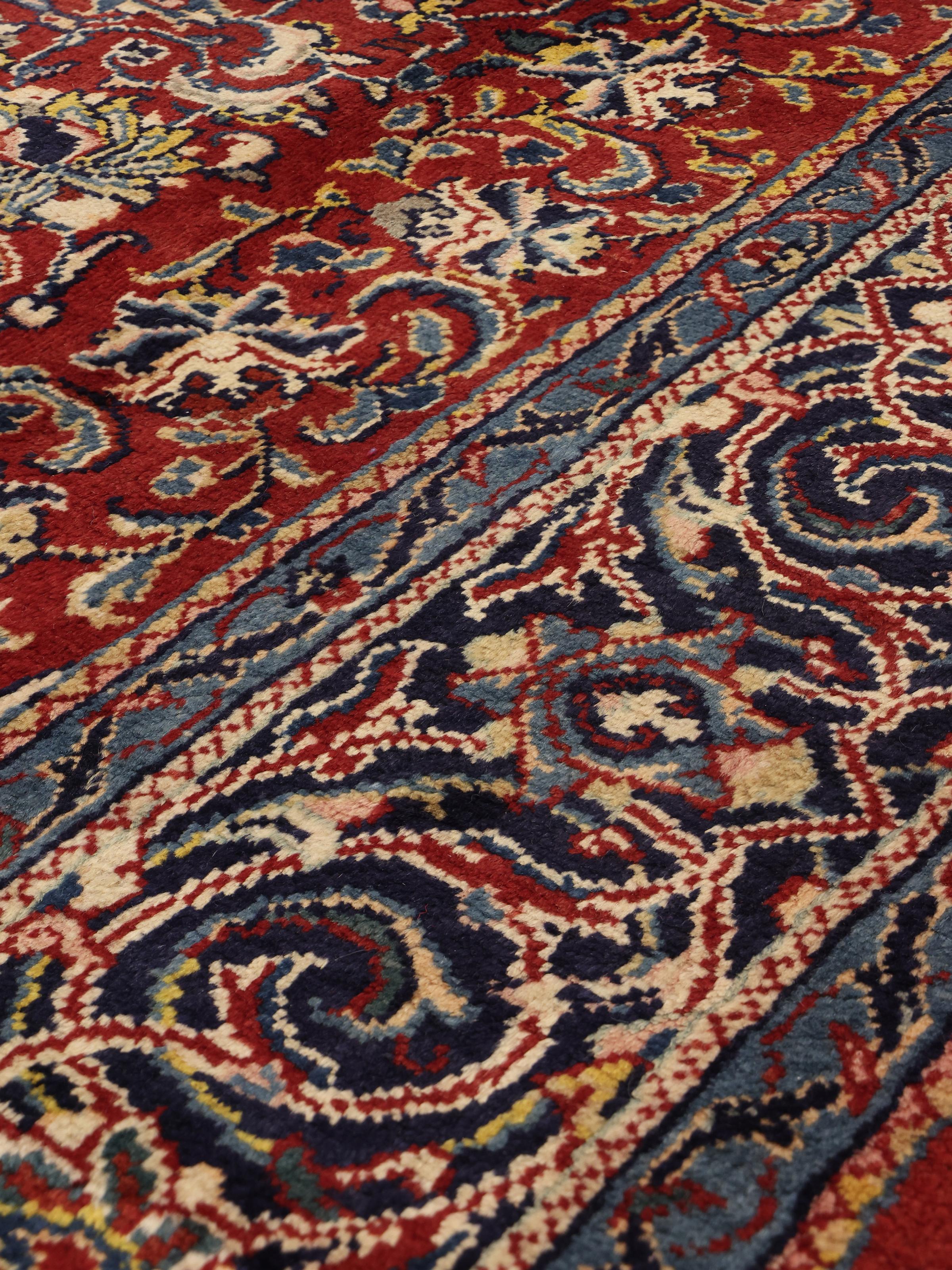
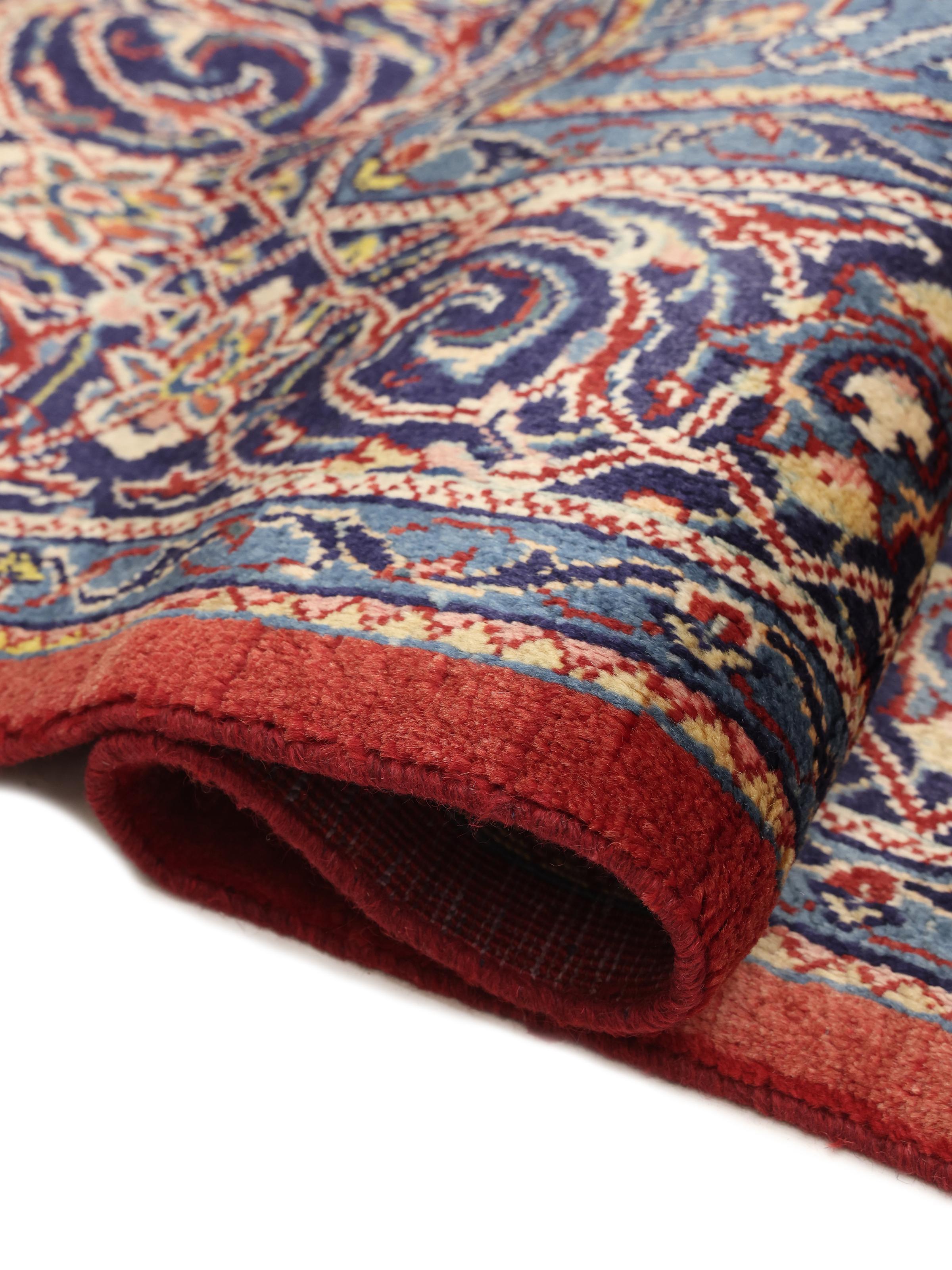
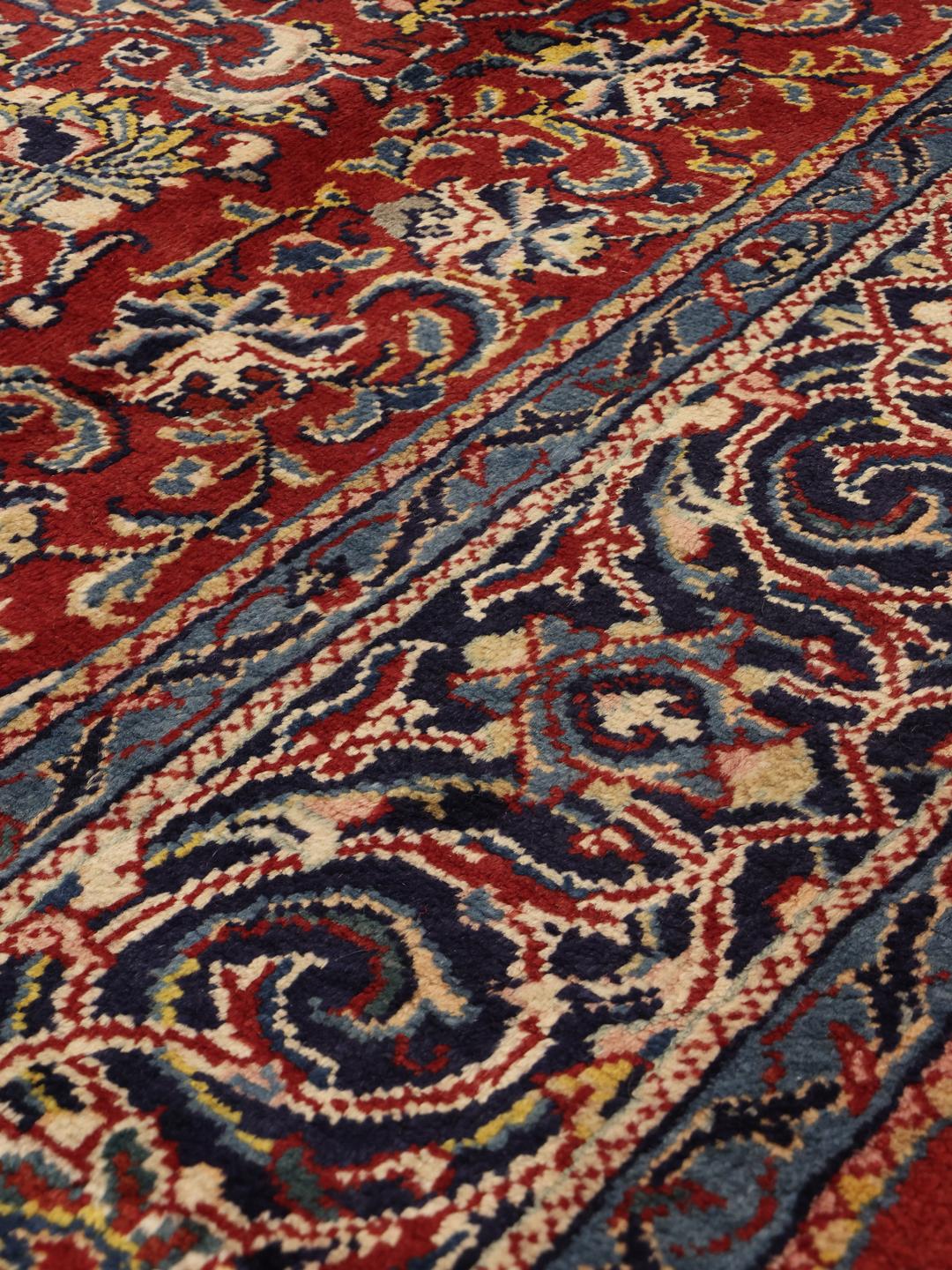
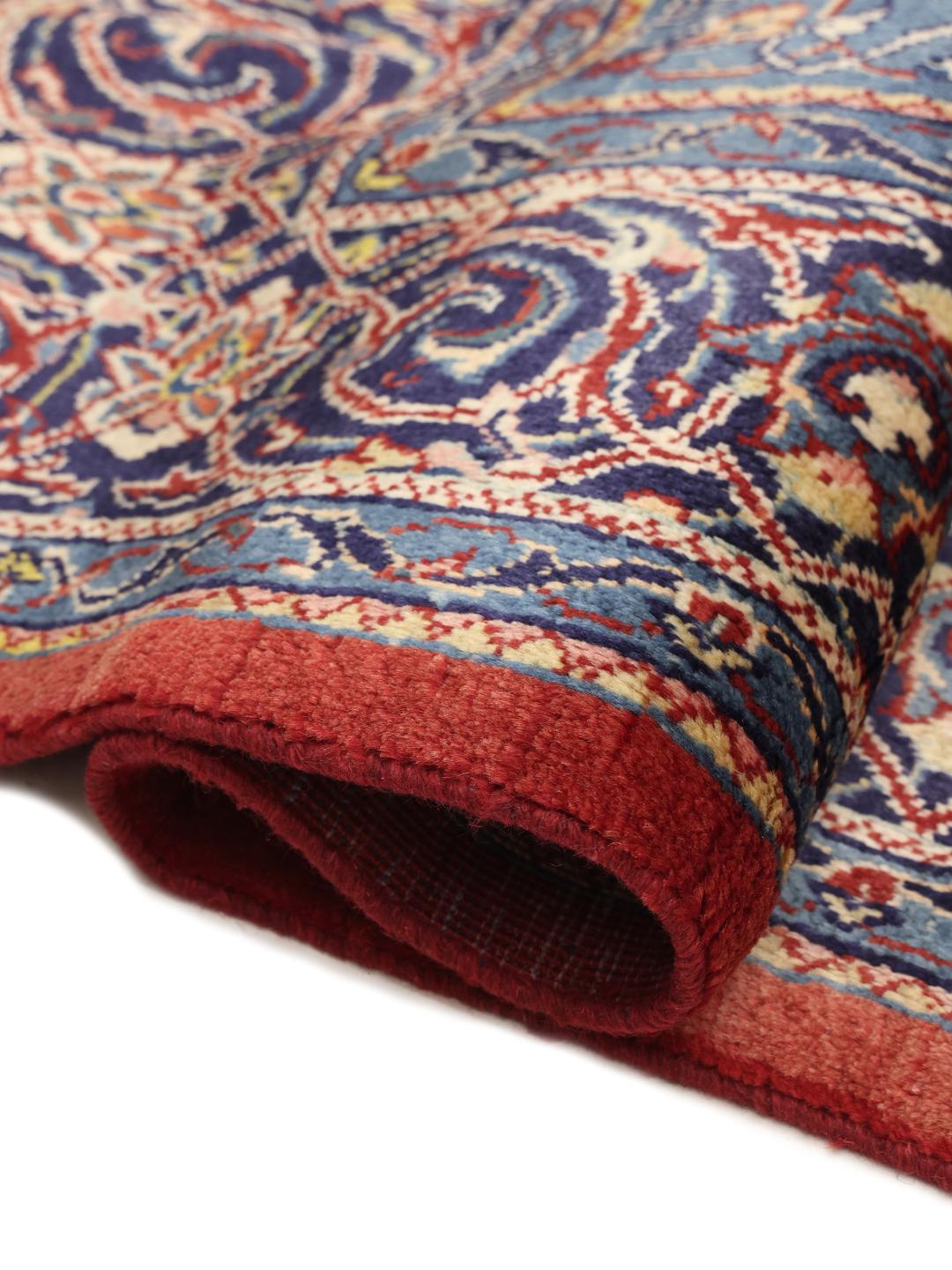
The term Mahal refers to a specific design tradition that emphasises larger-scale, often floral, patterns and a more relaxed approach to composition. These rugs are highly regarded for their use of high-quality Wool, which is often spun with a slight variation in thickness to give the rug a more organic, textured appearance that is highly sought after by collectors.
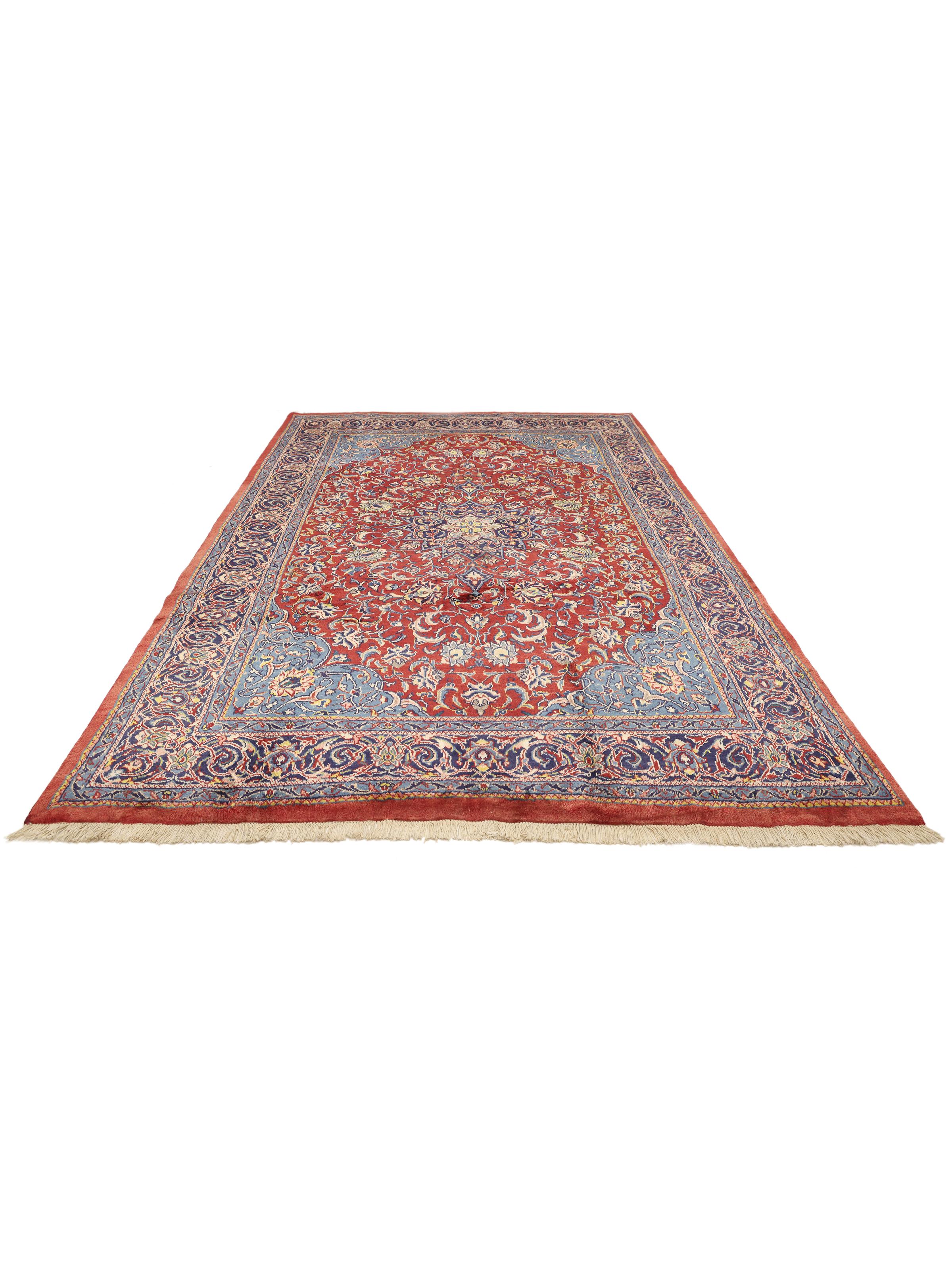
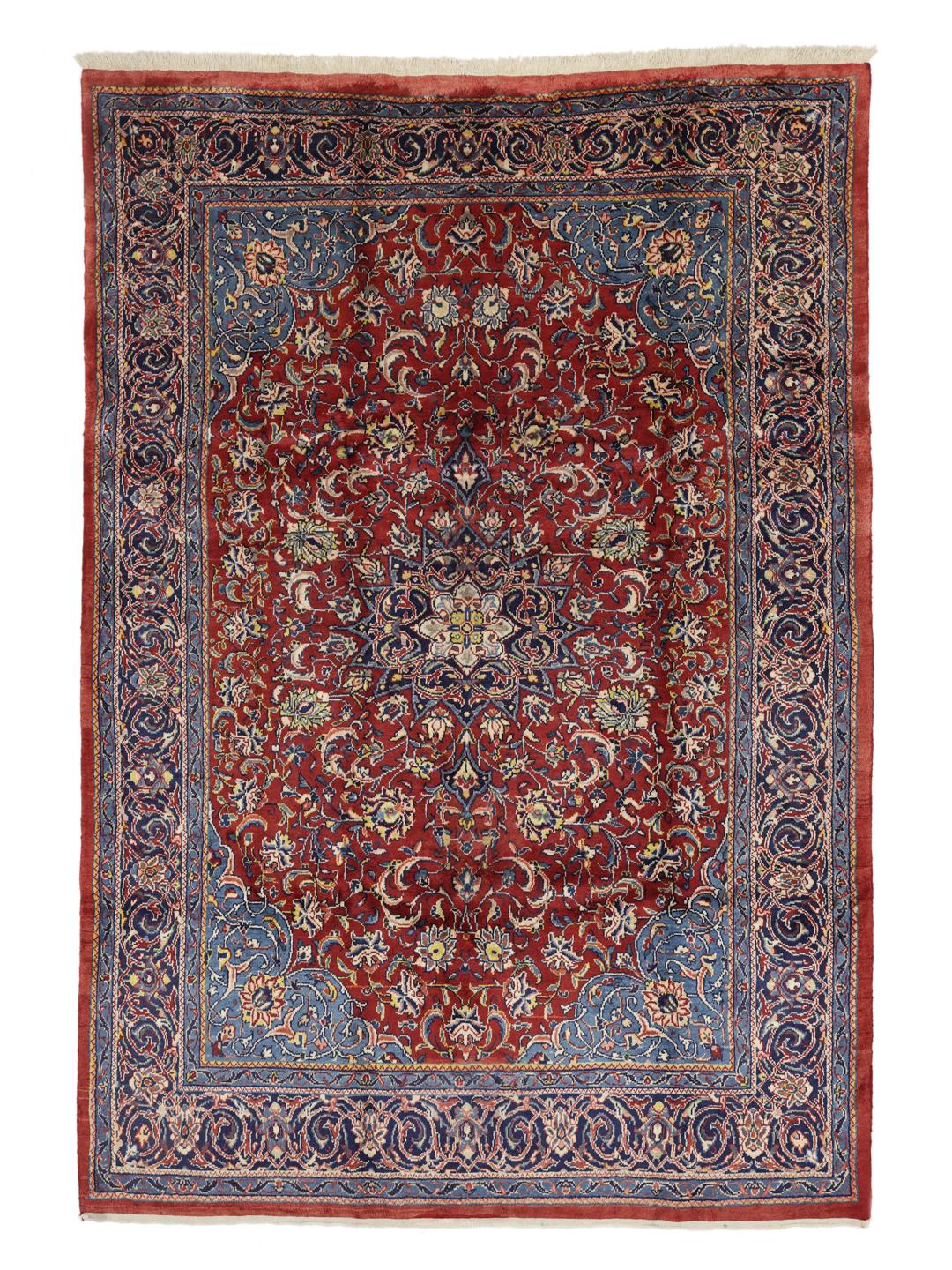
Visually, Mahal rugs are famous for their expansive, sweeping floral vines, palmettes, and scrolling leaves that seem to dance across the field. The borders are typically generous and well-proportioned, framing the central design with a sense of harmony. The colour palettes are traditionally deep and earthy, often featuring iconic reds and blues that have been derived from natural dyes over centuries of practice.
Owning a Mahal rug is an investment in a living heritage. These pieces are collected not only for their aesthetic appeal but also for the skill and cultural history they represent. They are a testament to the artistry of the weavers who have passed down these techniques through generations, ensuring that each rug remains a symbol of enduring quality and craft.