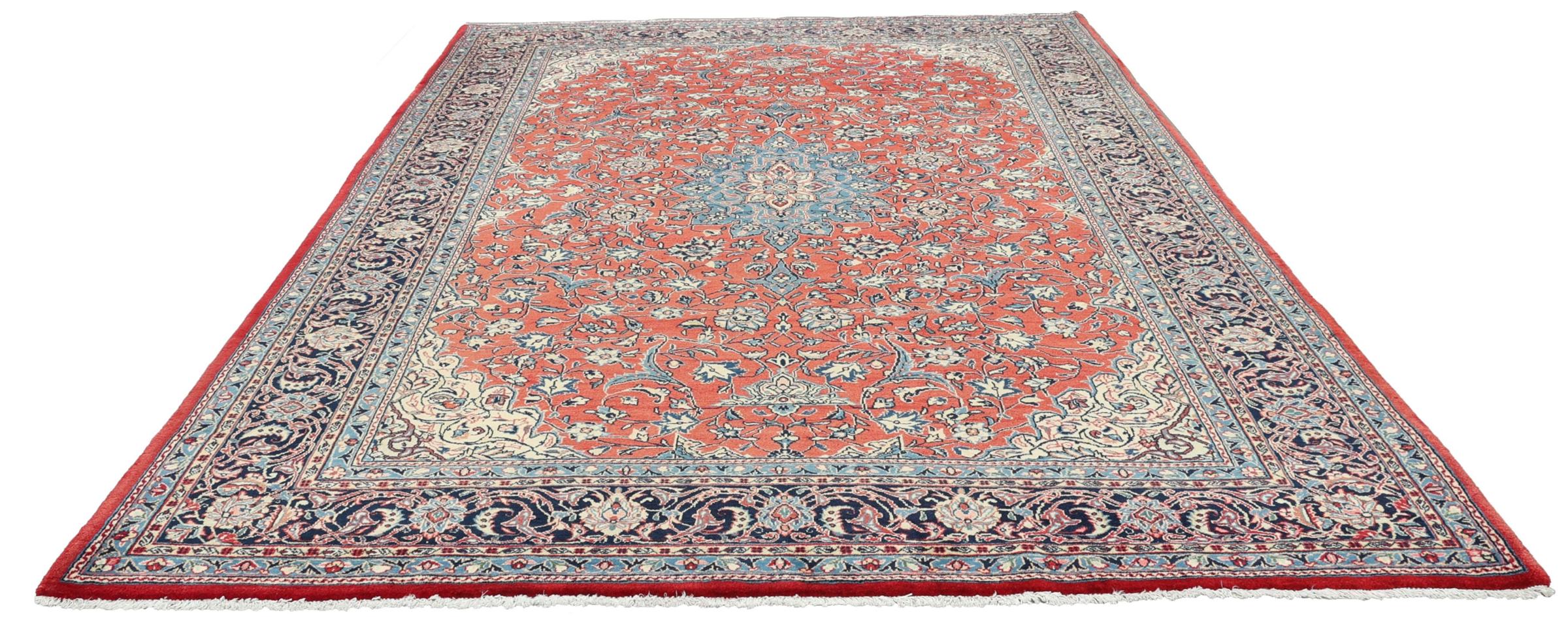
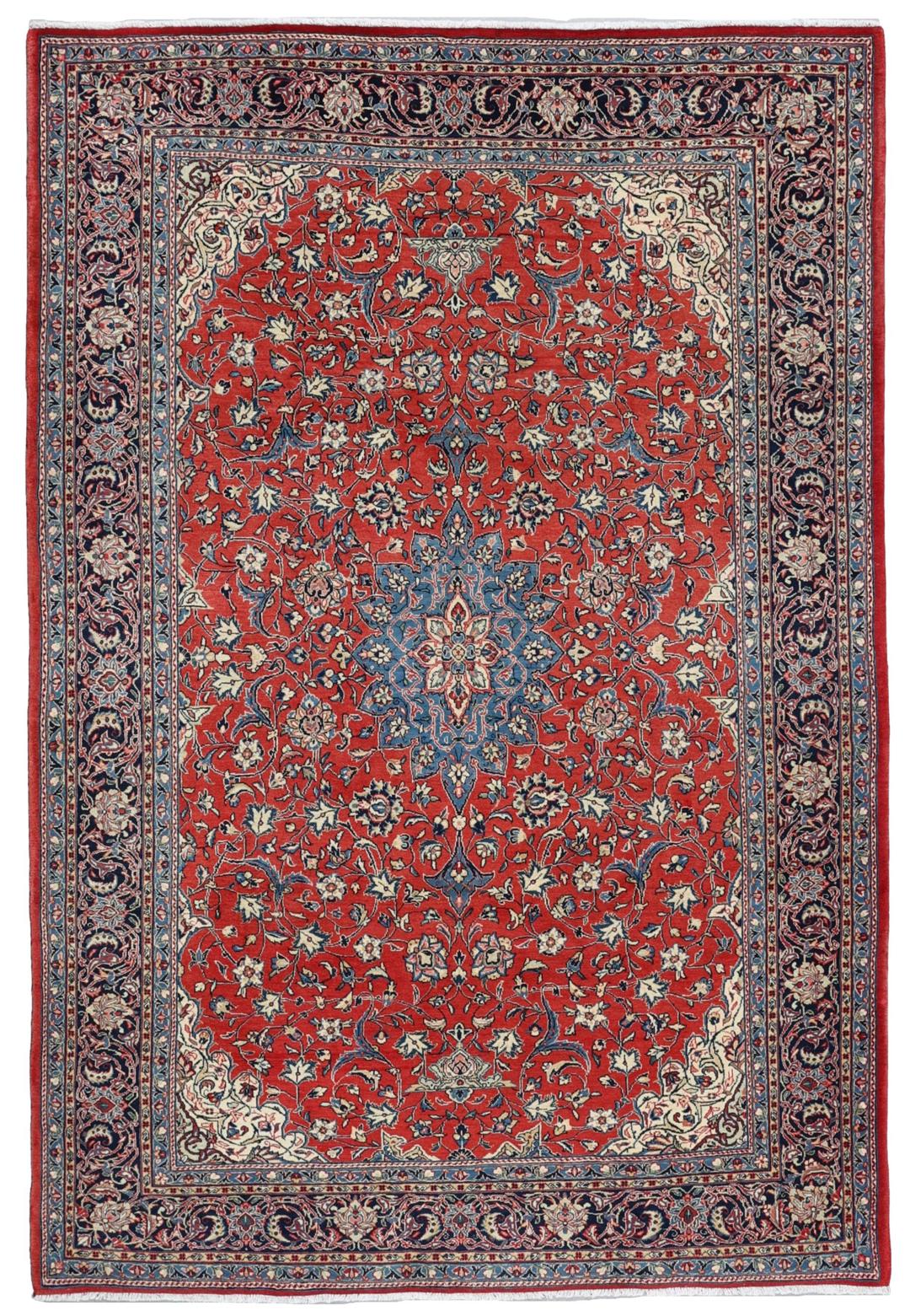
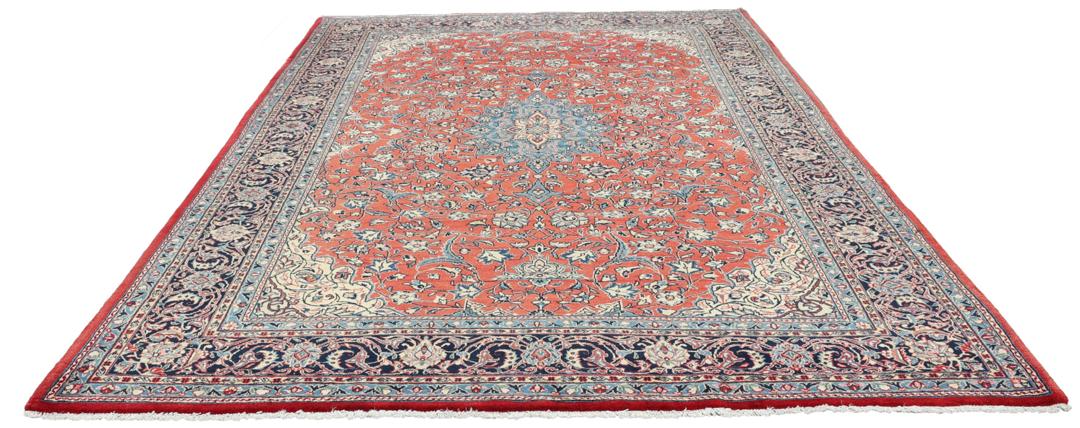
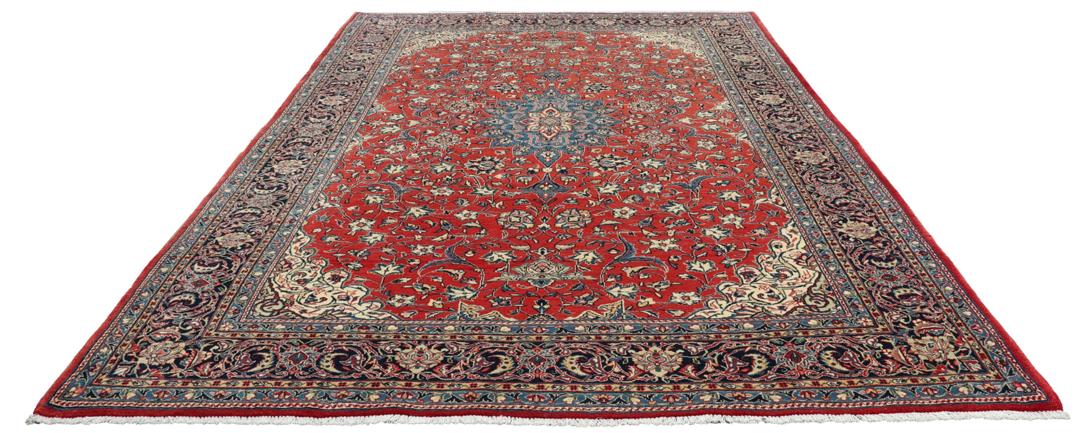
Mahal rugs originate from the village of Mahal in the Markazi province of the Middle East, a region renowned for its significant contribution to the world of fine textiles. Historically, these rugs were produced to serve the needs of both domestic households and the growing international market, evolving to feature more expansive, open designs that appealed to Western tastes while retaining the deep-rooted cultural motifs of their origin.
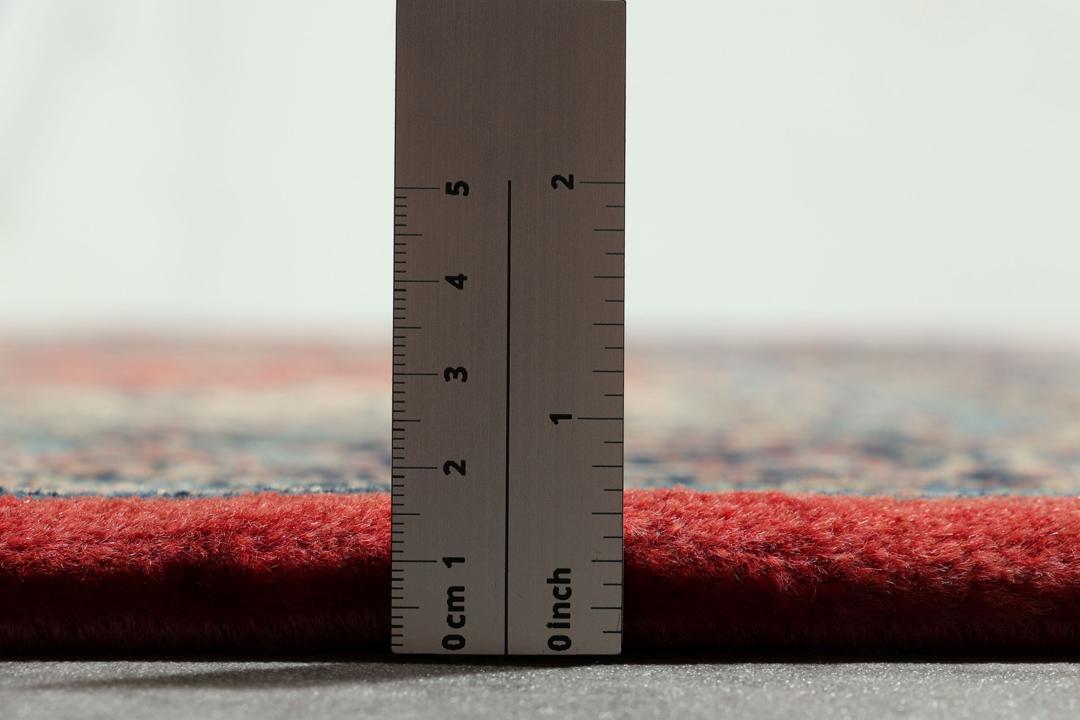
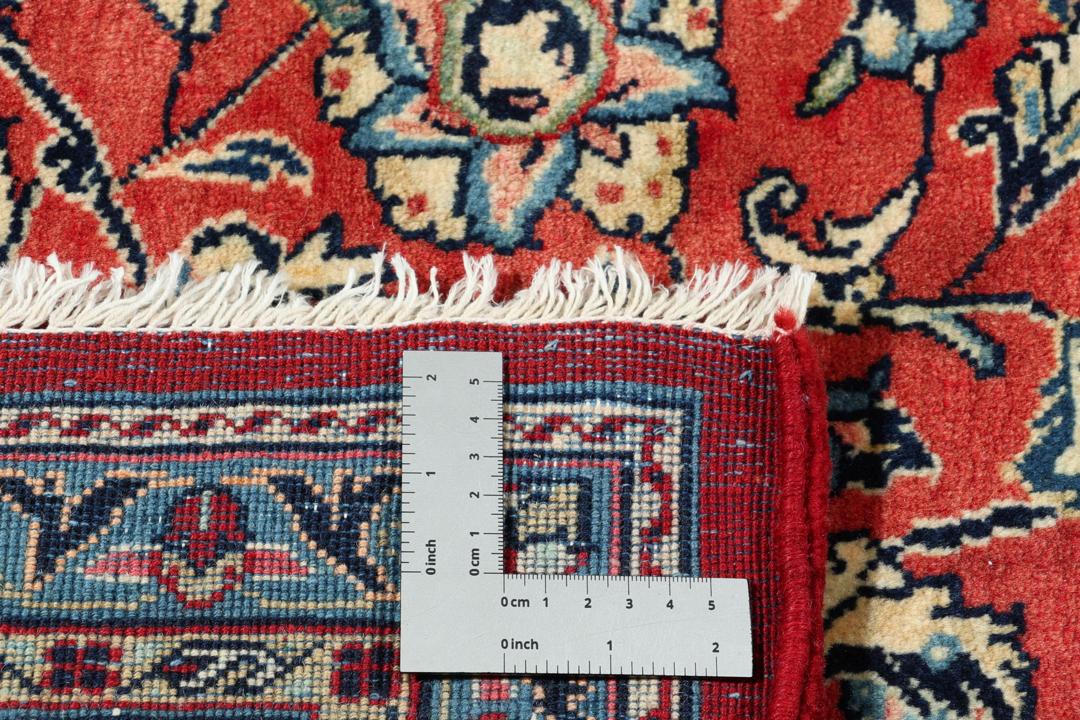
The term Mahal is often associated with a particular style of construction characterised by a slightly looser, more supple weave compared to other regional types. This makes the rugs particularly comfortable and long-lasting. The use of high-quality, long-staple wool, often sourced from local mountain flocks, provides a natural sheen and resilience that allows the colours to age gracefully over time, deepening in character as the rug is used.
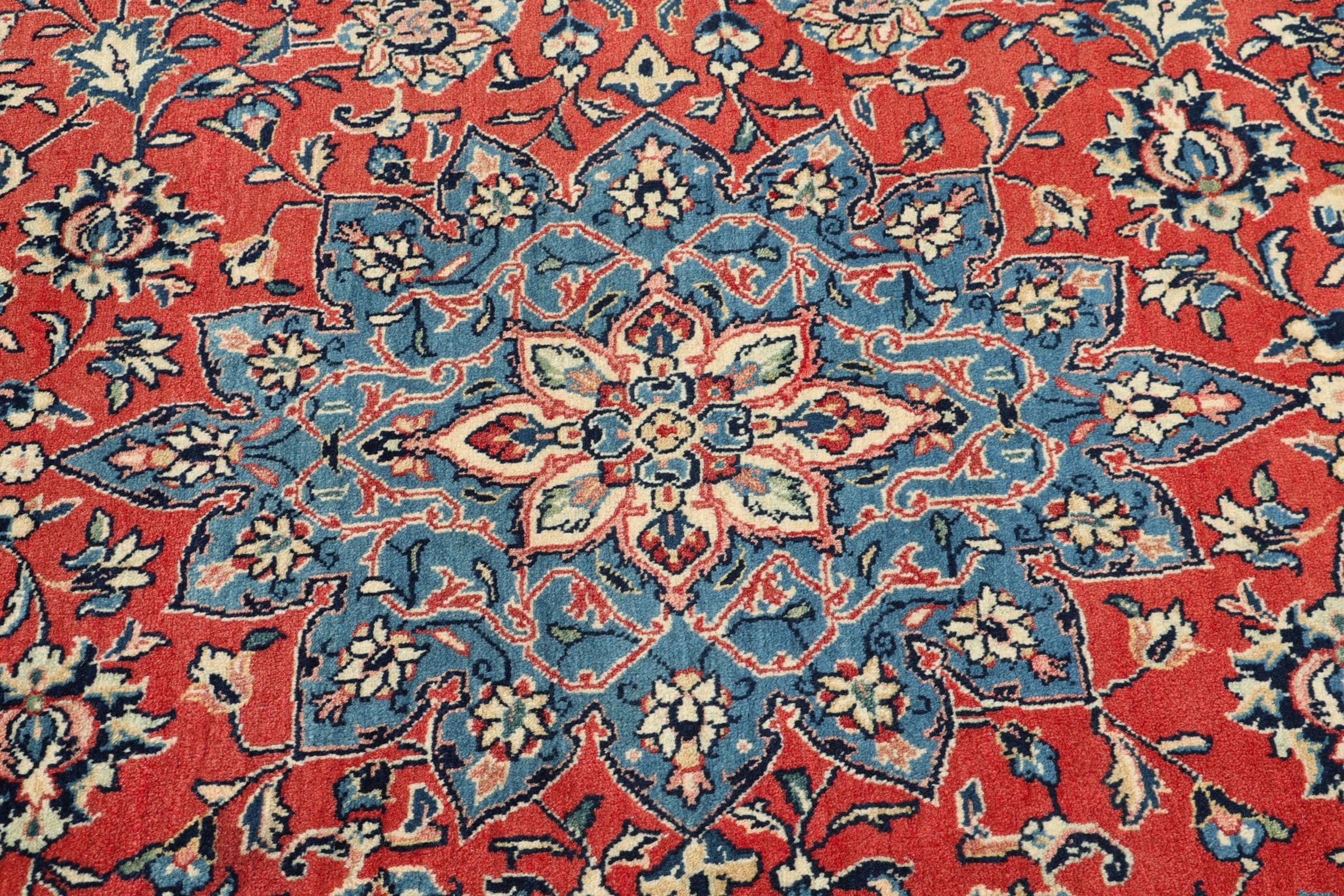
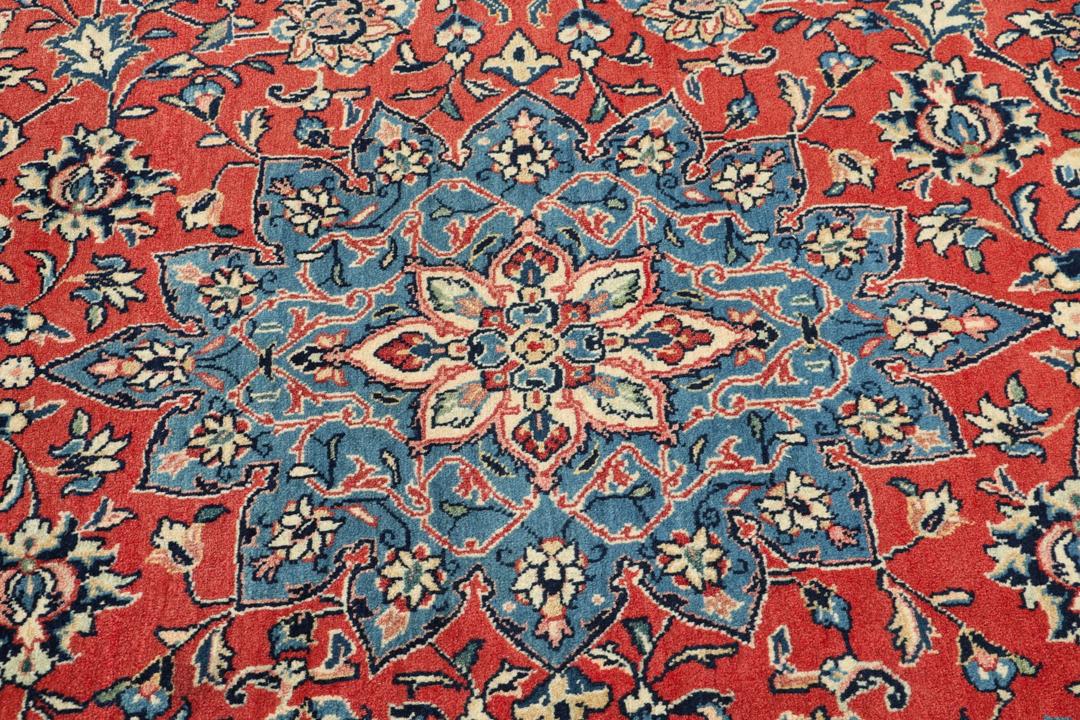
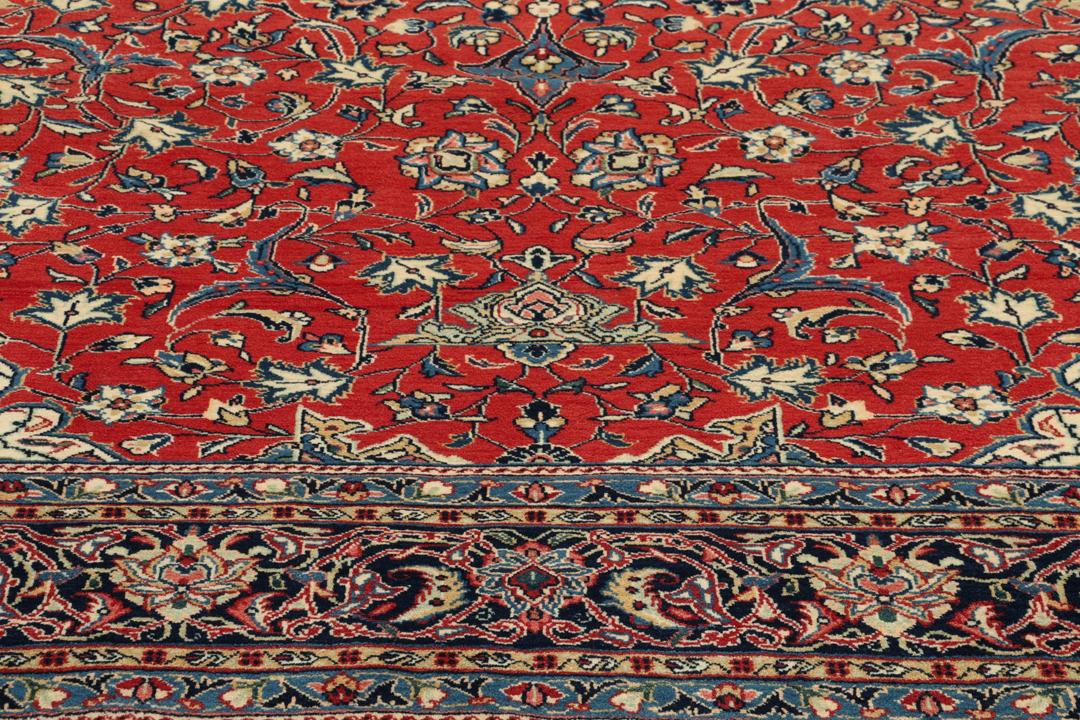
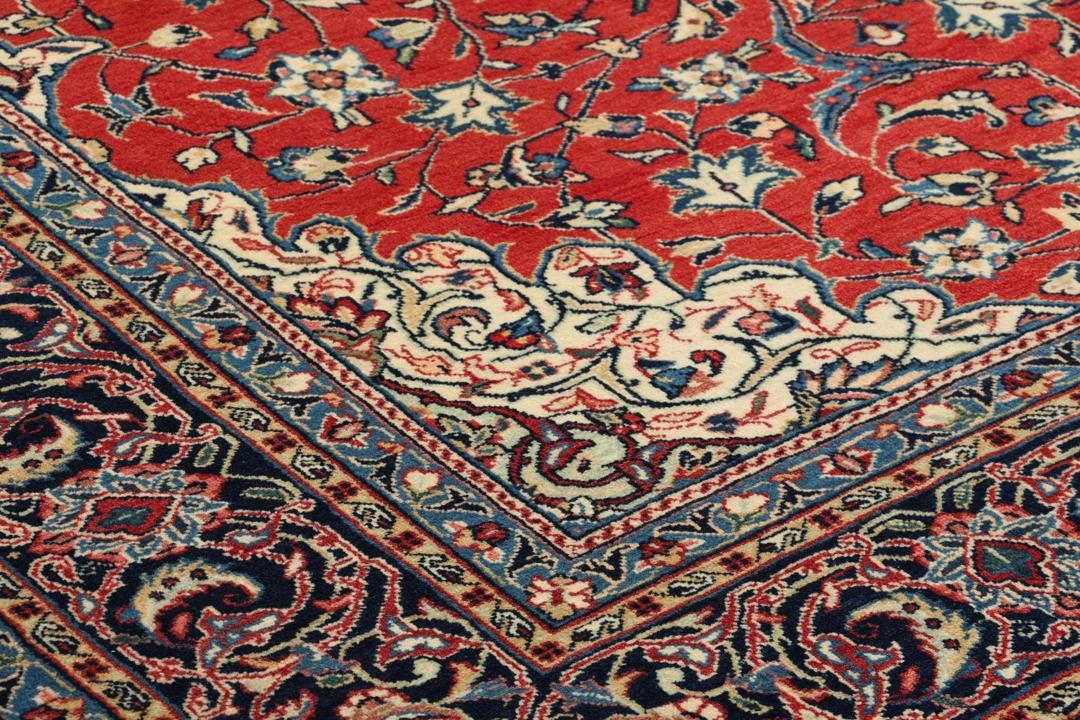
Signature design elements of Mahal rugs typically include large-scale floral patterns, scrolling vines, and palmettes, often arranged around a central medallion or in a recurring garden-inspired layout. The colour palette is famously rich, often utilising deep madder-root reds, indigos, and soft ivory tones. This rug exemplifies these traditions with its complex border and central medallion, showcasing the balance between natural inspiration and geometric structure.
Collectors value these pieces for their authenticity and the human story woven into every thread. Owning a Mahal rug is a way of connecting with a centuries-old tradition of skill and artistic expression. These rugs are not merely decorative but are seen as cultural markers that celebrate the skill of the weaver and the heritage of the region, making them prized additions to any collection of fine, one-of-a-kind textiles.