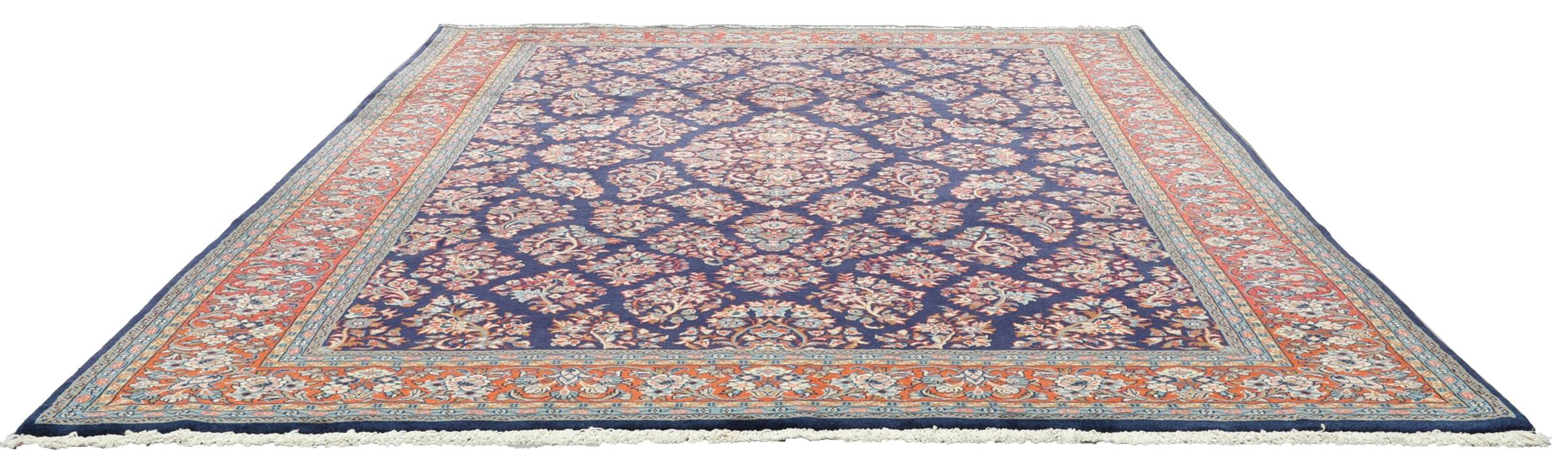
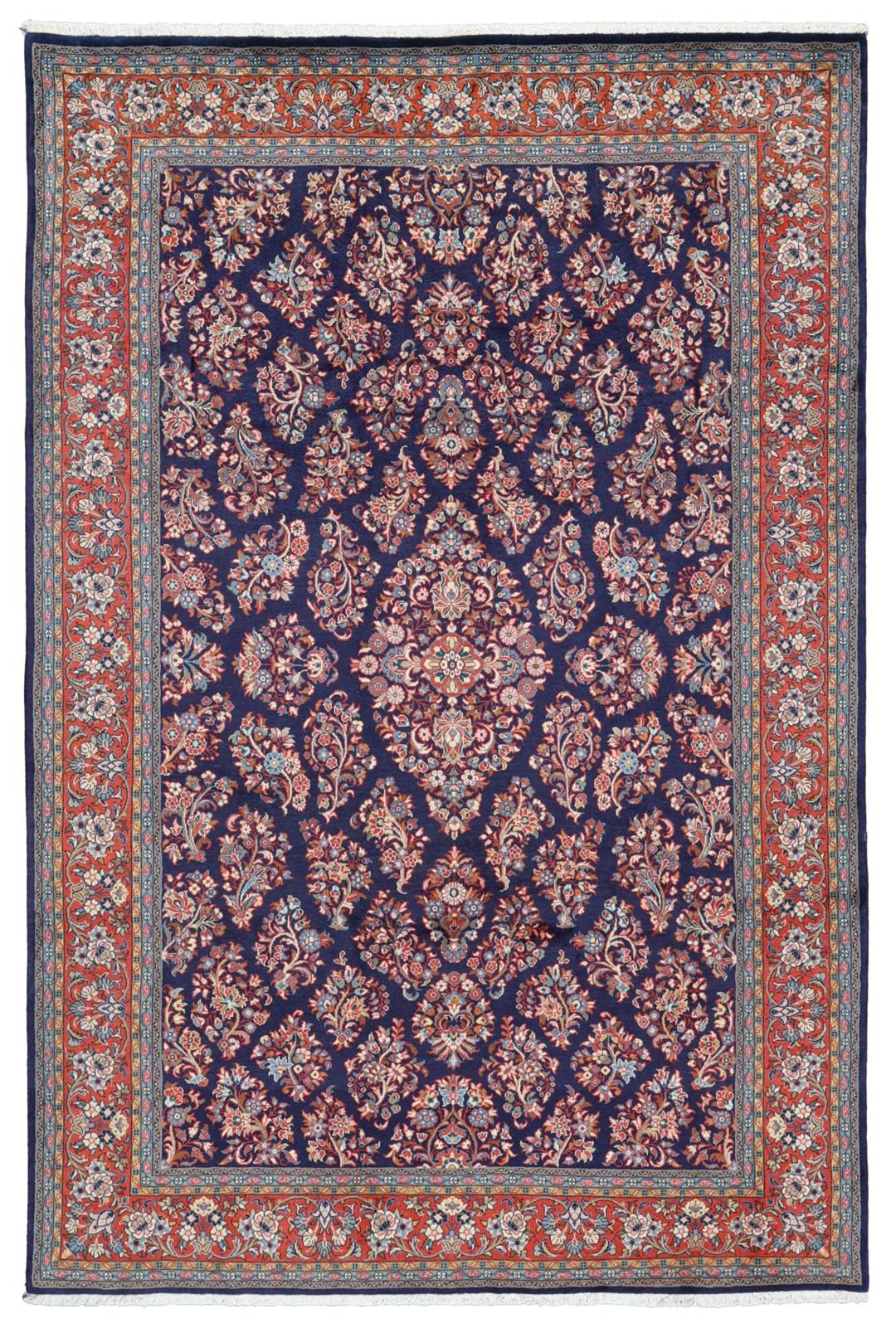
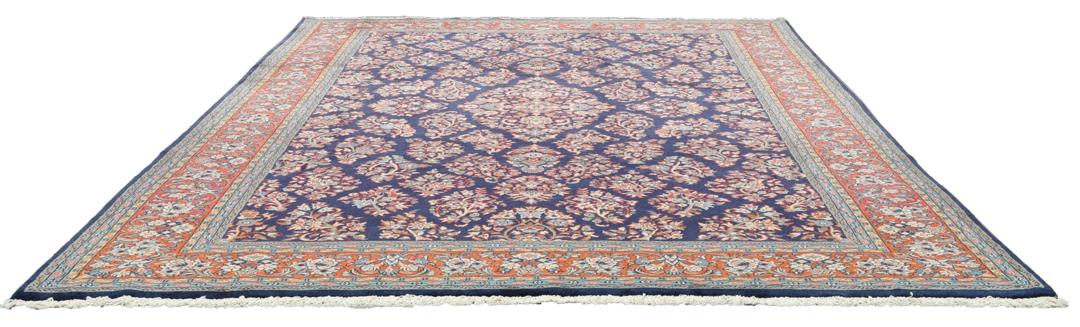
Mahal rugs originate from the village of Mahal in the Markazi province of the Middle East, a region celebrated for its contribution to the world of textile arts. These rugs are often associated with the broader tradition of Sarouk weaving, yet they maintain a distinctive identity characterised by bolder, more open floral designs and a unique approach to colour palettes. Historically, these pieces were crafted for both local use and export, gaining international acclaim for their robust construction and elegant aesthetics.
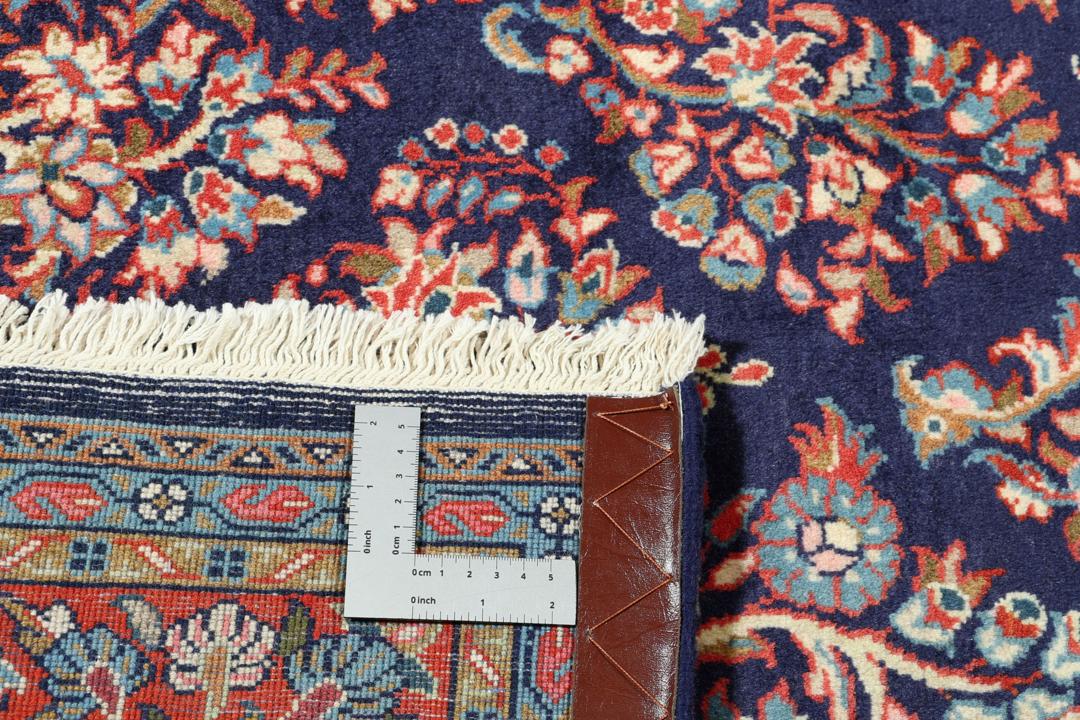
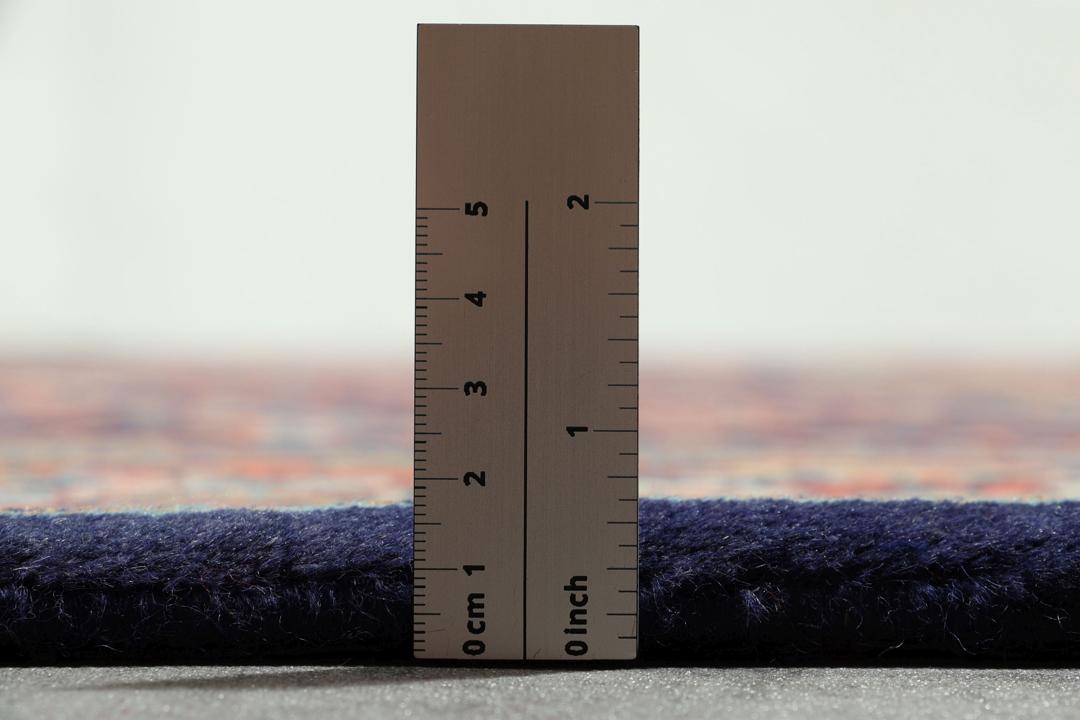
The construction of a Mahal rug is defined by the use of high-quality wool, which is often spun with a specific tension to ensure the pile is both dense and resilient. The term 'hand-knotted' refers to the technique where weavers tie individual knots onto the cotton foundation, a process that determines the rug's longevity and the clarity of its pattern. This technical approach is why these rugs are prized for their ability to remain vibrant and intact for decades, even in high-traffic areas of the home.
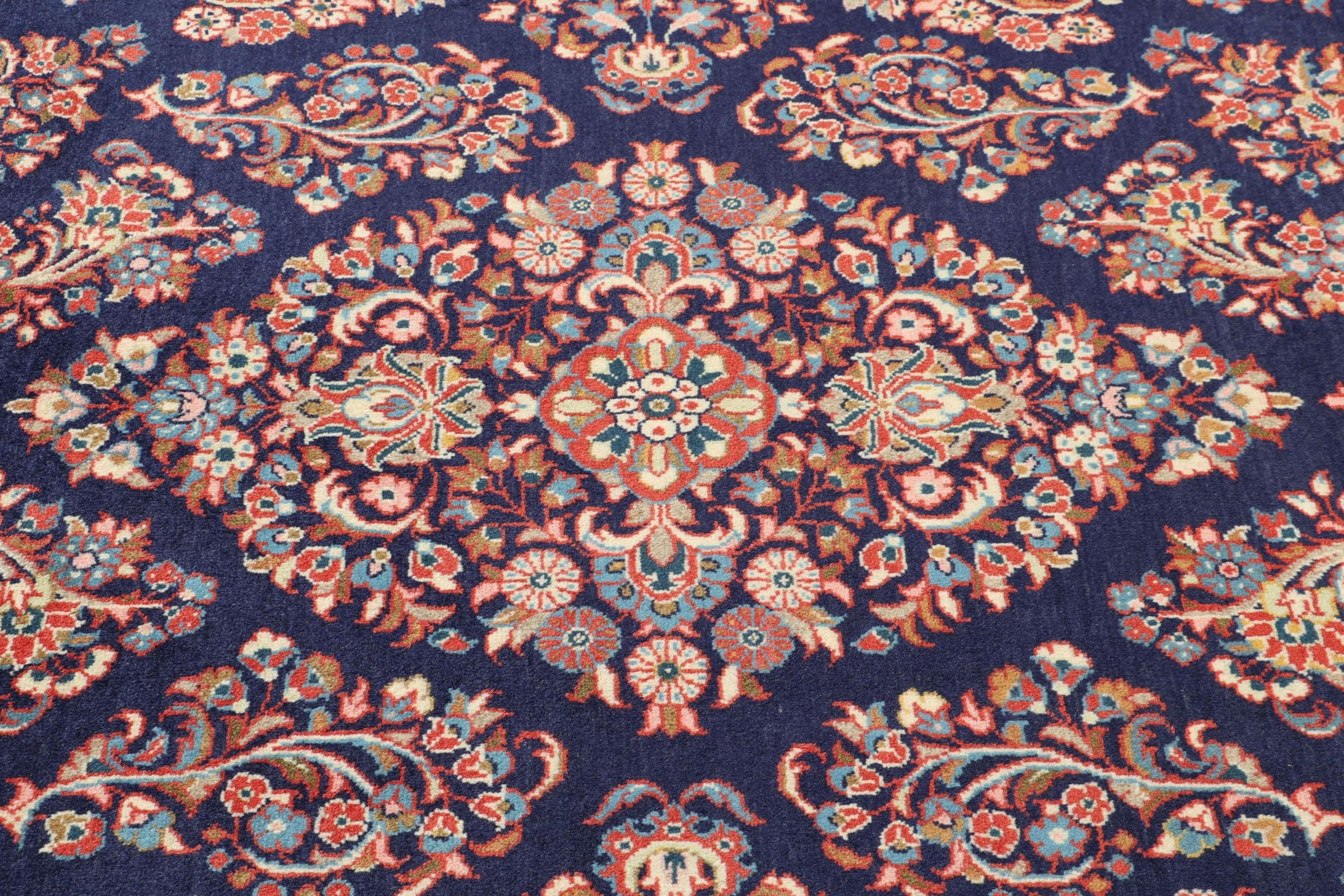
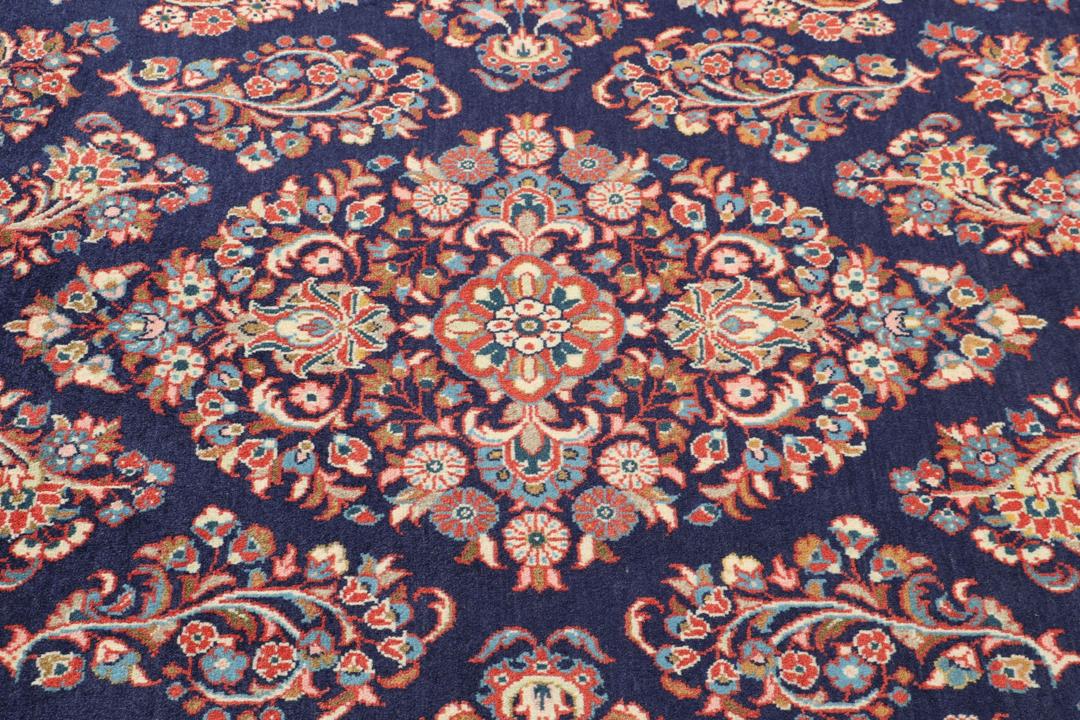
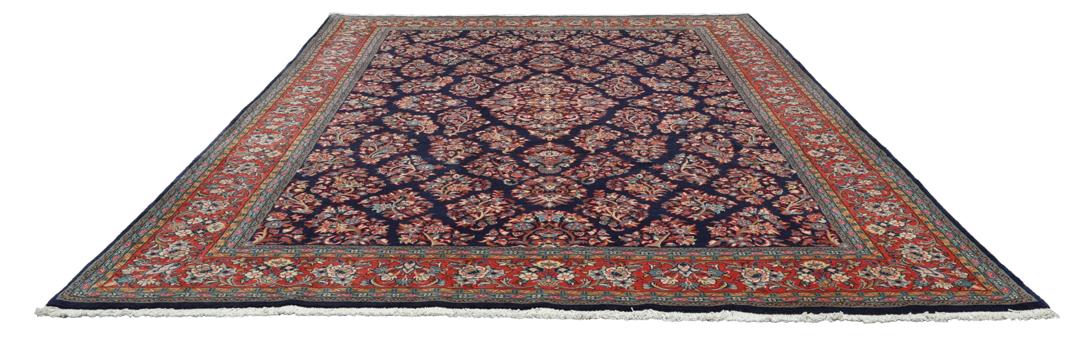
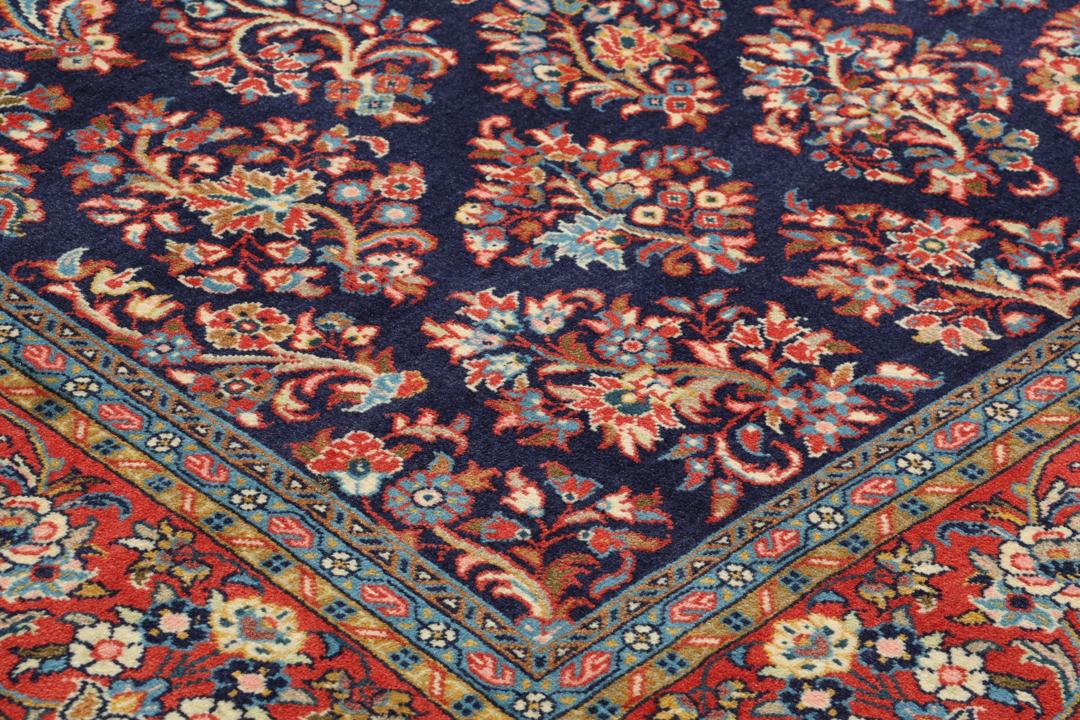
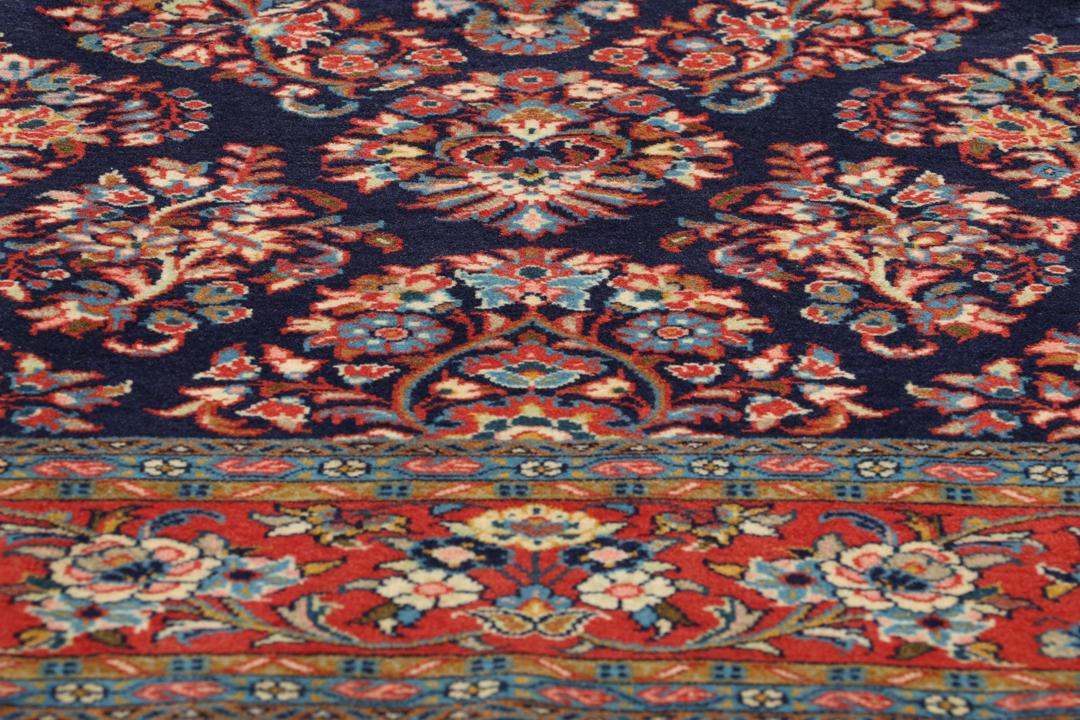
Visually, these rugs are known for their 'garden' style, featuring large-scale floral motifs, palmettes, and scrolling vines that fill the field in a graceful, rhythmic fashion. The borders are typically wide and highly detailed, serving to frame the central design and provide a sense of visual harmony. While they often feature a classic palette of deep blues and rich reds, the specific arrangement of motifs is always unique to the weaver's interpretation, making every rug a personal expression of the tradition.
Collectors value Mahal rugs not only for their beauty but for their status as historical artefacts of regional craftsmanship. Owning one is an opportunity to connect with a legacy of artistry that has been passed down through generations. These rugs are considered excellent investments because they gain character over time, becoming more beautiful as they age. By acquiring a Mahal, you are securing a piece of cultural heritage that brings a sense of permanence and depth to your living environment.