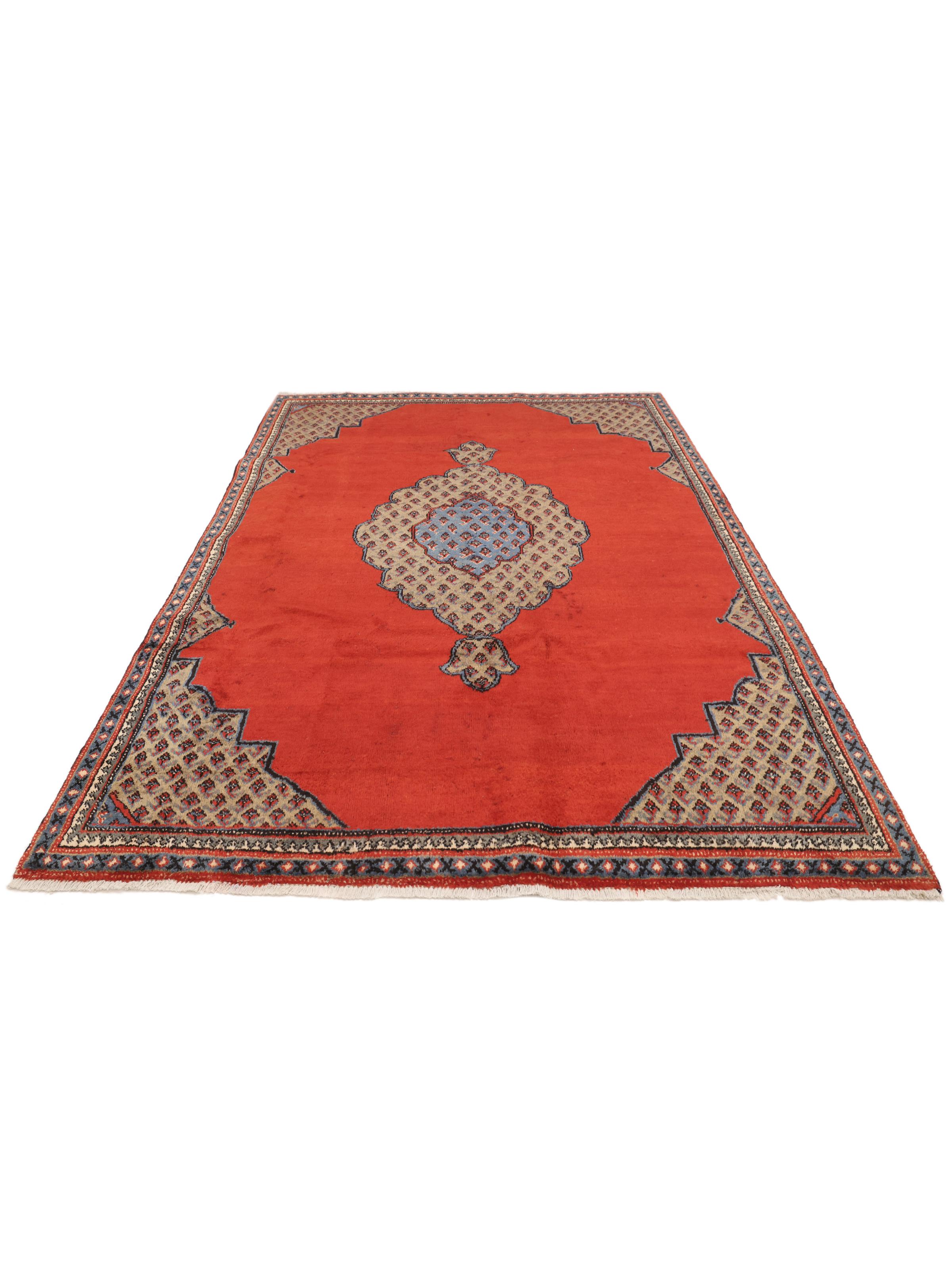
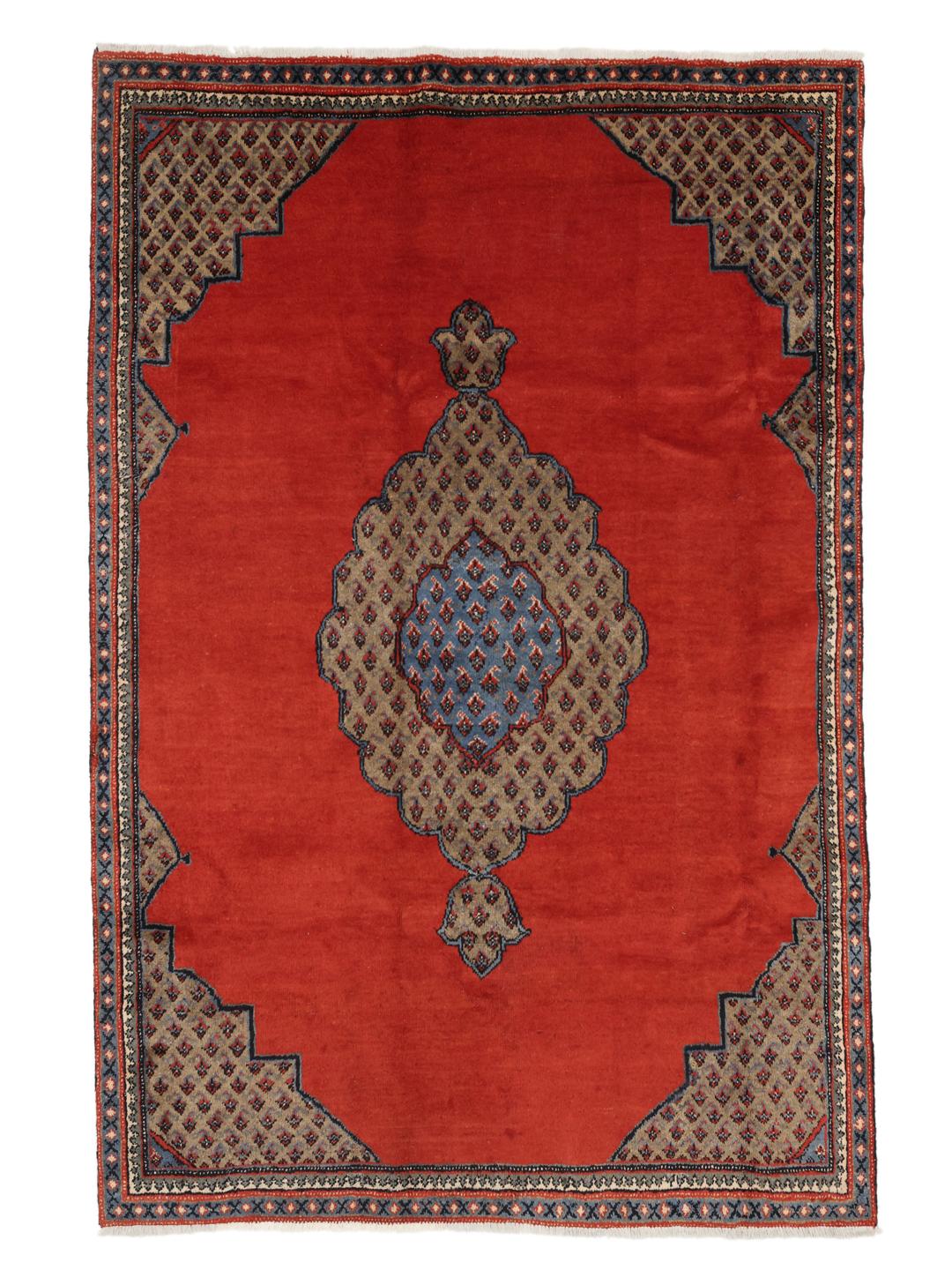
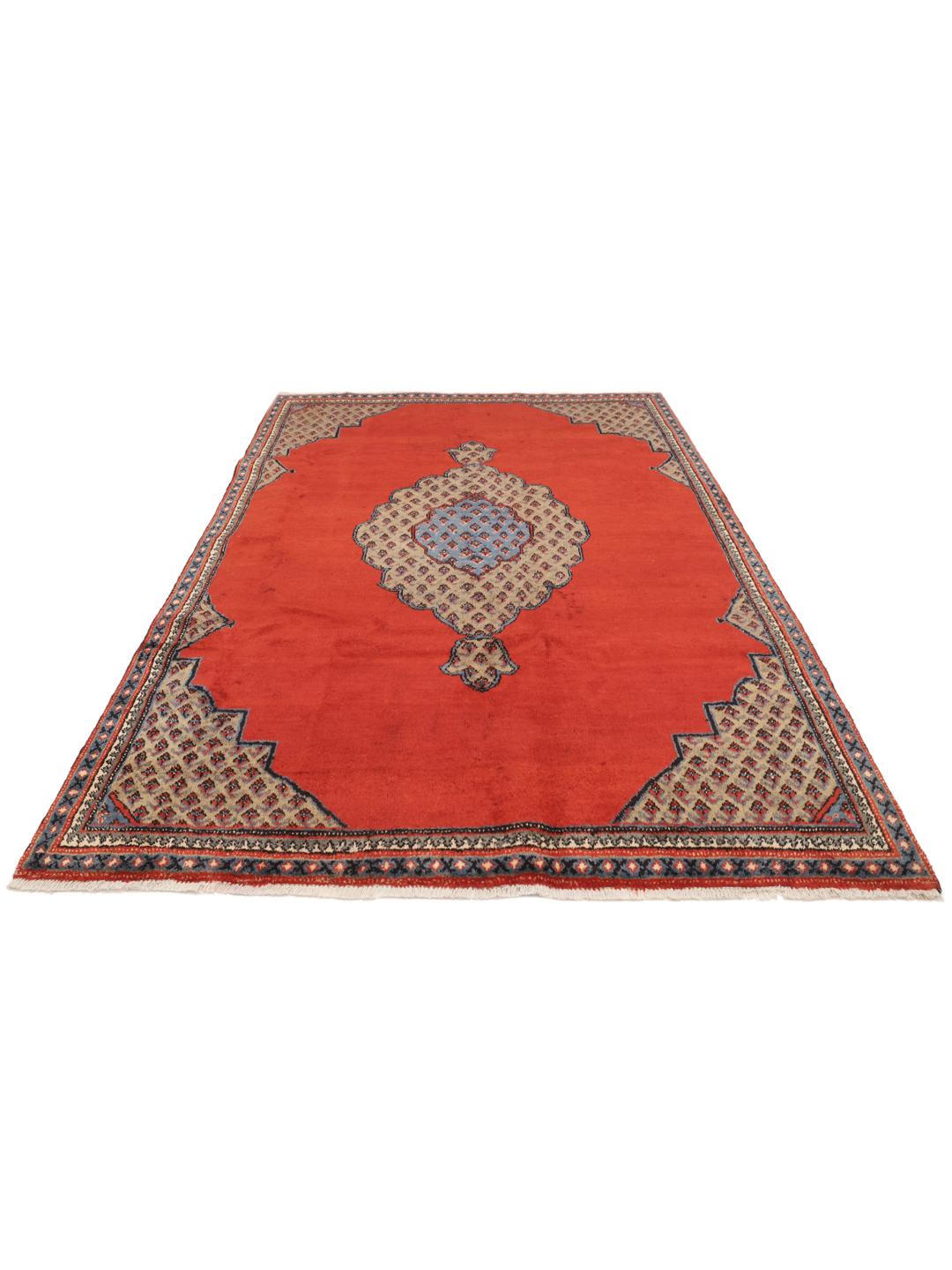
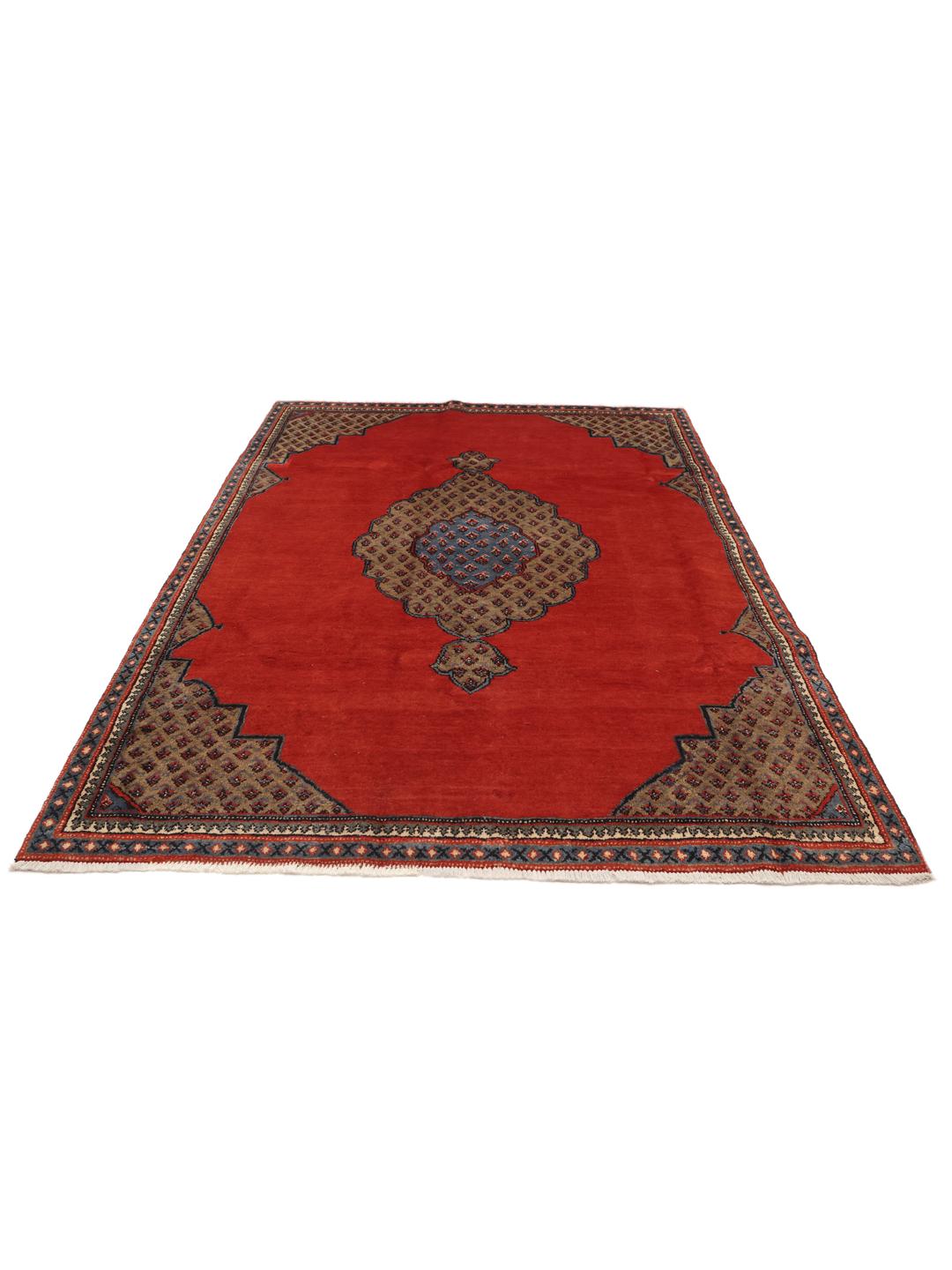
Mahal rugs originate from the village of Mahallat in the Middle East, a region with a storied legacy of weaving that dates back generations. These rugs are celebrated for their ability to blend formal, sophisticated design with a slightly more relaxed, artistic flair. Historically, they were created to serve both local needs and the demands of international markets, which led to a unique evolution of styles that favoured bold, oversized motifs.
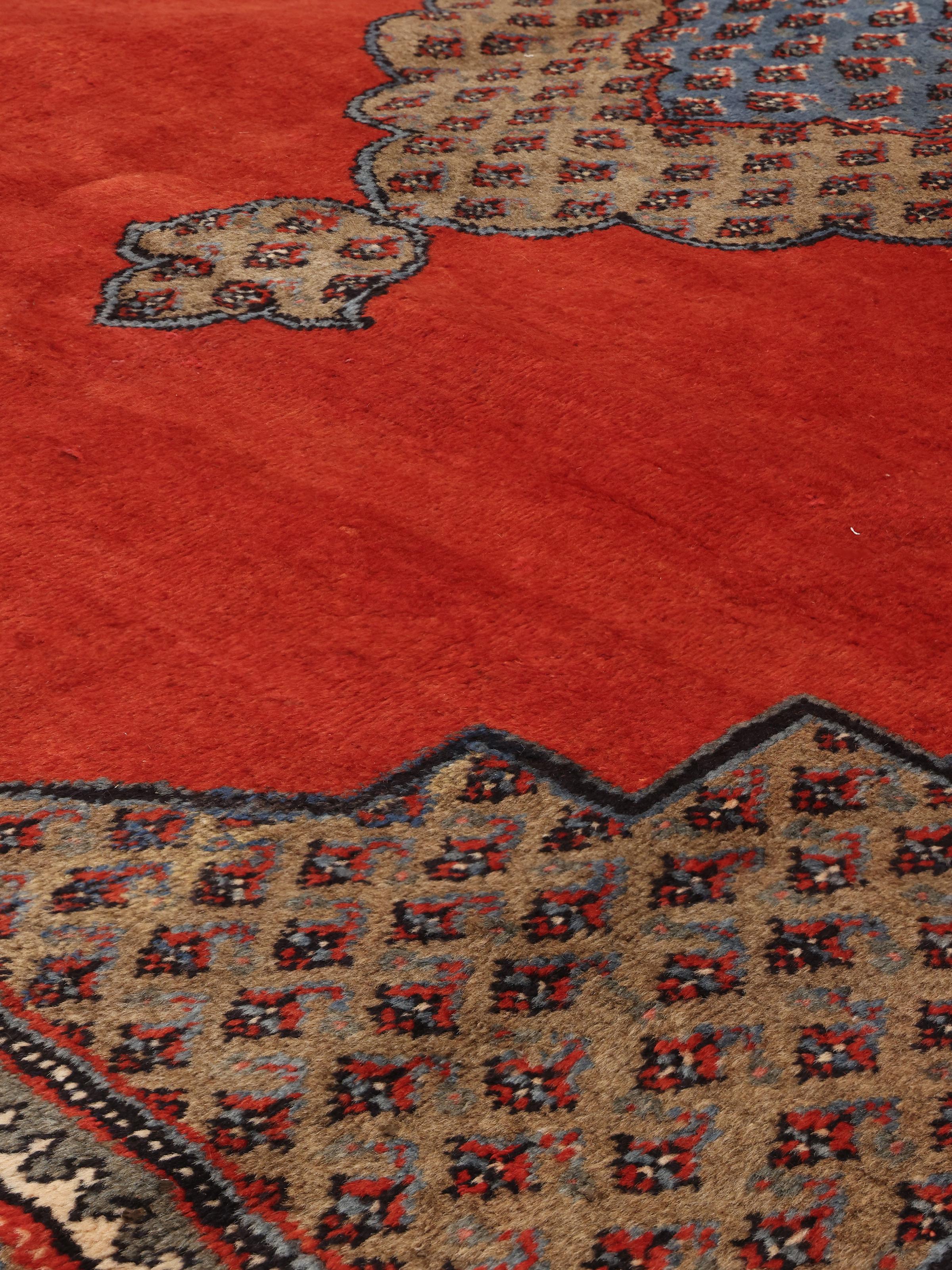
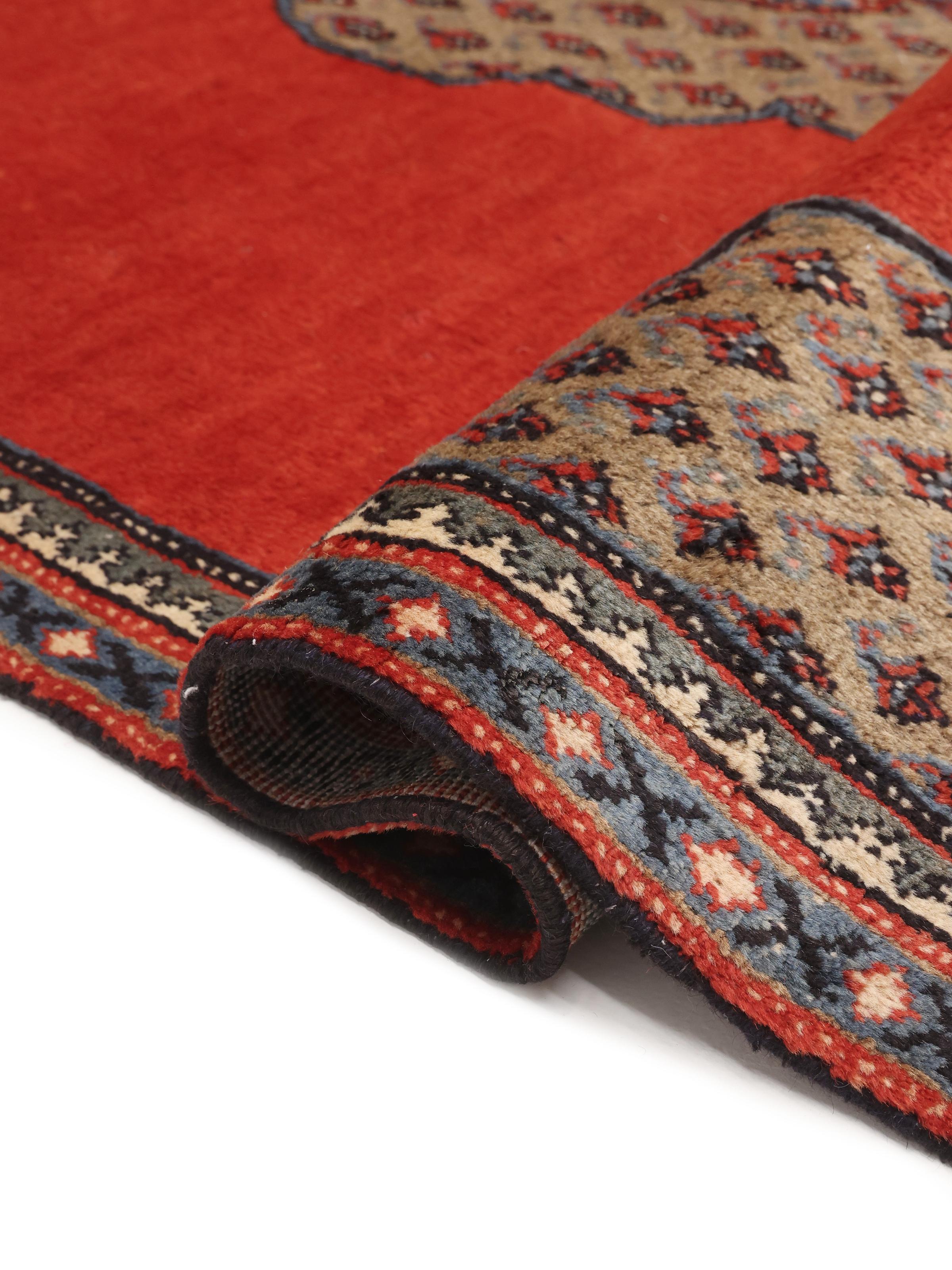
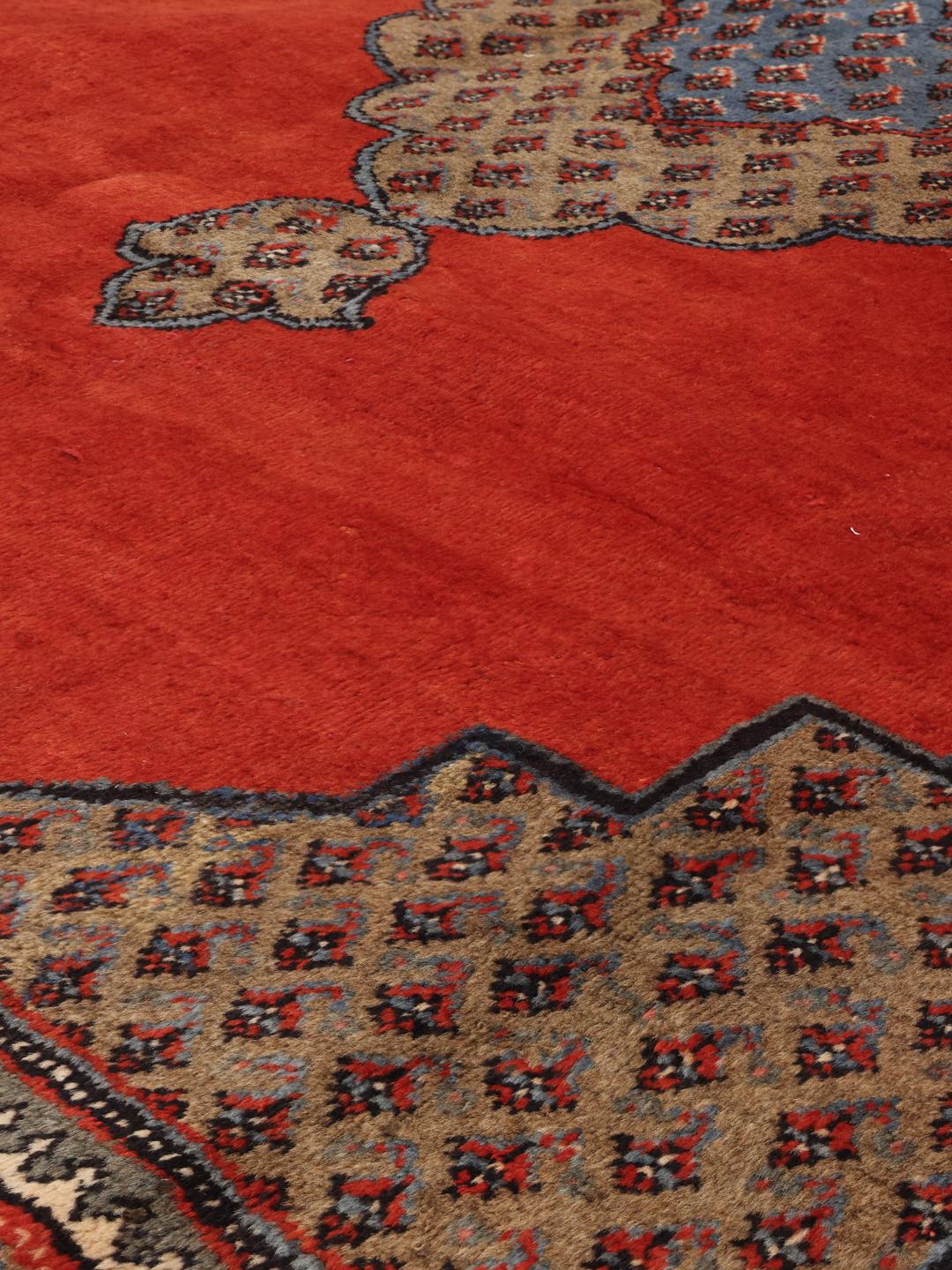
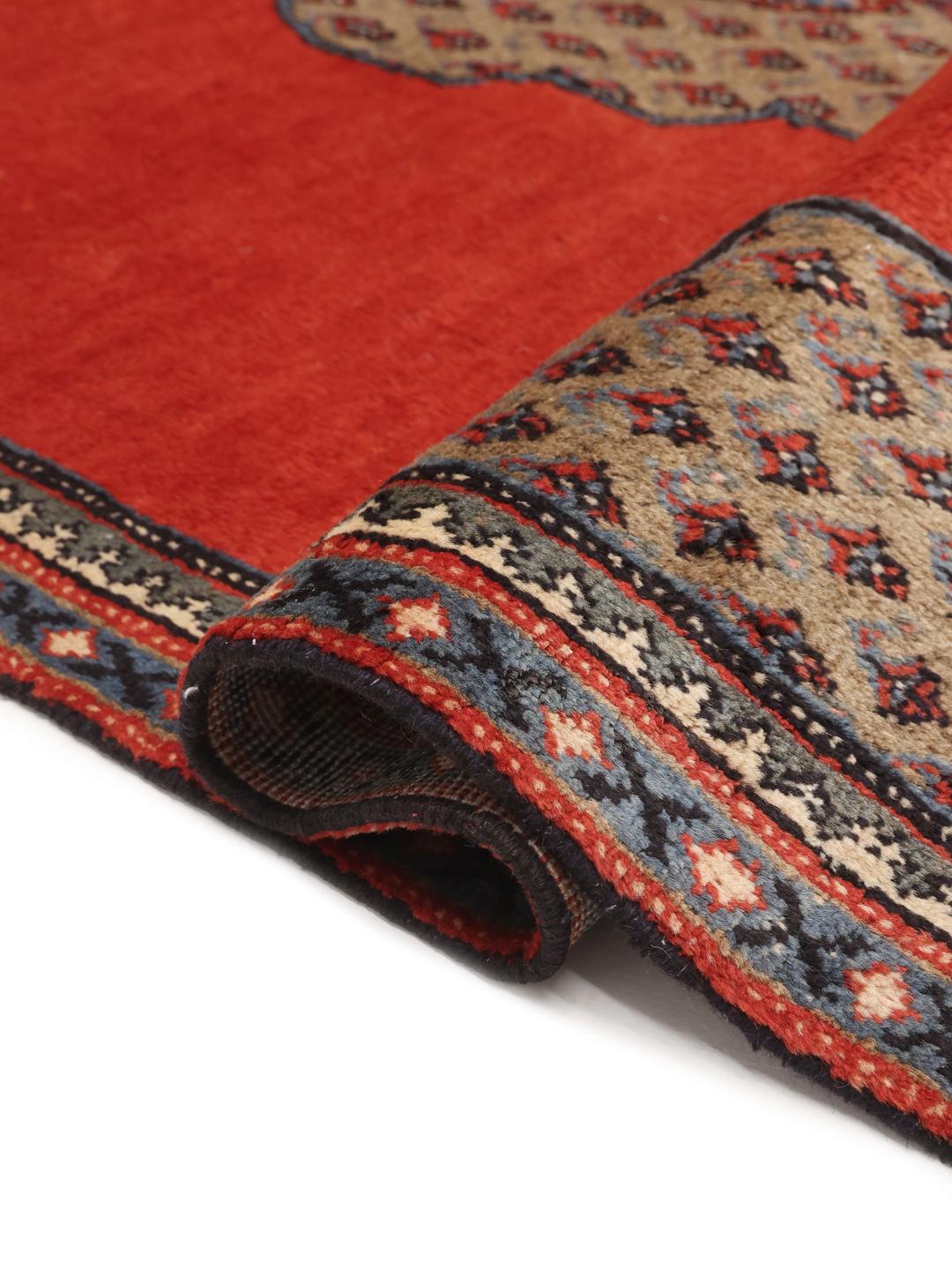
The term 'Mahal' often refers to a specific approach to construction where the pile is crafted to be slightly more open, allowing for a supple and flexible drape. This tradition of weaving is deeply rooted in the local landscape, where the knowledge of selecting and spinning wool is passed down through families. The result is a rug that feels less rigid than other regional styles, offering a comfortable, organic texture that is highly prized by collectors.
Signature design elements of these rugs often include a large, prominent medallion anchored in the centre of the field, surrounded by sprawling floral or geometric patterns. The borders are typically expansive, providing a frame that balances the complexity of the central design. The use of vibrant, natural dyes is a hallmark of the tradition, creating a depth of colour that shifts beautifully under different lighting conditions.
Owning a Mahal rug is an opportunity to connect with a rich cultural heritage. These pieces are collected not just for their utility, but for the skill and creative tradition they represent. They are considered an essential element for those who value heritage and the tangible history found in hand-crafted objects. By welcoming this rug into your home, you are participating in a long-standing tradition of art, skill, and careful design.