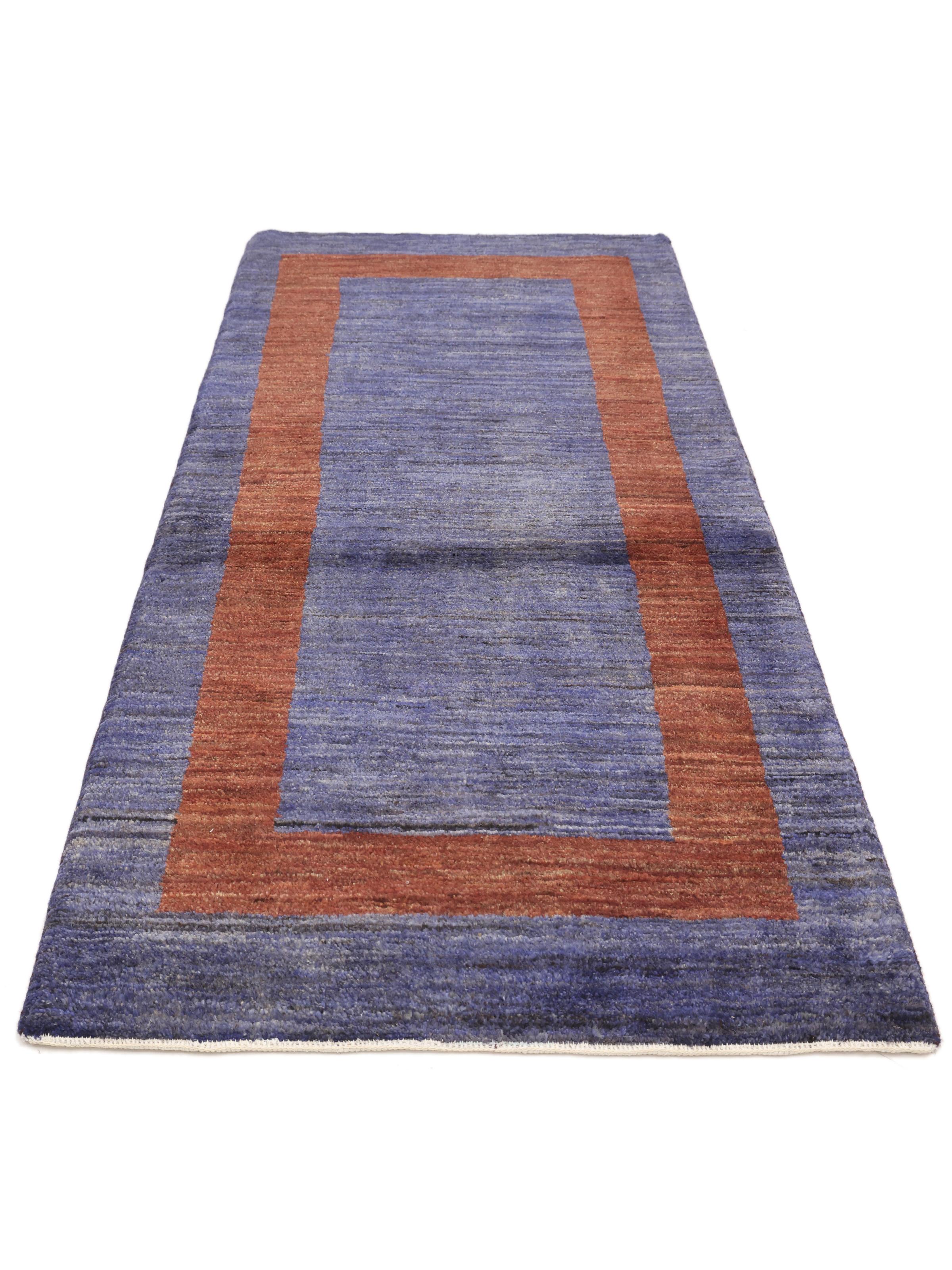
Loribaft rugs are deeply rooted in the weaving traditions of the Luri and Bakhtiari tribes of the Middle East. These nomadic groups have historically created rugs as both functional floor coverings for tents and as artistic expressions of their cultural identity, with designs often passed down through generations.
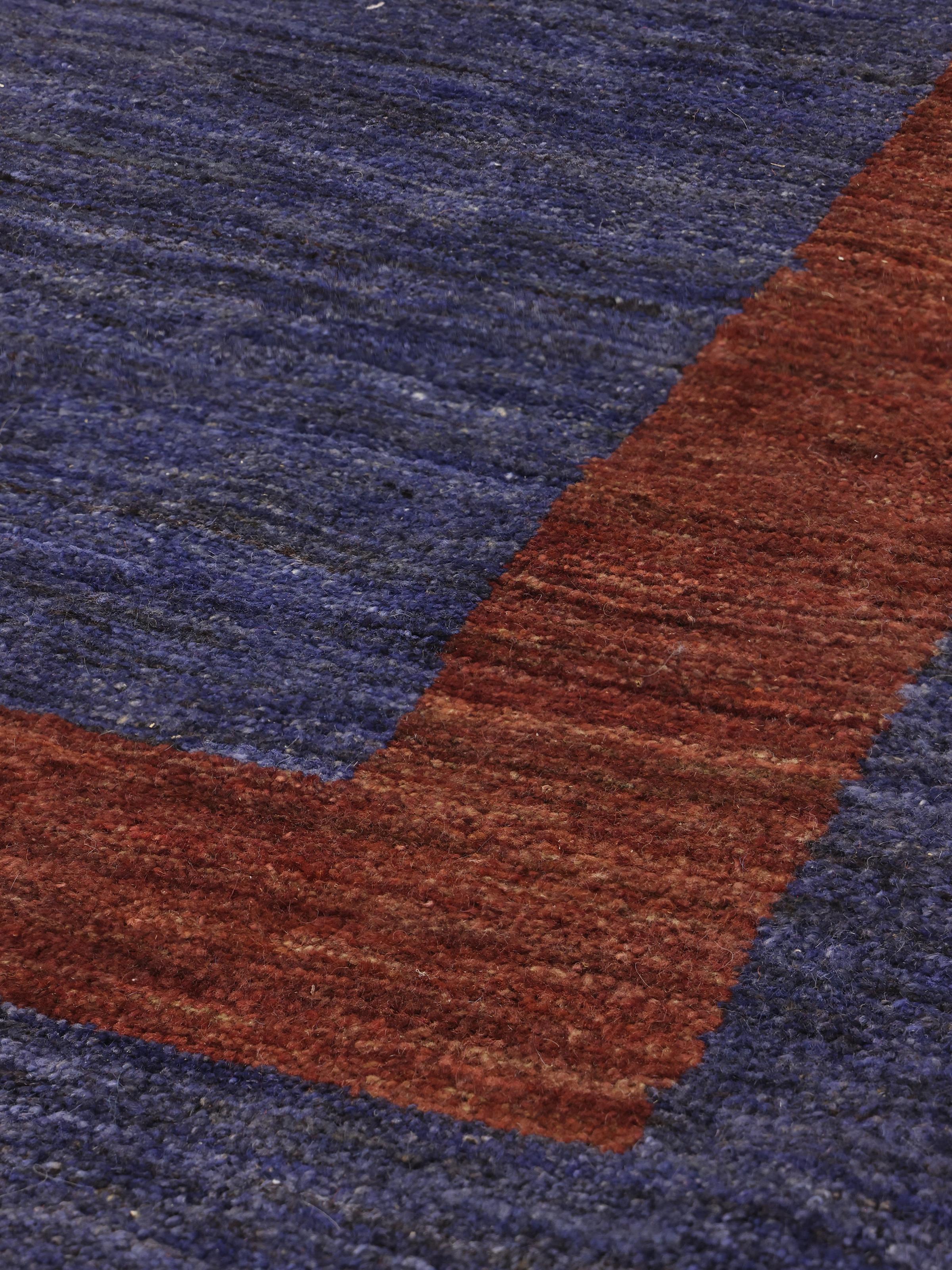
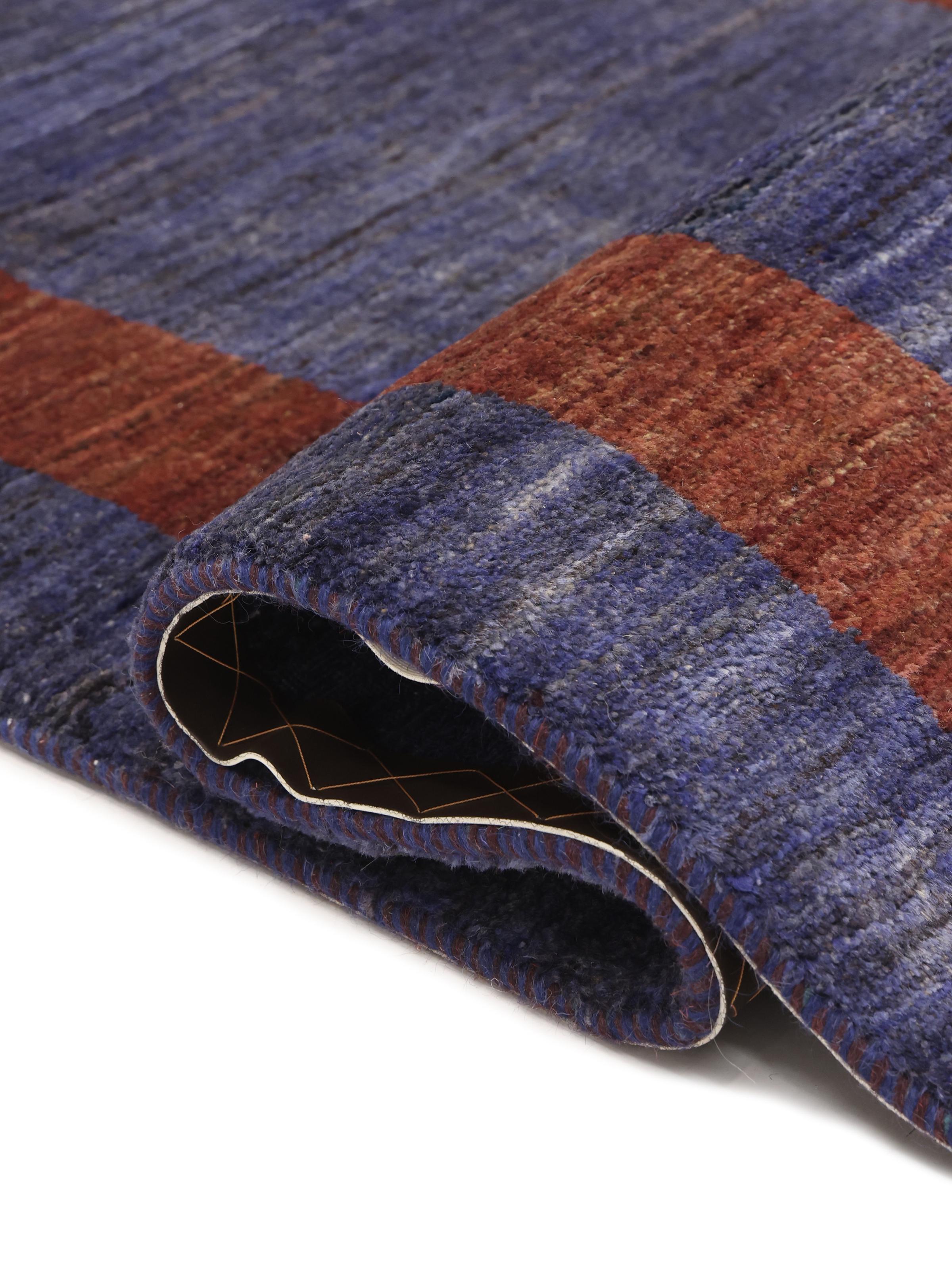
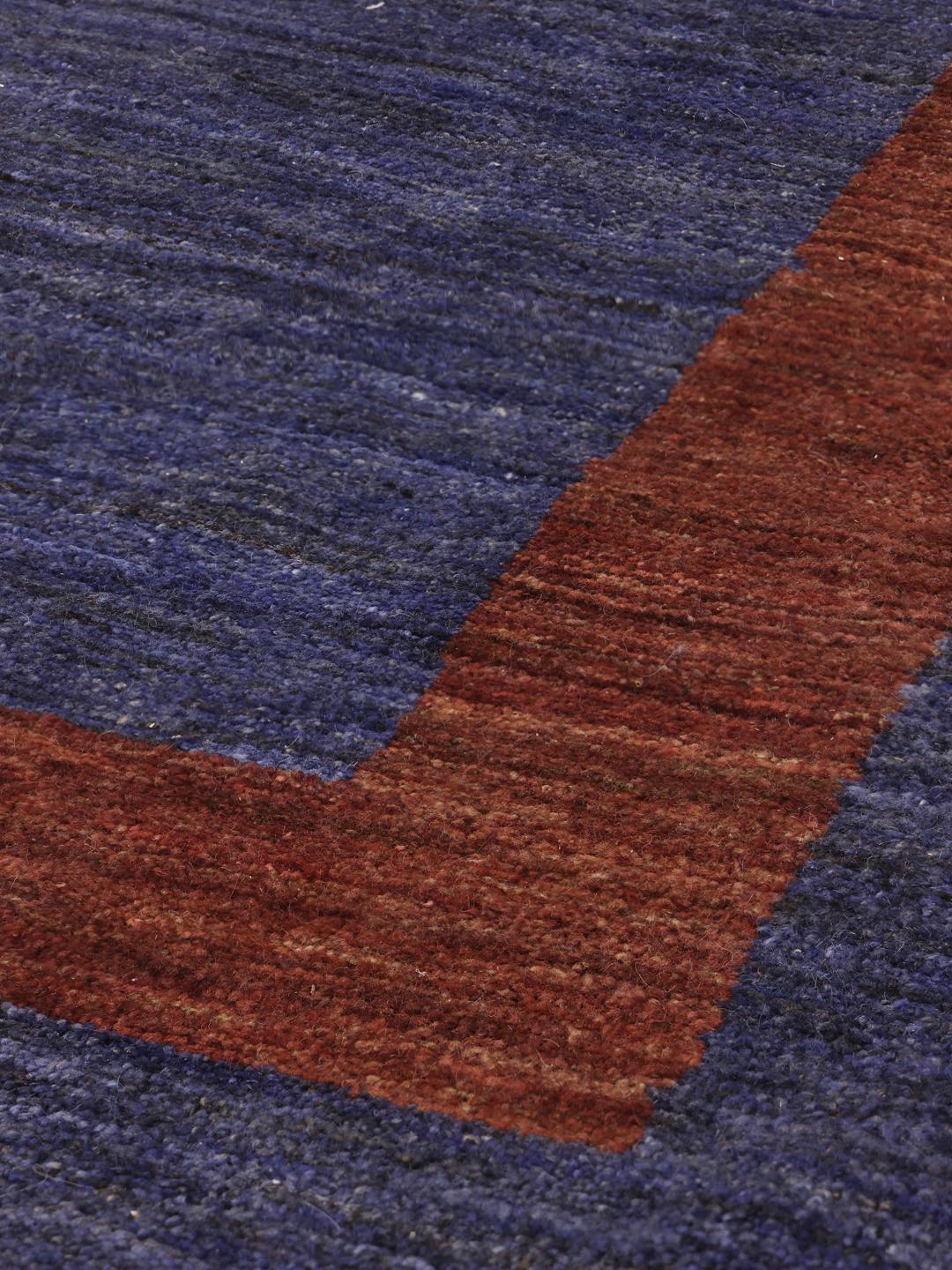
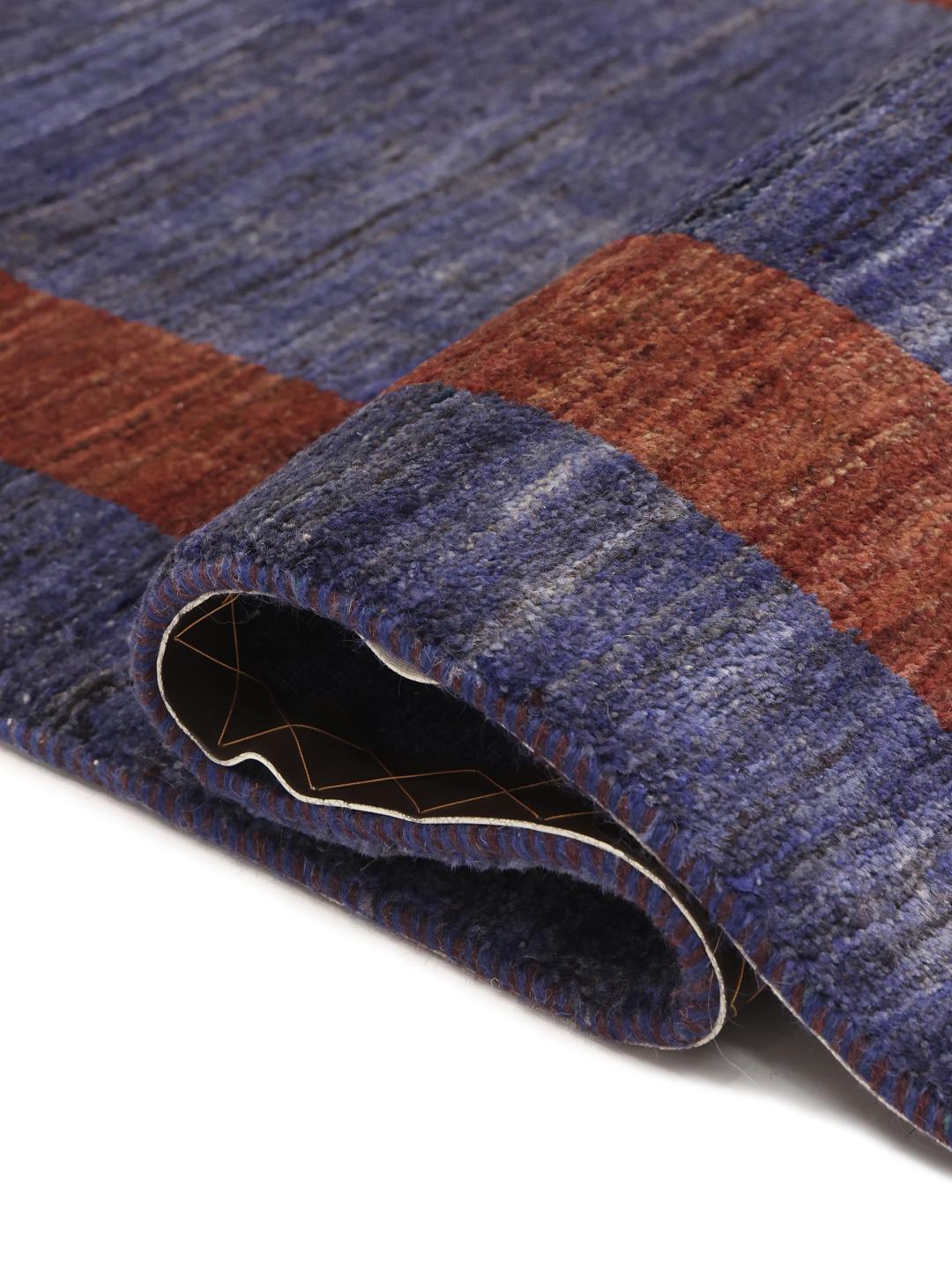
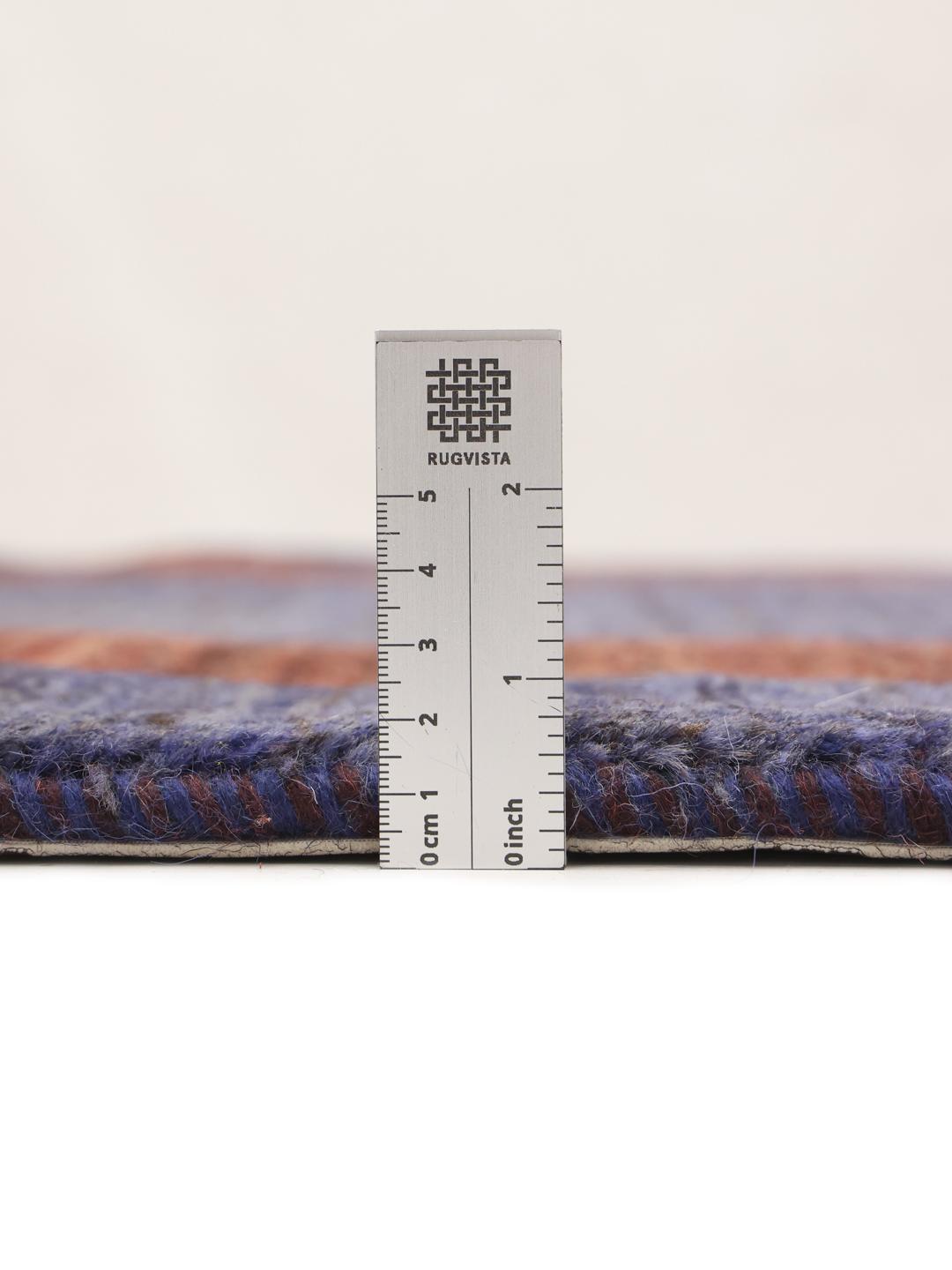
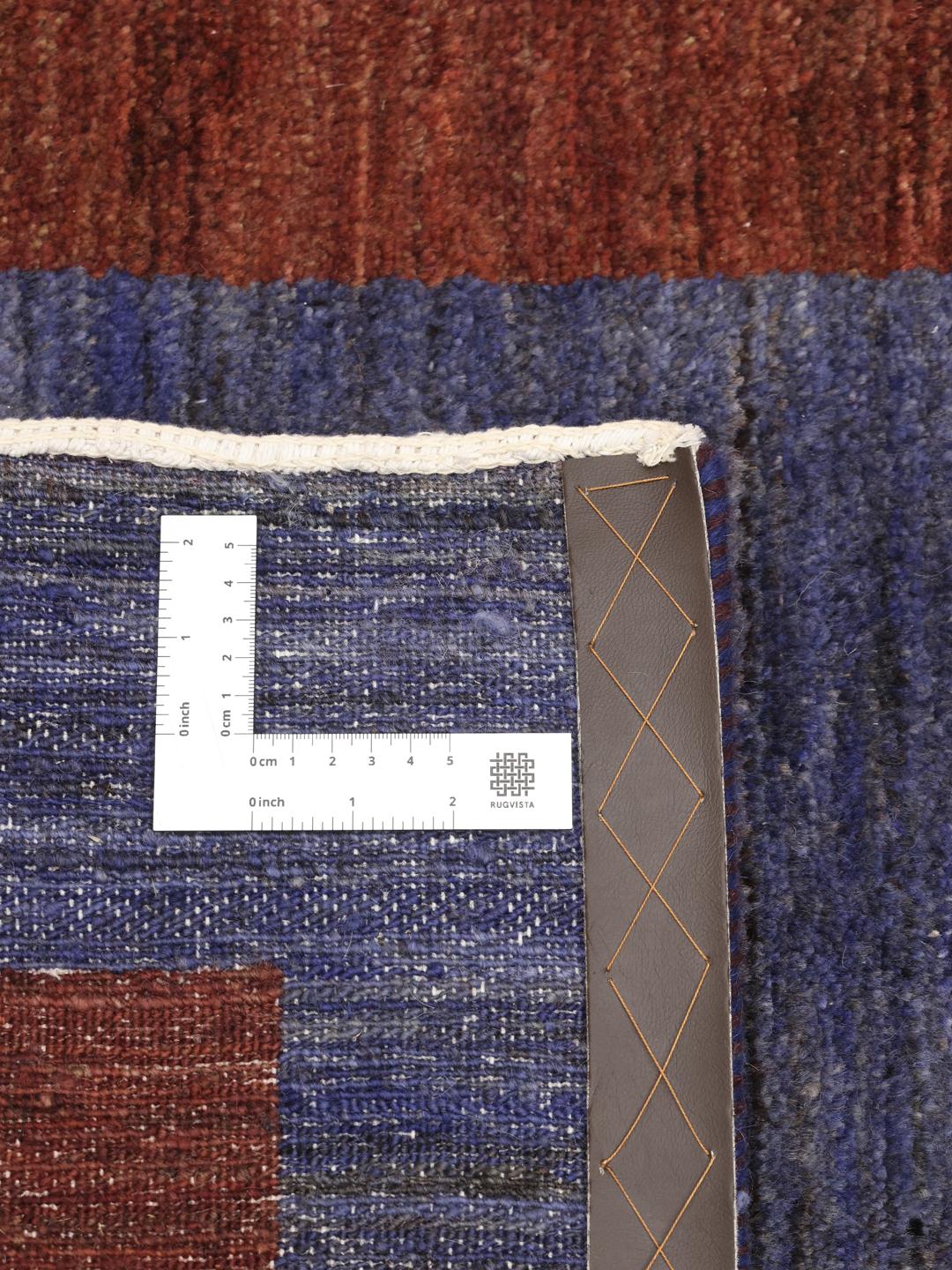
The term 'Baxt' or 'Baft' refers to the weaving process itself, which in the case of these rugs is known for its high-quality, hand-knotted construction. This technique allows for a thicker, more durable pile compared to traditional flat-weave kilims, providing the signature softness and longevity associated with these pieces.
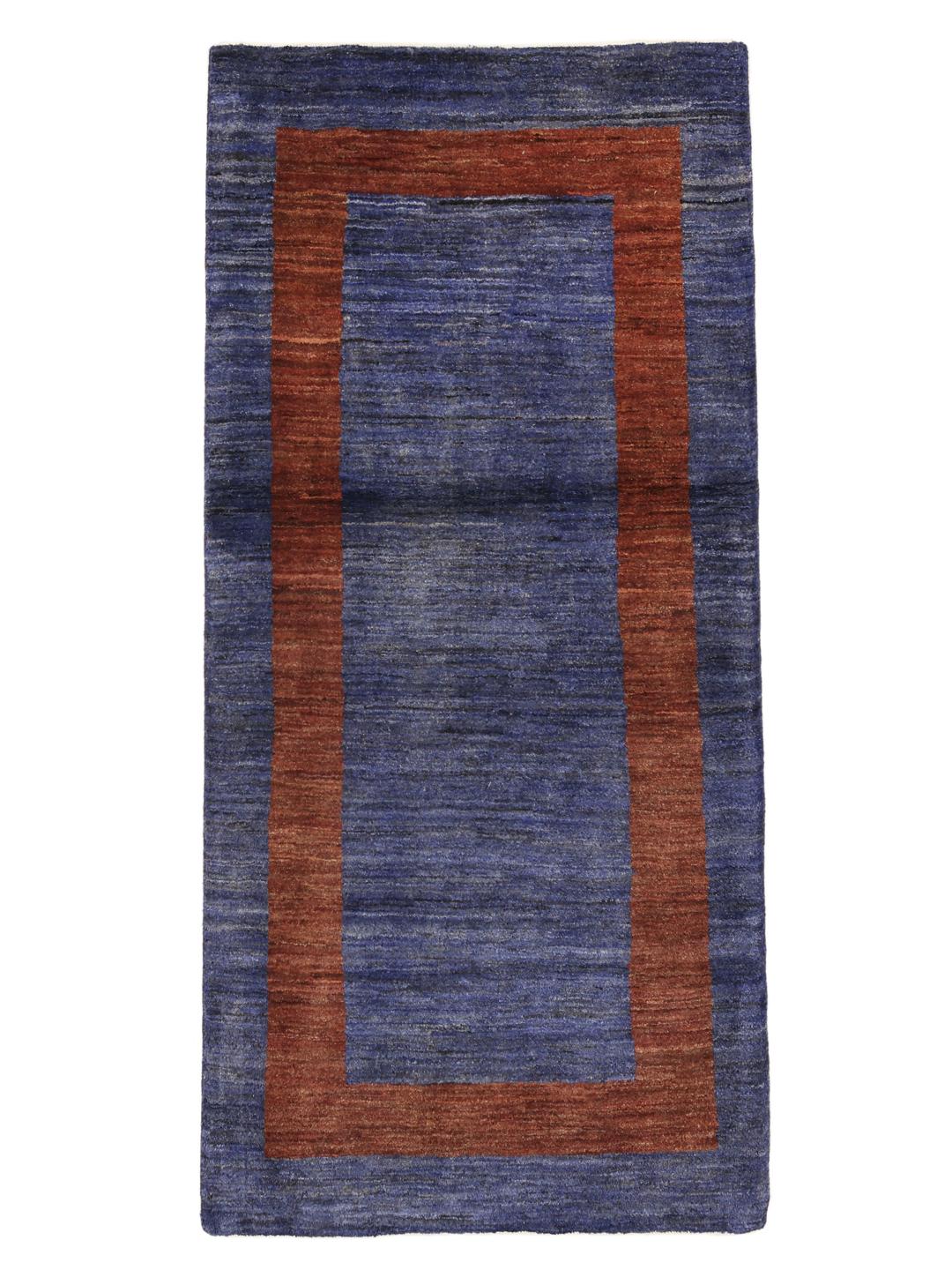
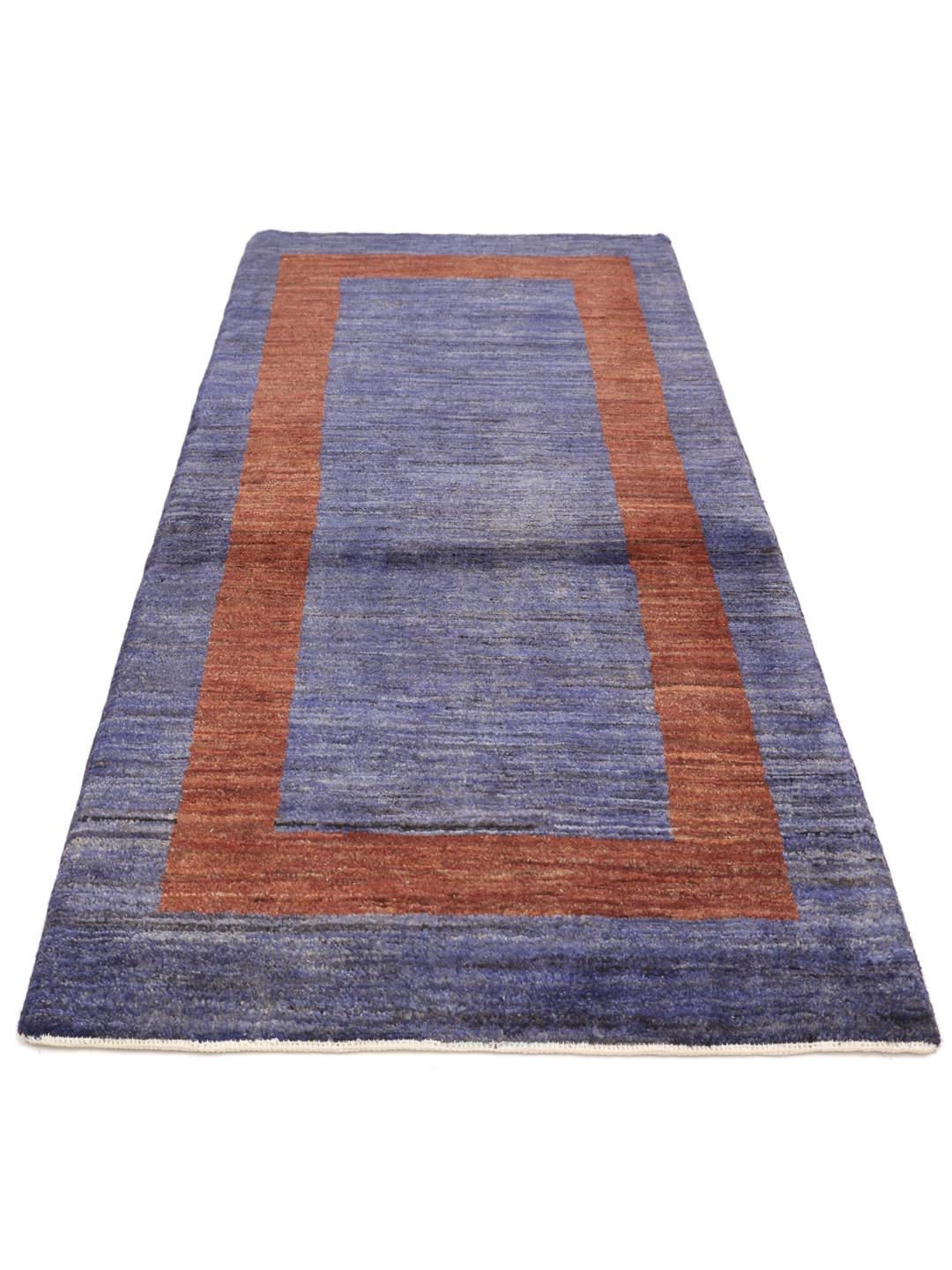
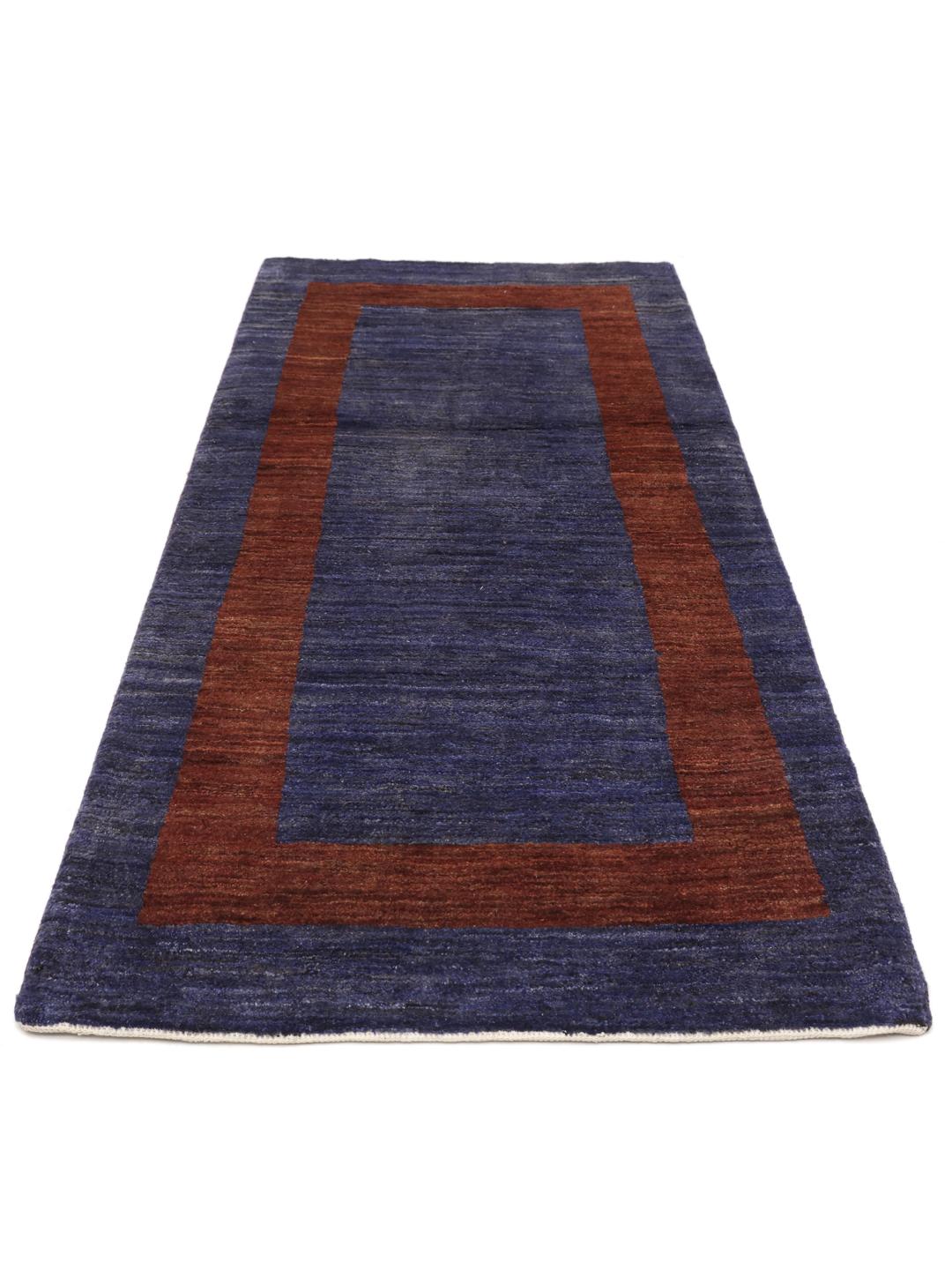
Visually, Loribaft rugs are often celebrated for their open fields and focus on colour rather than complex, small-scale geometric patterns. The deep blue and earthy red tones seen here are classic representations of the rich, natural dyes historically used by these tribes to reflect the landscape of their mountainous homes.
Owning a Loribaft rug is an opportunity to connect with a storied tradition of craftsmanship. These rugs are highly valued by collectors for their honest, unpretentious beauty and the immense skill required to produce them, making each piece a tangible link to a rich, nomadic heritage.