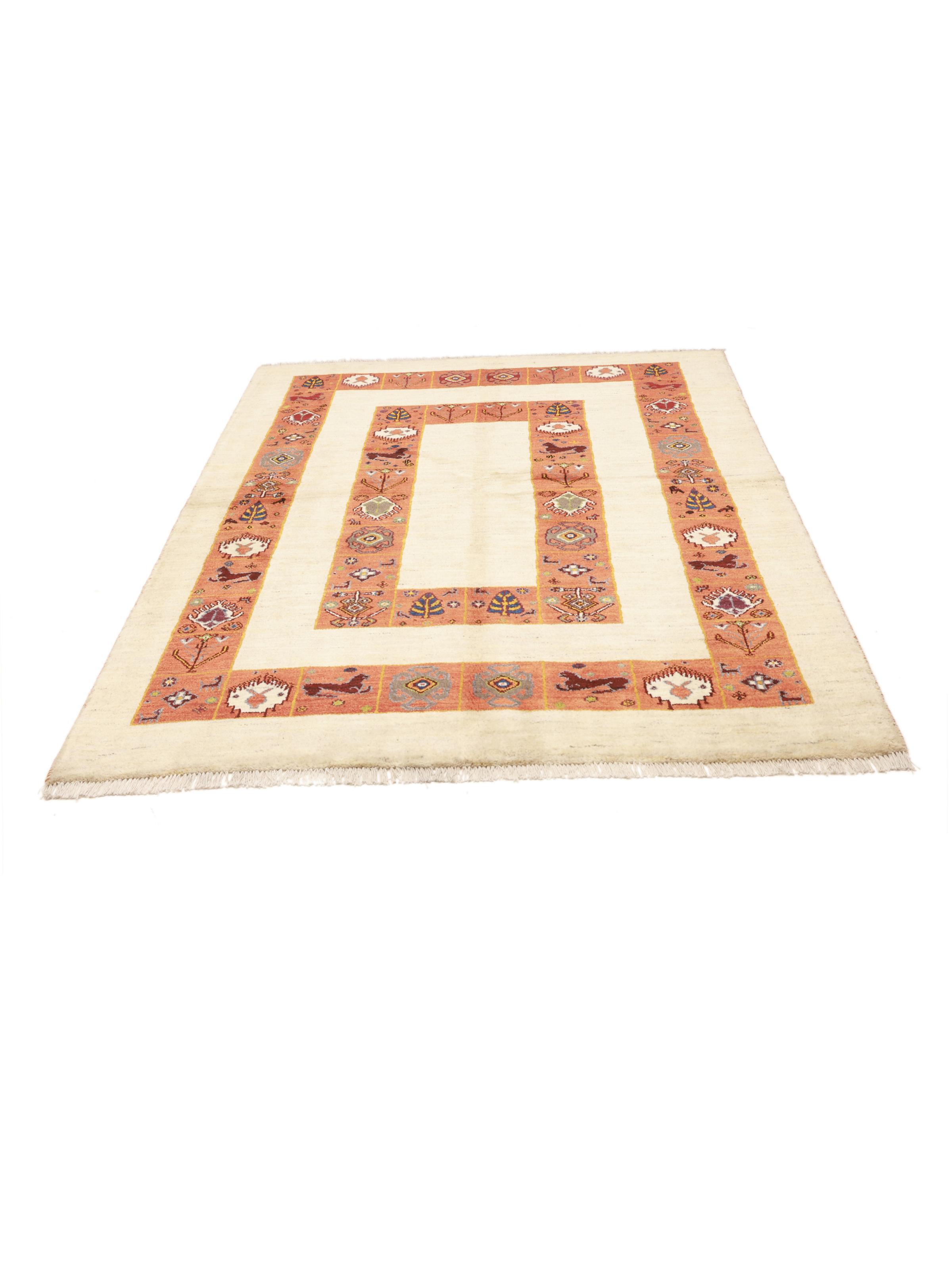
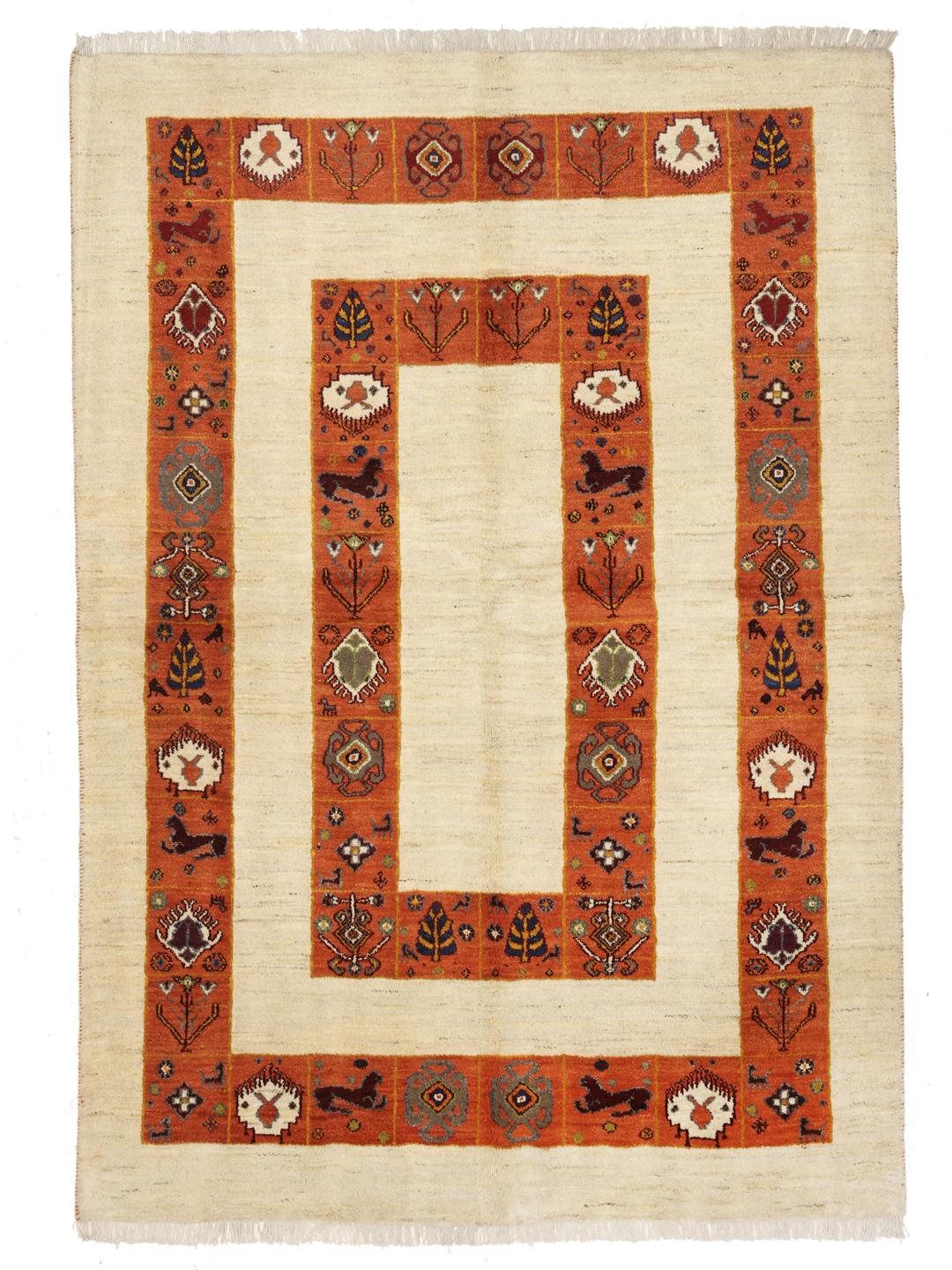
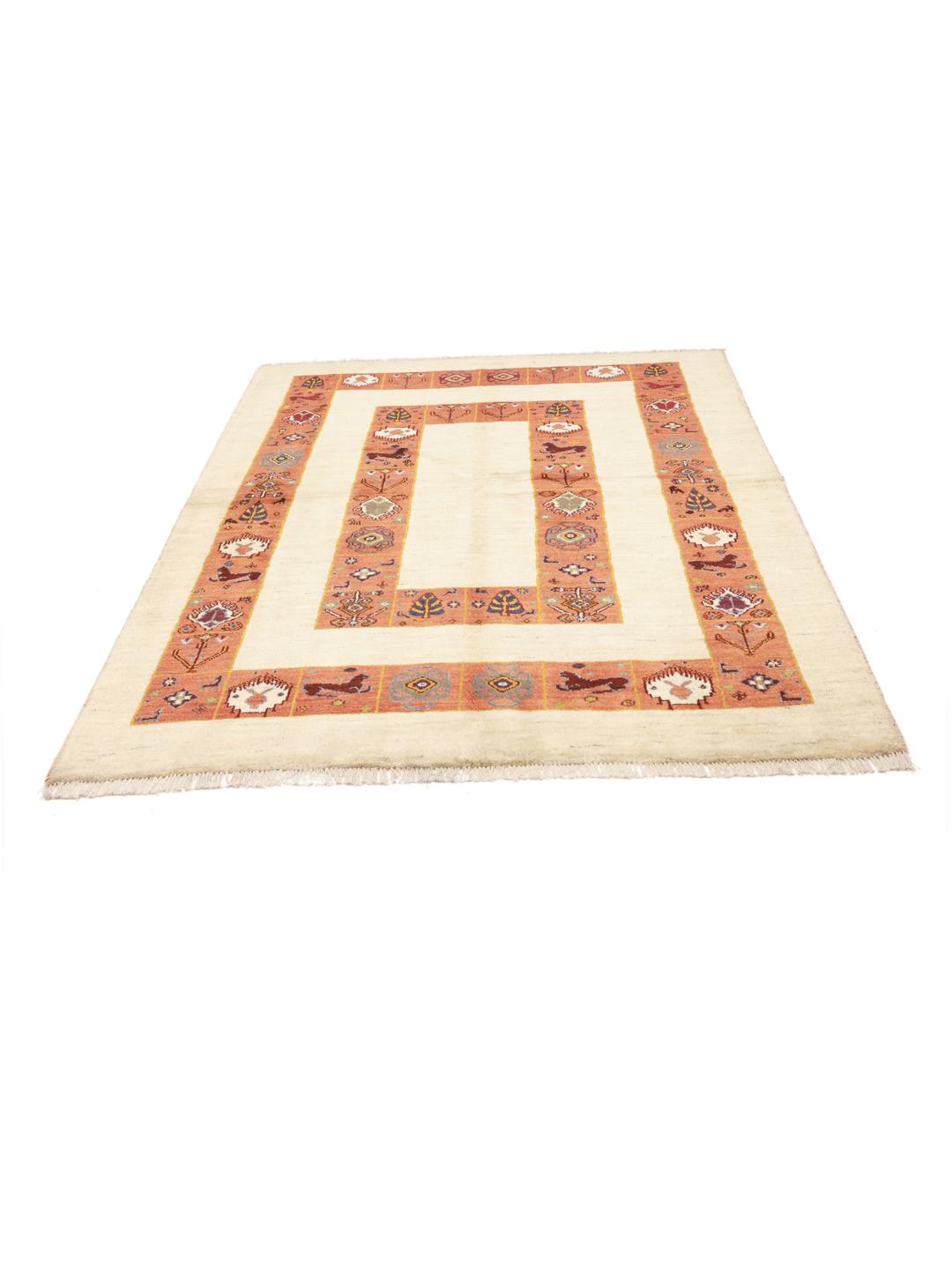
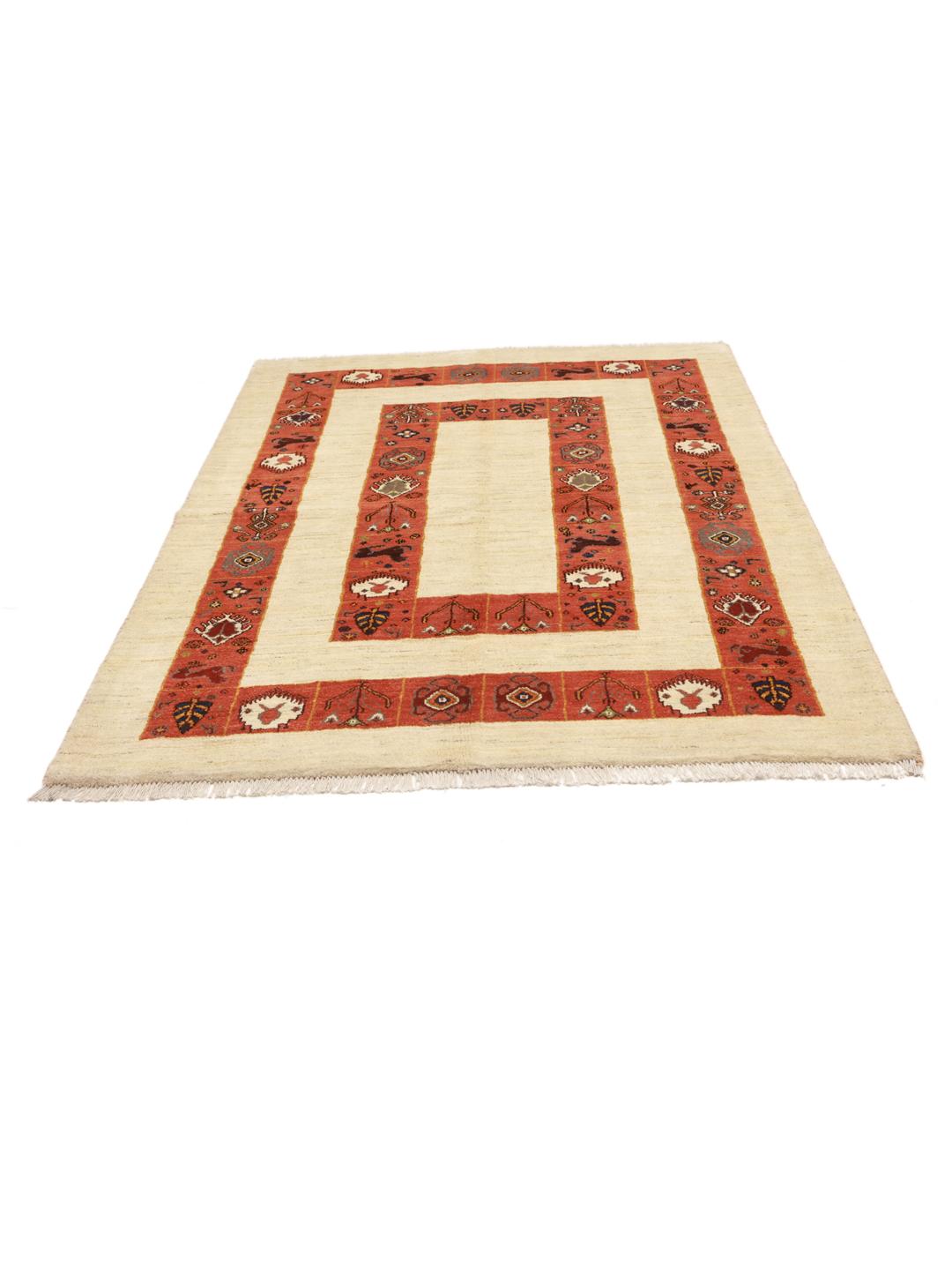
Loribaft rugs originate from the mountainous regions of the Middle East, where they were traditionally created by nomadic tribes. These rugs are deeply connected to the daily lives and environments of the weavers, often featuring designs that reflect the surrounding landscapes and local folklore.
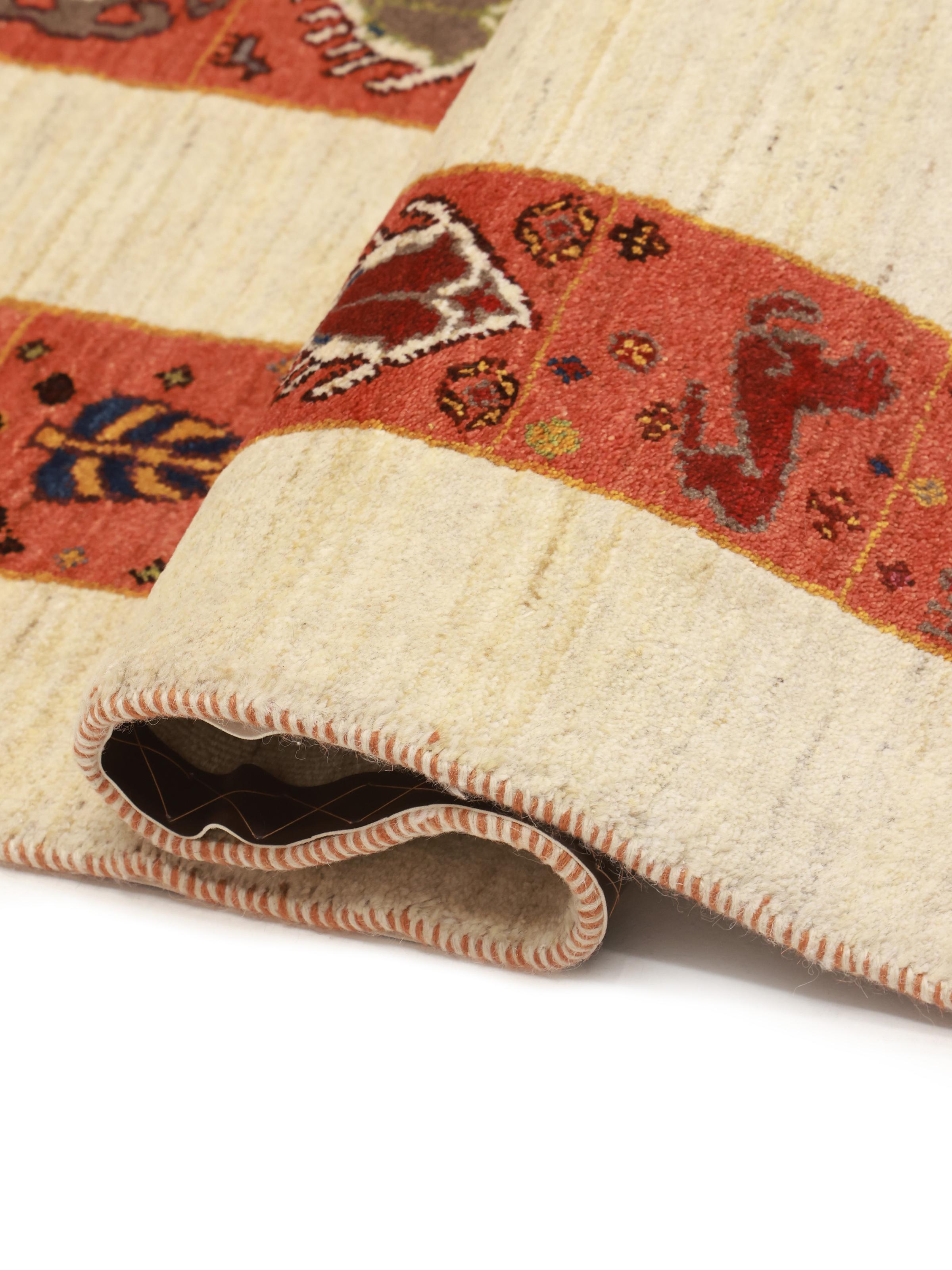
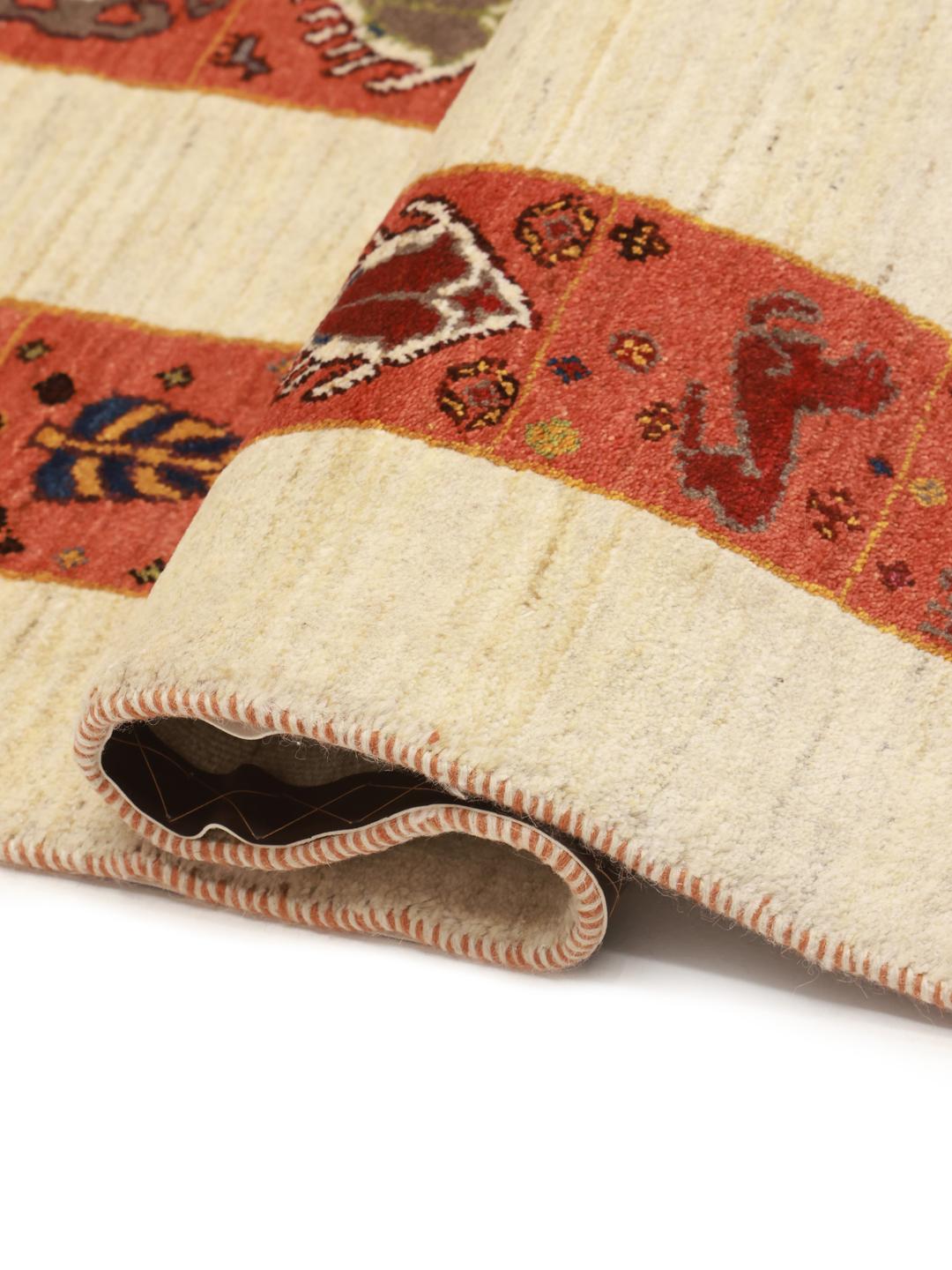
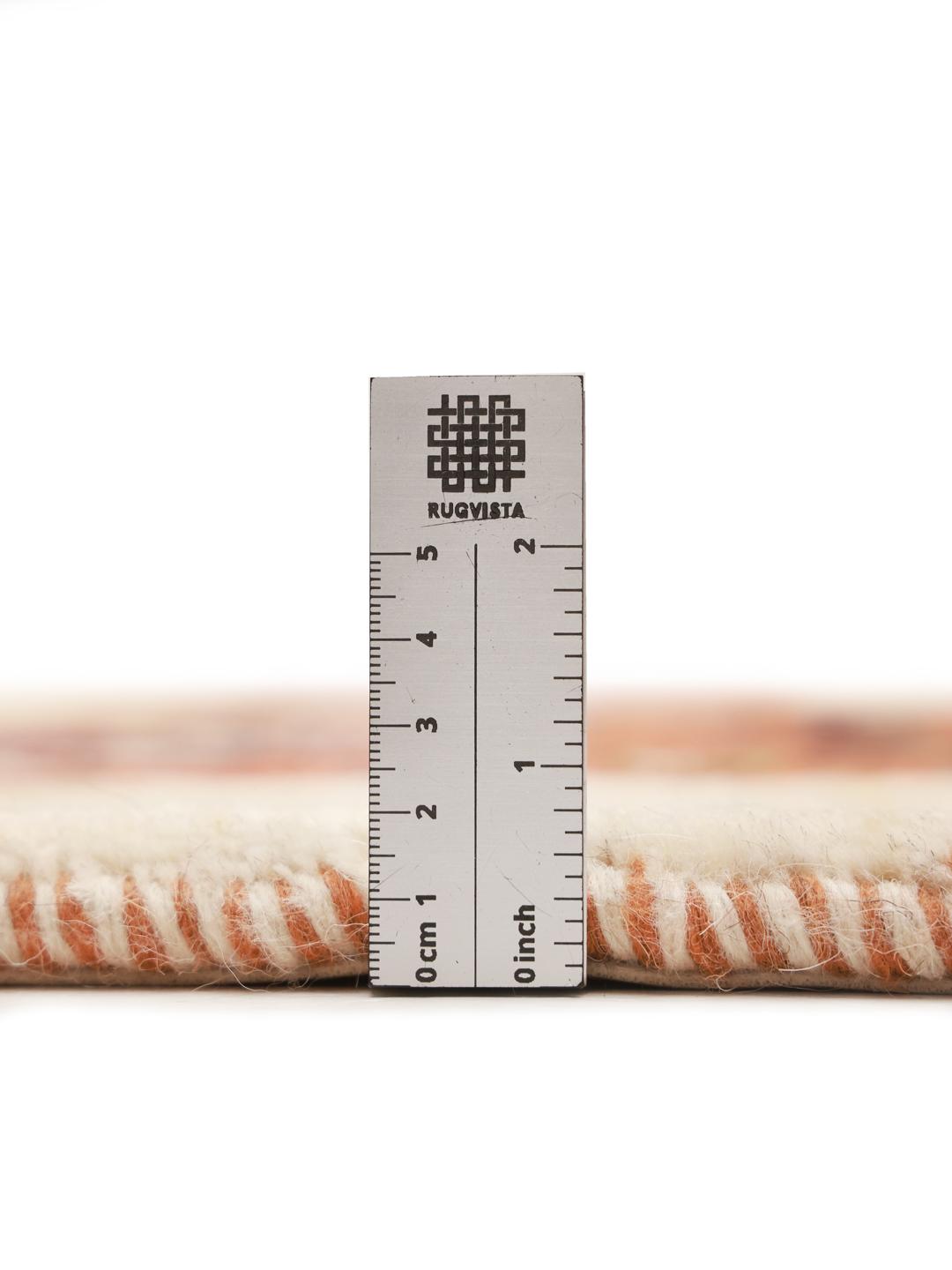
The term Loribaft refers to a style of rug that is known for its thicker, coarser weave compared to other fine regional rugs. This construction choice was intentional, designed to provide superior insulation against the cold floors of nomadic tents, resulting in a durable and highly practical floor covering.
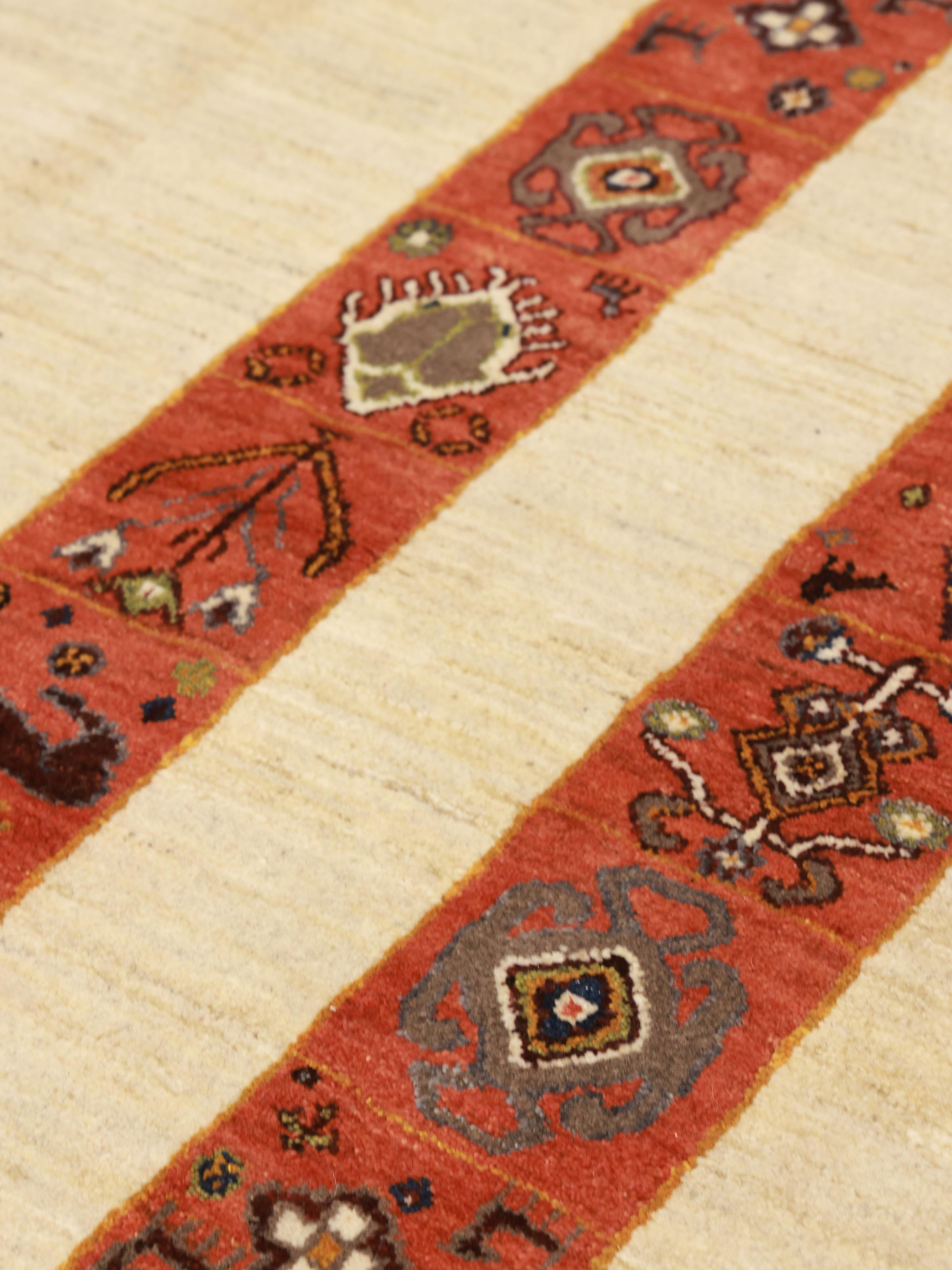
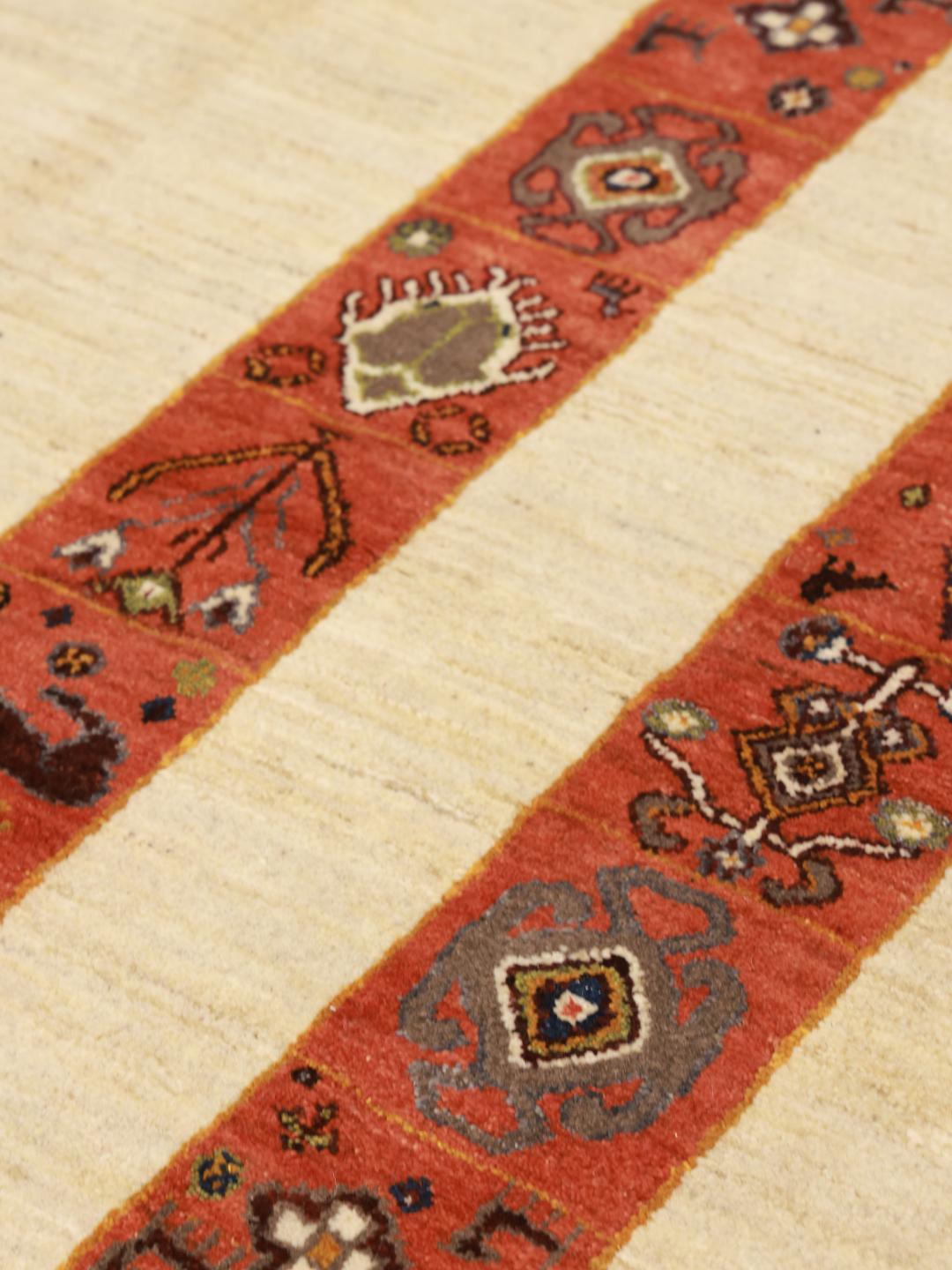
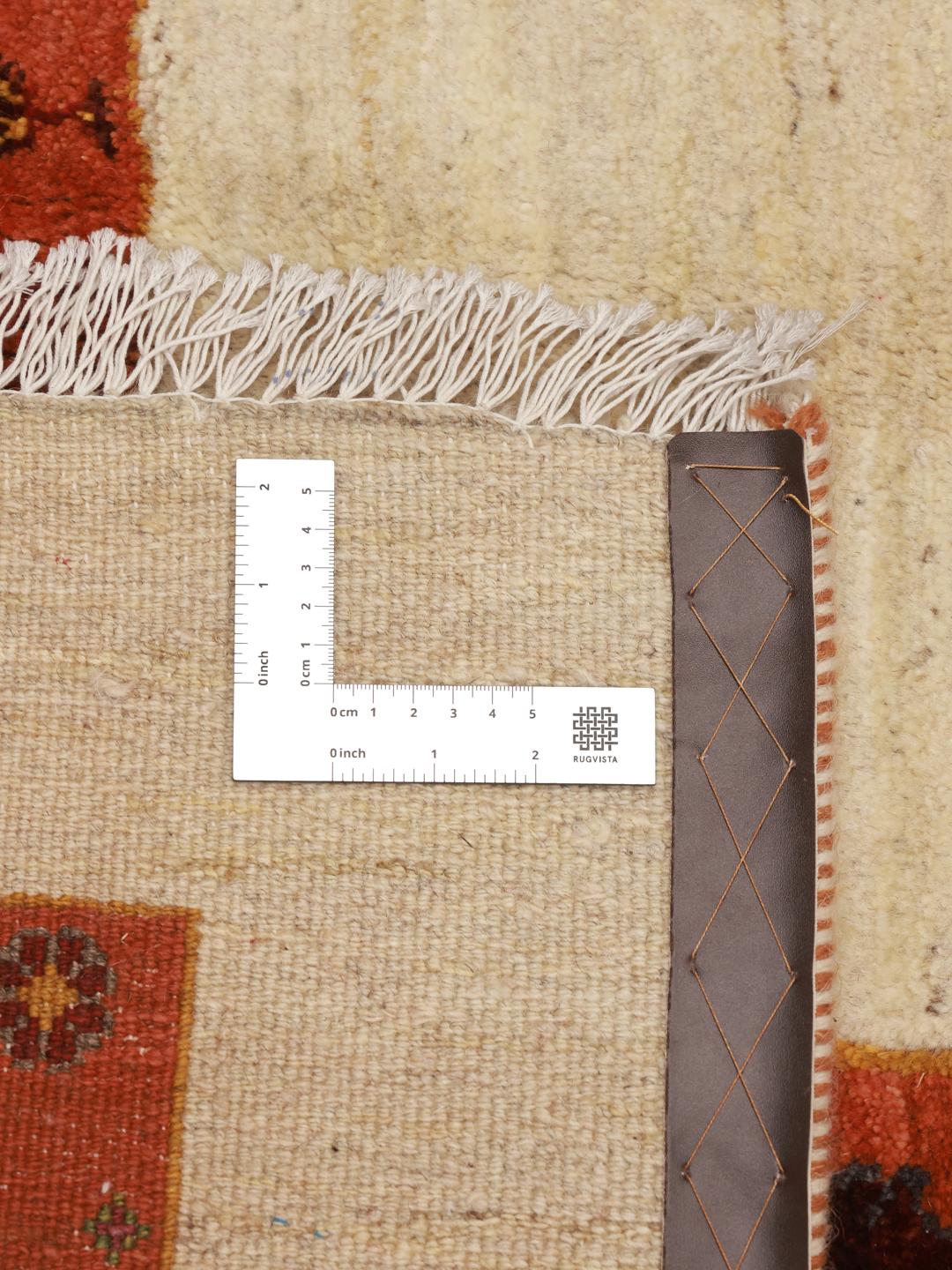
Visually, these rugs are celebrated for their use of negative space, often featuring large, open fields in natural, undyed tones. The borders are frequently decorated with geometric tribal motifs, such as stylised animals or plants, which provide a striking contrast to the simplicity of the centre of the rug.
Collecting a Loribaft rug is an opportunity to own a piece of cultural heritage that has been refined over generations. They are highly valued for their honest, rustic appeal and the way they bridge the gap between traditional craft and contemporary living, offering both aesthetic beauty and lasting utility.