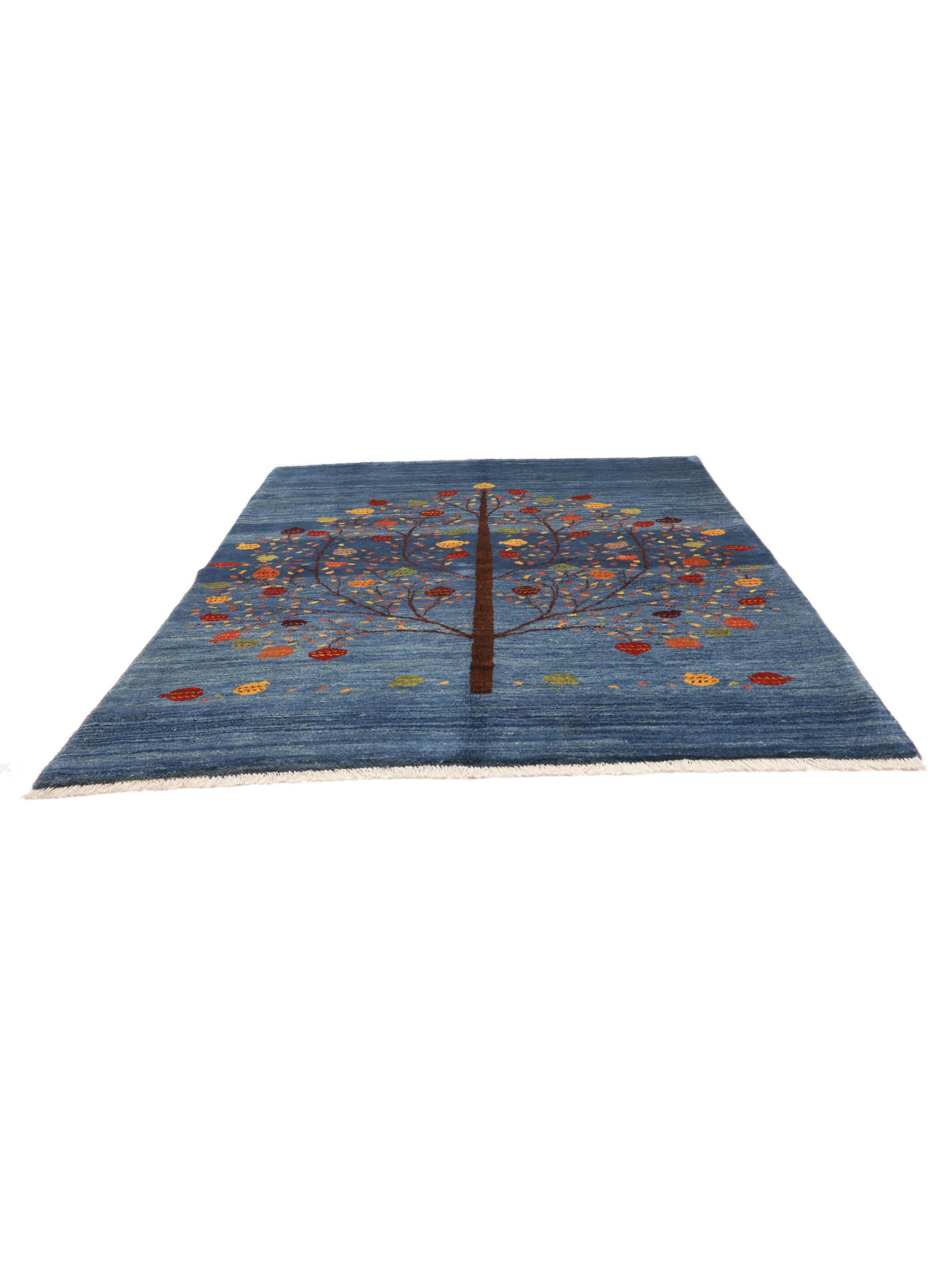
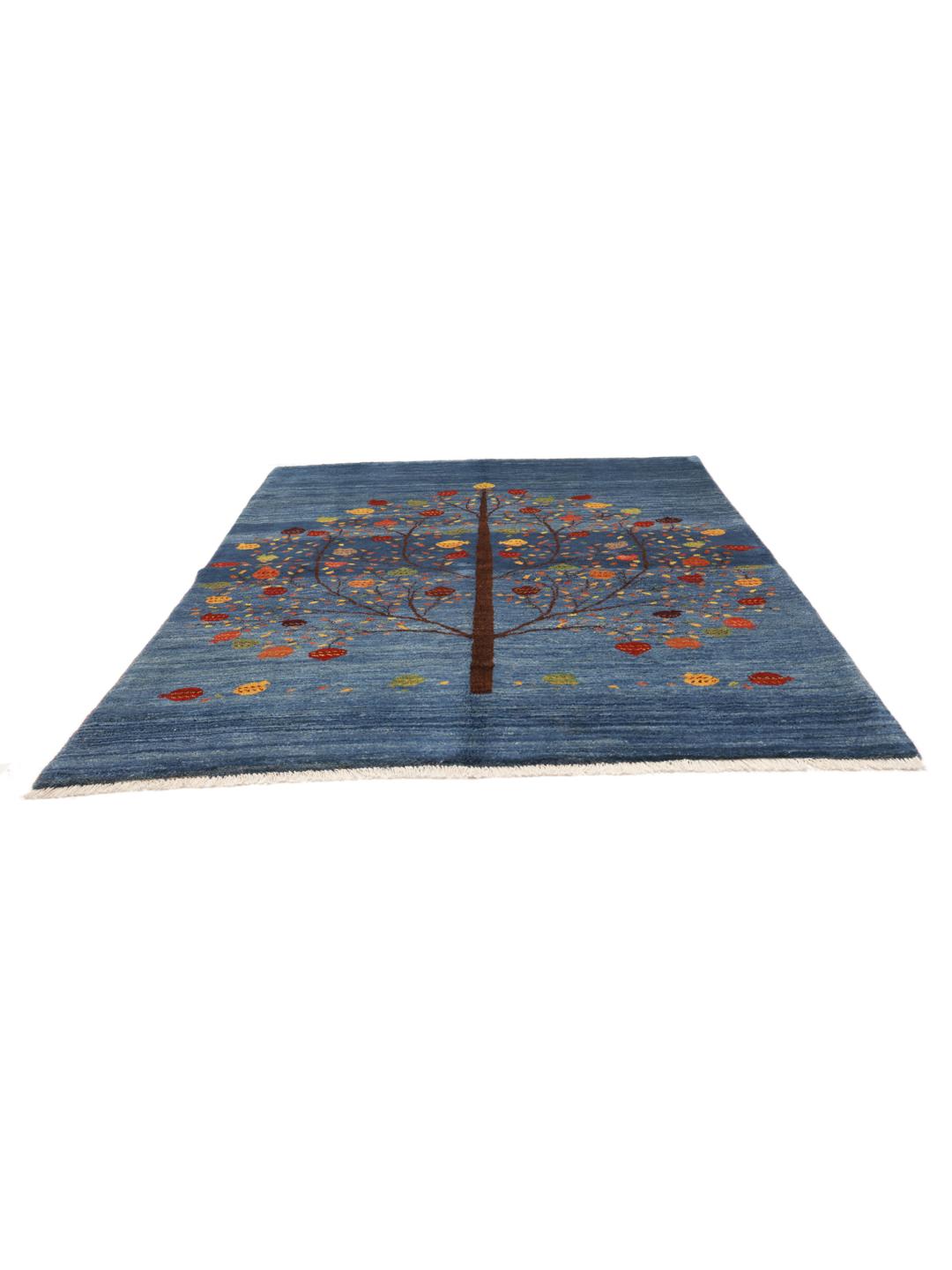
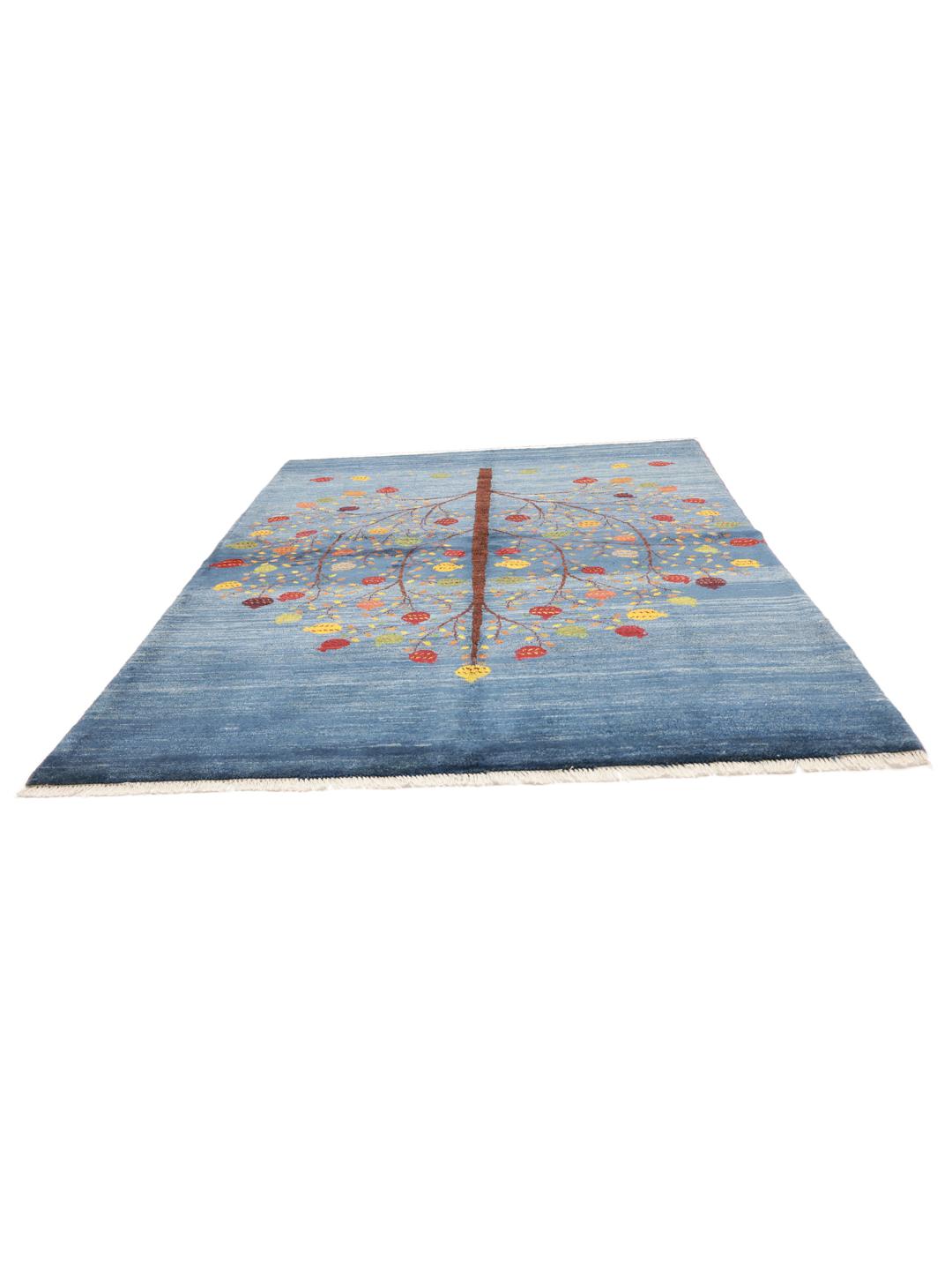
The Loribaft rug tradition is deeply rooted in the nomadic heritage of the Middle East, specifically associated with the Luri and Qashqai tribes. These weavers have long been celebrated for their ability to create rugs that are not just floor coverings, but visual narratives of their natural surroundings. The term Loribaft refers to this specific style of weaving, which emphasises a thicker, softer pile and a more relaxed, spontaneous approach to pattern design compared to formal court rugs.
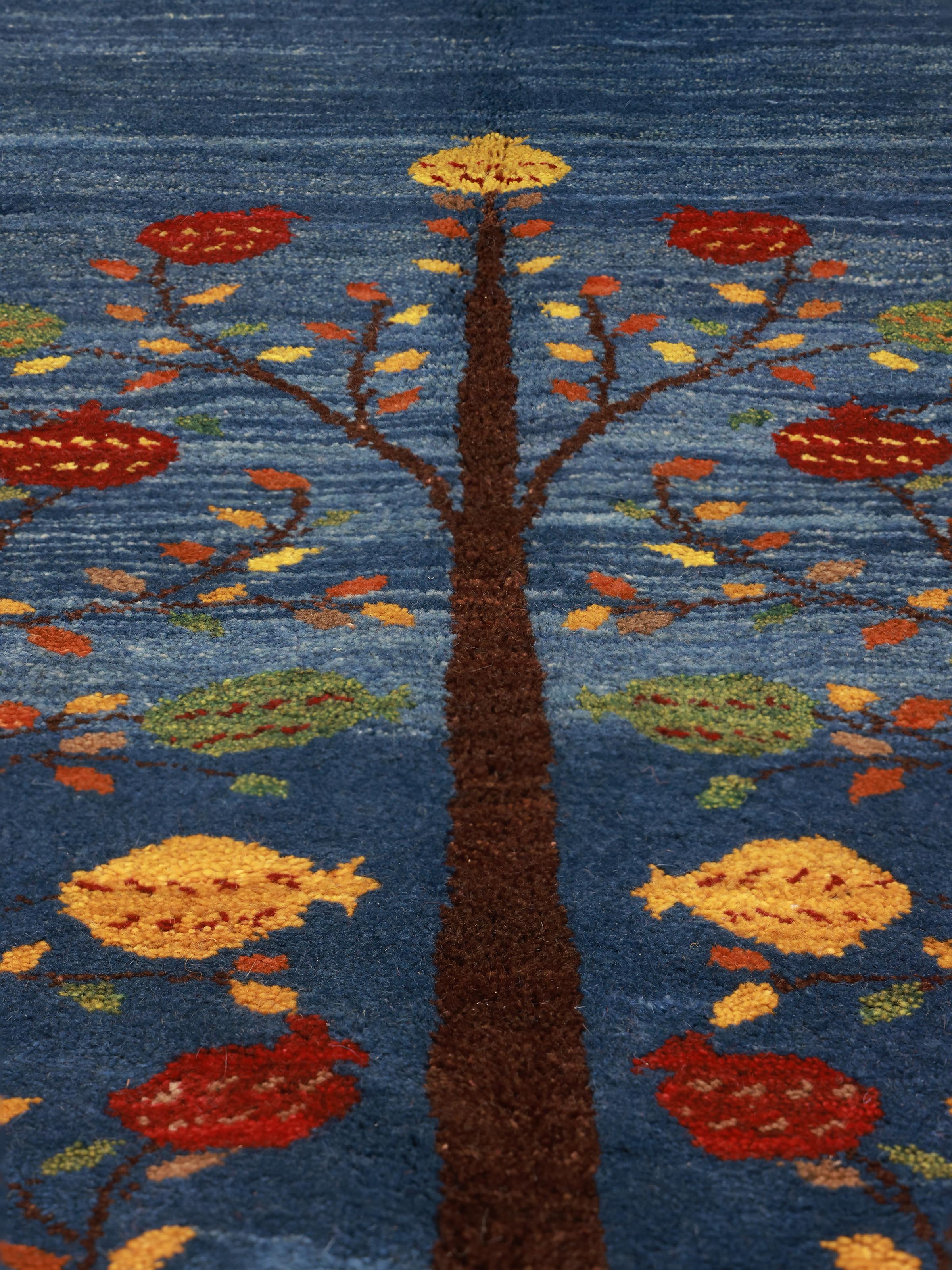
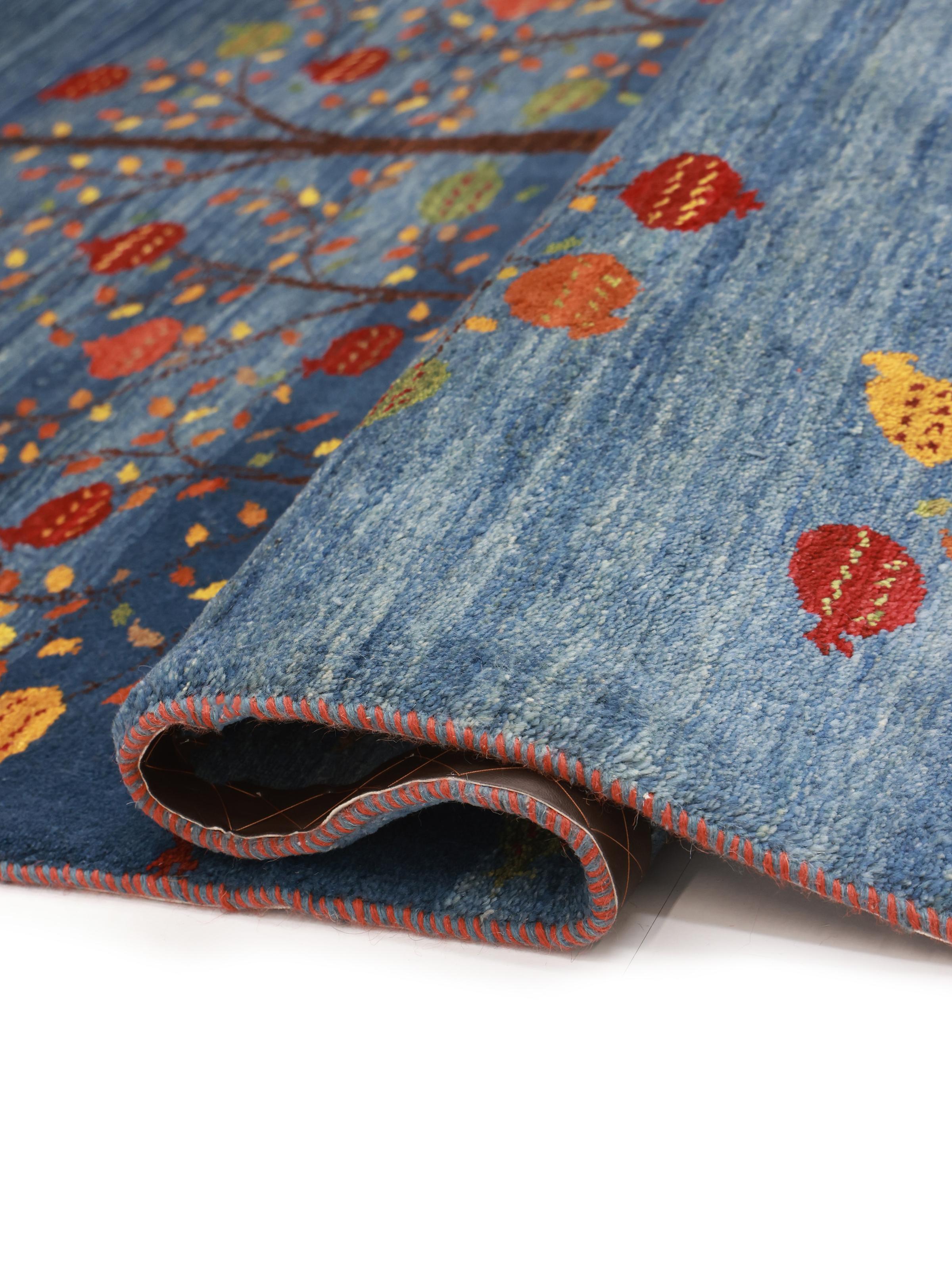
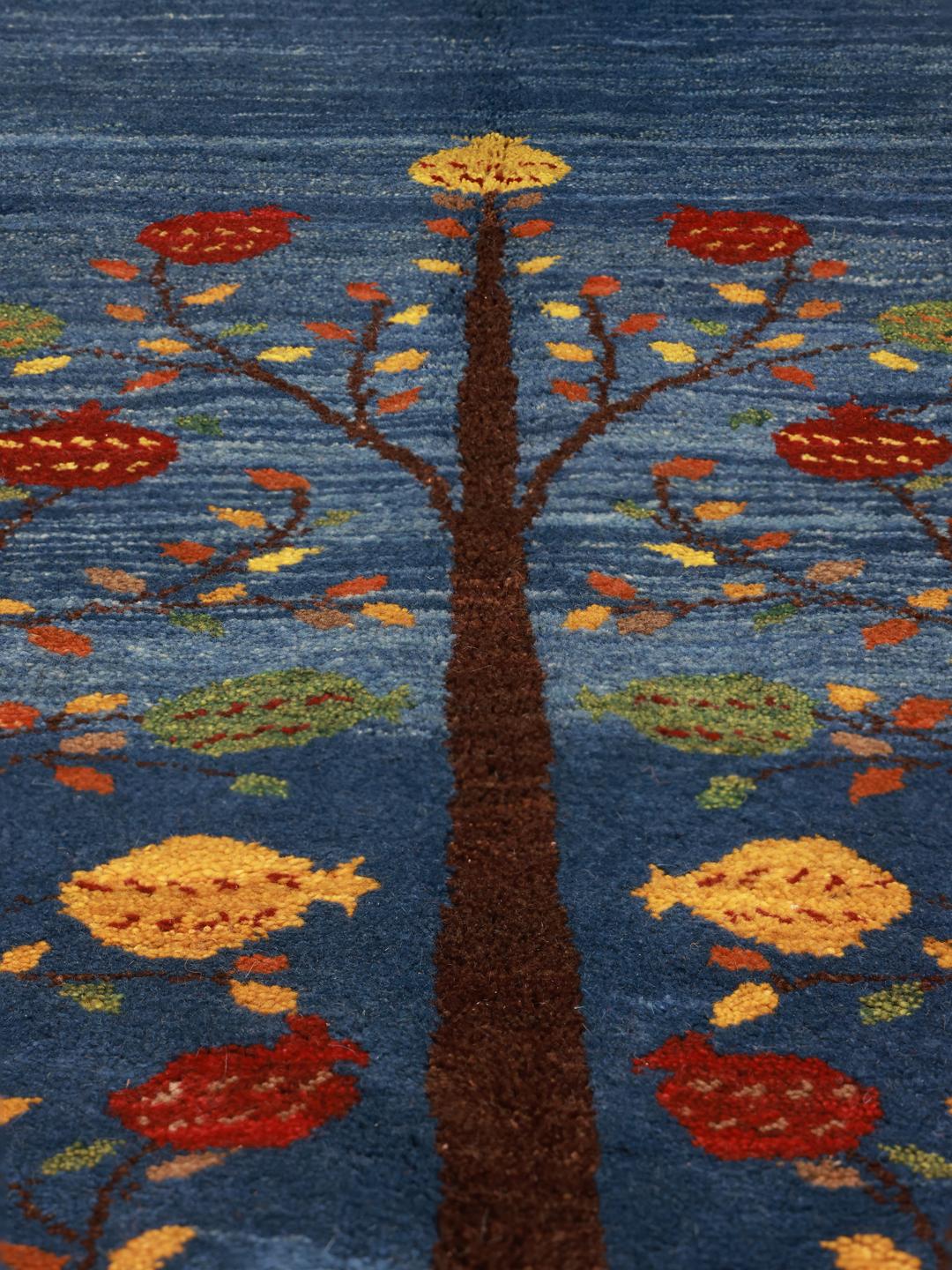
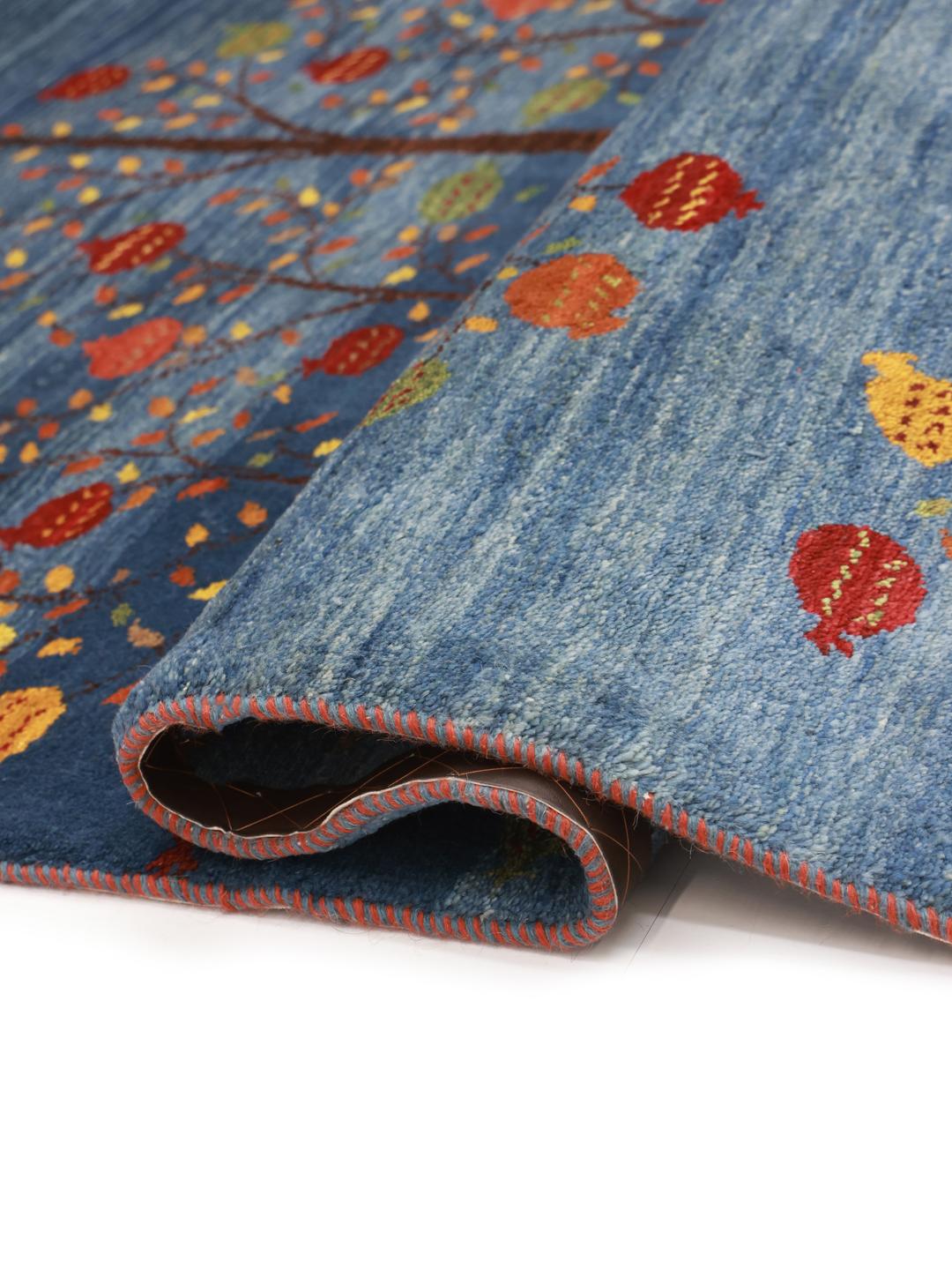
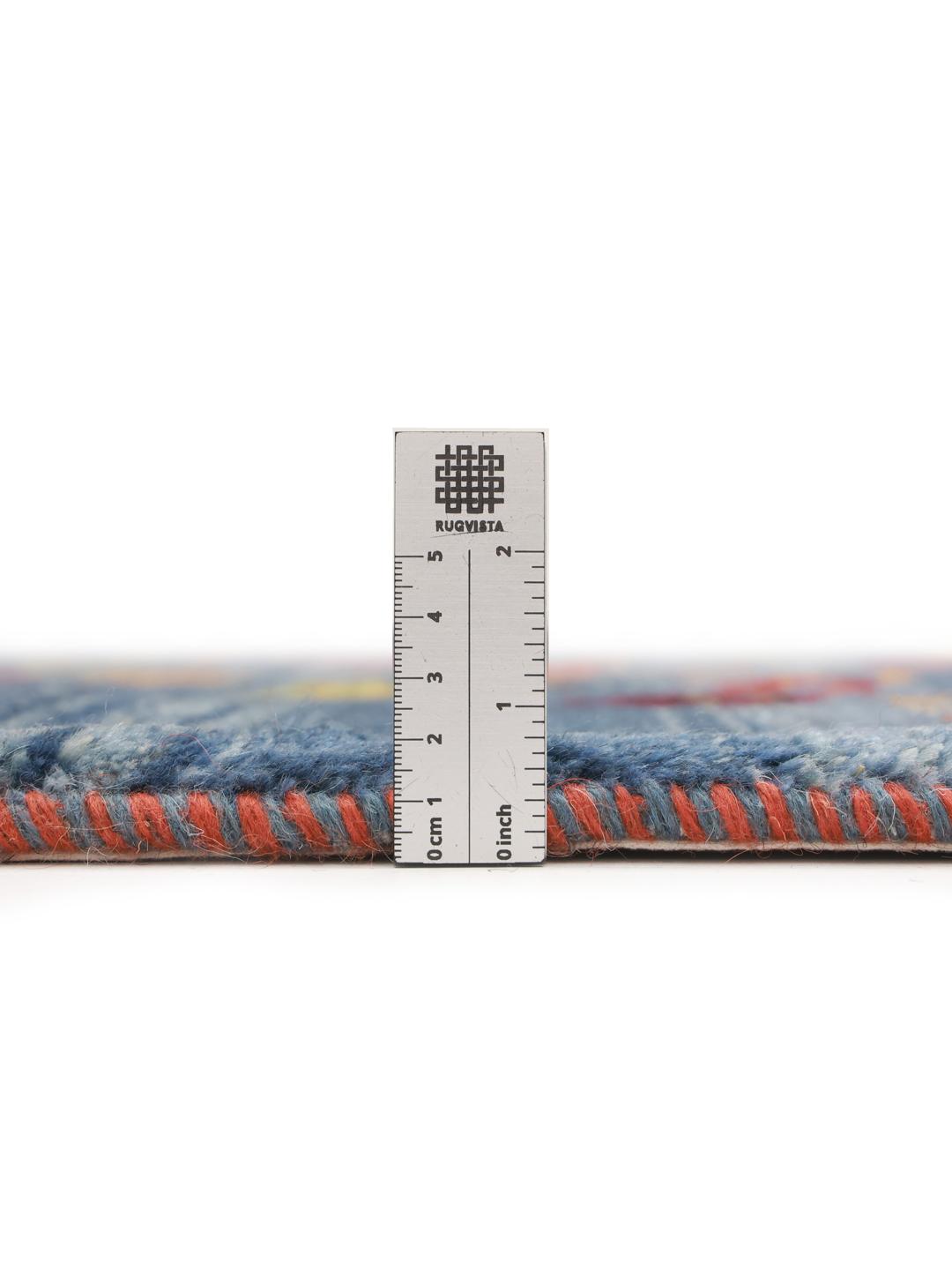
The technique behind these rugs often involves the use of hand-spun wool, which is then dyed using traditional methods to achieve deep, rich colours. This process is essential for the characteristic texture of a Loribaft, where the slightly uneven, organic feel of the wool adds to the rug’s charm. The density of the pile is a hallmark of the craft, providing a plush, inviting surface that is synonymous with the nomadic comfort these rugs were originally designed to provide.
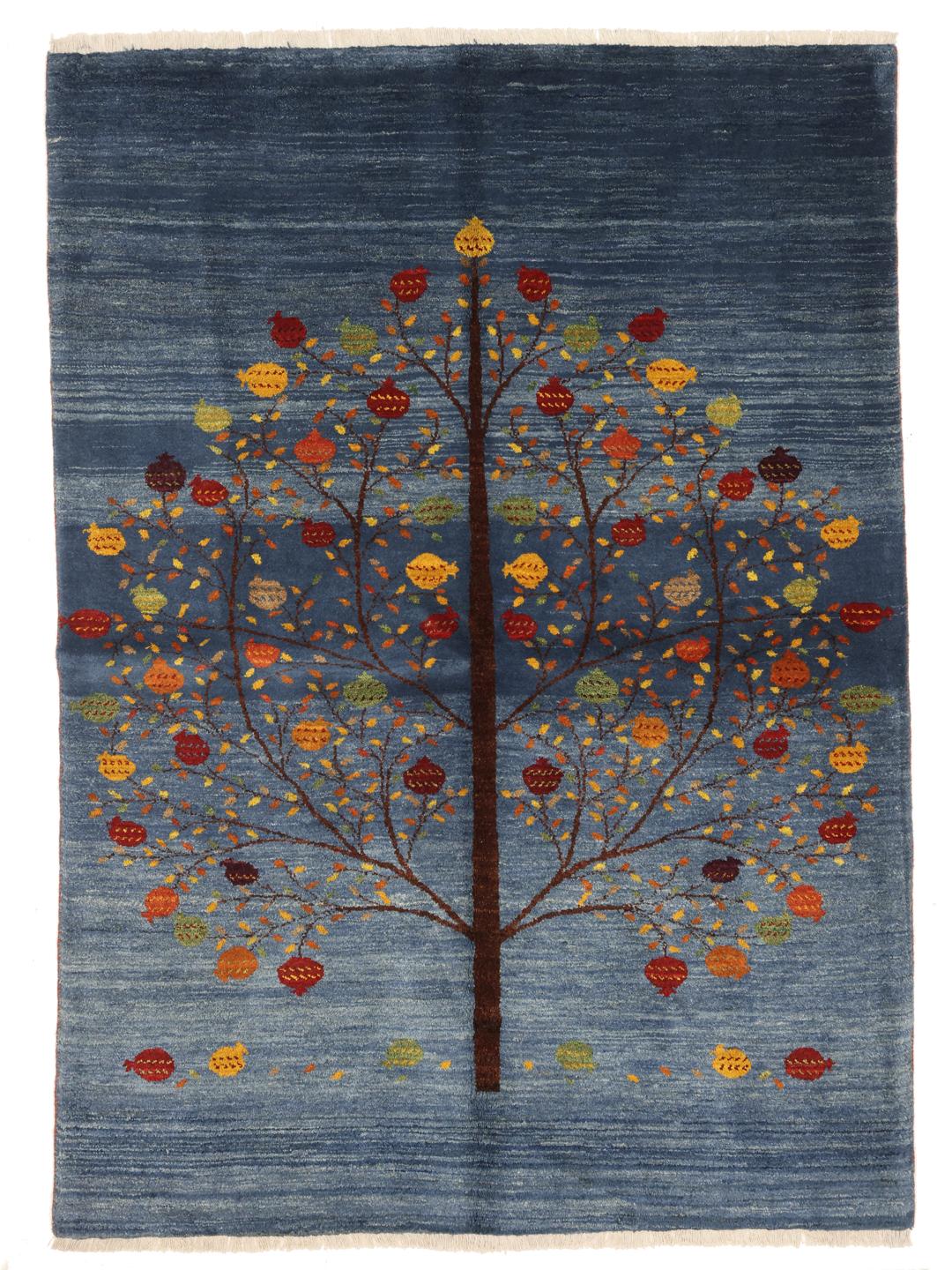
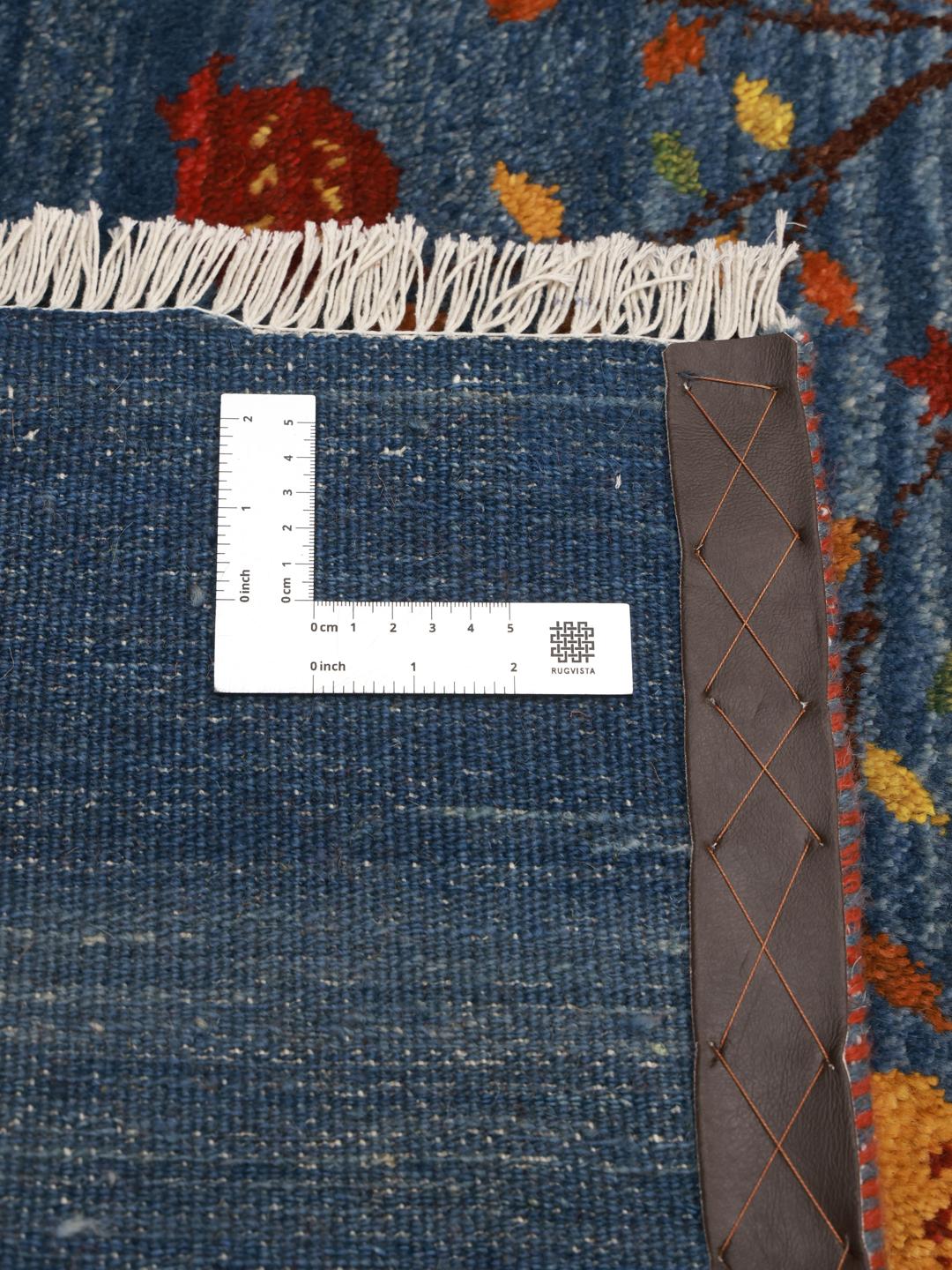
Signature design elements often include the tree of life, a powerful symbol of growth, fertility, and the connection between the earth and the heavens. In this piece, the tree is rendered with stylised fruits and leaves, showcasing the weaver's artistic interpretation of nature. The use of a vibrant blue field is a bold departure from more muted, earthy tones often found in traditional tribal rugs, making this a particularly expressive example of the form.
These rugs are highly valued by collectors for their authenticity and the human element present in every fibre. Owning a Loribaft means preserving a piece of cultural history that prioritises individual creative expression over mass production. It is a testament to a tradition that values skill, patience, and the ability to find beauty in the everyday, making these rugs treasures that gain character and significance over time.