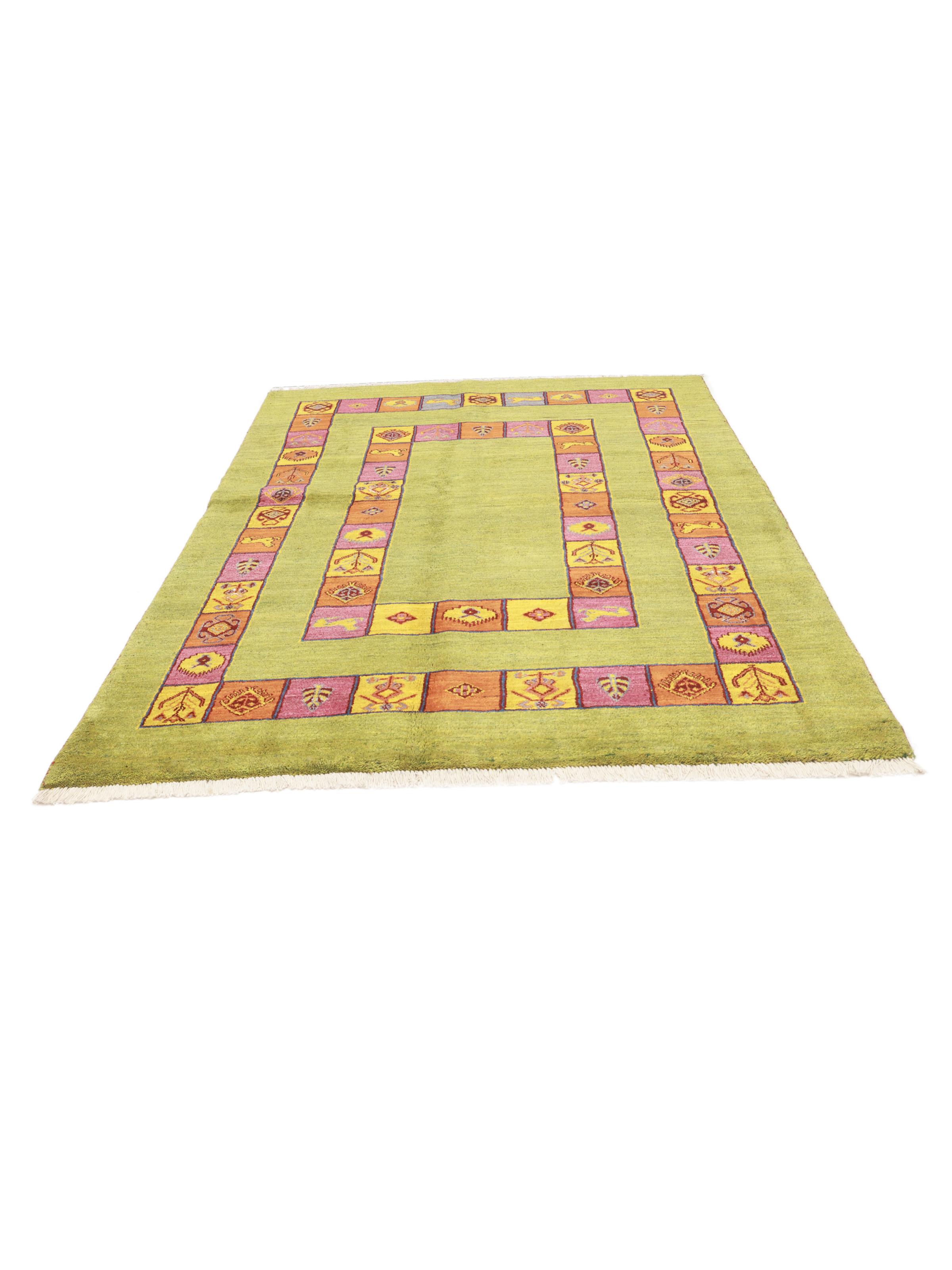
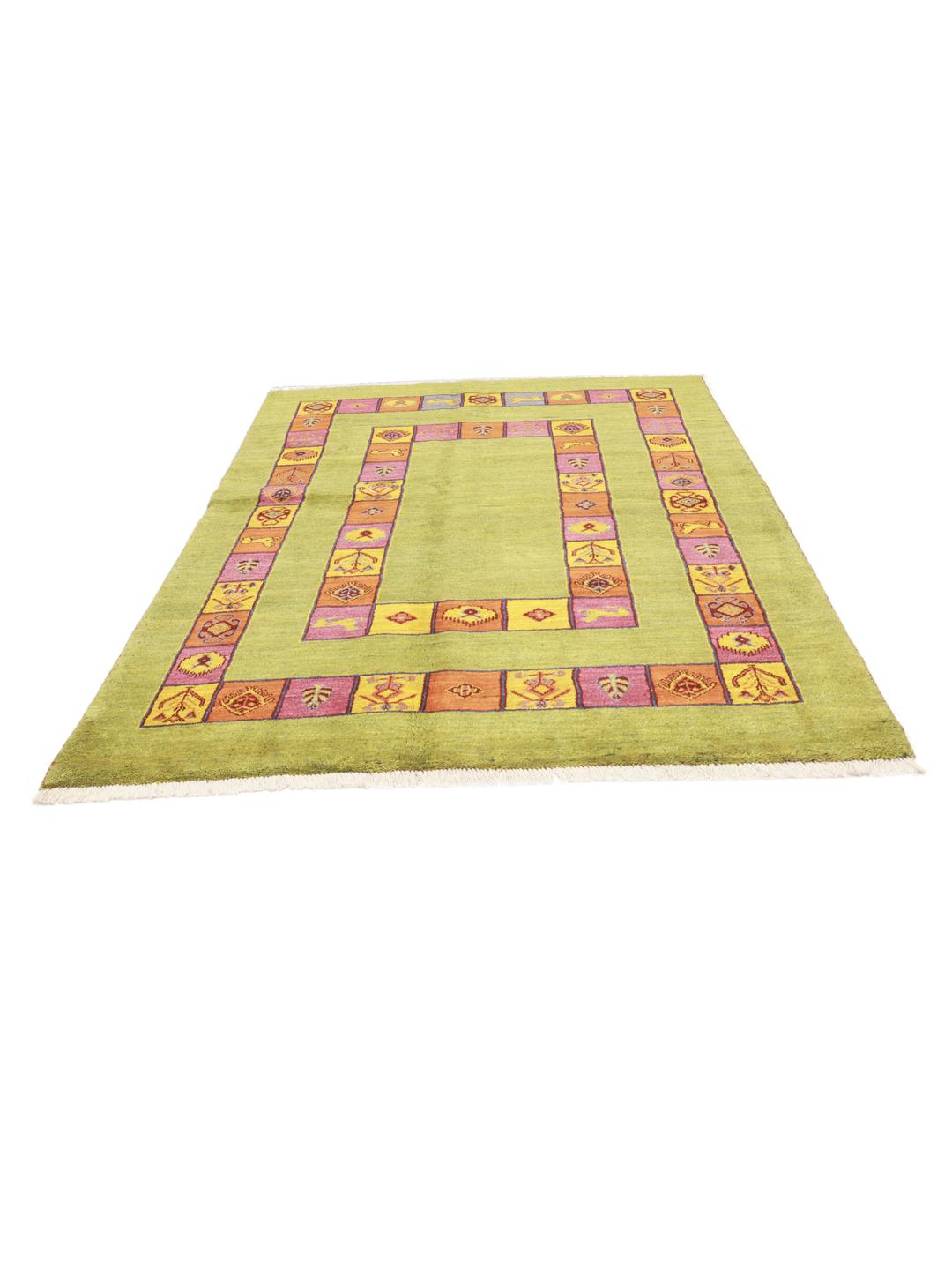
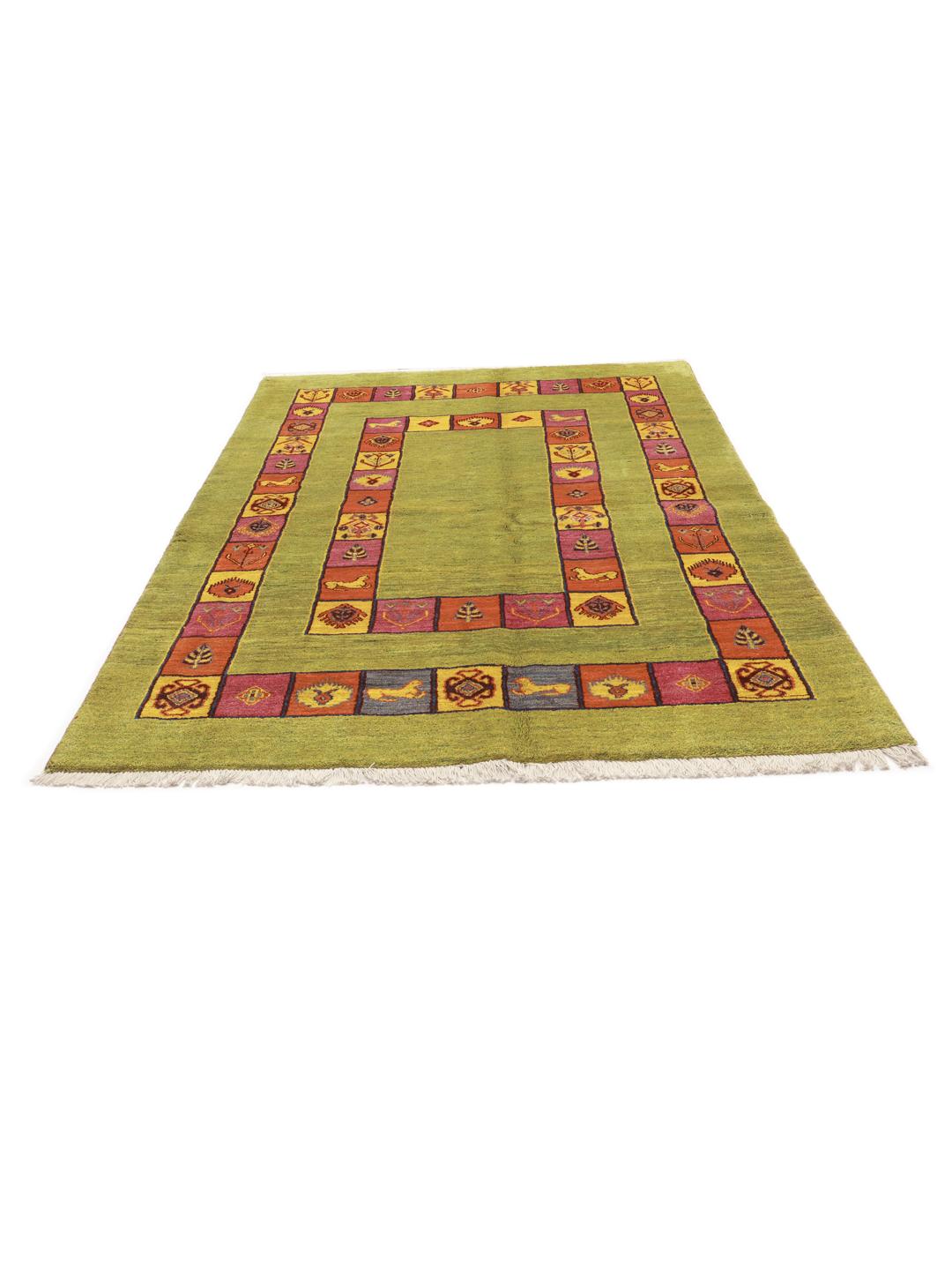
Loribaft rugs originate from the tribal regions of the Middle East, where the craft has been passed down through generations of nomadic weavers. These rugs are deeply tied to the history of the tribes, who historically used their weaving as a way to document their environment, beliefs, and daily lives through abstract and symbolic design.
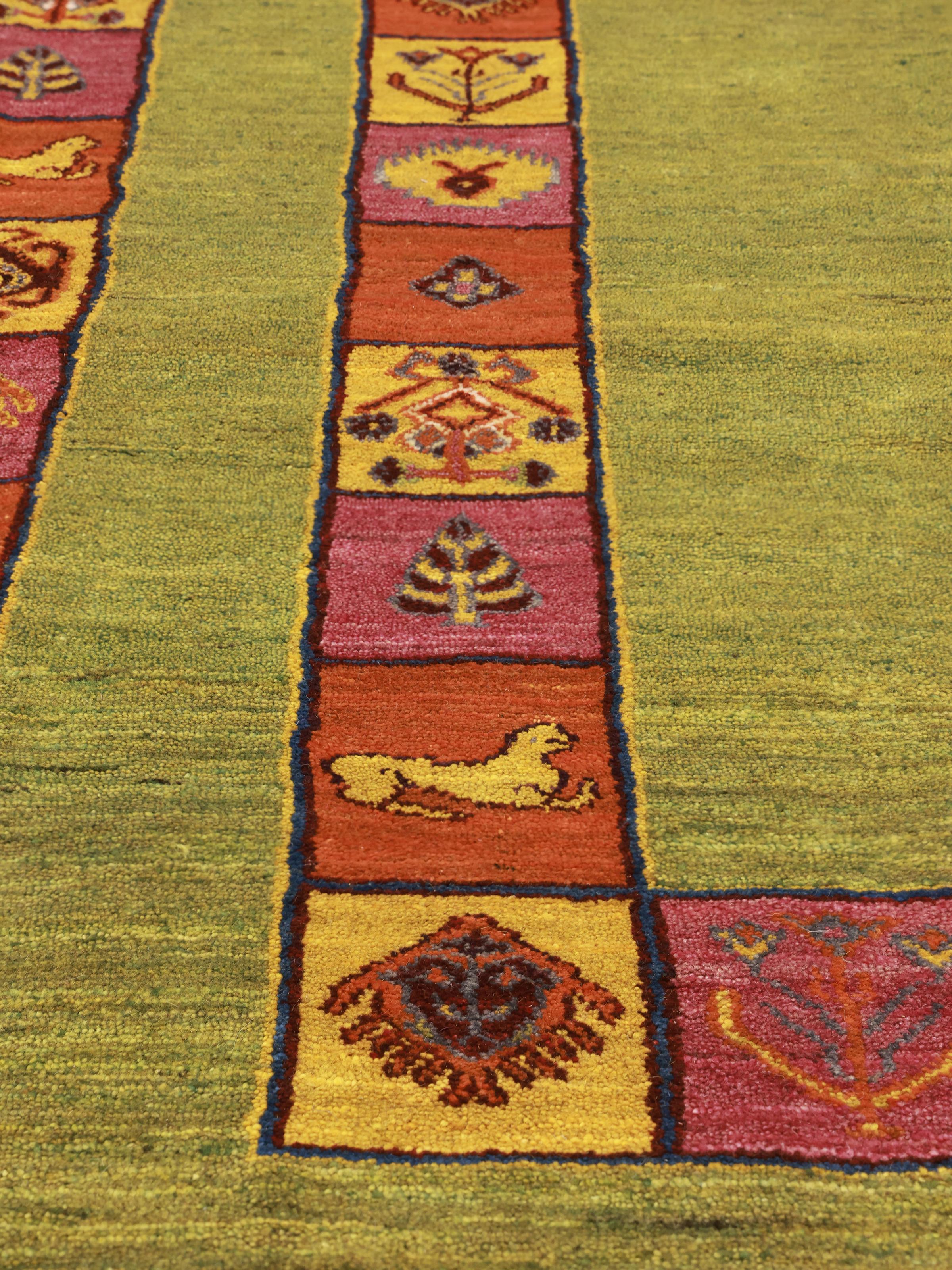
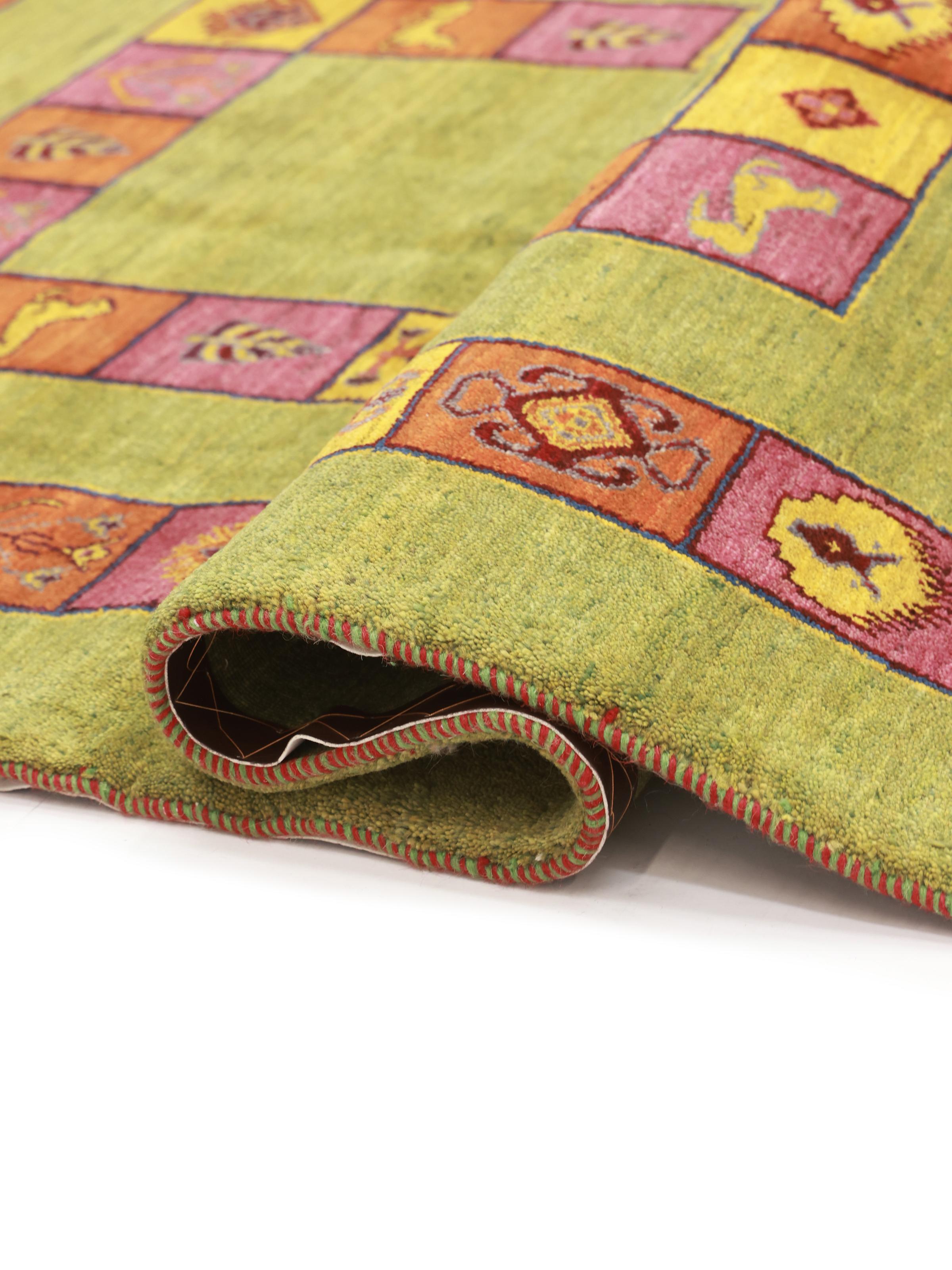
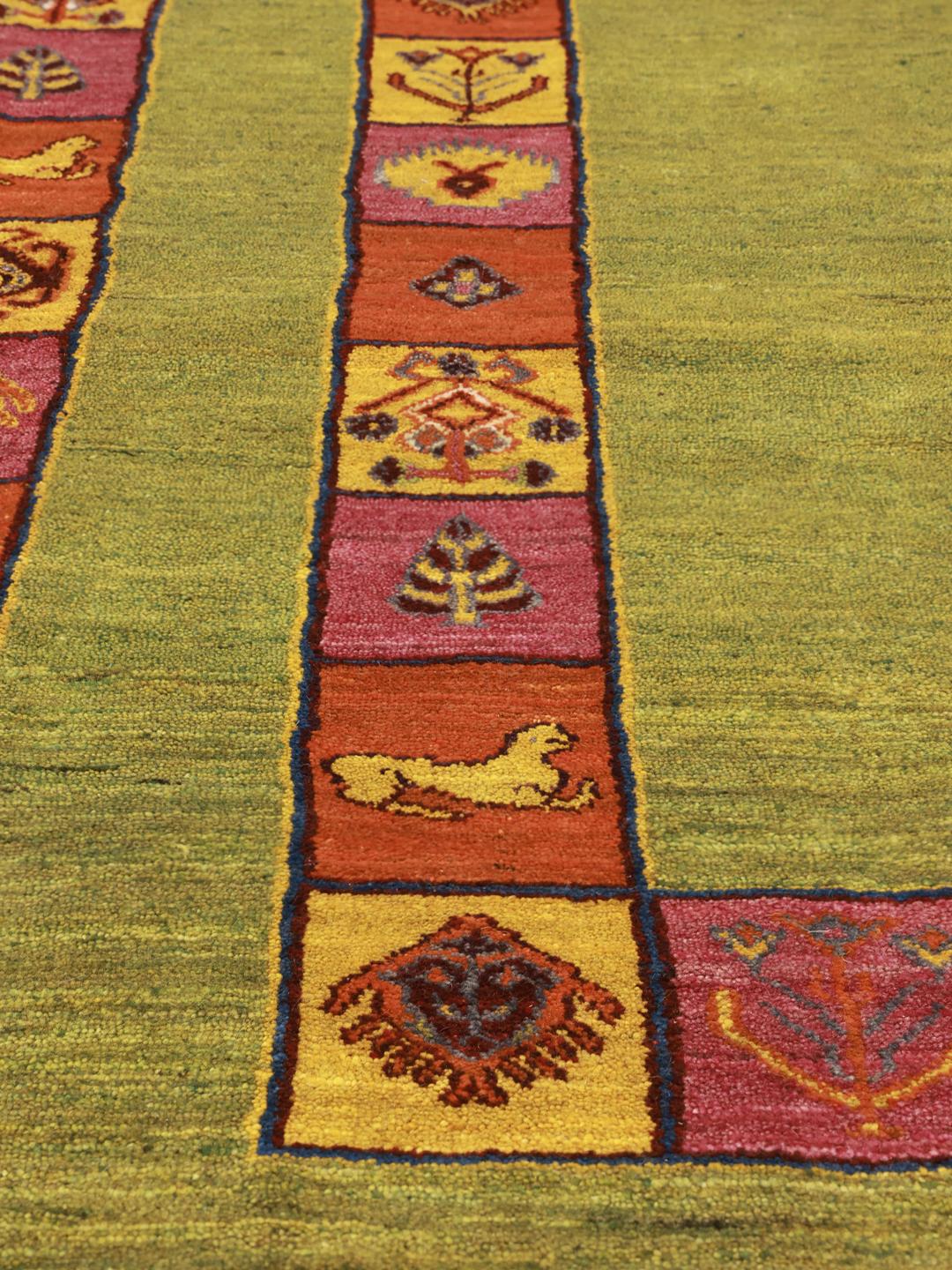
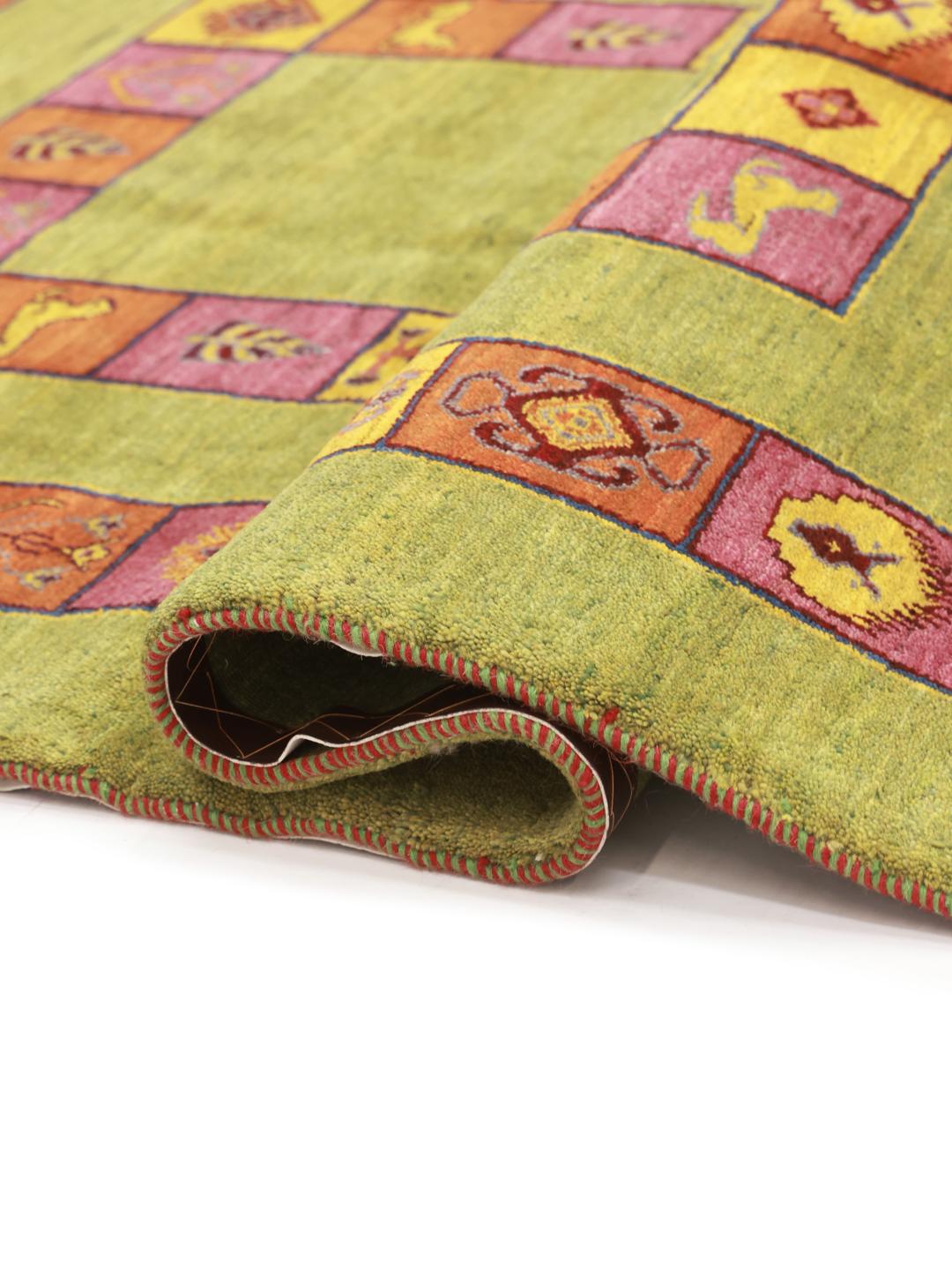
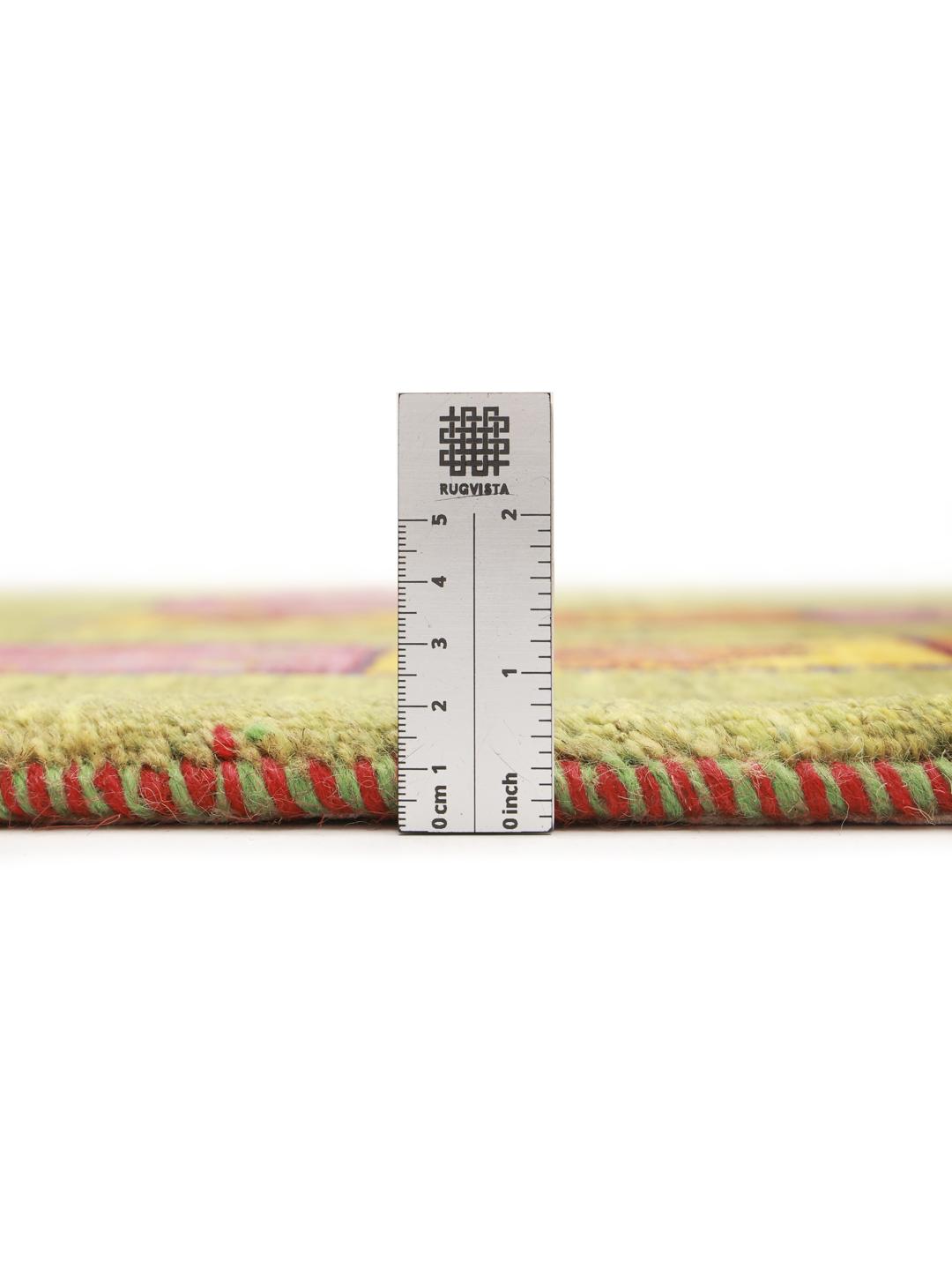
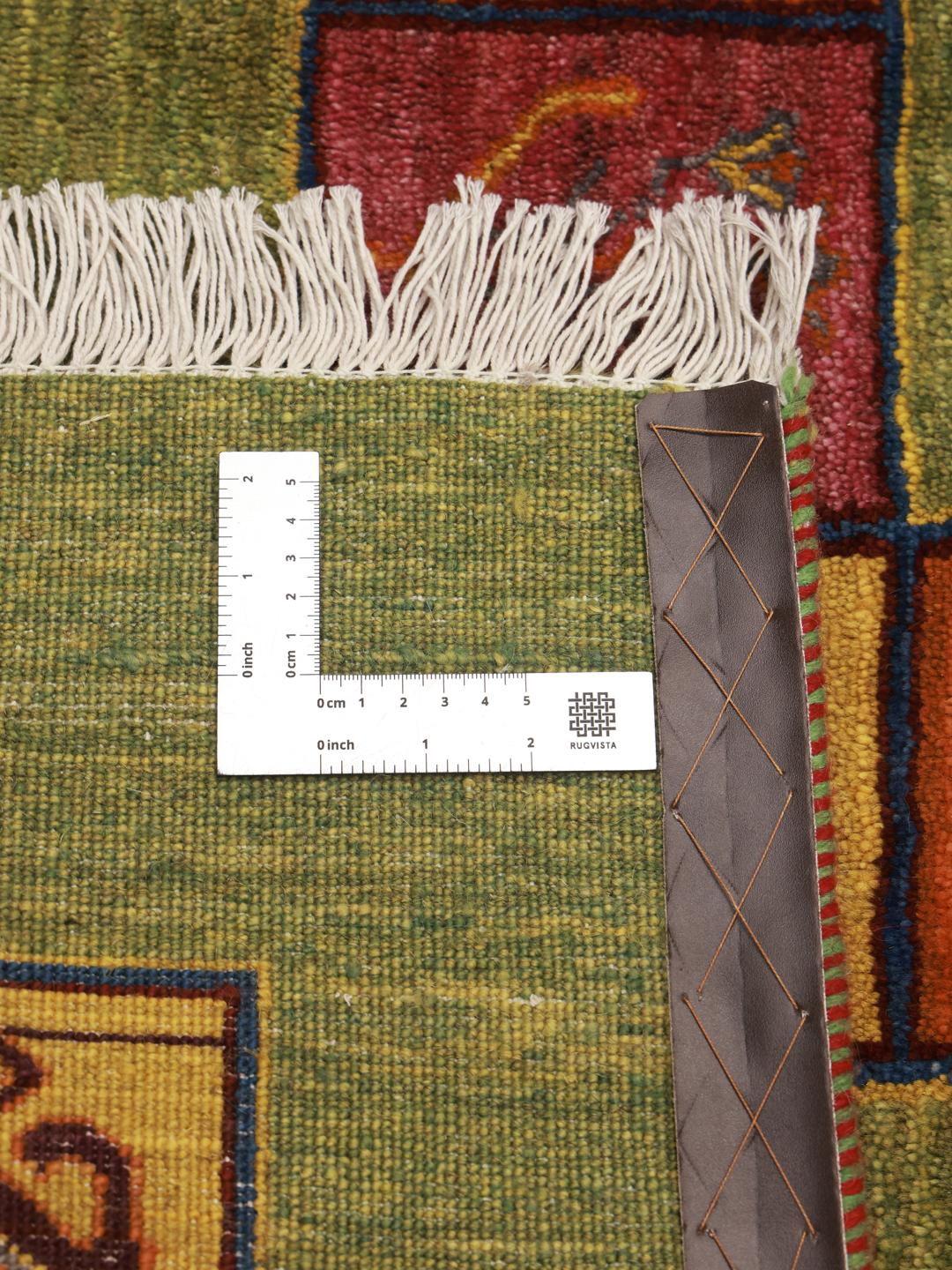
The term 'Baft' refers to the weaving technique itself, which is celebrated for its focus on a soft, thick pile that feels exceptionally comfortable. Unlike more formal, city-made rugs that might focus on intricate, curvilinear patterns, the Loribaft style is prized for its more open fields and expressive, chunky knotting that highlights the raw, natural quality of the Wool.
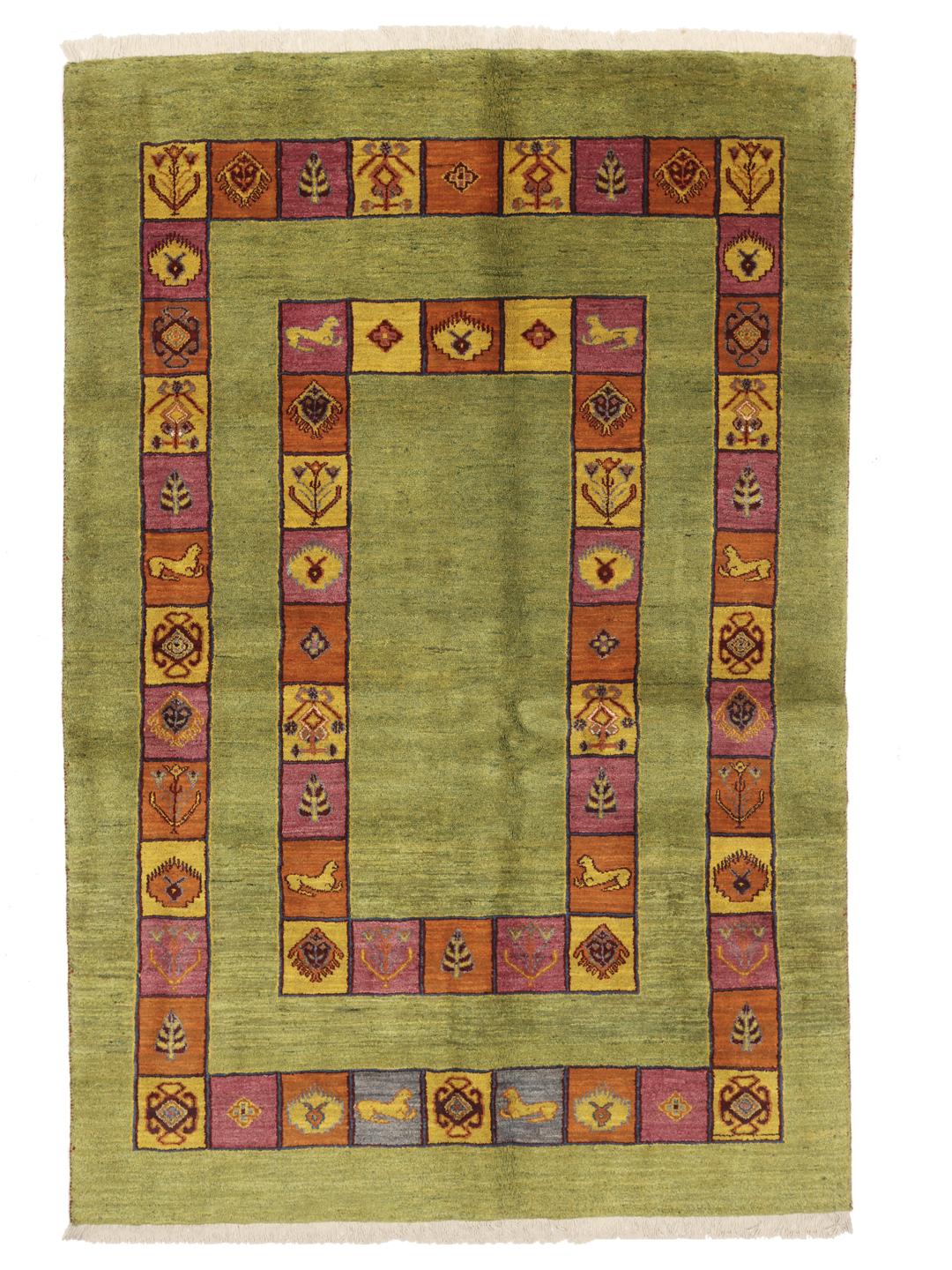
The design language of this rug is defined by its use of symbolic motifs, often including stylized animals, plants, and geometric shapes that hold deep cultural significance. The borders are typically framed with repeating patterns that create a sense of harmony, while the central field is left more open, allowing the natural depth of the Wool and the vibrancy of the dyes to take centre stage.
Today, these rugs are highly valued by collectors who appreciate the blend of authentic tribal heritage and artistic freedom. Owning a Loribaft is an opportunity to connect with a centuries-old tradition of nomadic craftsmanship, ensuring that the skill and cultural narrative of these weavers continue to be celebrated in modern homes.