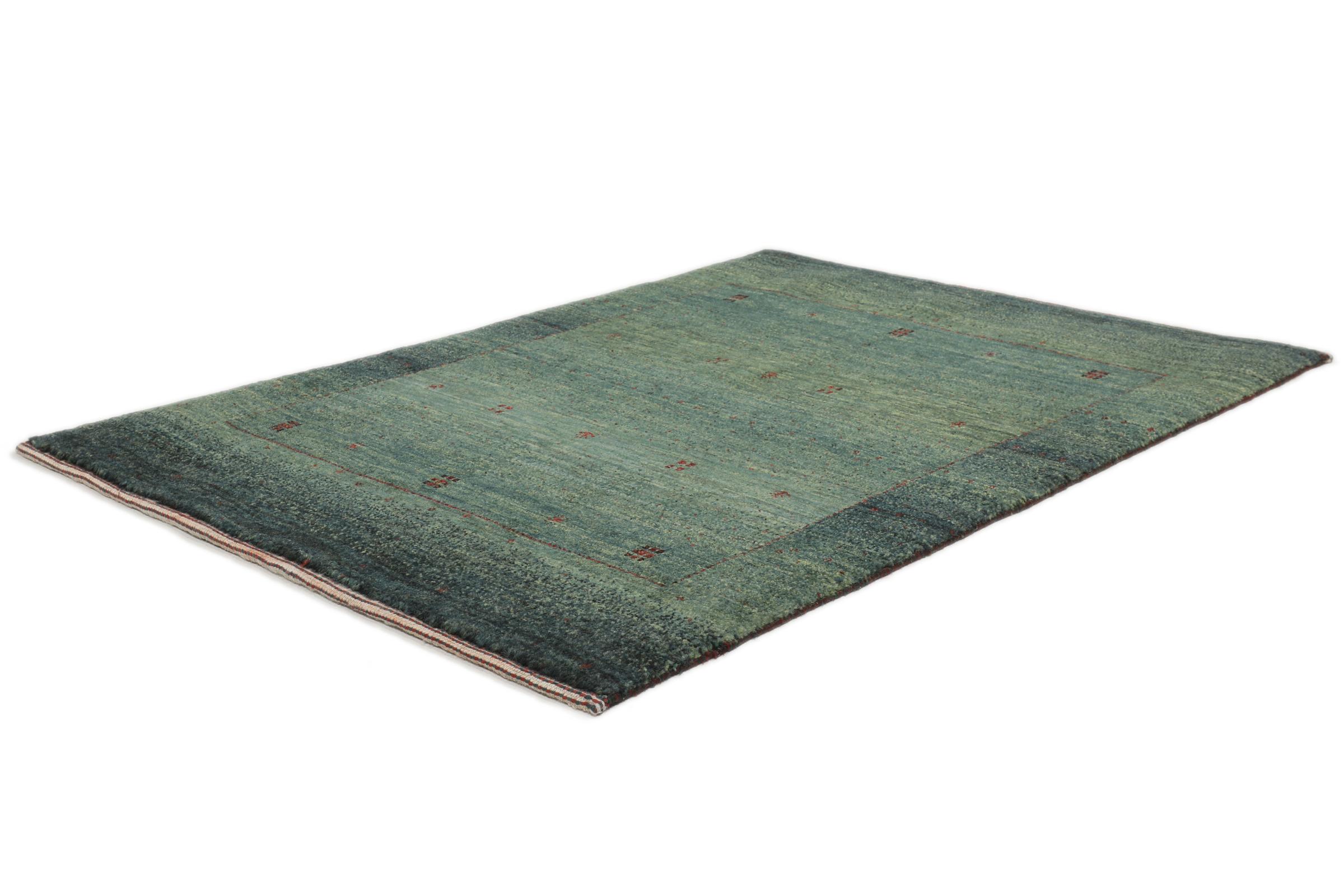
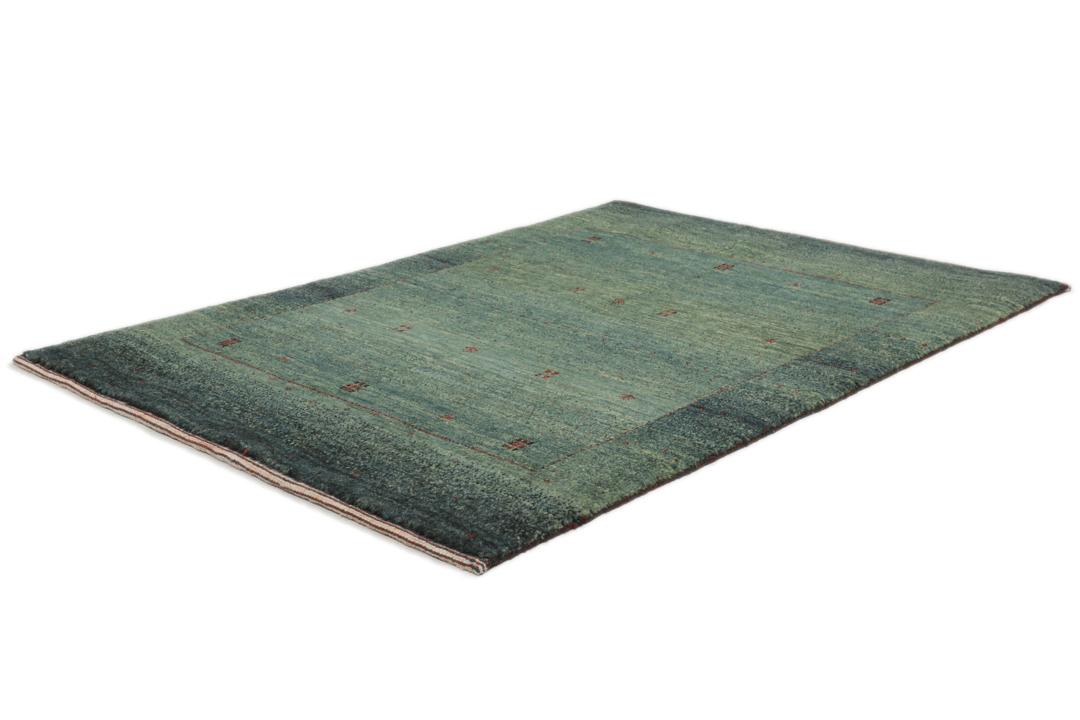
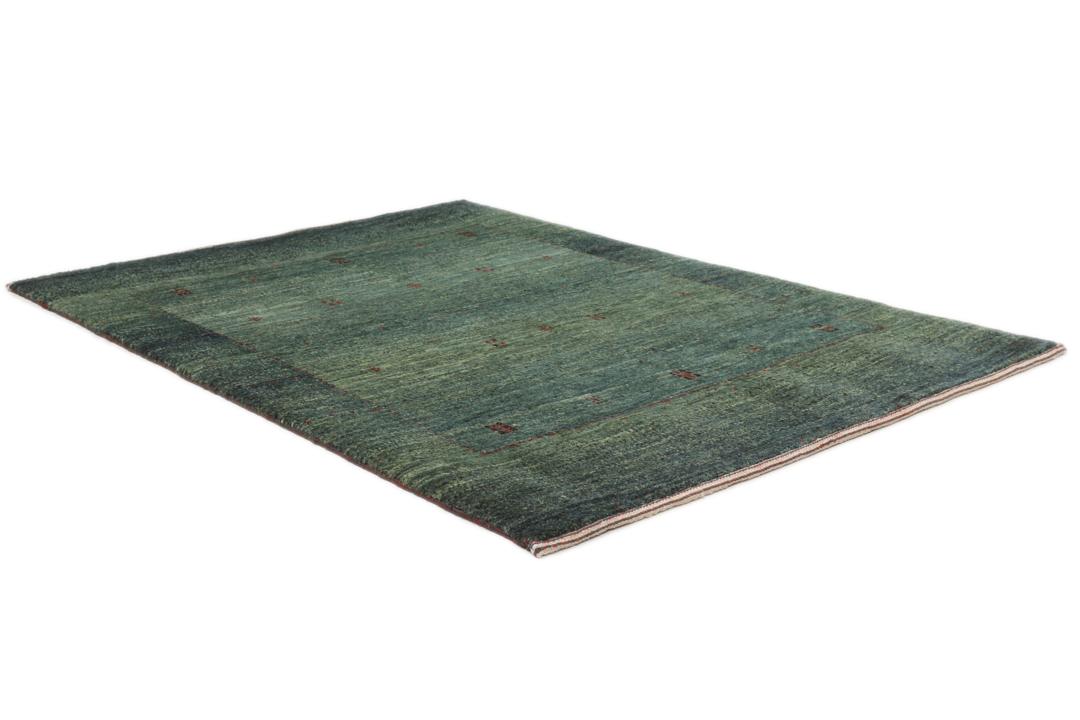
The Loribaft and Kashkooli traditions are deeply rooted in the weaving heritage of the Middle East, specifically associated with the nomadic tribes of the Zagros Mountains. These rugs evolved from the functional, heavy-duty needs of tribal life, where wool was spun and dyed using natural pigments available in the landscape.
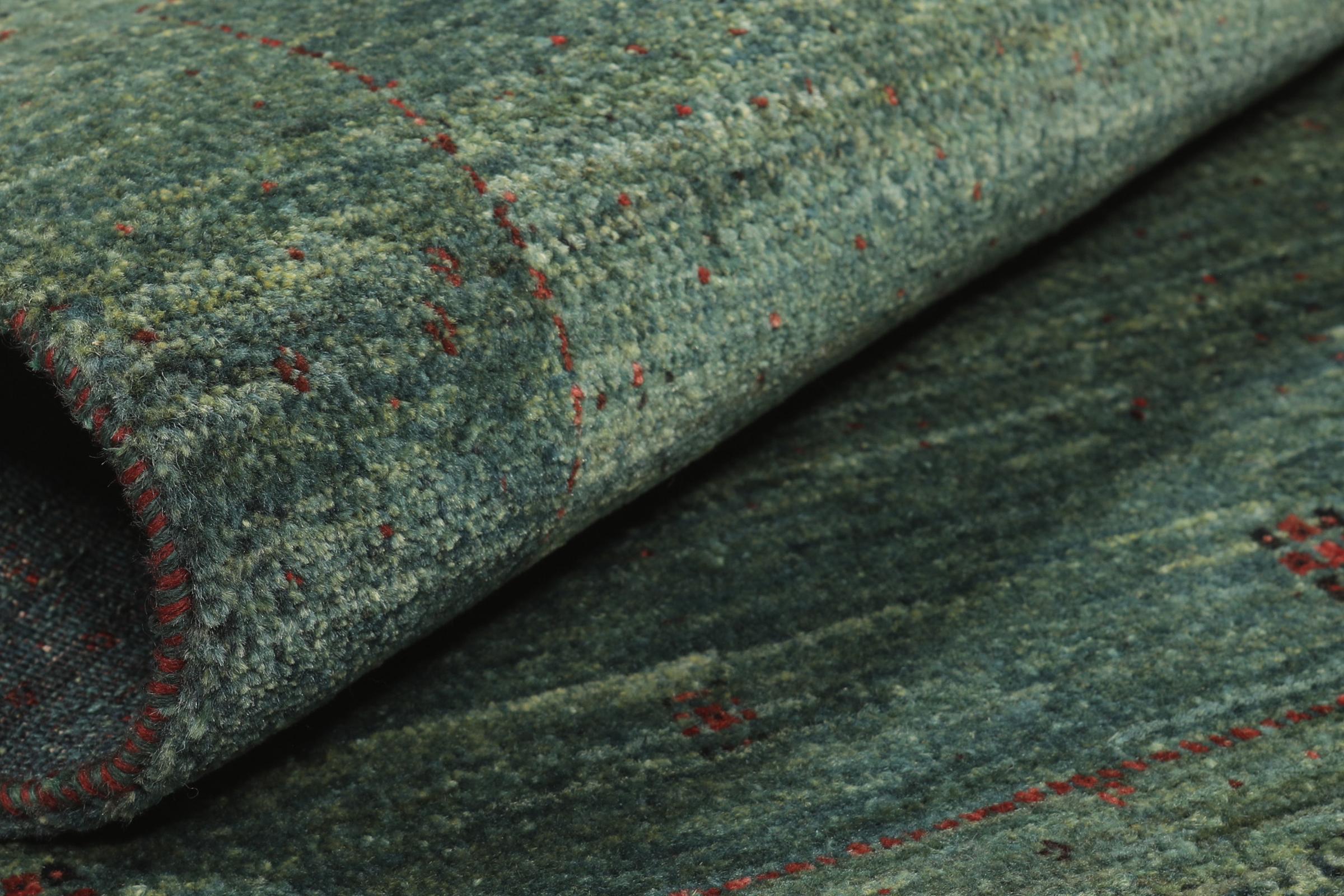
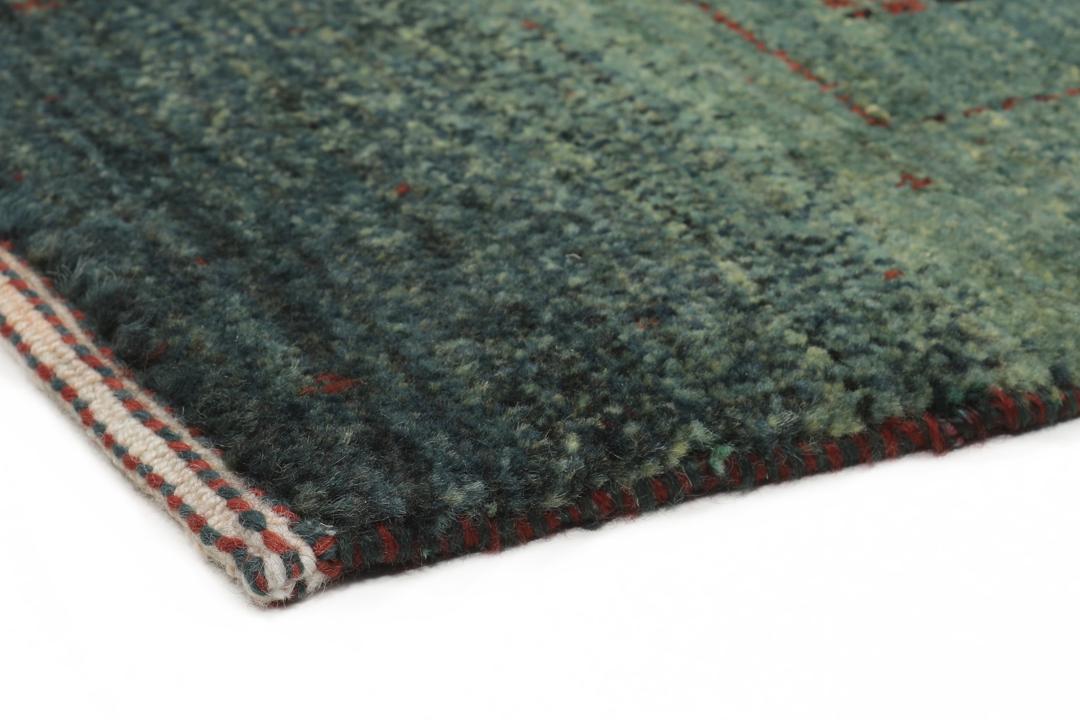
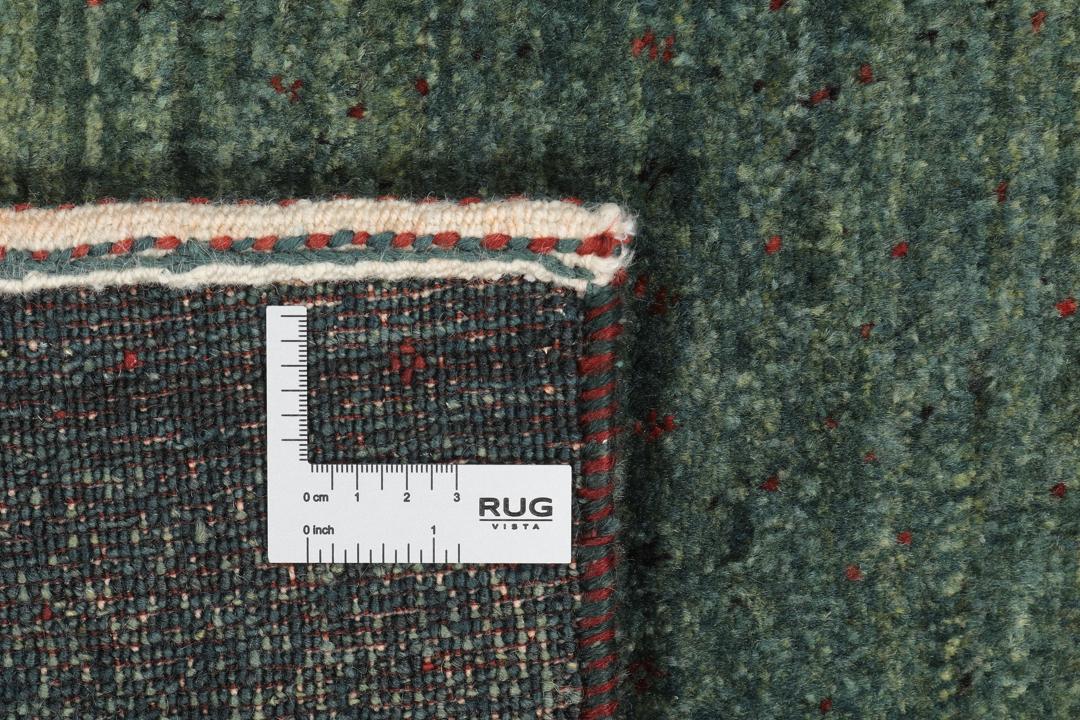
The 'Fine' designation in a Loribaft rug refers to a refinement of the traditional weaving style, where a higher knot count allows for a more polished surface and clearer patterns. This evolution from rugged, simple tribal blankets to more sophisticated, high-density textiles reflects a shift toward bringing the warmth of nomadic art into refined home settings.
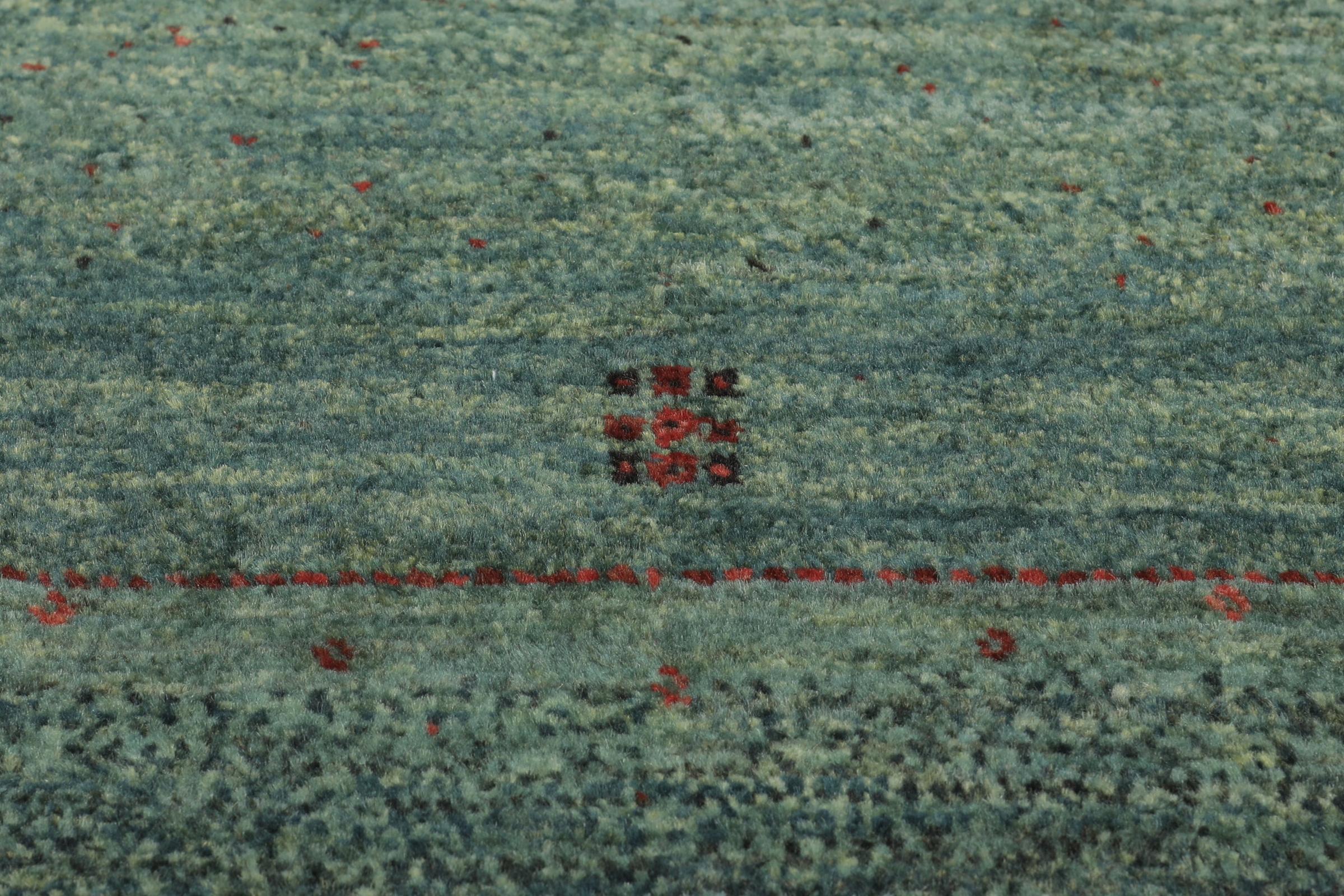
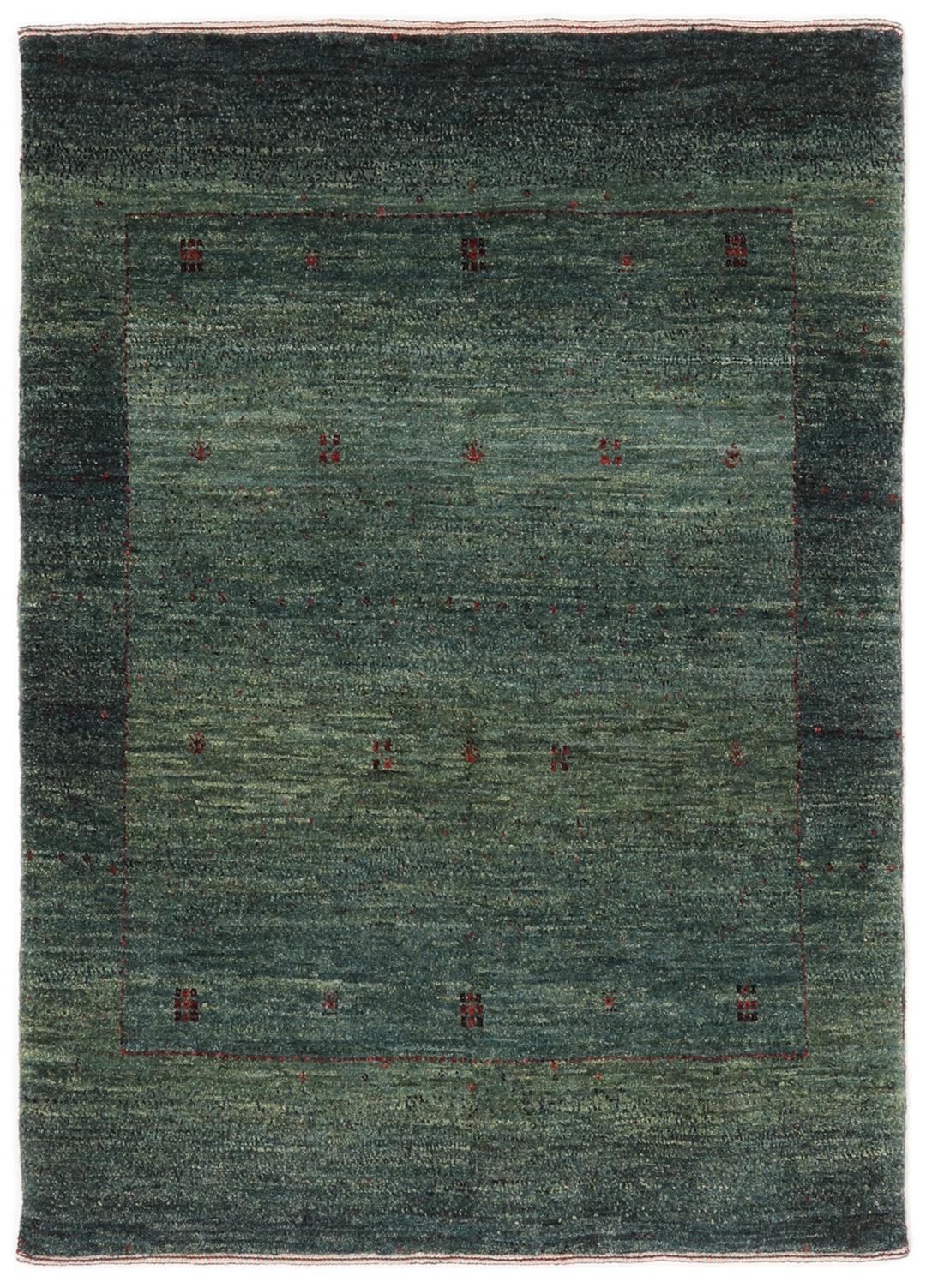
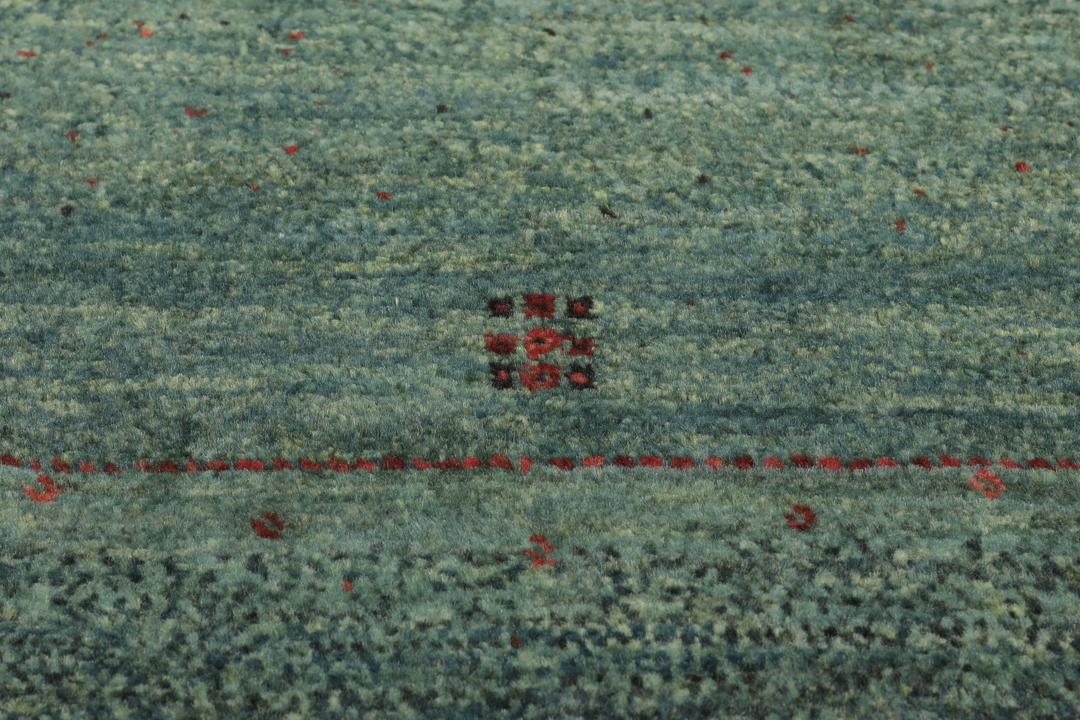
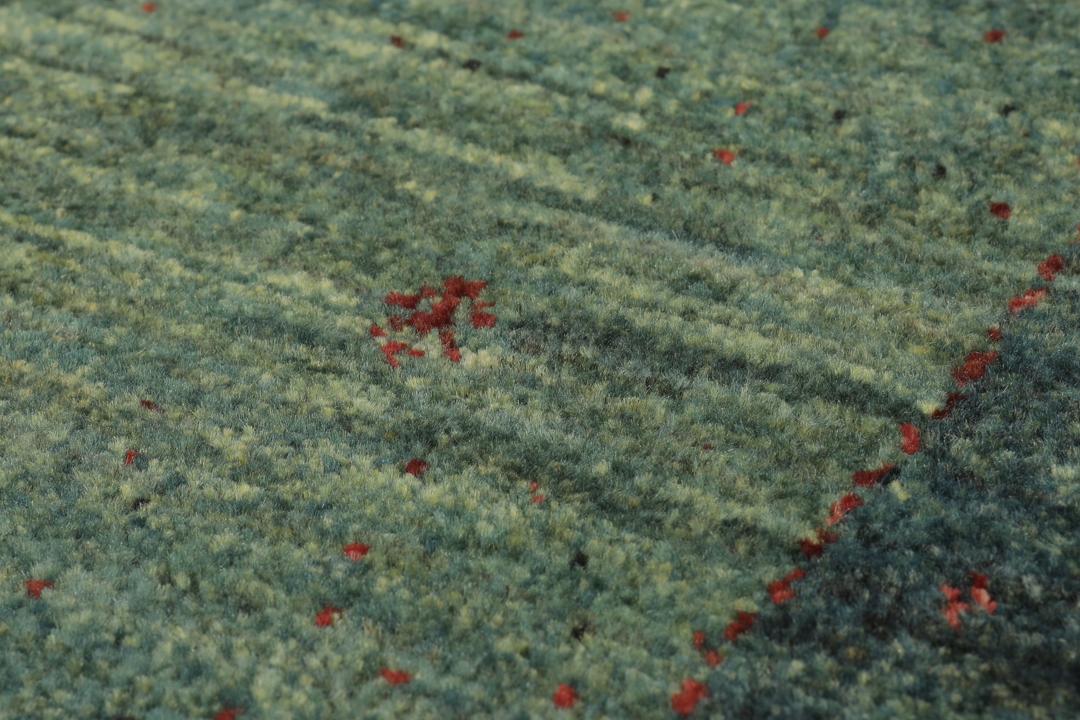
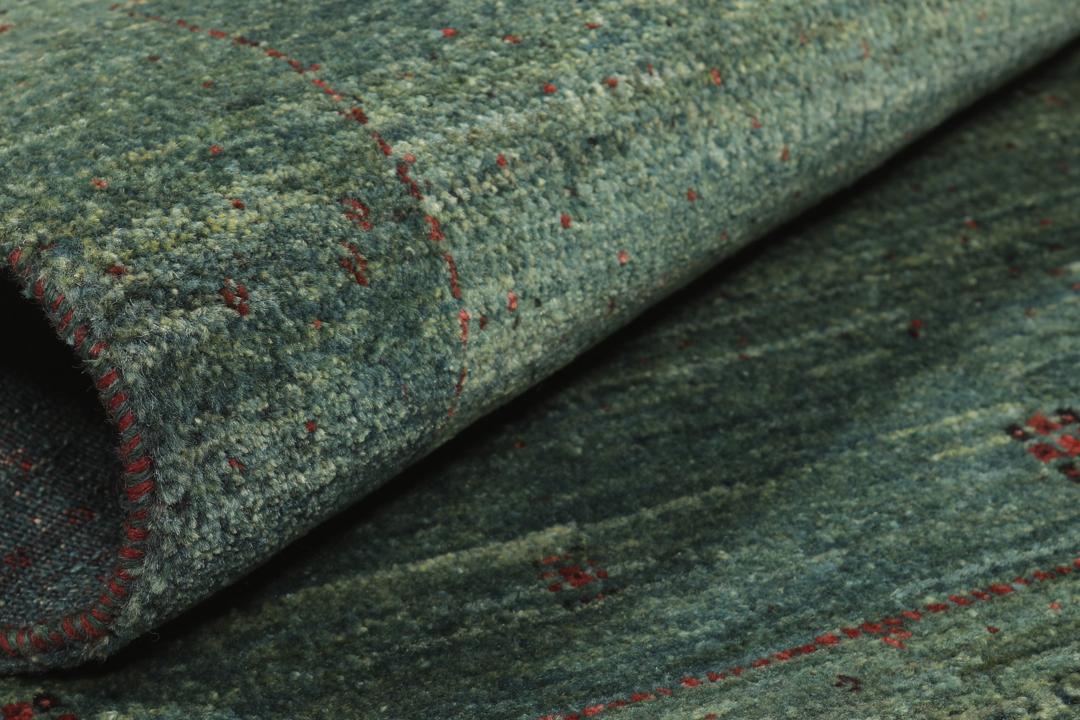
Visually, these rugs are defined by their open, expansive fields and minimalist motifs. Unlike more structured or floral-heavy styles, the Loribaft often features subtle, artistic elements—such as small, spaced-out geometric shapes or abstract symbols—that float across a monochromatic or subtly variegated field. This rug's dark-green palette is a classic choice, evoking the earthy tones of the natural world.
Owning a piece from this tradition is an act of preserving a heritage of manual skill. These rugs are highly valued by collectors not just for their beauty, but for the human story embedded in every row of knots. They represent a bridge between ancient tribal customs and the modern home, offering a soulful, enduring anchor for your interior.