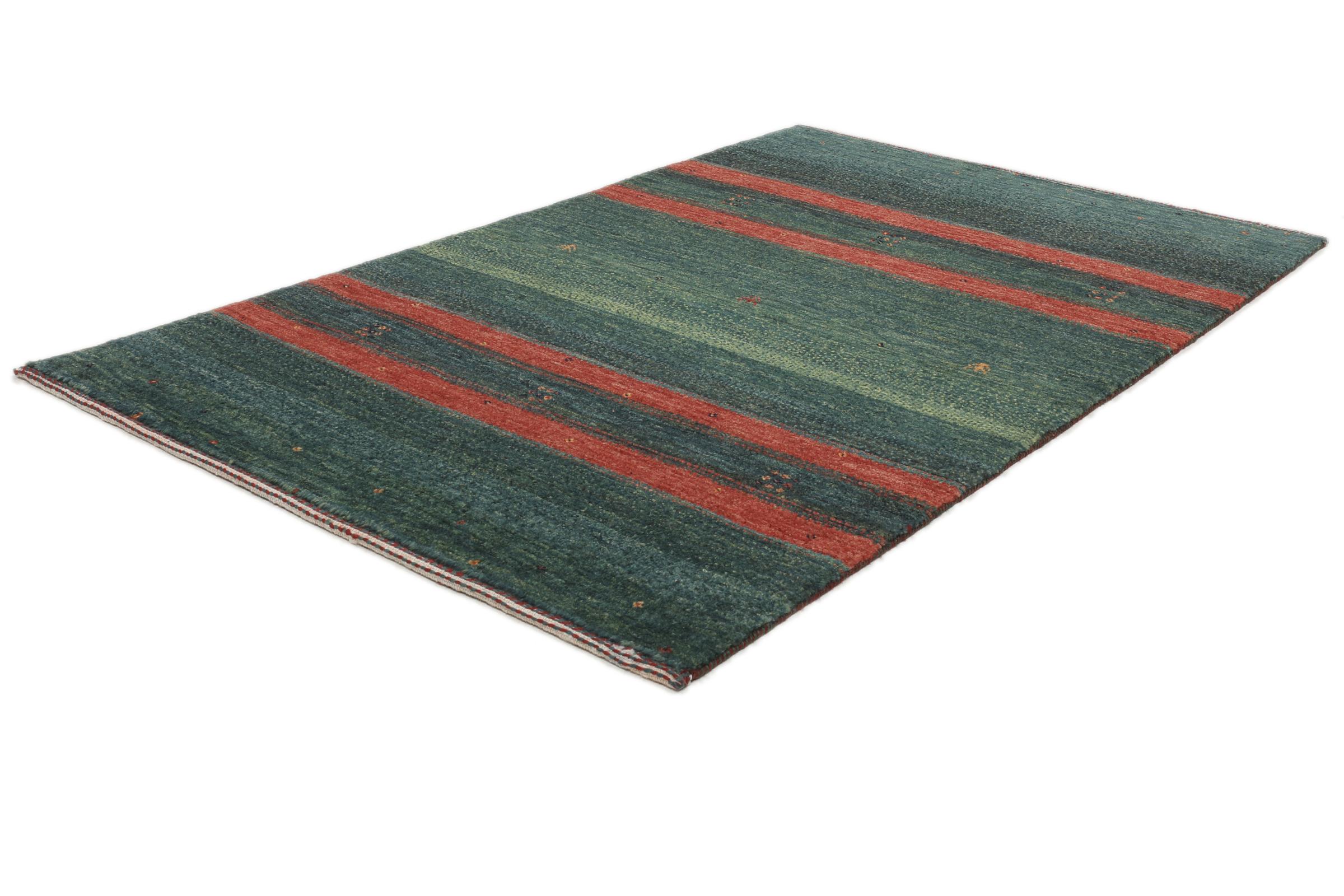
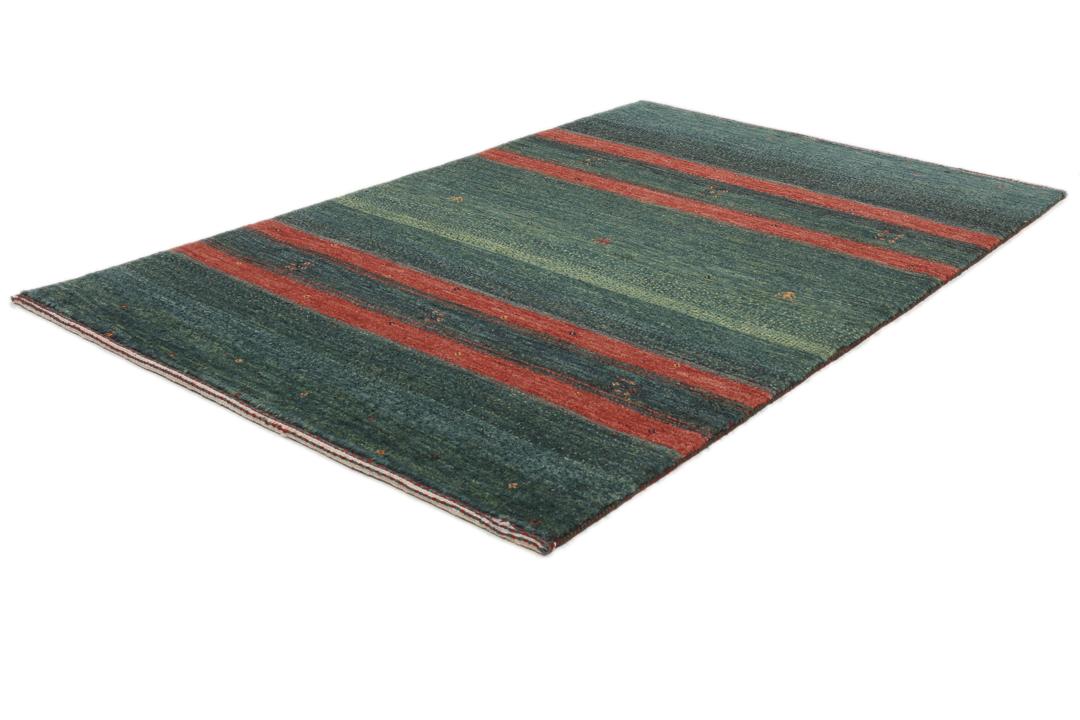
Loribaft rugs originate from the nomadic traditions of the Middle East, specifically associated with the Luri and Qashqai tribes. These rugs were historically created for practical use within nomadic households, serving as warm bedding, floor coverings, and protective wall hangings. Over time, these functional pieces evolved into a celebrated form of artistic expression, known for their bold, expressive designs and deep, natural dyes.
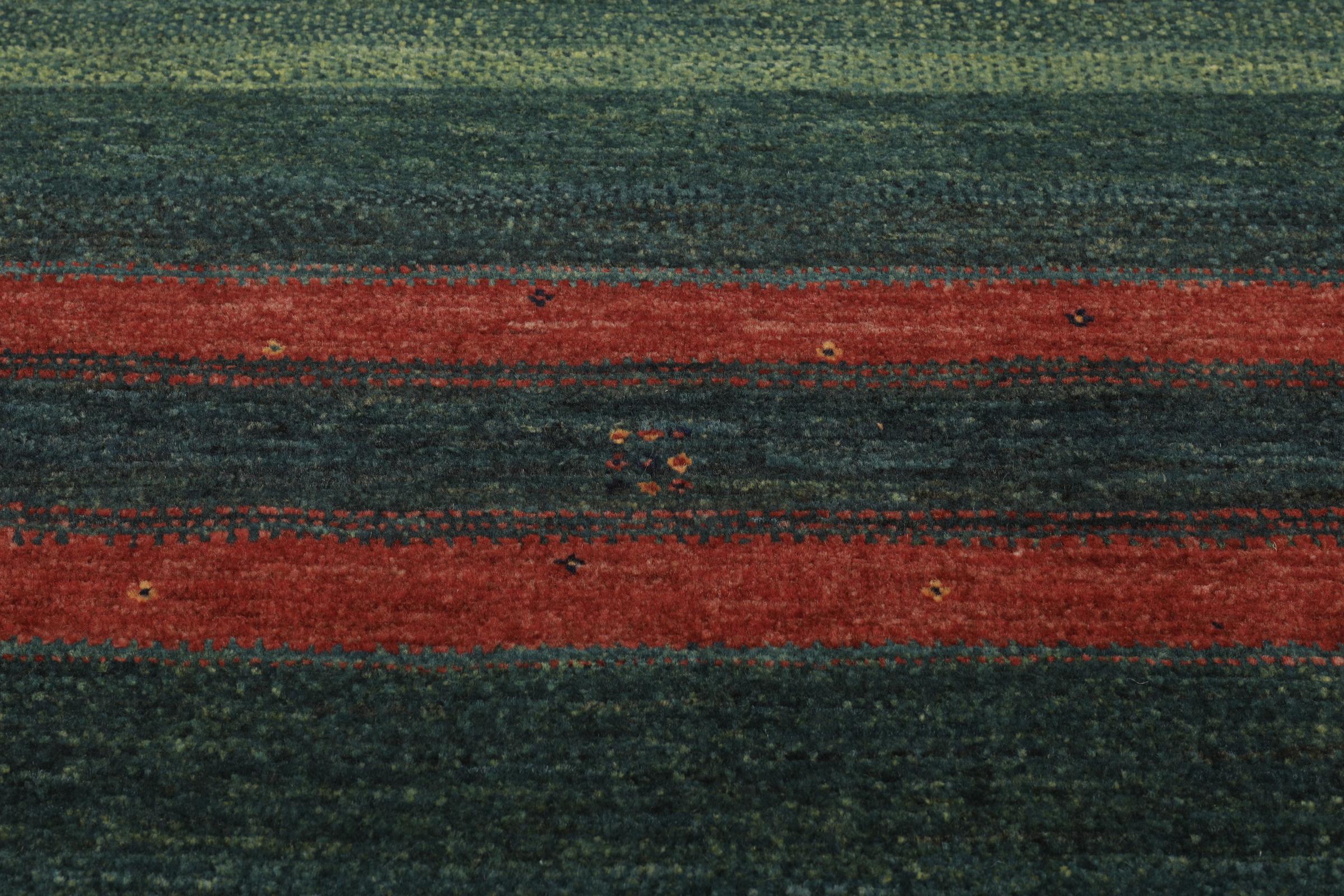
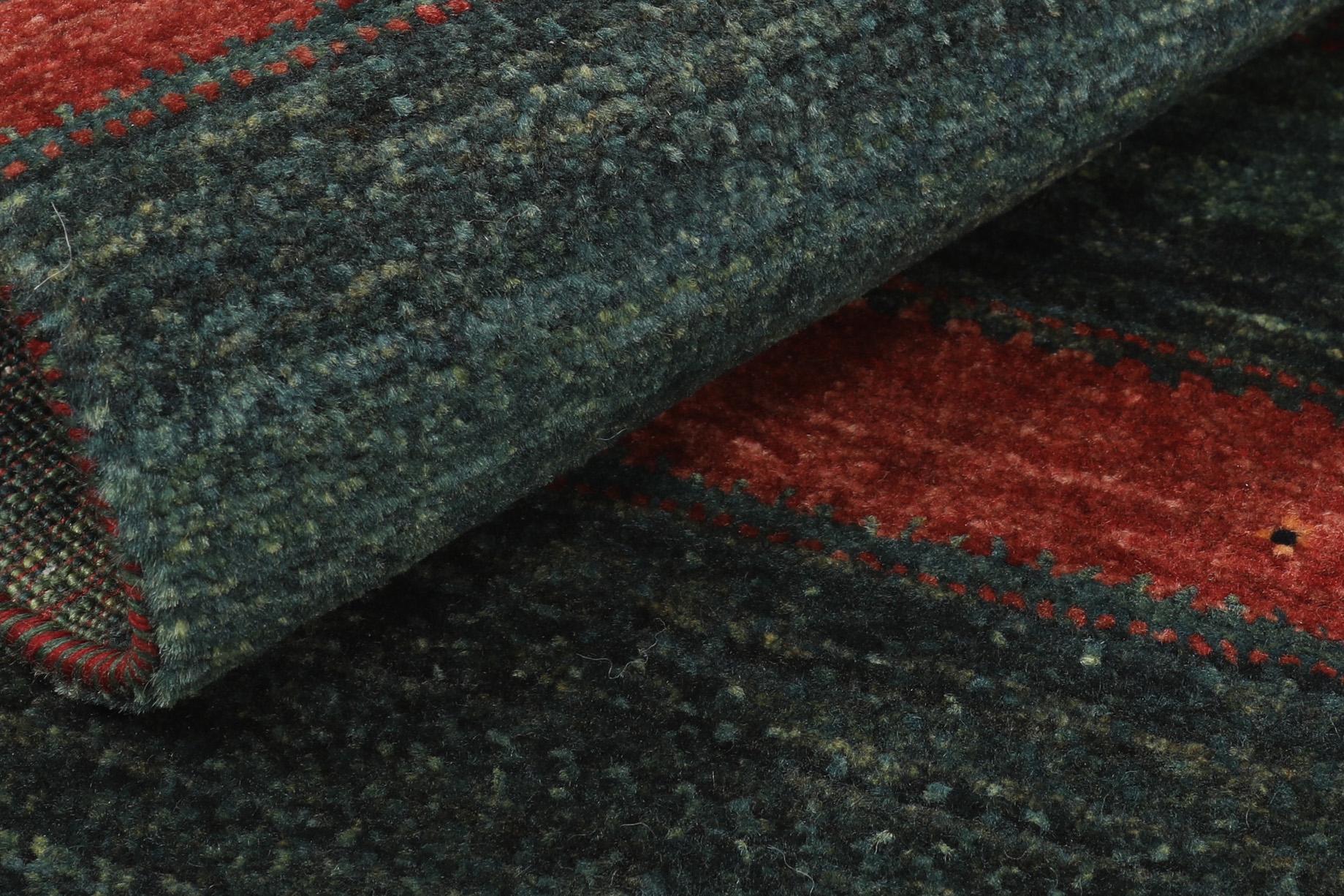
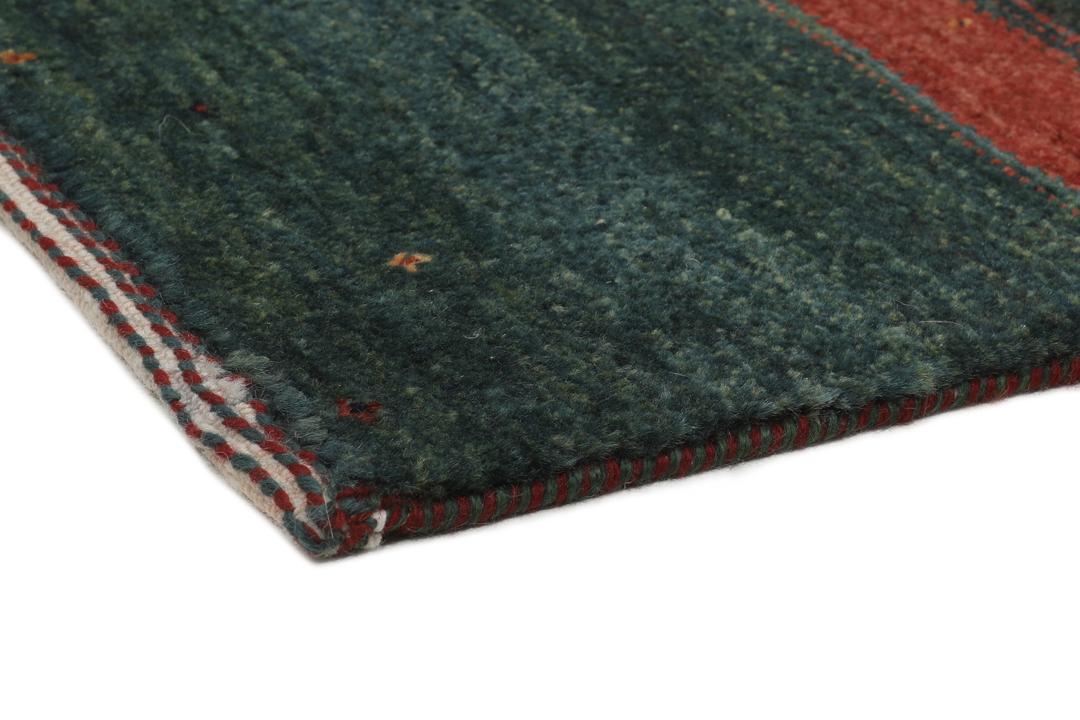
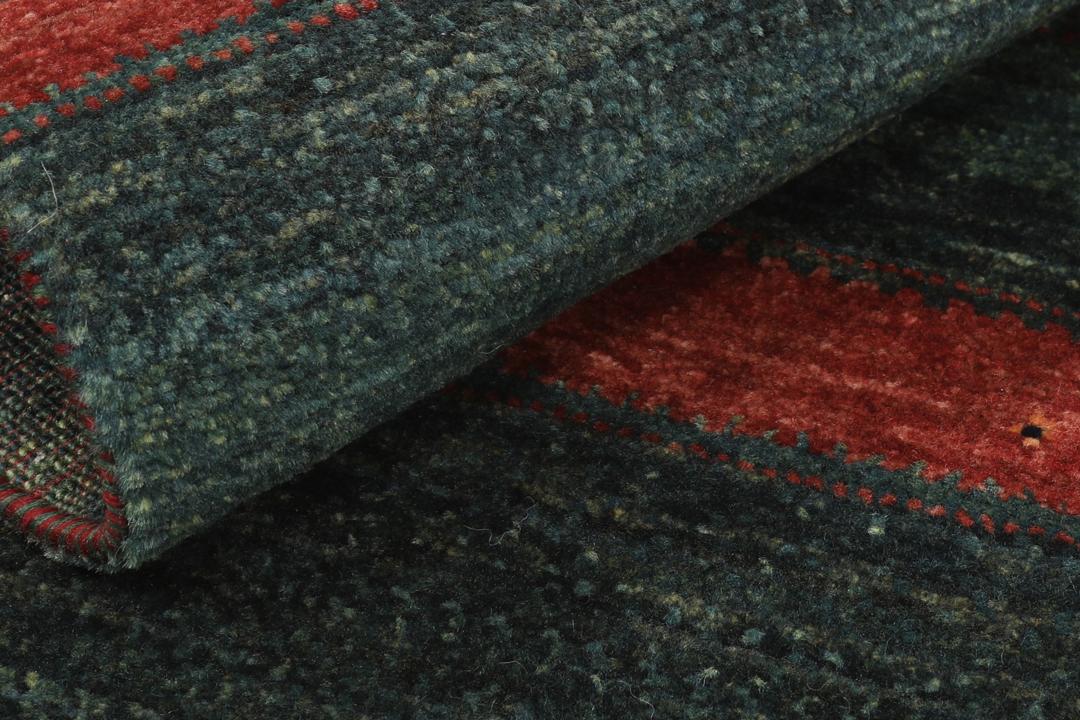
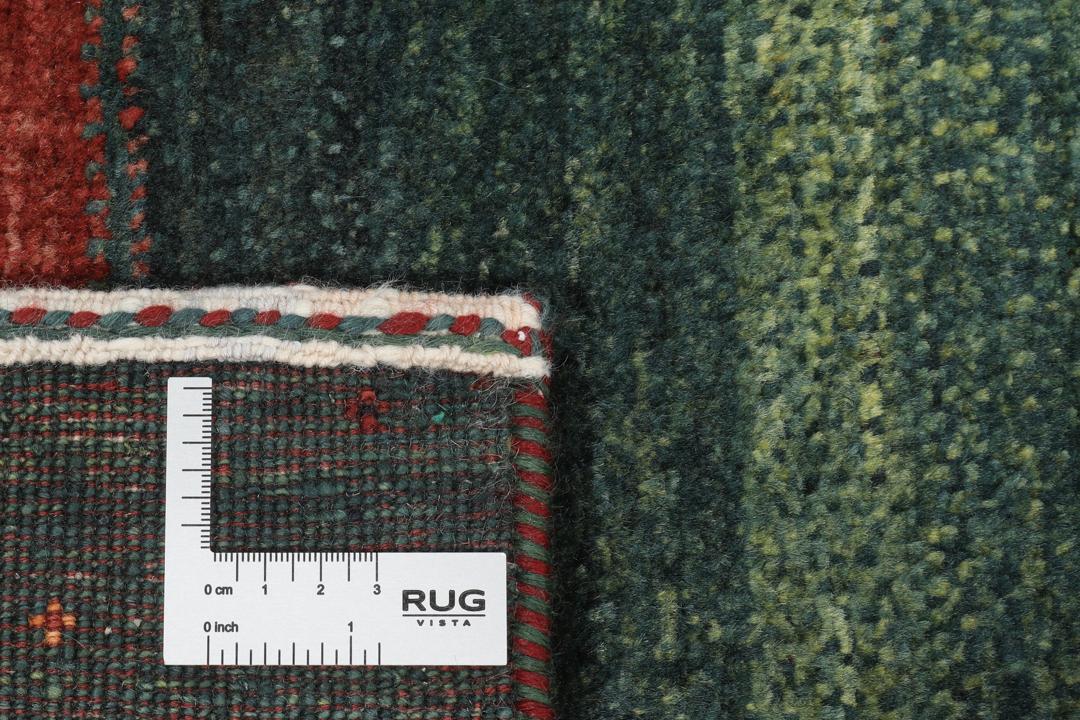
The term 'Loribaft' refers to a specific weaving style that emphasises a thicker, softer pile compared to traditional flat-weave rugs. This style is closely related to the Kashkooli tradition, which is renowned for its finer knotting and more intricate details. By using a higher knot count and premium wool, these rugs achieve a luxurious, velvet-like texture that distinguishes them from more rustic tribal weaves.
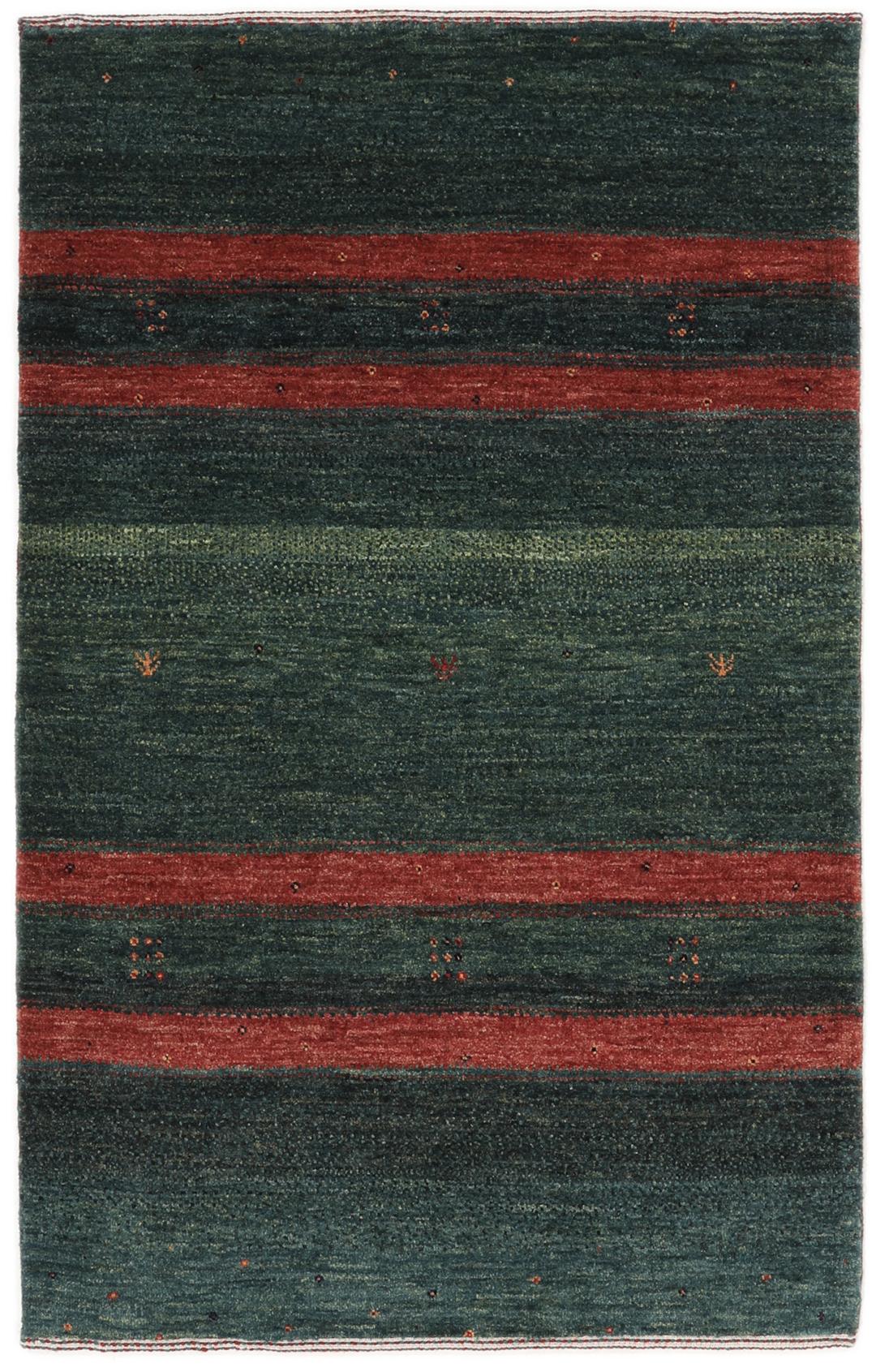
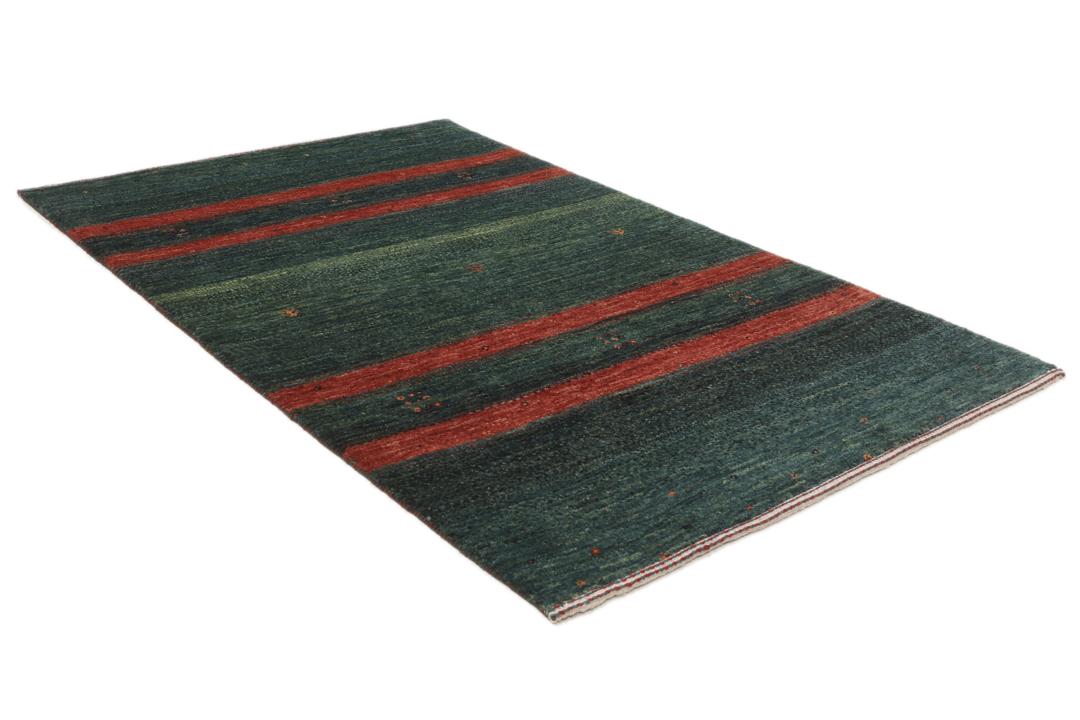
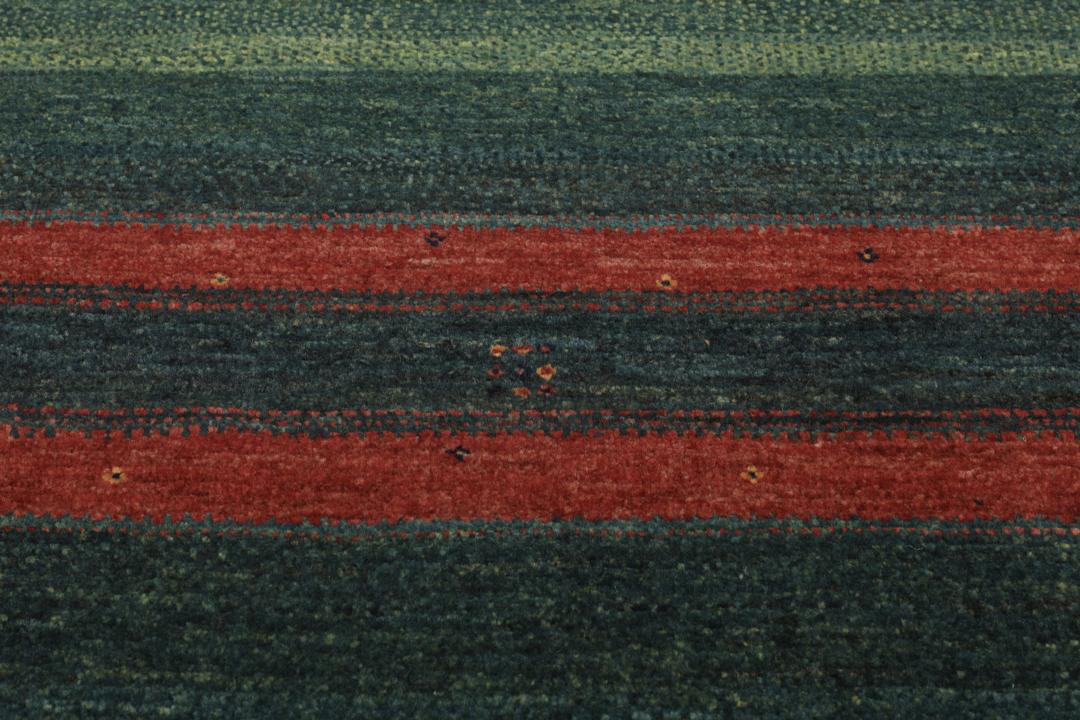
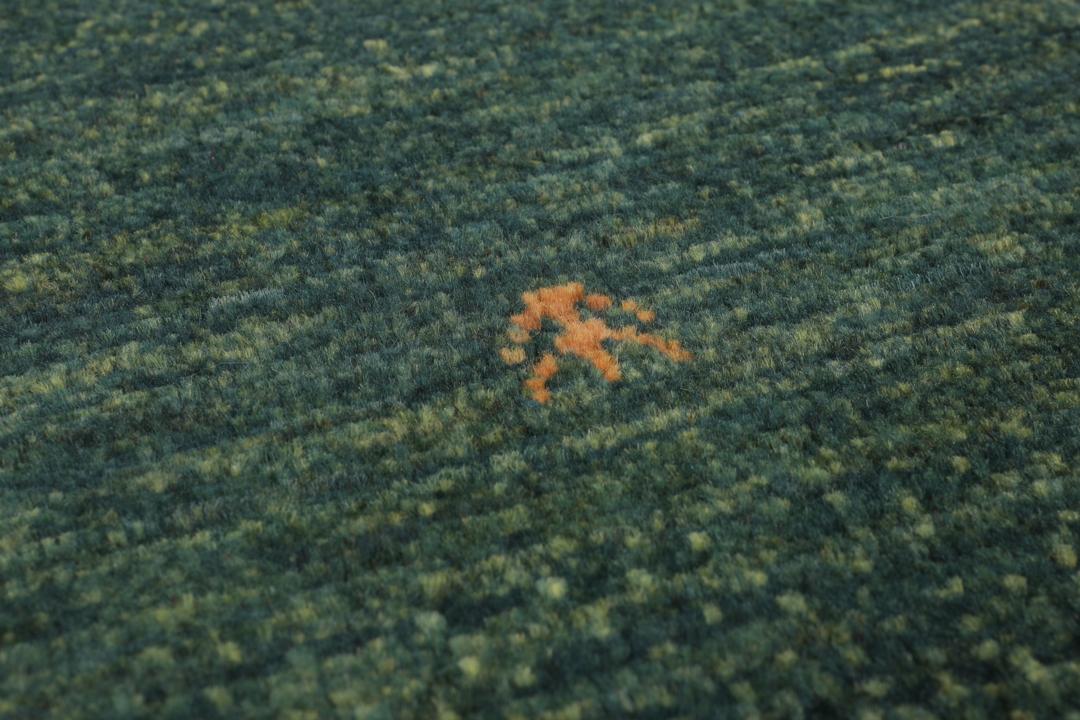
Visually, these rugs often feature a simplified, almost abstract design language compared to more formal city rugs. They frequently incorporate scattered, small-scale geometric motifs or simple striped fields that highlight the beauty of the wool's natural variations. The colour palette is typically drawn from the local landscape, utilising rich, earthy tones like deep greens and warm reds derived from traditional plant-based dyes.
Collecting a rug from this tradition is an investment in human skill and cultural heritage. Each piece serves as a living record of the weaver's environment and creative instinct, making them highly prized by those who value authenticity. Owning a Loribaft means preserving a craft that has been passed down through generations, bringing a piece of living history into your home.