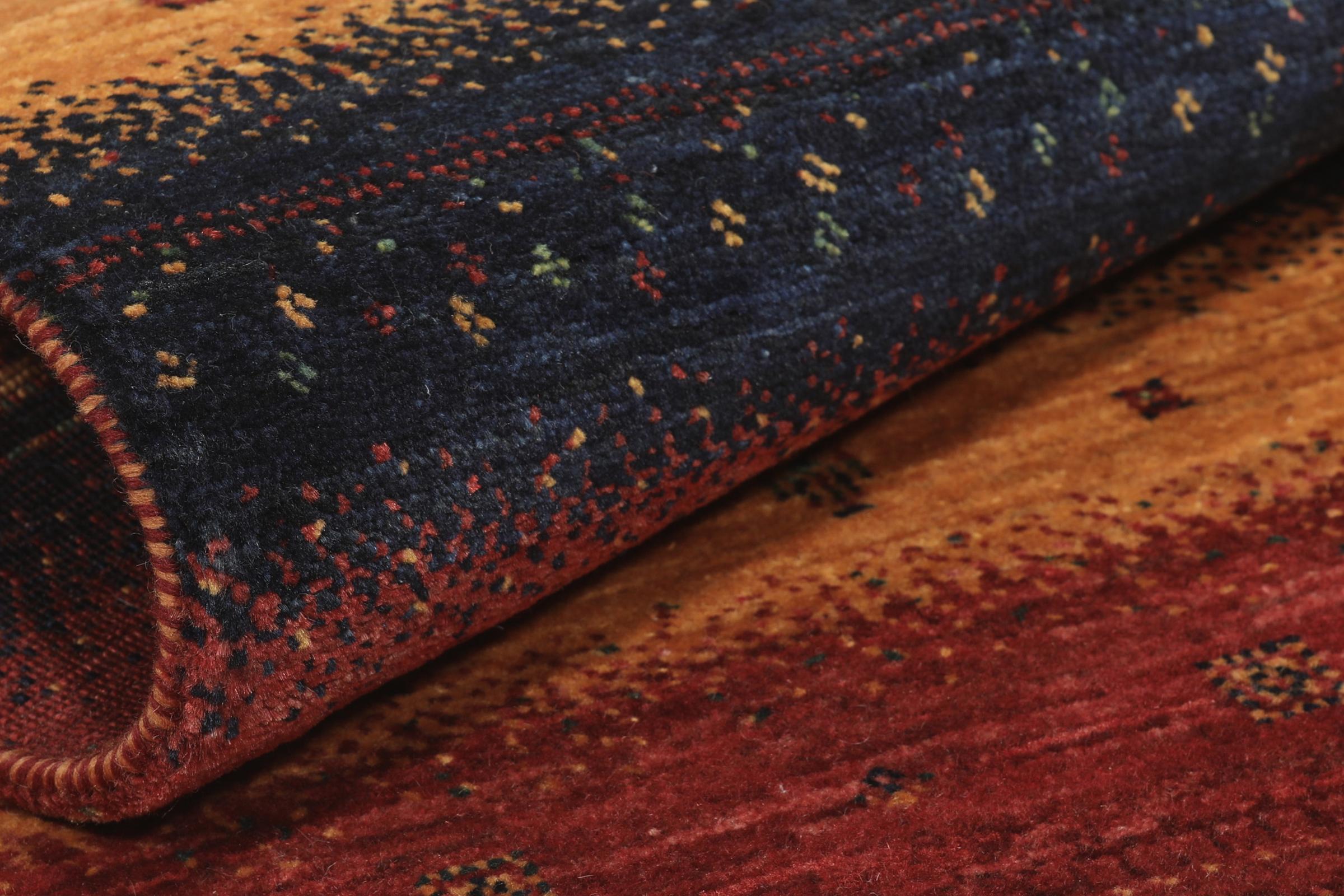
Loribaft rugs are a relatively modern evolution of the ancient weaving traditions found among the nomadic tribes of the Middle East. They were developed to meet the growing demand for rugs that combined the rustic, authentic charm of traditional tribal weaving with a softer, more luxurious pile that suits modern comfort needs. By taking inspiration from older, flatter styles, artisans created a new category that honours the past while looking toward contemporary living.
The term Loribaft refers to the specific region and the craft lineage of the Luri and Qashqai tribes. These weavers are renowned for their ability to translate their surroundings into woven art. Unlike the highly structured rugs found in city workshops, these pieces are often created from memory and intuition, allowing the weaver to express their personal style and the cultural narratives of their people through every knot.
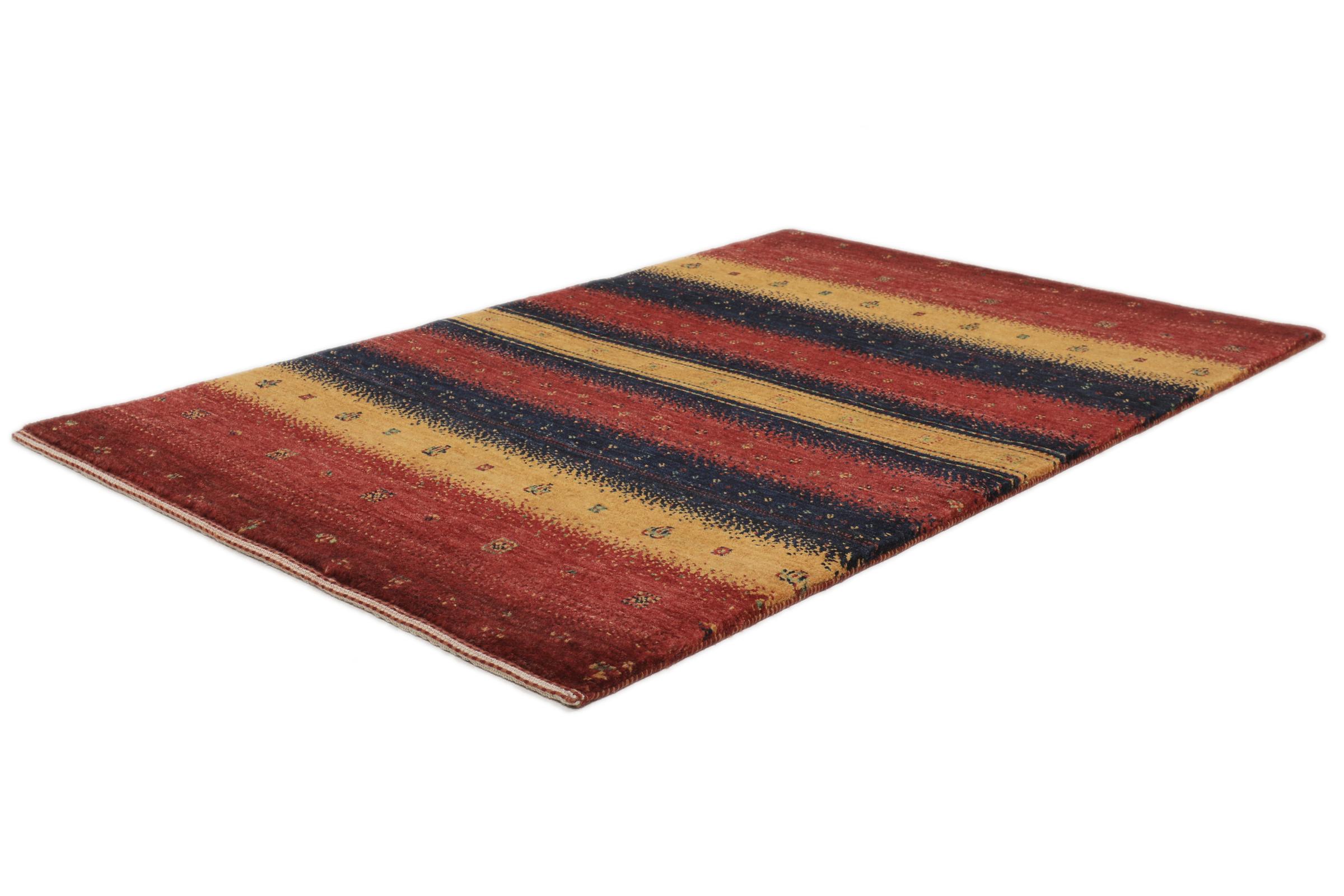
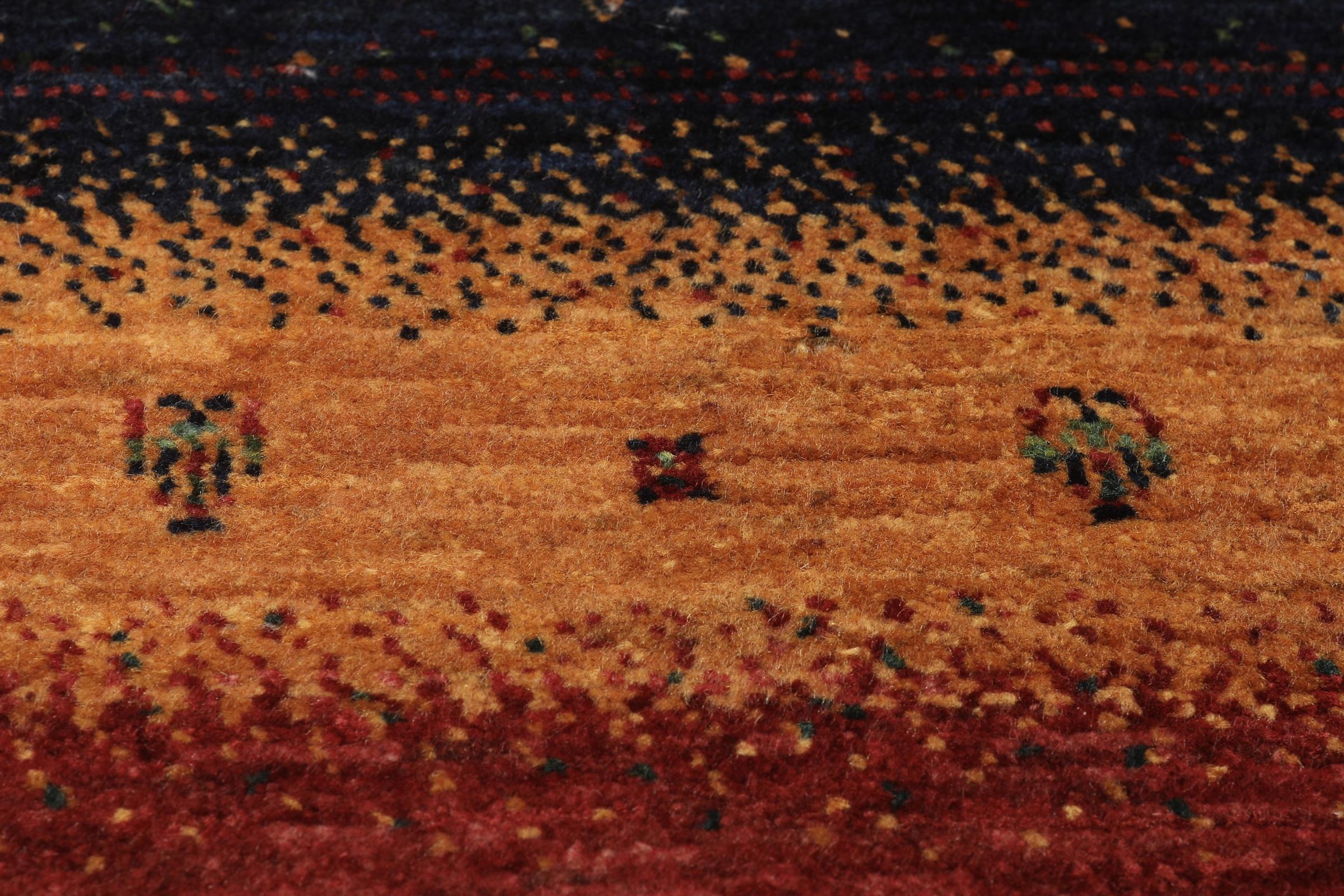
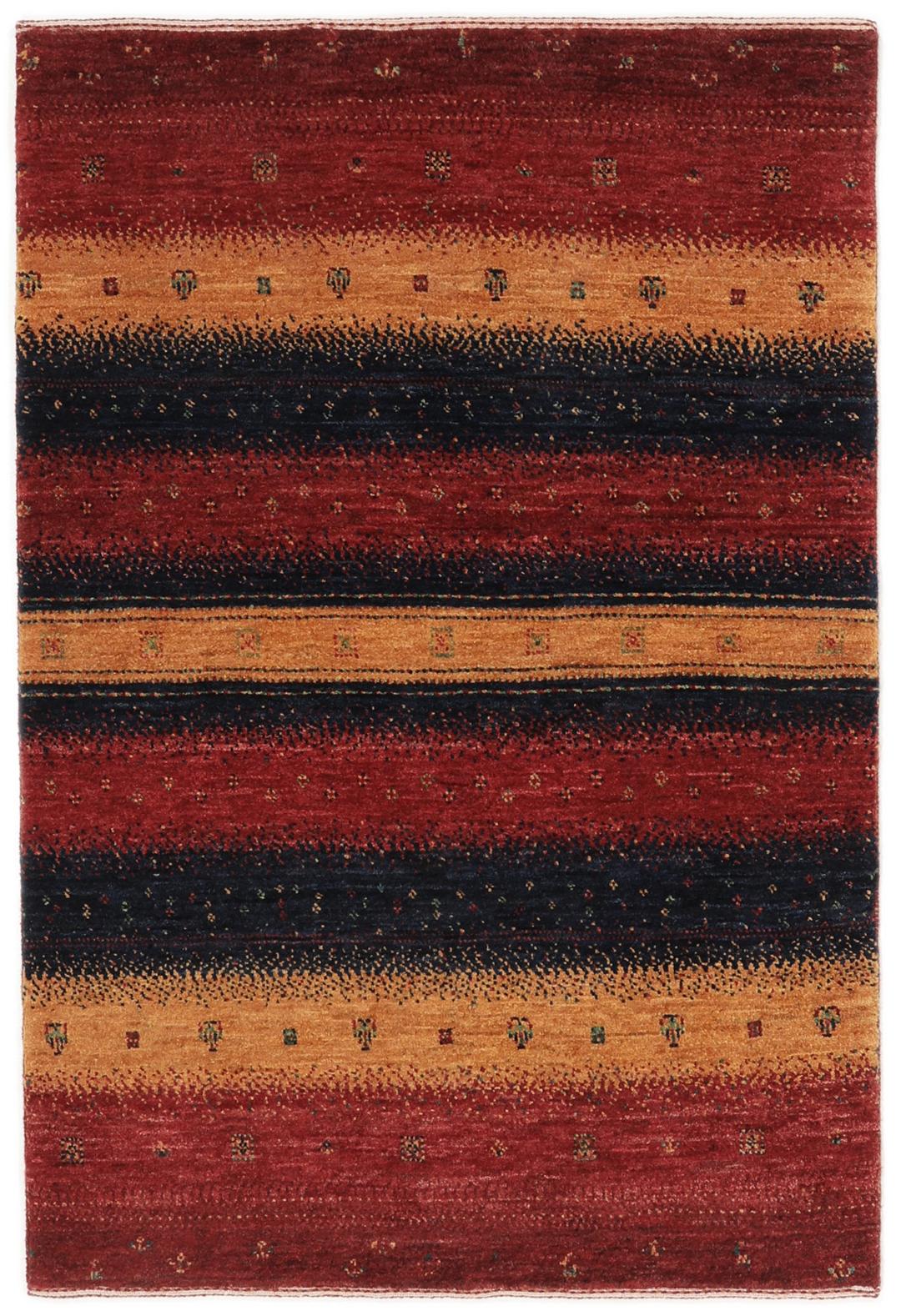
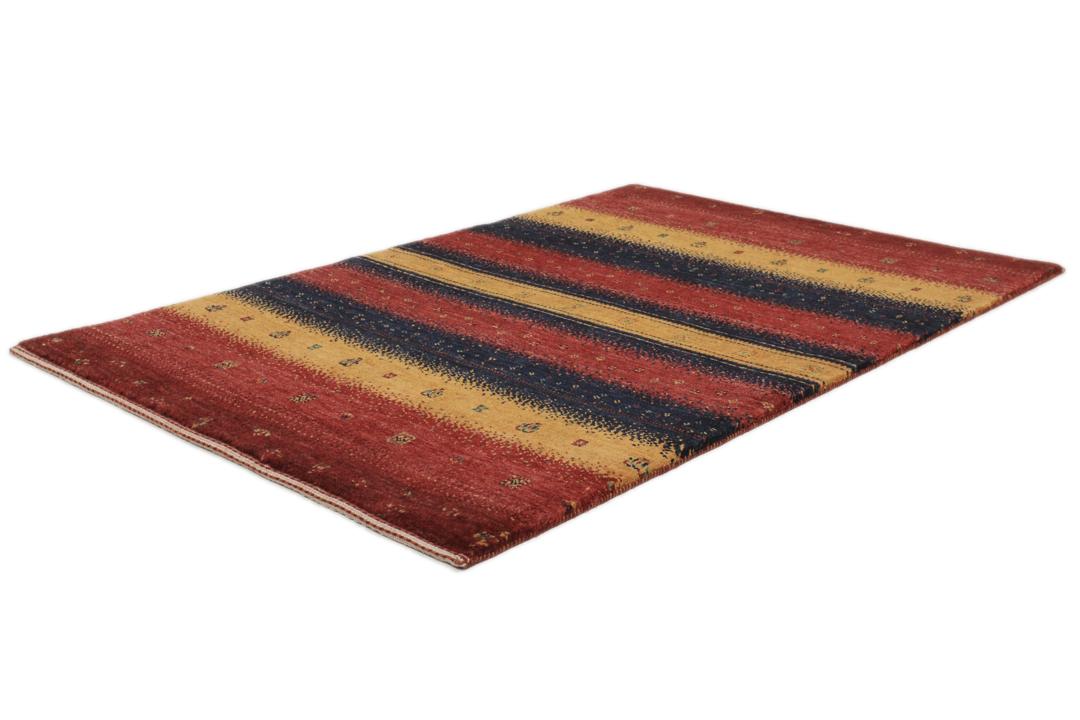
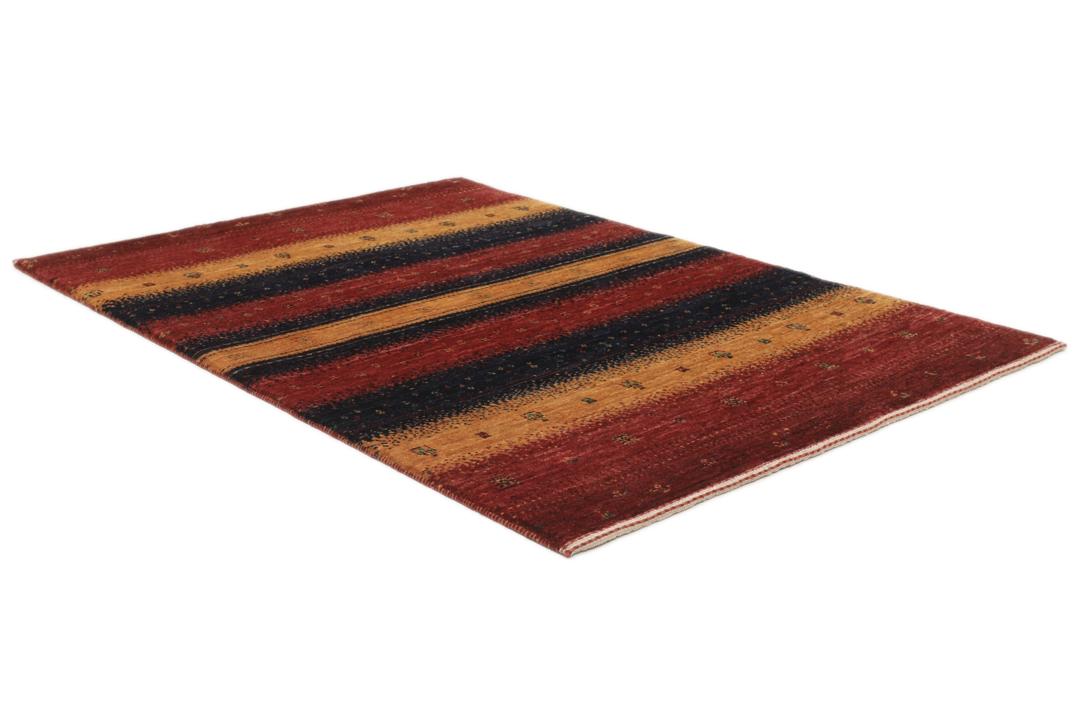
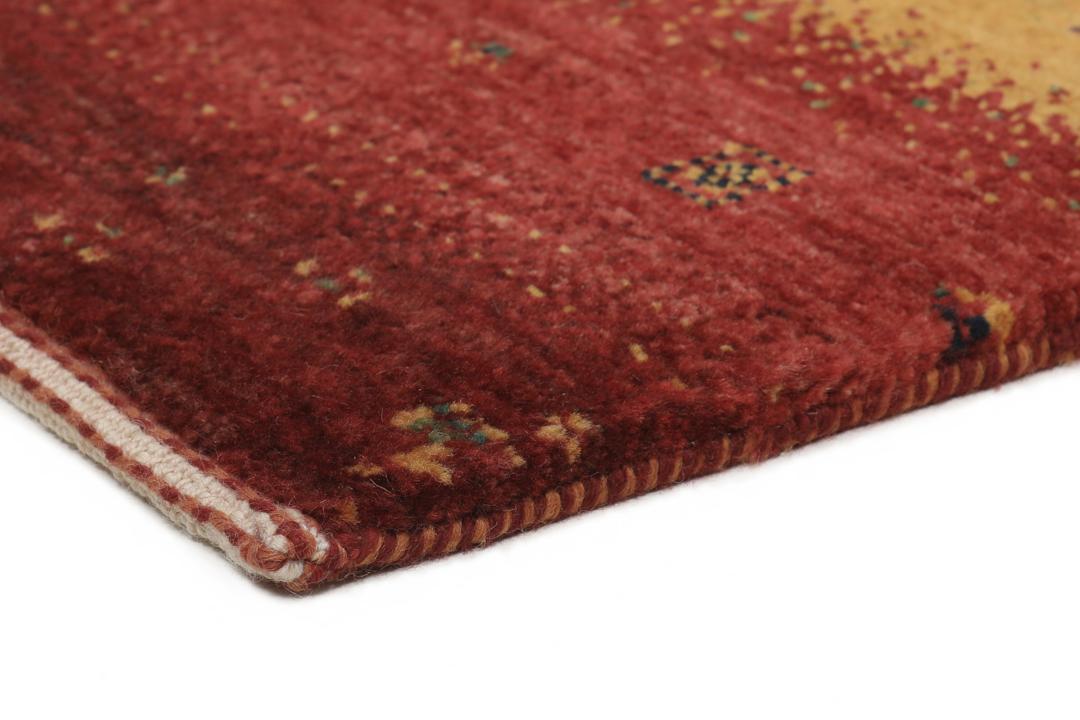
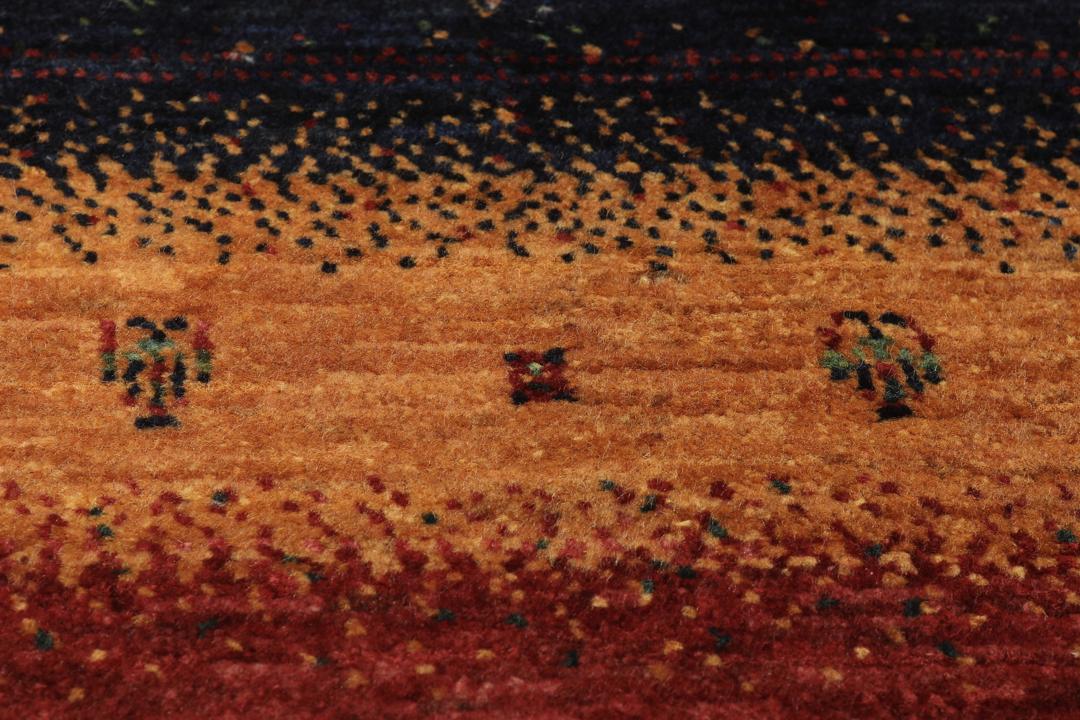
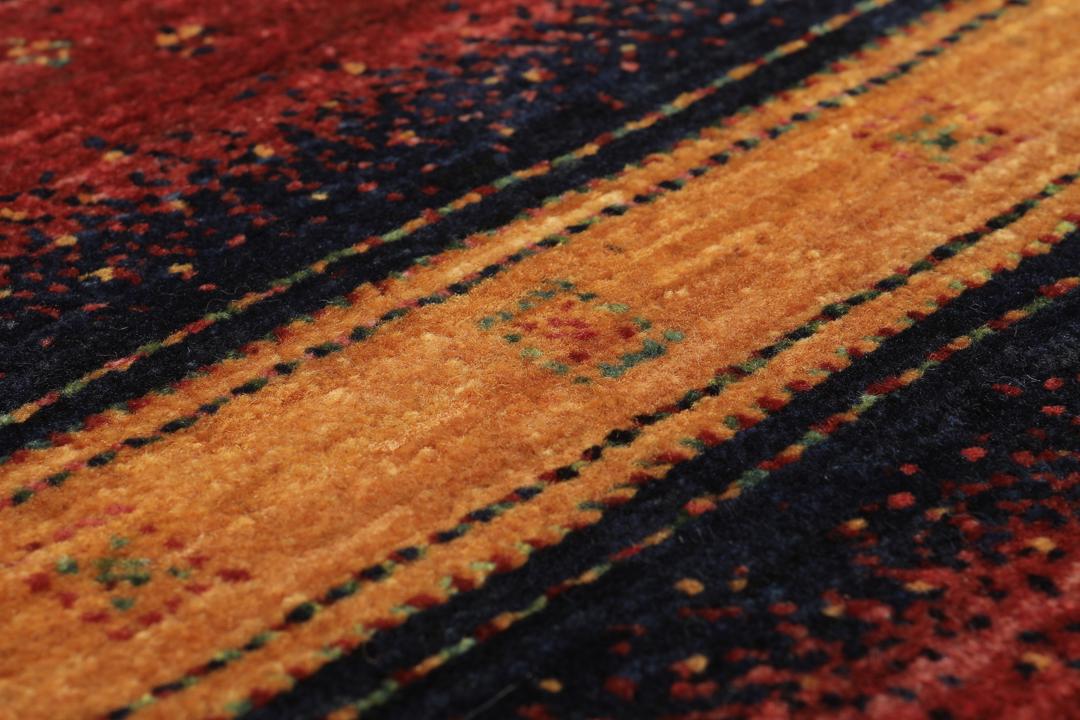
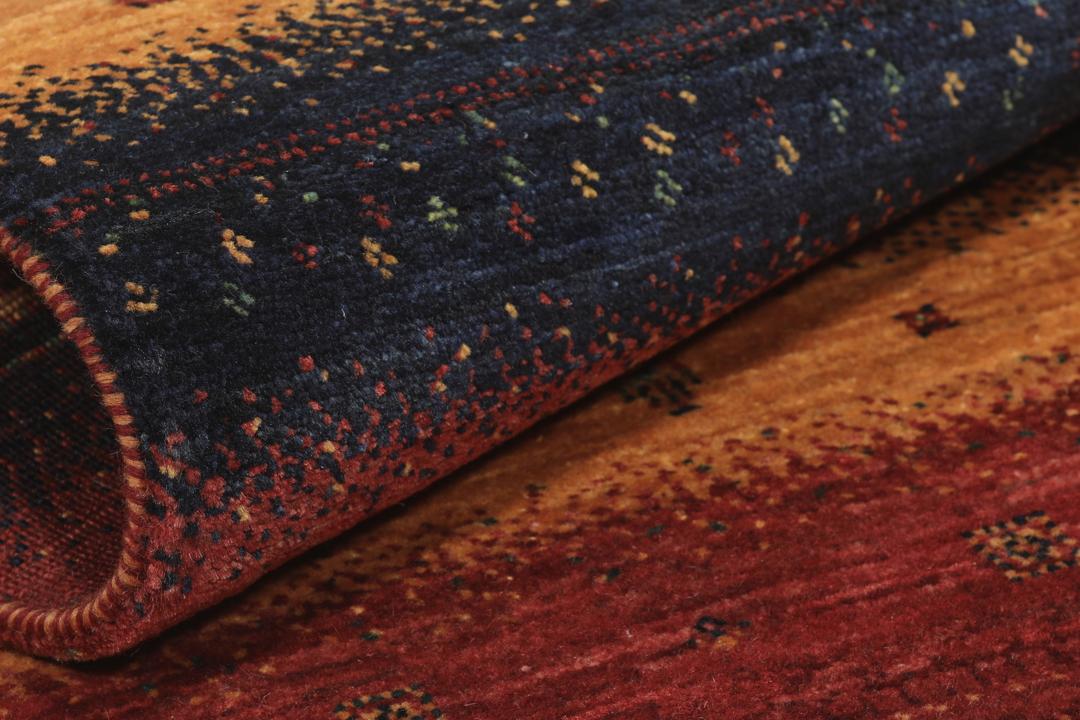
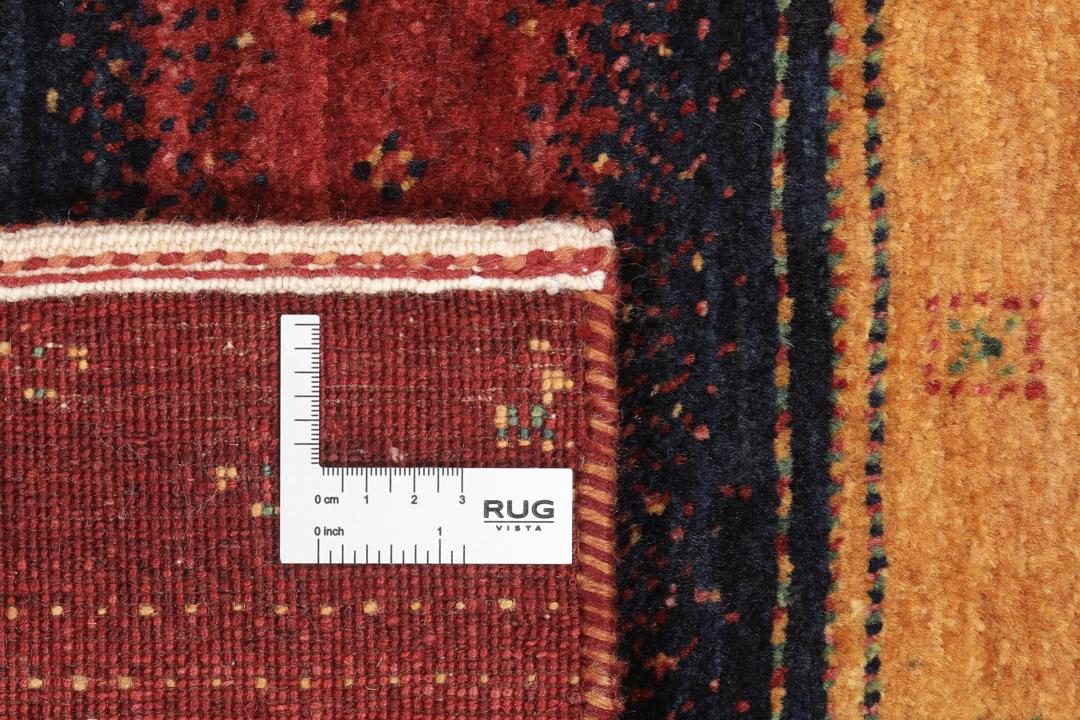
A signature element of this tradition is the use of rich, natural-inspired colours and motifs that often represent the landscape, such as mountains, animals, or tribal symbols. The borders are frequently simplified or absent, allowing the main field of the rug to dominate the visual space. This piece, with its bold stripes and small, decorative accents, is a classic example of how these elements come together to form a balanced and evocative composition.
Collecting a Loribaft rug is an investment in the legacy of nomadic craftsmanship. These pieces are highly valued not only for their beauty but for the skill required to produce them without the aid of modern technology. Owning one is a way to preserve a connection to a world of artistry where every rug tells a story of the person who made it, the materials they gathered, and the traditions they have inherited.