The Loribaft rug tradition originates from the nomadic tribes of the Middle East, particularly the Luri people. These rugs were historically created for practical use within the home, serving as warm bedding and floor coverings that could withstand the rigours of nomadic life. Over time, these functional pieces evolved into a celebrated art form, prized for their expressive simplicity and deep connection to the land.
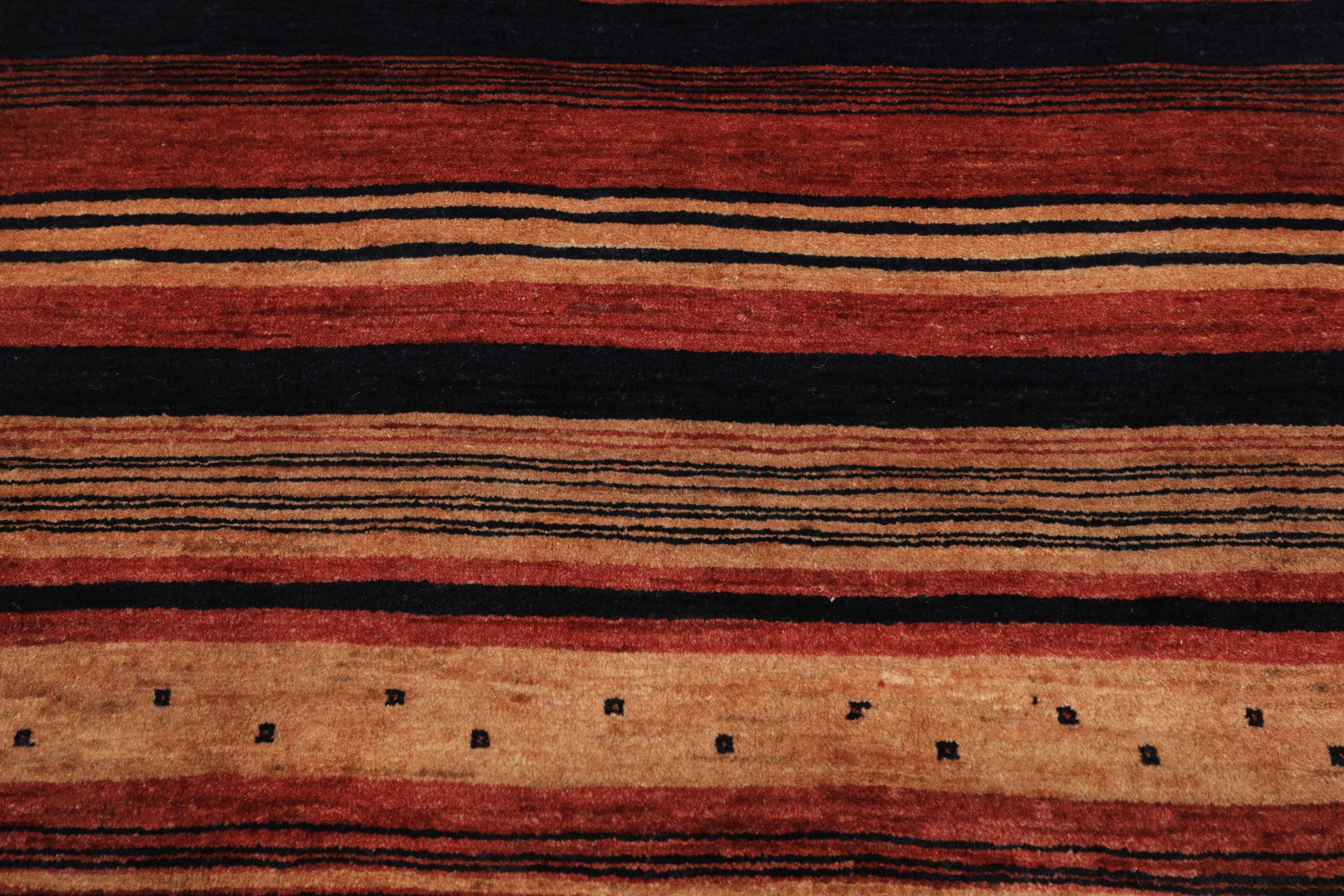
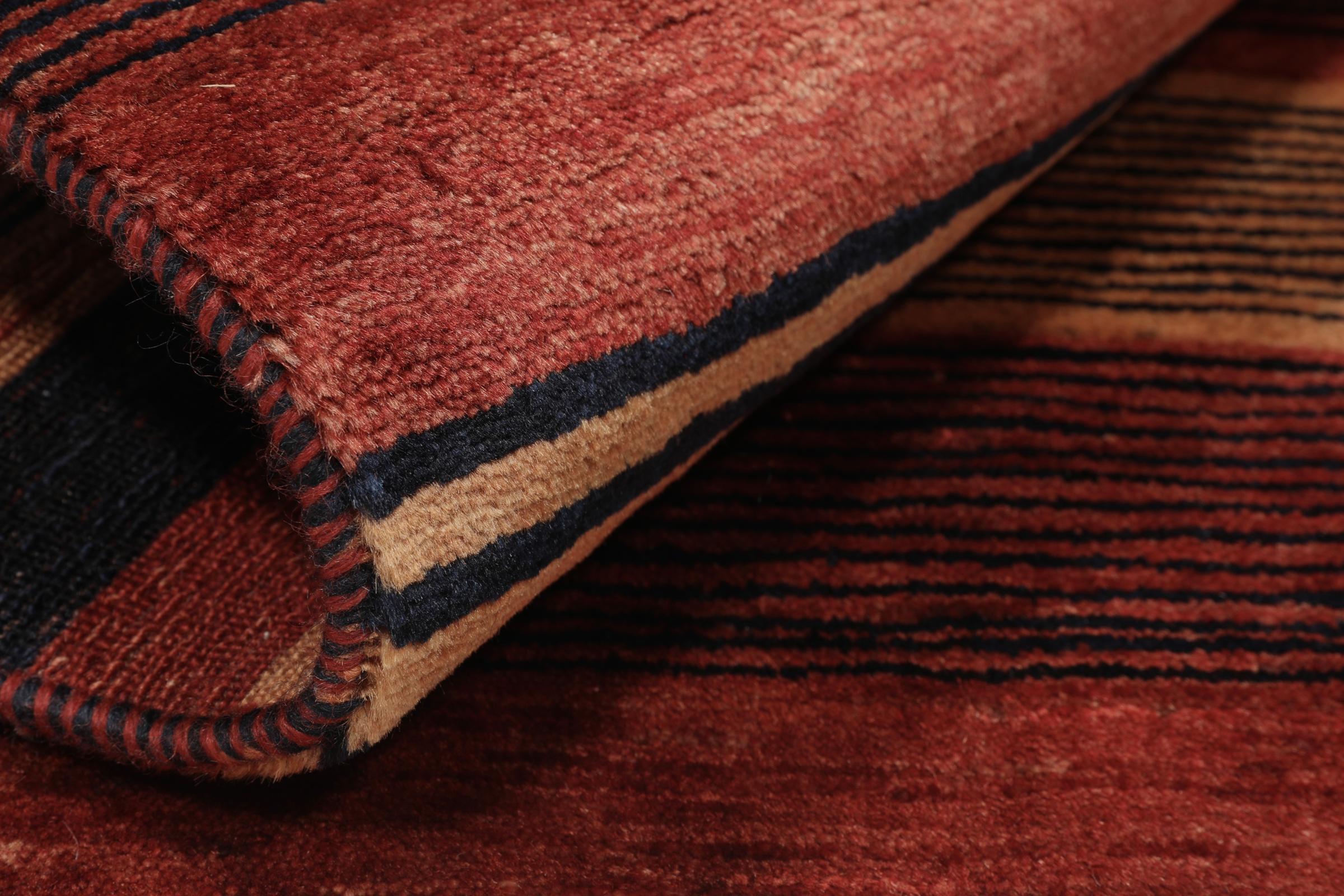
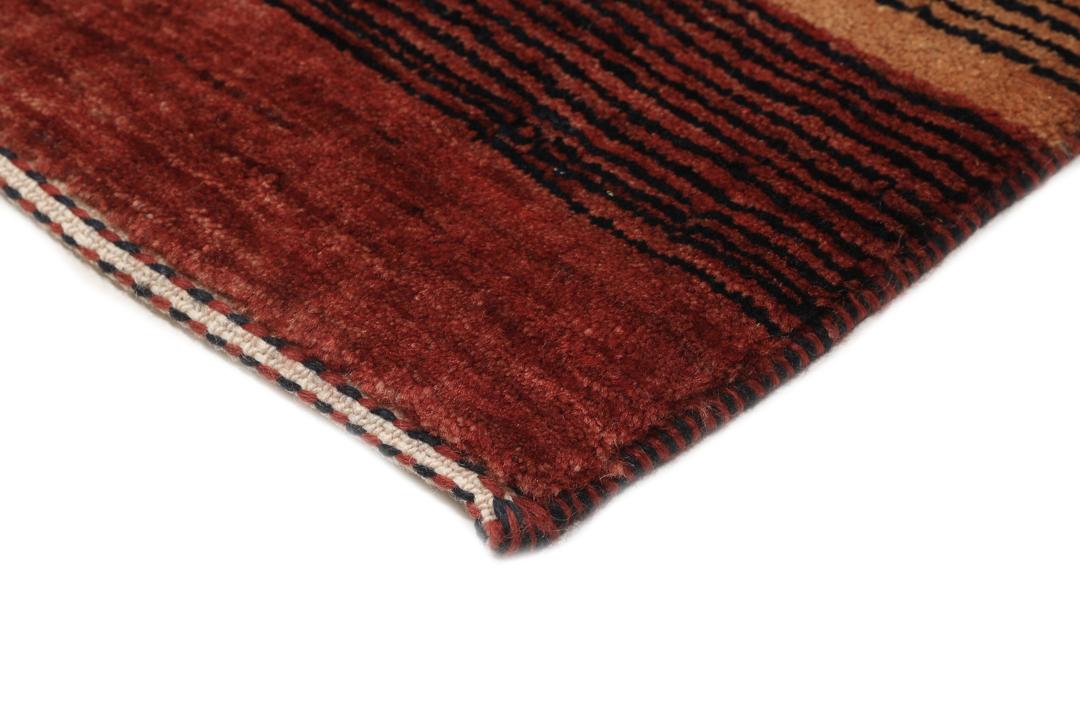
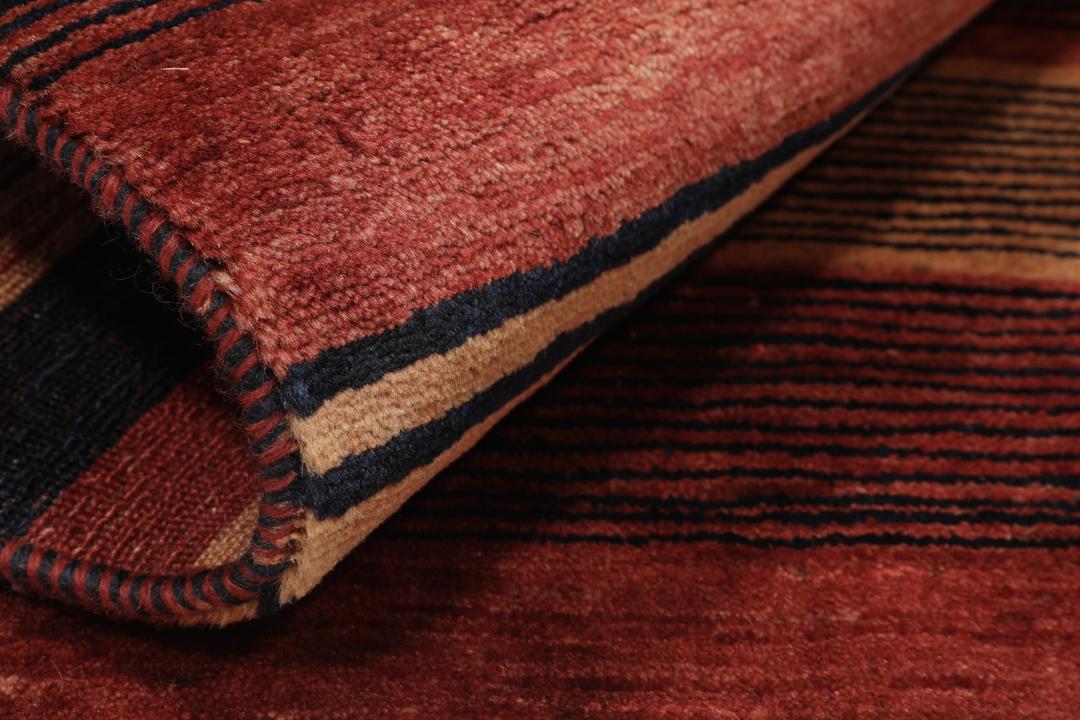
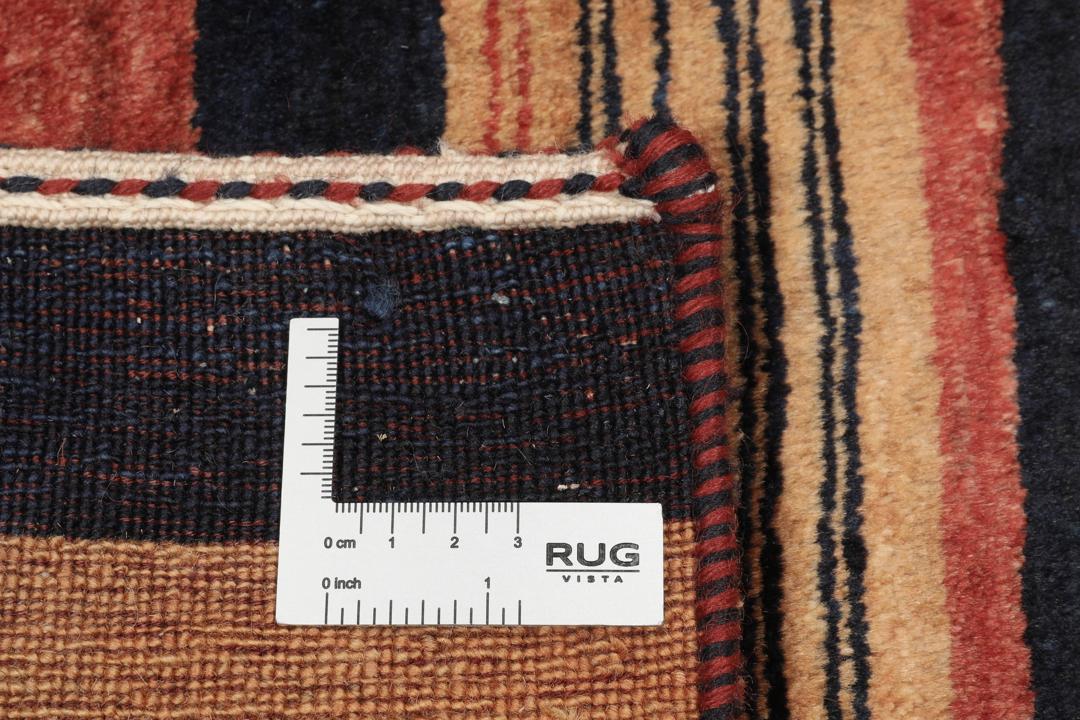
The term Loribaft refers to a specific style of weaving that emphasises a dense, plush pile. Unlike more formal, intricate city rugs, Loribaft pieces are known for their focus on texture and the natural quality of the wool. The weaving technique itself is designed to produce a robust and resilient surface, making these rugs as practical as they are beautiful for everyday living.
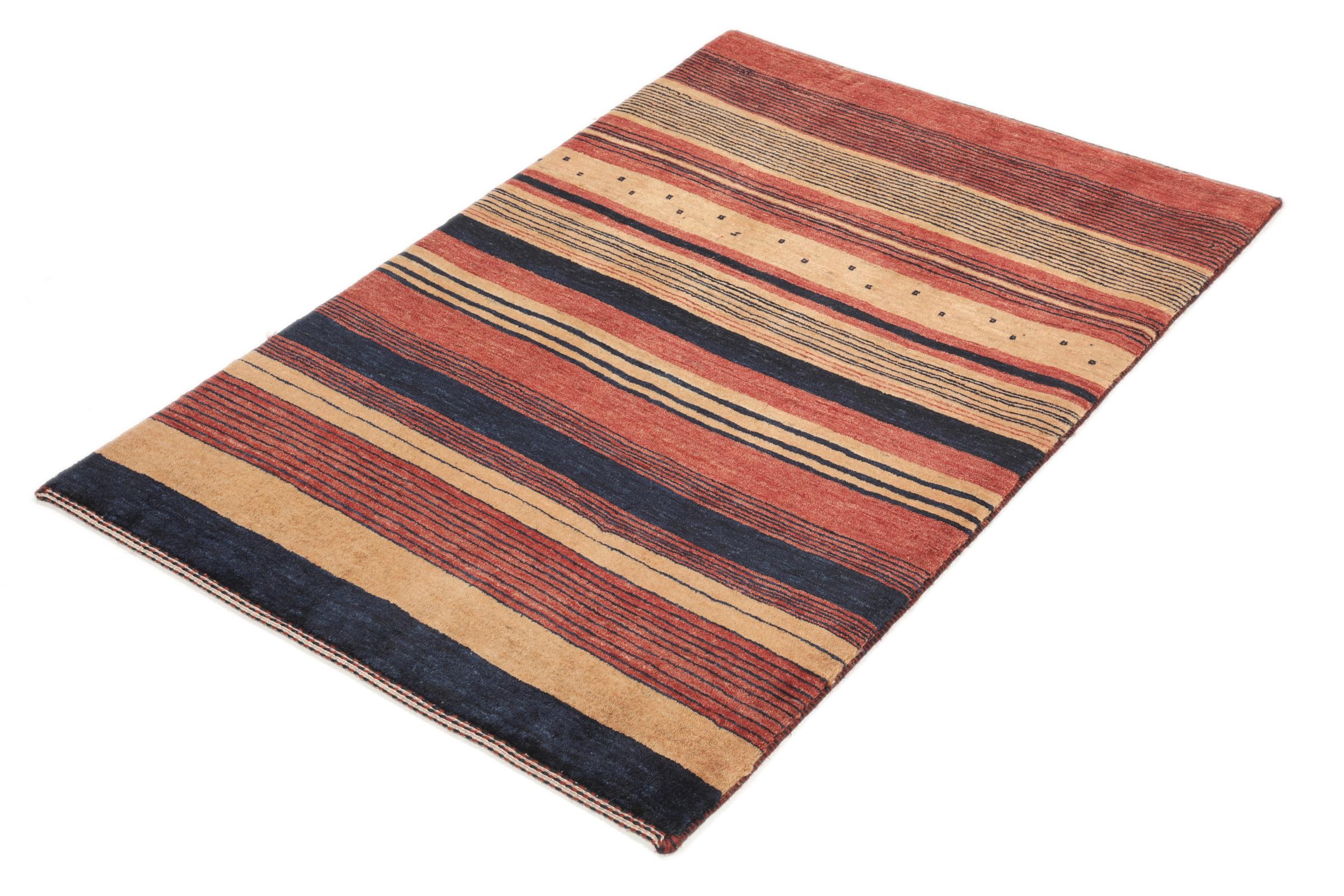
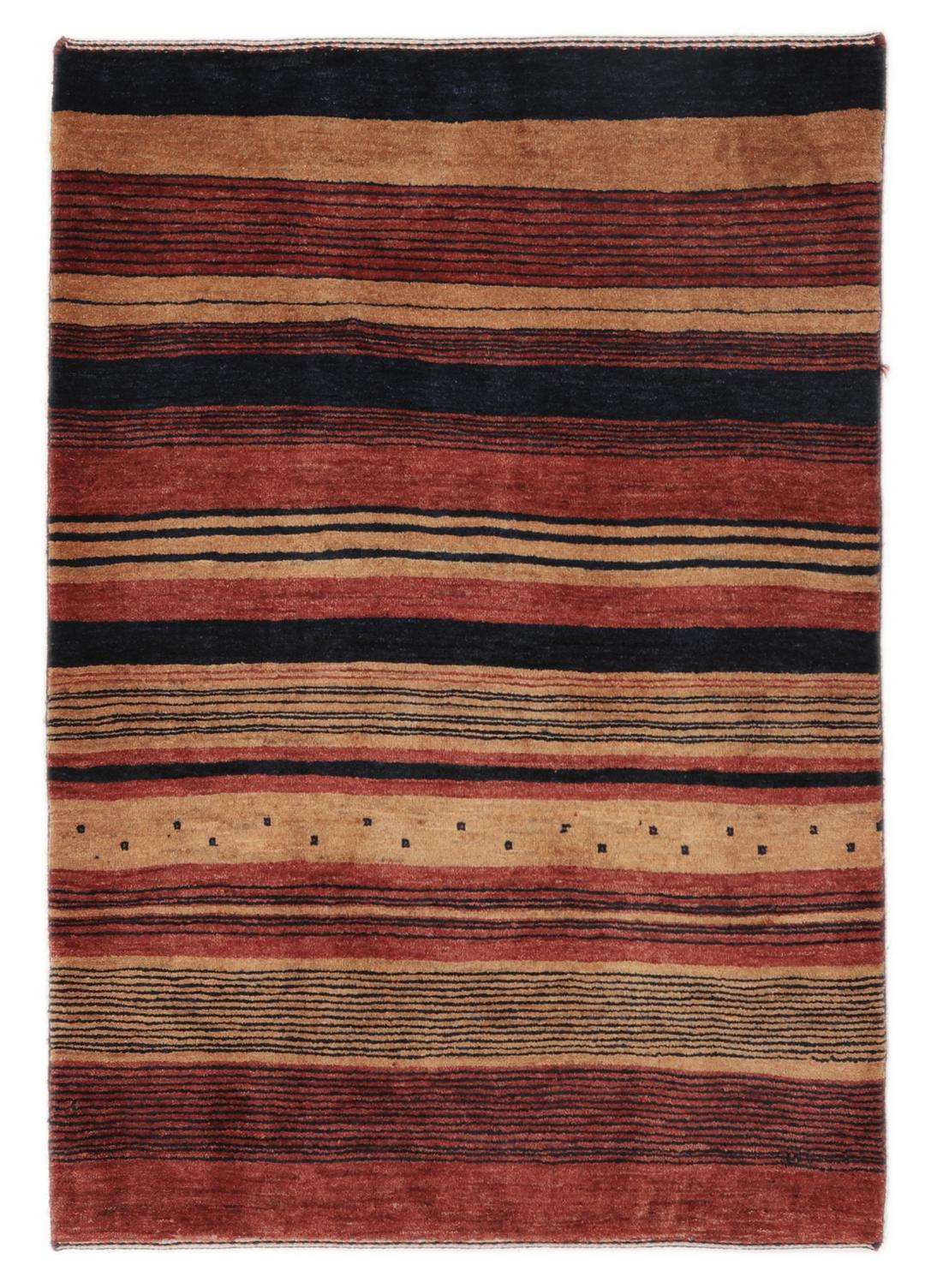
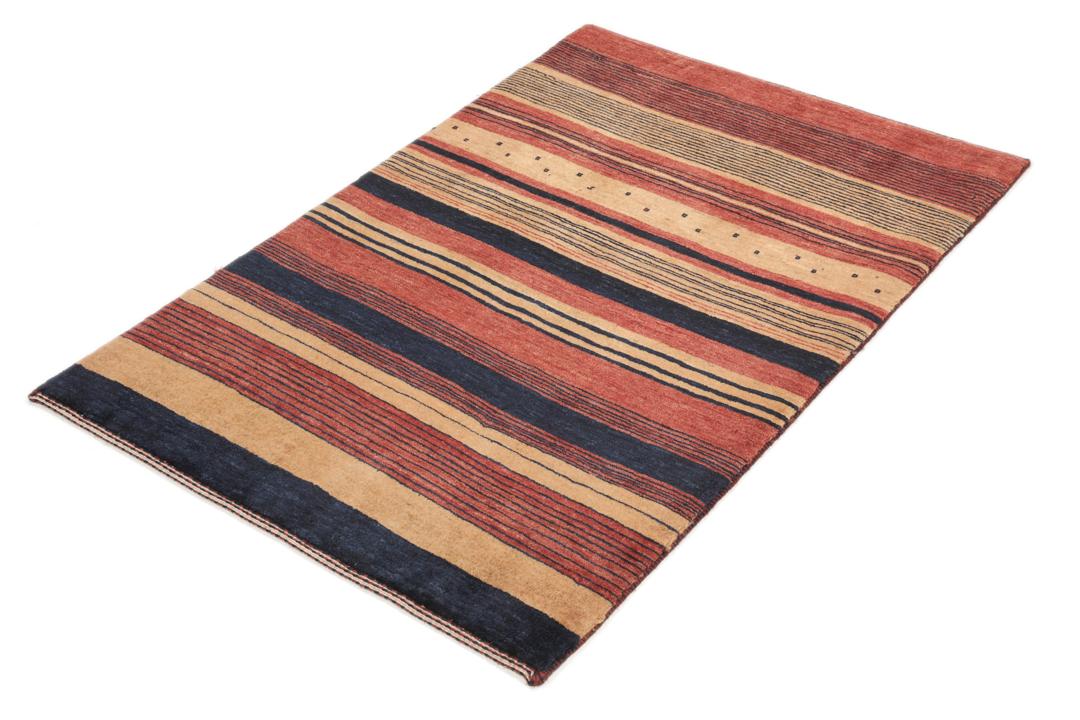
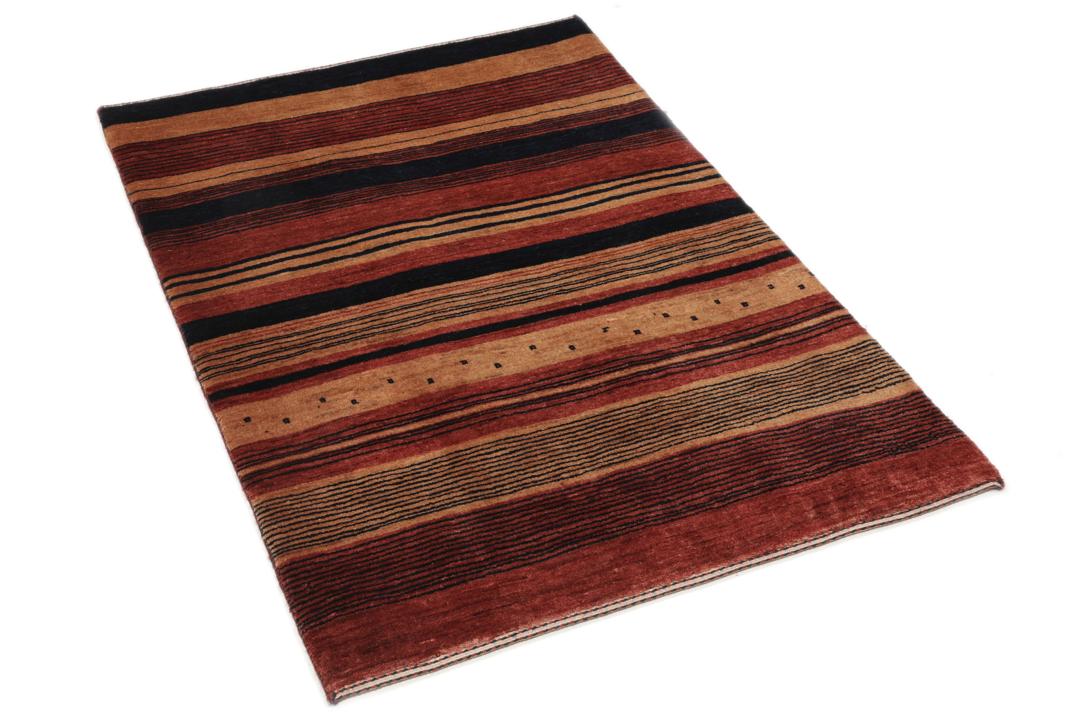
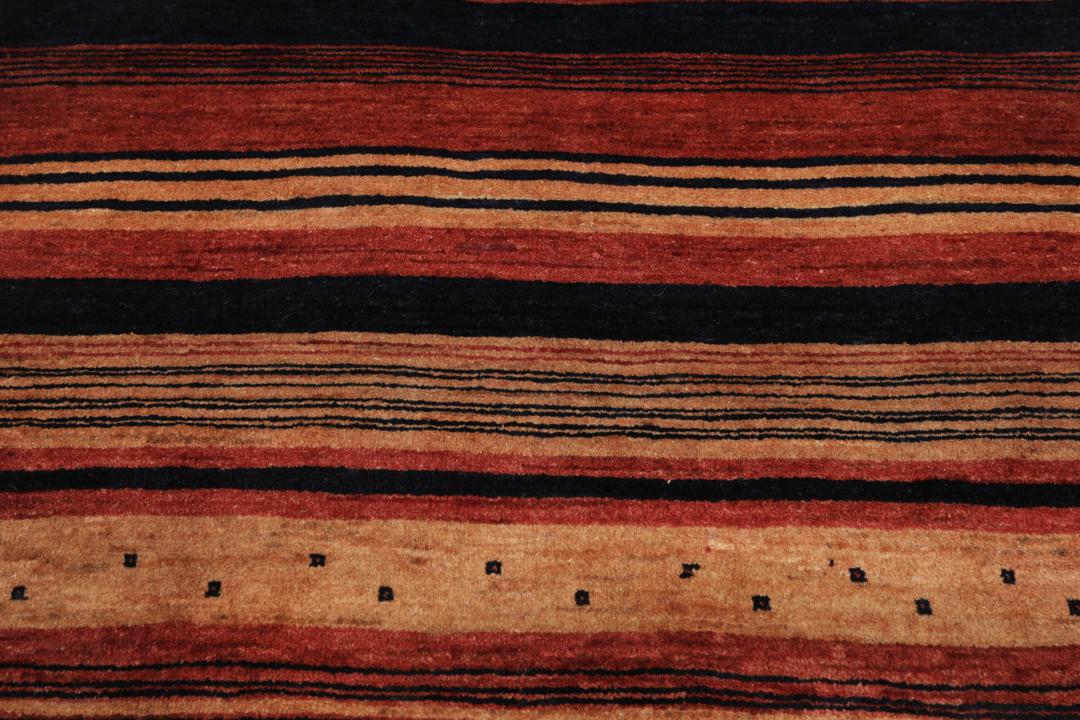
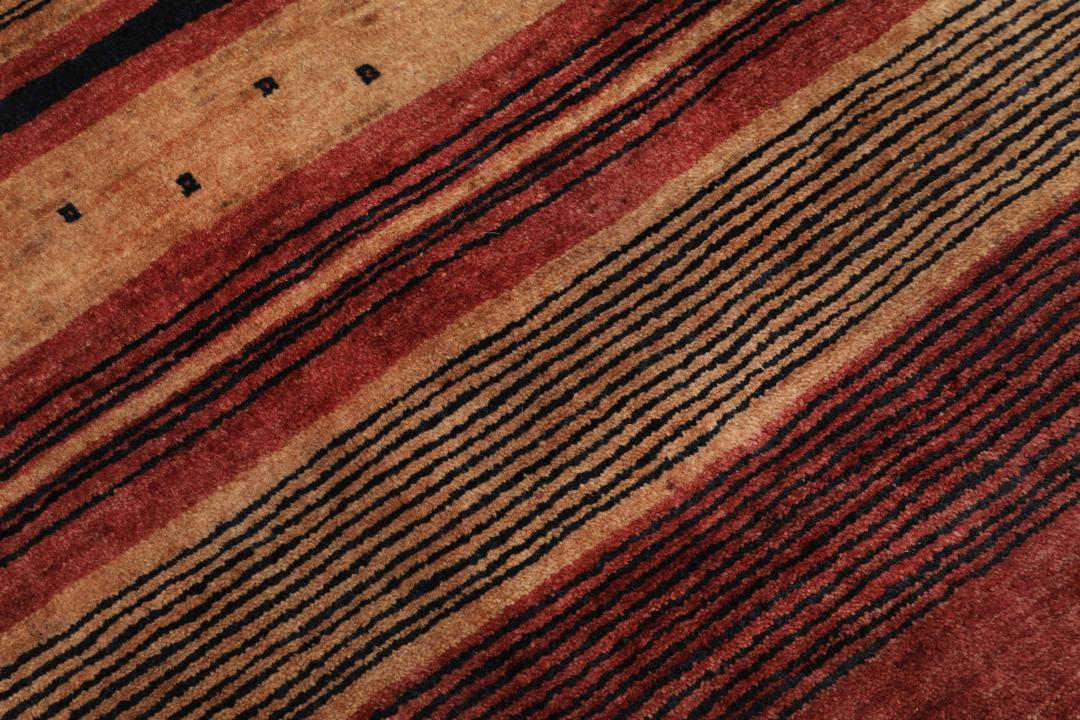
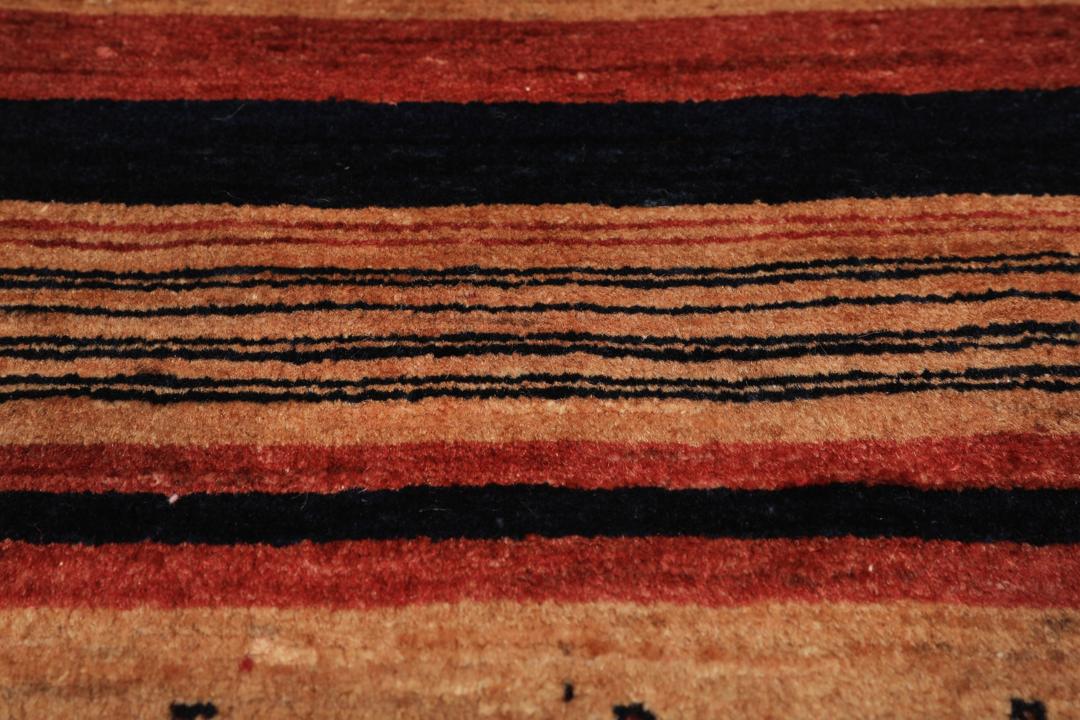
Visually, these rugs are often defined by their minimalist or geometric motifs. While some feature tribal patterns or stylized animal figures, many celebrate the natural beauty of the wool through simple striped or abrash-dyed fields. The colours are traditionally derived from natural dyes, resulting in a rich, variegated look that gives each rug an organic and soulful quality.
Today, these rugs are highly sought after by collectors who value authenticity and the human story behind every knot. Owning a Loribaft rug means participating in a living history of tribal craft. It is a way to bring a piece of cultural heritage into your home, celebrating the skill of the artisans who continue to keep these ancient traditions alive.