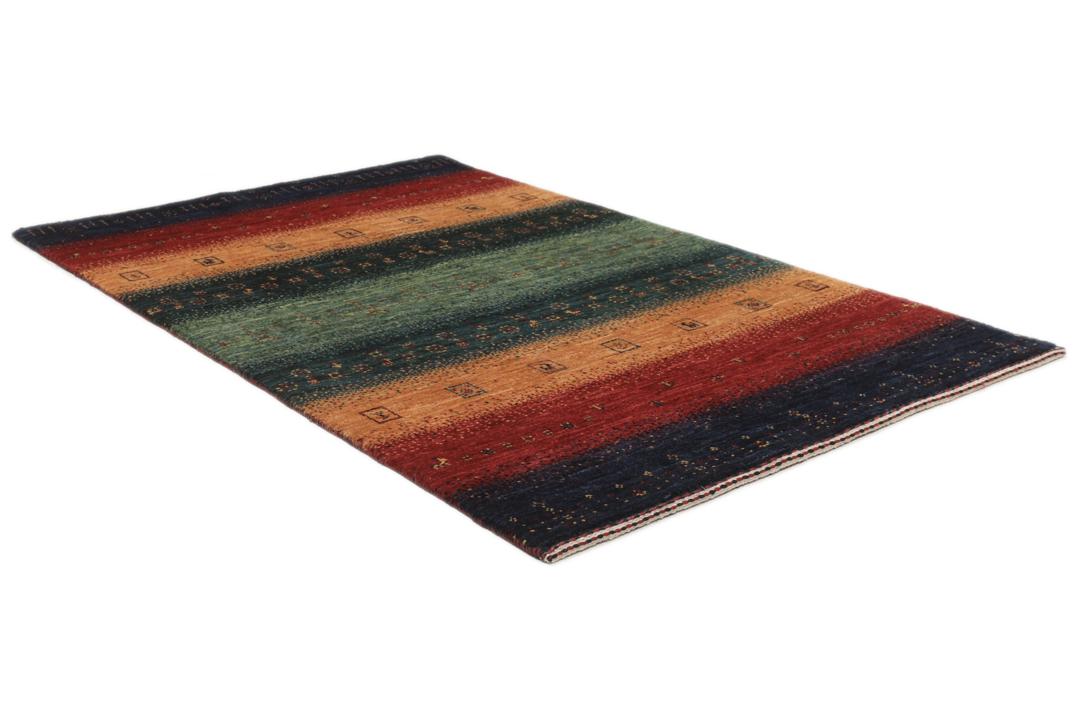
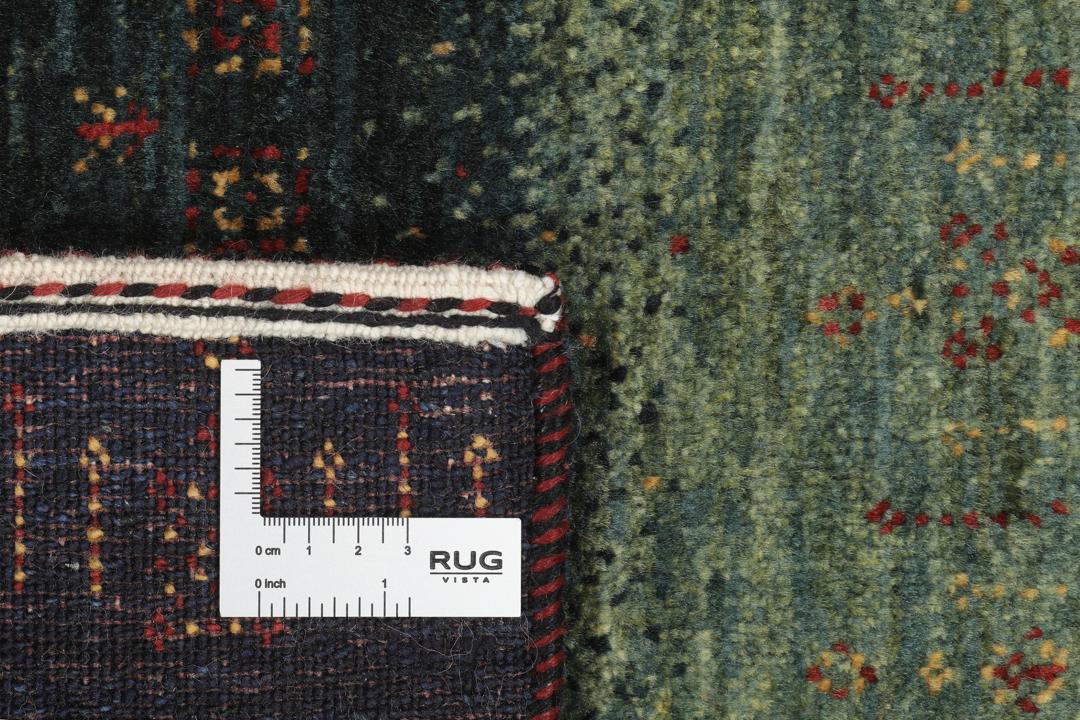
Loribaft rugs originate from the nomadic tribes of the Middle East, specifically the Luri people, who have long been celebrated for their expressive and soulful weaving styles. These rugs were historically created for personal use within tents, intended to provide warmth and comfort while reflecting the stories and cultural identity of the tribe.
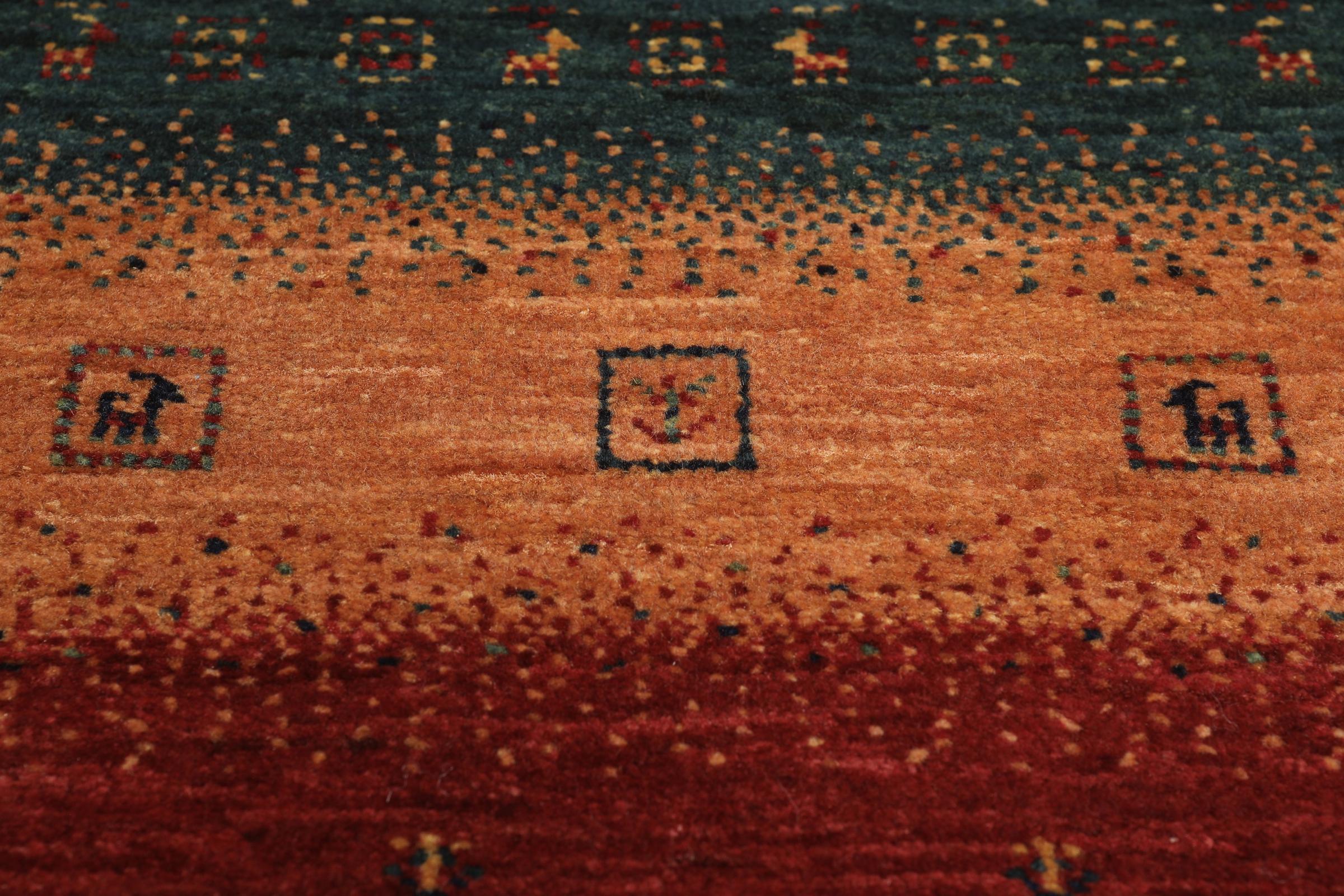
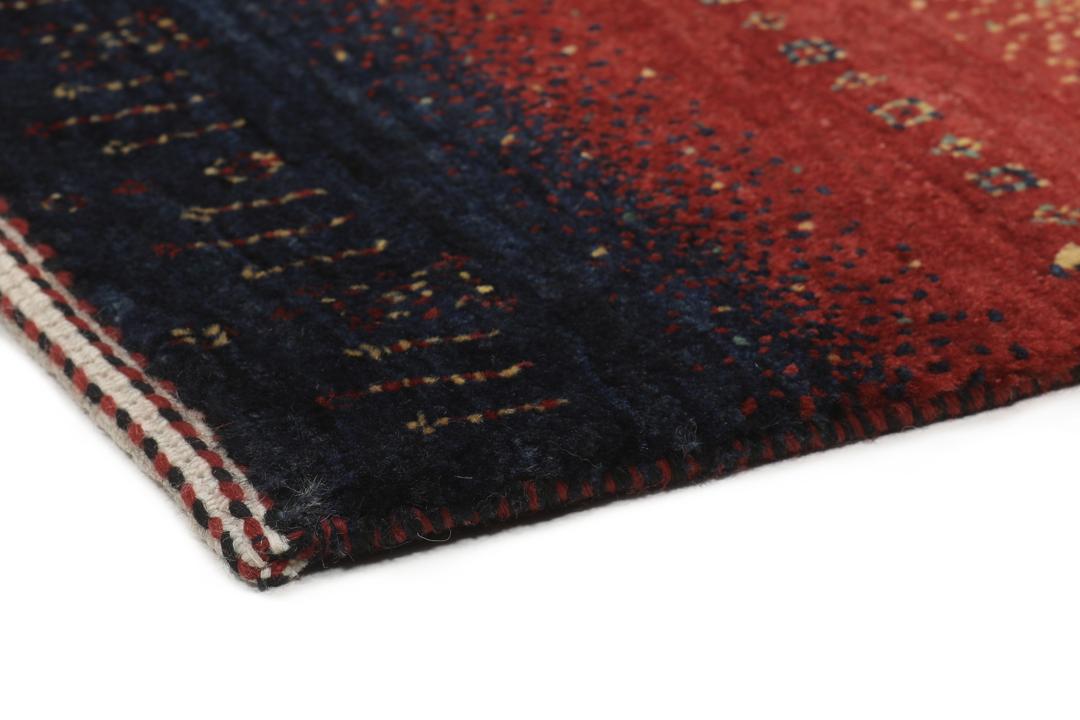
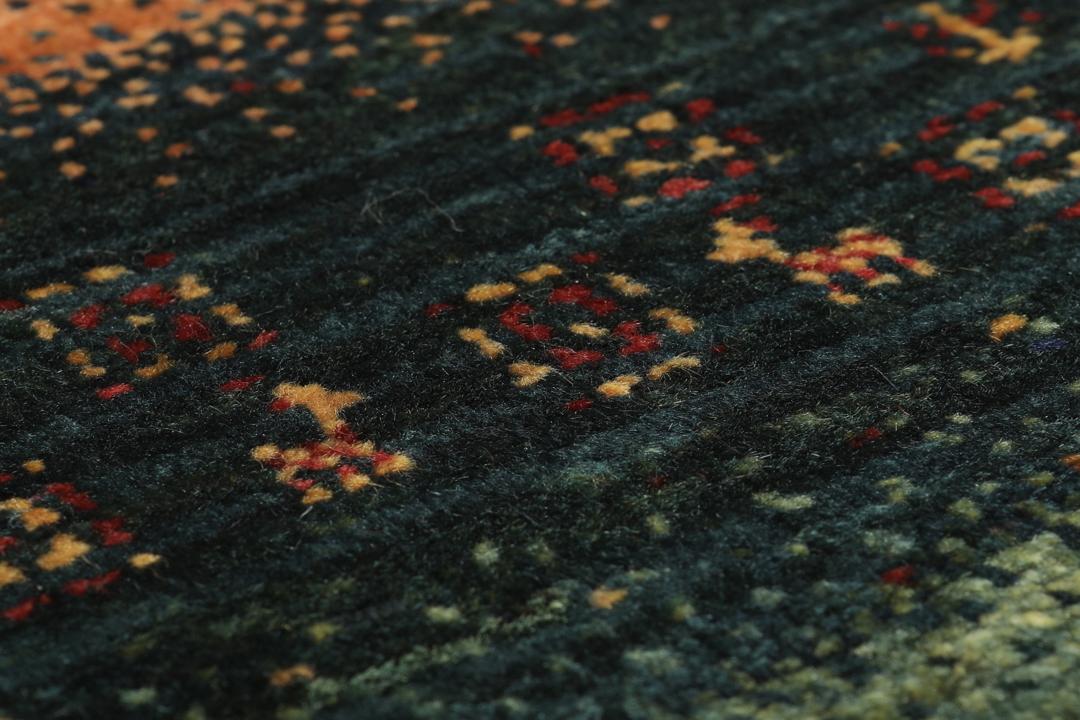
The term 'Loribaft' refers to this distinct style of weaving, which is characterised by a thicker, more generous pile and a more relaxed, spontaneous approach to design compared to formal city-made rugs. This technical approach creates a softer, more inviting texture that is highly sought after by those who appreciate the raw, unrefined beauty of tribal craft.
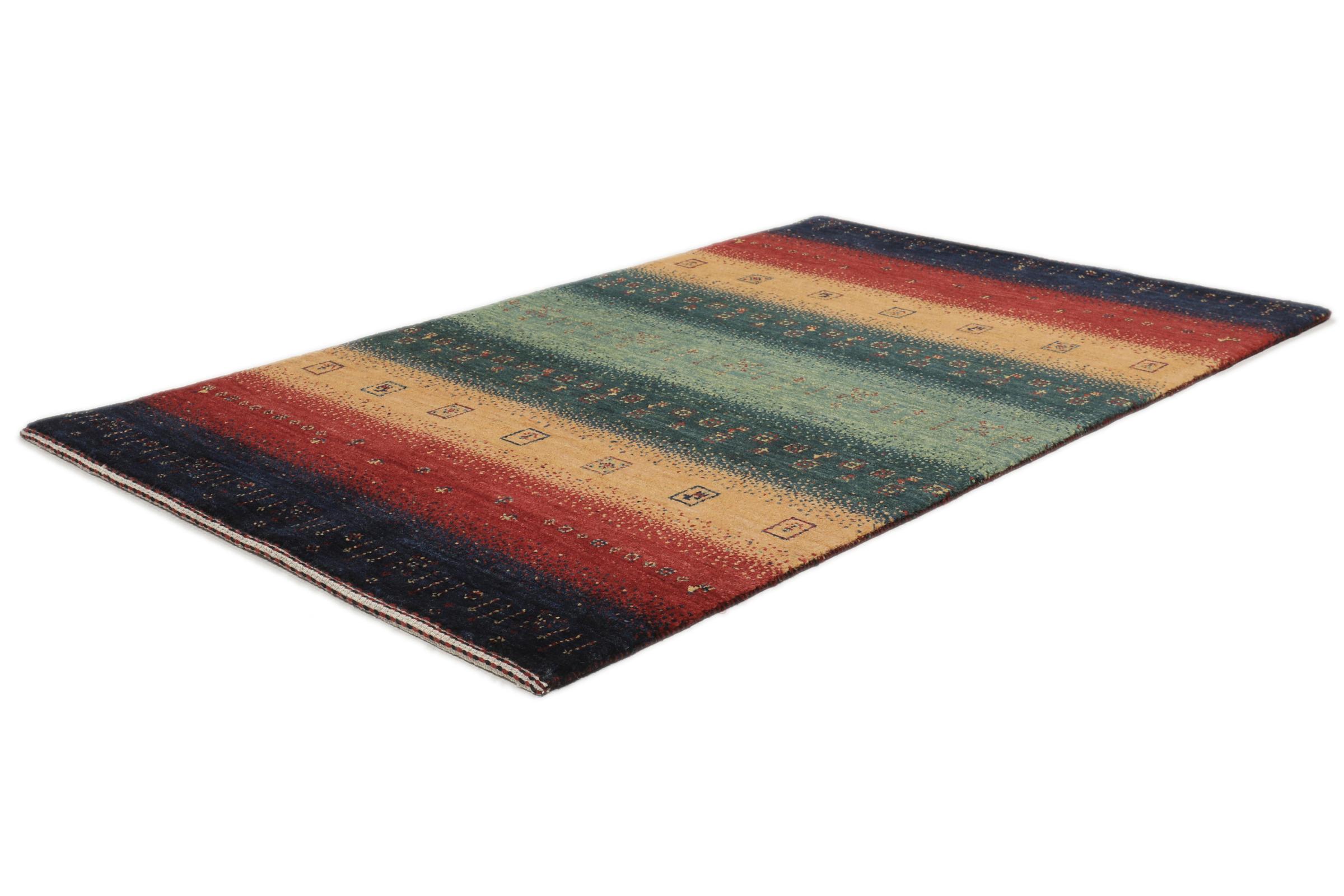
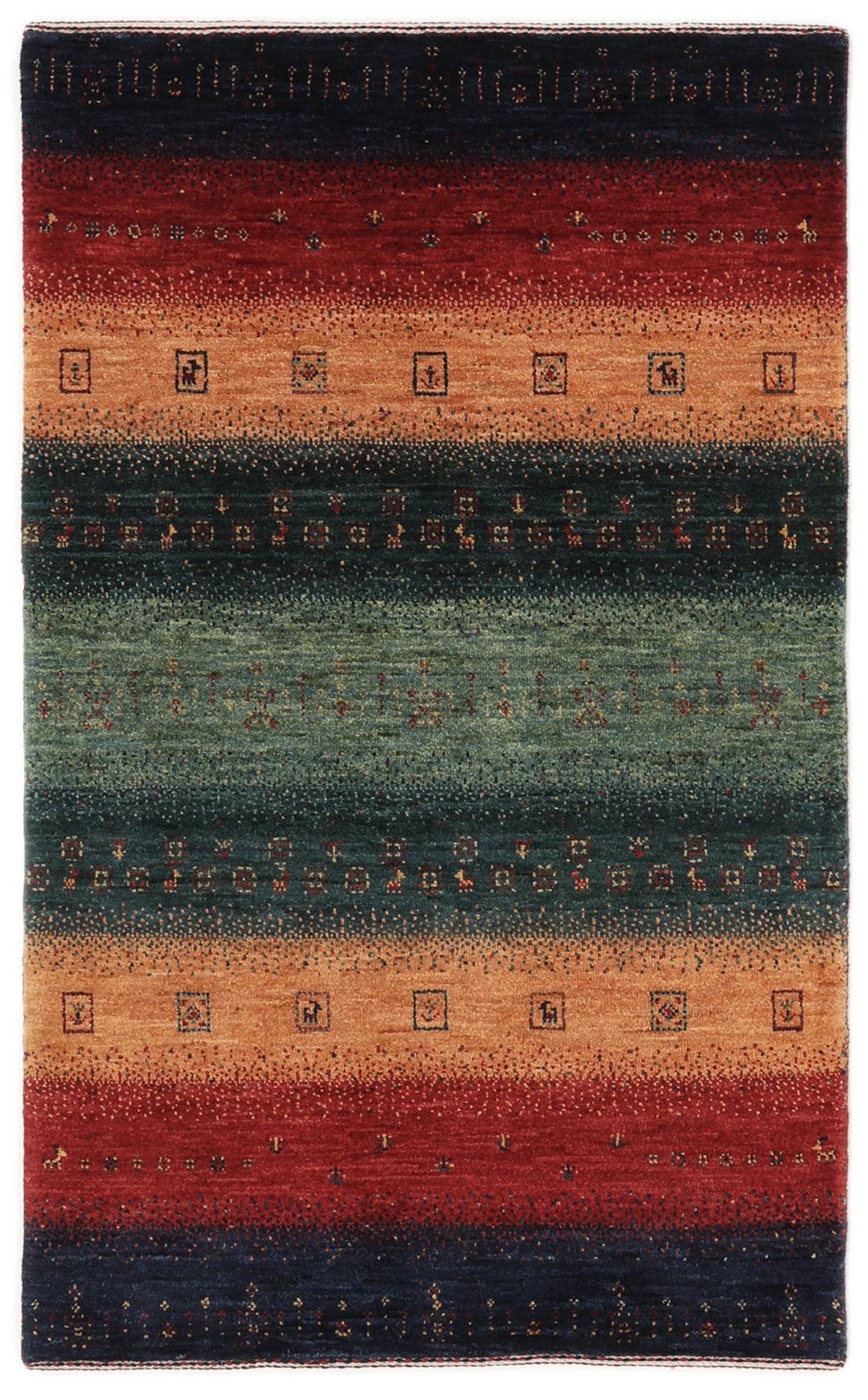
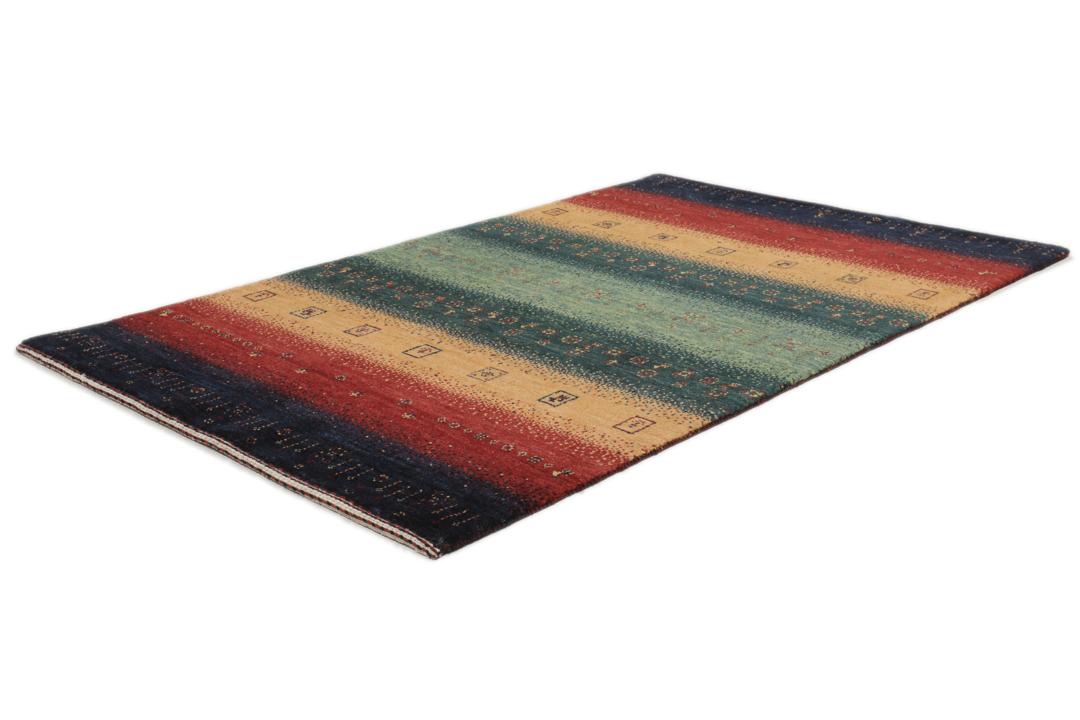
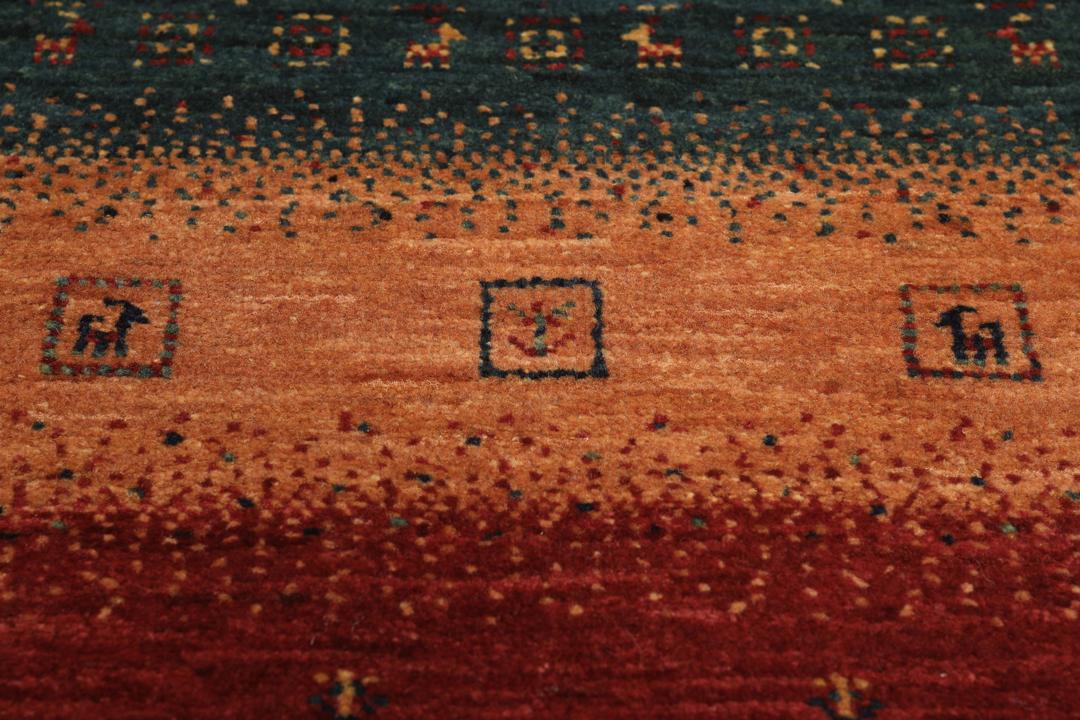
Visually, these rugs are known for their use of bold, saturated colours and symbolic tribal motifs, often including stylised animals, plants, or geometric shapes that carry specific cultural meanings. The stripes seen in this piece are a traditional way to display a variety of natural dyes, often resulting in a harmonious, rhythmic aesthetic that feels both ancient and contemporary.
Collecting a Loribaft rug is an opportunity to connect with a living tradition that spans generations. Each rug is not merely a floor covering but a repository of the weaver's skill and the tribe's heritage, making it a valuable acquisition for anyone who appreciates the enduring appeal of authentic, hand-crafted artistry.