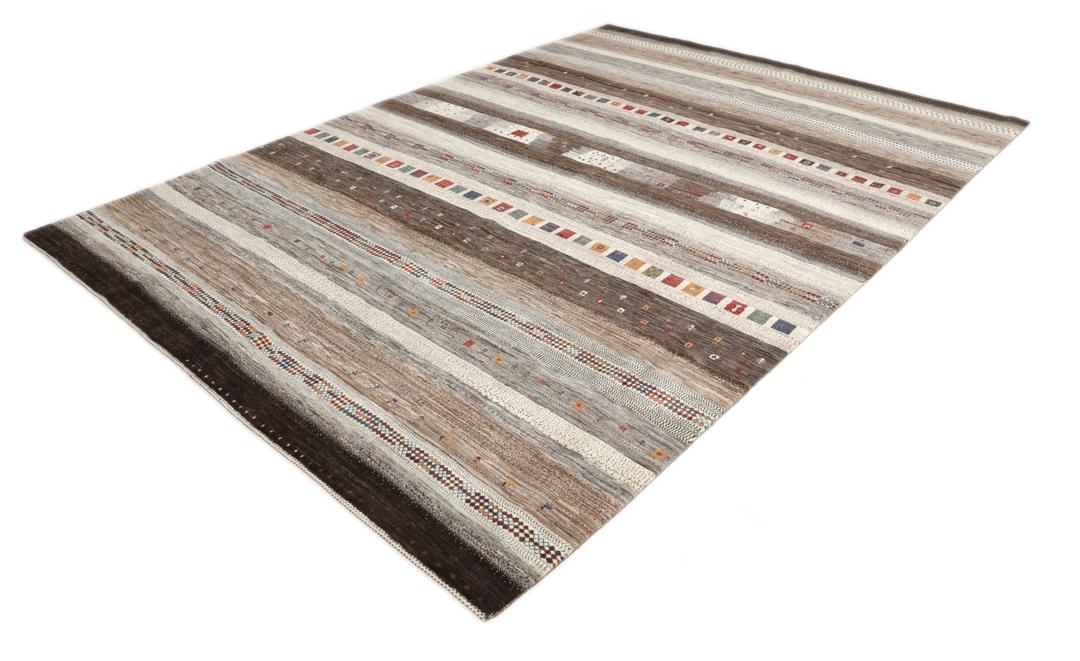
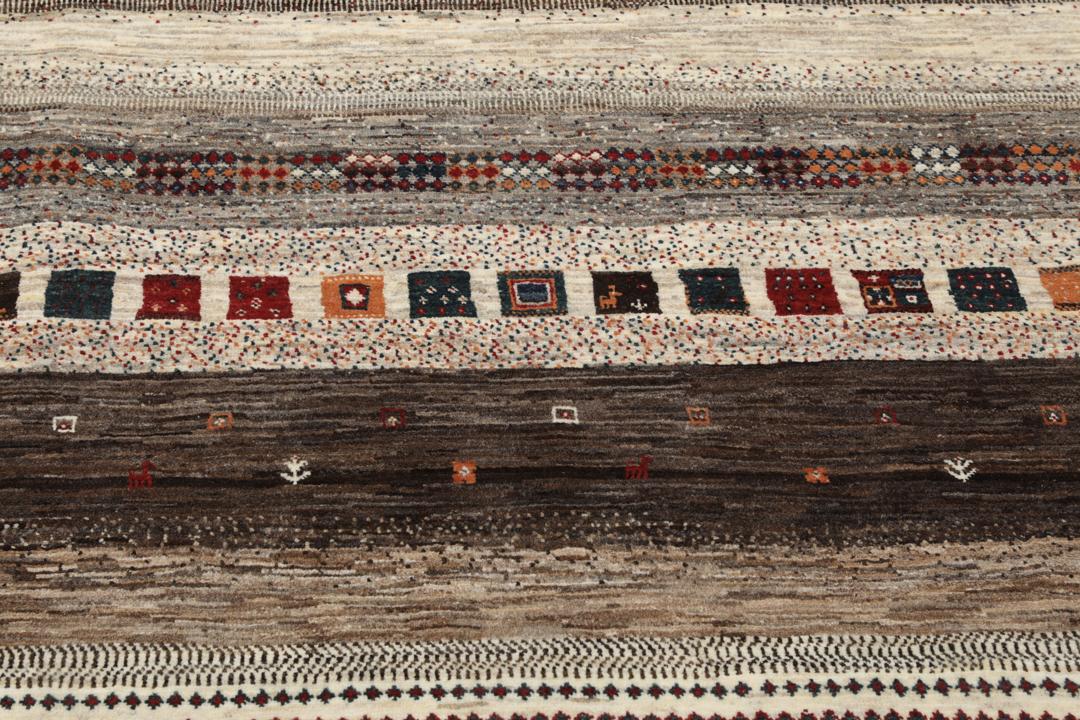
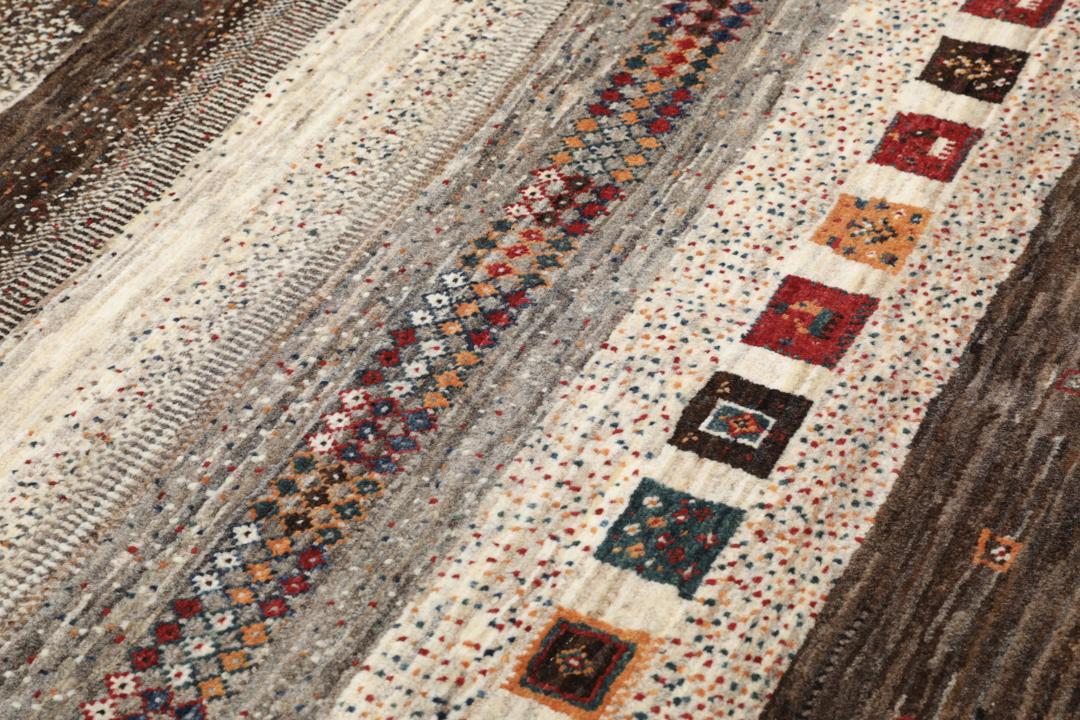
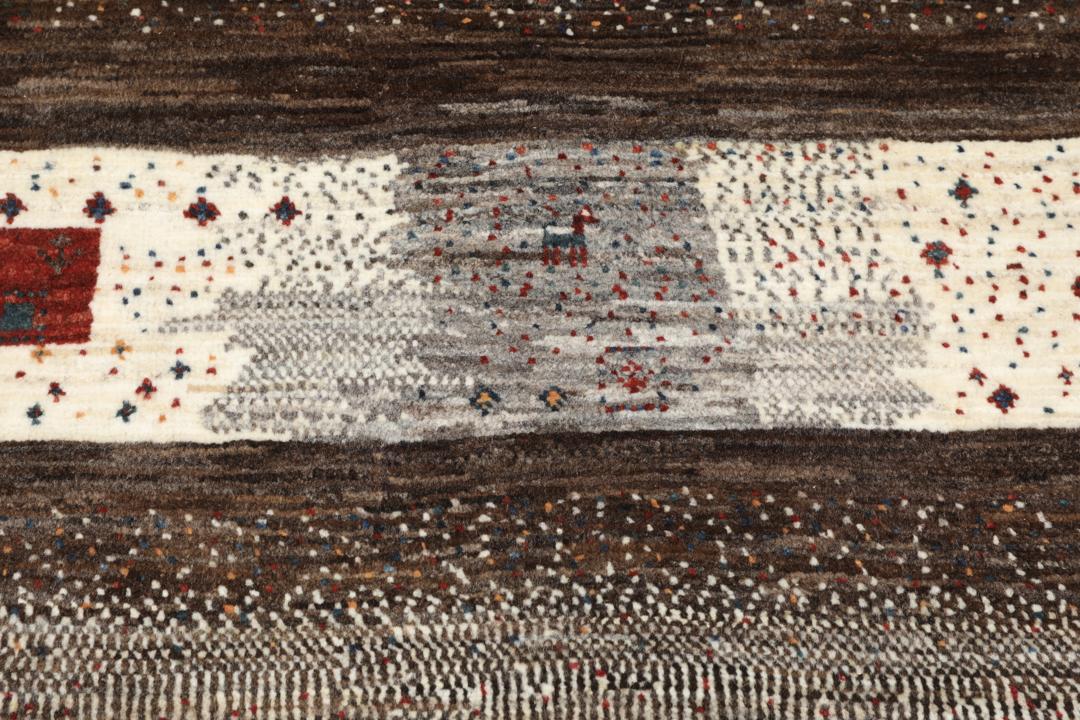
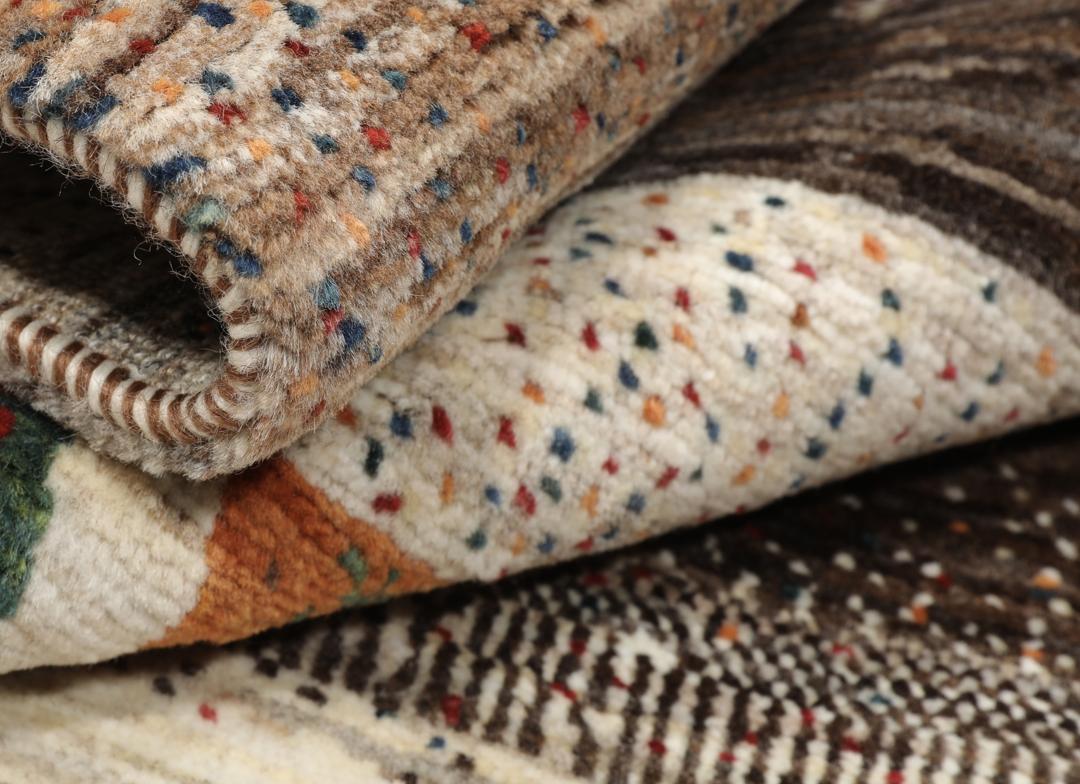
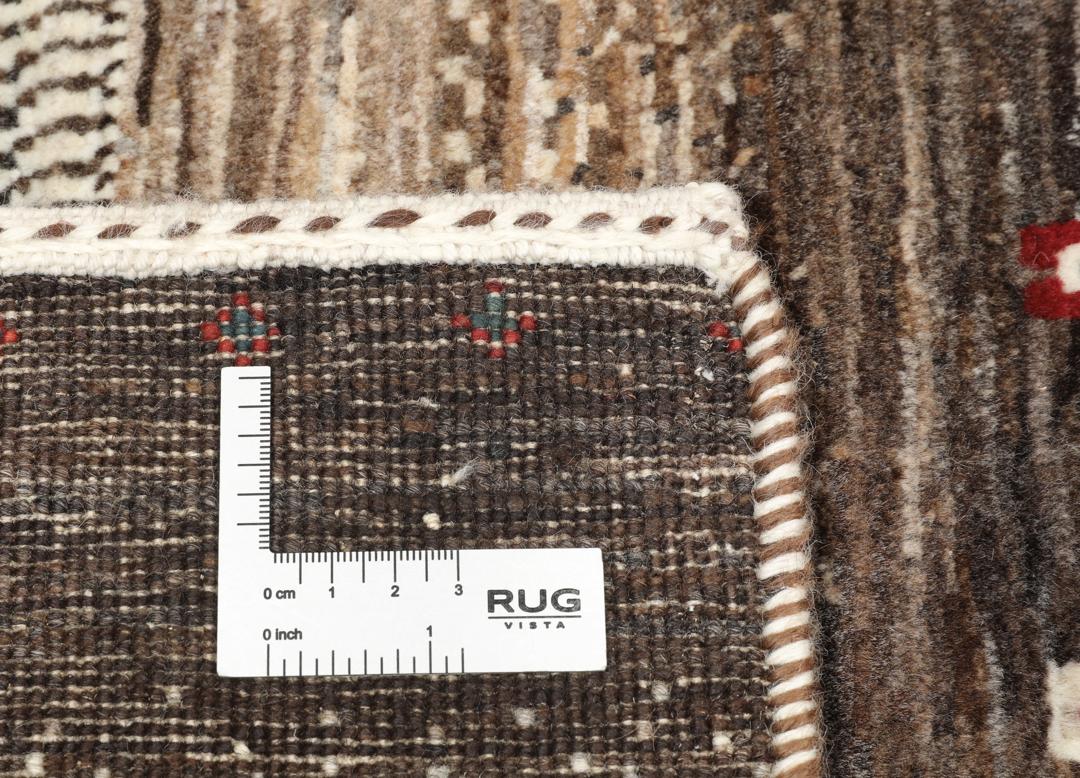
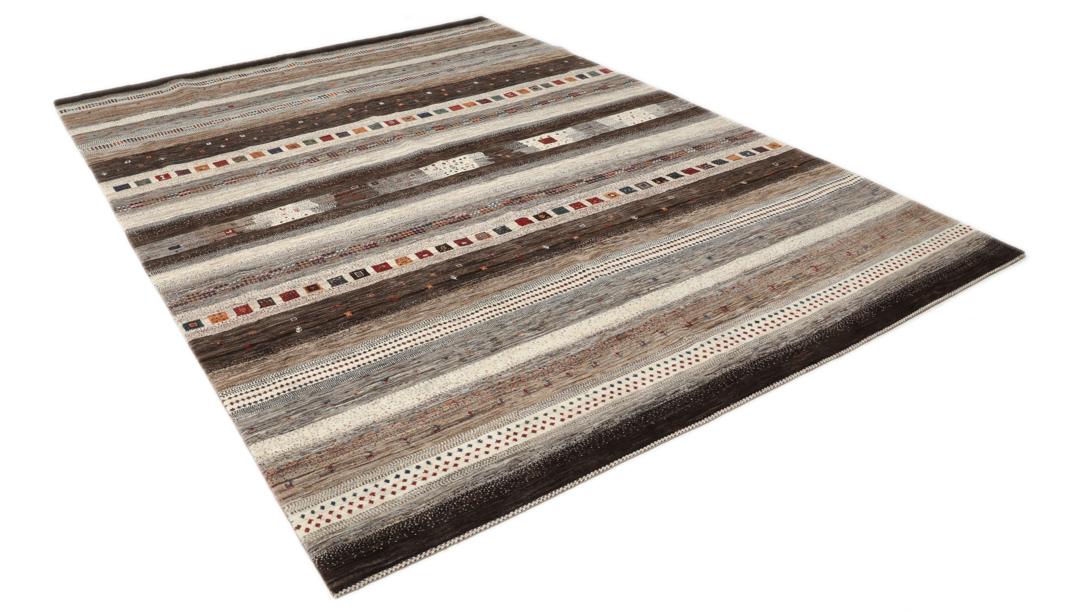
The Loribaft and Kashkooli traditions are deeply rooted in the nomadic heritage of the Middle East. These rugs were historically crafted by tribal weavers who drew inspiration from their surrounding landscapes, creating pieces that served both functional and decorative purposes within their tents and homes.
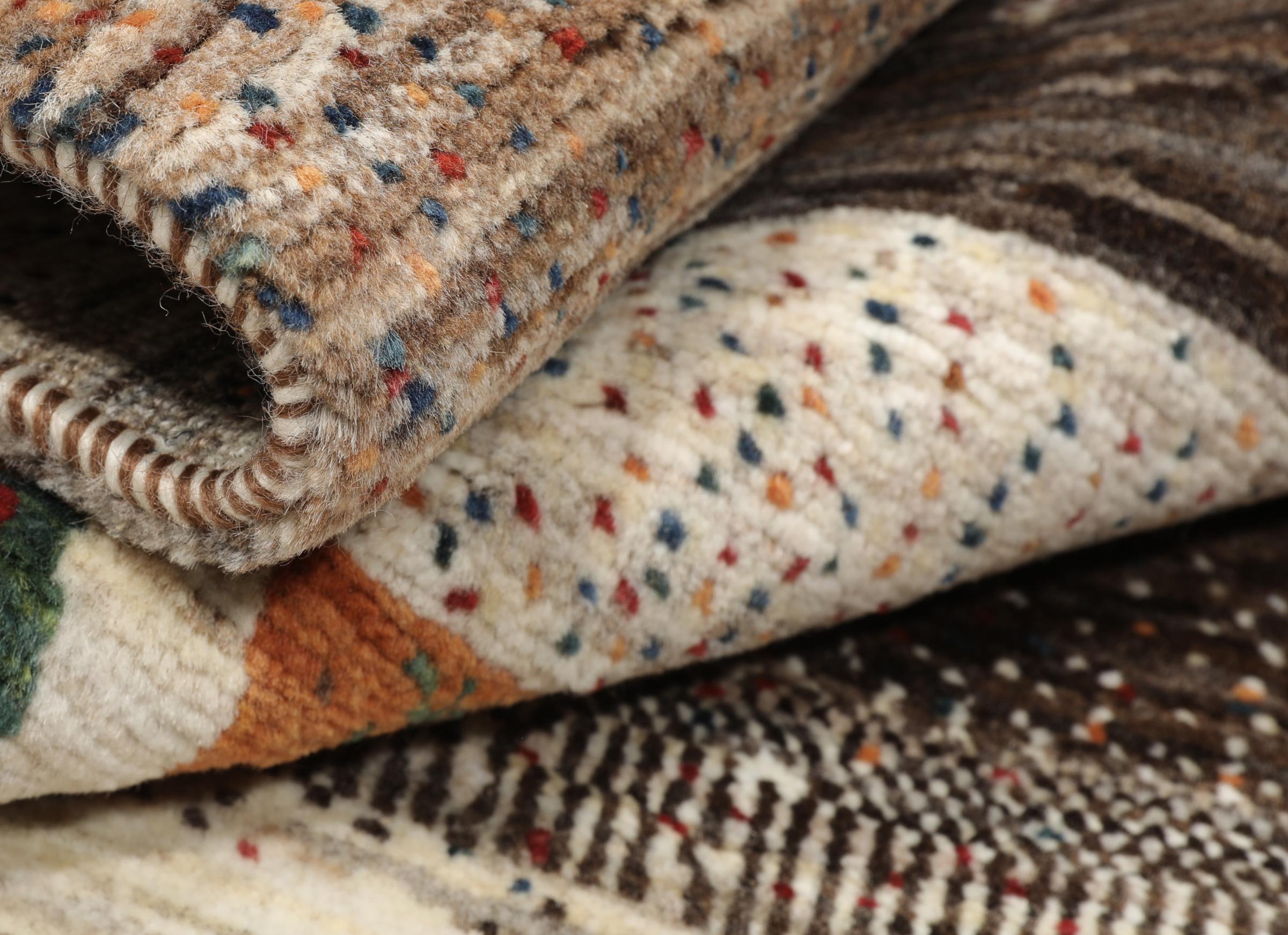
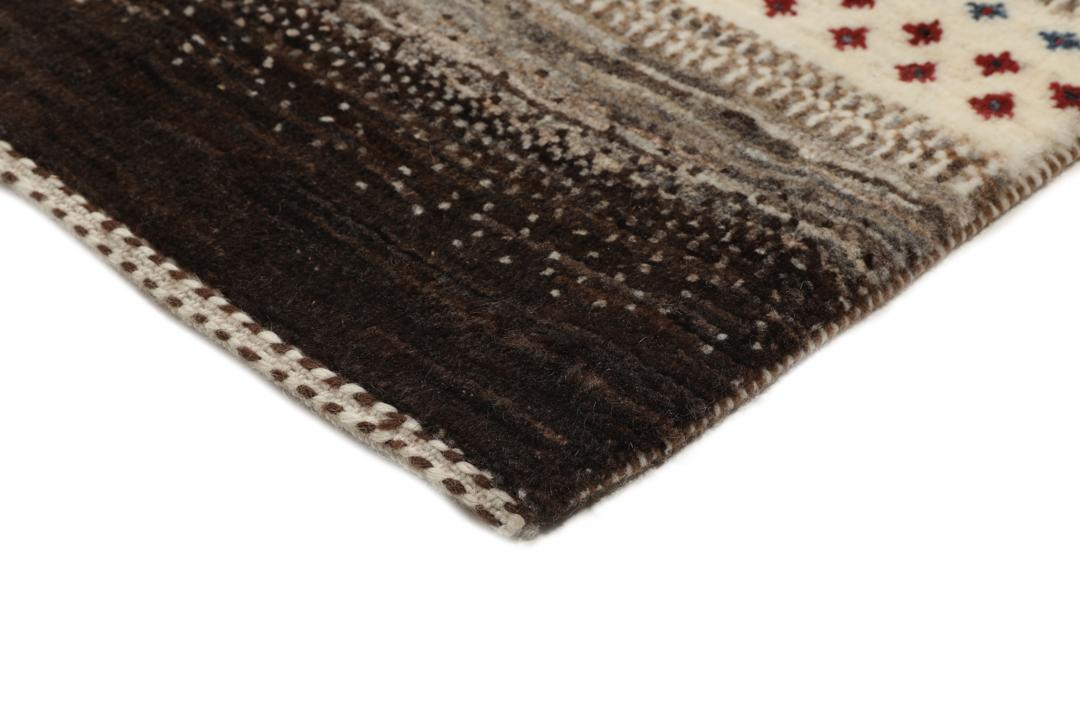
The term 'Loribaft' refers to a specific style of weaving that emphasises a thicker, softer pile compared to traditional flat-woven rugs. This construction choice was designed to provide comfort in harsh, rugged environments, leading to the development of a durable, high-quality Wool fabric that has become highly sought after by collectors for its longevity.
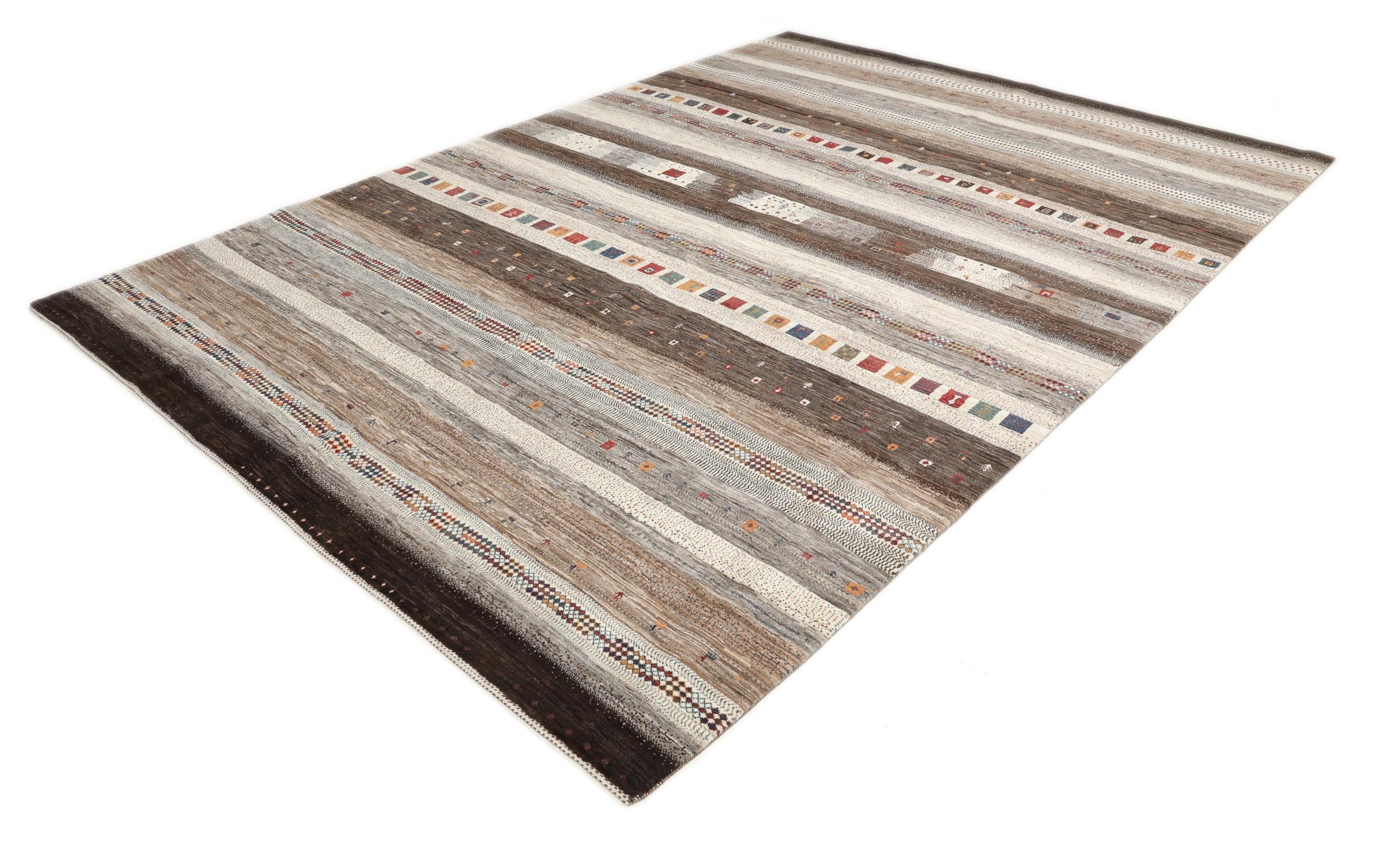
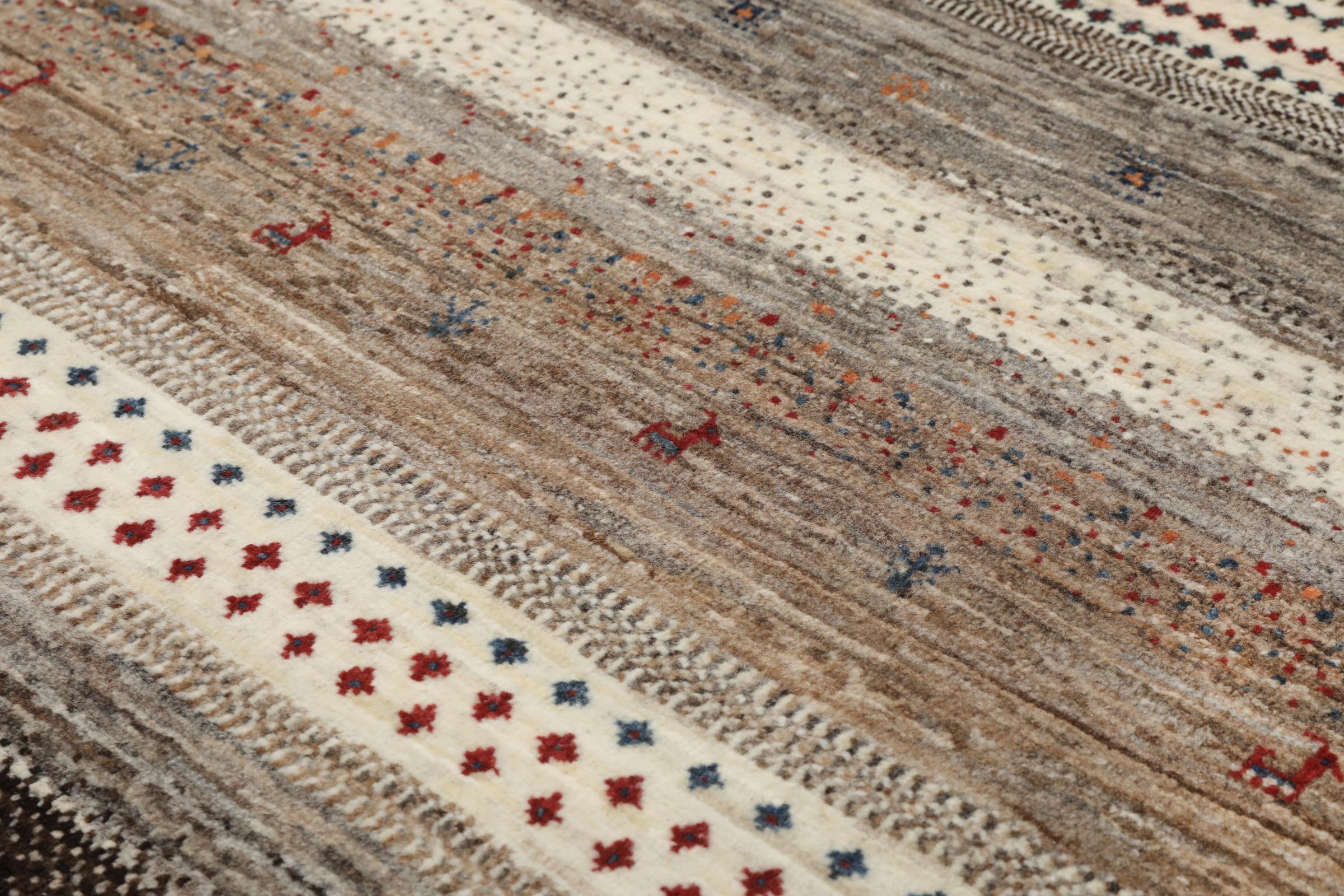
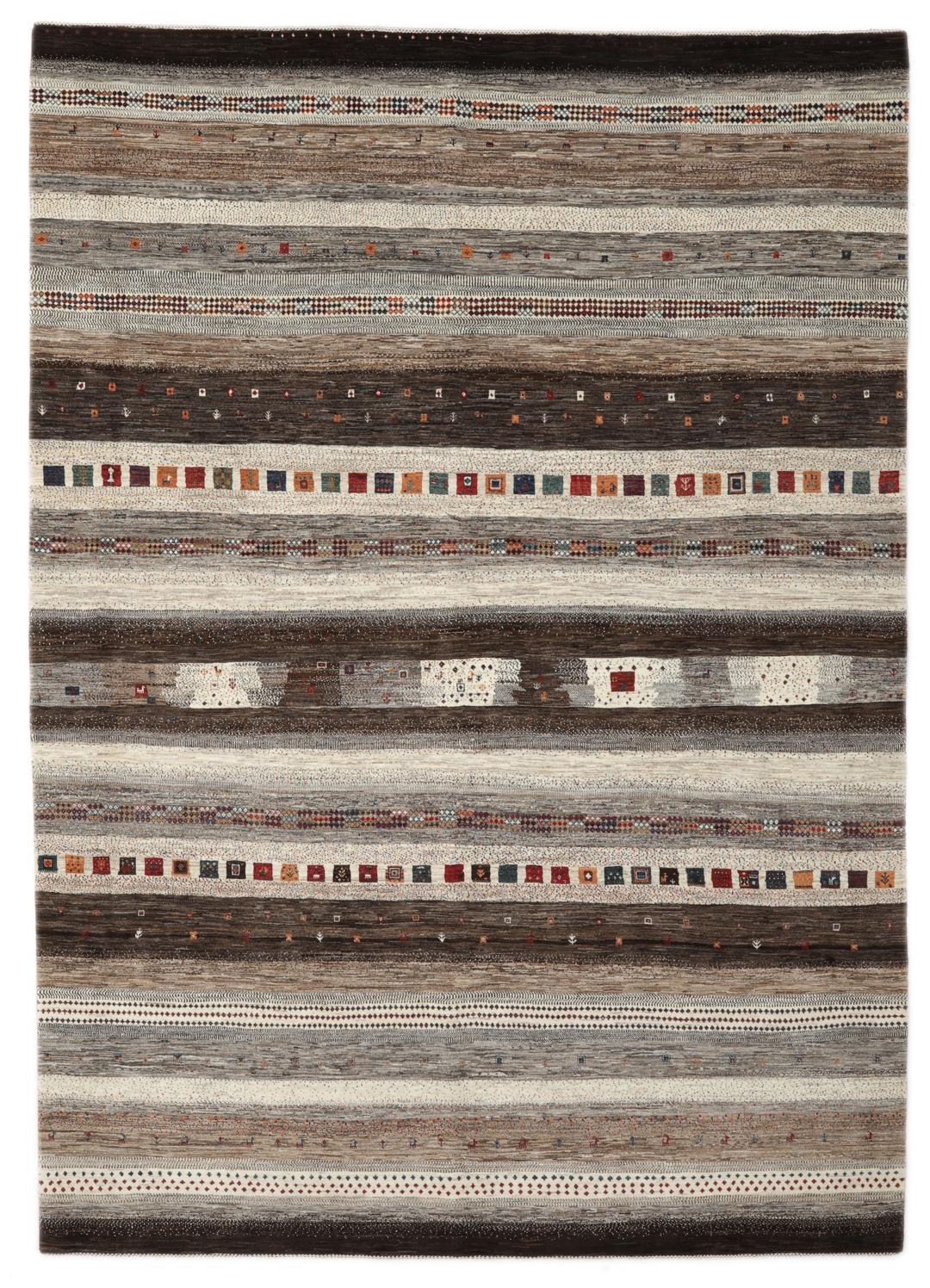
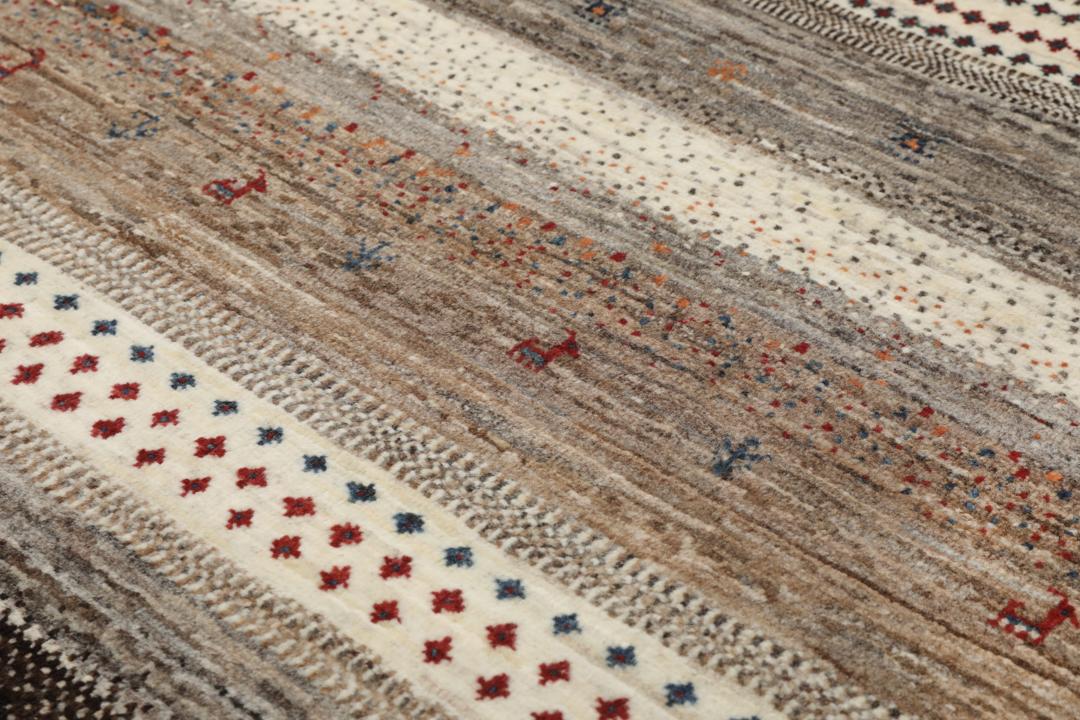
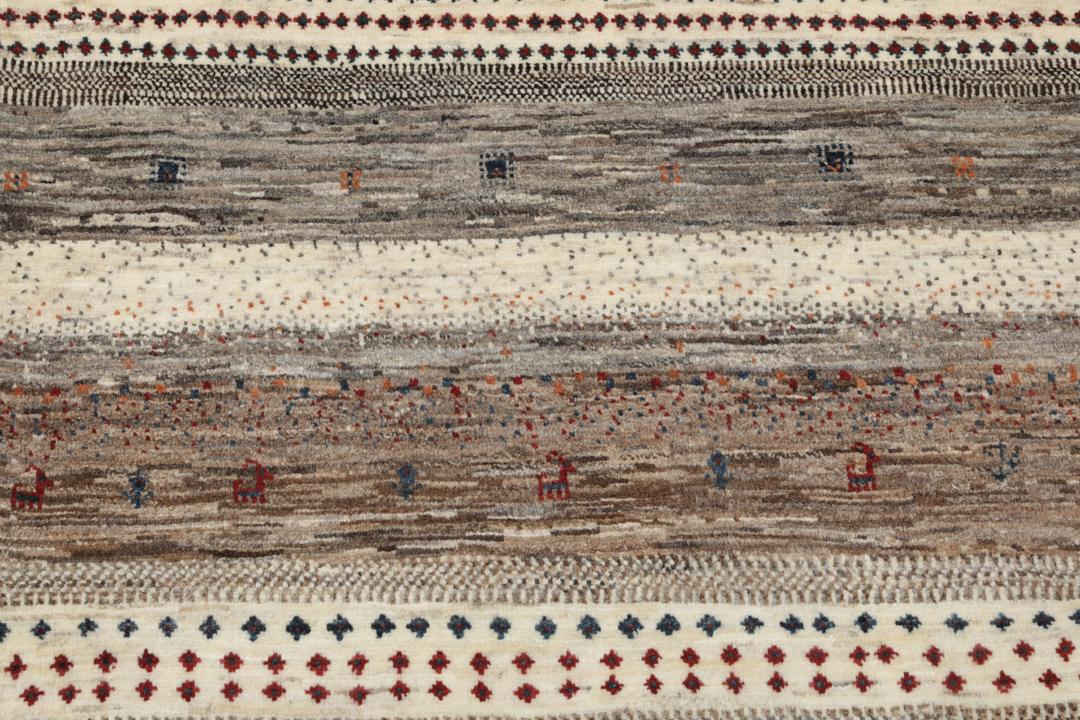
Visually, these rugs are known for their use of natural dyes and a design language that often incorporates subtle, repeating geometric motifs. While they are grounded in traditional tribal patterns, the modern interpretation often showcases a more minimalist, striped approach that highlights the natural beauty and tonal variations of the Wool.
Today, these rugs are celebrated for their cultural significance and the skill required to produce them. By choosing a hand-knotted piece, you are supporting a lineage of craft that has been passed down through generations, ensuring that these artistic traditions remain vibrant and valued in modern living spaces.