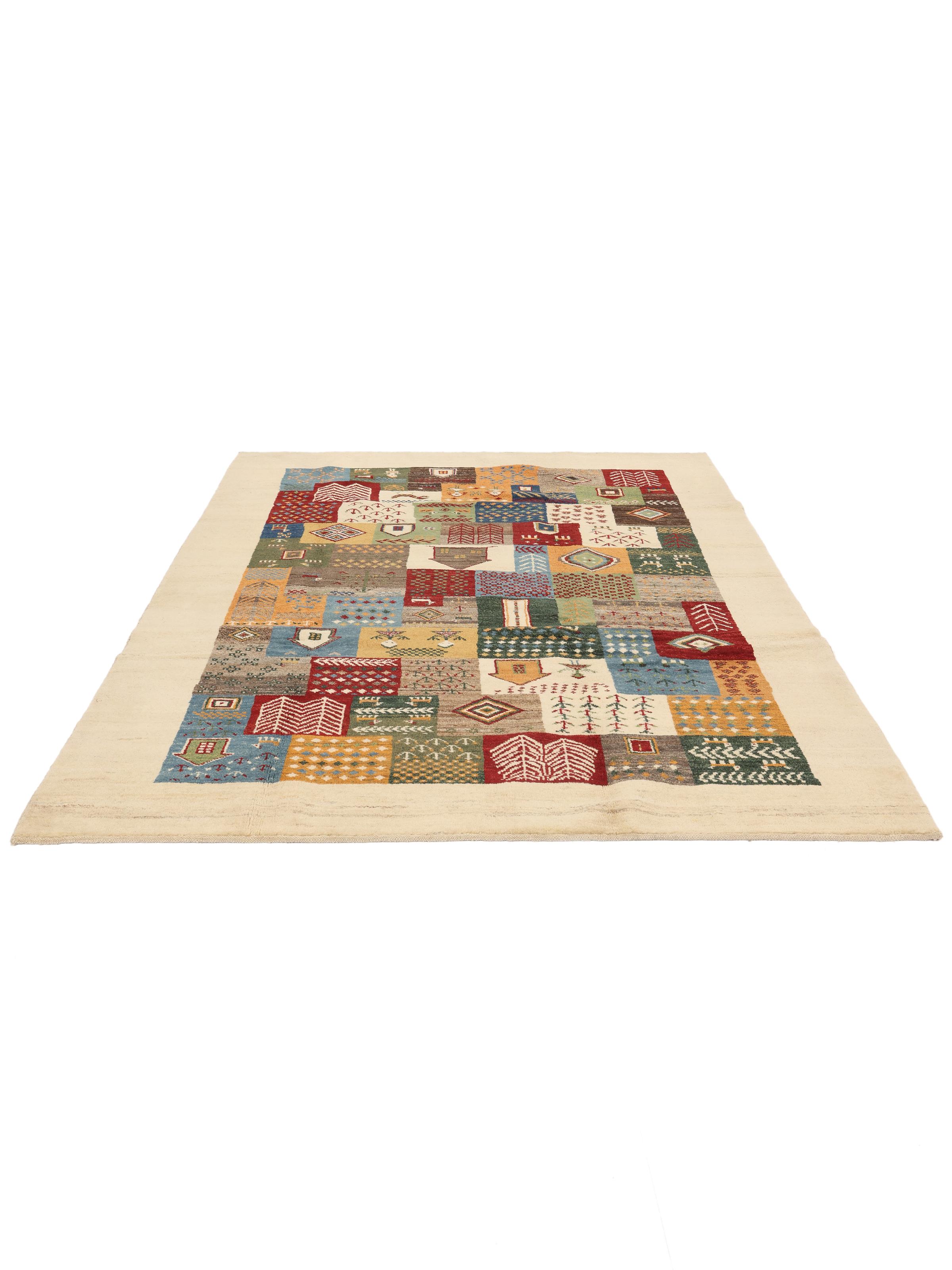
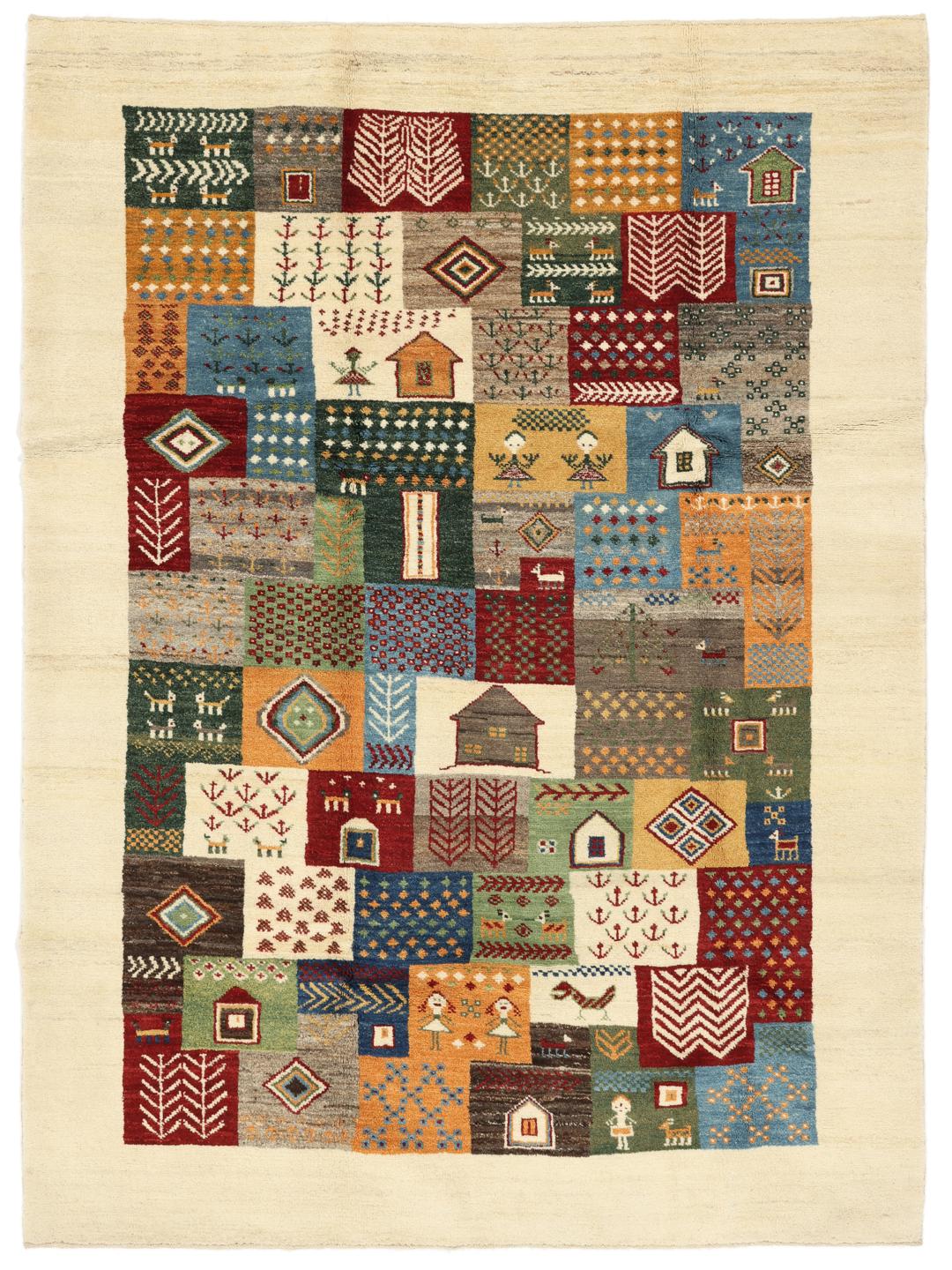
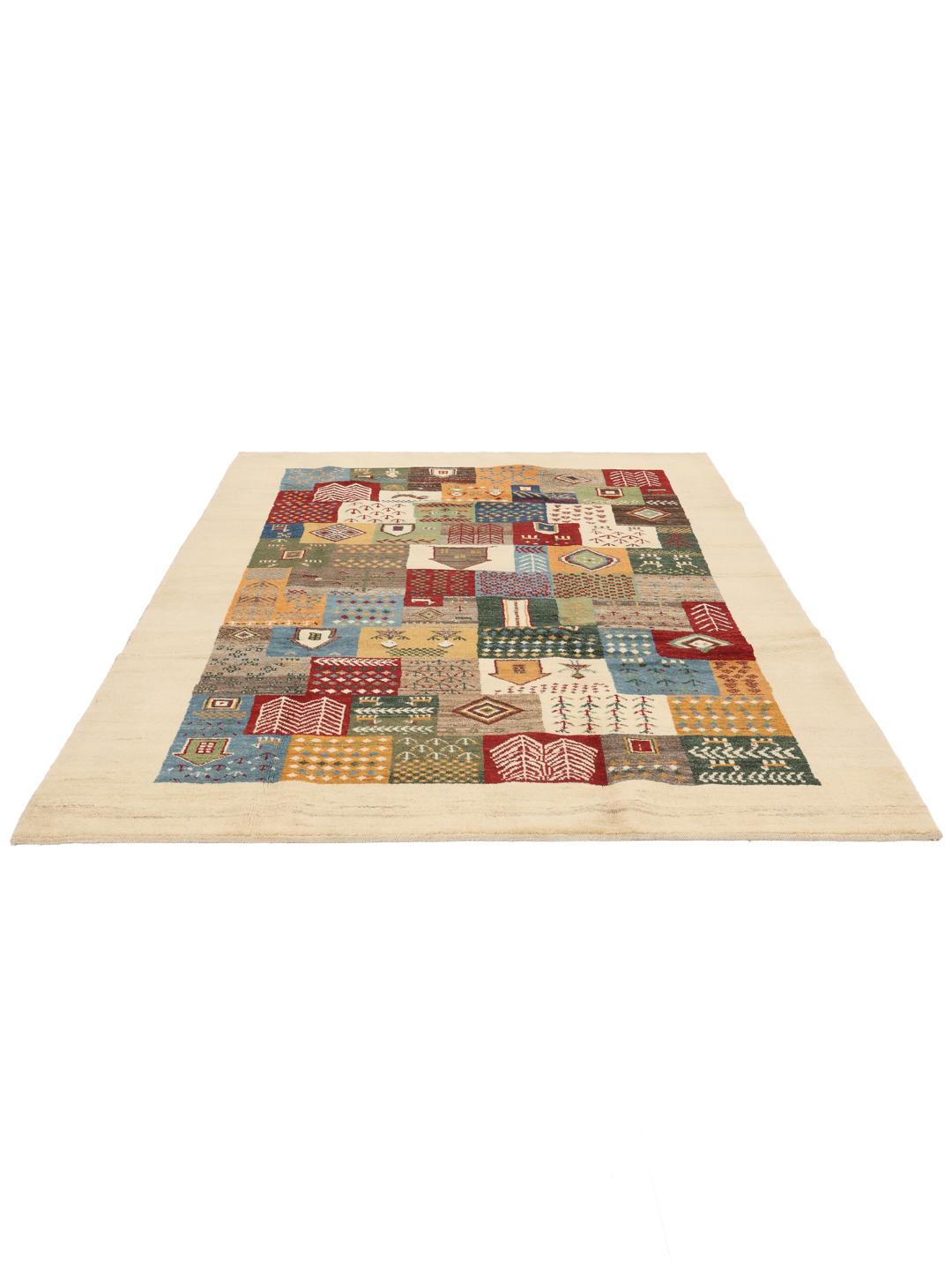
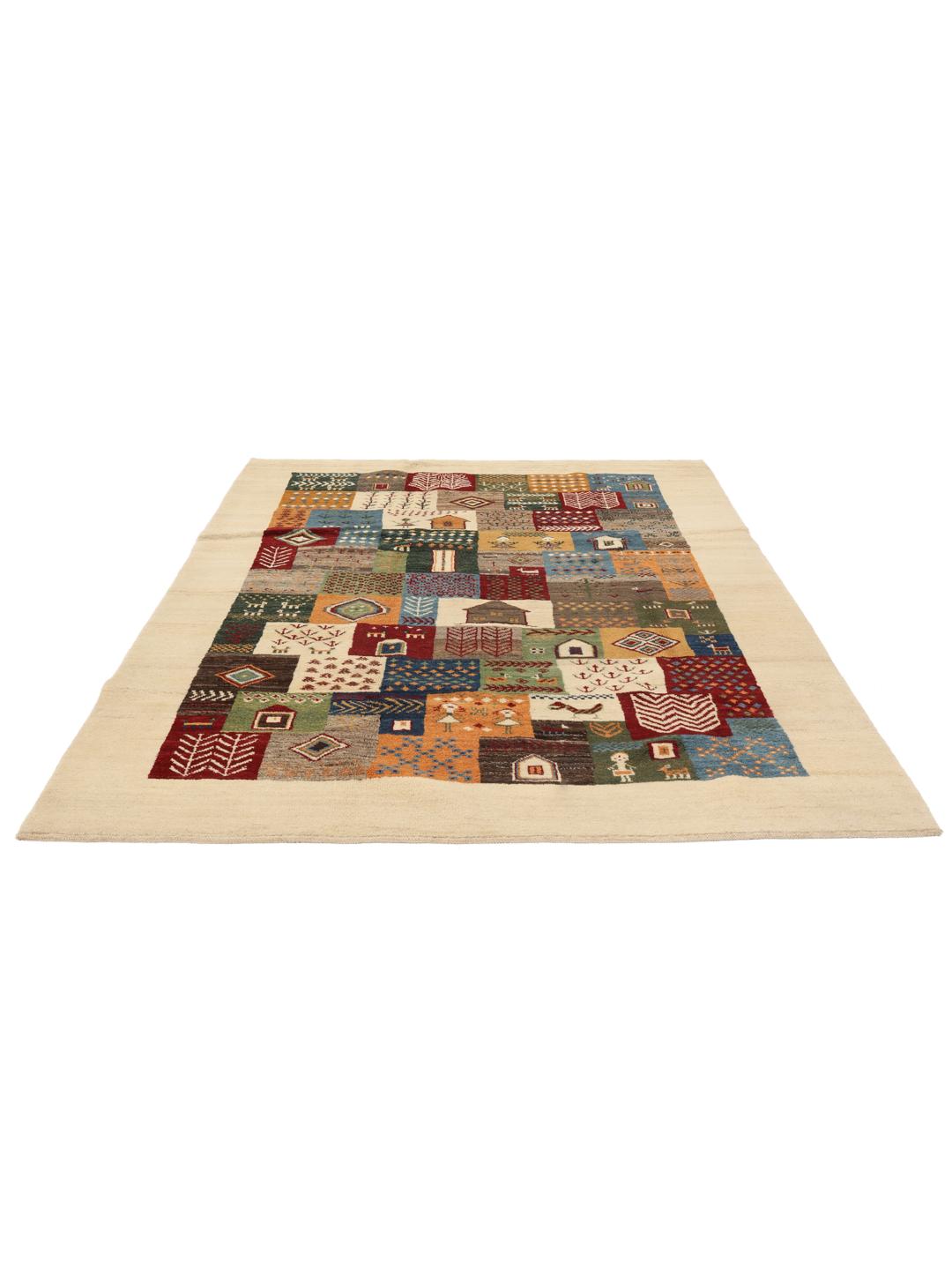
Loribaft rugs are a modern evolution of the traditional tribal weaving practices found in the Middle Eastern region. They are closely related to the famous Gabbeh style but are distinguished by a finer, more precise knotting technique that allows for much greater detail in the patterns. These rugs are typically created by nomadic or semi-nomadic tribes, who draw inspiration from their daily lives, the natural world, and their cultural history.
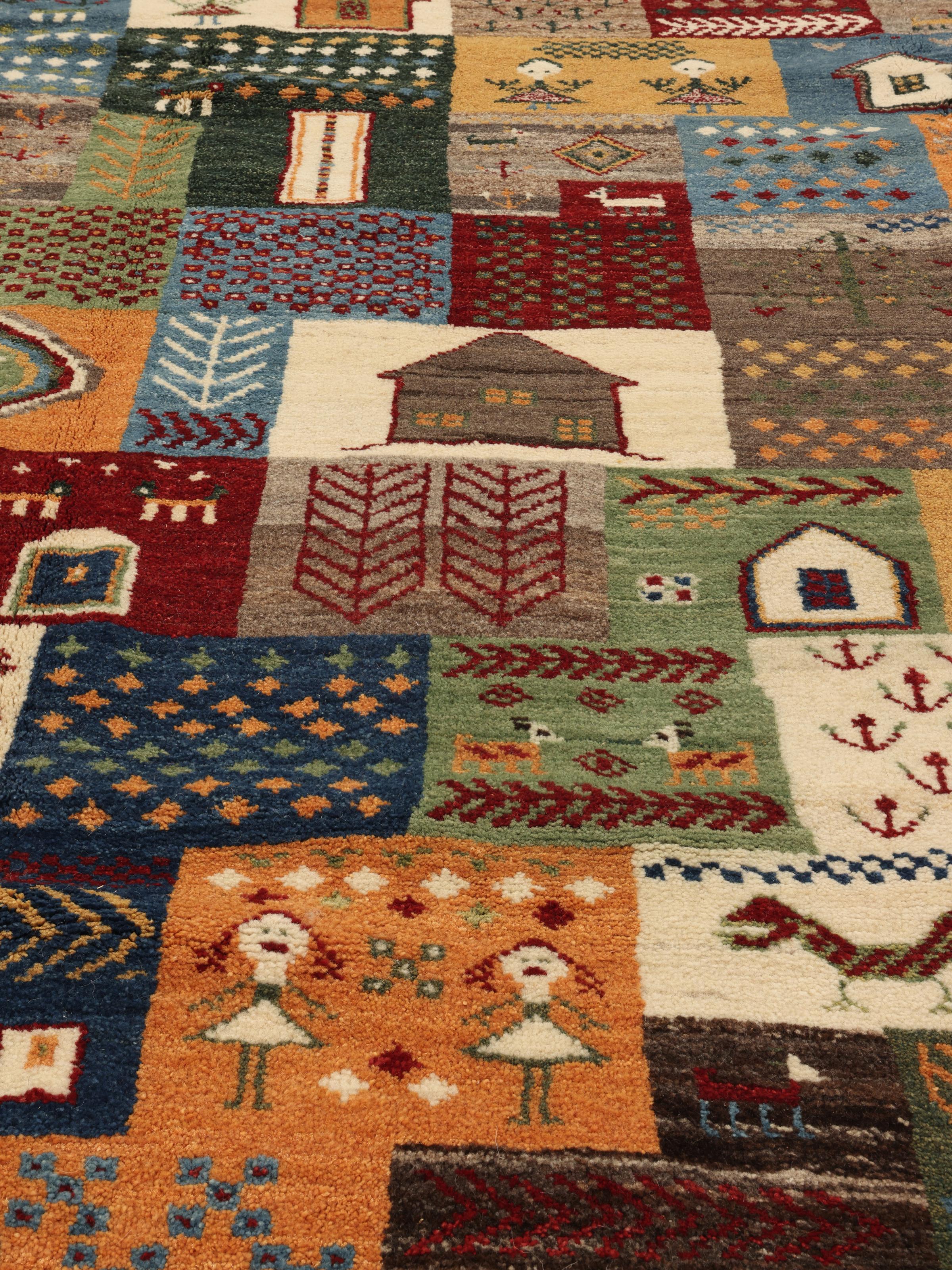
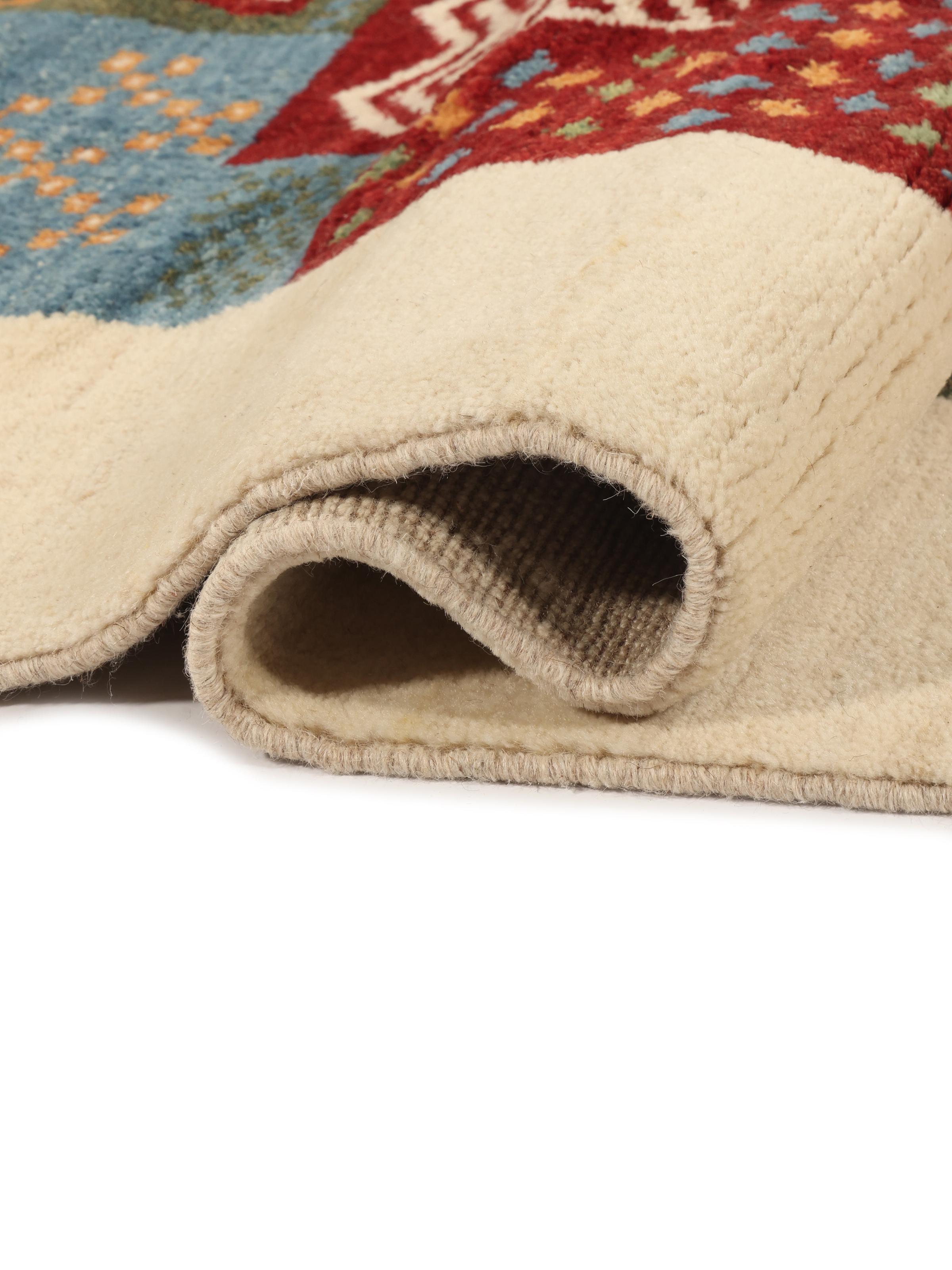
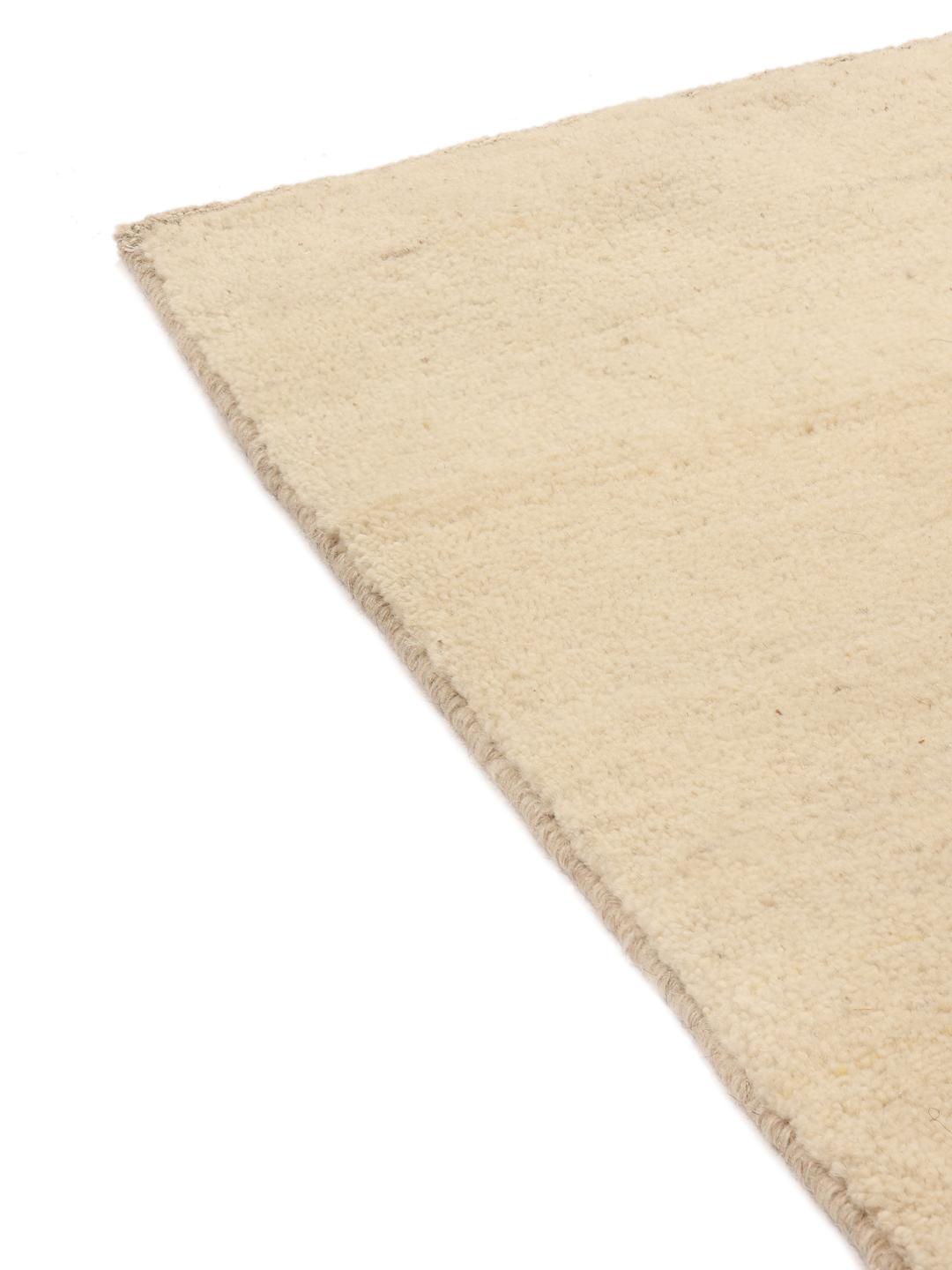
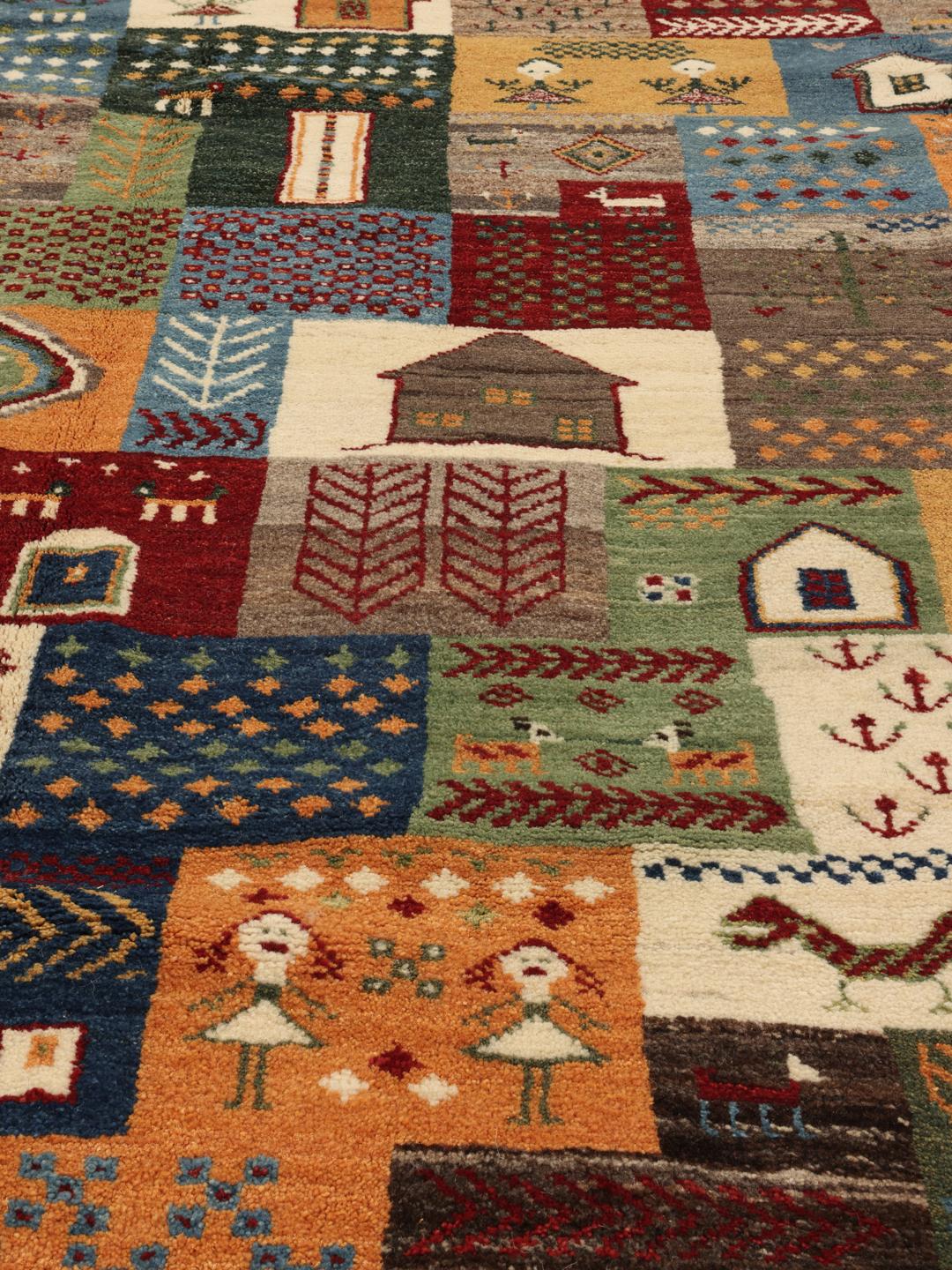
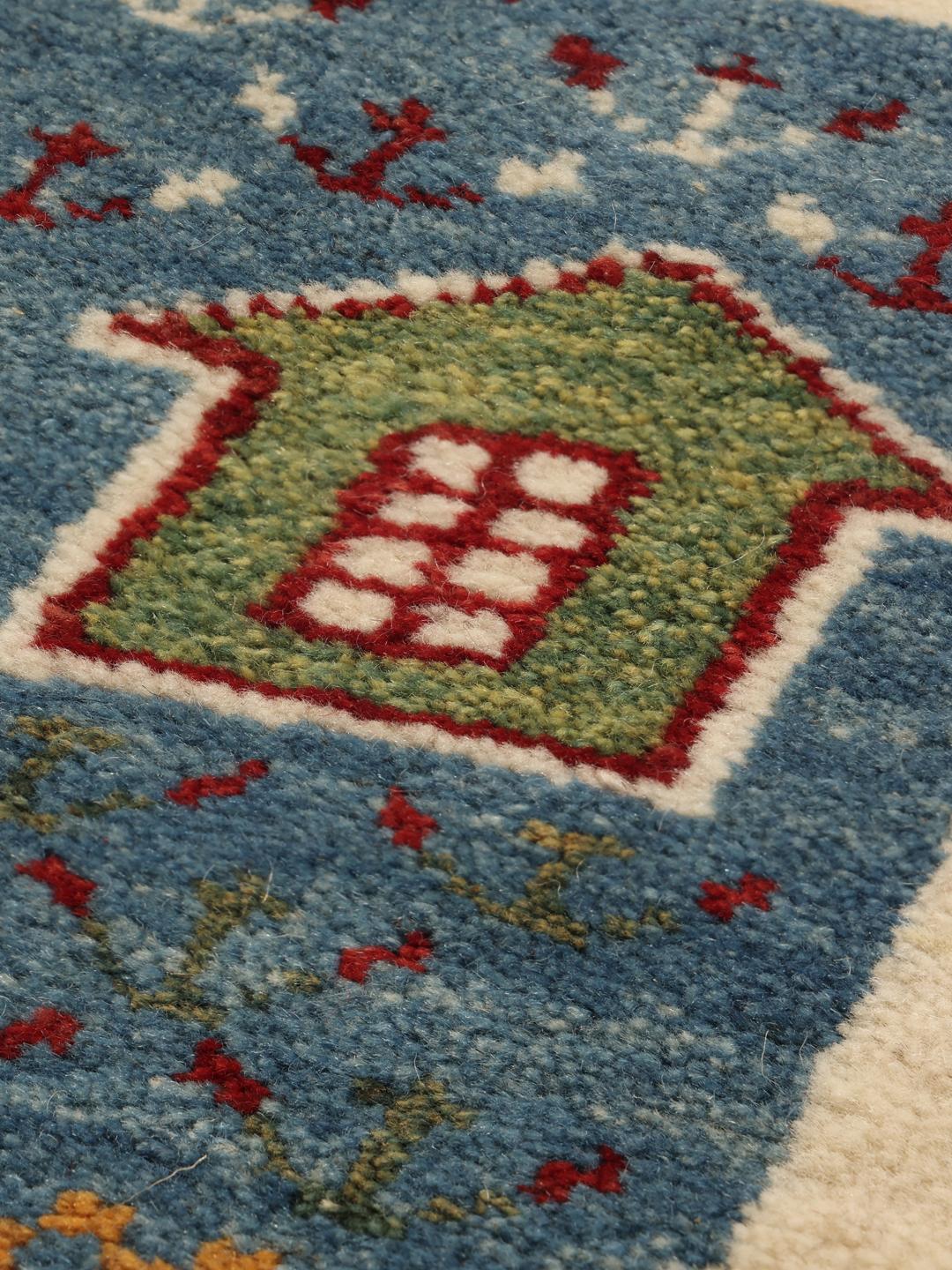
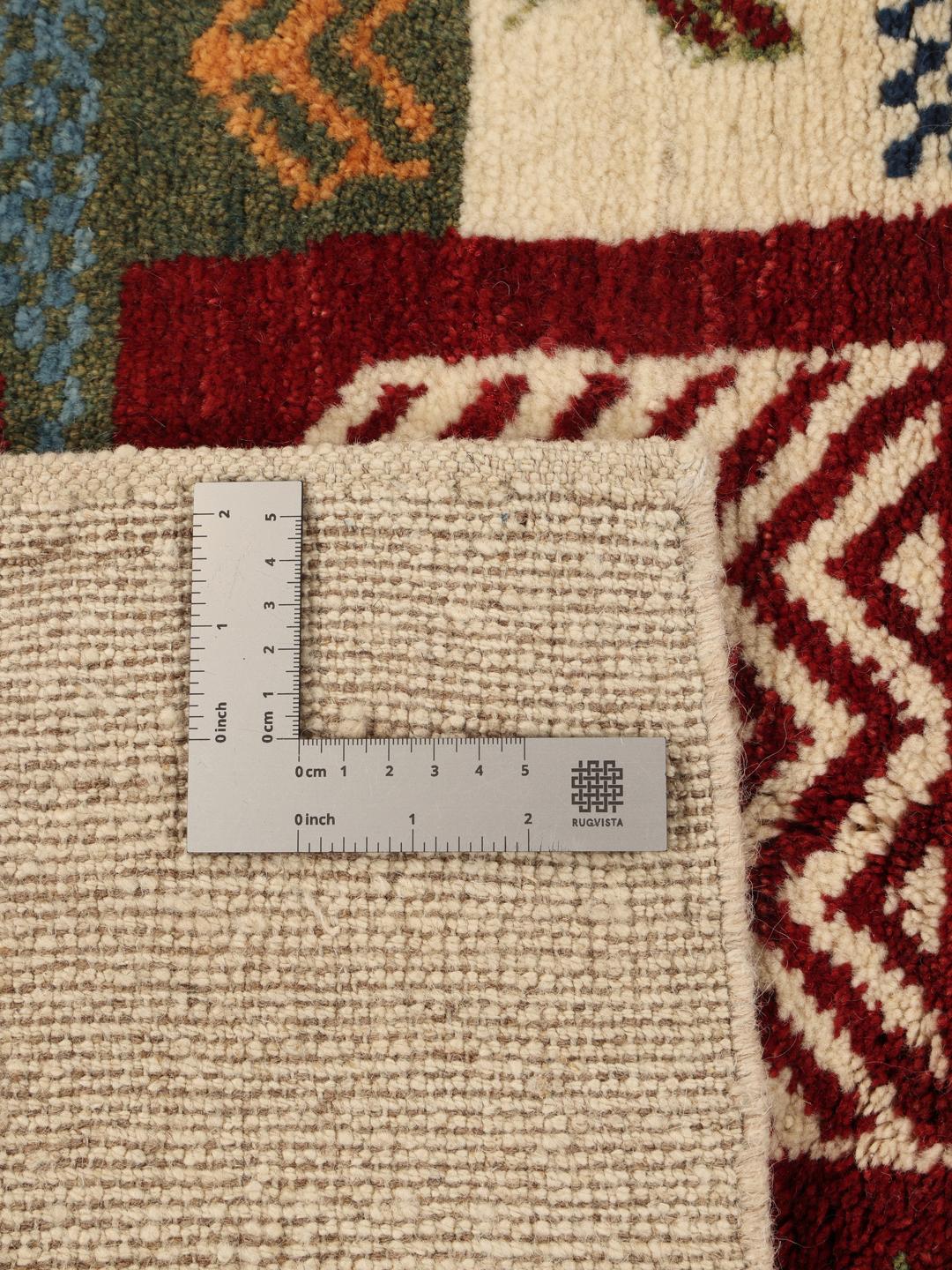
The term 'Fine' in this context refers to the elevated density and precision of the weave compared to more rustic, coarse-woven tribal rugs. This finer construction is significant because it allows the weaver to create complex, pictorial scenes rather than just simple geometric shapes. The result is a rug that functions as a narrative canvas, capturing scenes of village life, local flora, and symbolic animal motifs.
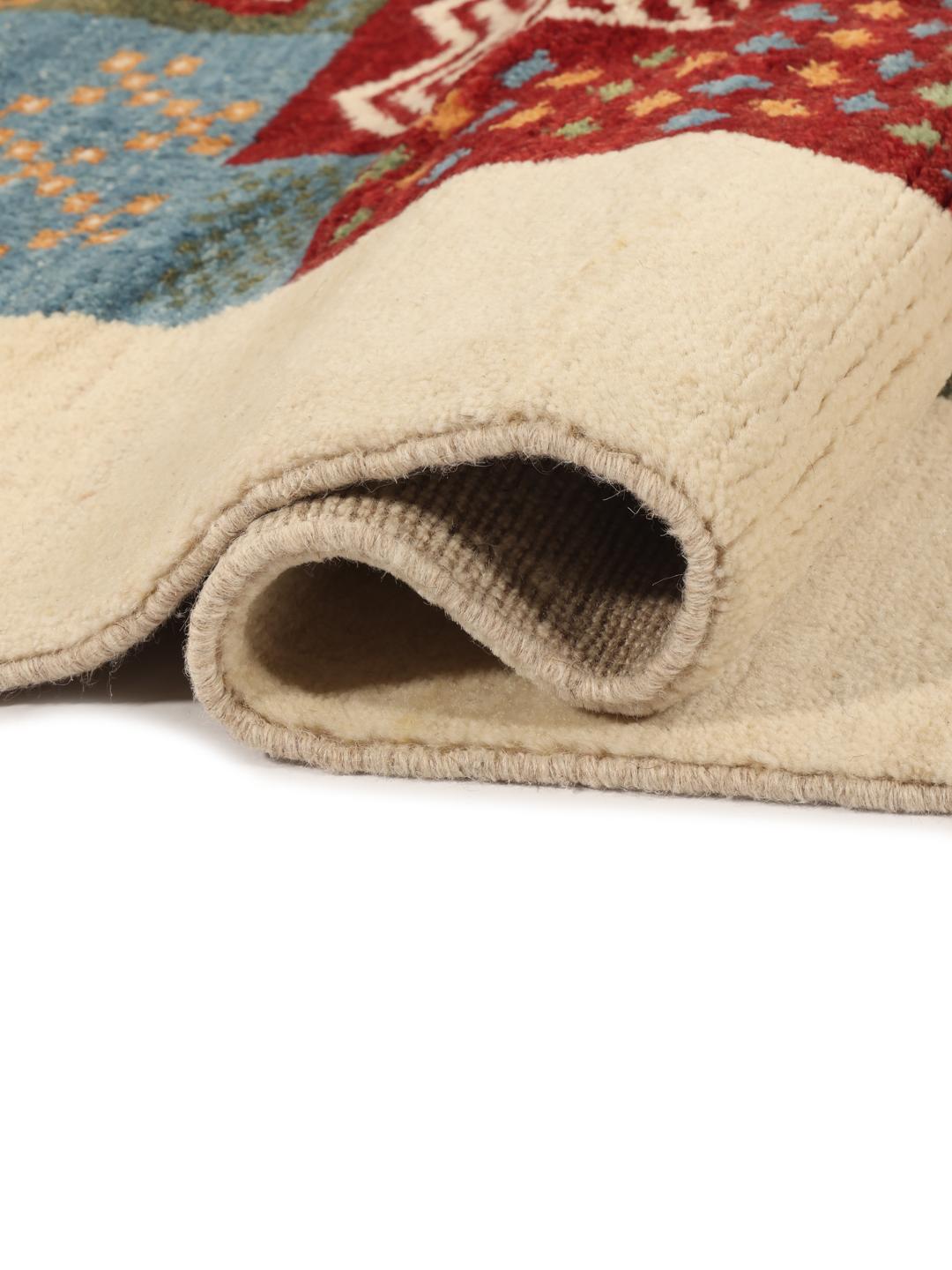
Signature elements of these rugs often include a patchwork or compartmentalised design, where the field is divided into smaller squares or 'tiles.' Each tile may contain a different symbol, such as a tree of life, a stylised animal, or a house, creating a visual rhythm that is both harmonious and engaging. The use of vibrant, natural-inspired colours is a hallmark of the tradition, designed to bring warmth and energy into the home.
Owning a Loribaft Fine rug is more than just a decor choice; it is an act of preserving a dying art form. These rugs are highly valued by collectors for their blend of spontaneity and technical skill. By bringing one into your home, you are honouring a legacy of craftsmanship that has been passed down through generations, ensuring that these distinct cultural expressions continue to thrive.