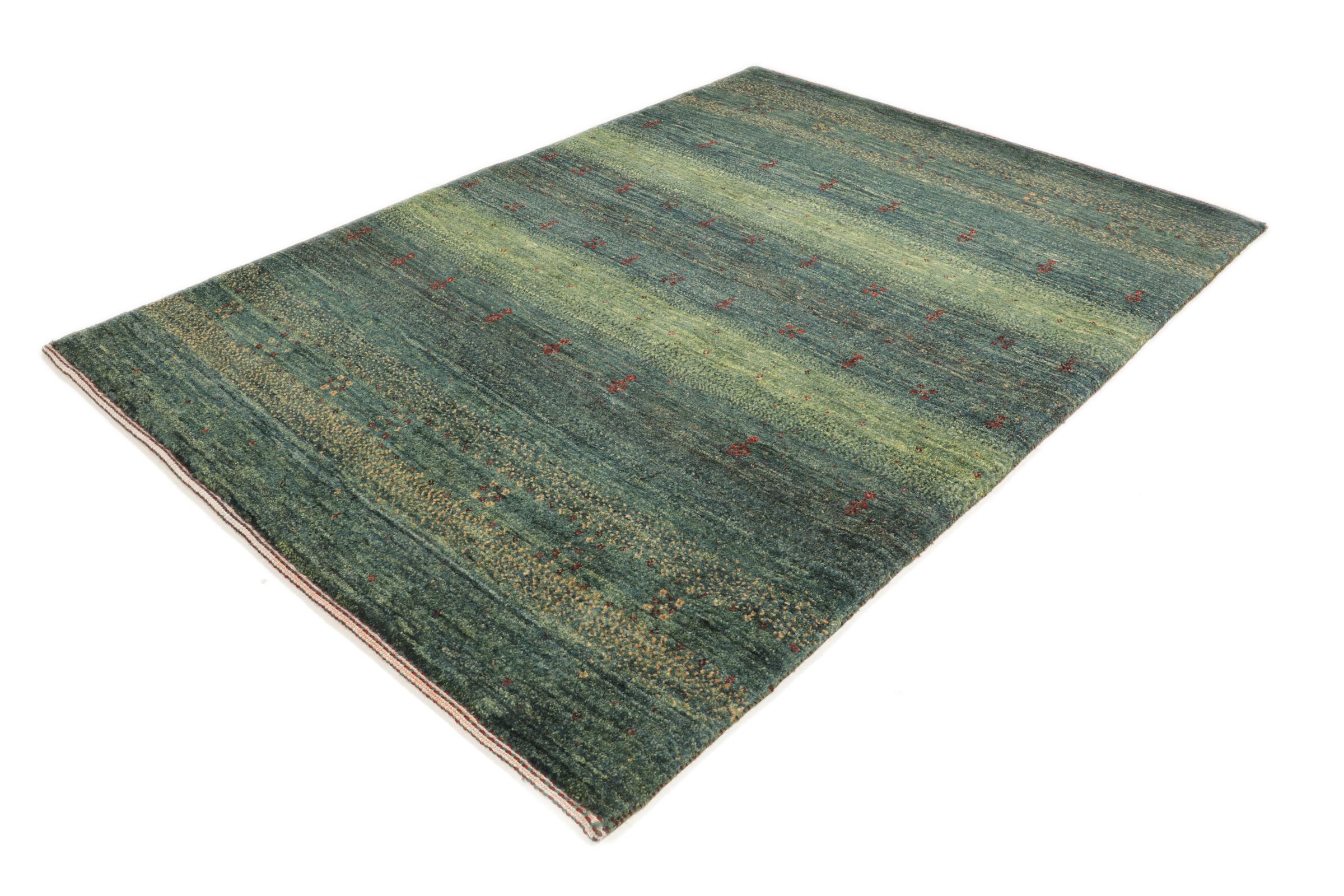
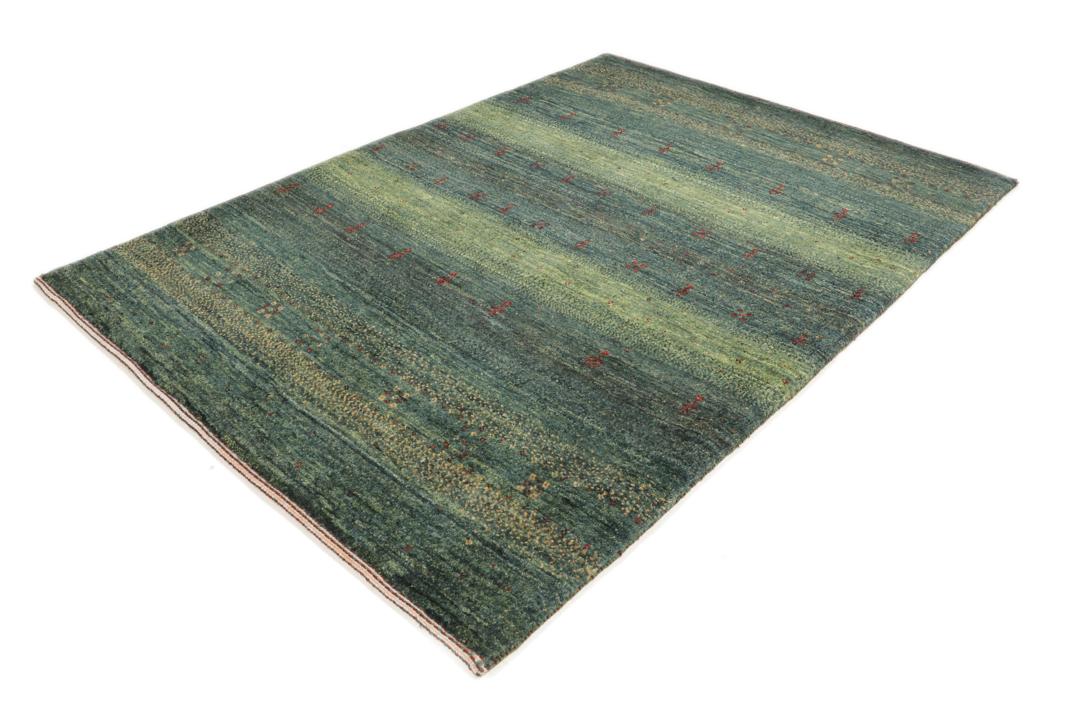
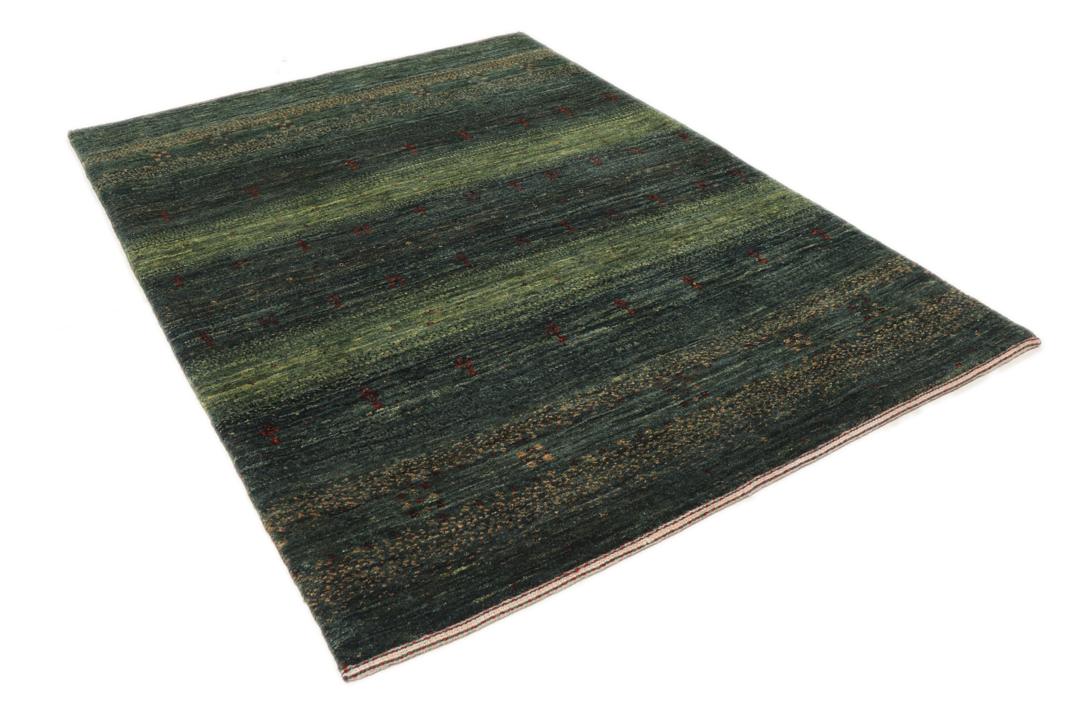
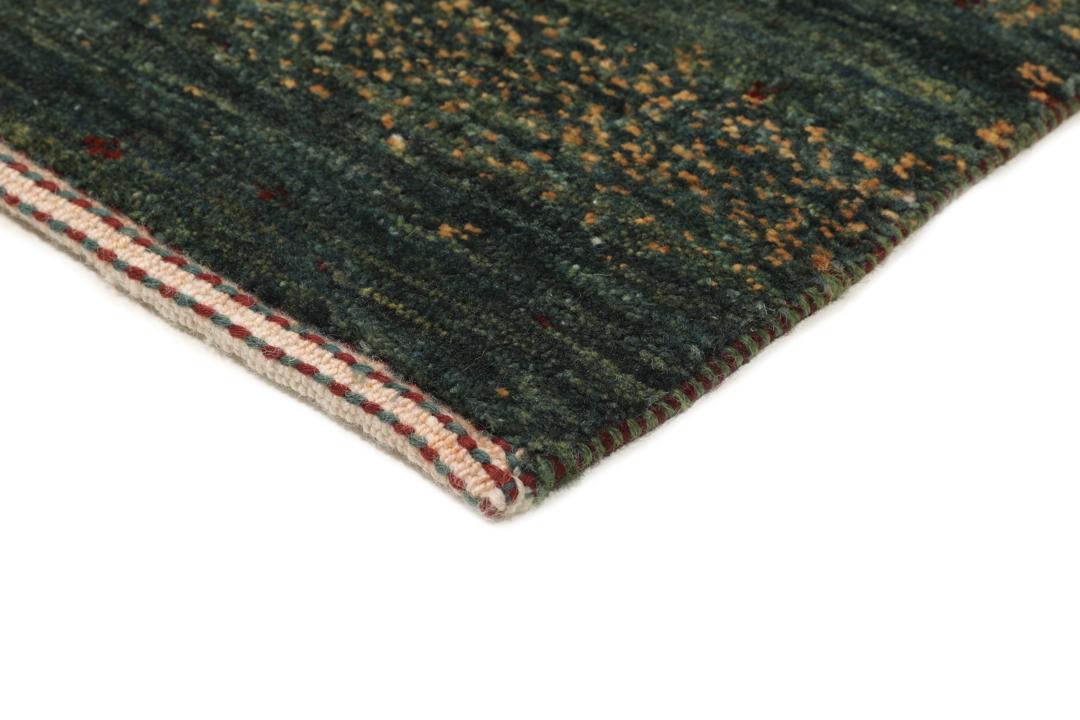
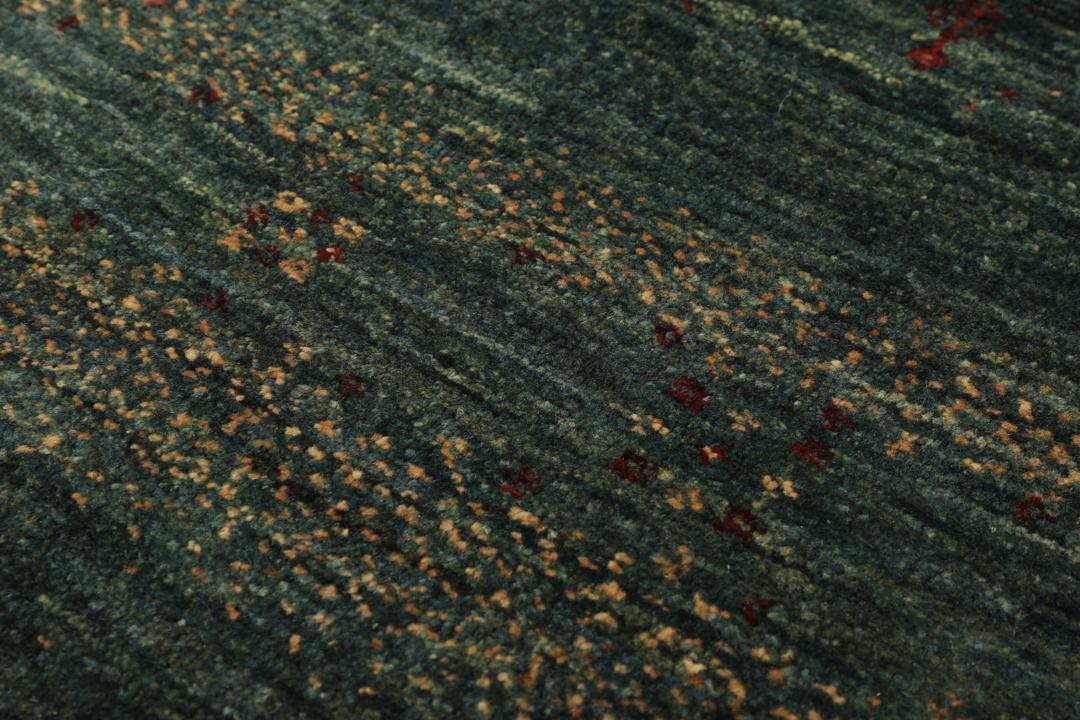
Loribaft rugs are deeply connected to the nomadic traditions of the Middle East, particularly those of the Luri and Qashqai tribes. These rugs were historically created for practical use within nomadic households, serving as insulation against the cold ground and as essential components of portable, comfortable living environments.
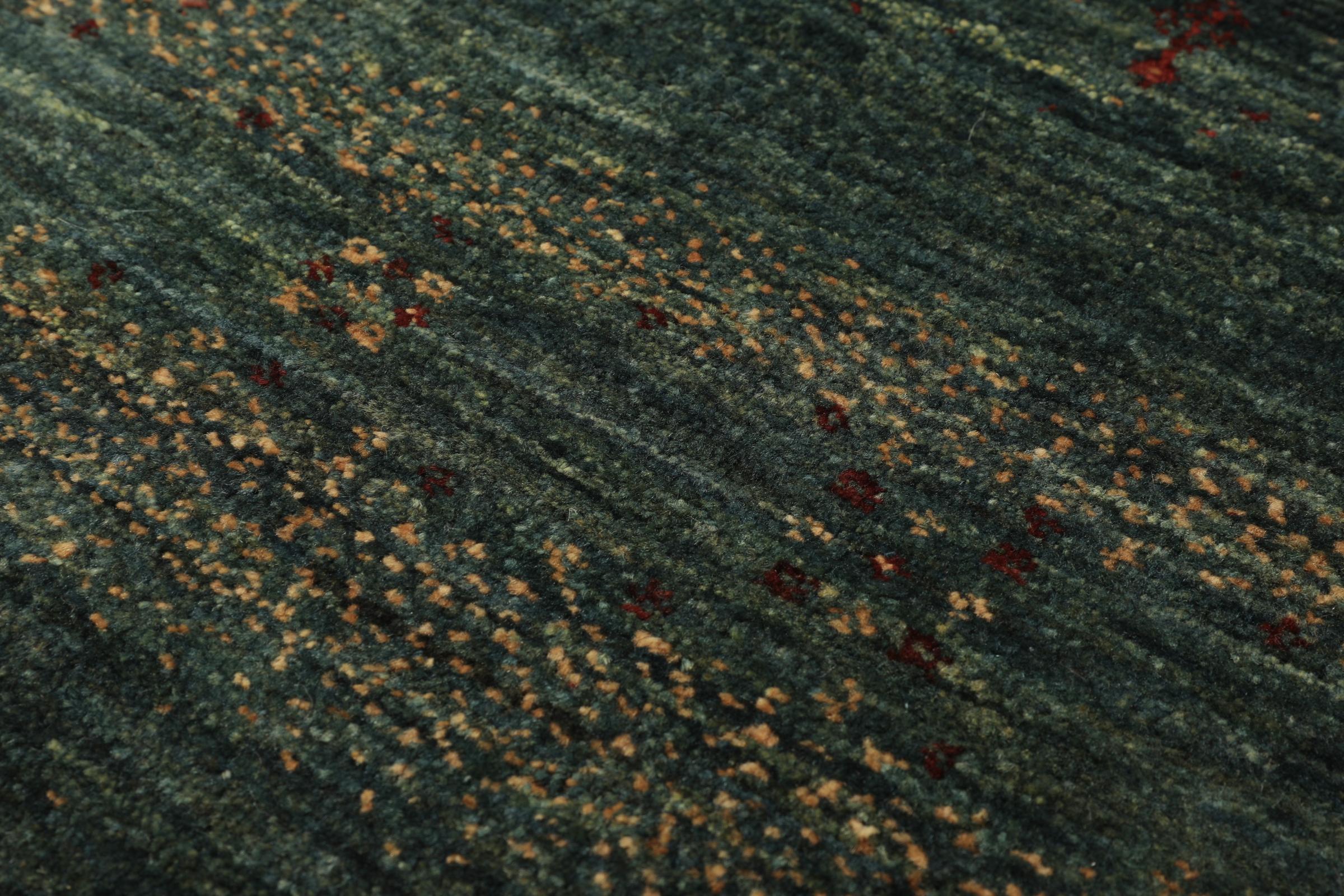
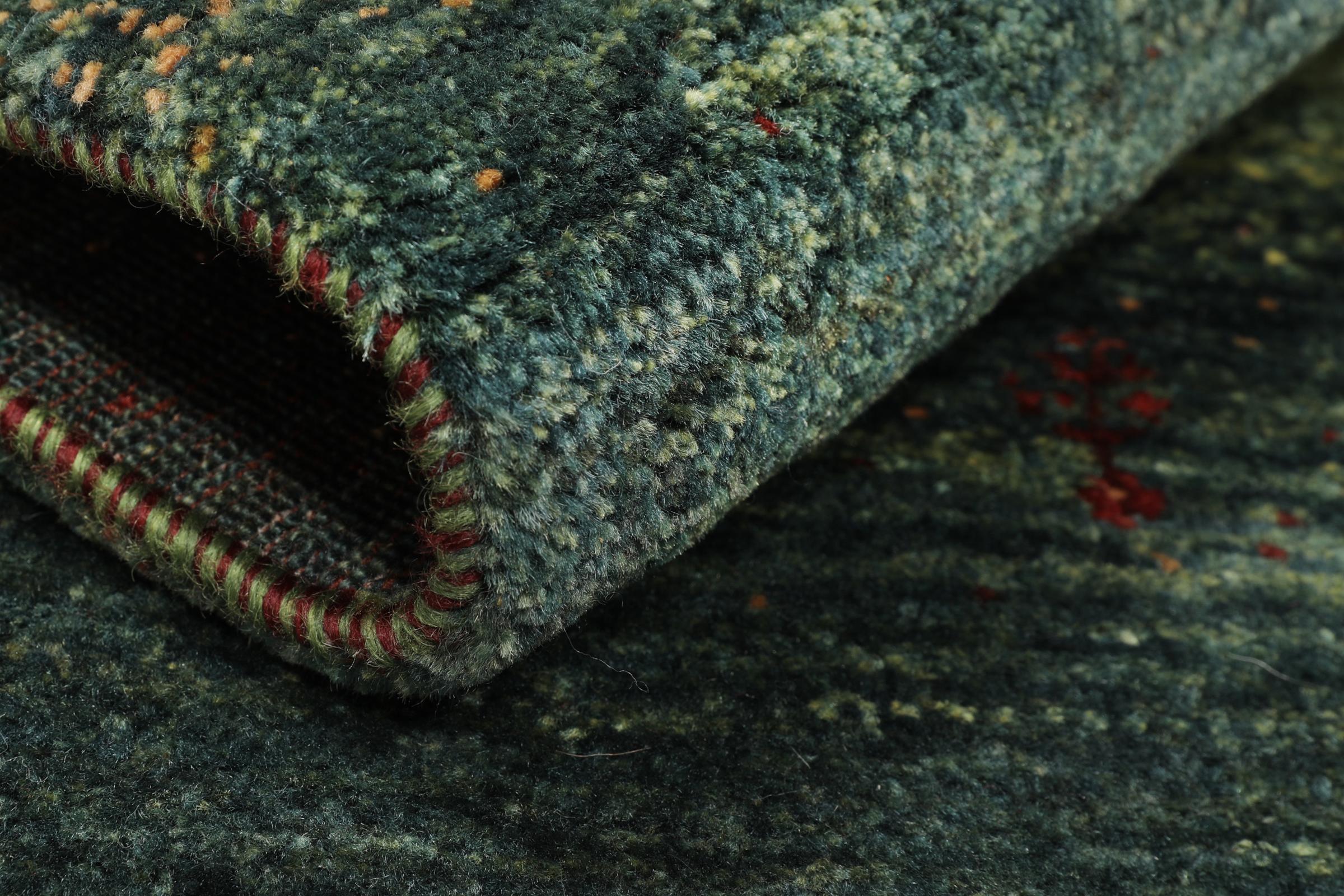
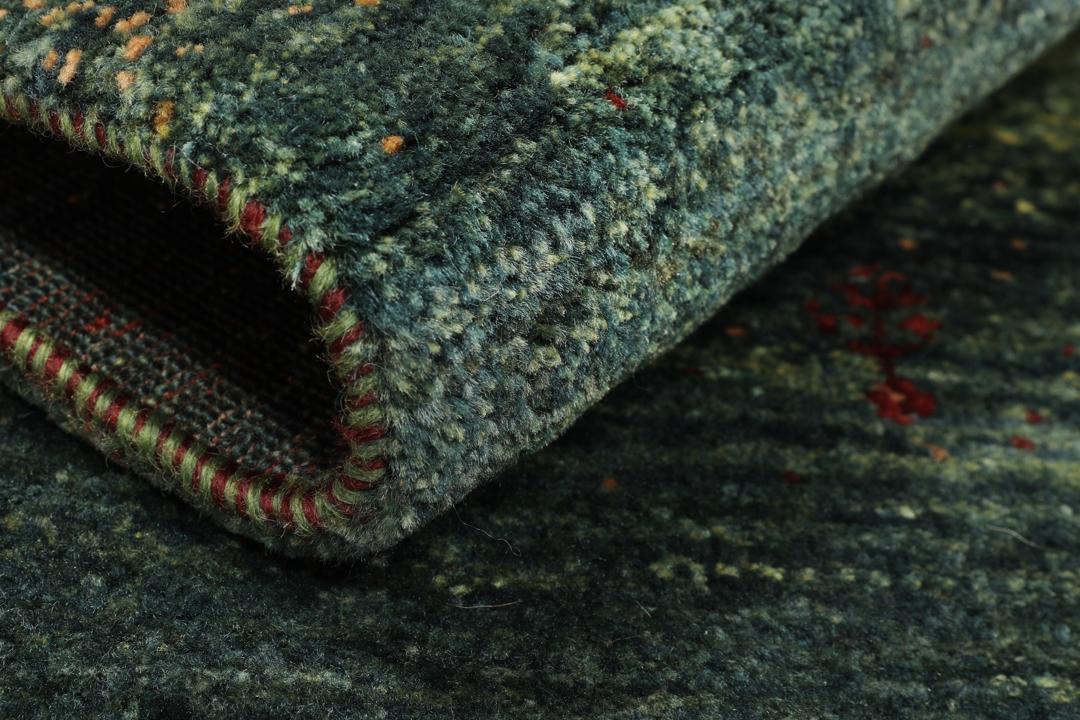
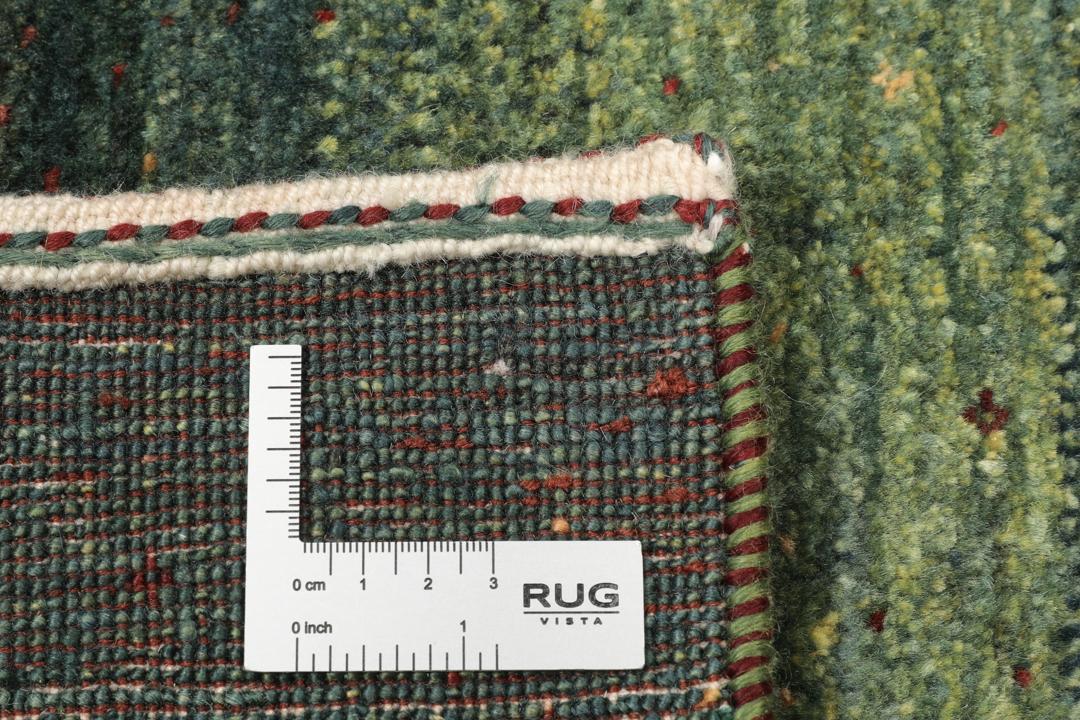
The term 'Loribaft' refers to a style of weaving that emphasises a thicker, more luxurious pile compared to traditional flatweaves. This aesthetic evolution was driven by a desire for greater comfort and warmth, utilising a heavier Wool construction that results in a soft, plush feel that has become highly sought after by modern collectors.
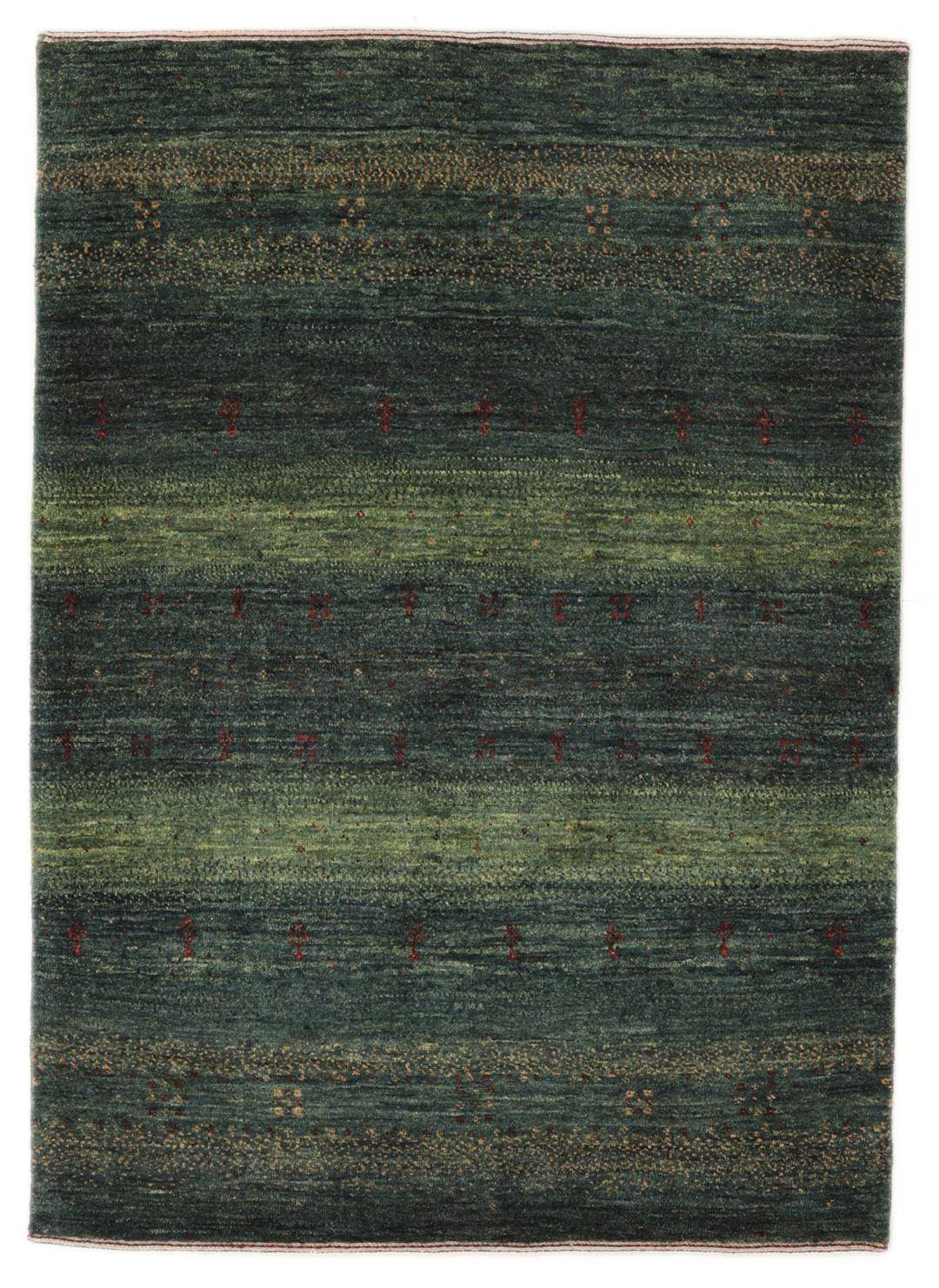
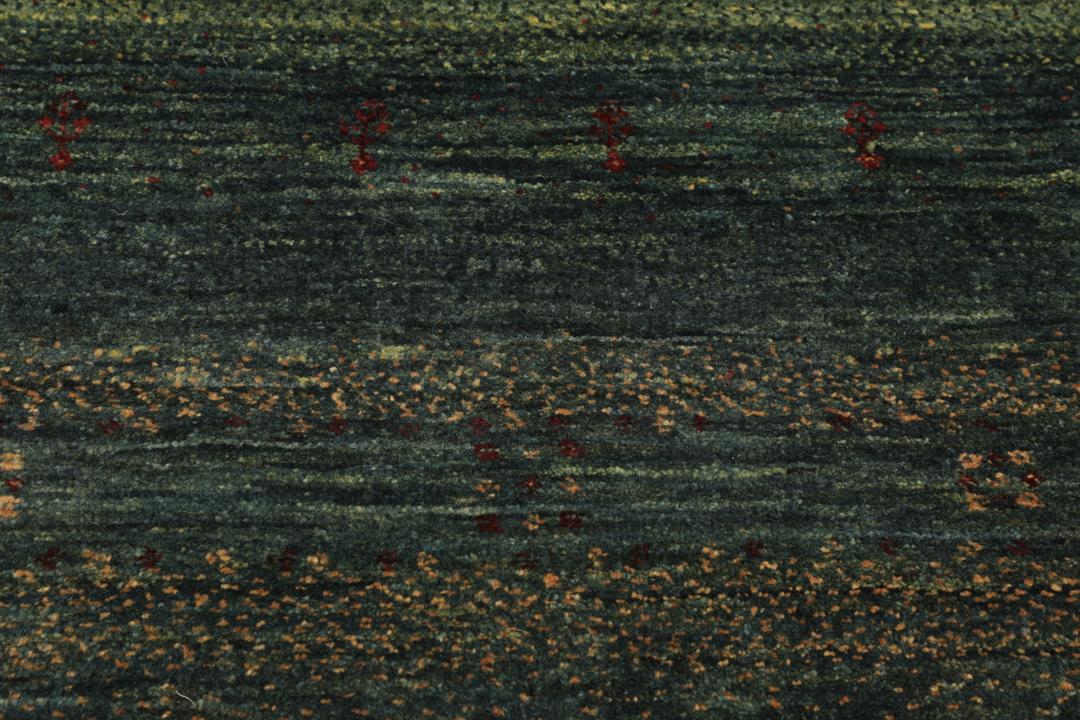
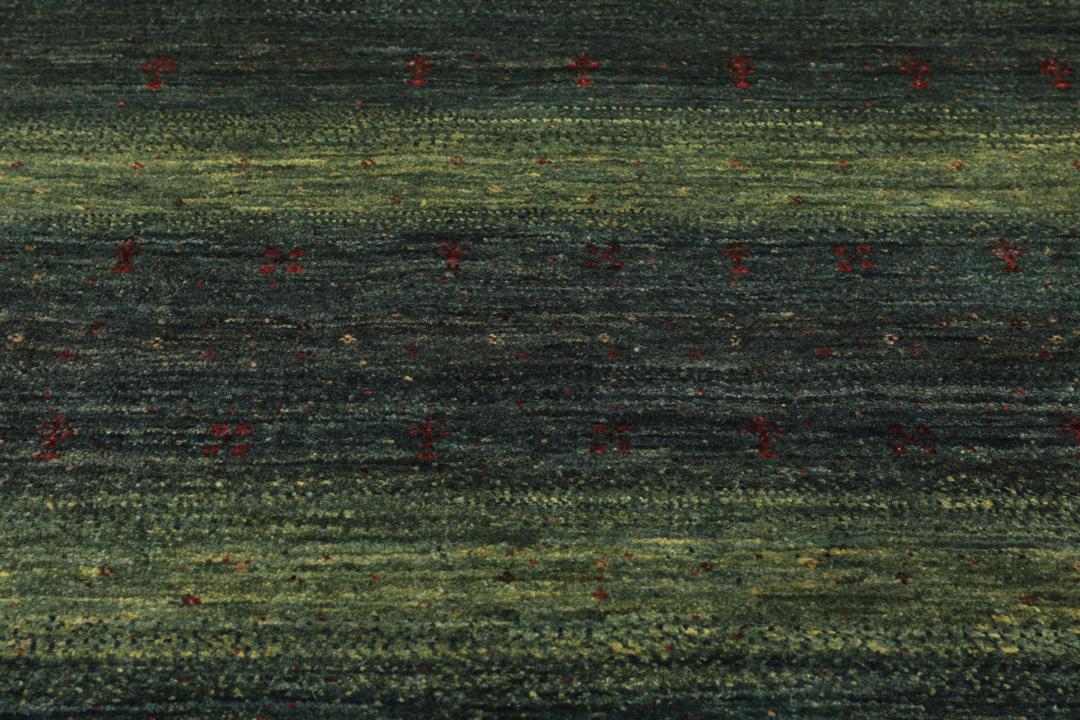
Visually, these rugs are defined by their use of natural dyes and an artistic approach that often leans towards a more open, uncluttered field. While traditional patterns may include tribal symbols and geometric medallions, the Loribaft style often incorporates a modern sensibility, using colour gradients and subtle spacing to allow the quality of the Wool to take centre stage.
Owning a piece from this tradition means connecting with a lineage of craft that has survived for generations. These rugs are highly valued not only for their aesthetic beauty but also for the cultural narrative they carry, representing a bridge between the ancient nomadic lifestyle and the contemporary desire for authentic, high-quality home furnishings.