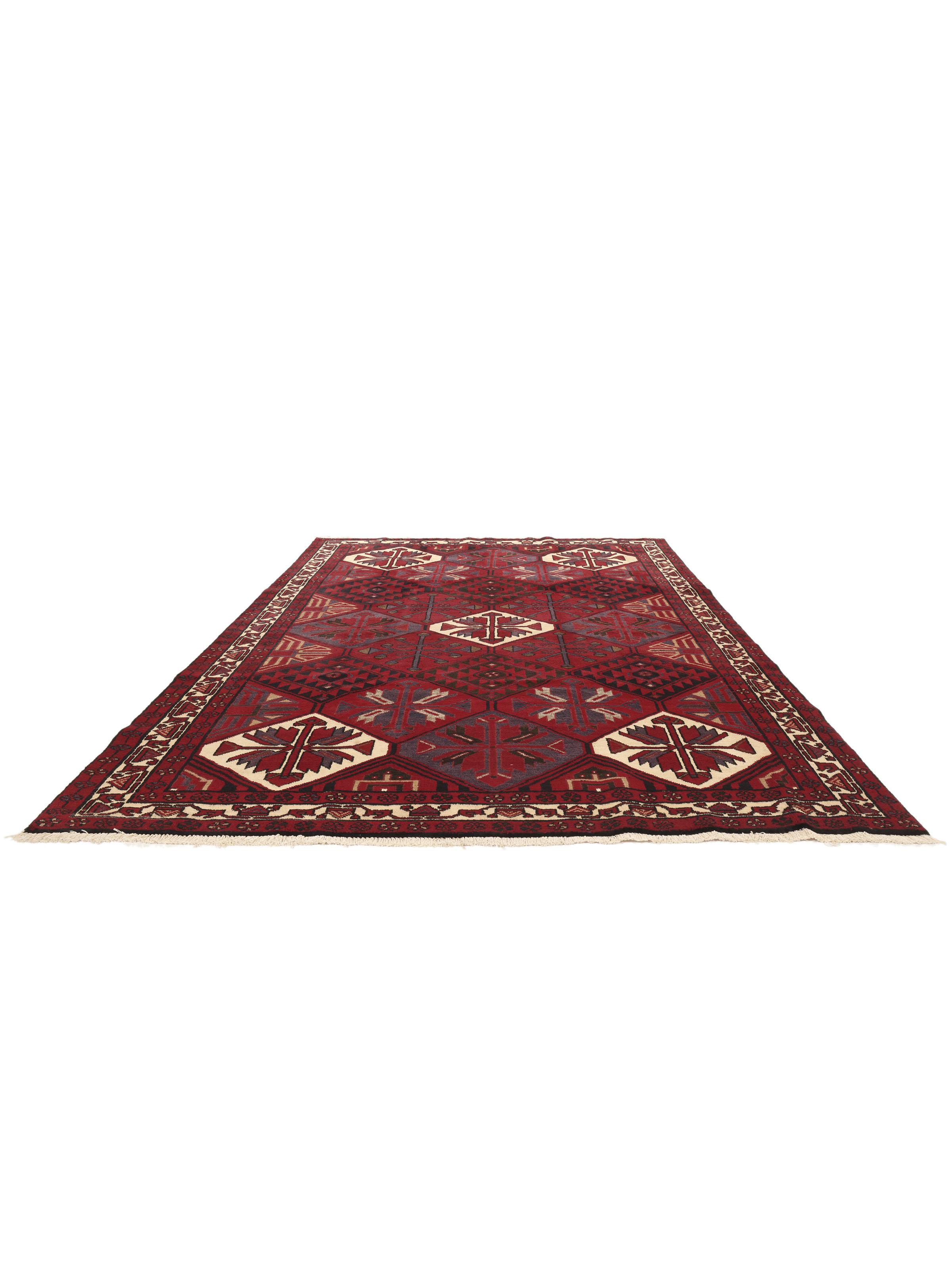
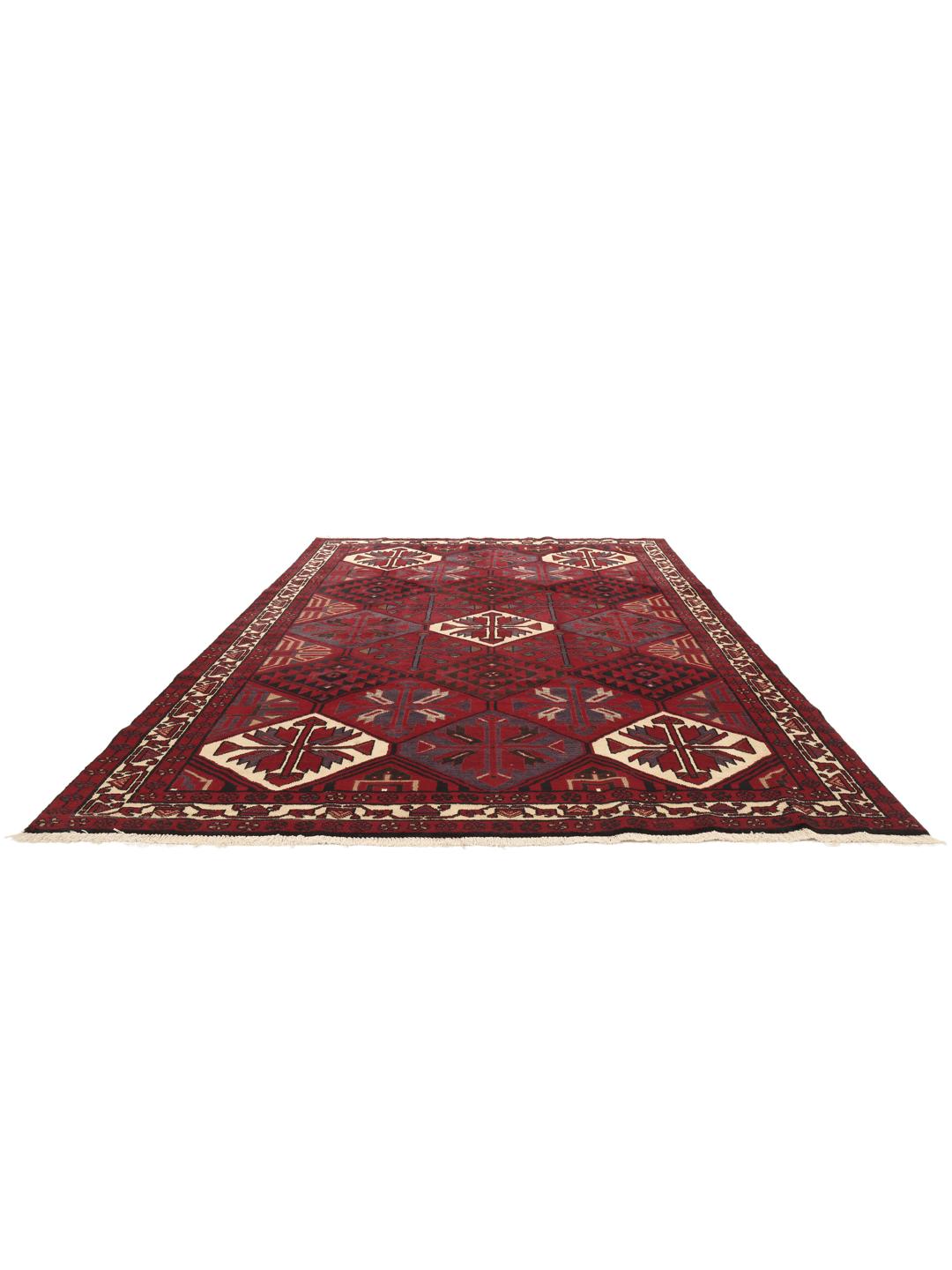
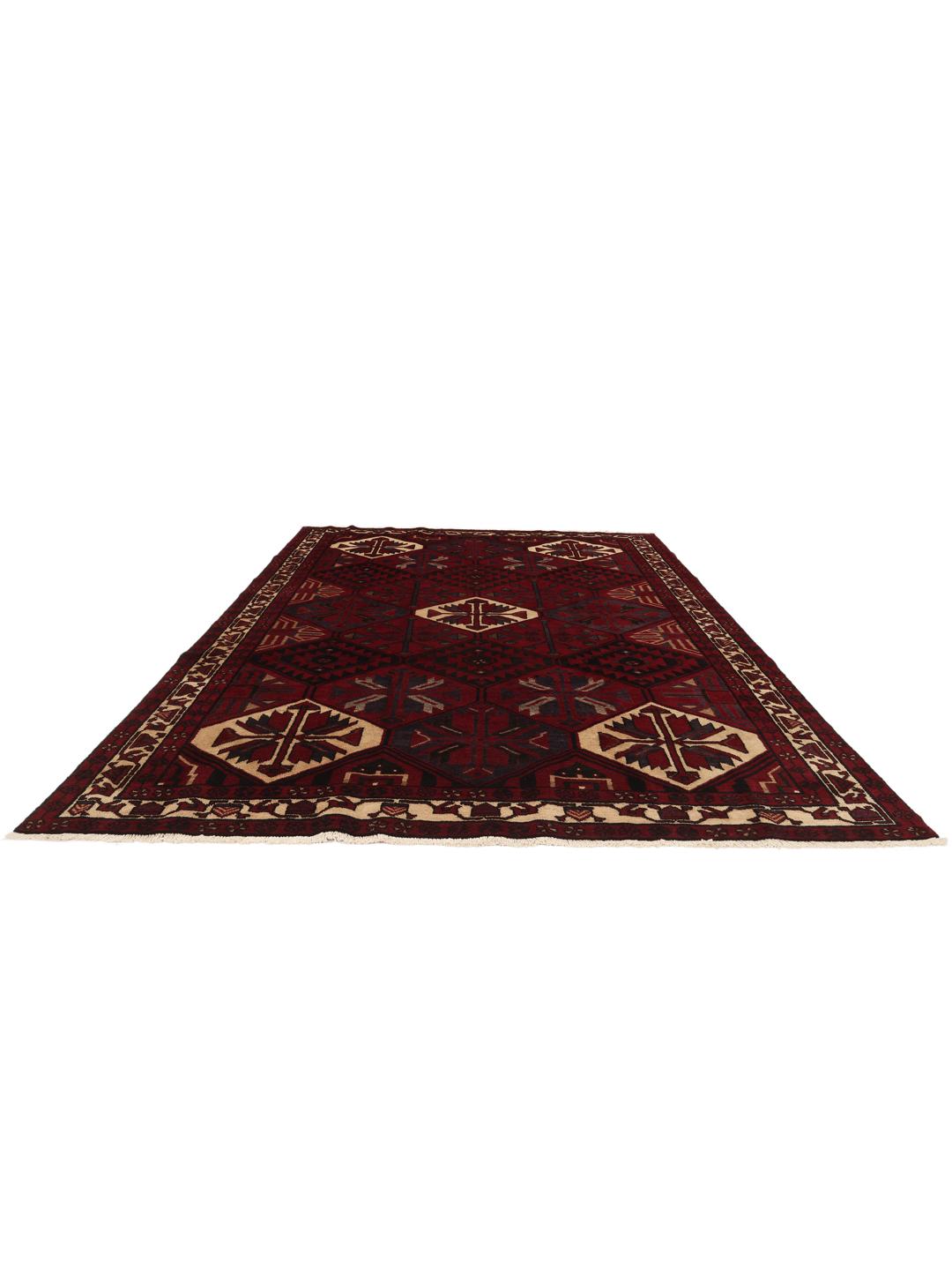
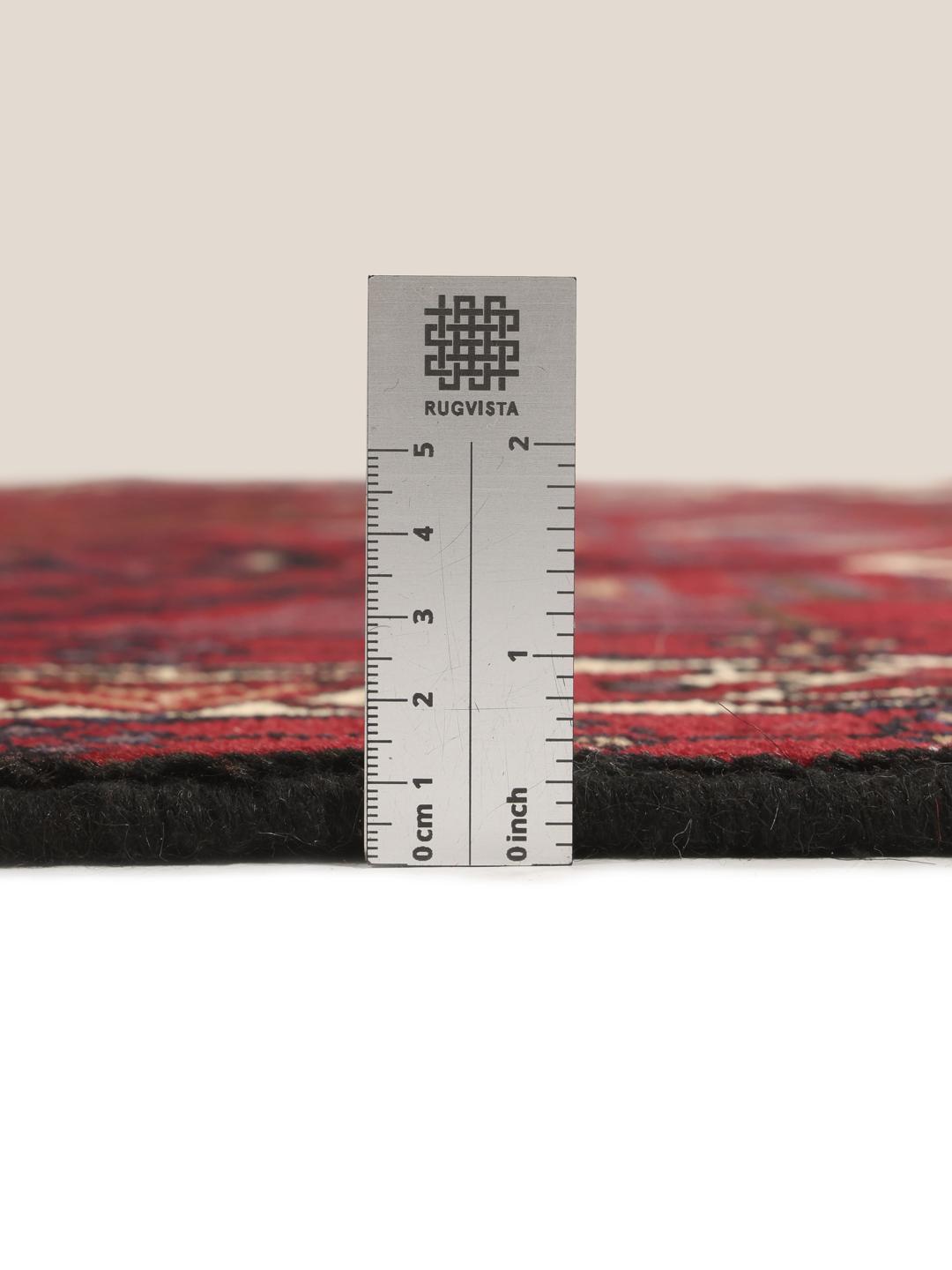
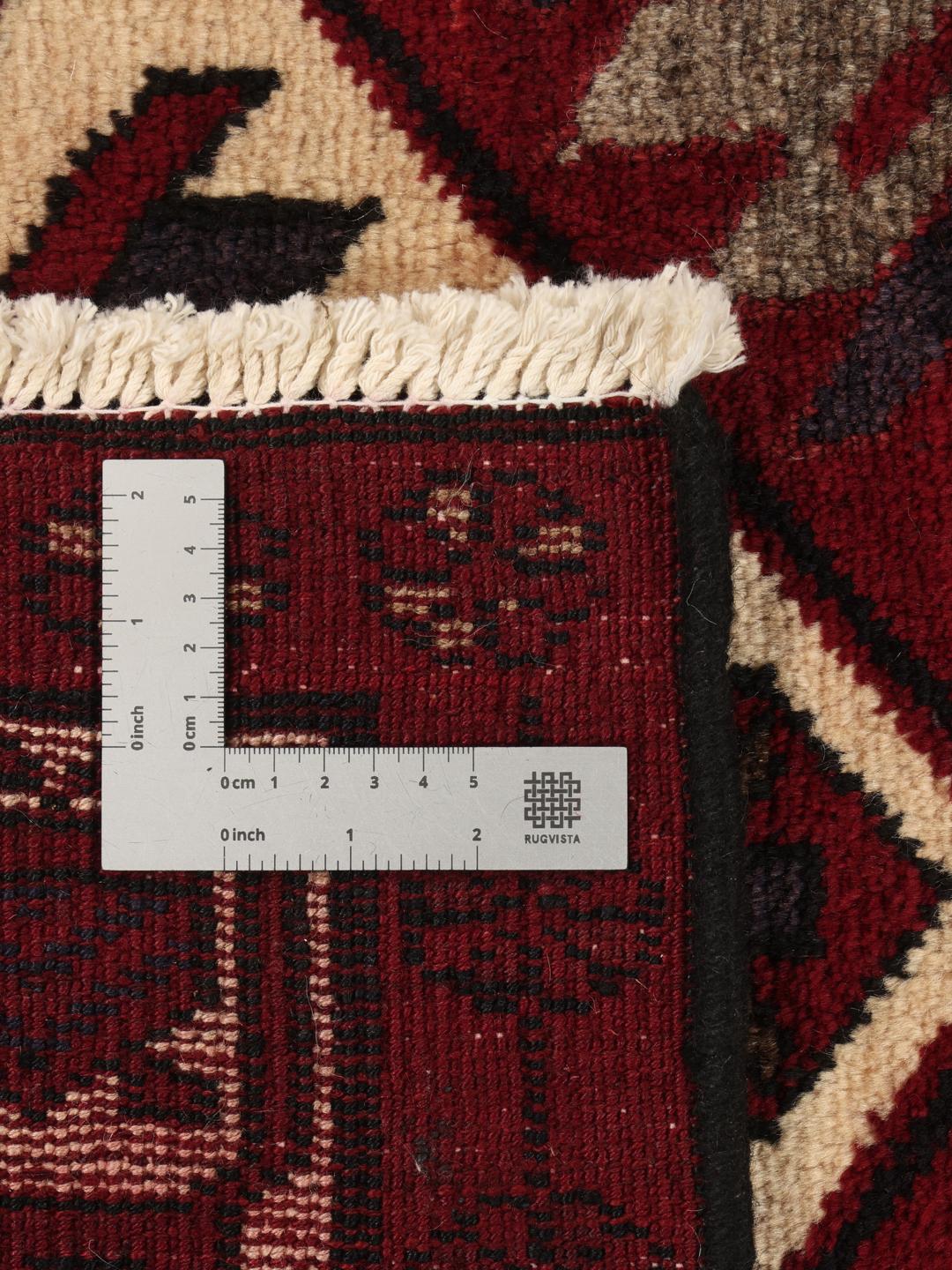
The Lori rug tradition originates from the nomadic tribes of the Middle East, specifically the Luri people inhabiting the rugged mountainous regions. These rugs were historically created for domestic use, serving as essential bedding, tent coverings, and floor insulation. The designs often reflect the natural surroundings of the weavers, incorporating abstract interpretations of the landscape and tribal symbols that have been passed down through generations.
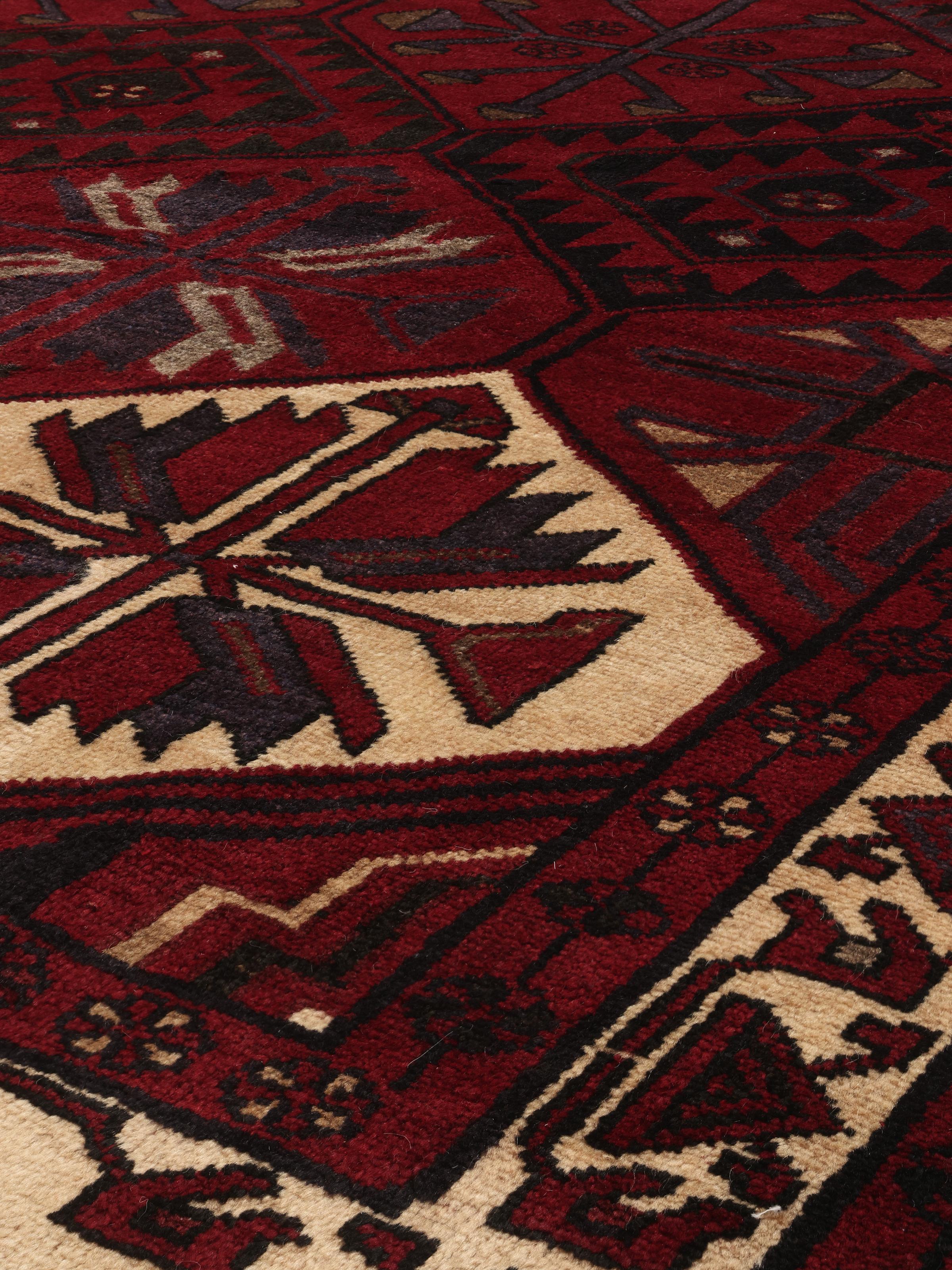
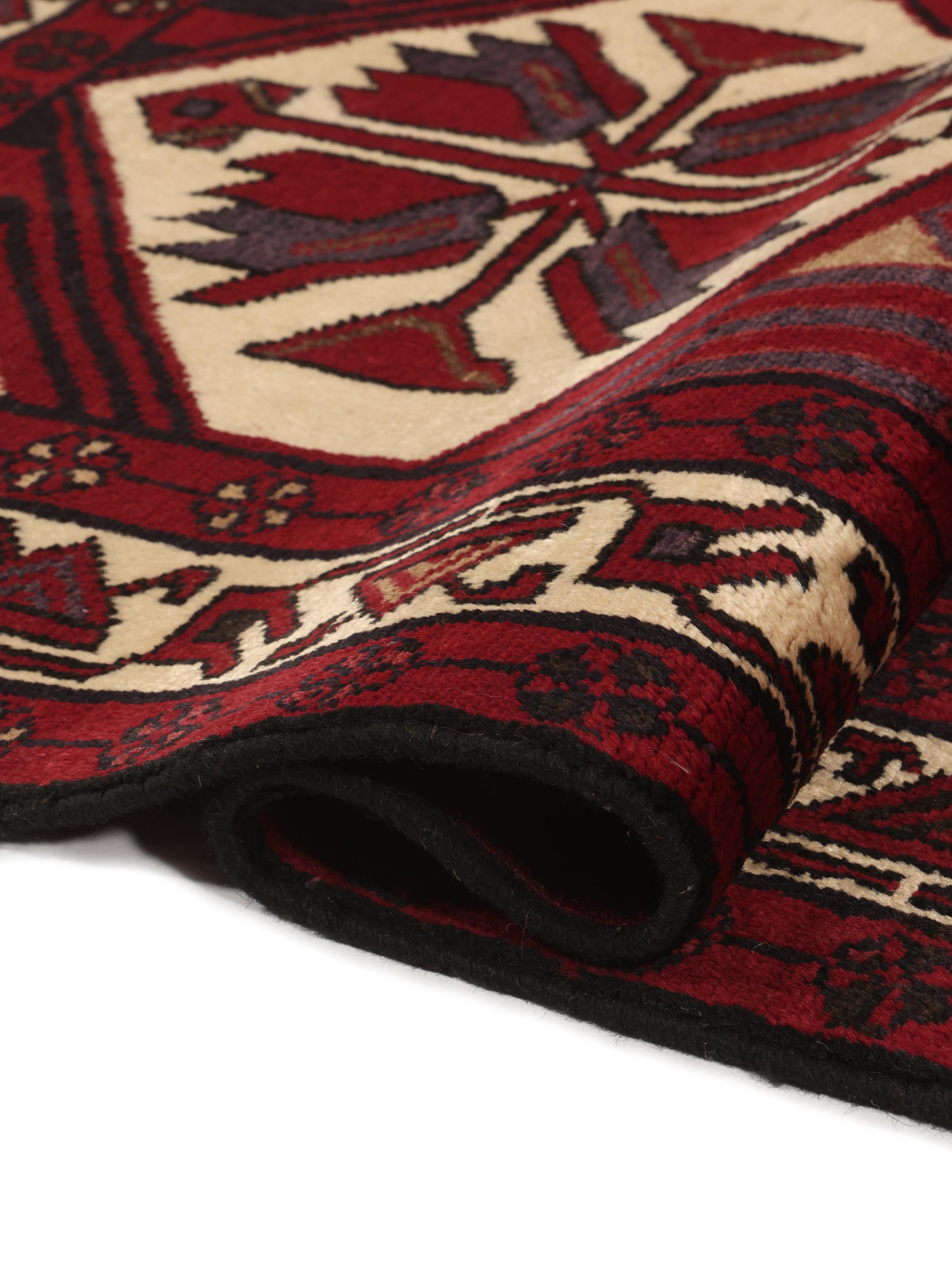
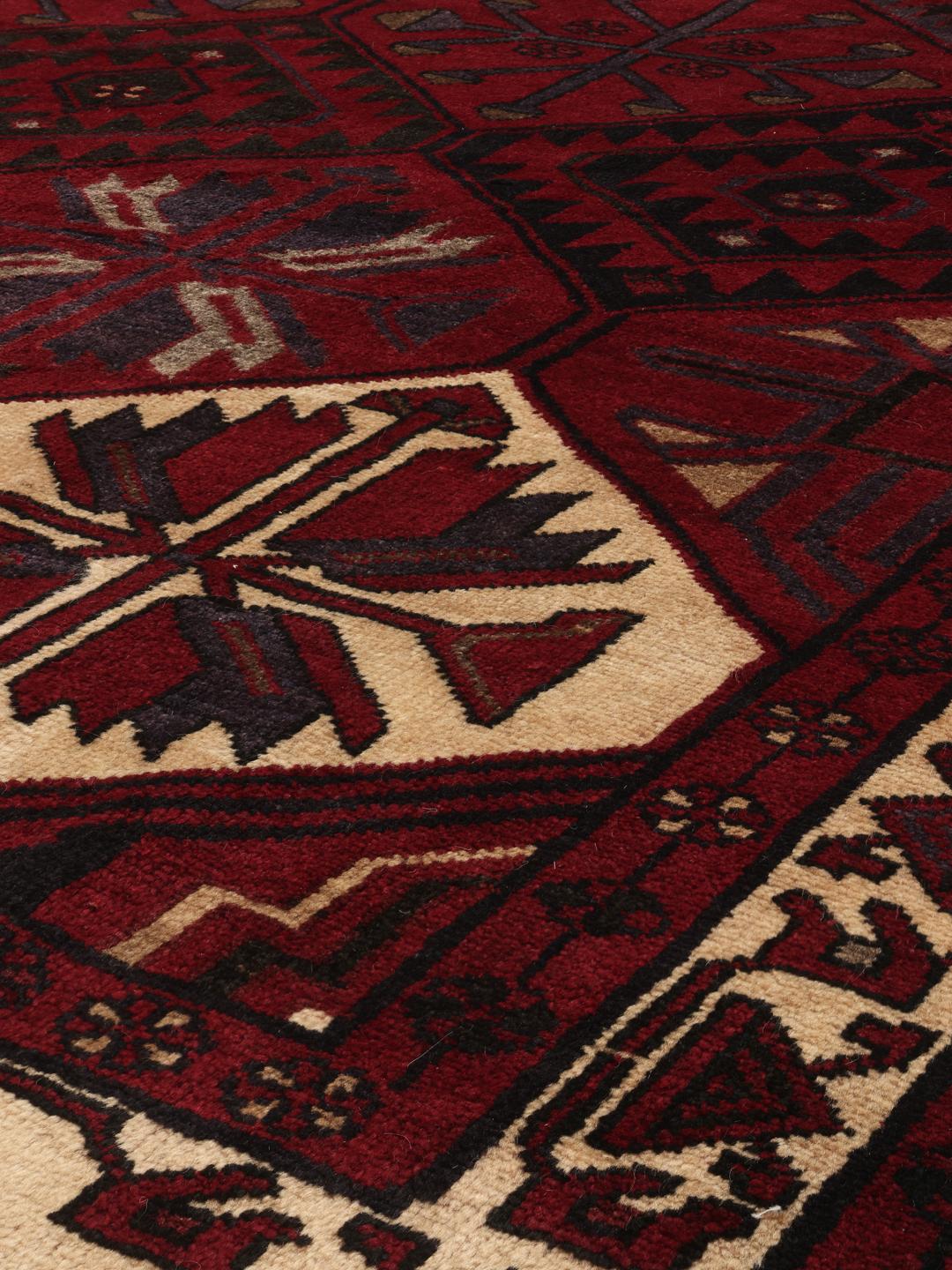
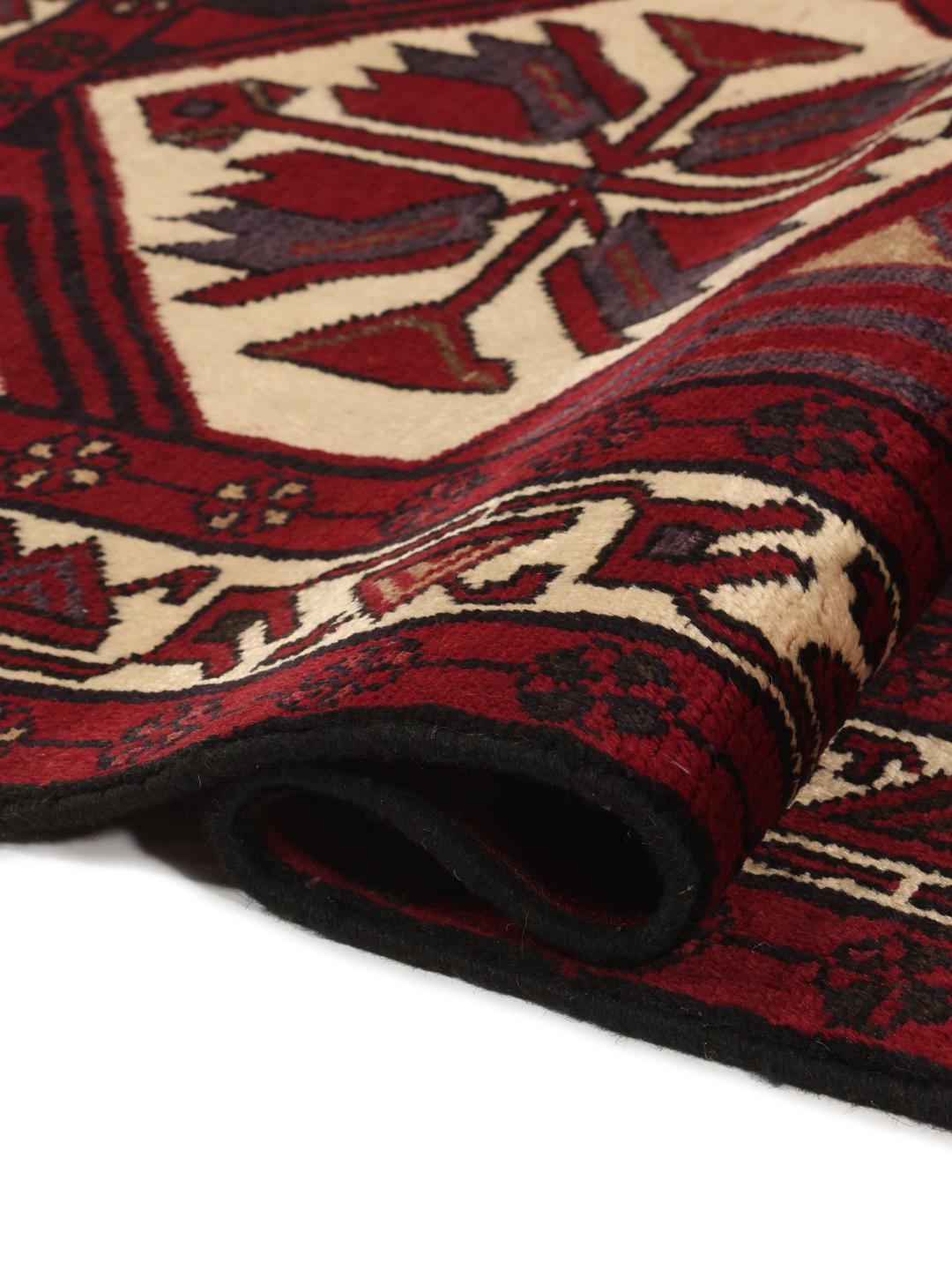
The term Lori refers to this distinct tribal style, which is celebrated for its bold, geometric aesthetic and deep, saturated colour palette. These rugs are typically crafted using hand-spun wool, which retains natural oils to provide a durable and lustrous finish. The technical mastery involved in maintaining consistent tension throughout the weaving process is a hallmark of the Lori tradition, ensuring that the finished product is both flexible and exceptionally strong.
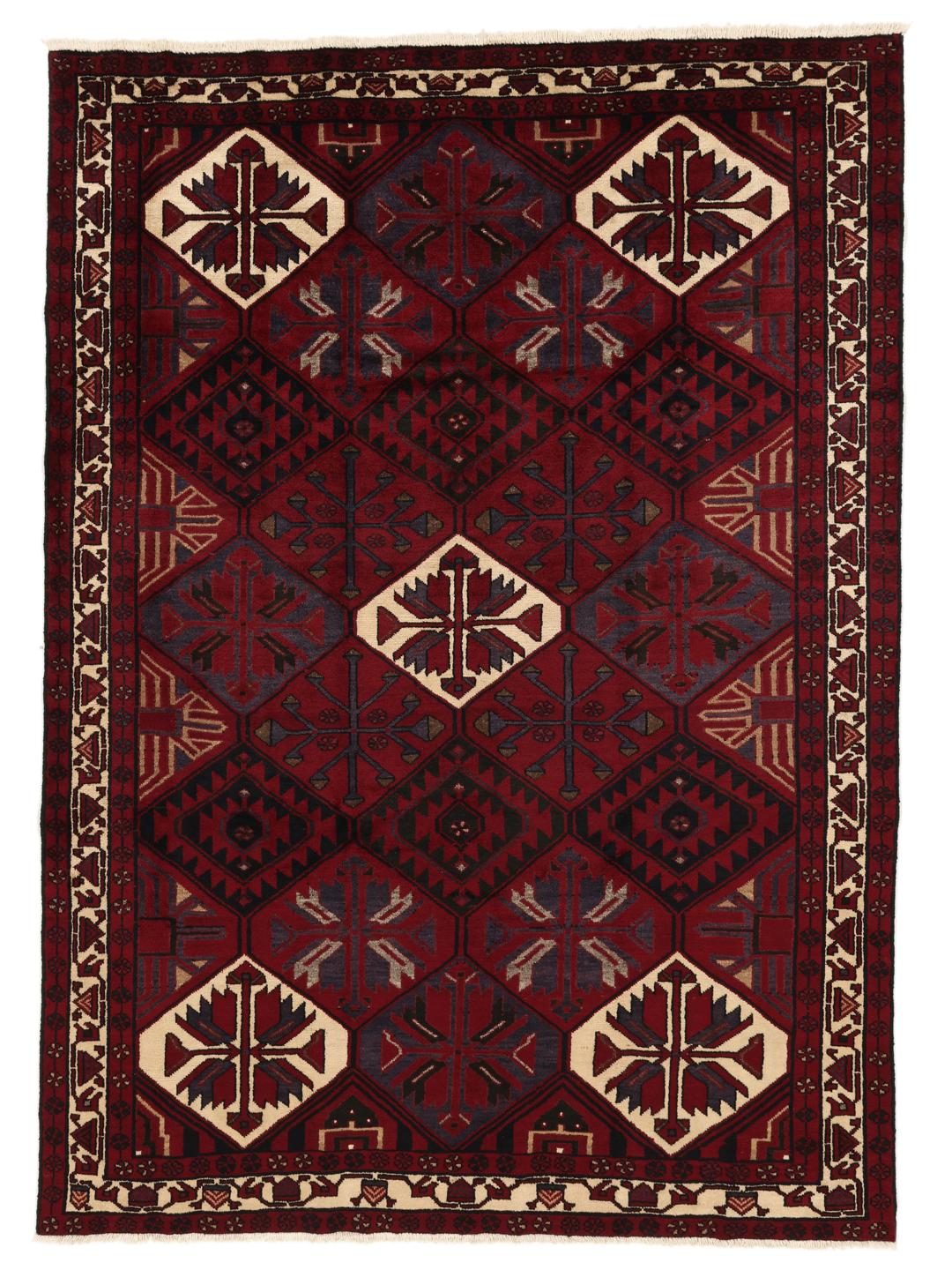
Signature design elements often include large-scale geometric medallions, repeating diamond lattices, and stylised animal or floral motifs that are abstracted into striking, angular forms. The borders are usually narrow yet complex, framing the central field with a rhythmic repetition of symbols. This specific piece showcases a harmonious balance between these traditional motifs, with a focus on symmetry and deep, earthy tones that define the Lori aesthetic.
Collectors value Lori rugs for their raw, authentic connection to tribal history and the high level of human effort required to create them. Owning a piece from this tradition is an act of preserving a cultural legacy, as these rugs represent a craft that has remained largely unchanged for centuries. They are sought after for their ability to bring a sense of history and groundedness to a space, making them not just floor coverings, but storied artifacts of human creativity.