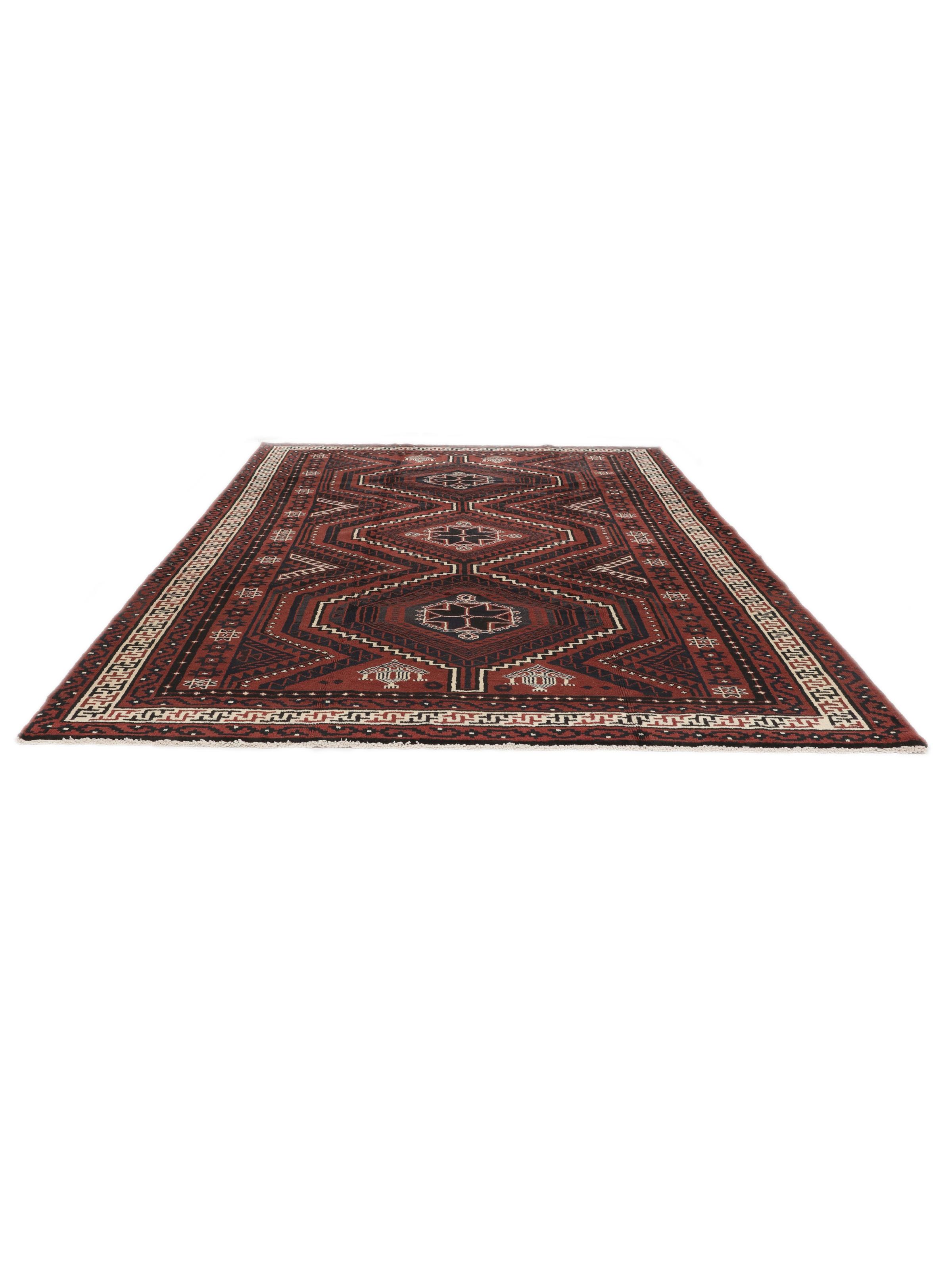
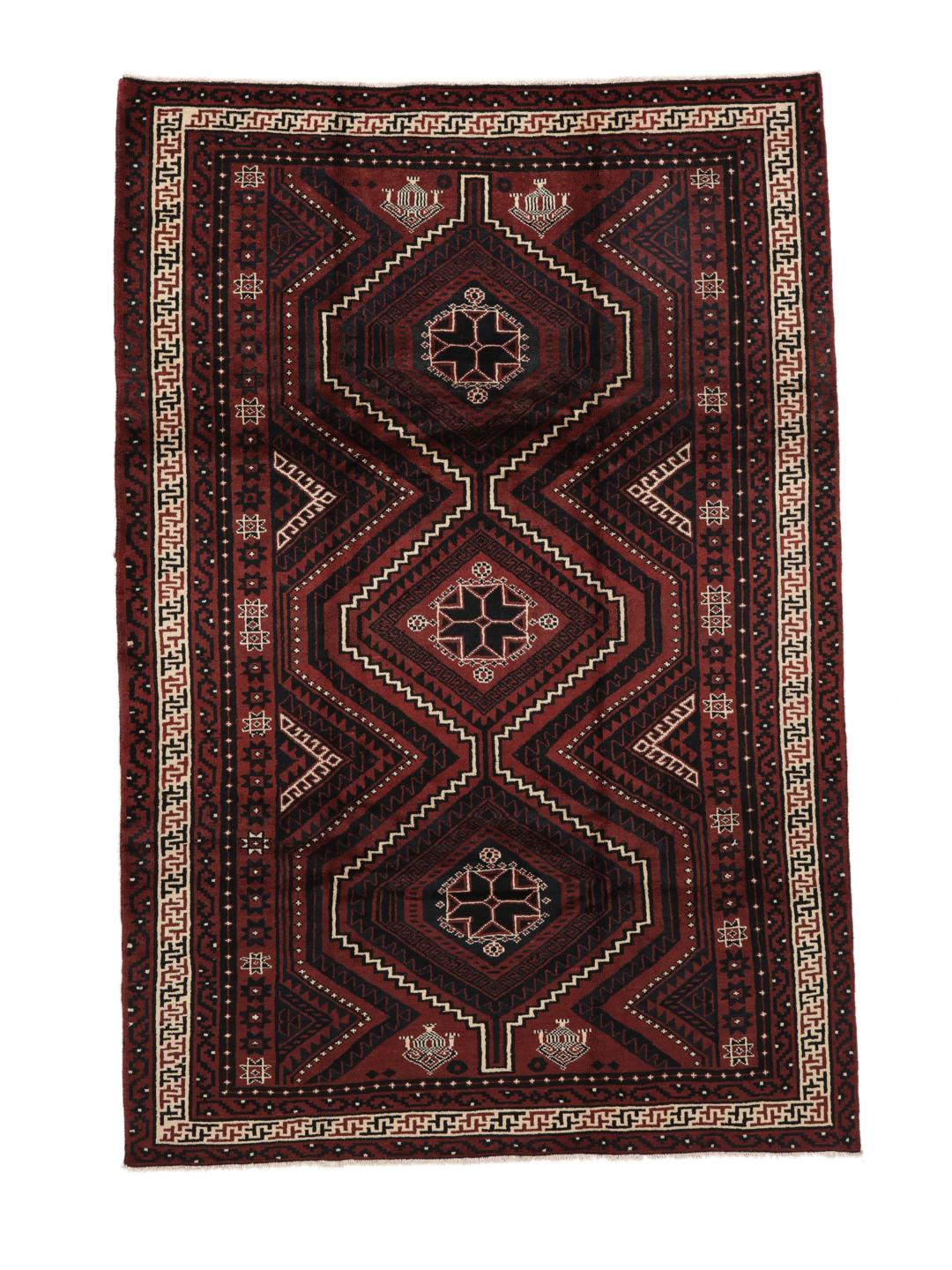
The Lori rug tradition originates from the tribal regions of the Middle East, specifically associated with the nomadic Lori people. These rugs are historically celebrated for their bold, expressive designs and the use of high-quality wool, which the tribes have sourced from their own flocks for centuries. The migration of these weaving traditions reflects a deep-rooted connection to the land and the seasonal movements of the tribes.
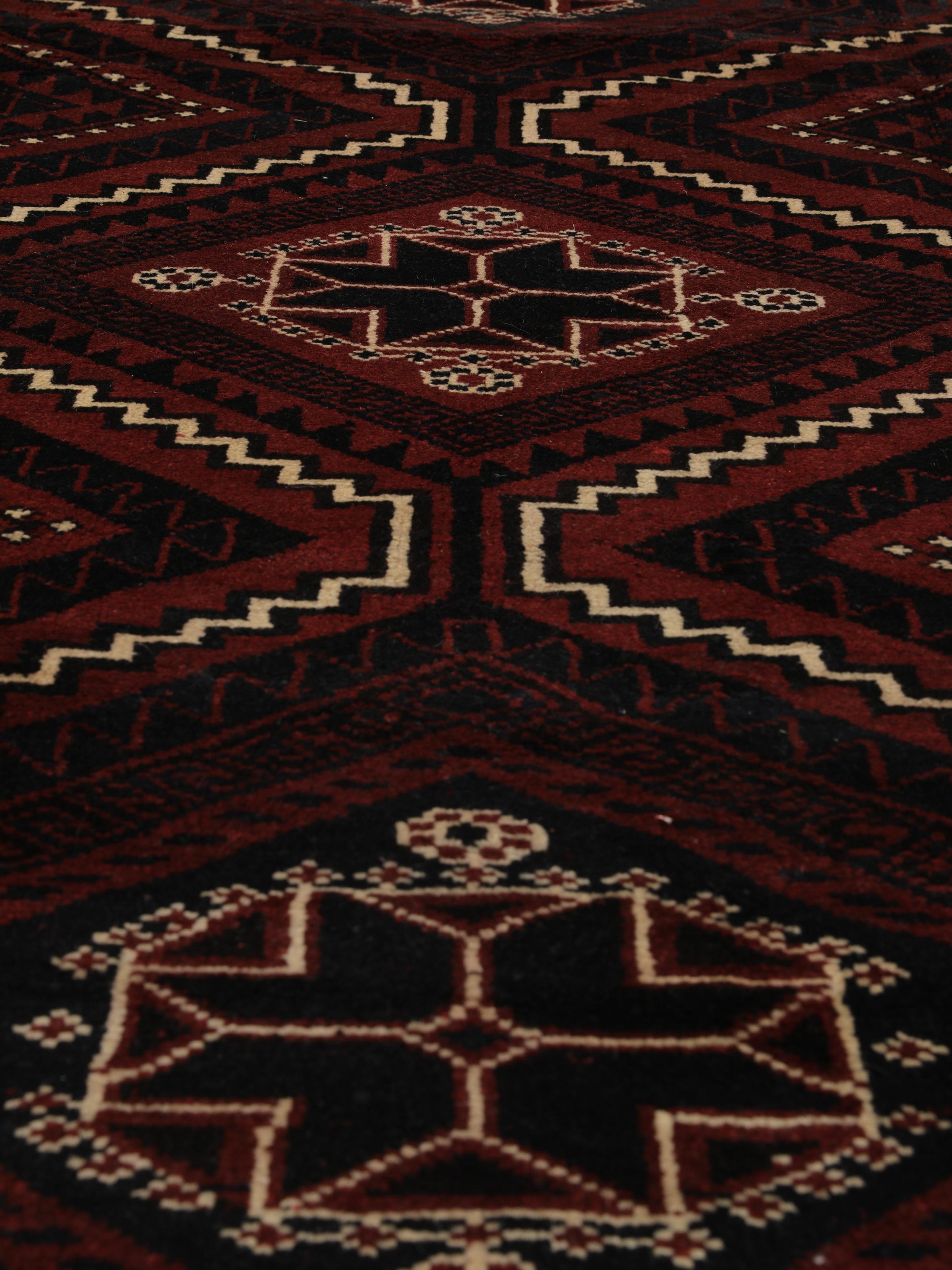
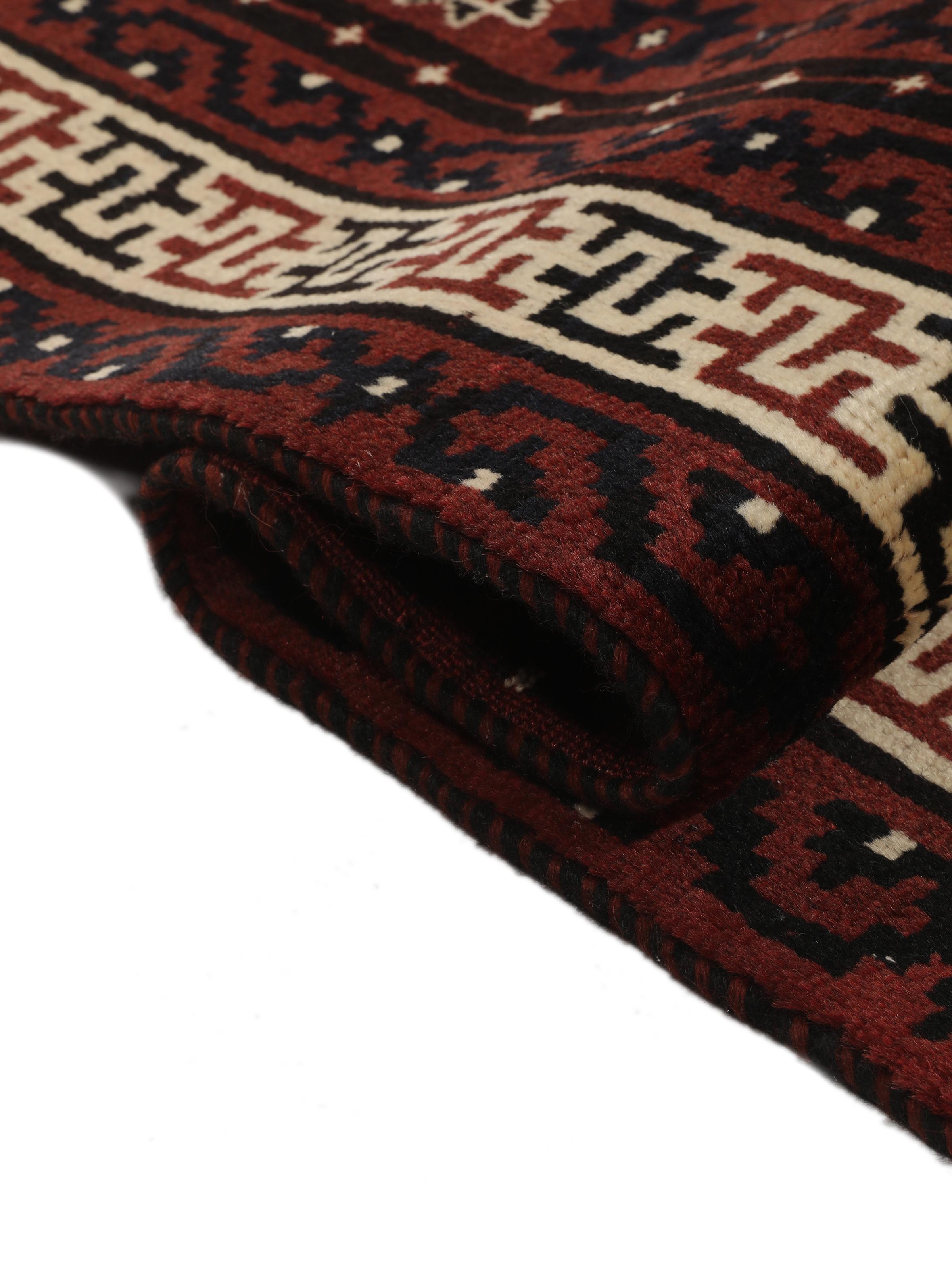
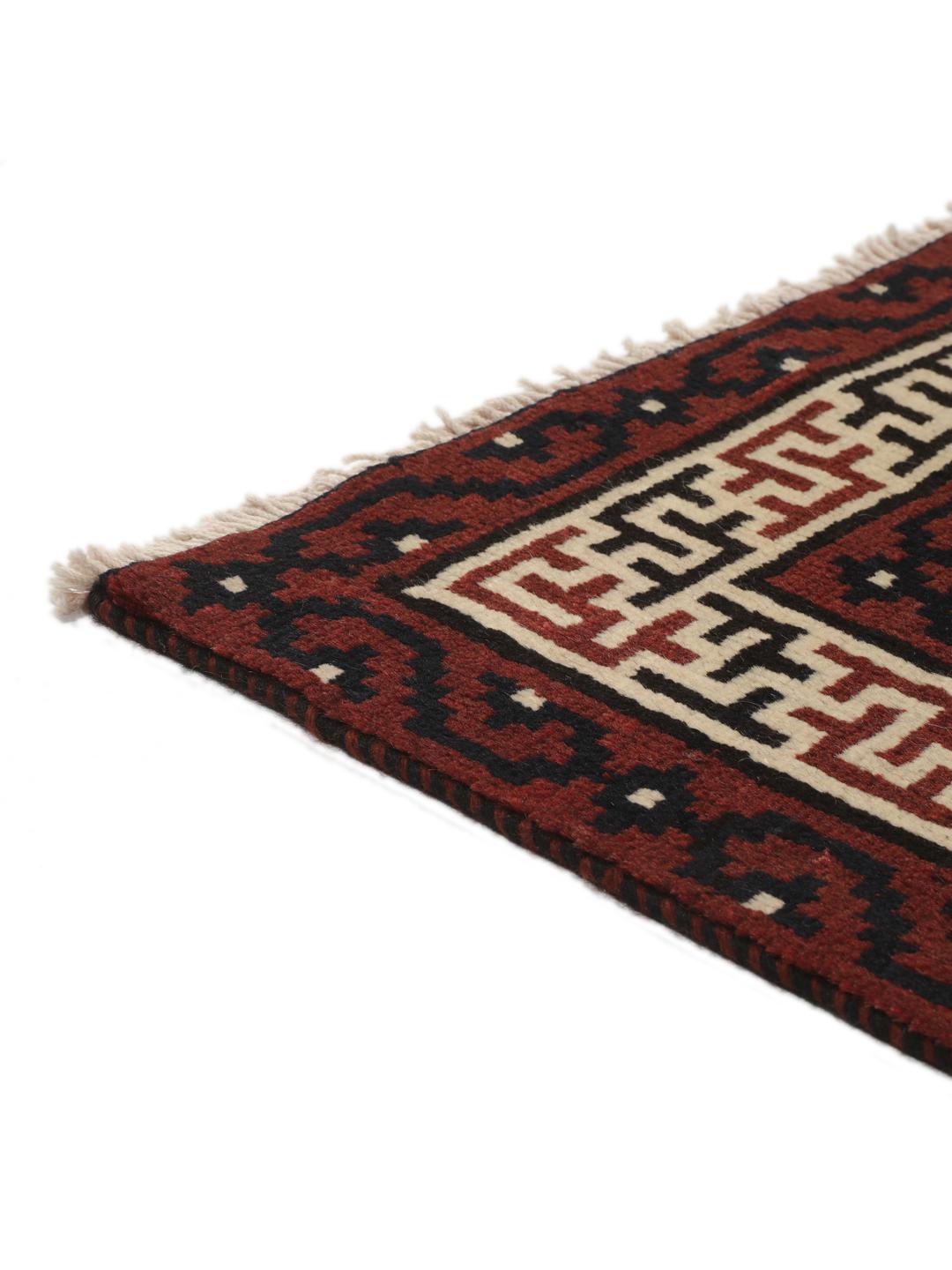
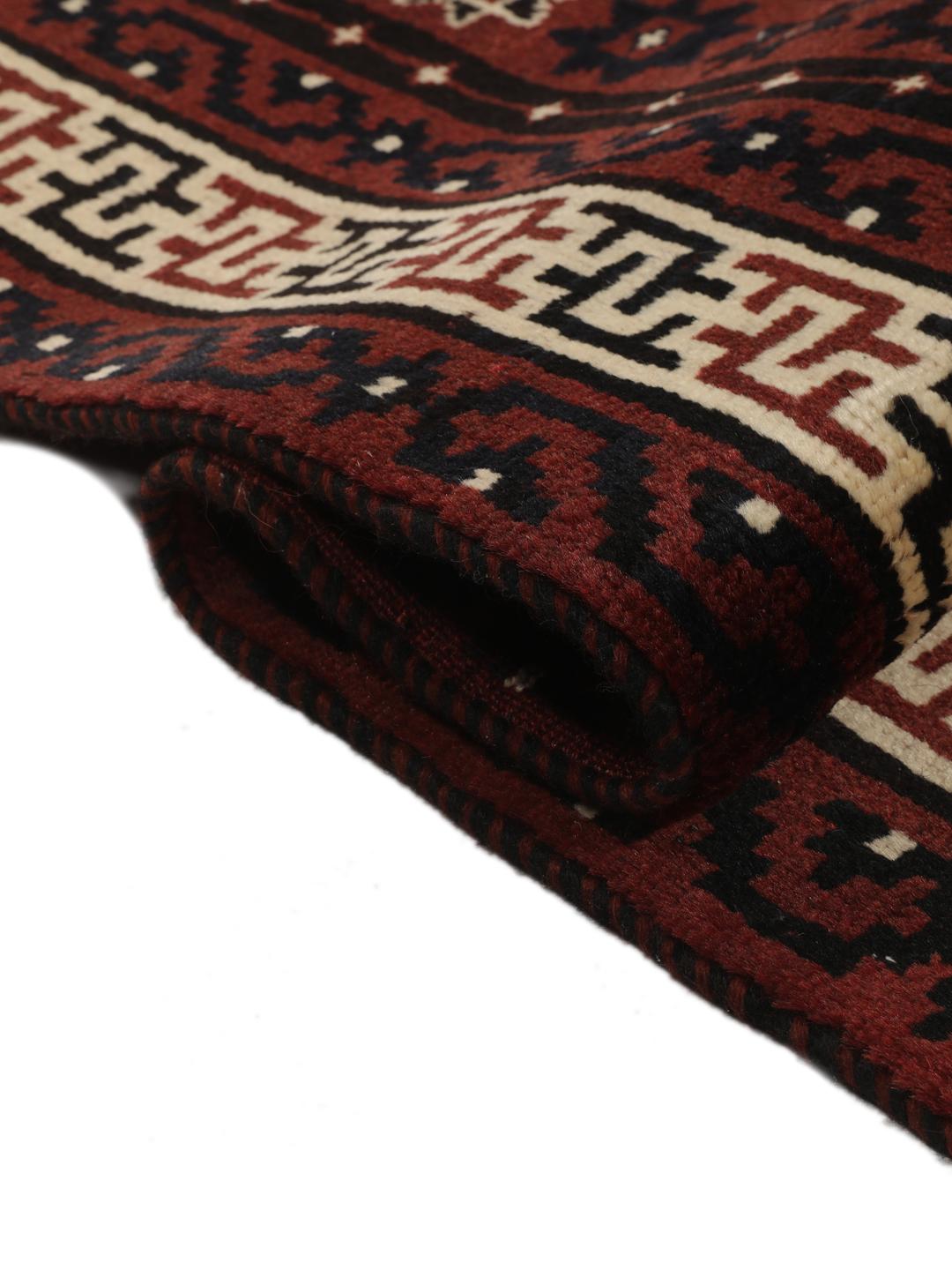
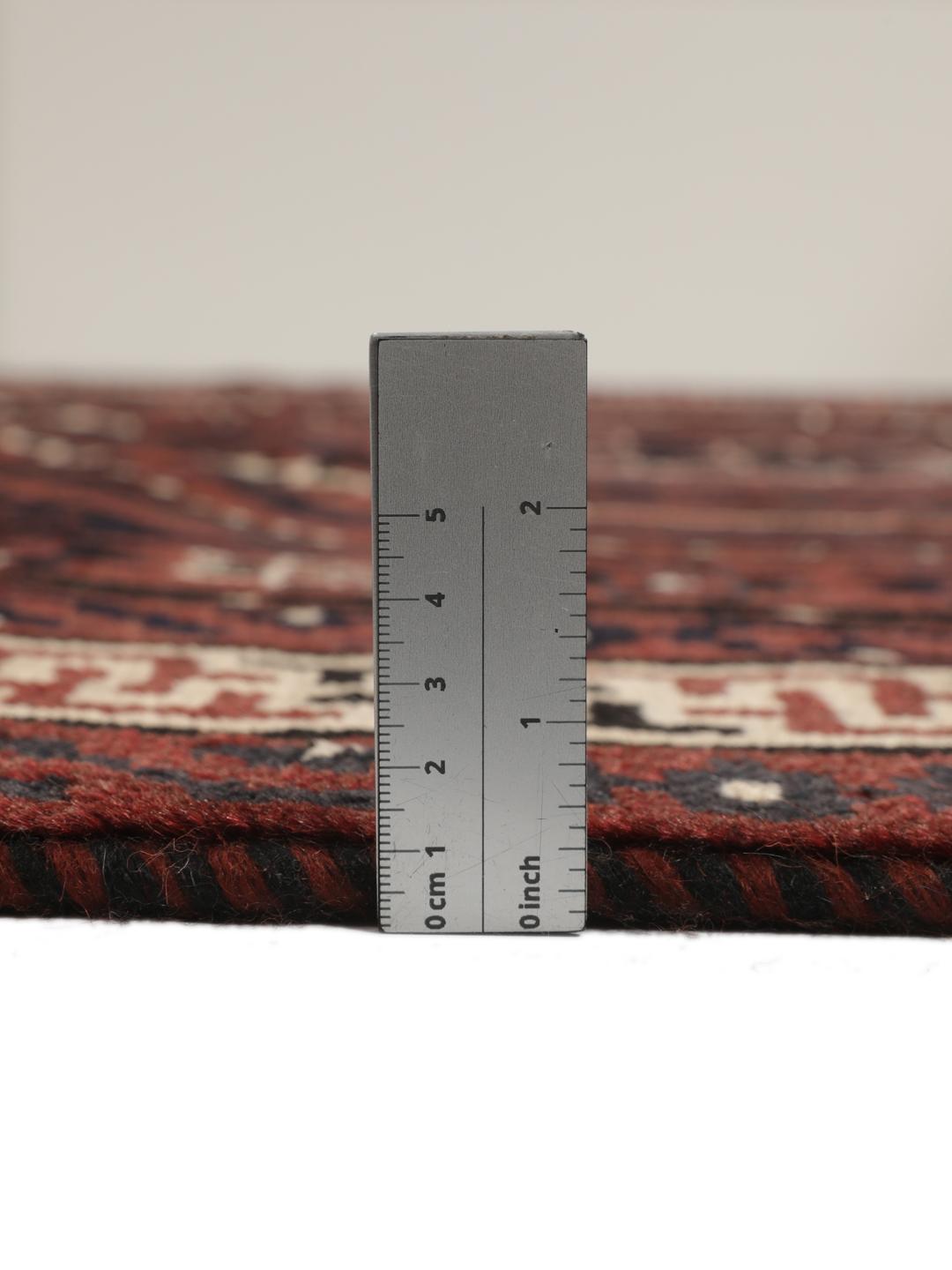
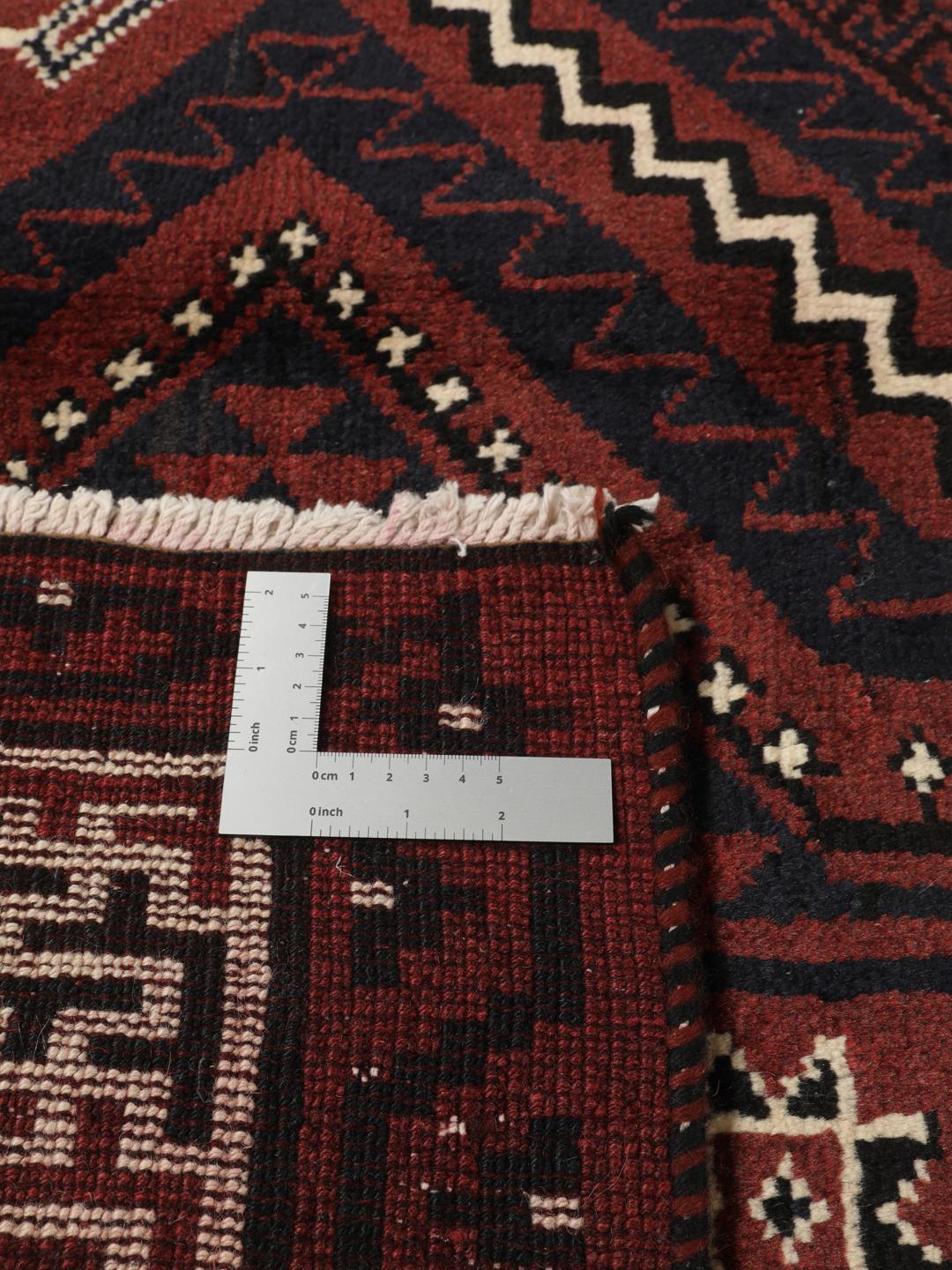
In the context of rug-making, the hand-knotted technique is the gold standard for quality and longevity. Unlike woven or tufted alternatives, a hand-knotted rug is built on a foundation of vertical and horizontal threads where the pile is tied knot-by-knot. This process creates a resilient surface that resists wear and tear, allowing the rug to maintain its structural beauty even in high-traffic areas of the home.
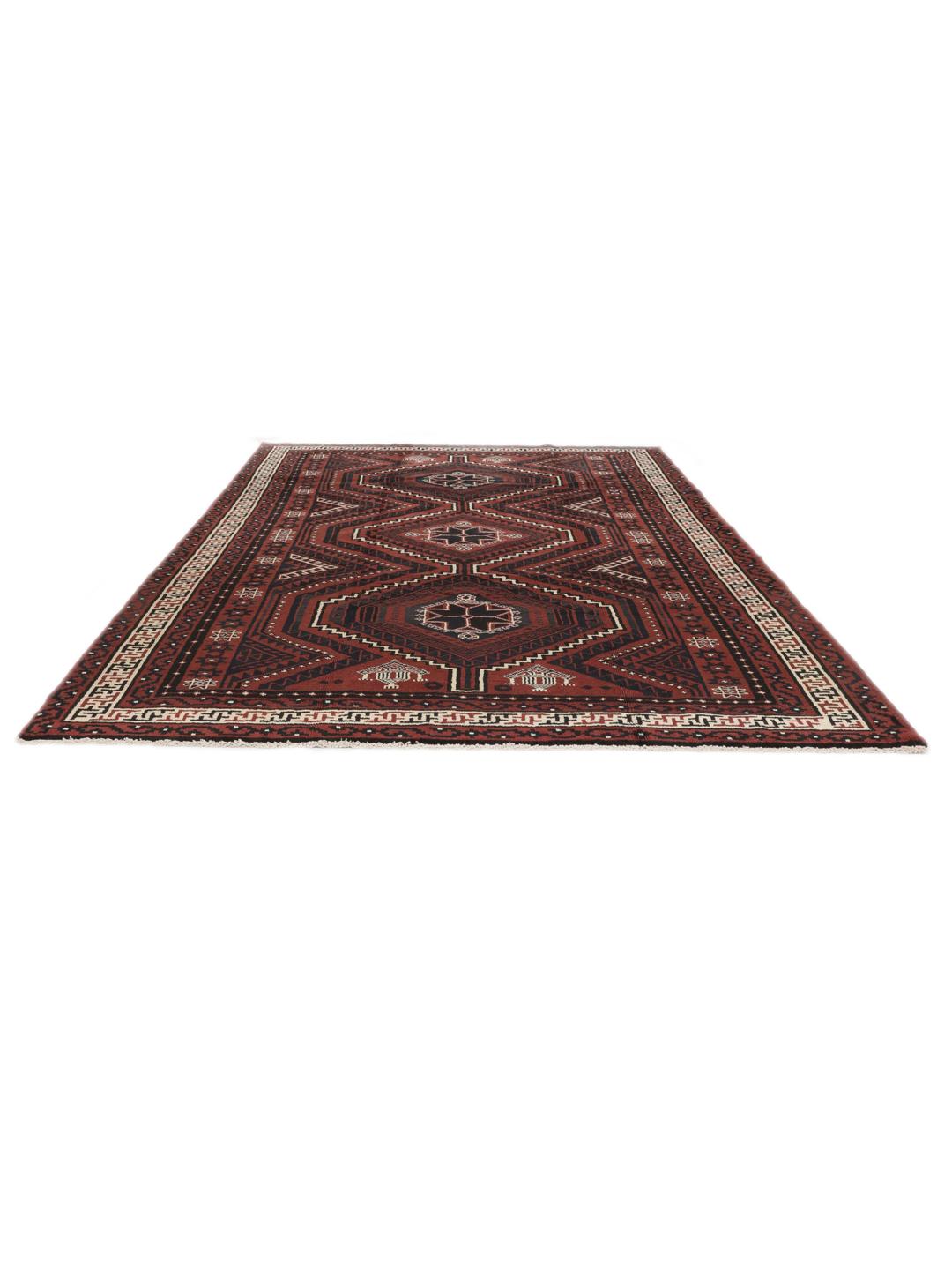
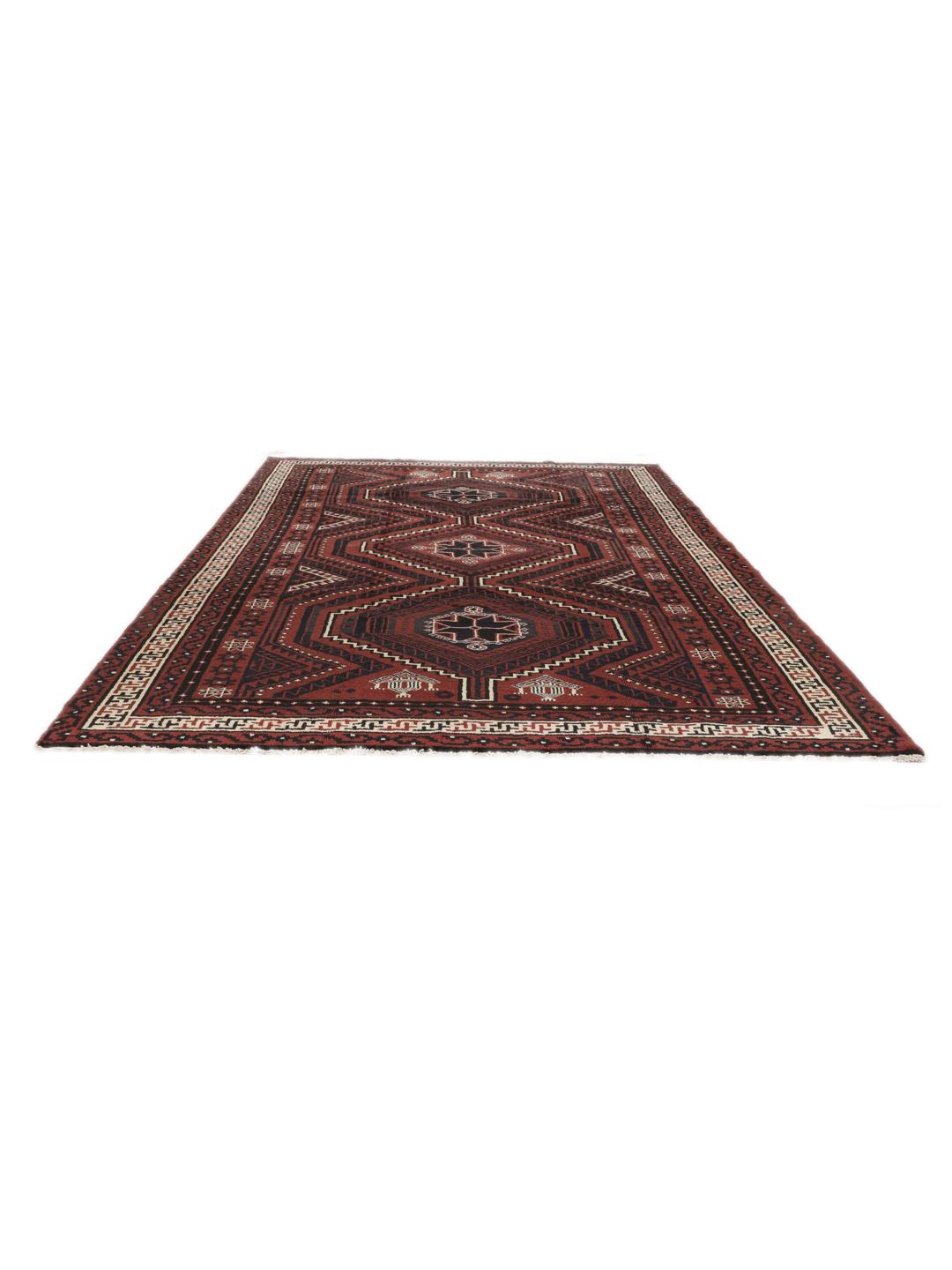
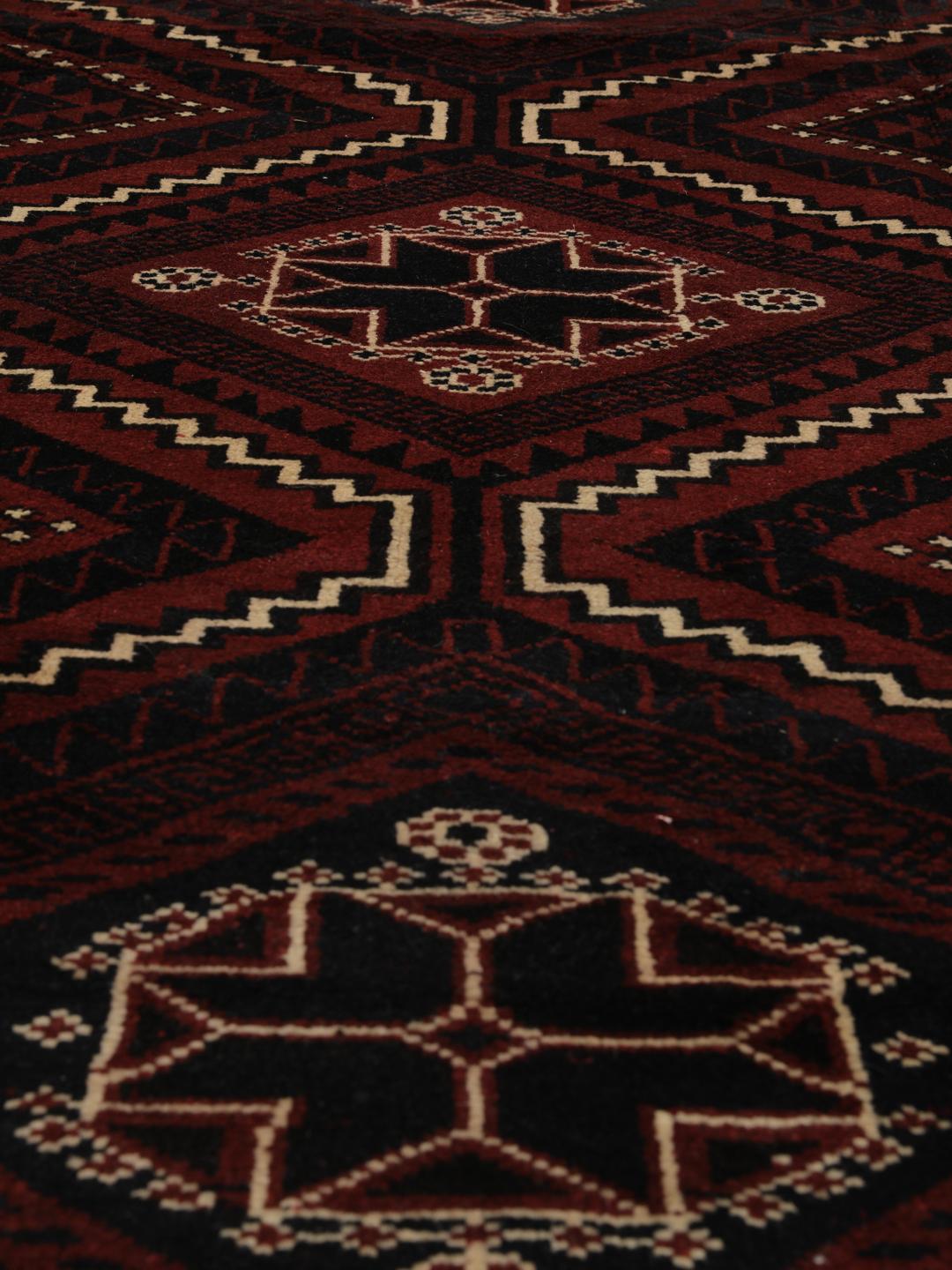
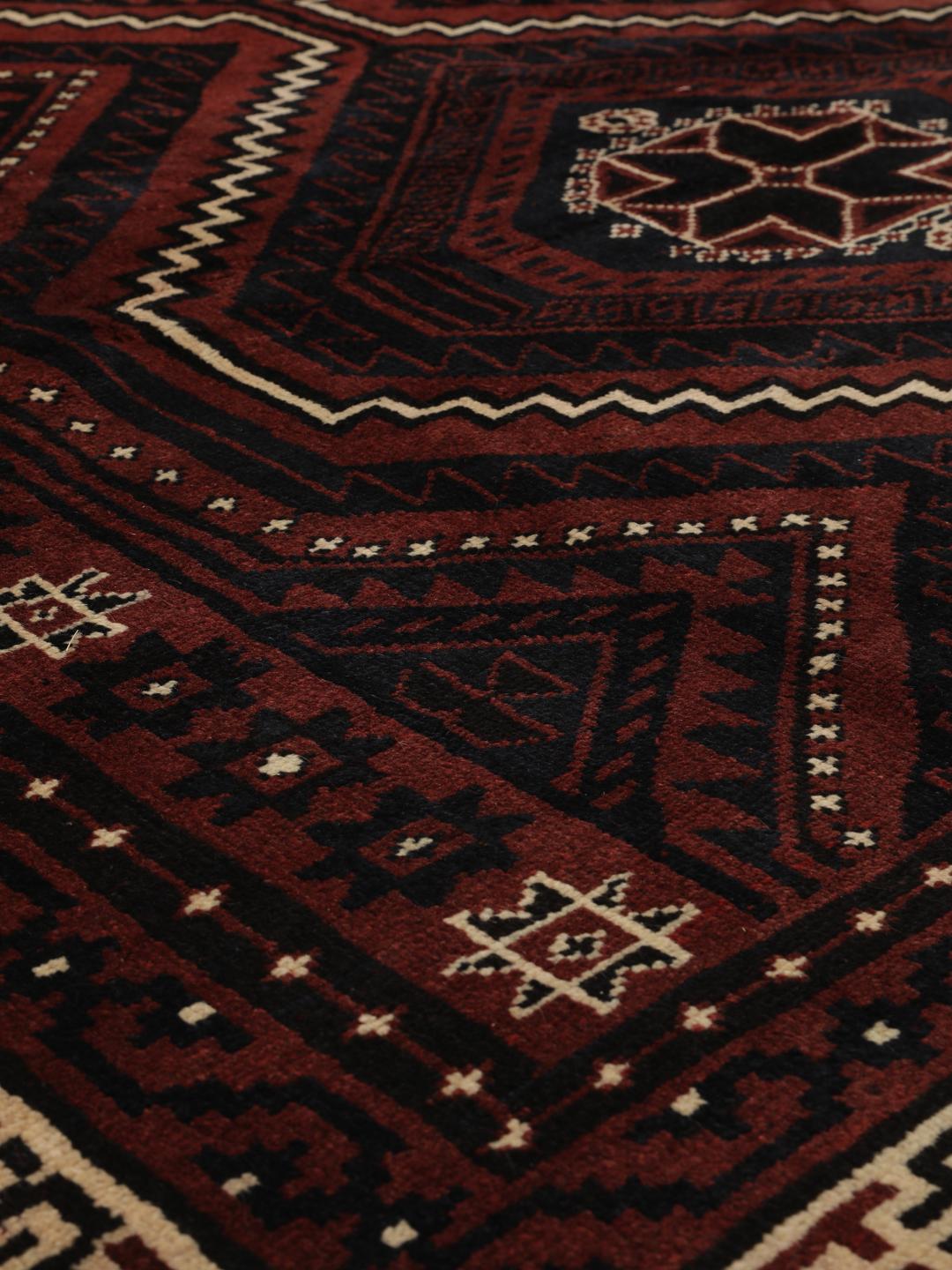
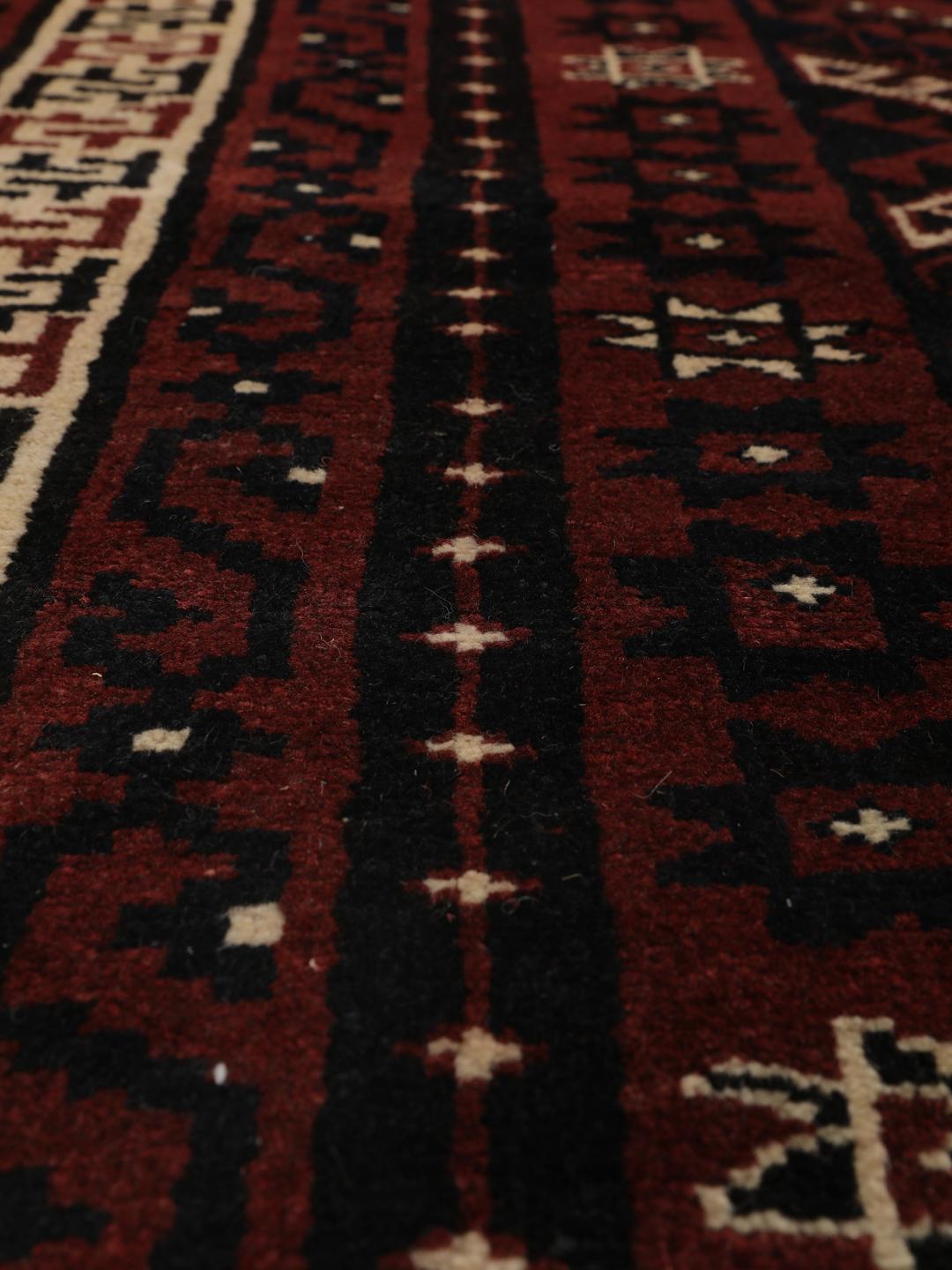
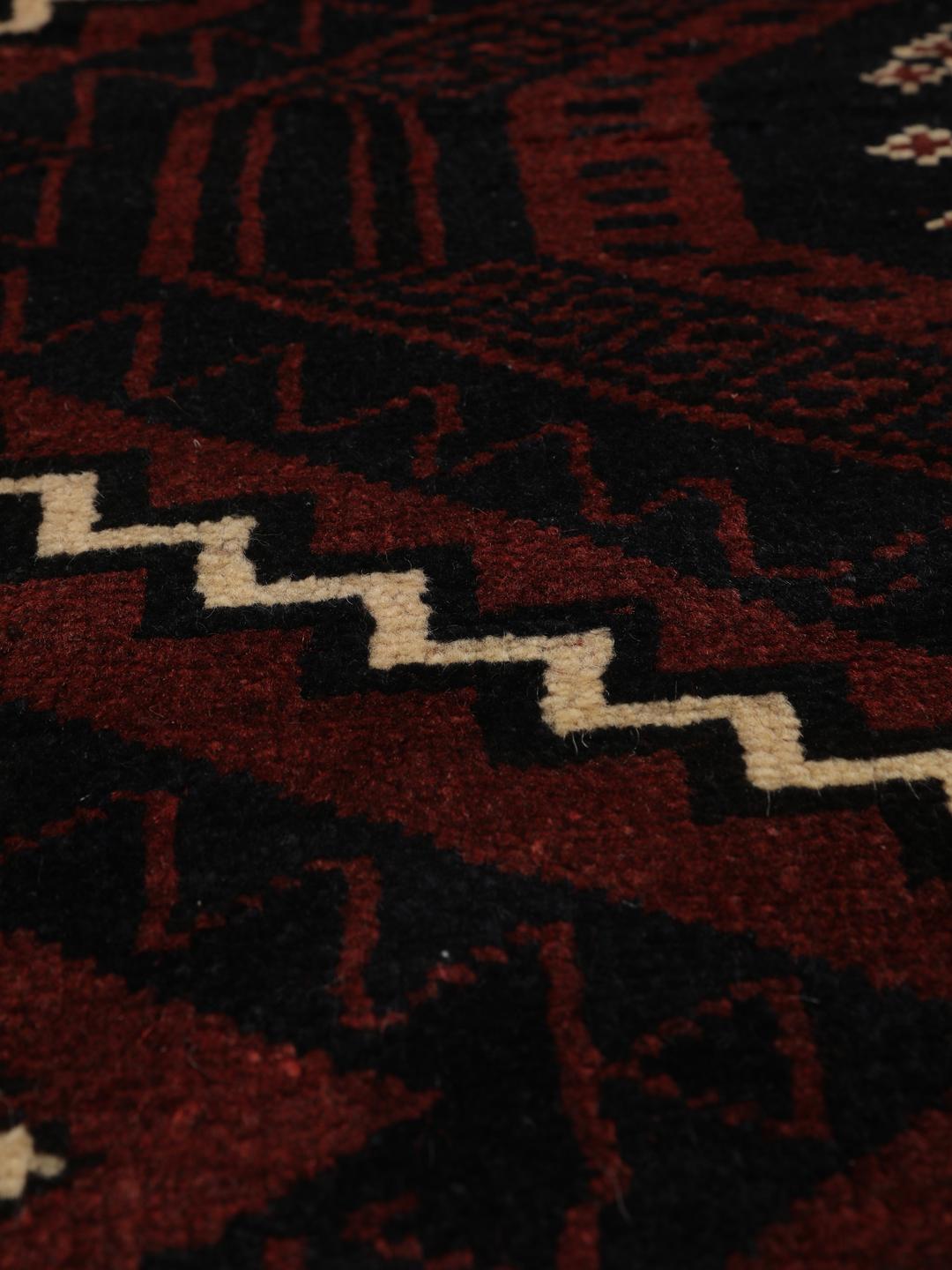
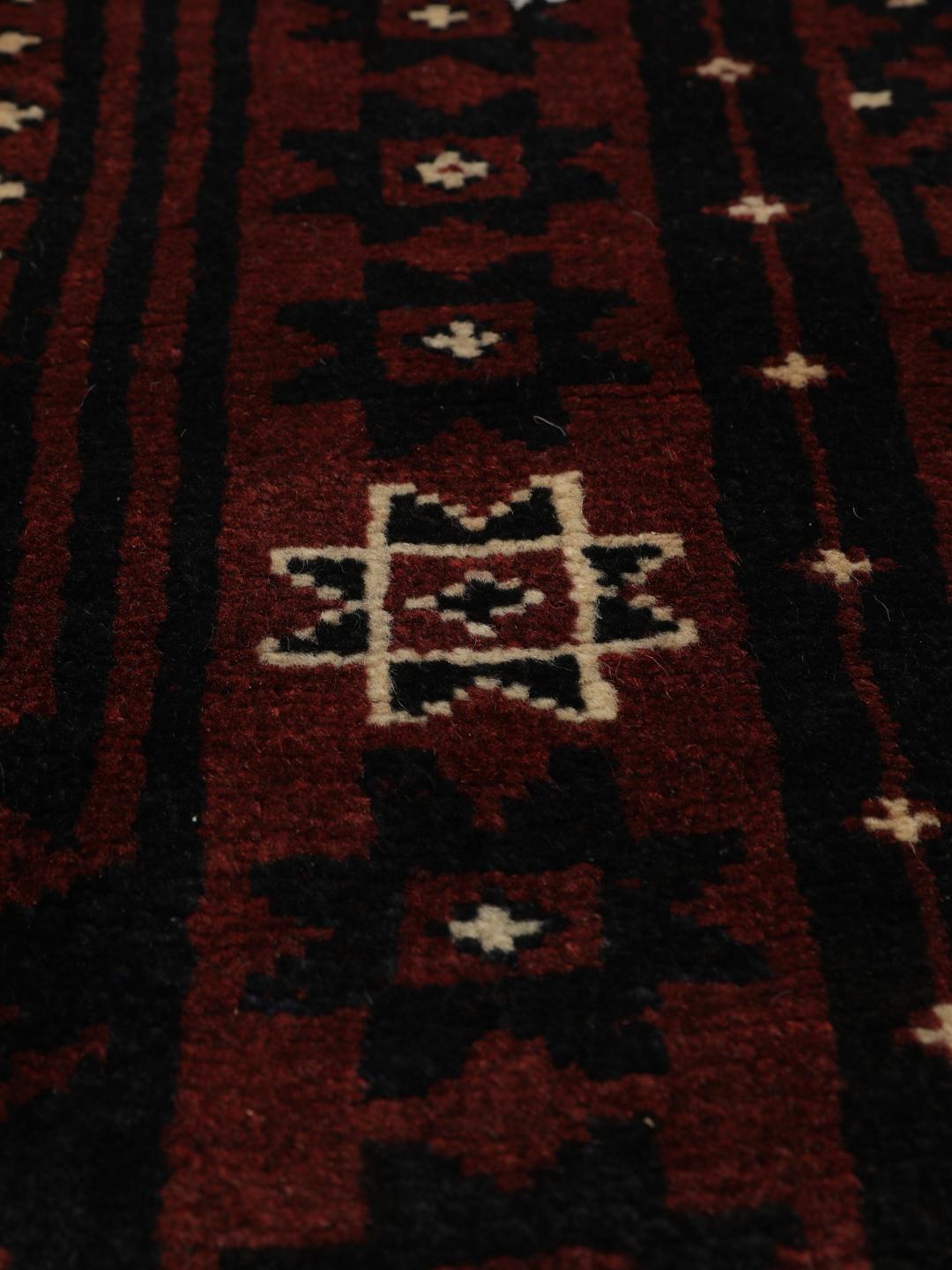
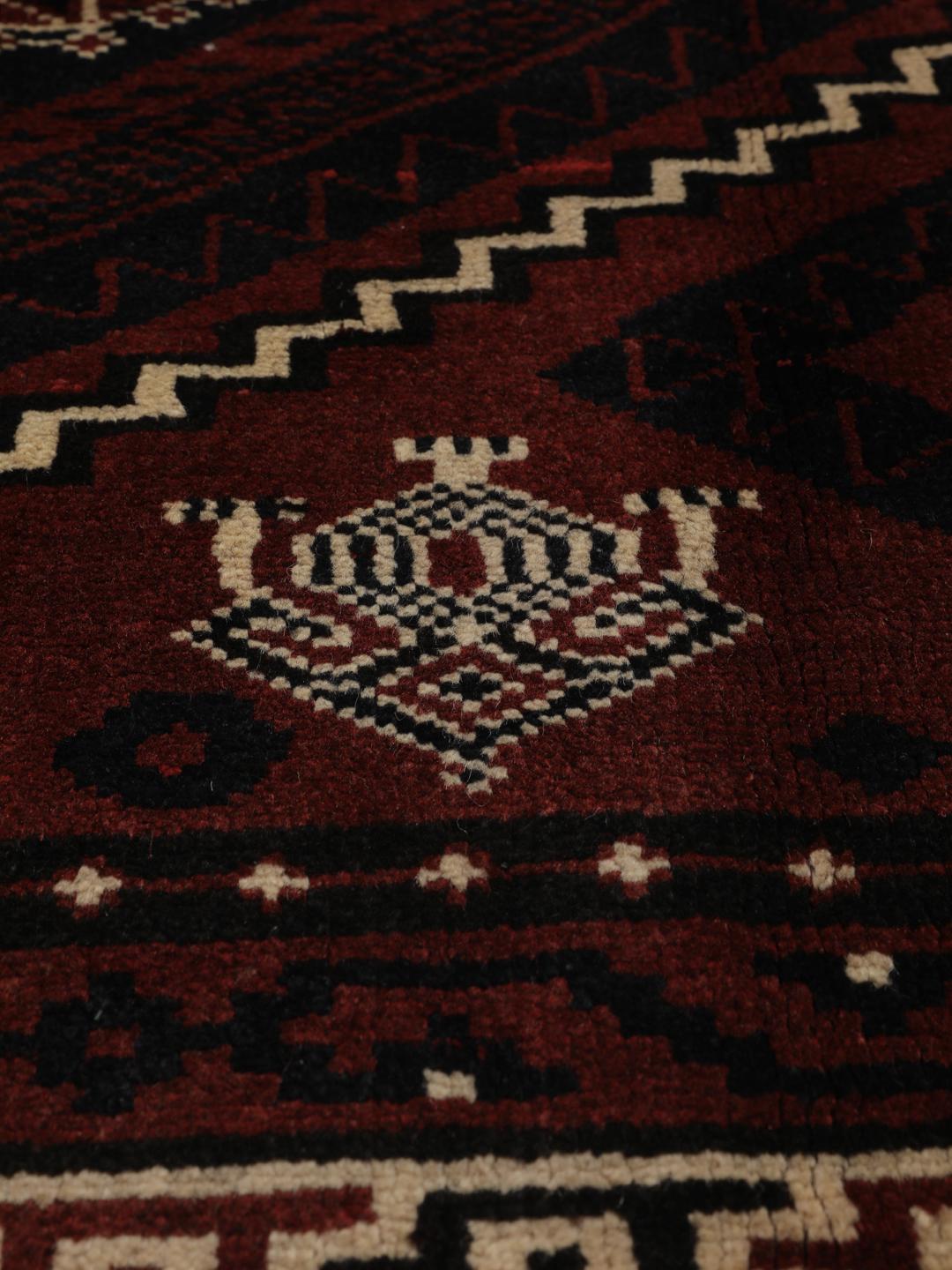
Visually, Lori rugs are recognised for their striking geometric language. They often feature stylised medallions, serrated diamonds, and angular motifs that are deeply symbolic within their culture. This particular piece showcases a masterful use of space, where the interplay of dark-red and black creates a powerful contrast, emphasising the sharp, rhythmic nature of the patterns that define the Lori aesthetic.
Owning a piece from this tradition is an act of preserving a specialised craft. These rugs are highly valued by collectors not only for their visual impact but for the skill and cultural history they embody. By choosing a Lori rug, you are connecting your modern home to an ancient lineage of artistry, ensuring that the legacy of these skilled weavers continues to be appreciated in a contemporary setting.