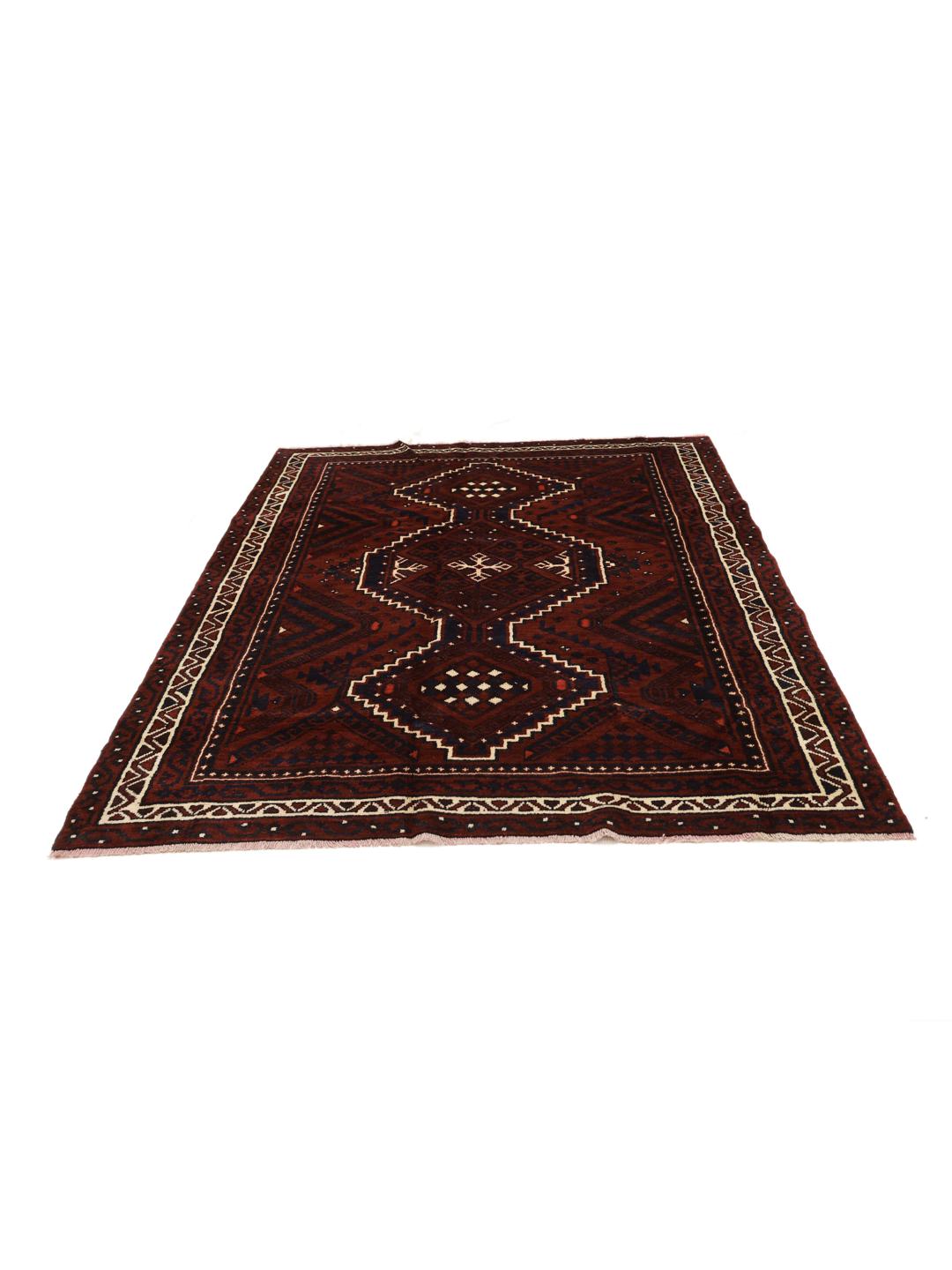
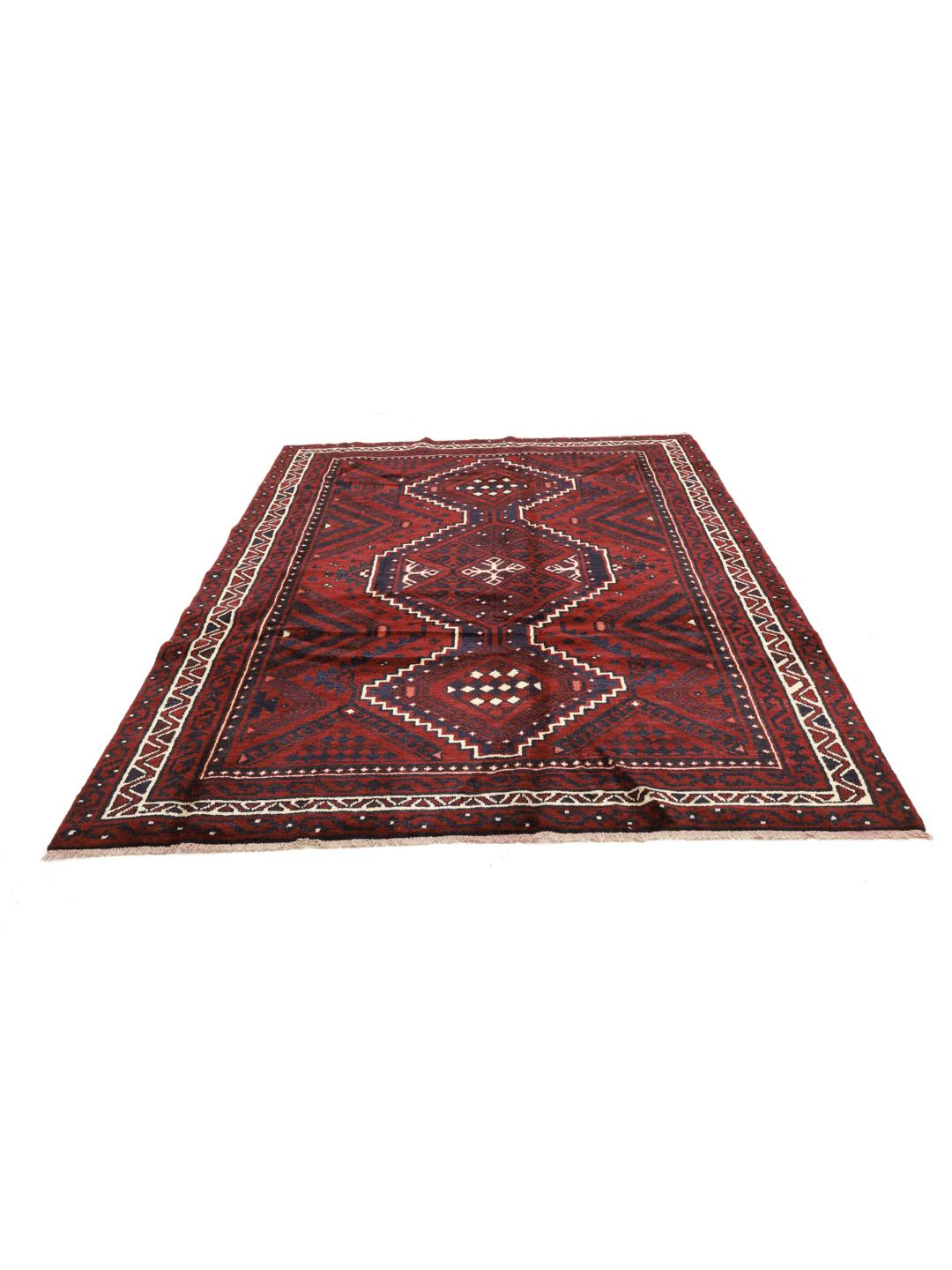
Lori rugs originate from the tribal traditions of the Middle Eastern mountainous regions, where they have been crafted for generations by nomadic and semi-nomadic groups. These rugs are deeply tied to the cultural identity of the weavers, serving as both functional items for tent life and as artistic expressions of tribal history. The migration of these traditions across the region has led to the development of a distinct style that prioritises bold, geometric motifs over the more ornate floral designs found in urban workshops.
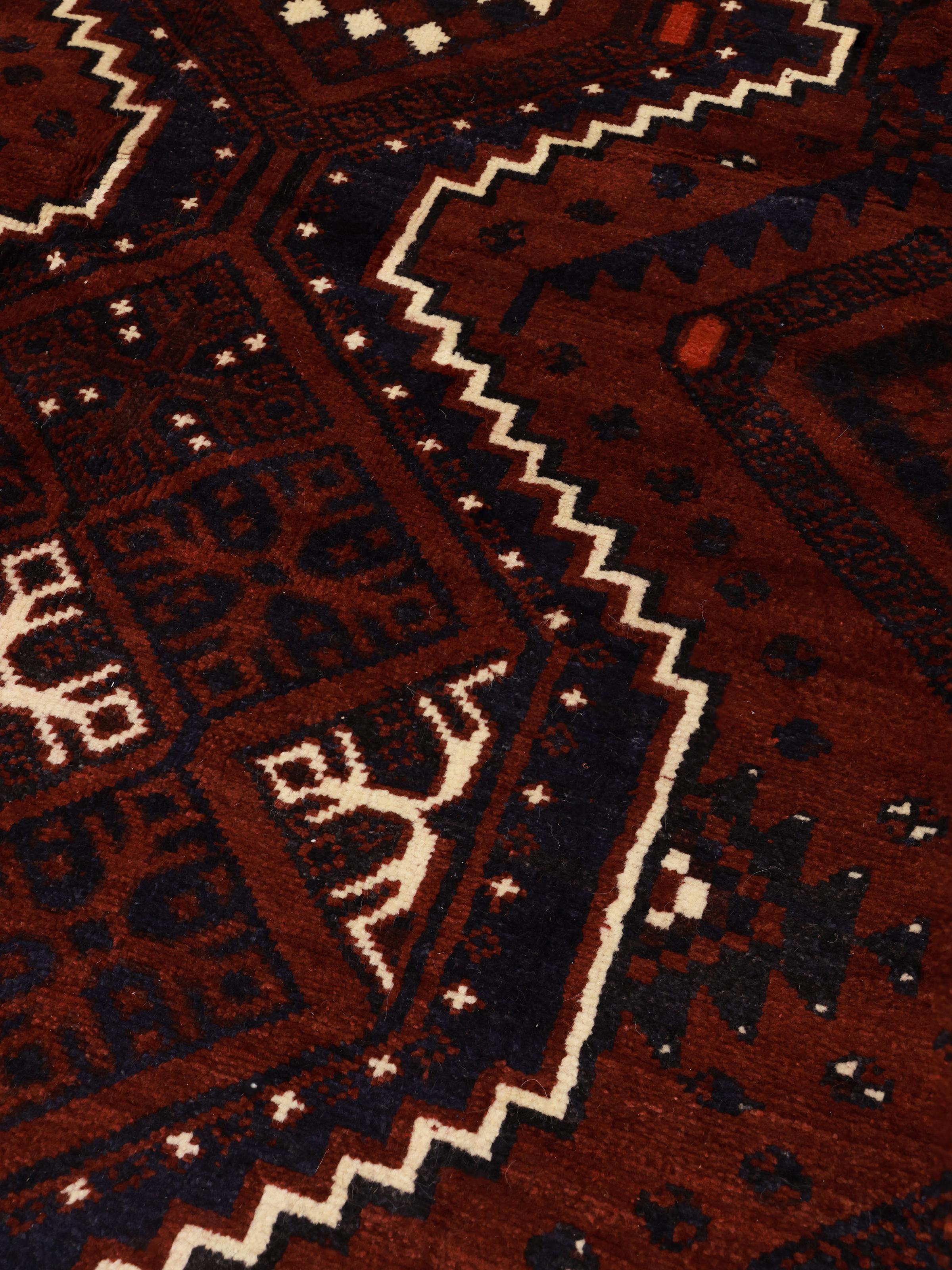
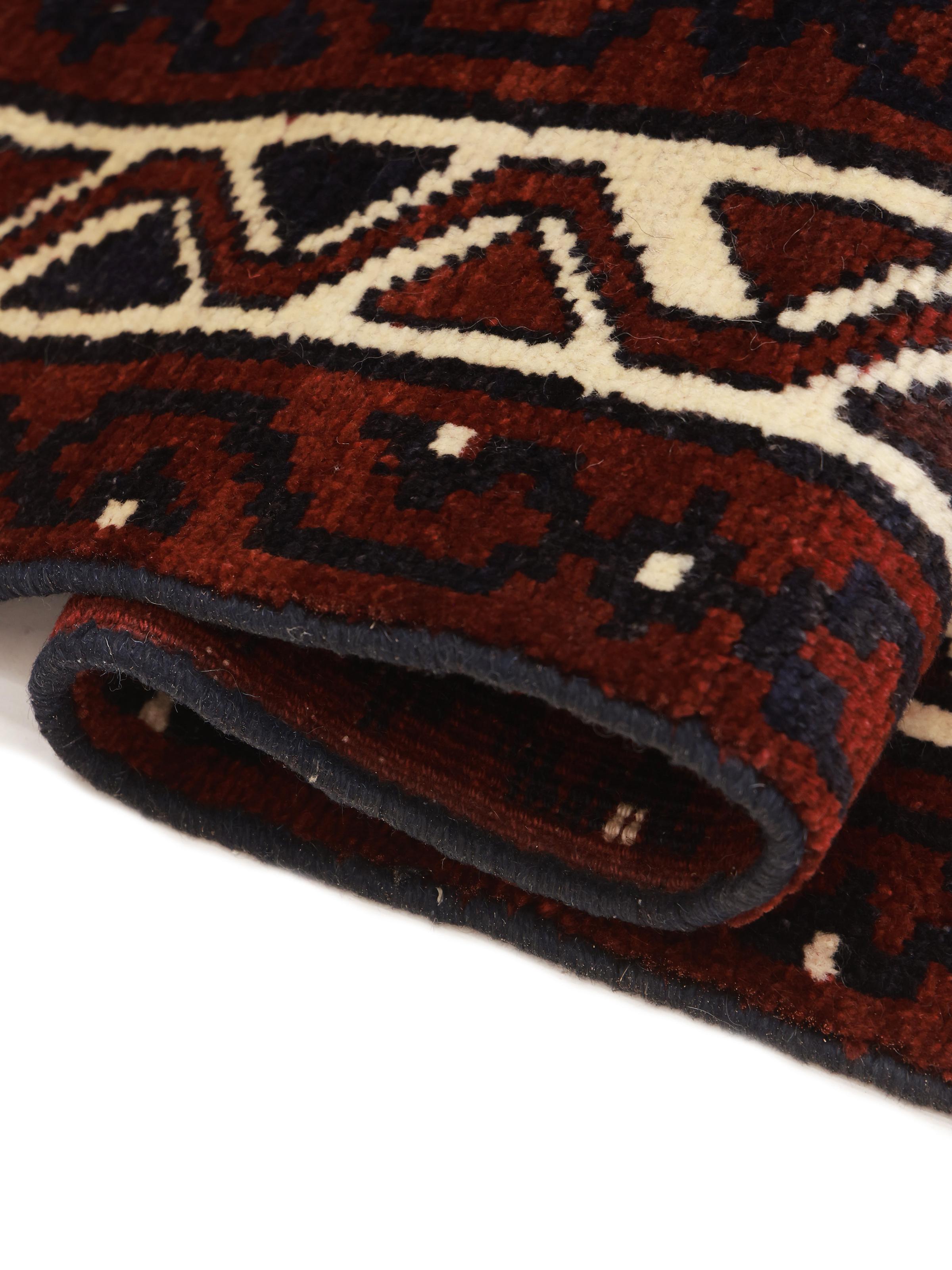
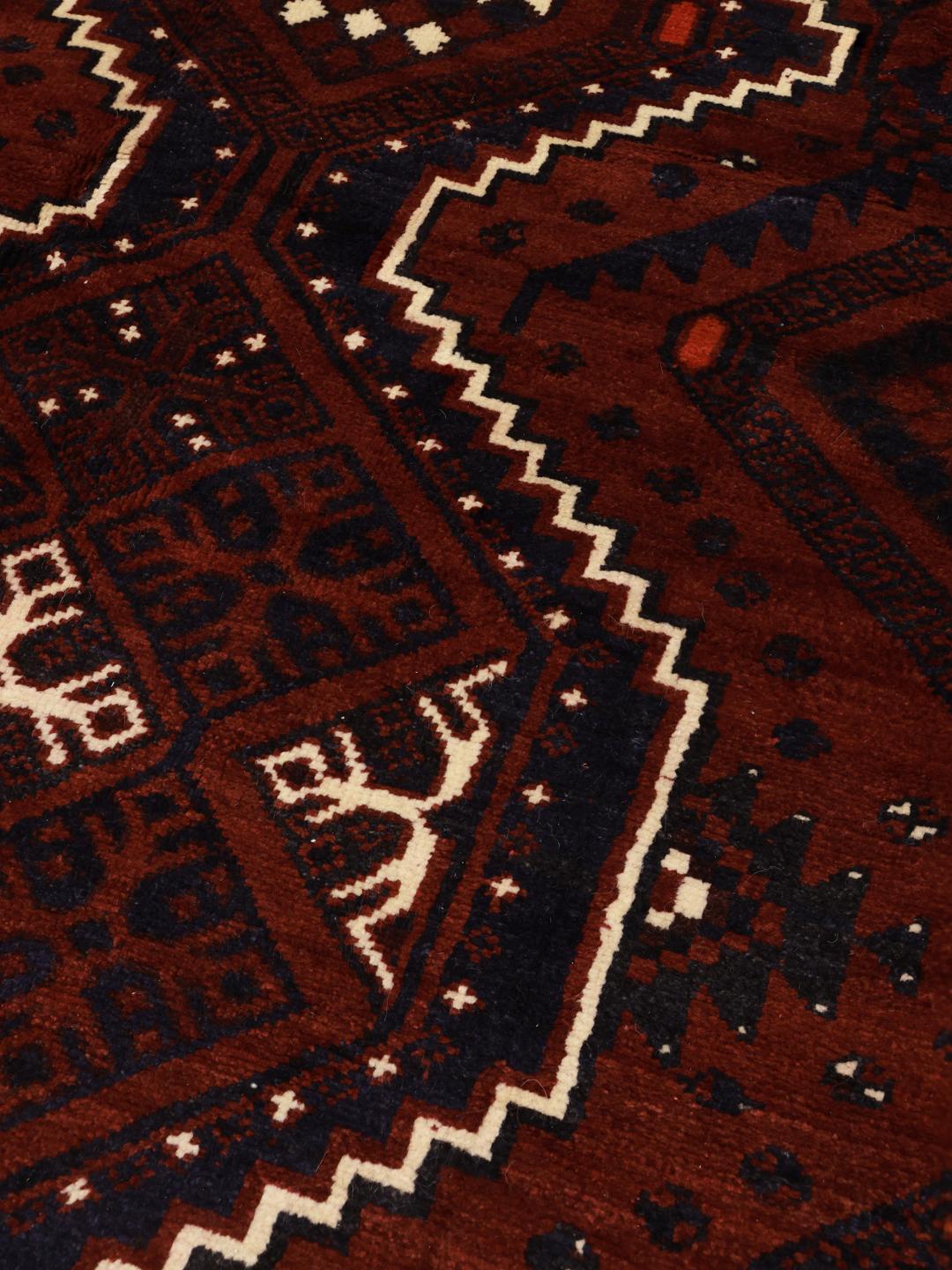
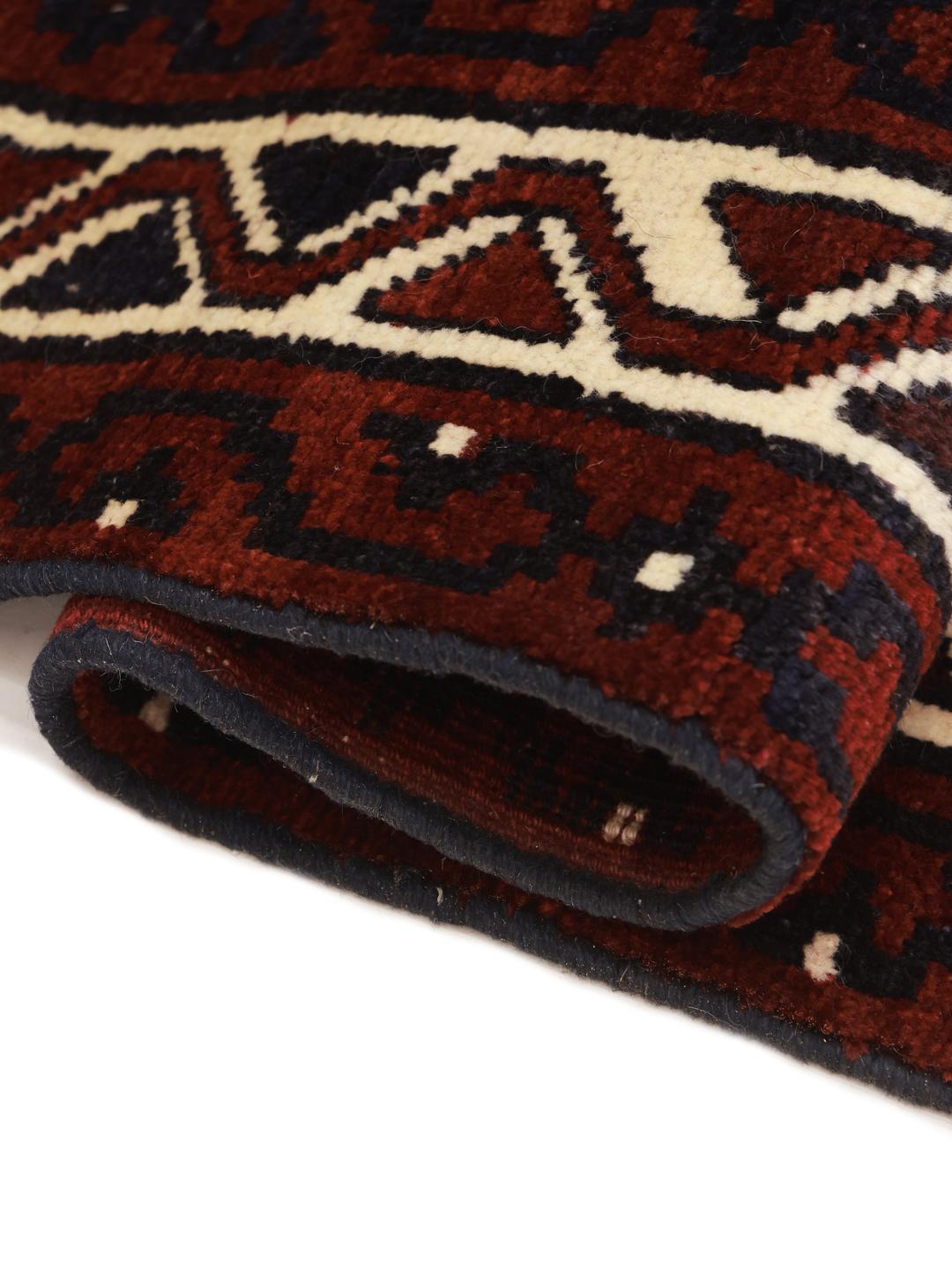
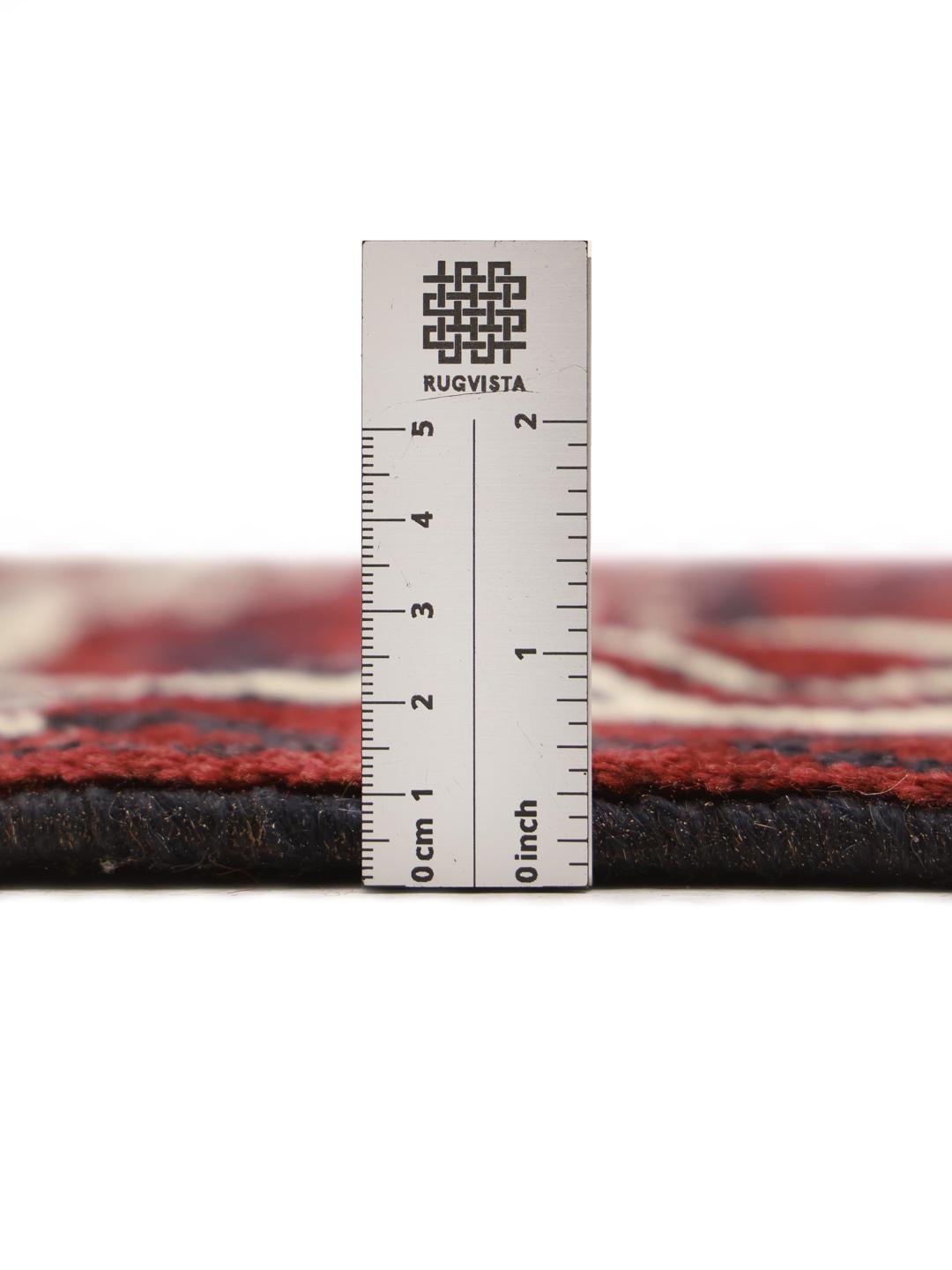
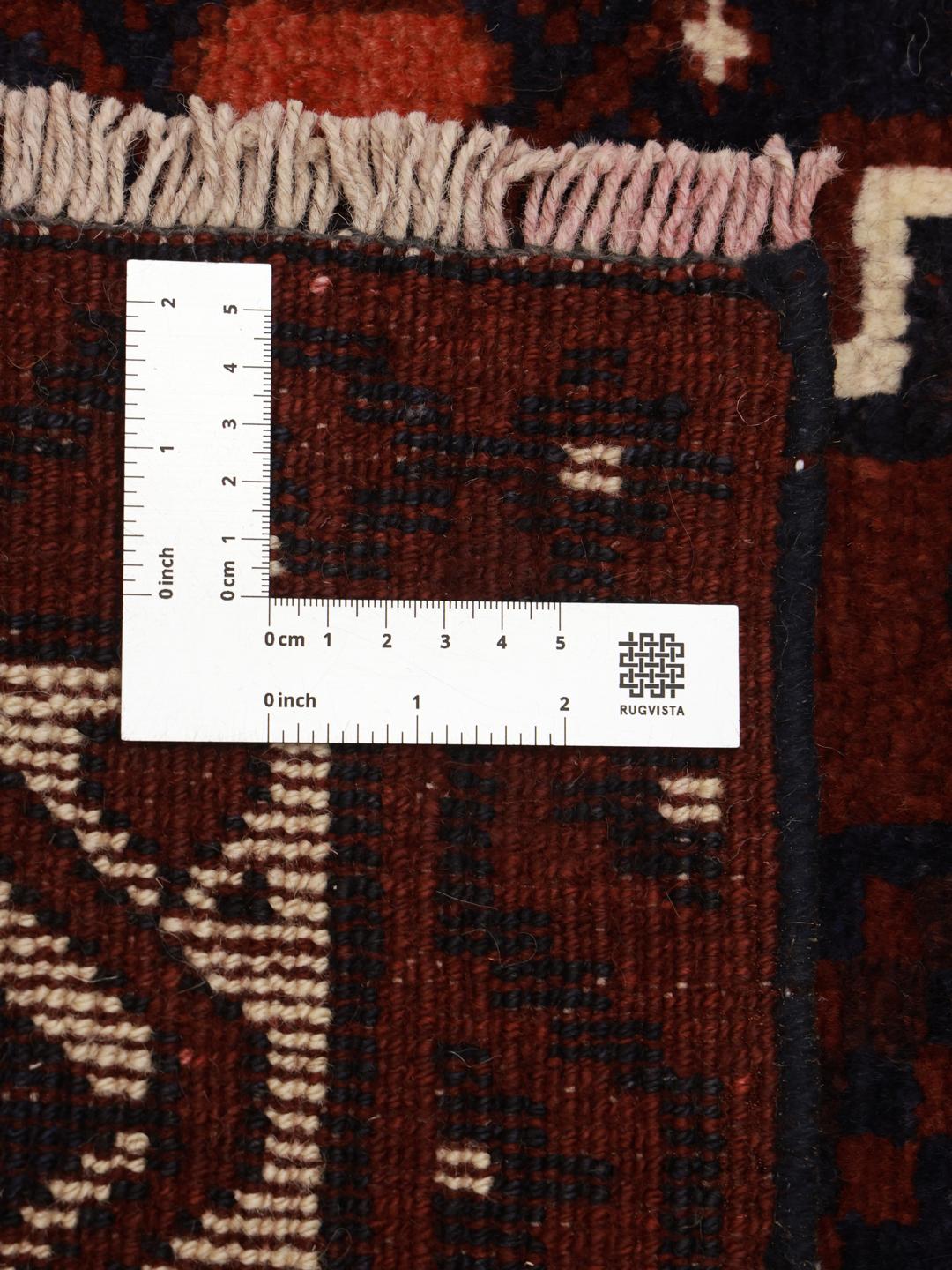
The term 'Lori' refers to the specific tribal lineage and the weaving techniques passed down through families. These rugs are traditionally characterised by a sturdy construction using high-quality wool, which is often hand-spun to retain its natural oils and lustre. This traditional approach to material preparation ensures that the final piece is not only visually striking but also incredibly durable, capable of enduring the harsh conditions of its original high-altitude environments.
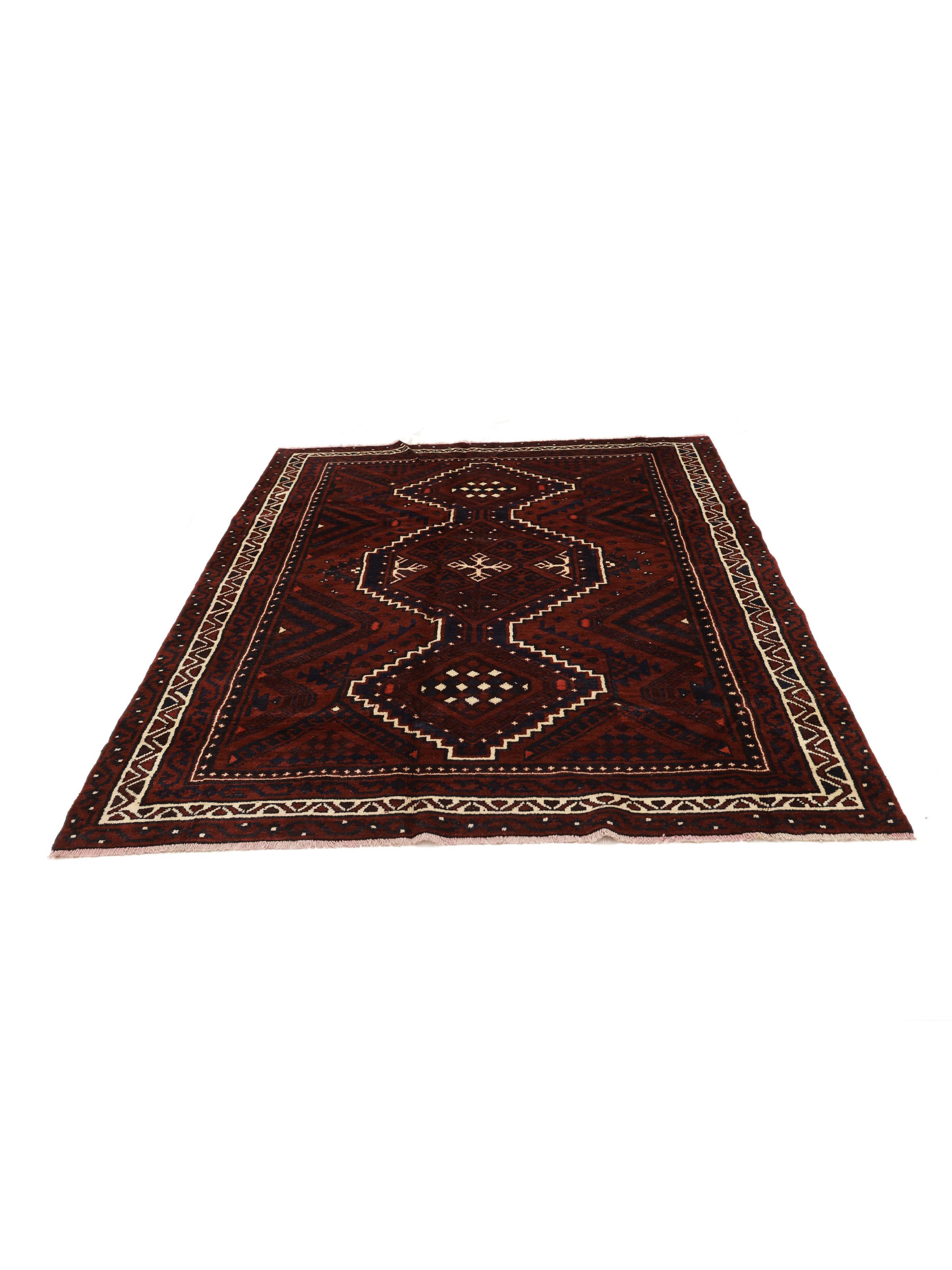
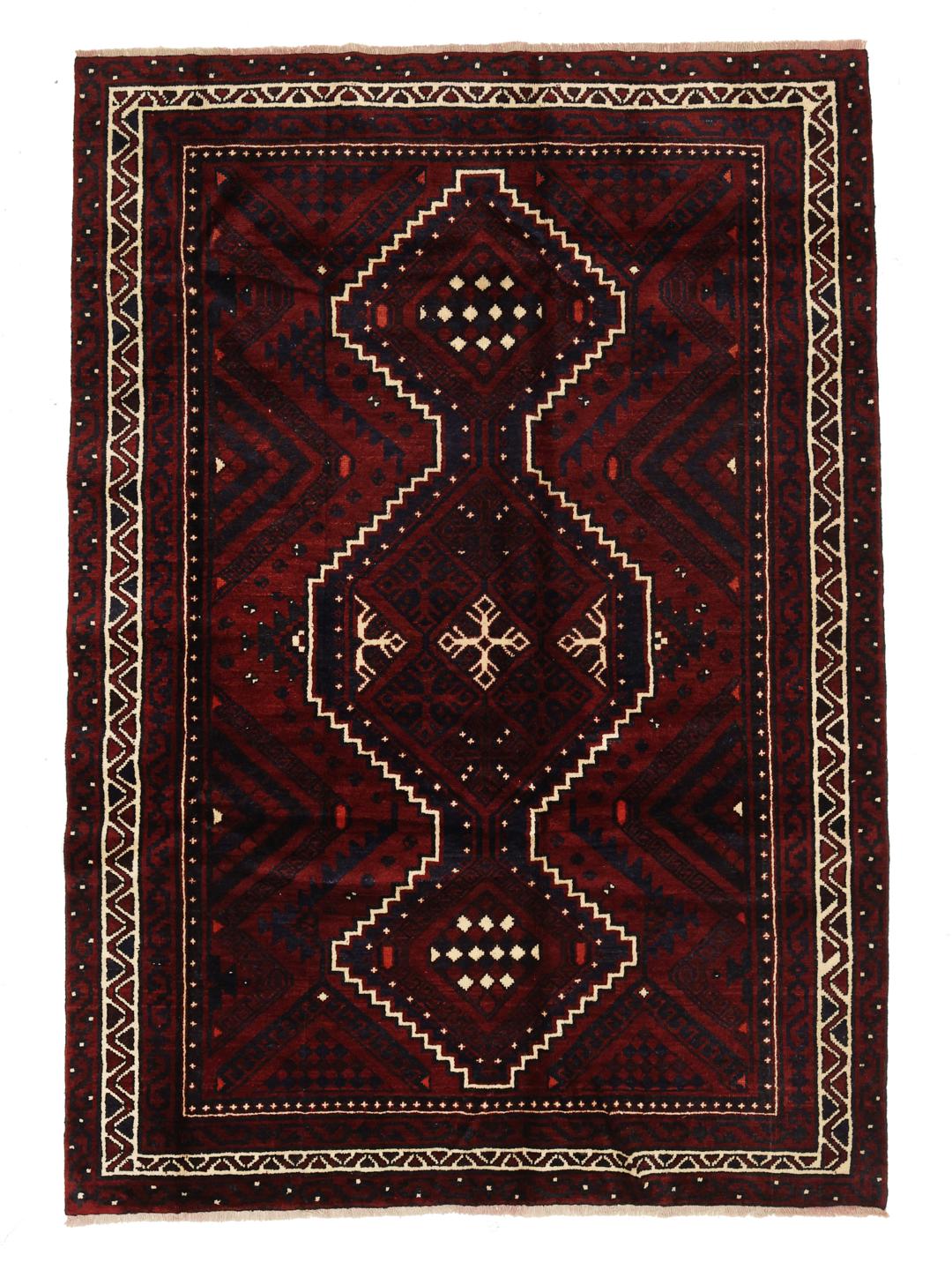
Visually, Lori rugs are celebrated for their strong, primitive aesthetic. You will typically find a field dominated by large-scale geometric medallions, stepped diamonds, or stylised animal motifs, all contained within wide, decorative borders. The use of deep, earthy colours, particularly rich reds and dark blues, is a hallmark of the style, achieved through long-standing knowledge of natural dyeing techniques that provide a depth of colour that modern synthetic dyes often fail to capture.
Collectors value Lori rugs for their raw, unrefined energy and the clear link they provide to a vanishing way of life. Owning a piece from this tradition is a commitment to preserving a specific cultural heritage and recognising the immense skill required to produce such complex patterns without the aid of modern technology. Each rug is a testament to the weaver’s memory and individual creativity, making them highly sought after by those who appreciate the intersection of history, art, and craft.