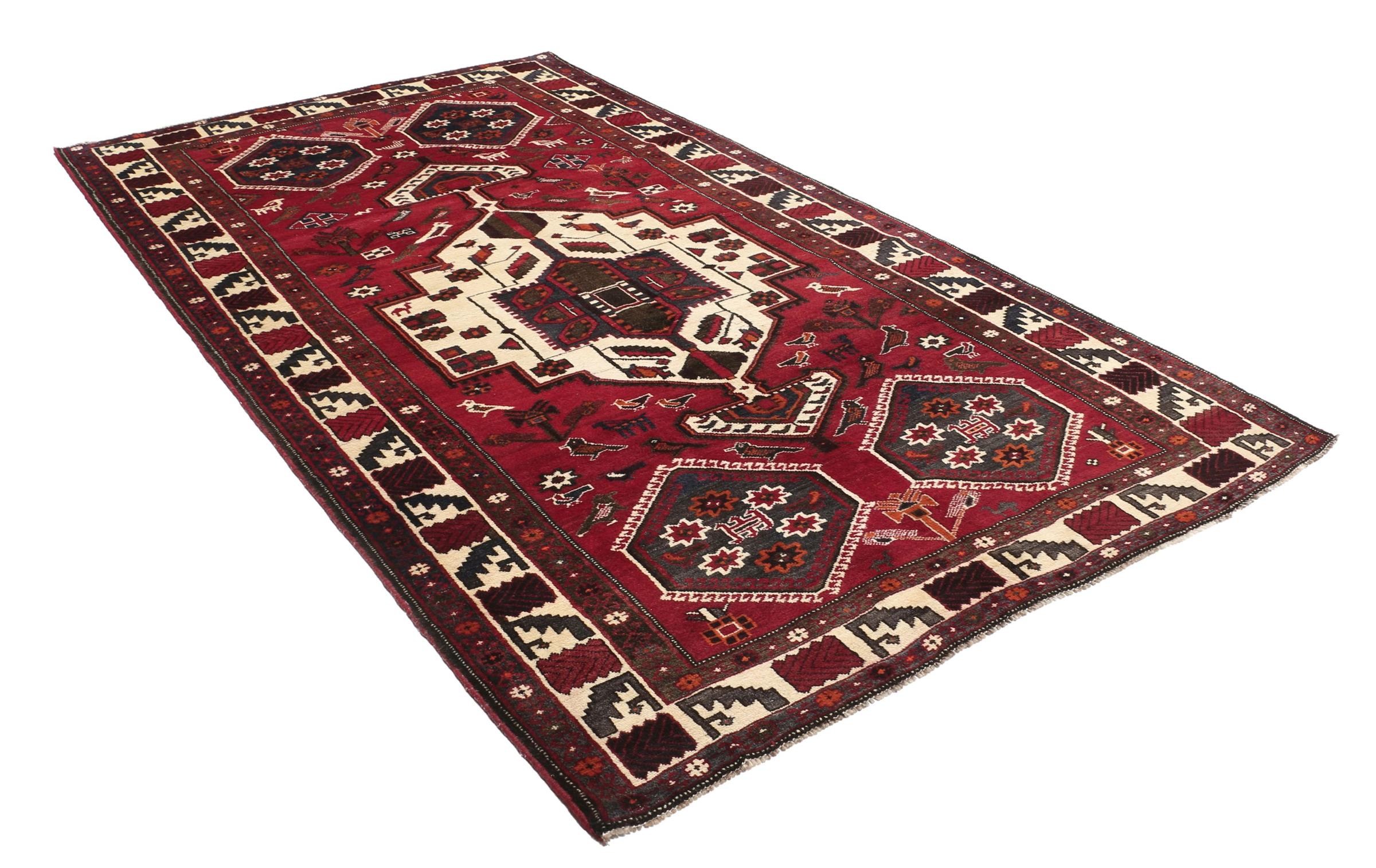
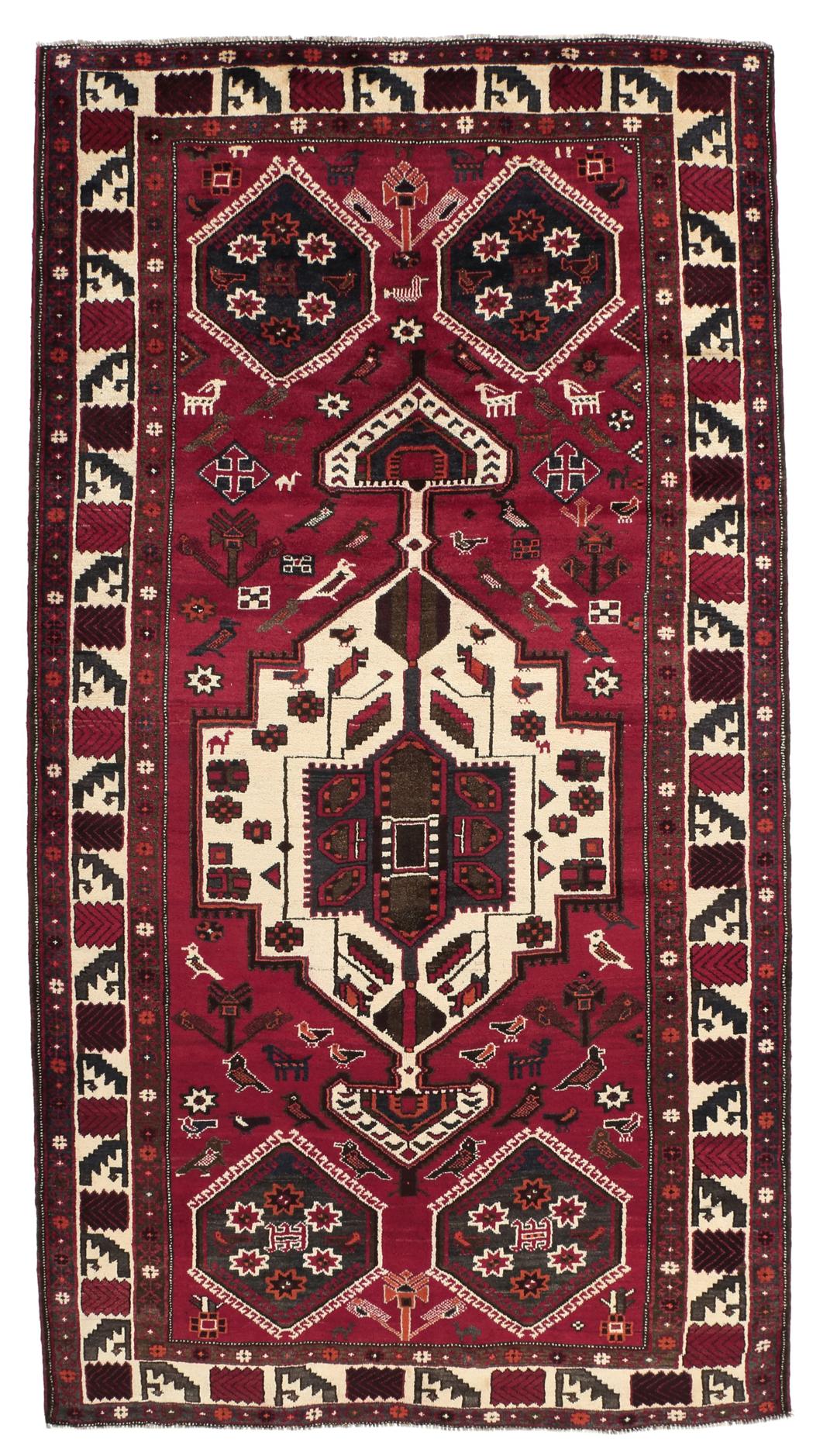
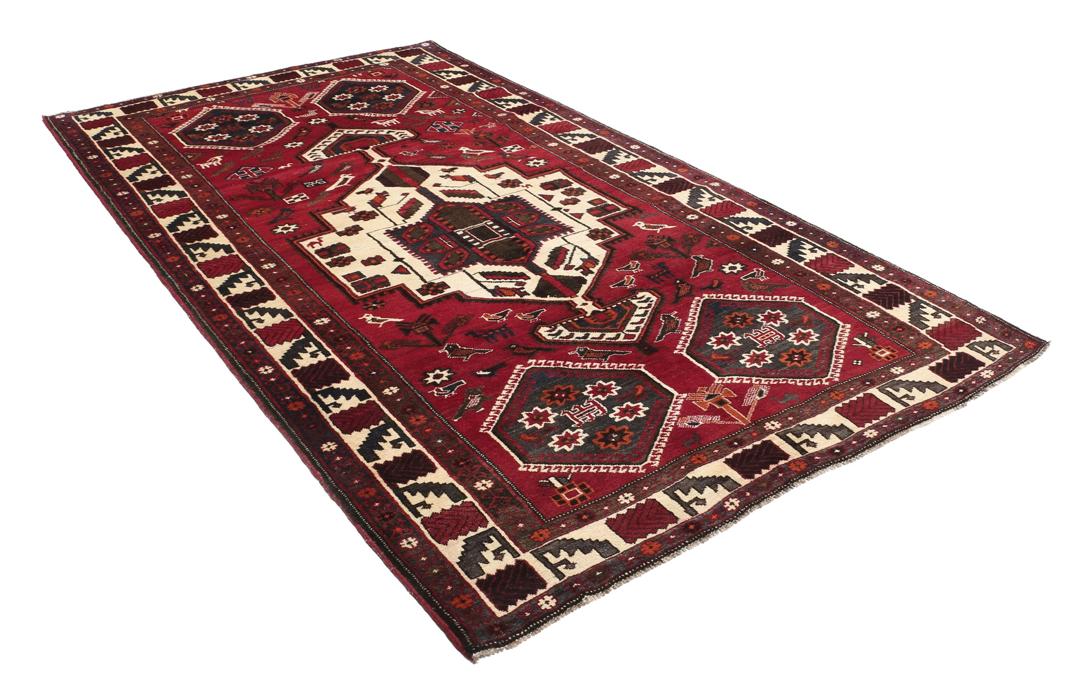
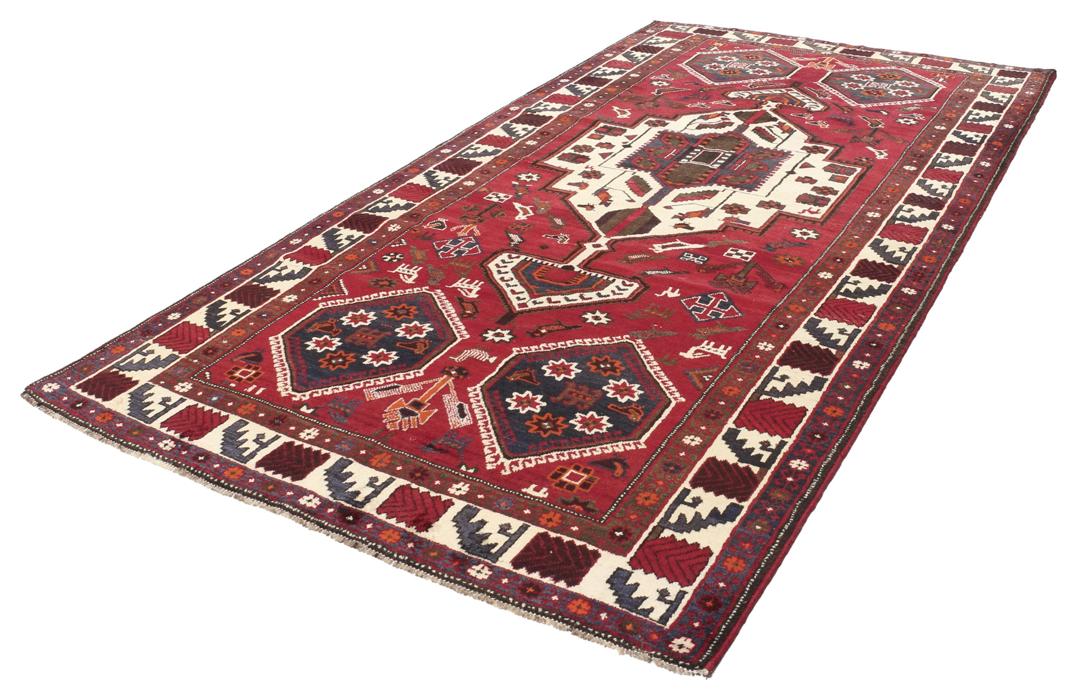
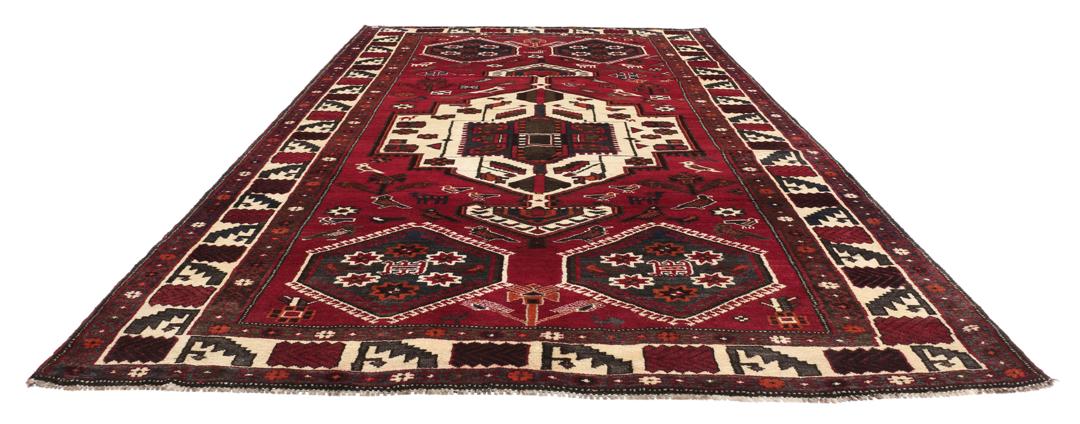
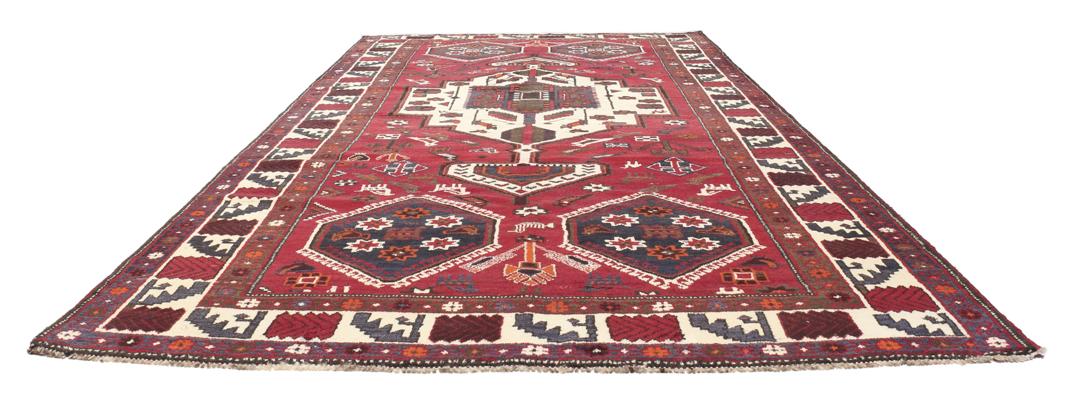
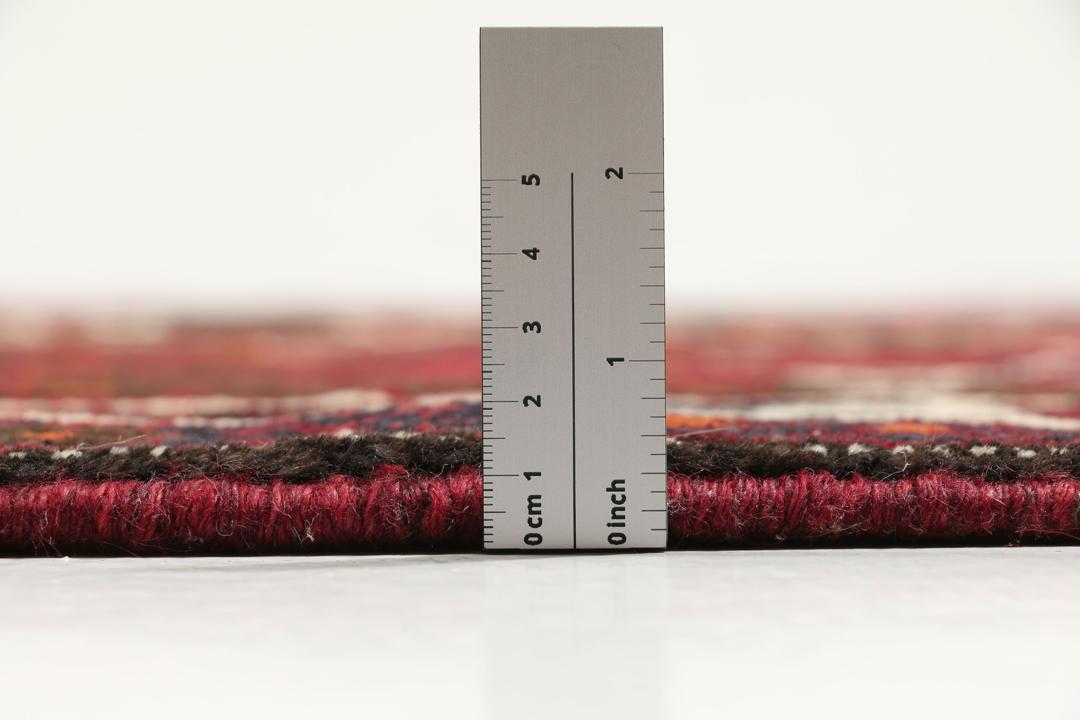
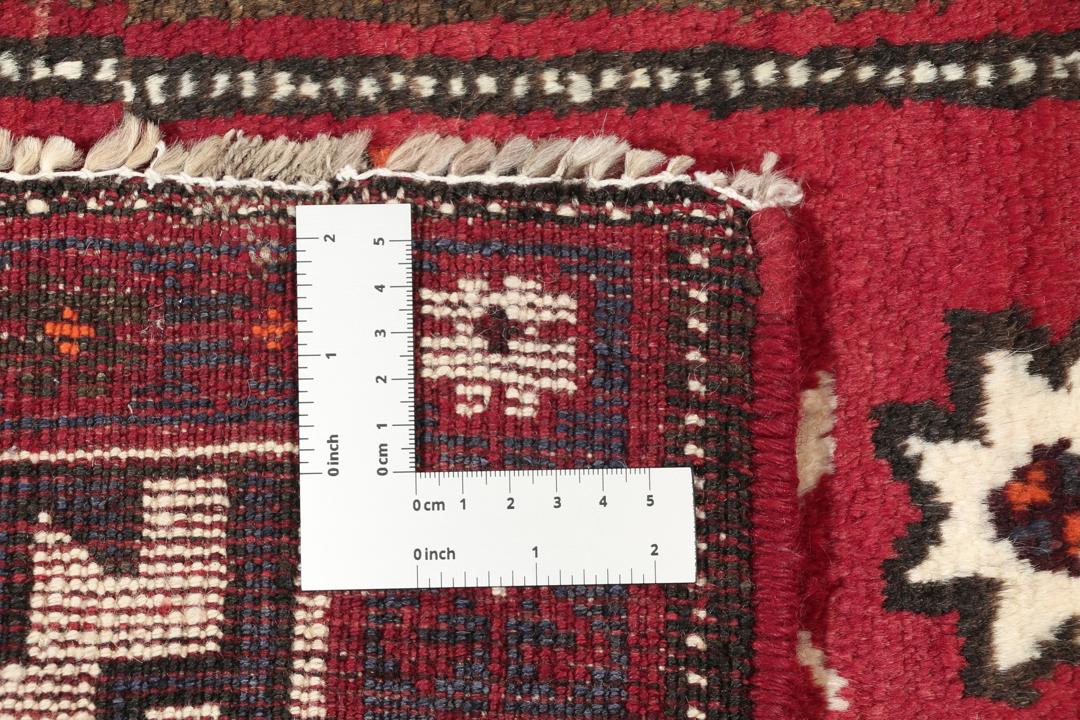
Lori rugs are deeply rooted in the cultural heritage of the Lurs, a nomadic and semi-nomadic people inhabiting the western regions of the Middle East. For centuries, these communities have expressed their identity, stories, and connection to the landscape through the art of rug weaving. These pieces often serve as a visual diary, with motifs that have been passed down through generations, reflecting the environment and the values of the weavers.
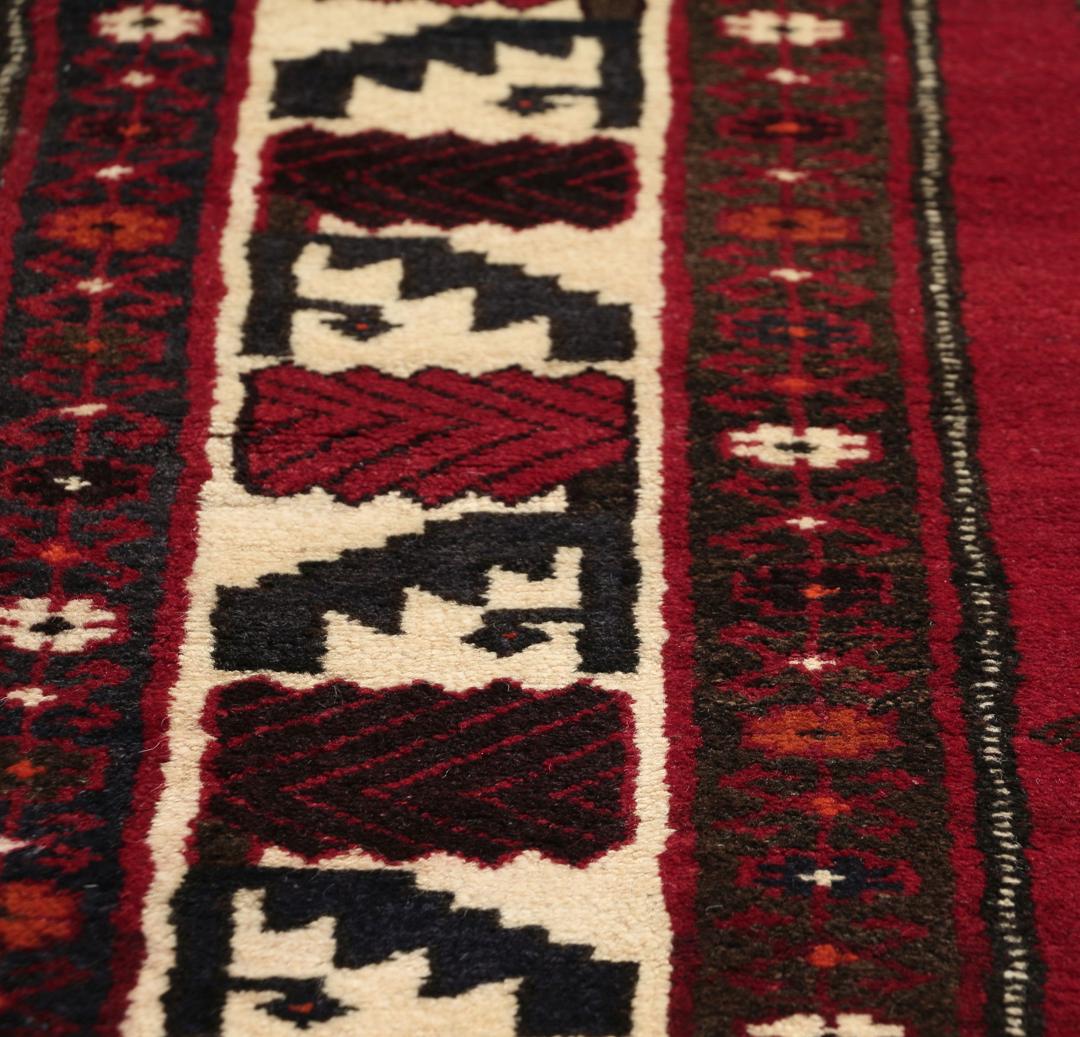
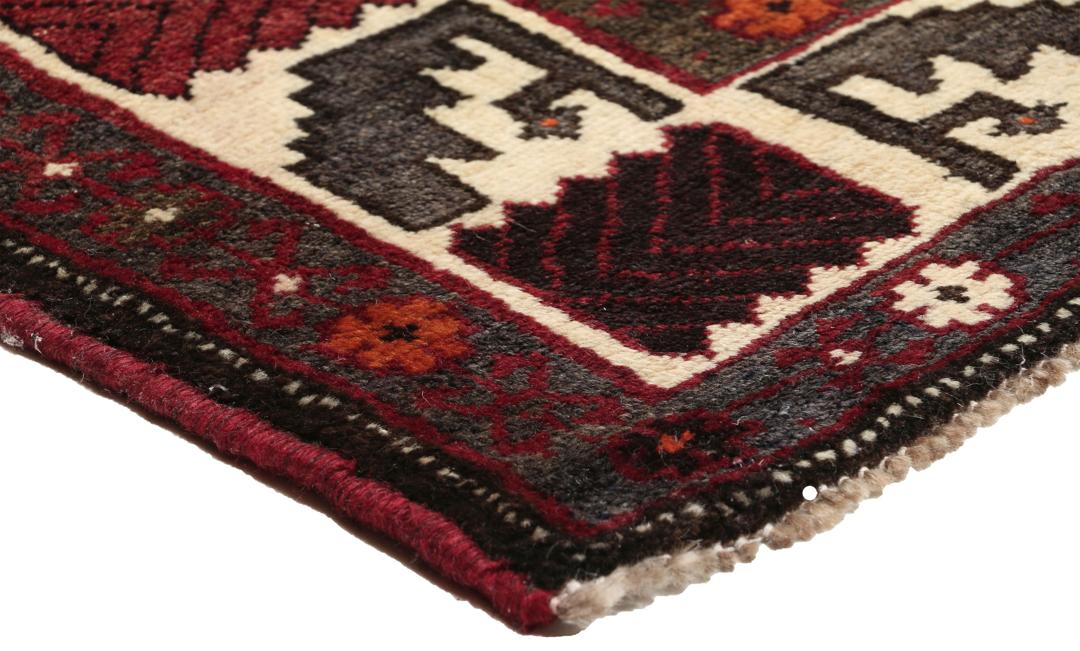
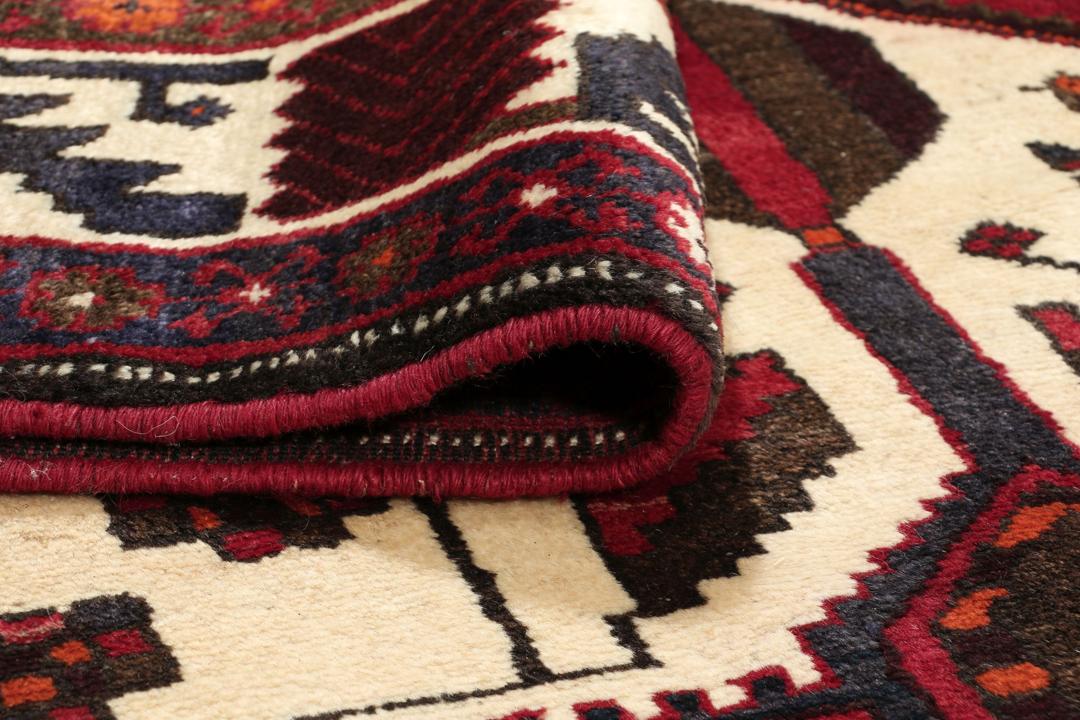
The term 'Lori' refers to the specific tribal tradition of these weavers, known for their bold, spontaneous approach to design. Unlike more formal, city-based workshops that follow strict patterns, Lori weaving is often characterised by a more expressive, geometric style. The wool used is typically sourced from local sheep, often hand-spun to retain its natural oils and strength, which contributes to the rug's lustrous appearance and impressive durability.
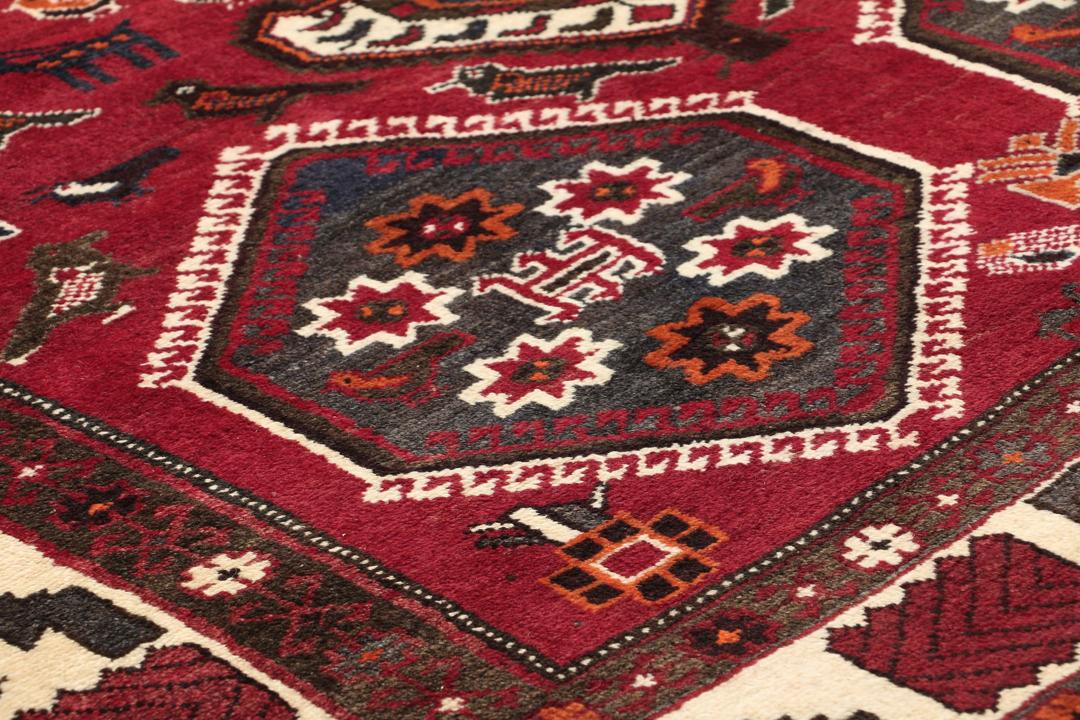
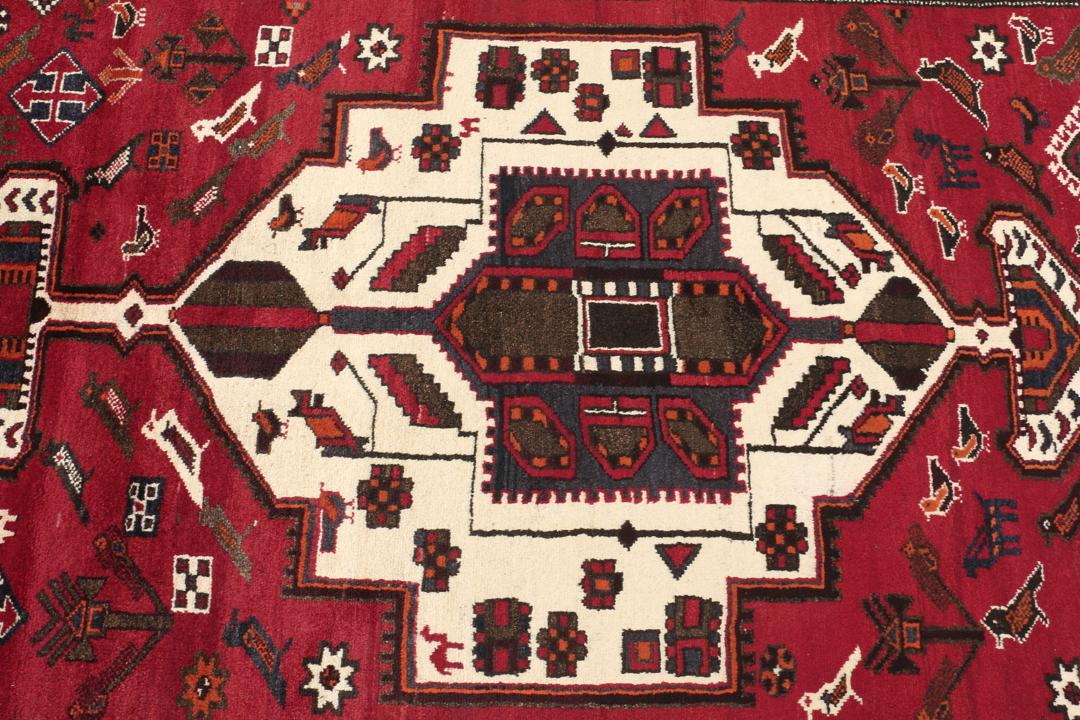
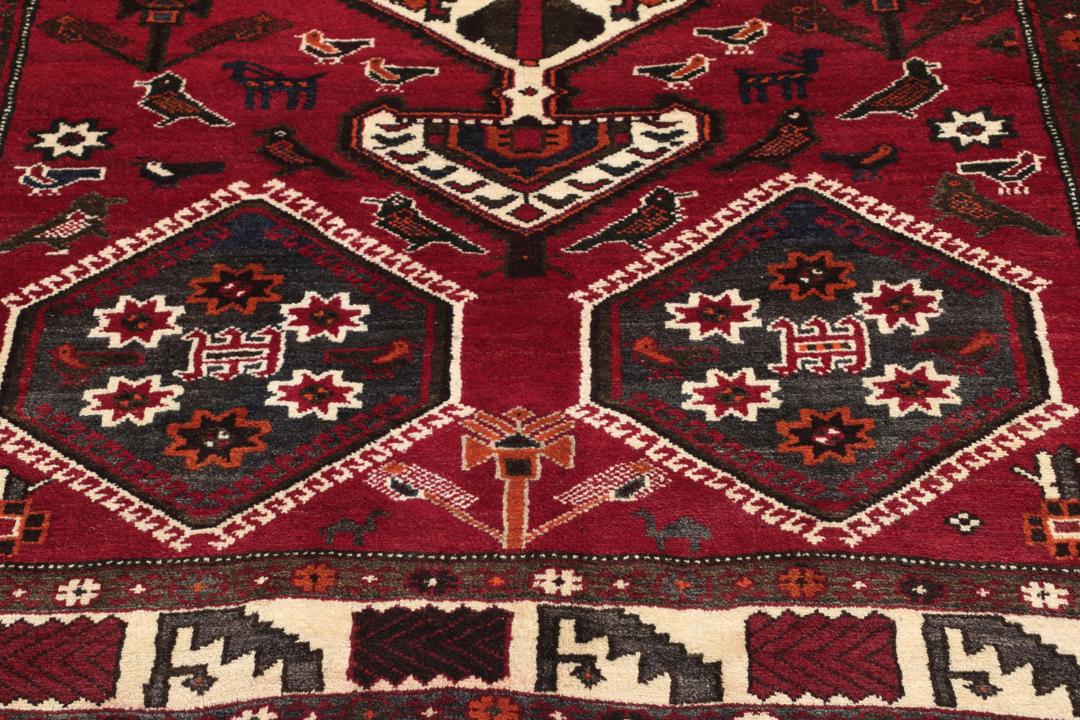
The signature design elements of a Lori rug often include large, simplified geometric medallions and stylized animal or plant motifs. You will frequently see diamond or hexagonal shapes that dominate the field, framed by decorative borders that anchor the composition. The colours are traditionally derived from natural dyes, resulting in a rich, harmonious palette that feels both earthy and vibrant. This particular rug honours these traditions with its balanced, intentional use of space and motif.
Collecting a Lori rug is an opportunity to own a piece of living history. These rugs are highly valued for their authenticity and the human story behind every knot. They are not merely floor coverings but are considered significant cultural artefacts that bridge the gap between ancient nomadic traditions and the contemporary home. Owning one is a way to celebrate traditional skill and ensure that these unique artistic legacies continue to be appreciated in the modern world.