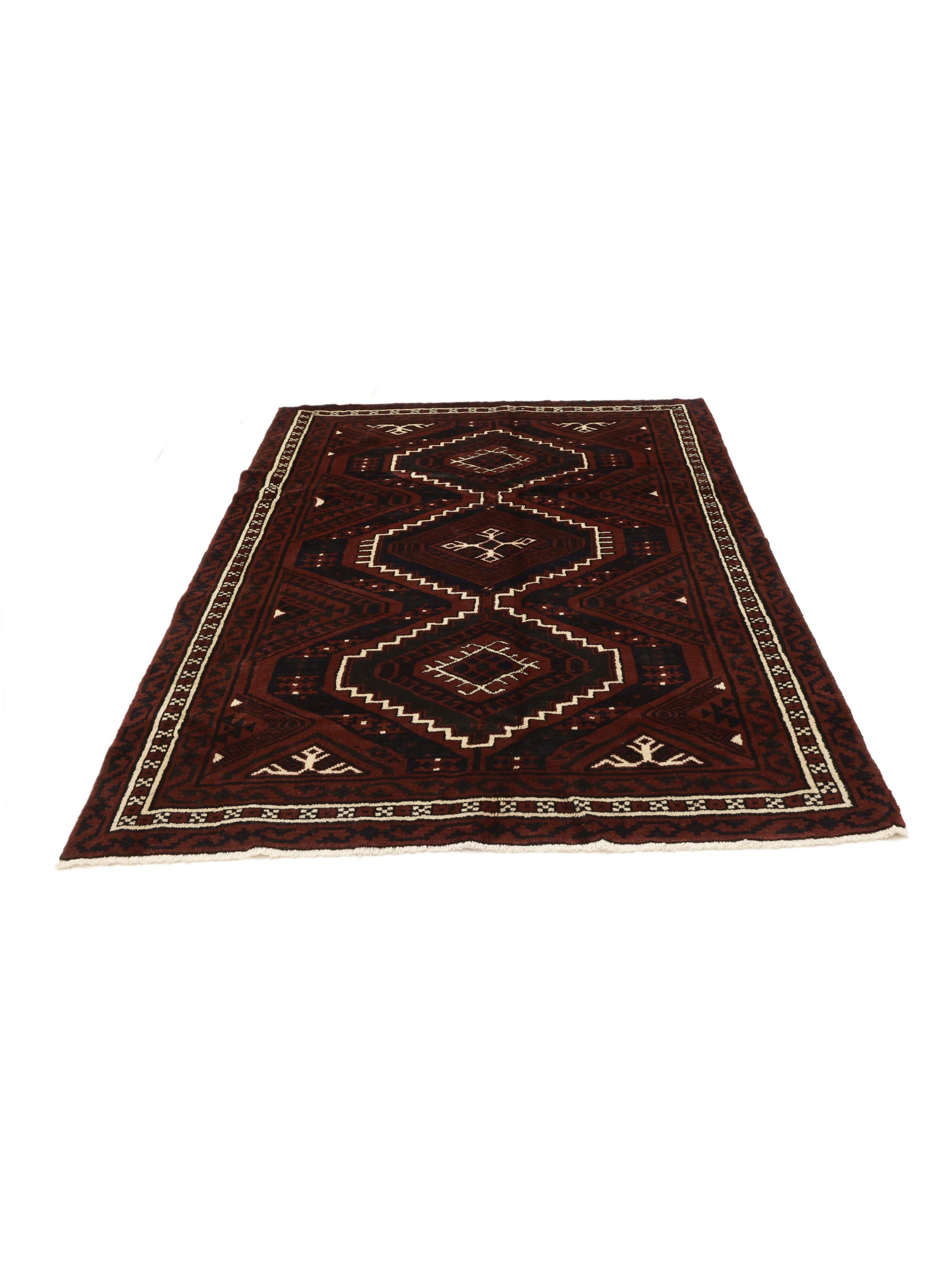
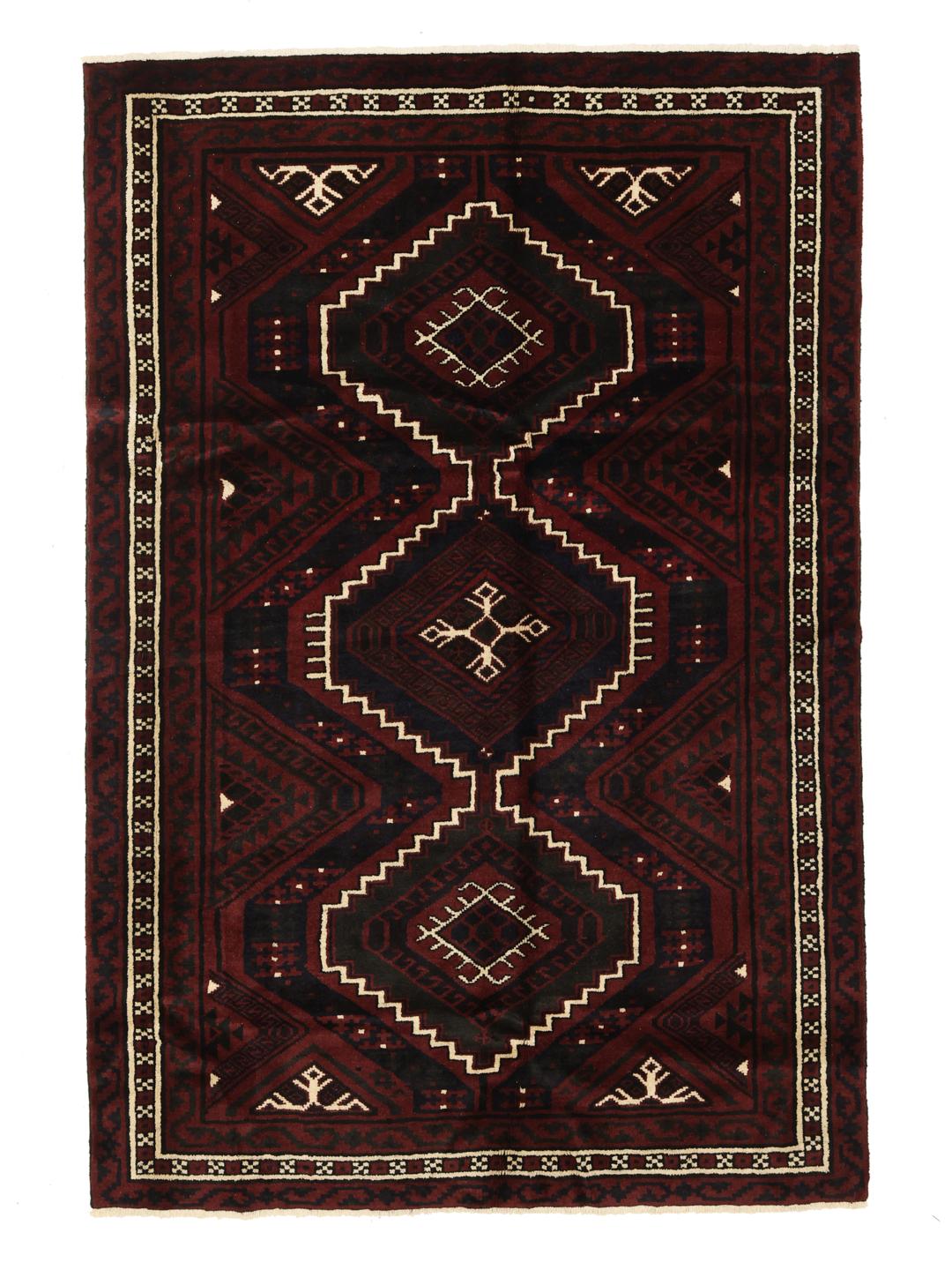
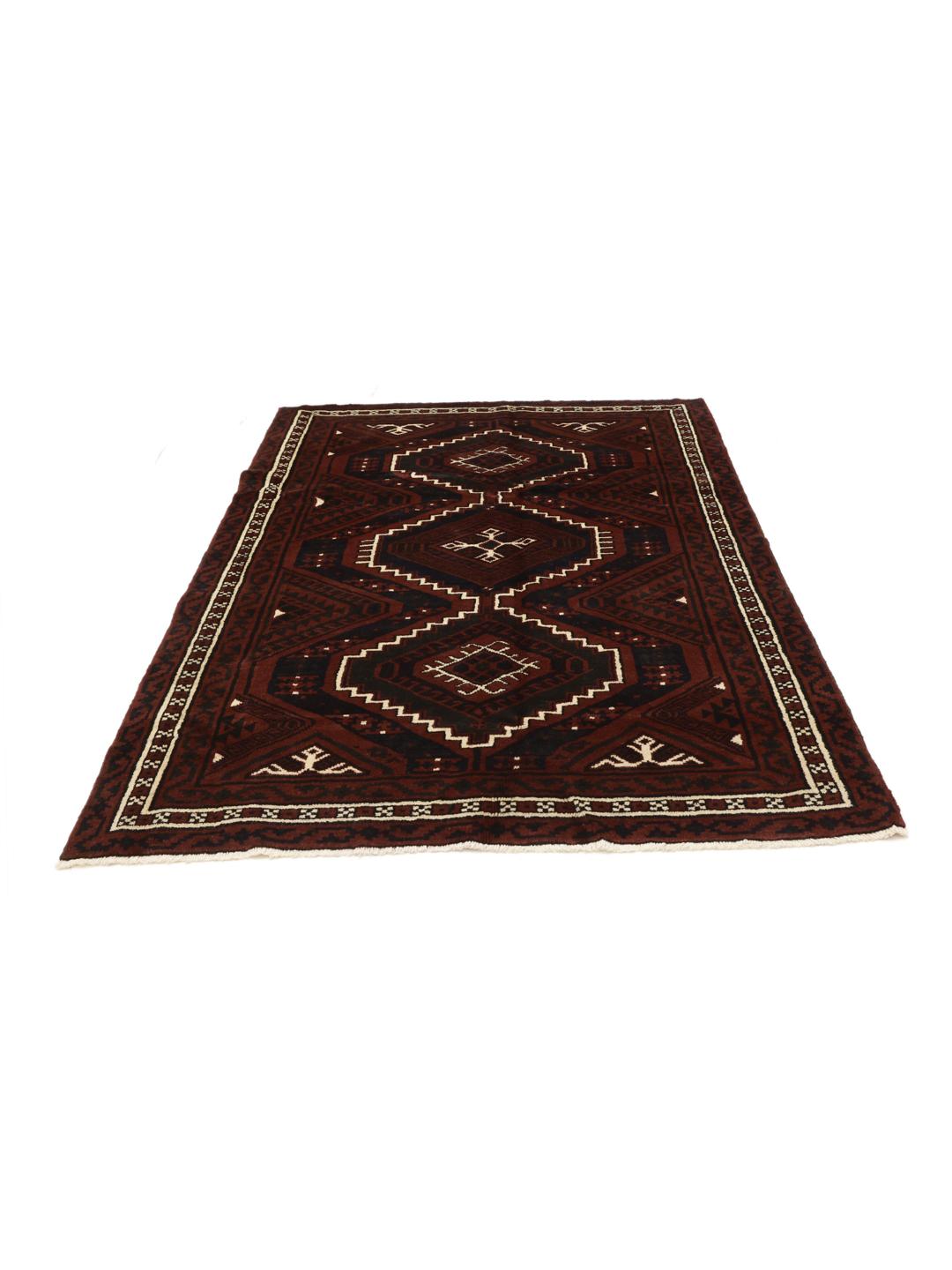
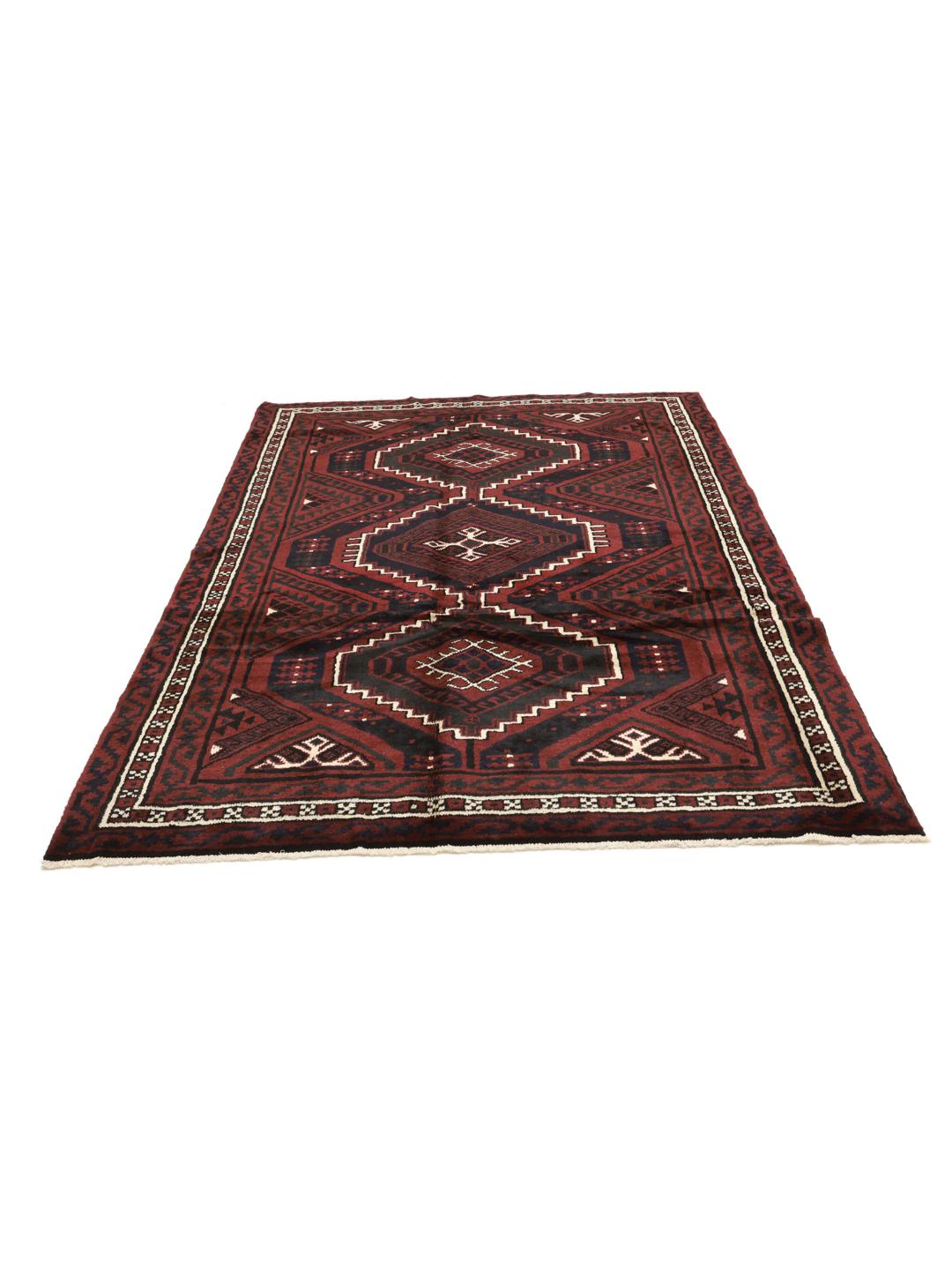
Lori rugs originate from the mountainous regions of the Middle East, where the nomadic and semi-nomadic tribes have maintained a tradition of weaving that stretches back generations. These rugs are highly regarded for their bold, honest aesthetic, which often reflects the rugged beauty of the landscapes from which they emerge.
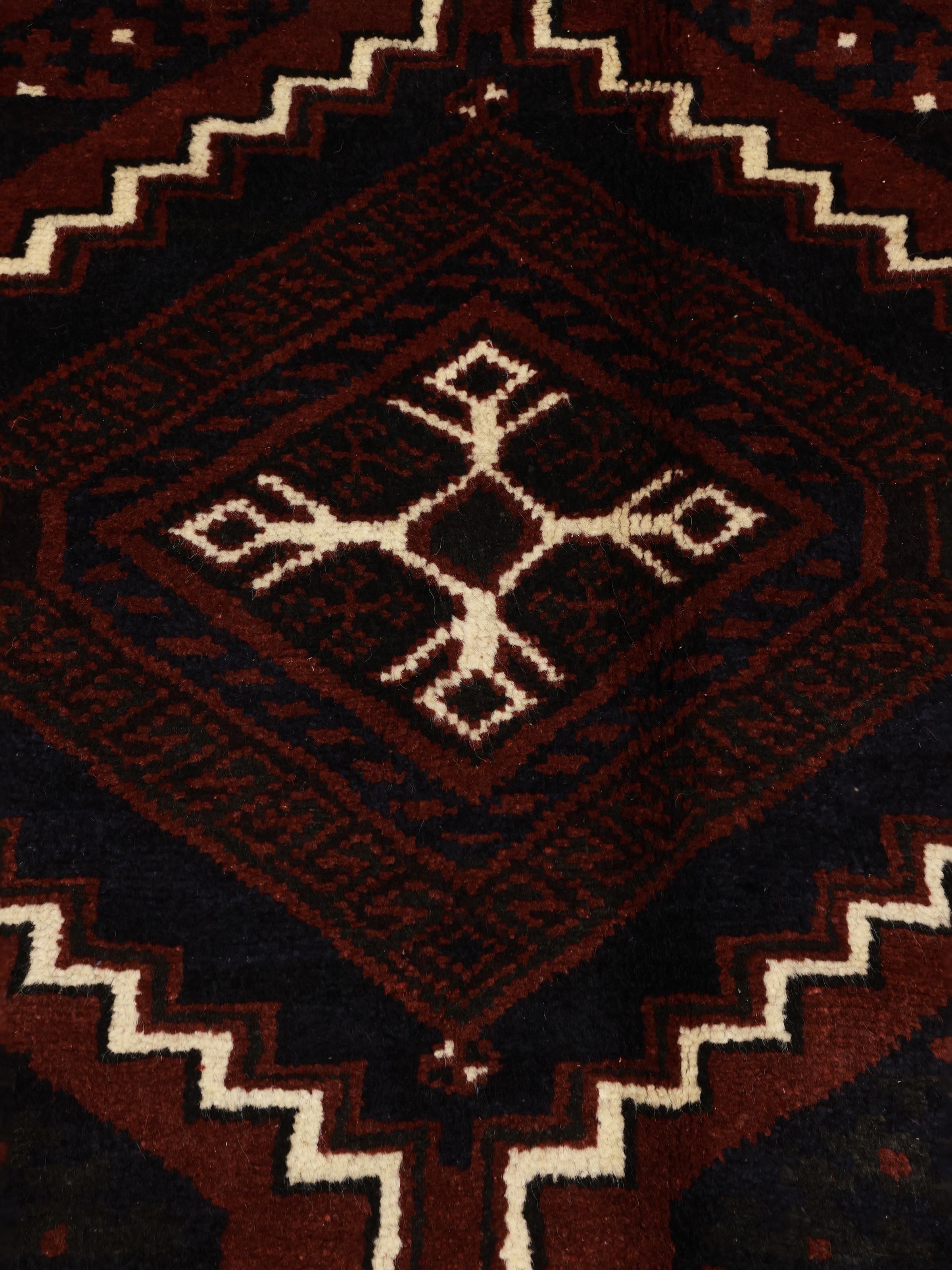
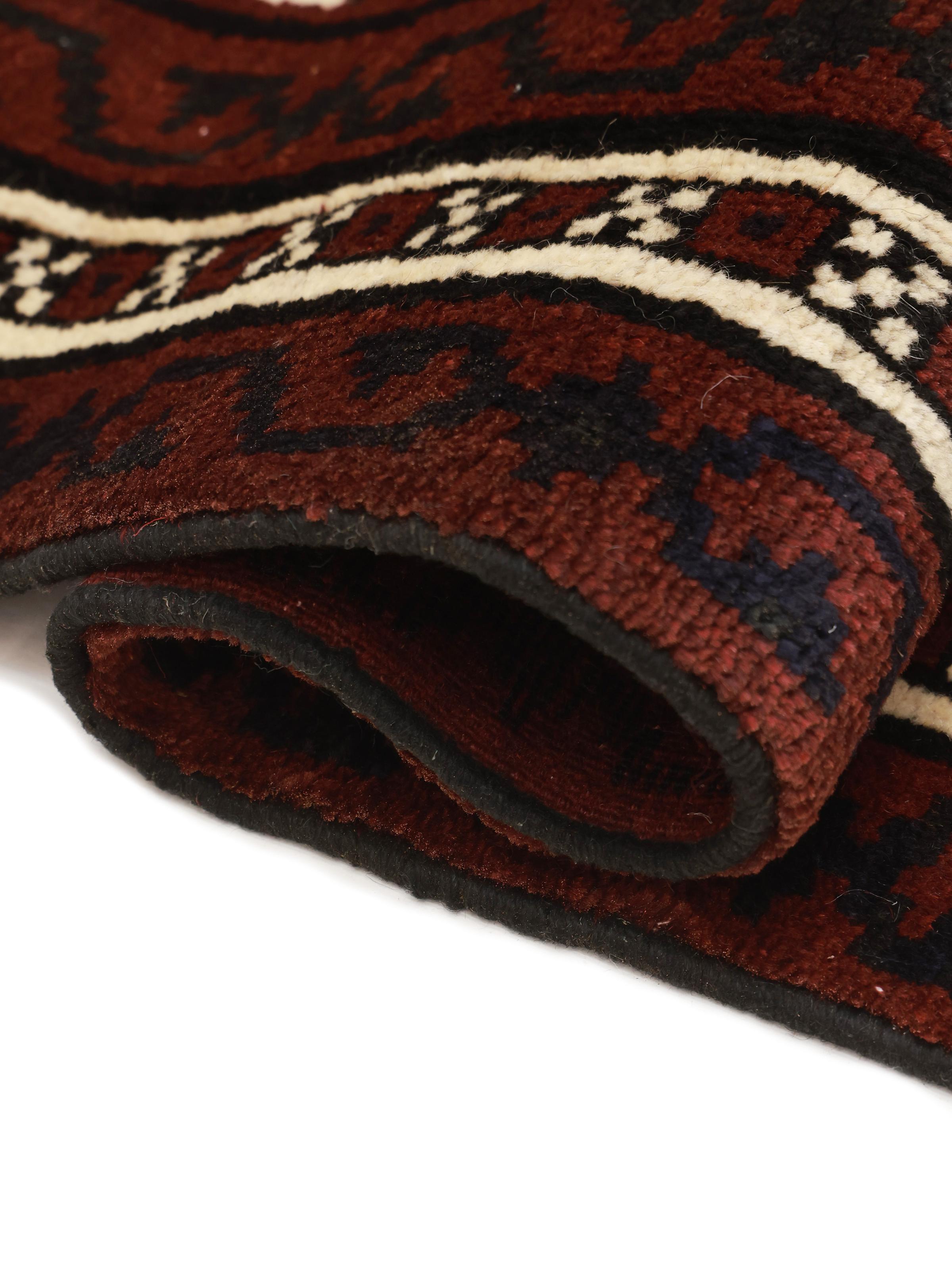
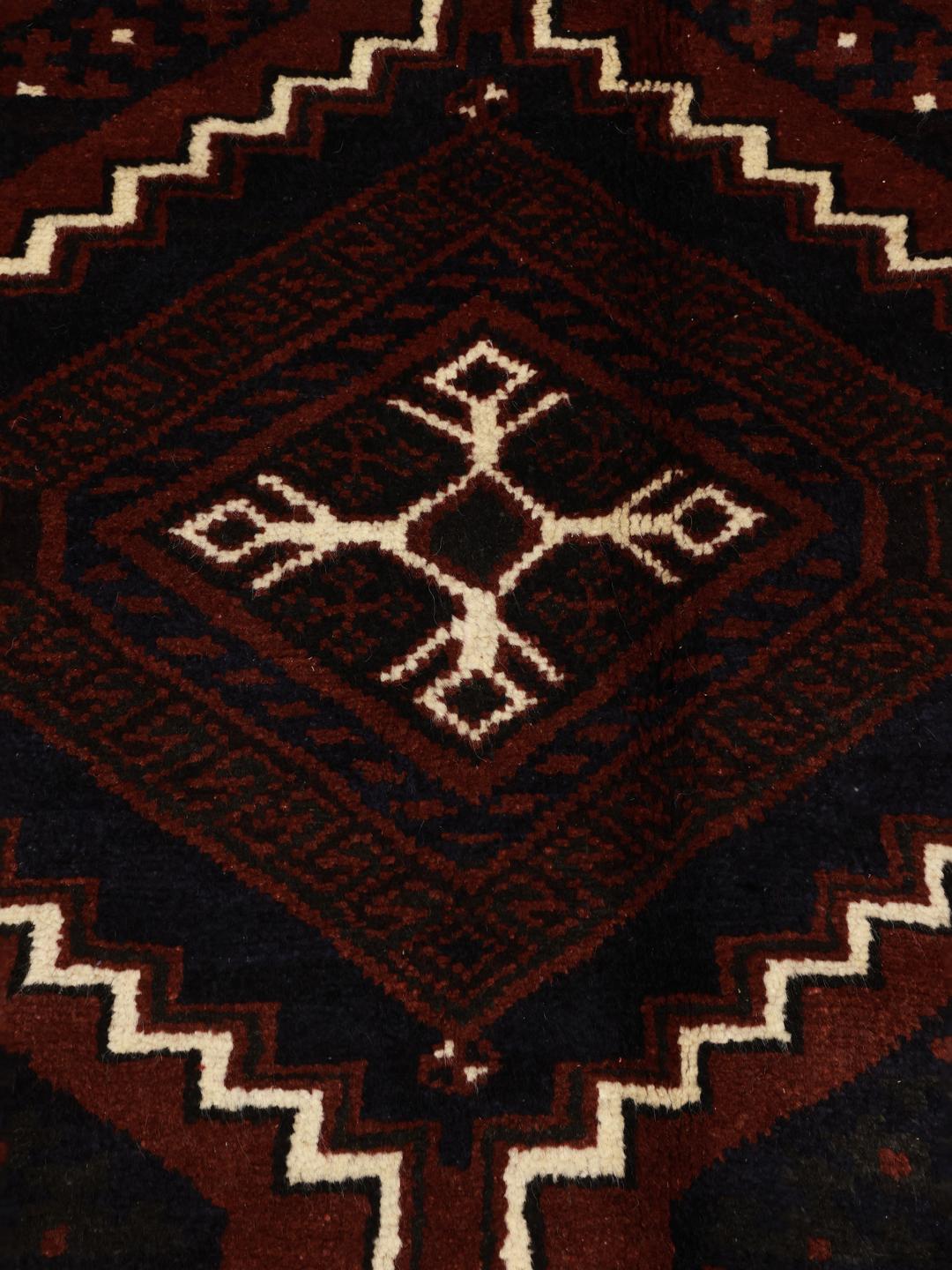
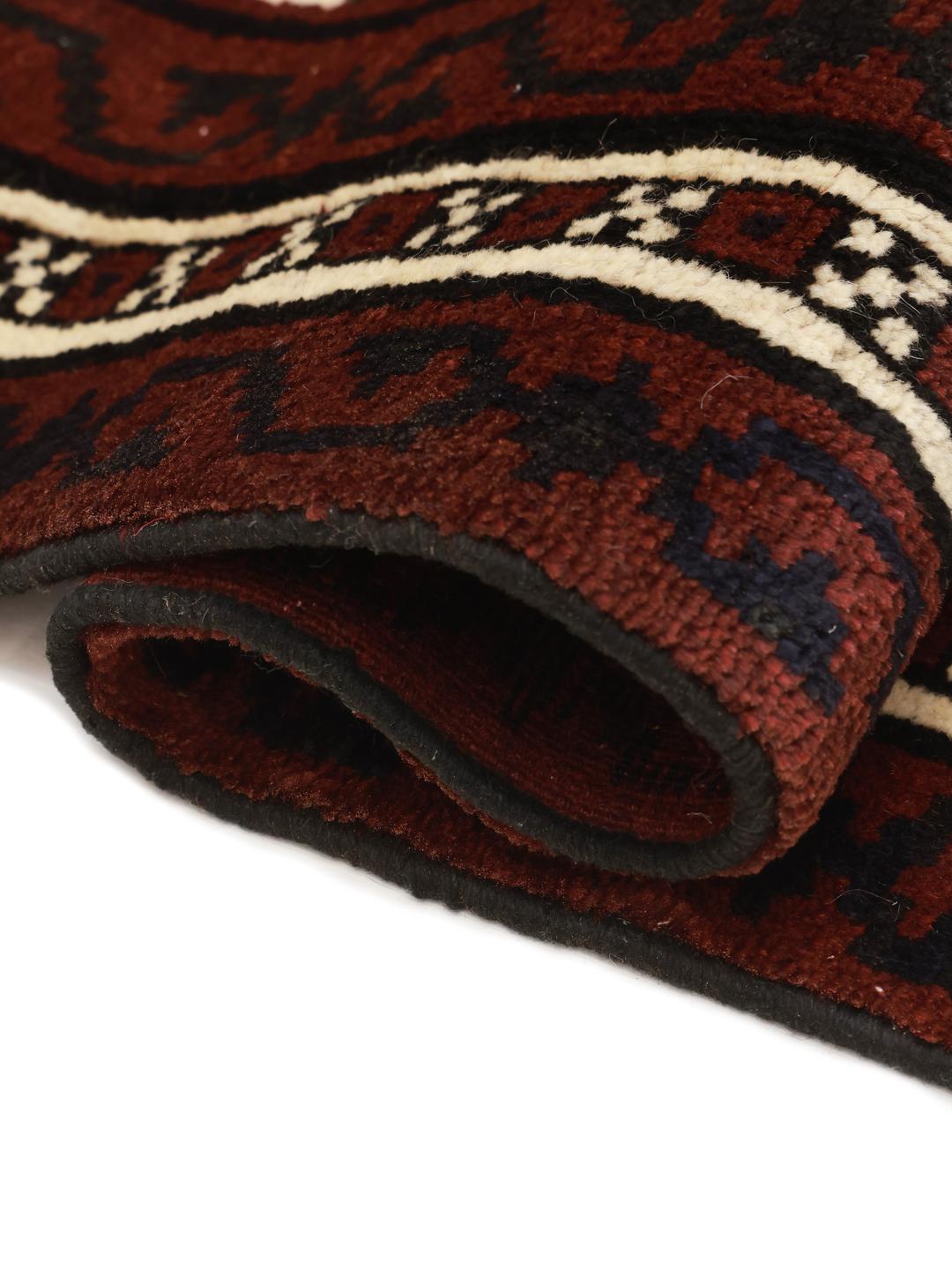
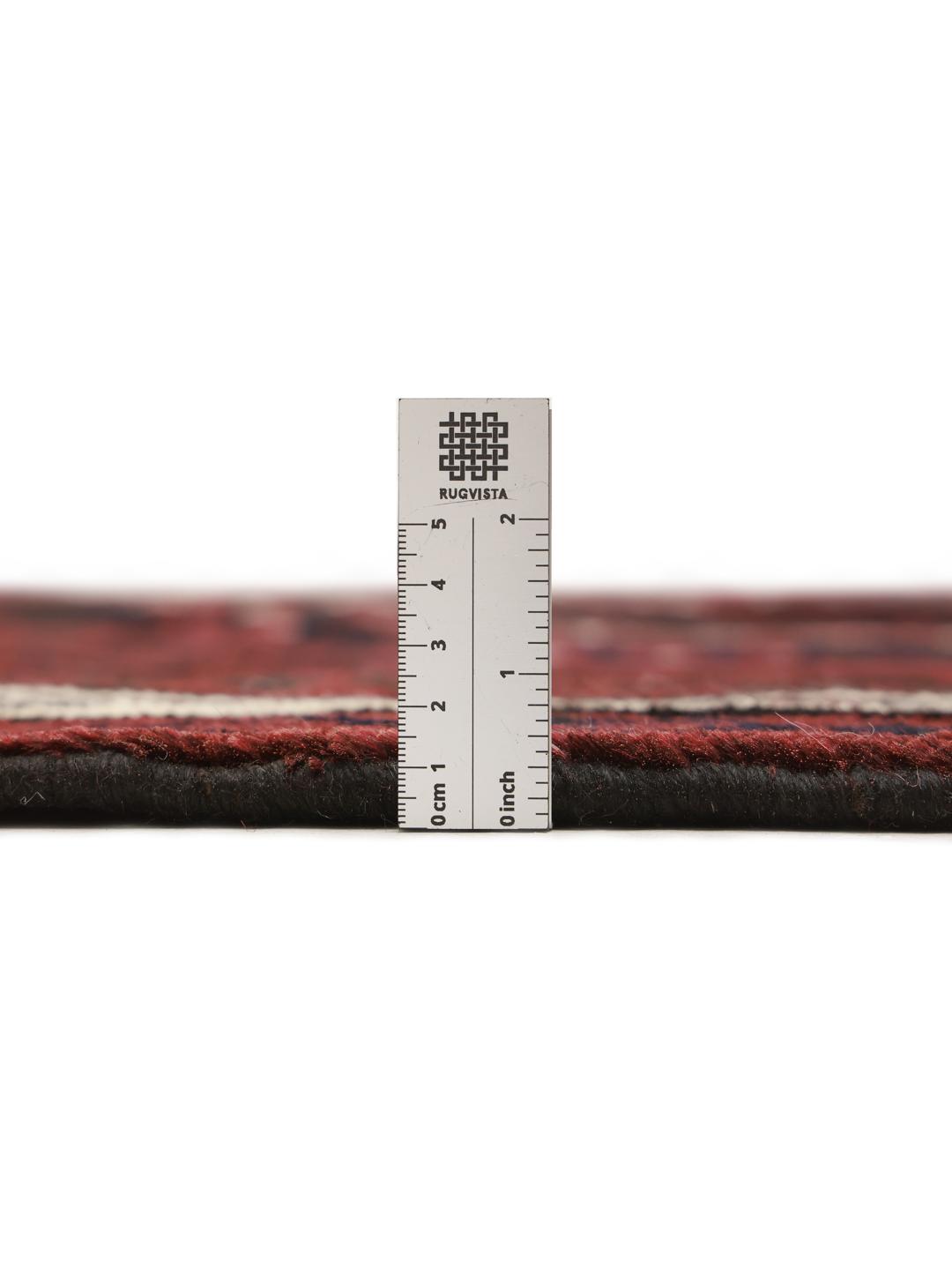
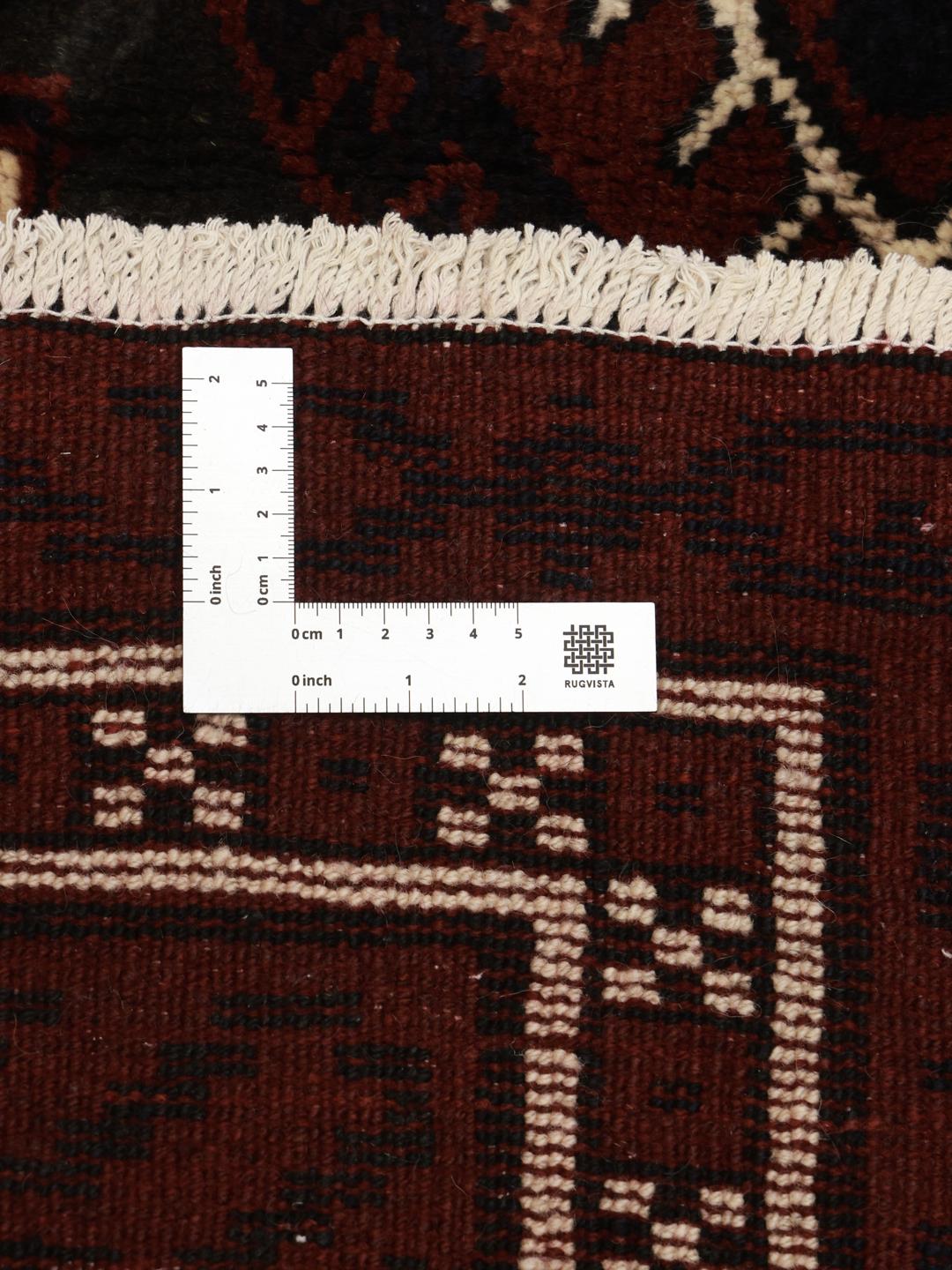
The construction of a Lori rug is defined by its robust nature. By using traditional hand-knotting techniques, the weavers create a pile that is not only thick and durable but also capable of withstanding the demands of daily life. This longevity is a hallmark of the style, making these rugs highly prized for their practical value alongside their visual impact.
Visually, Lori rugs are known for their geometric language. While they often feature diamonds and tribal motifs, there is a certain fluidity to the way these shapes are arranged, often dictated by the weaver's memory rather than a rigid template. This gives each rug a unique, organic feel, with borders that frame the field in a way that feels intentional and balanced.
Collectors value Lori rugs for their authenticity and the human story behind every knot. Owning one is an investment in a craft that prioritises skill, regional heritage, and a deep connection to the material. It is more than just a floor covering; it is a piece of cultural history that brings a sense of groundedness and legacy to any modern home.