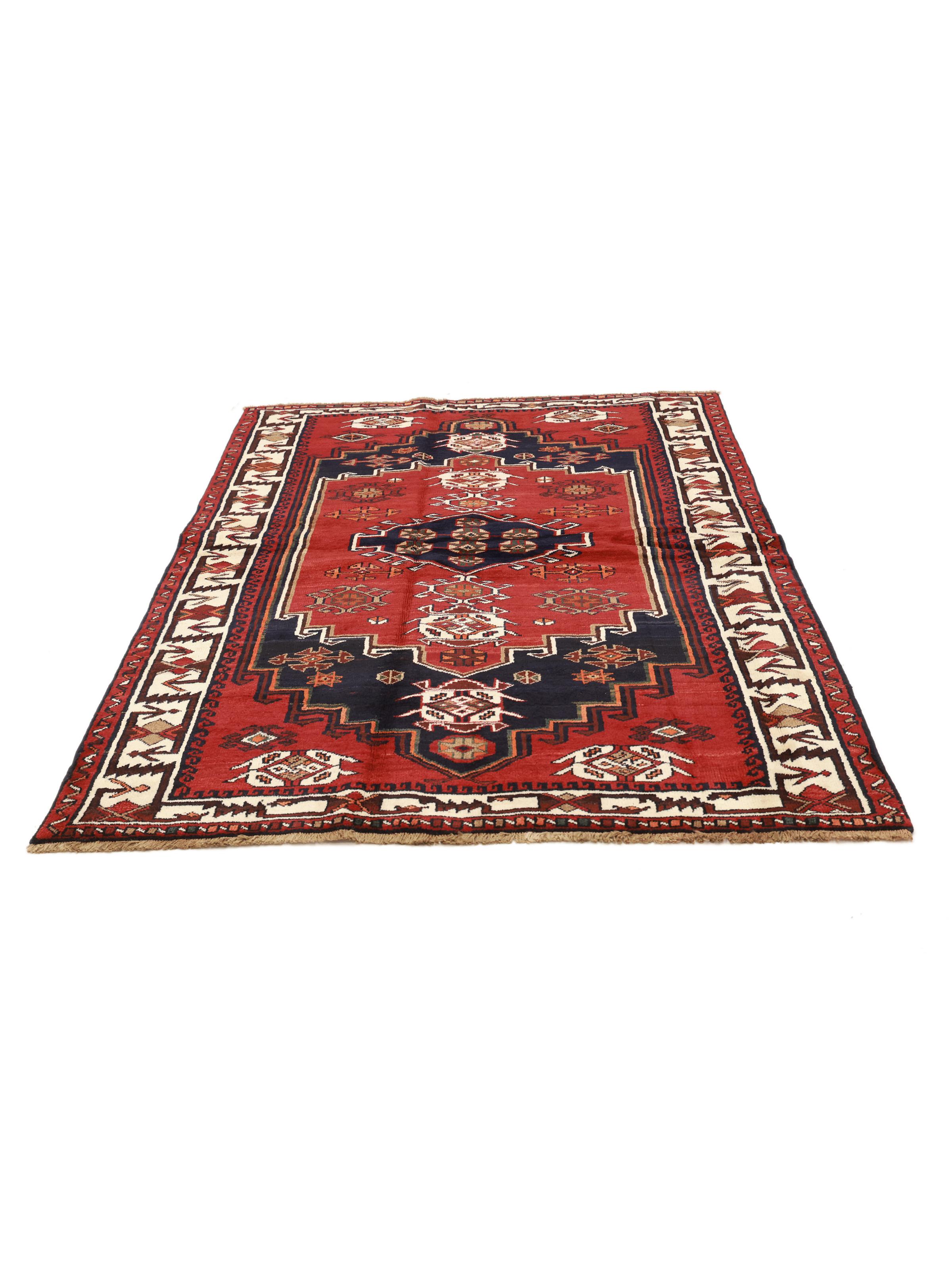
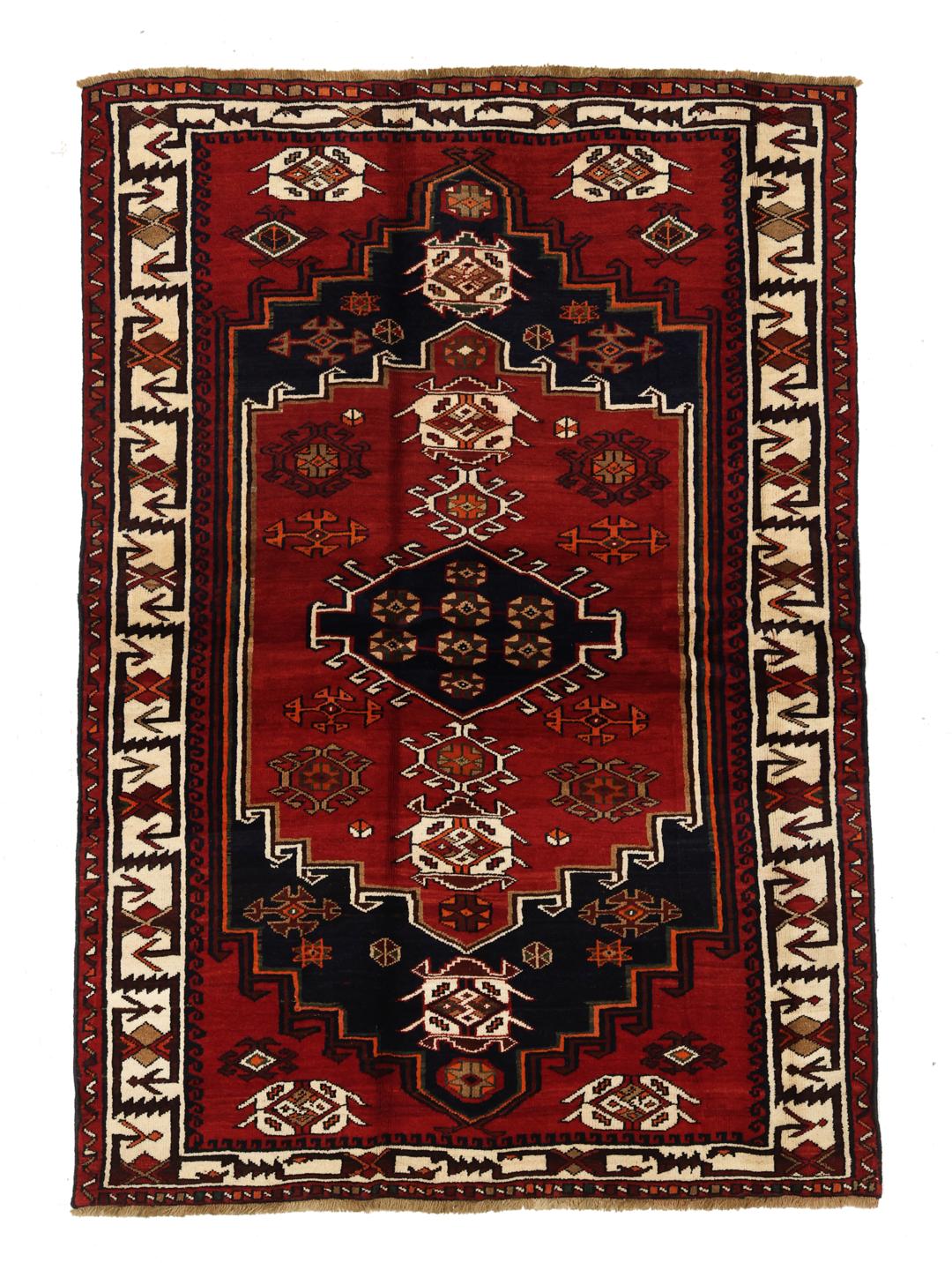
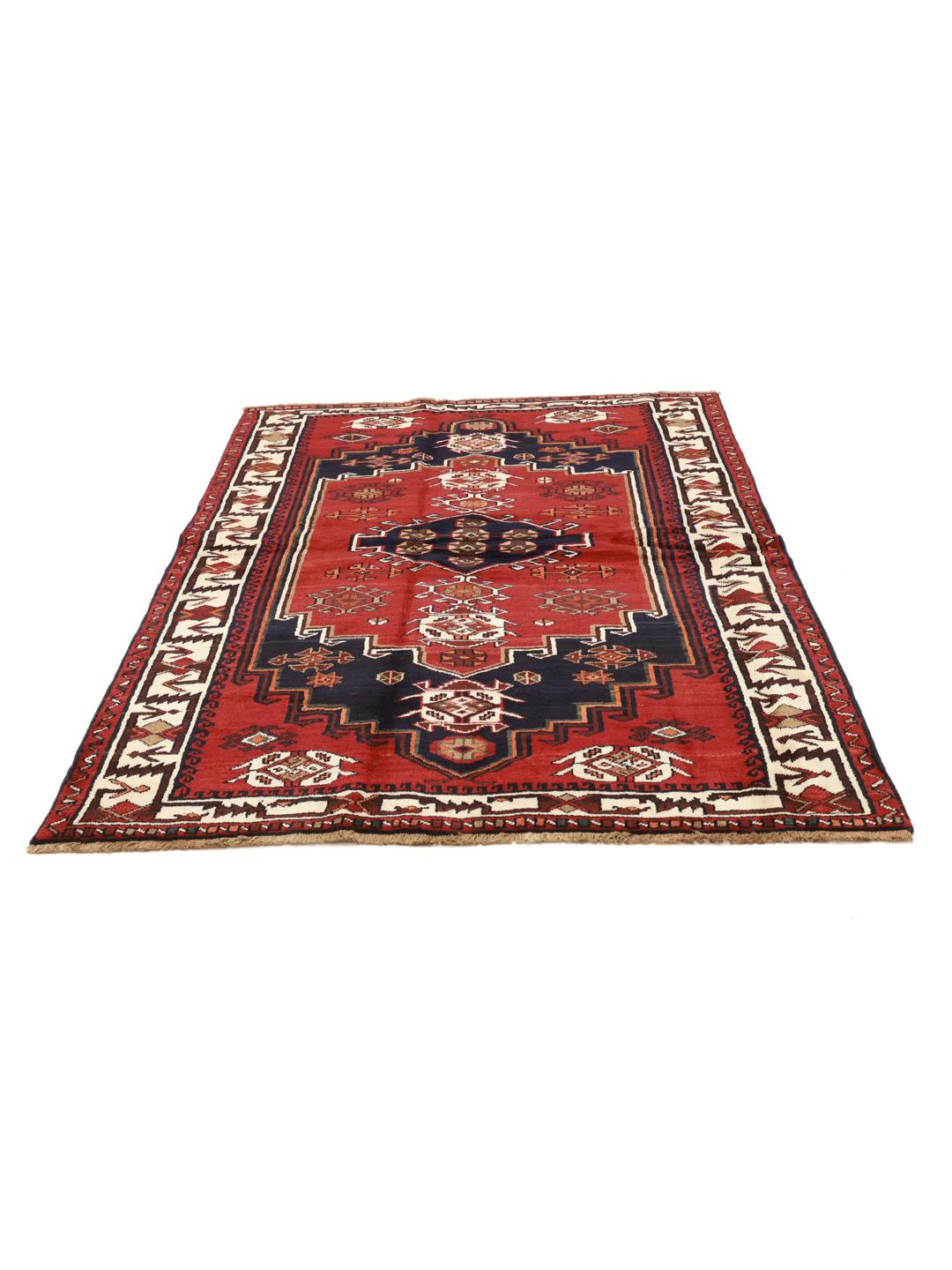
Lori rugs originate from the mountainous regions of the Middle East, traditionally woven by the Luri people, a group known for their resilient nomadic lifestyle. These rugs are deeply tied to the landscape and the cultural practices of the tribes, serving not only as floor coverings but as essential functional items for life on the move. Over time, these weaving traditions have been preserved and passed down through generations, maintaining a distinct identity that sets them apart from more formal, city-based rug styles.
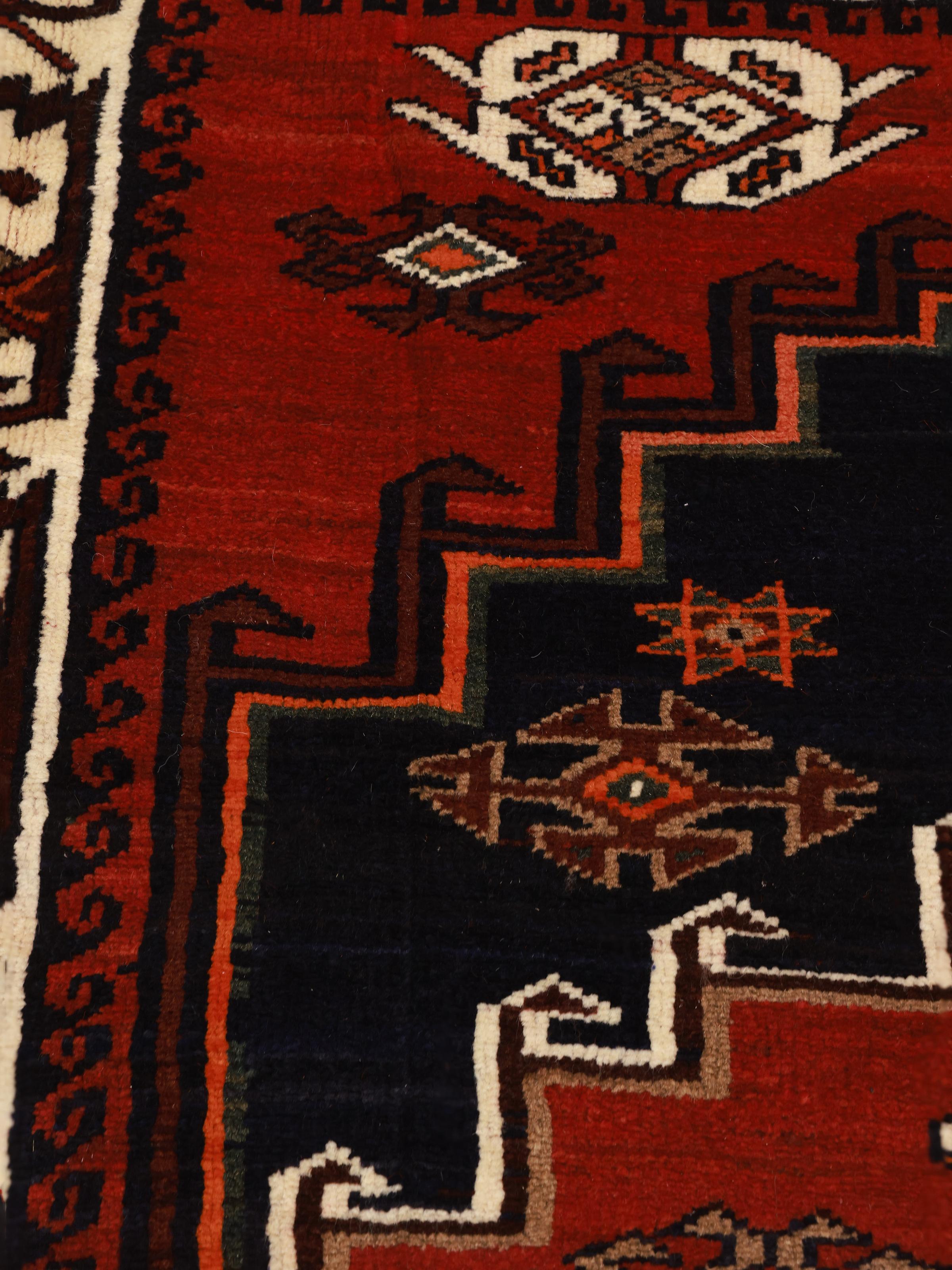
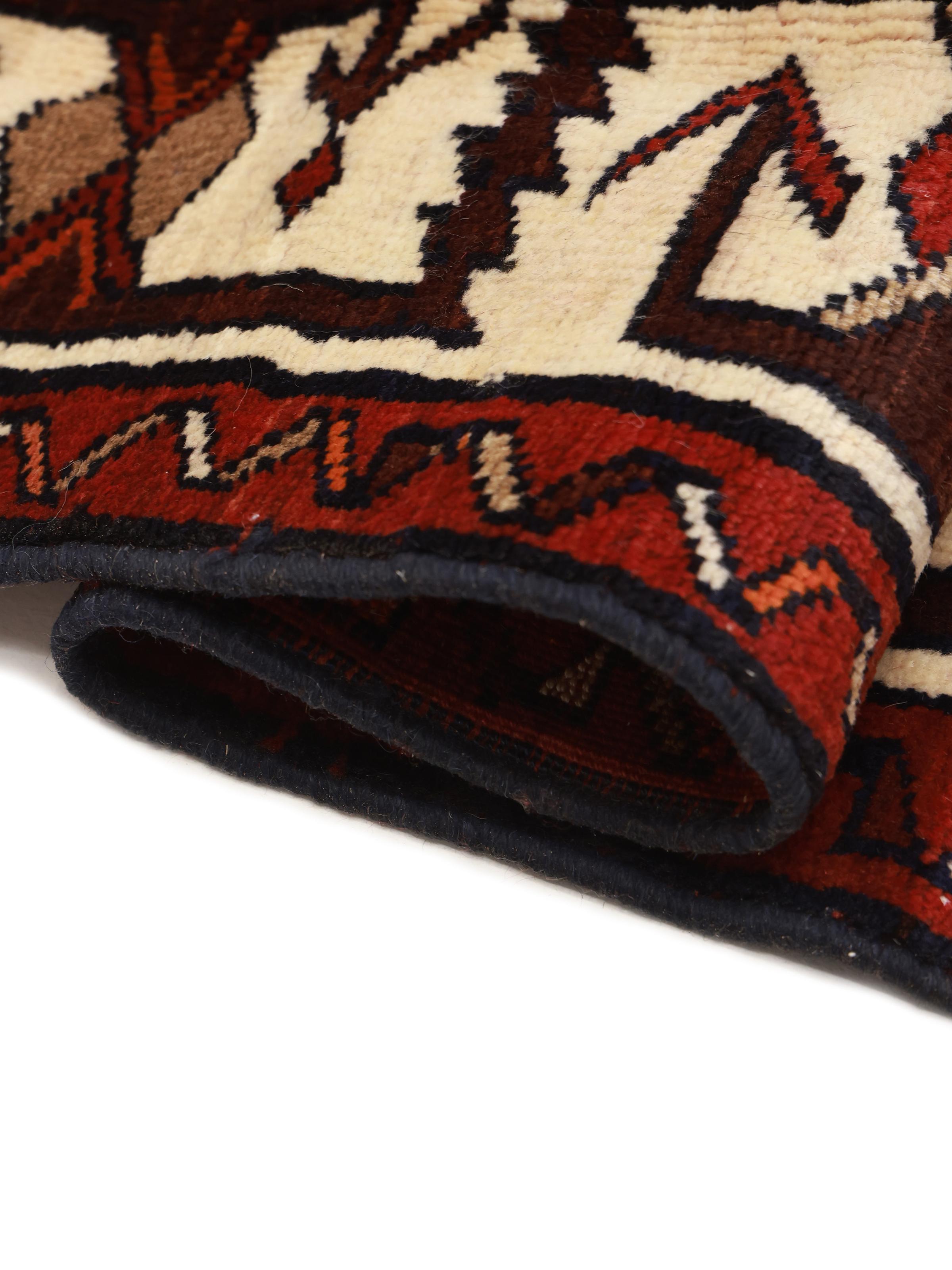
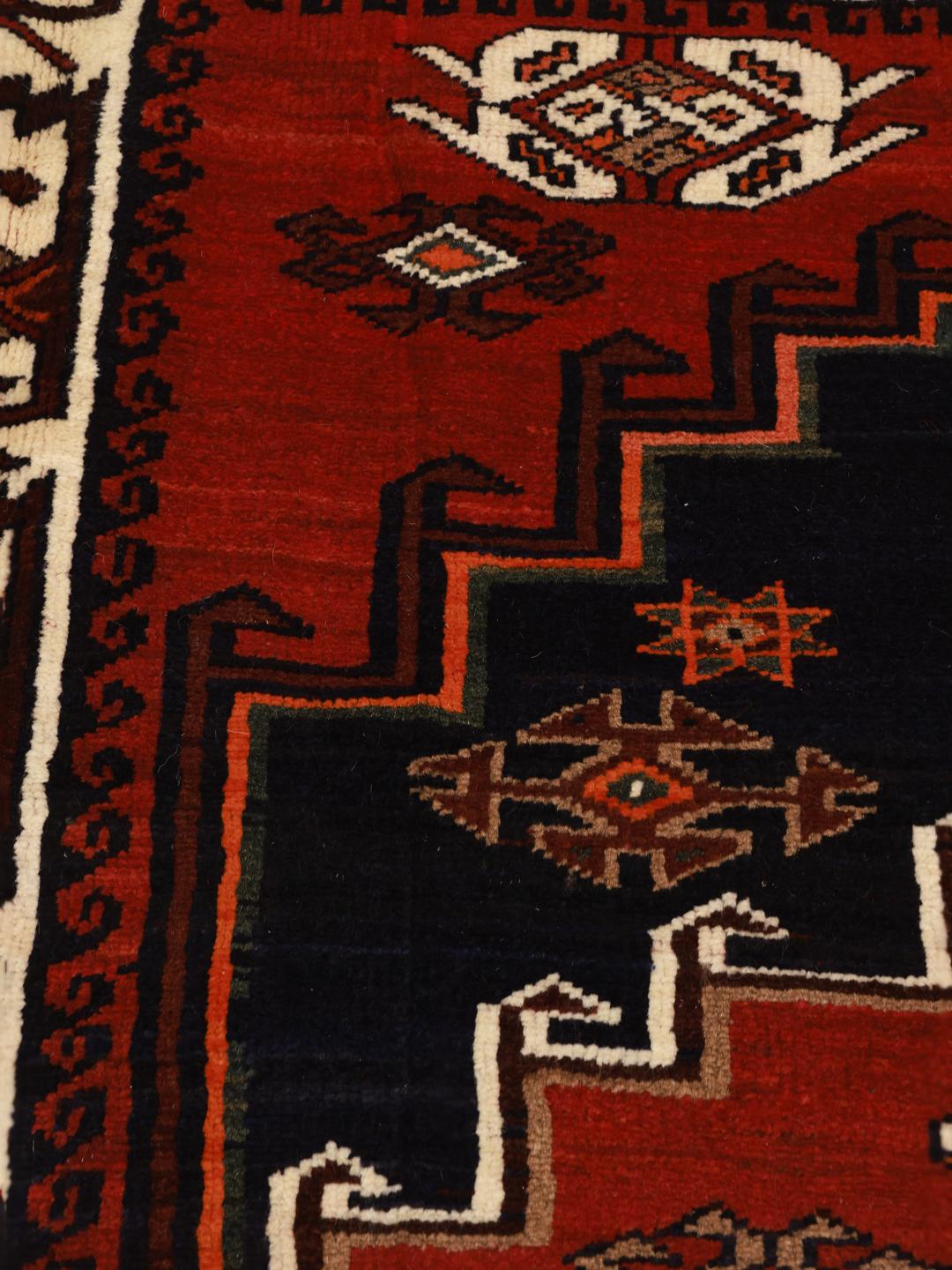
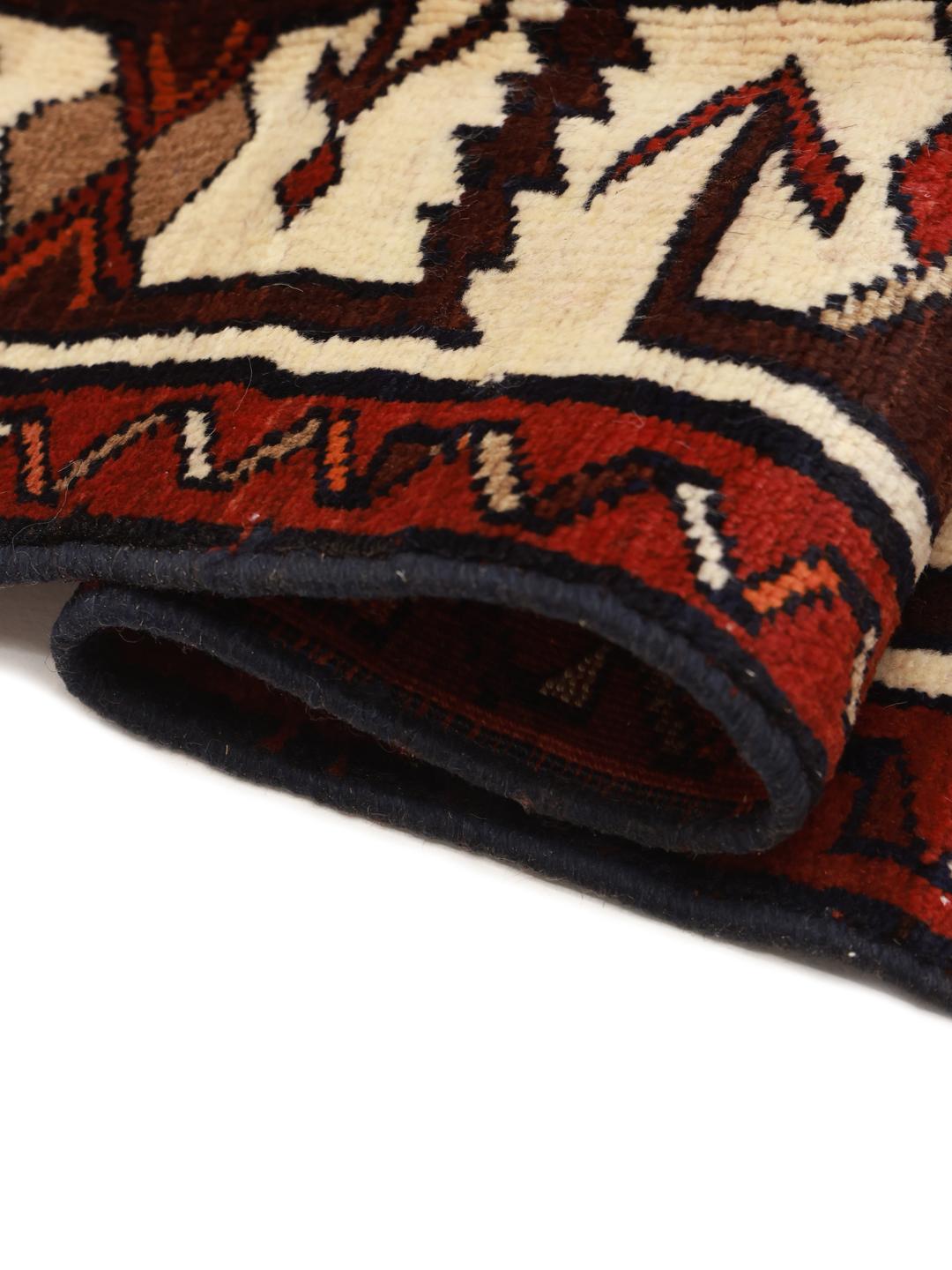
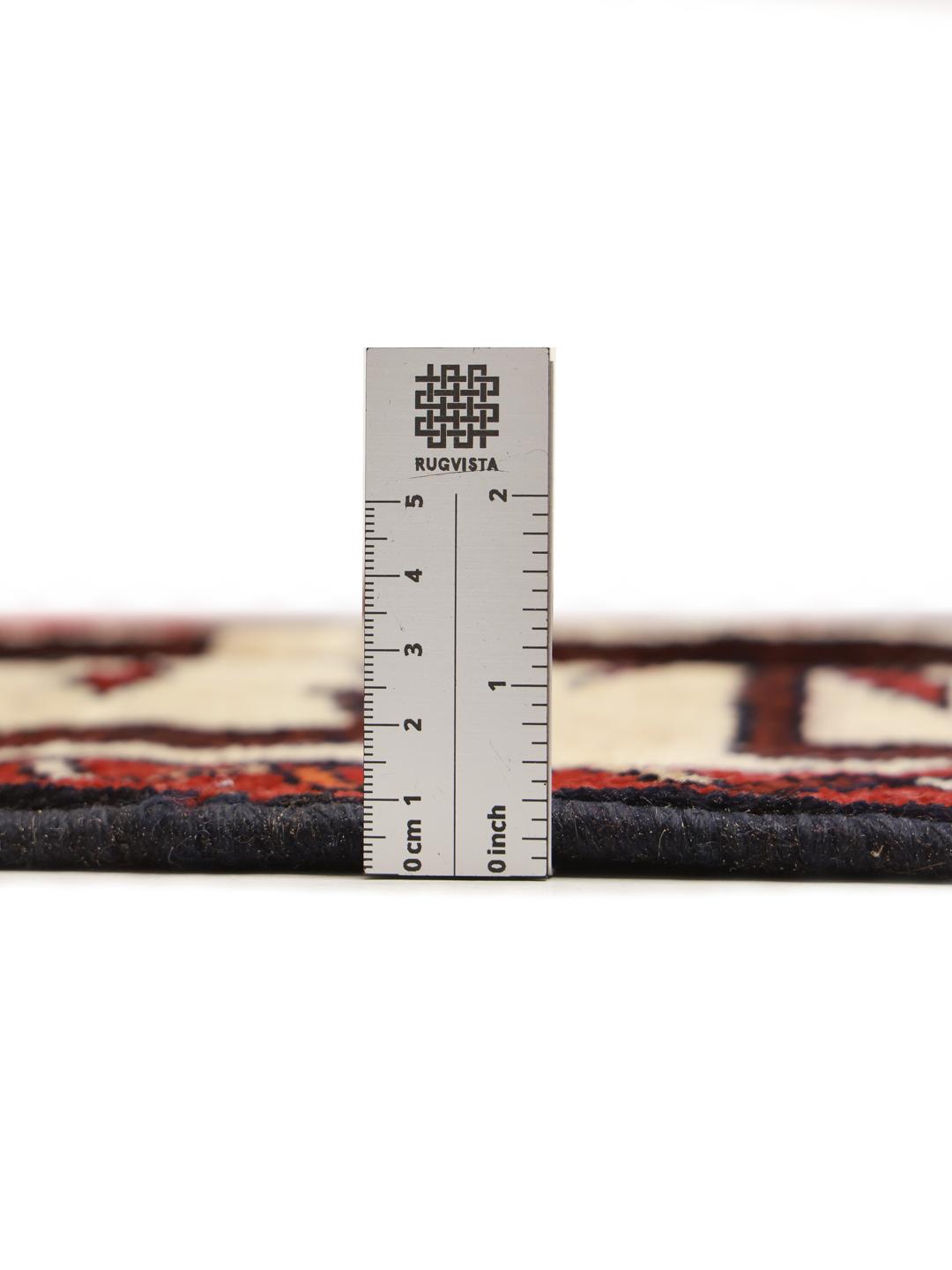
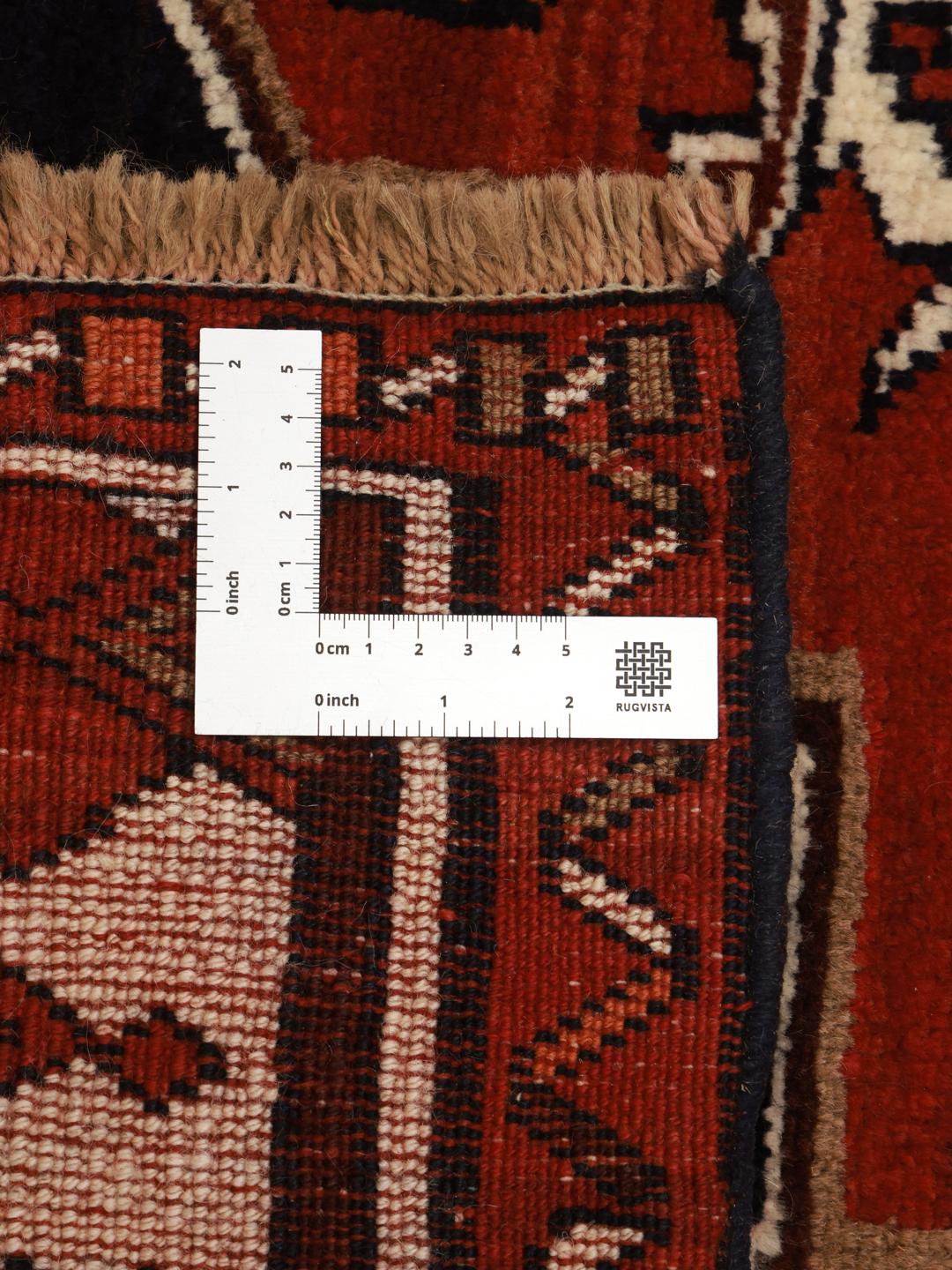
The term 'Lori' refers to the specific tribal tradition, which is characterised by a focus on structural integrity and robust material use. The construction techniques are designed to produce a thick, dense pile that provides insulation against the harsh conditions of high-altitude living. This emphasis on density ensures that the rugs are exceptionally long-lasting, with a weight and structure that speak to their utilitarian origins and the skill required to produce them.
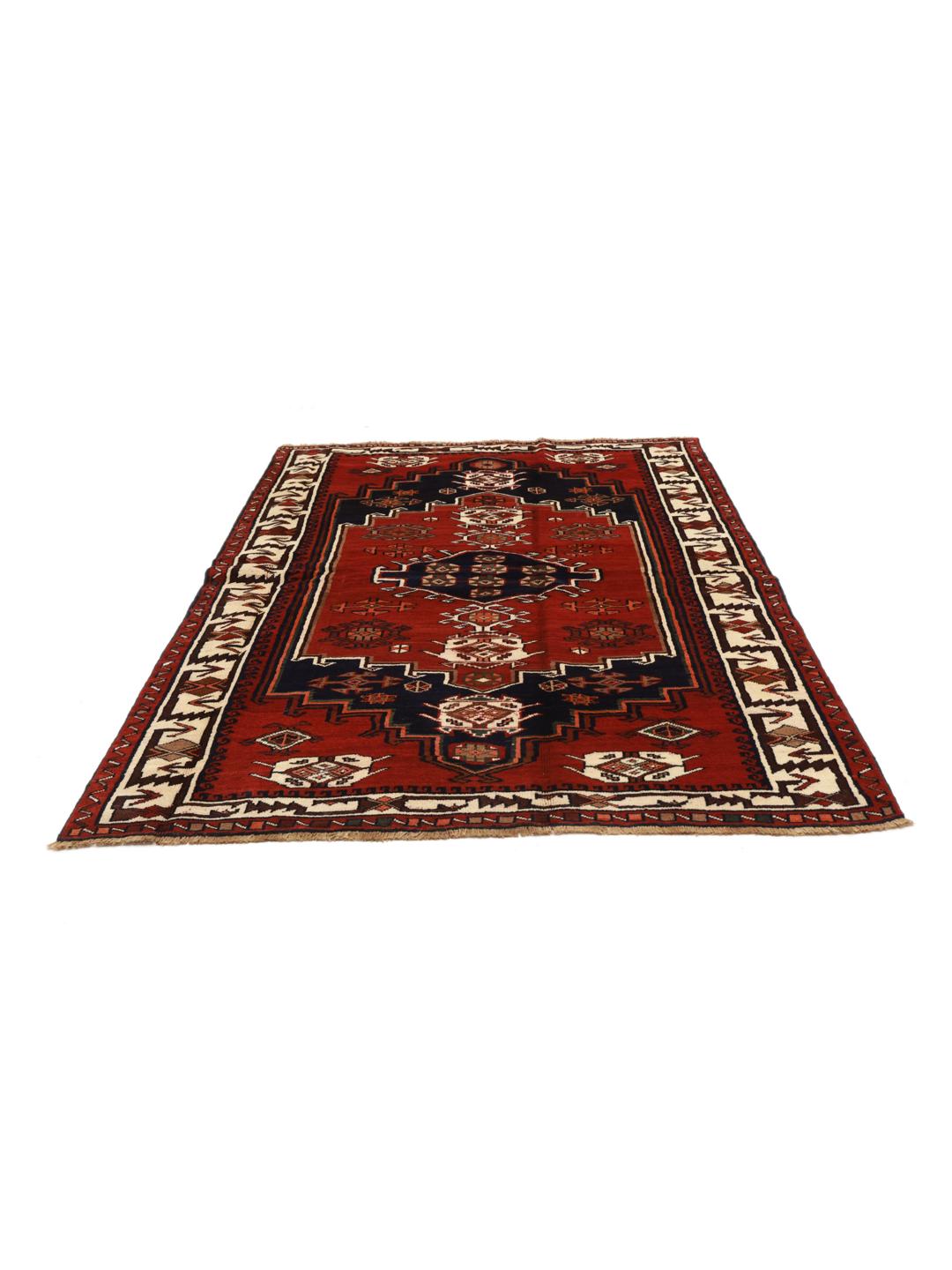
Visually, Lori rugs are celebrated for their bold, geometric language. They often feature large-scale medallions, stylised animal motifs, and intricate serrated borders that reflect a stylised interpretation of the natural world. The colour palettes are typically dominated by deep, earthy tones—often sourced from traditional vegetable dyes—that give the rugs a warm, grounded presence. While the patterns are rooted in tradition, each weaver brings a personal touch, ensuring that no two rugs are ever exactly alike.
Today, these rugs are highly sought after by collectors who value the authenticity and raw, artistic energy they bring to an interior. Owning a Lori rug is an opportunity to connect with a centuries-old tradition of nomadic craft, where each knot represents a commitment to heritage. They are more than just home accessories; they are enduring symbols of a distinct cultural legacy, appreciated for their bold design, durable construction, and the human story woven into every fibre.