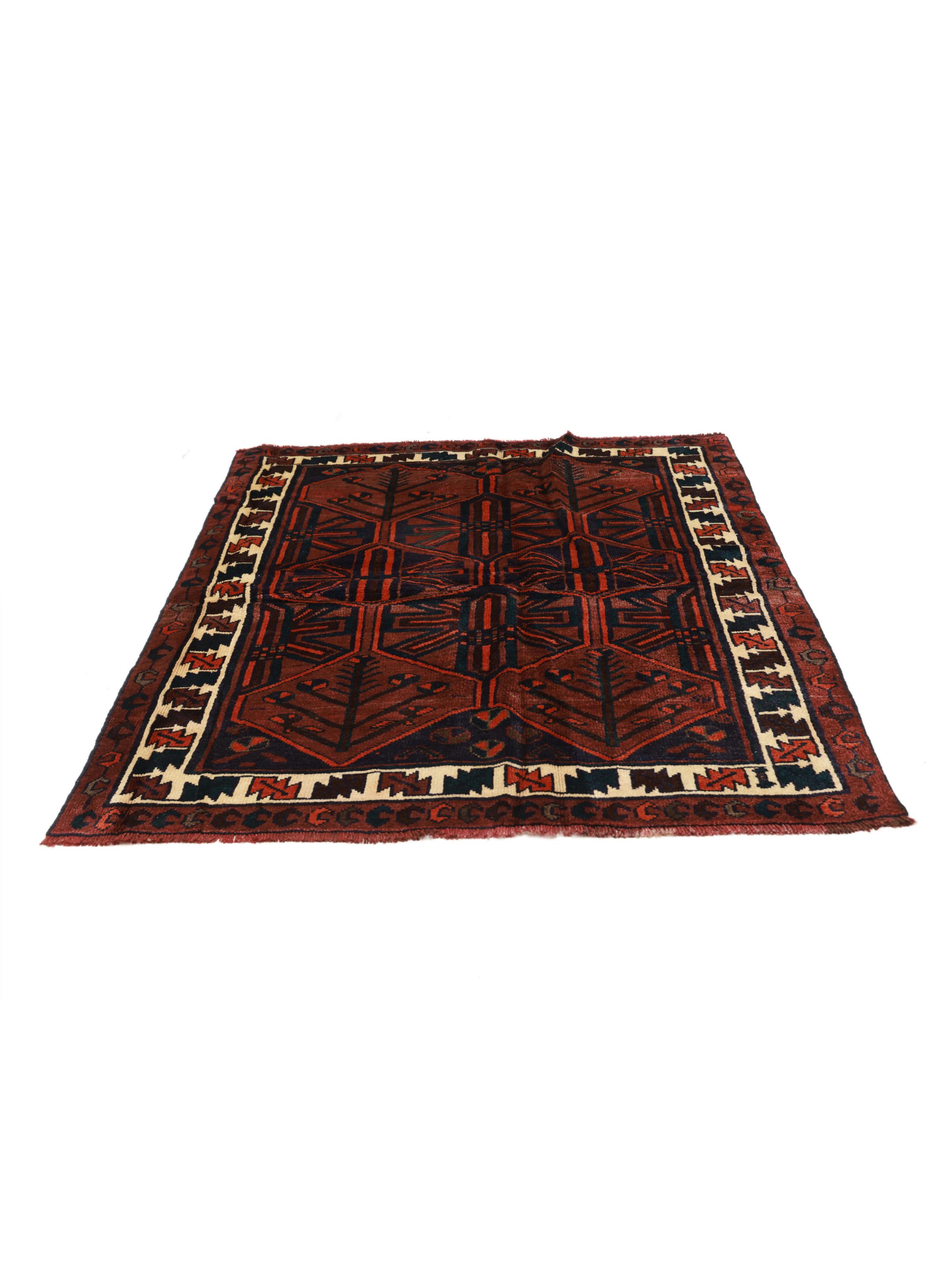
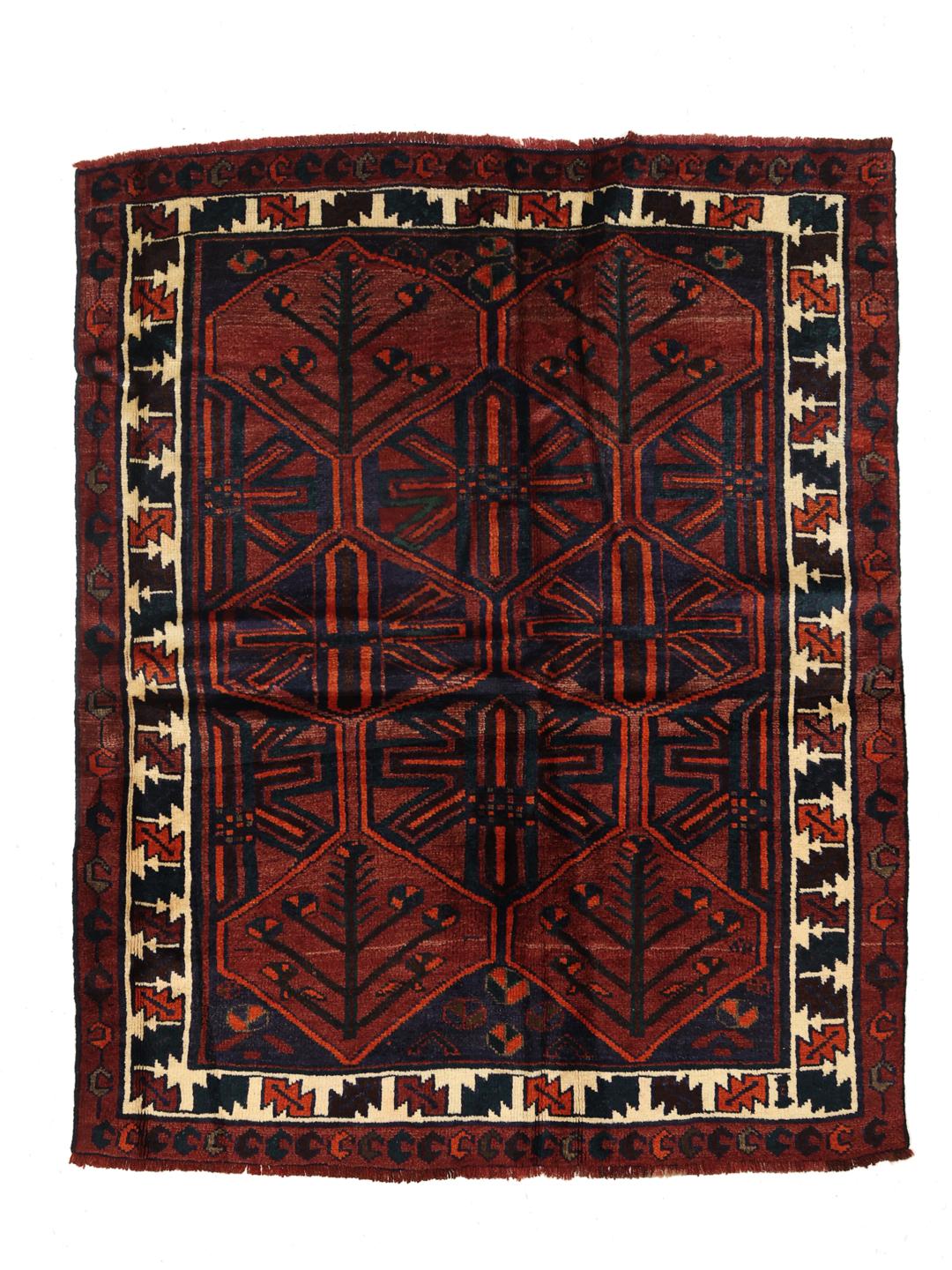
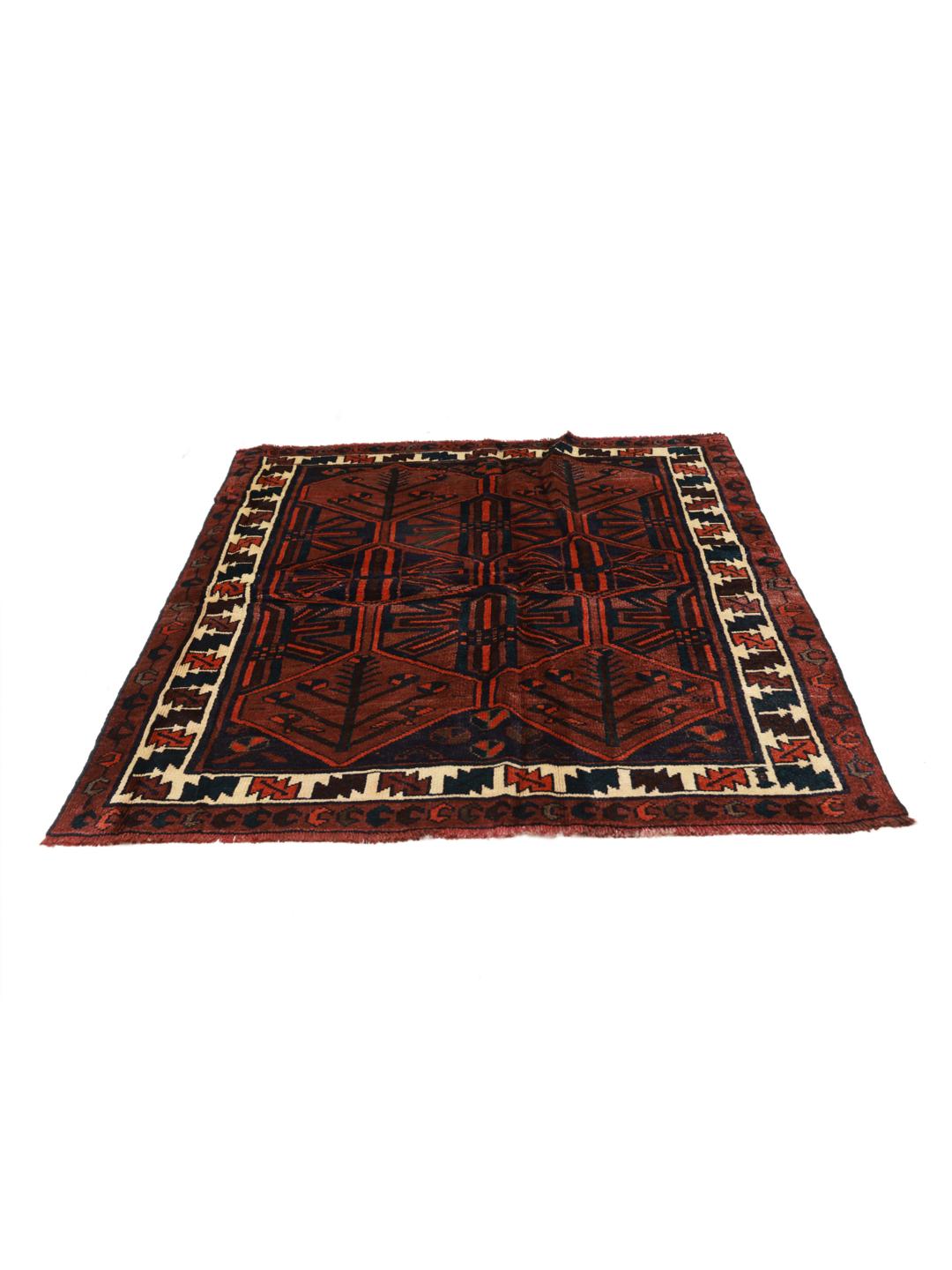
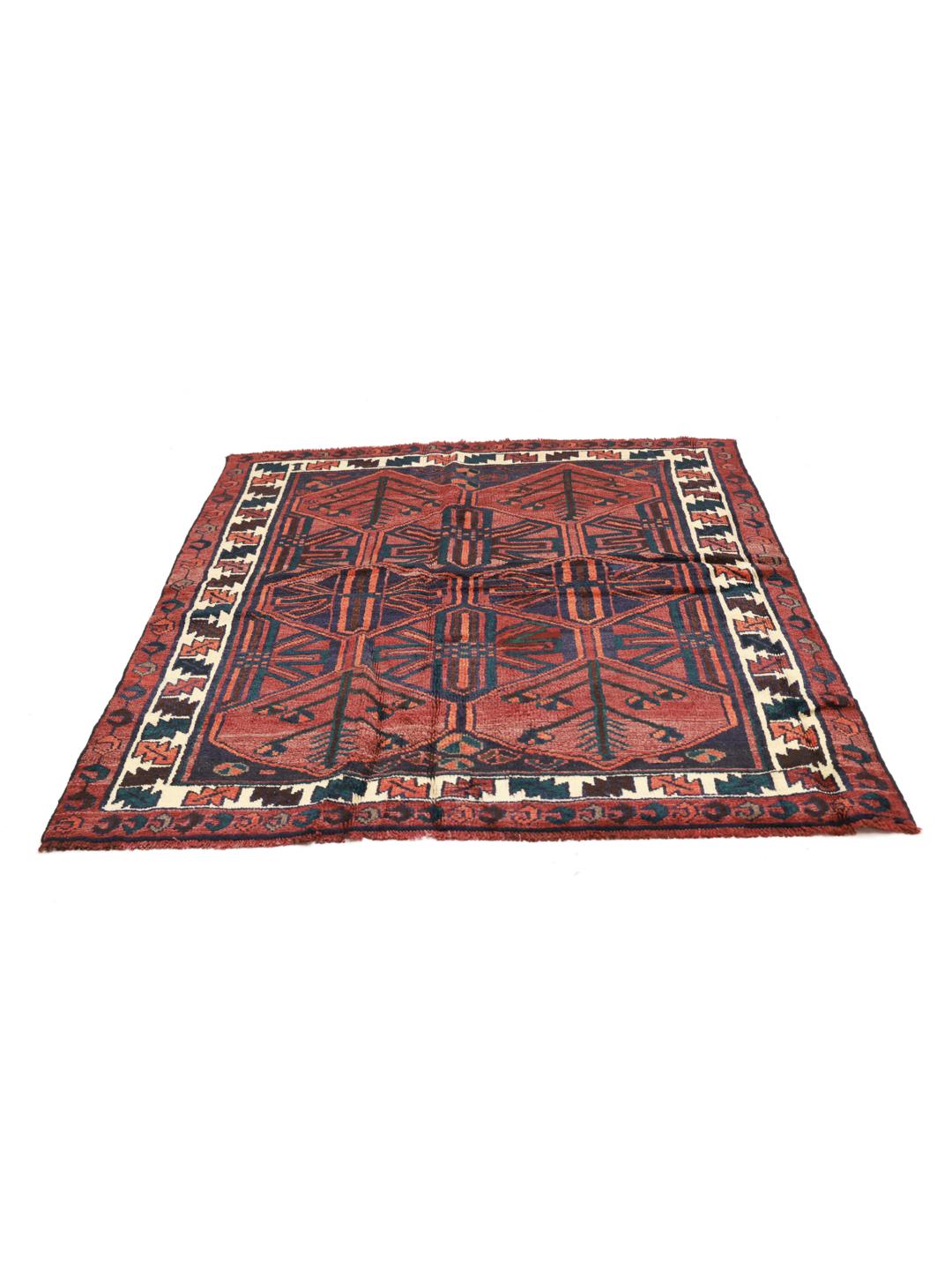
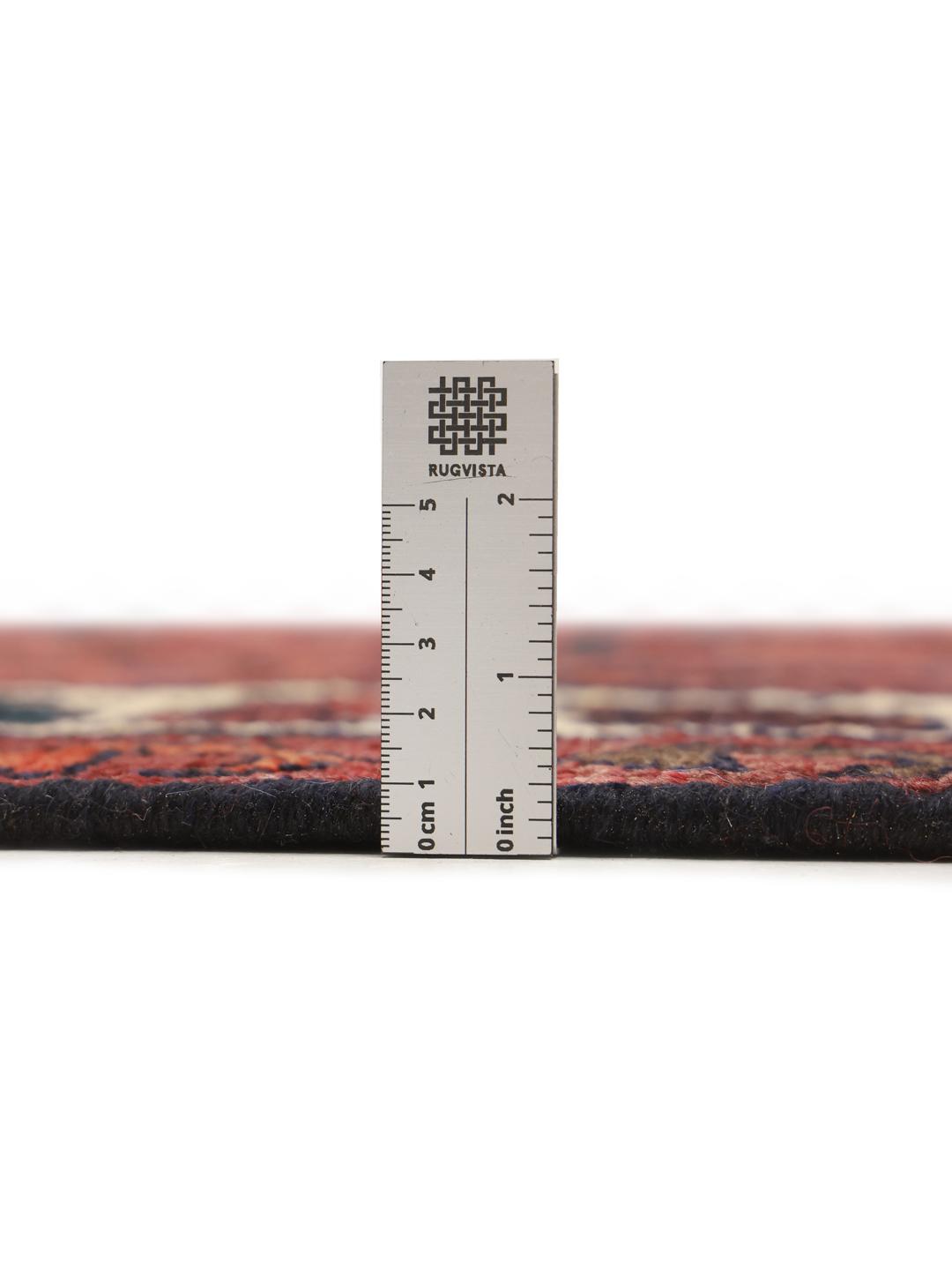
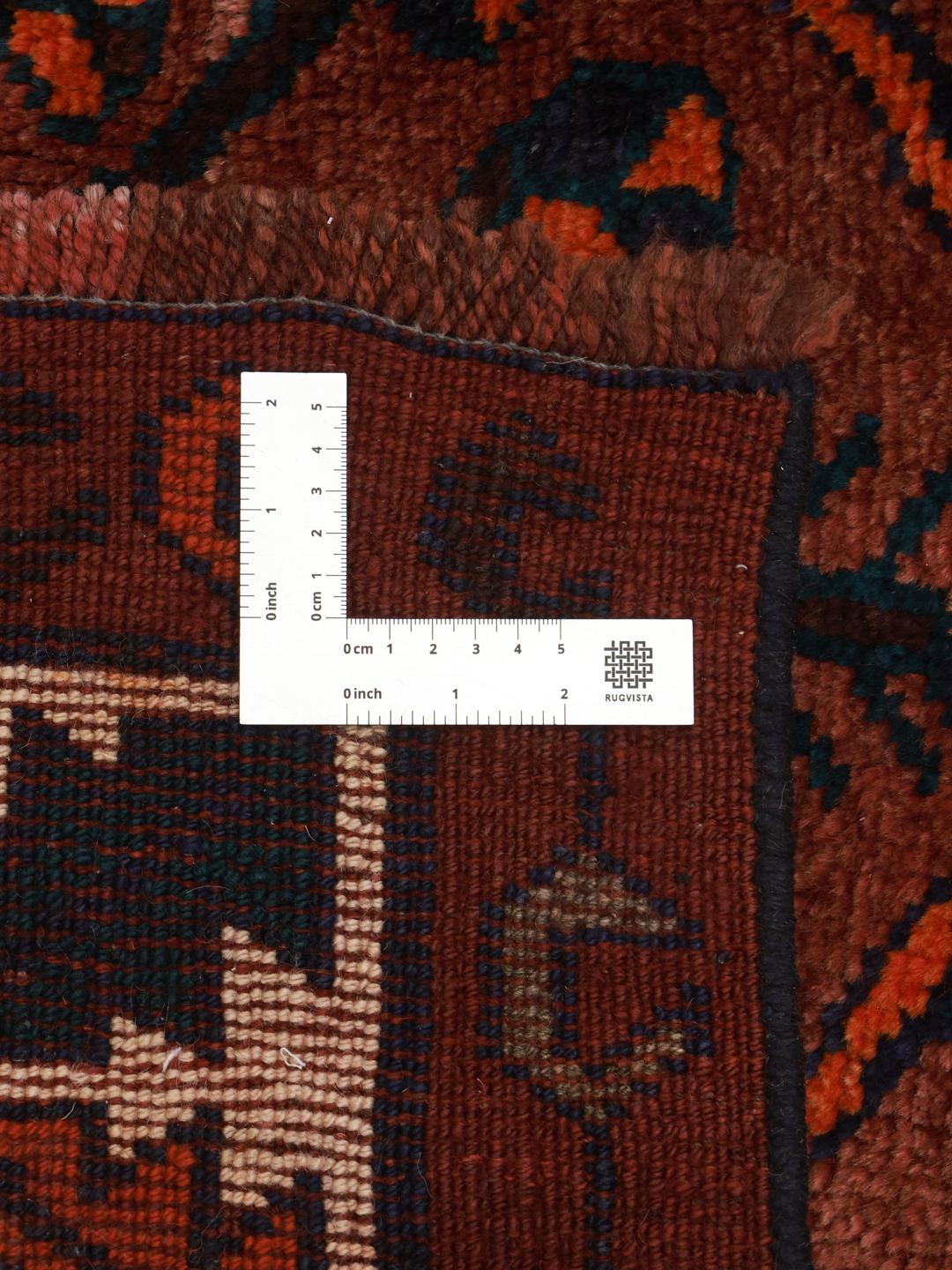
Lori rugs originate from the tribal regions of the Middle East, specifically associated with the nomadic and semi-nomadic Luri people. Historically, these rugs were woven as practical items for tent life, designed to provide warmth and insulation against the harsh environments of the mountainous landscapes. The evolution of these rugs from functional nomadic textiles to sought-after collector pieces highlights their enduring cultural significance and artistic merit.
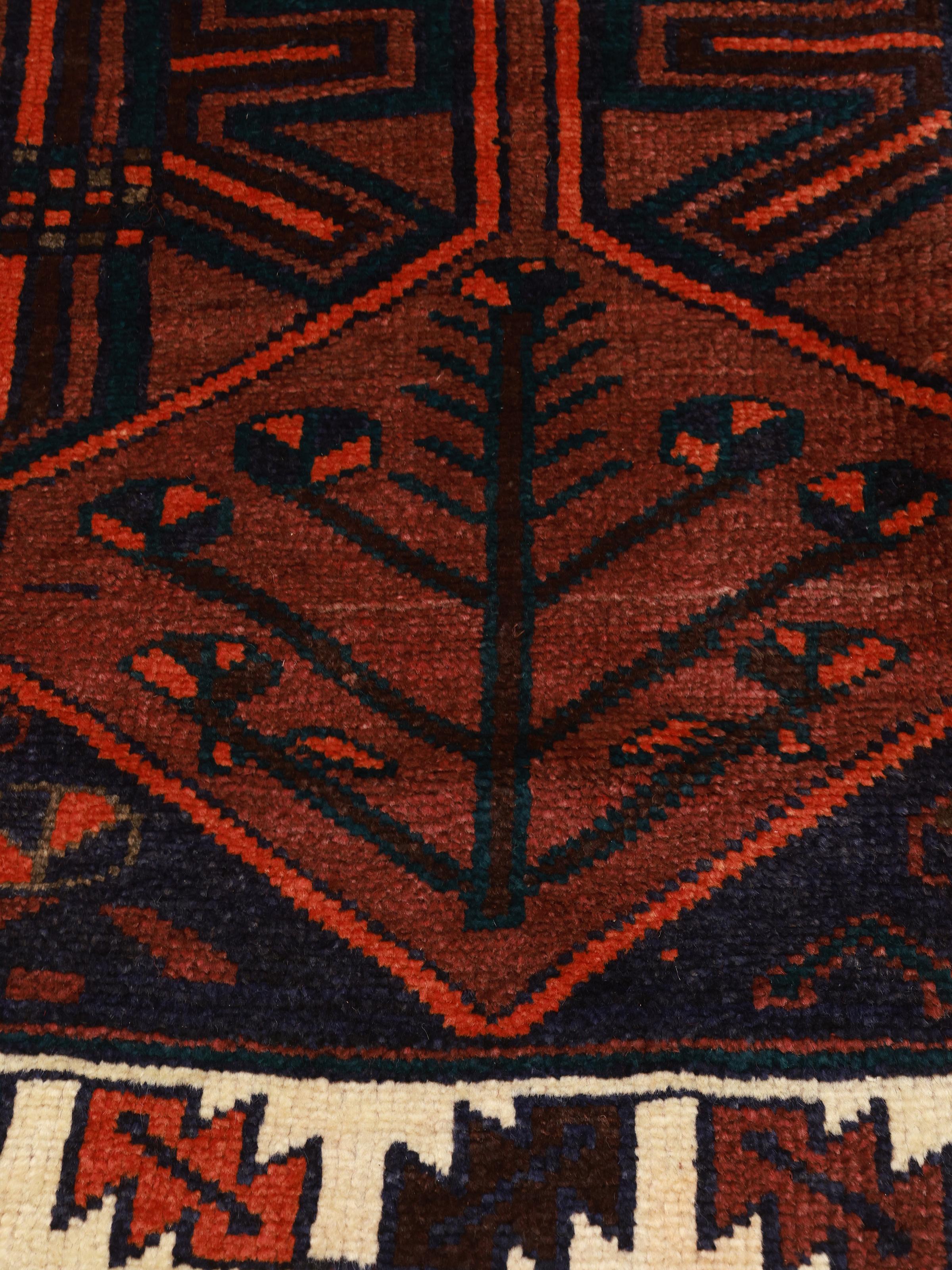
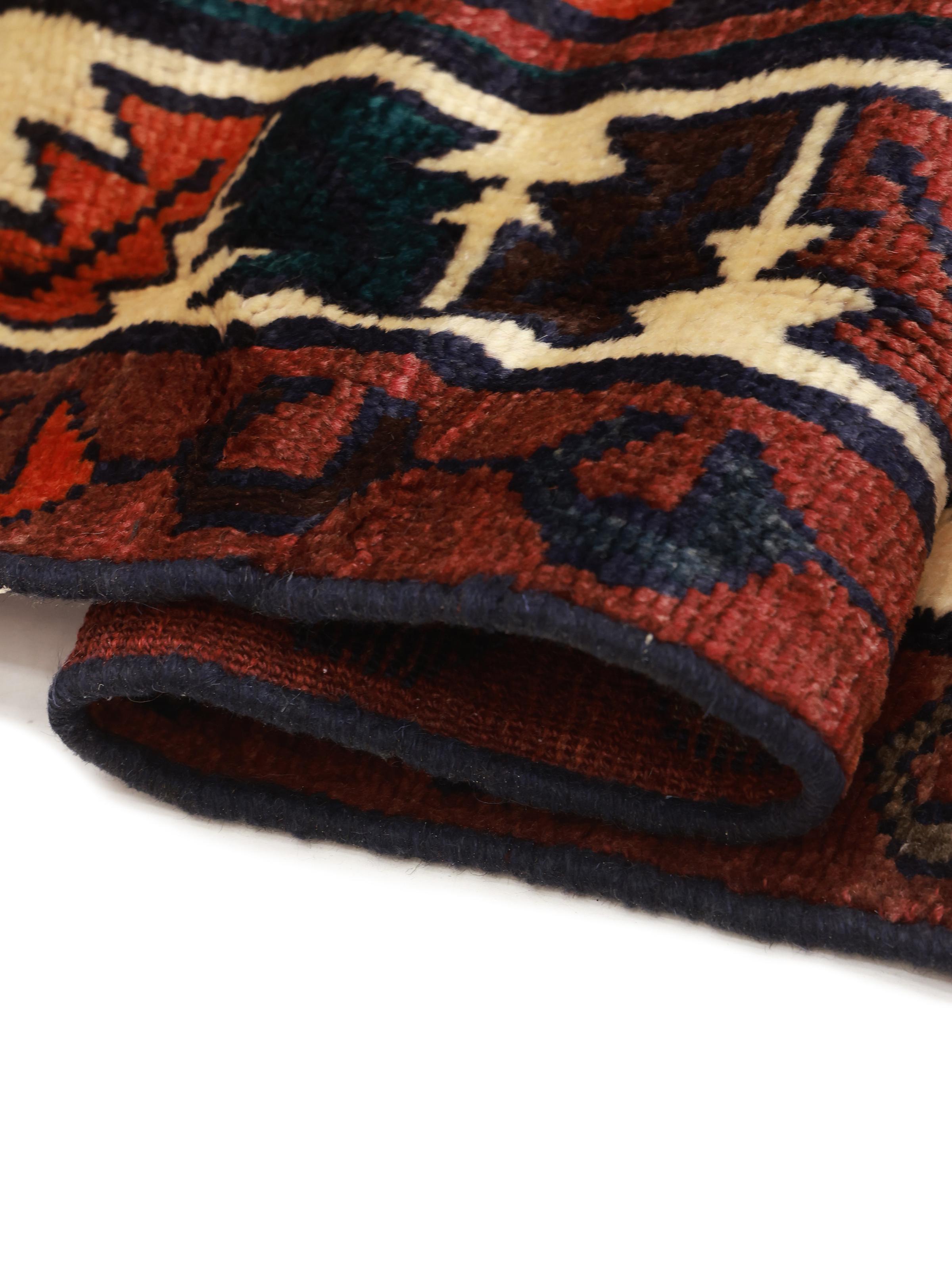
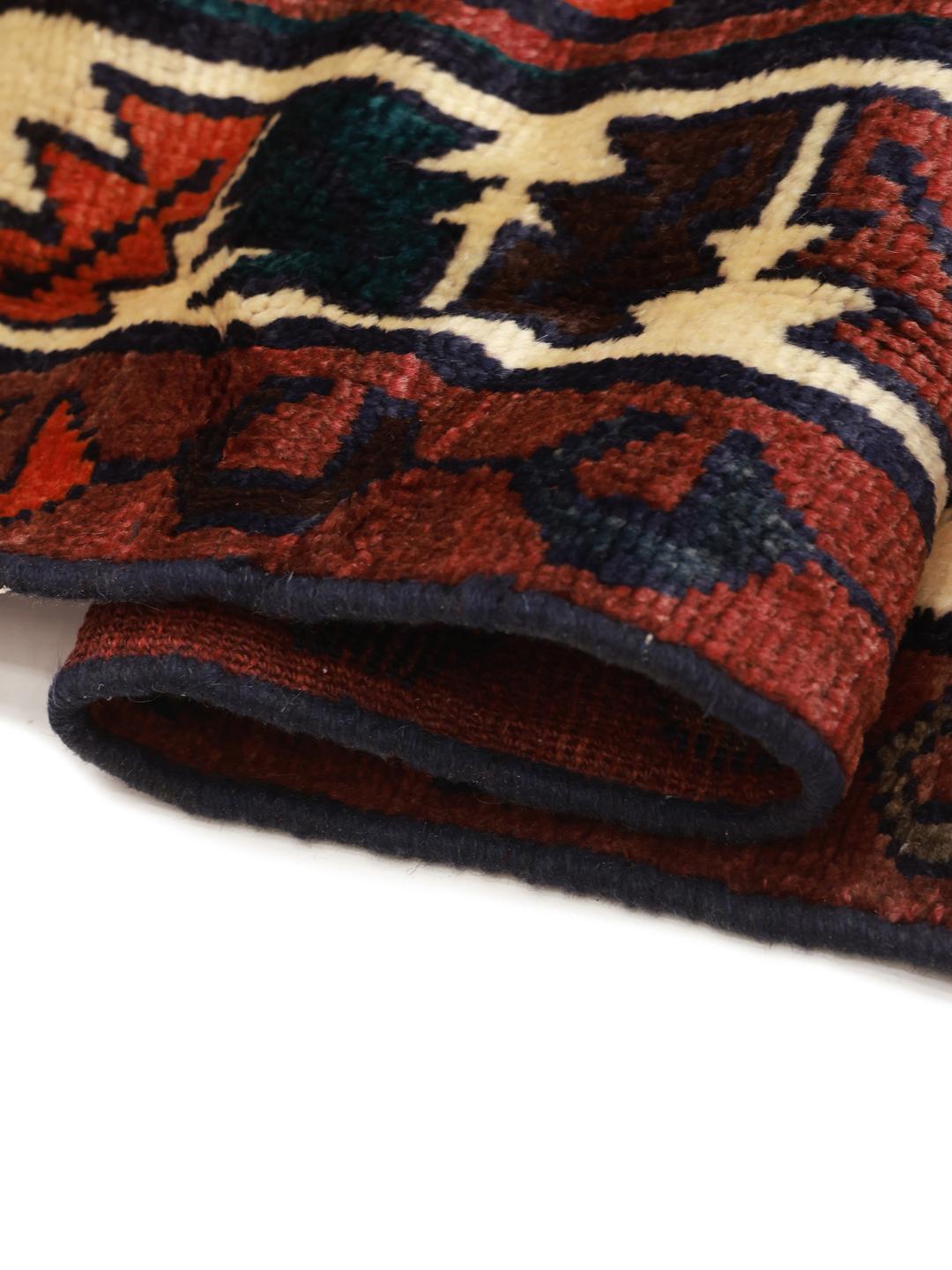
The terminology used to describe these rugs often reflects their tribal origins, where the craft was passed down through generations. The technique of hand-knotting is central to their quality, creating a structure that is both flexible and incredibly strong. This traditional approach ensures that the rug can withstand the wear of daily life, a necessity for the tribal communities where these designs first emerged as a core part of their material culture.
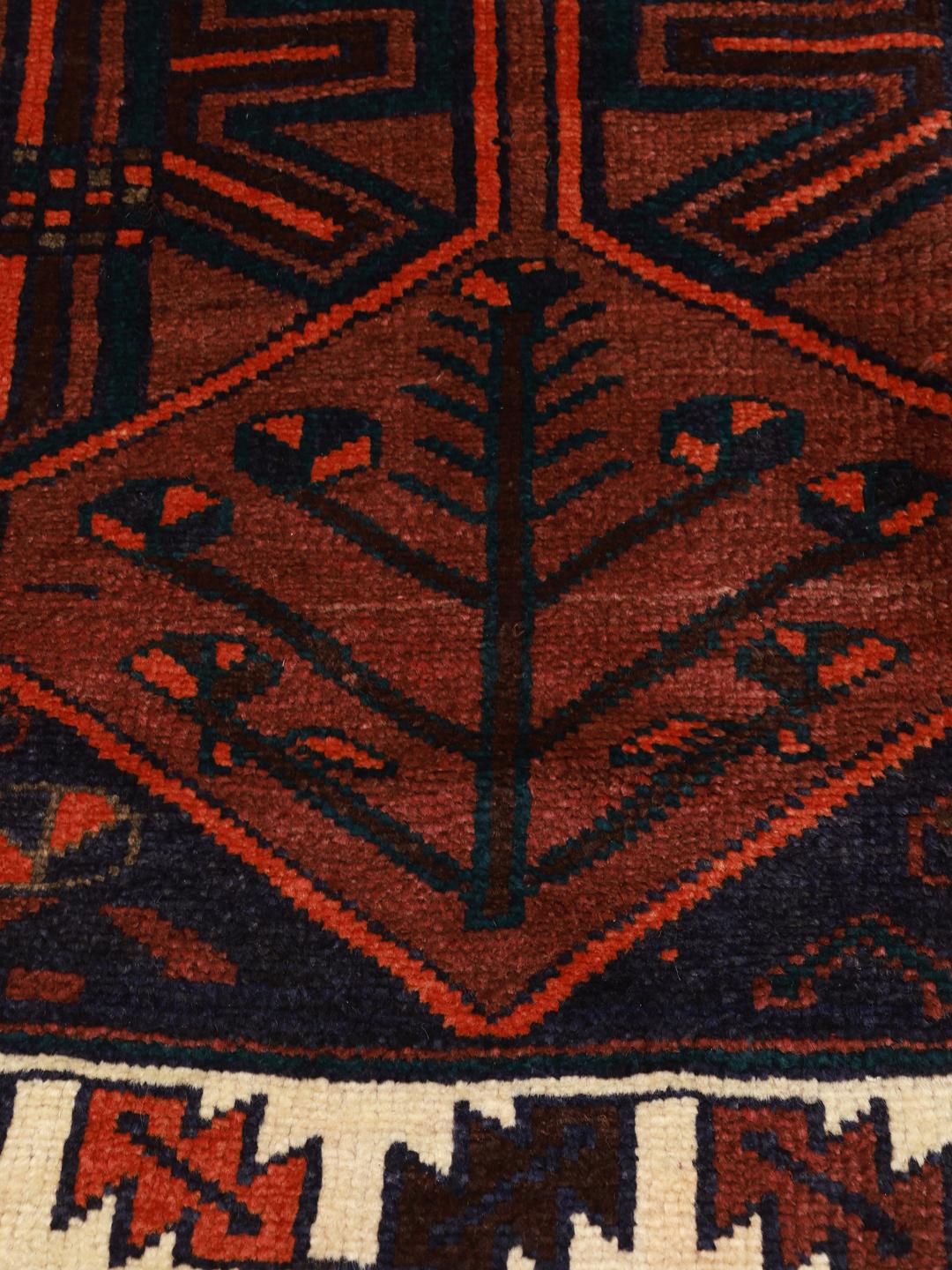
Signature design elements for Lori rugs typically include bold geometric medallions, stylised flora, and repeating tribal motifs that carry deep symbolic meaning. The use of deep, earthy colours, particularly rich reds and dark blues, is a hallmark of the tradition, often achieved through natural dyes derived from local plants and minerals. These motifs are not merely decorative but are a visual language that tells stories of the weaver's environment and tribal identity.
Owning a Lori rug is an opportunity to preserve a piece of living history. These rugs are highly valued for their honest, unpretentious aesthetic and the immense skill required to produce them. Collectors and interior designers alike prize them for their ability to bring a sense of grounded, human-centric history into modern homes, serving as a reminder of the craftsmanship and heritage that define these ancient weaving traditions.